You are on our International website. Please select your region to see content specific for your location





 Profile
 Orders
 Wishlist
 Change Password
 Logout


LATEST BLOGS
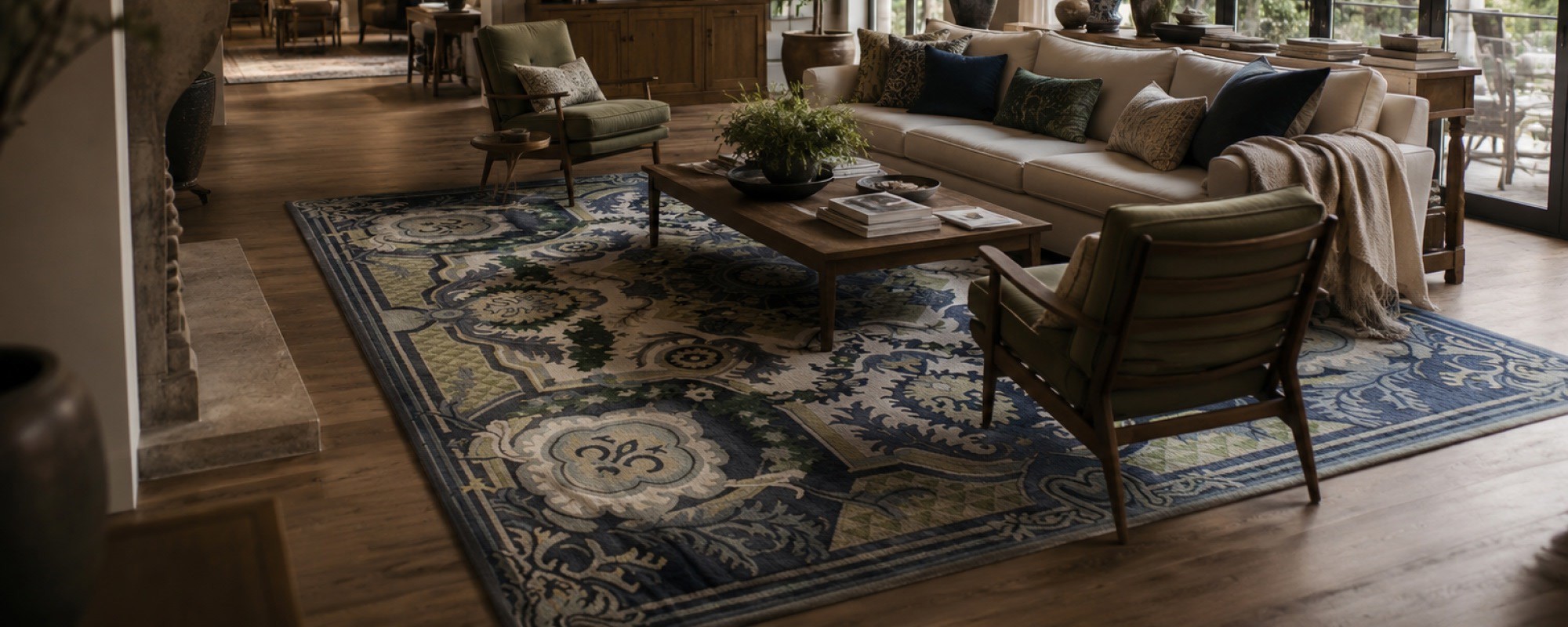
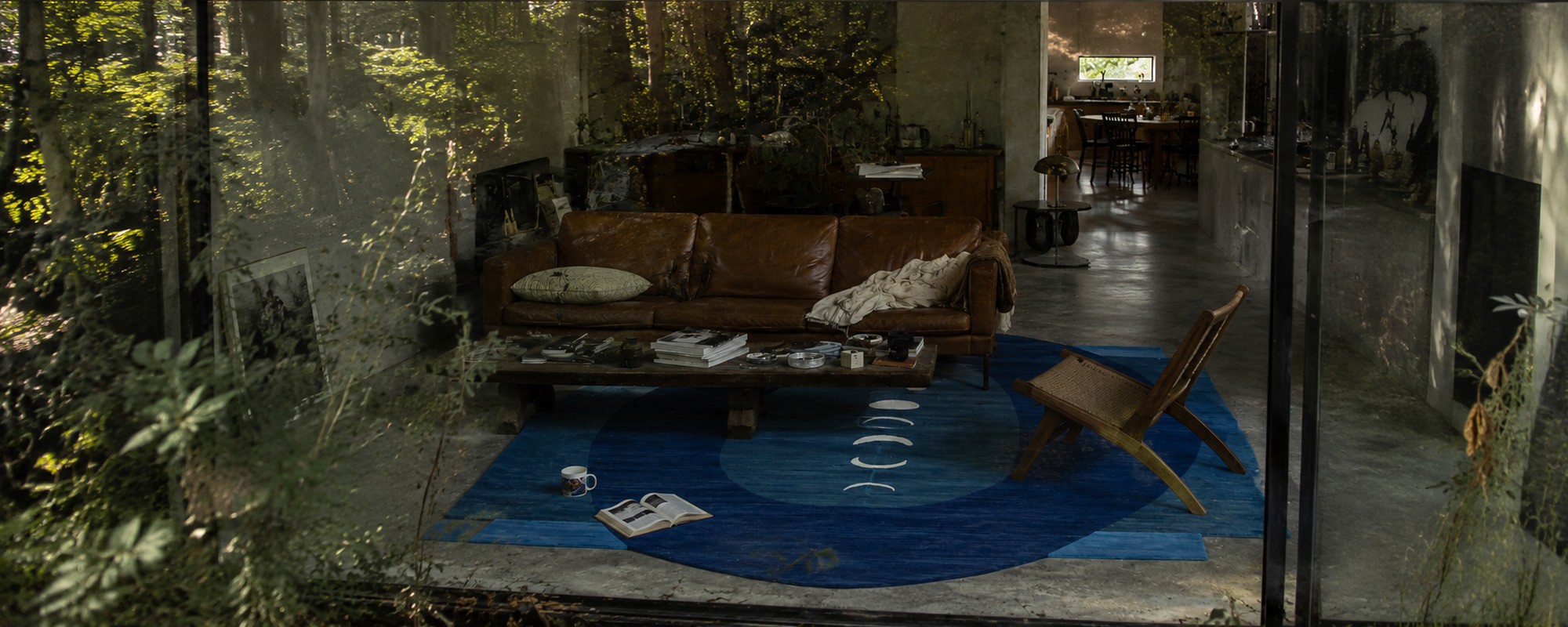

Natural vs Synthetic Rugs: Which Fiber Is Right for Your Home?
- 30 April 2025
- 5 Min Read
- By Jaipur Rugs

Explore the key differences between natural and synthetic rug fibers. Learn about materials like wool, jute, nylon, and polypropylene to find the perfect rug for your home.
When you're shopping for a new rug, it's easy to get overwhelmed by all the choices—colors, patterns, sizes. But one of the most important decisions you'll make is something that often gets overlooked: the type of fiber your rug is made from. The fiber makes all the difference, whether you're going for something soft and cozy underfoot or durable and easy to clean.
Let's explore the world of natural and synthetic rugs and help you determine which type best suits your space, lifestyle, and values.
First Things First: What Are Rug Fibers?
Rug fibers are simply the materials used to weave or tuft your rug. They can be broadly divided into two types: natural fibers and synthetic fibers. Natural fibers come from plants or animals—think wool, cotton, or jute. Synthetic fibers, on the other hand, are artificial materials like nylon or polypropylene, often designed to mimic the feel and look of their natural counterparts.
If you've ever asked yourself, "Is jute natural or synthetic?" The answer is yes! Jute is a plant-based fiber that's both biodegradable and durable, making it a popular choice for eco-conscious homeowners.
Let's Talk Natural Rug Fibers
Natural fiber rugs have a certain charm that's hard to replicate. Something about the softness of wool or the earthy texture of jute brings a cozy, organic feel to any room.
Here are a few popular types of natural fiber rugs you might come across:
Wool: A classic choice, wool is soft, naturally stain-resistant, and incredibly durable. The wool rugs are great for high-traffic areas like living rooms and hallways and tend to age beautifully over time. Plus, it helps regulate room temperature and even absorbs sound.
Cotton: Lightweight and affordable, cotton rugs are easy to clean and often reversible, which gives you two looks in one. They're perfect for casual spaces like bedrooms or kitchens, though they may not hold up as long as wool in high-traffic areas.
Silk: Silk rugs are the epitome of luxury. They're smooth, shiny, and delicate—best suited for low-traffic areas like a formal sitting room. Silk is often blended with wool to increase durability while maintaining that elegant sheen.
Jute, Sisal, and Hemp: These are the rugged, textured options. They're not super soft but durable and add much character. The hemp and jute rugs are perfect for beach houses, boho interiors, or anywhere you want that raw, natural look. Just remember, they don't love moisture, so avoid placing them in bathrooms or damp areas.
Bamboo Silk: Bamboo silk is a sustainable alternative to traditional silk, which is smooth and shiny but more affordable. Often used in combination with wool, a wool and bamboo silk rug is a great middle ground between luxury and practicality.

Exploring Synthetic Rug Options
If your lifestyle is a little messier (hello, kids and pets), synthetic rugs might be more your speed. They're durable, stain-resistant, and usually more affordable than natural fiber rugs.
Let's go over the main types of synthetic carpet and rug fibers:
Nylon: Nylon rugs are known for their resilience. They bounce back after furniture impressions, resist wear and tear, and are relatively easy to clean. While they may not have the natural charm of wool, they do the job well in busy households.
Polypropylene (Olefin): If you need an outdoor rug or something for a muddy hallway, this one's your friend. Polypropylene is water-resistant and resists fading, which makes it great for sunny spots. It's not the softest option, but it scores high on practicality.
Acrylic: They have a reputation for generating static electricity, which can be surprising when walking barefoot.
Polyester: Polyester has a natural shine and is super soft to the touch. While it resists fading, it tends to flatten over time in high-traffic zones. Polyester rugs are a great budget pick for bedrooms or areas with lighter use.
So… Natural or Synthetic?
This is where the great natural fiber vs synthetic debate comes in.
Natural fibers like wool or cotton bring in a warm, authentic feel. They're breathable, biodegradable, and eco-friendly. They're a smart pick if sustainability matters to you—and, honestly, it should. Rugs and carpets made from natural fibers also tend to be hypoallergenic, especially wool, which can help filter out dust and allergens from the air.
But synthetic rugs hold their own. They're durable, easy to maintain, and significantly more affordable. Synthetic carpets are a practical choice if you're looking for a rug you don't have to baby—or something you won't mind replacing in a few years.

Common Questions People Ask
What is the difference between natural fiber and synthetic fiber?
Natural fibers are sourced from the environment, while synthetic ones are human-made using chemical processes. Natural options are more sustainable and luxurious but often more expensive, while synthetic ones are easy to care for and budget-friendly.
Is jute natural or synthetic?
Jute is a natural fiber that's loved for its texture and eco-friendliness. However, it's not as soft underfoot and isn't the best in moist environments.
Which type lasts longer?
It depends on how it's used. Wool rugs can last decades with proper care, while synthetic rugs are more resistant to wear and tear in high-use settings.
What About Rug Shedding and Fading?
All rugs, natural or synthetic, can shed a bit when new. This is totally normal and should settle down with regular vacuuming. As for fading, any rug will fade over time if it's sitting in direct sunlight. The trick? Rotate your rug every few months to even it out.
How to Keep Your Rug Looking New
No matter what material you choose, here are a few rug-care tips:
-
Vacuum regularly—but avoid the fringe!
-
Blot spills immediately; don't rub.
-
Use a rug pad to prevent slipping and add cushioning.
-
Get it professionally cleaned once a year.
-
Trim any fibers that poke out instead of pulling them.
The Final Words
At the end of the day, there's no one-size-fits-all answer. Natural fiber rugs offer warmth, sustainability, and elegance, while synthetic rugs bring resilience and practicality to the table. Think about where the carpet is going, who's using it, and how much maintenance you're willing to put in.
Whether a hand-knotted wool masterpiece or a machine-made synthetic carpet designed to survive toddlers and pets, the right rug can transform a room.


Pic Credits
Jaipur rugs / Abil Dase
Share
-
 Facebook
-
 Twitter
-
 Email
Email
Related posts
-
10 June 2026
-
8 Min Read
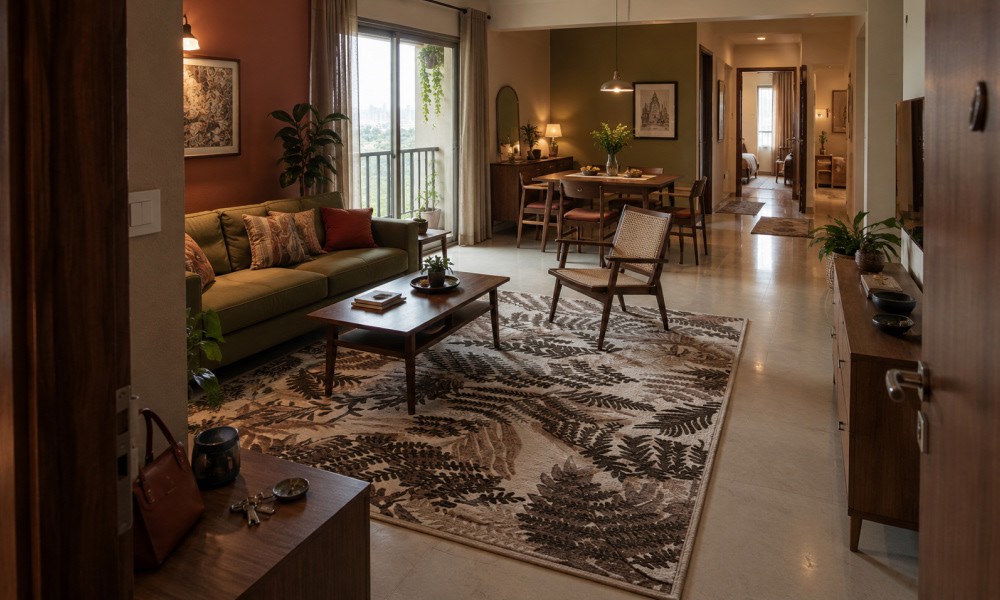
The Ultimate Guide to Choosing the Perfect Rug for Your New 3BHK Apartment
Choosing the right rugs for a new 3BHK apartment involves balancing room functionality with style. This expert guide explains how to select high-quality hand-knotted, flat-weave, and soundproof rugs, room by room. Learn optimal sizing, premium material selection, and maintenance tips to effortlessly zone your living, dining, and bedroom spaces while elevating your home's luxury, comfort, and acoustic privacy.
Read More >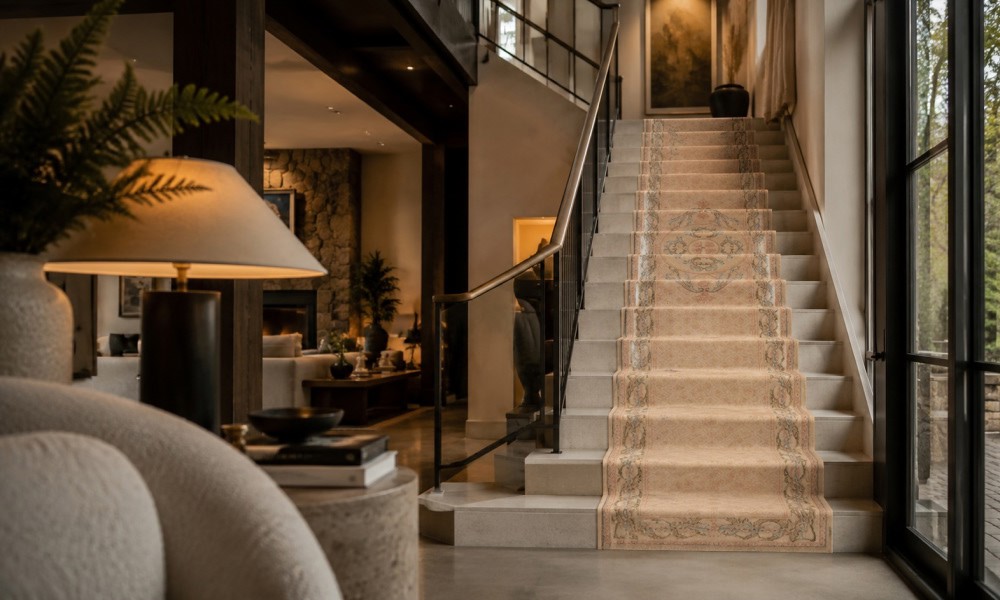
-
09 June 2026
-
6 Min Read
The Designer’s Guide to Staircase Runners in 2026: Pattern, Pile, and Proportion
Upgrade your home with our simple 2026 guide to staircase runners. Learn how to choose the right colors, patterns, and durable low-pile fabrics to protect your steps. We also break down easy-to-follow measurement formulas, realistic cost expectations, and safety tips for installation so you can get a beautiful entryway that lasts.
Read More >
-
06 June 2026
-
8 Min Read
How to Style a Kilim Rug in a Modern Home (Without It Looking Bohemian)
Add warmth and geometric structure to minimalist spaces using traditional flatweaves without creating a bohemian look. By balancing vibrant kilim rugs against sleek Italian leather, low-profile track-arm sofas, and crisp neutral walls, you create a sophisticated, gallery-like focal point. Use muted or striking jewel tones to beautifully anchor entryways and dining rooms while maintaining a polished aesthetic.
Read More >
-
04 June 2026
-
8 Min Read
Animal Print Rugs in 2026: How the Quiet Luxury Crowd is Doing It Differently
In 2026, animal print rugs are reinvented through the lens of quiet luxury. Sophisticated homes are replacing loud, synthetic prints with handmade, low-contrast textures. By utilizing premium wool and silk blends, architectural sizing, and soft muted palettes, these wild motifs function as elegant, grounding elements that bring organic warmth to modern minimalist spaces.
Read More >
-
07 May 2026
-
6 Min Read
Bamboo Silk vs. Viscose vs. Art Silk: What's The Difference?
Some handmade rugs know how to attract the eyes in under three seconds. The sheen. The softness. The “this room suddenly looks expensive” effect. But bamboo silk, viscose, and art silk rugs age very differently once pets, spills, sunlight, humidity, and actual living enter the picture. One wrong choice can make a luxury rug look exhausted within months. Read this before you fall for softness alone.
Read More >
-
23 December 2024
-
7 Min Read
Why Are Jaipur Rugs' Best-Selling Carpets A Must-Have For Every Home?
Jaipur Rugs' best-selling carpets offer a perfect blend of timeless beauty and luxurious craftsmanship. Hand-knotted with precision, each rug showcases unique designs that elevate any space. From traditional to modern styles, these rugs are crafted to enhance your home’s decor with lasting elegance. Discover the perfect rug to add warmth and style to your living room, bedroom, or hallway.
Read More >