You are on our International website. Please select your region to see content specific for your location





 Profile
 Orders
 Wishlist
 Change Password
 Logout


LATEST BLOGS

How to Get Mold Out of Carpet: The Expert-Approved Guide You Need
- 31 May 2025
- 6 Min Read
- By Jaipur Rugs


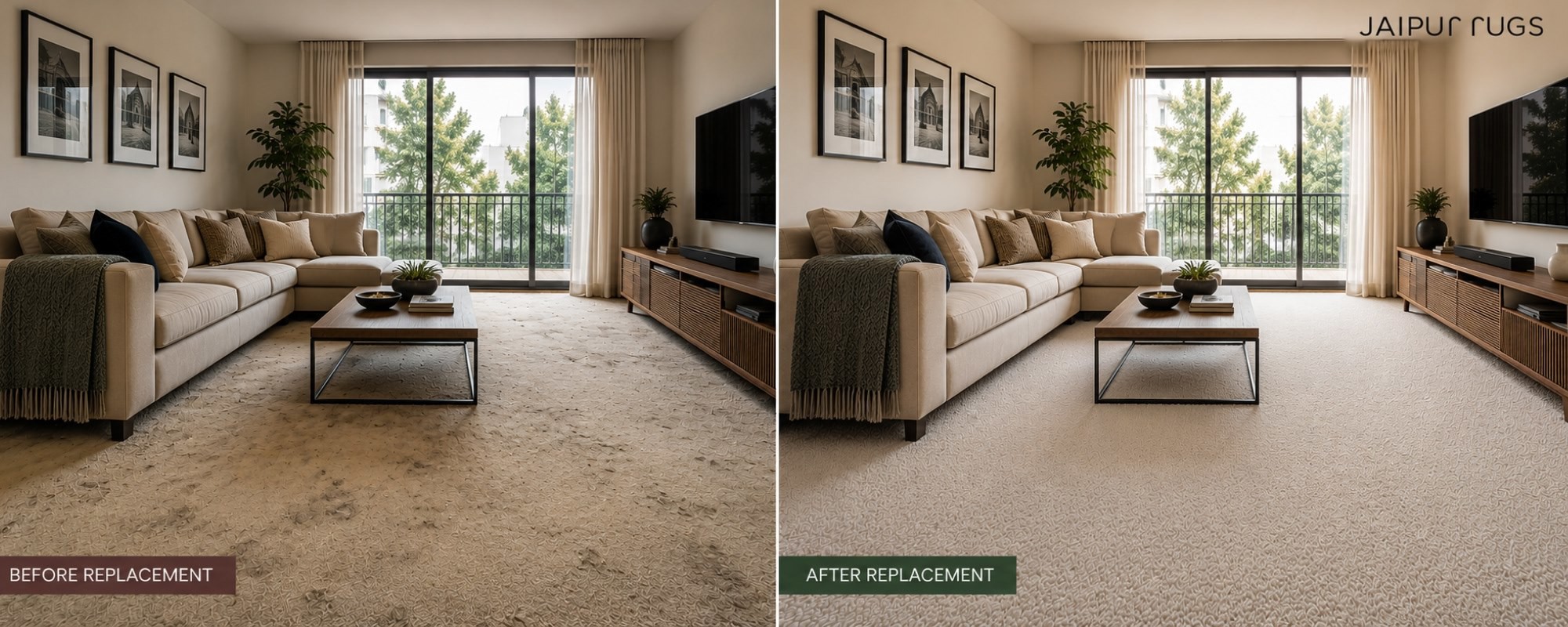
That musty smell? It’s not your imagination—it’s mold. And trust us, it’s sneakier than it looks. Whether you've spotted a fuzzy patch or suspect mold under the carpet, this ultimate guide has got your back. Learn exactly how to get mold out of carpet with easy, effective steps (no panic or pricey pros needed). From prevention hacks to deep-cleaning tricks, we break down everything you need to know about carpet or rug mold—so your home stays fresh, safe, and breathable. Say goodbye to molded carpets and hello to confidence in every step. Ready to rescue your rug? Let’s begin.
That Damp, Sour Smell?
Not “weather.” Not “closed windows.”
That’s mold throwing a silent house party in your carpet.
And mold is rude. It doesn’t just sit there looking ugly. It spreads, digs into padding, pollutes the air, triggers allergies, and quietly wrecks your flooring from the inside out.
Quick Fix:
Dry the area completely → HEPA vacuum → spray white vinegar or hydrogen peroxide → gently scrub → dry again with strong airflow.
If the patch is small, you can handle it. If it smells like a swamp monster moved in, call professionals.
Quick Mold Facts You’ll Wish You Knew Earlier
You didn’t flood the house. Nothing dramatic happened. Yet your designer handmade rug smells like a damp towel that never dried. That’s how mold on carpet starts, quietly, invisibly, and way earlier than most people realize. By the time you notice it, mold in carpet has usually been active for days.
Here’s what most of you find out too late:
-
Mold can start growing within 24 hours of moisture.
-
Carpet padding holds water longer than surface fibers.
-
Humidity above 60% turns carpets into mold nurseries.
-
That musty smell = airborne mold spores.
-
Small patches are manageable; large ones become structural problems.
Mold doesn’t need drama. Just moisture, warmth, and neglect.
Why Mold Forms in Carpets?
Mold in carpet usually starts with everyday accidents you barely notice. A small spill, a damp monsoon afternoon, or an AC drip can trap moisture deep in carpet fibers where airflow cannot reach.
Your carpet isn’t “dirty.” It’s just bad at drying.
Here’s how mold quietly sets up camp:
-
A spill you “almost” cleaned seeps into the padding.
-
AC leaks drip slowly like silent sabotage.
-
Floodwater from months ago never fully left.
-
Humid air gets trapped with no ventilation.
-
Carpets laid on concrete collect condensation underneath.
-
Closed rooms stop airflow that normally dries fibers.
Translation: Moisture + trapped air + fabric = mold’s dream apartment.
How to Spot Mold Before It Gets Worse?
Mold doesn’t always show up like a horror movie villain. Sometimes it’s subtle. Annoying. Suspicious.
Look for:
-
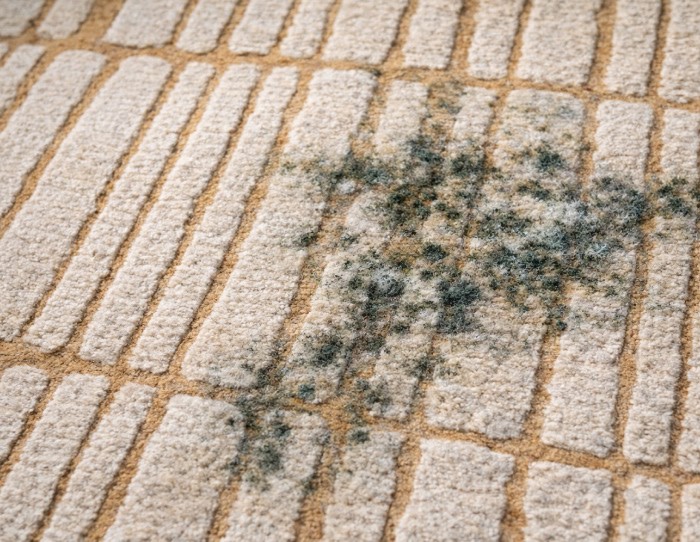
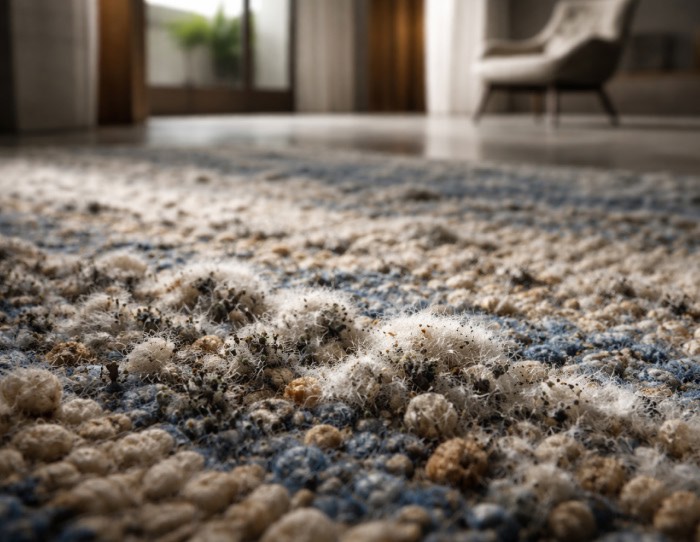
Weird patches in green, black, gray, or ghostly white
-
Fuzzy or dusty textures that weren’t there before
-
Stains that vanish… then mysteriously reappear
Smell for:
-
A damp, earthy odor like an old basement
-
Stronger smell in the morning or after rain
Feel for:
-
Carpet that feels slightly damp for no reason
-
A soft, squishy underfoot texture
Notice your body:
-
Random sneezing indoors
-
Itchy throat, watery eyes
-
Headaches that disappear outside the room
Black mold looks darker and slimier.
White mold looks powdery and harmless, but spreads just as fast.
If your modern carpet smells alive, it probably is.
The Step-by-Step Guide: How to Remove Mold from Carpet?
If the molded carpet is under 10 sq ft, not deeply embedded, and hasn't been water-damaged for over 48 hours, you’re good to DIY.
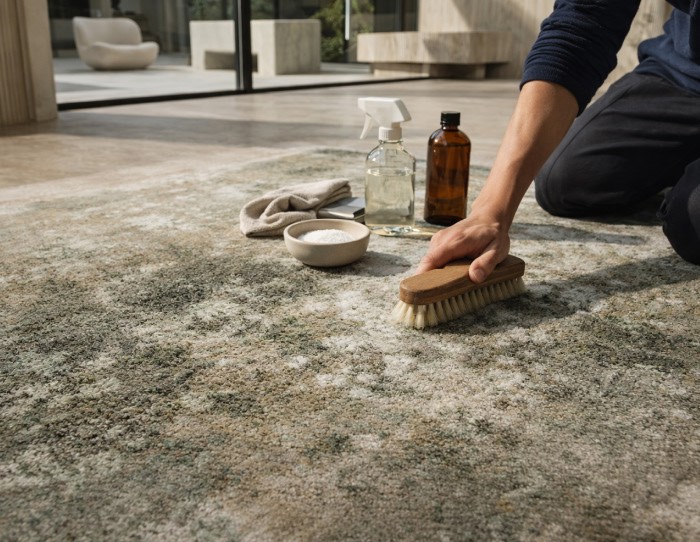
What You’ll Need:
-
Baking soda
-
White vinegar
-
A stiff-bristle brush
-
Spray bottle
-
HEPA vacuum
-
Fans or a dehumidifier
-
Gloves + mask (please don't skip these)
Step-by-Step Execution On How to Get Rid of Mold in Carpet
-
Ventilate the area. Open windows and doors. You don’t want to trap those spores inside.
-
Dry it out. Mold hates dry air. Use fans and a dehumidifier to eliminate moisture ASAP.
-
Sprinkle baking soda generously on the affected area and let it sit overnight. This helps absorb odor and moisture.
-
Vacuum thoroughly. Use a HEPA filter if possible—it catches microscopic spores.
-
Mix white vinegar and warm water (1:1) in a spray bottle and soak the moldy area.
-
Scrub like your deposit depends on it. Use a stiff brush to loosen the mold.
-
Blot or wet-vac the area dry. No lingering moisture allowed!
-
Repeat if needed, and dry again using fans or a heater.
Pro Tip: For stubborn mold on carpet, you can use anti-fungal carpet sprays or a diluted hydrogen peroxide solution—but test the solution first on an inconspicuous spot.
What If the Mold Is Under the Carpet?
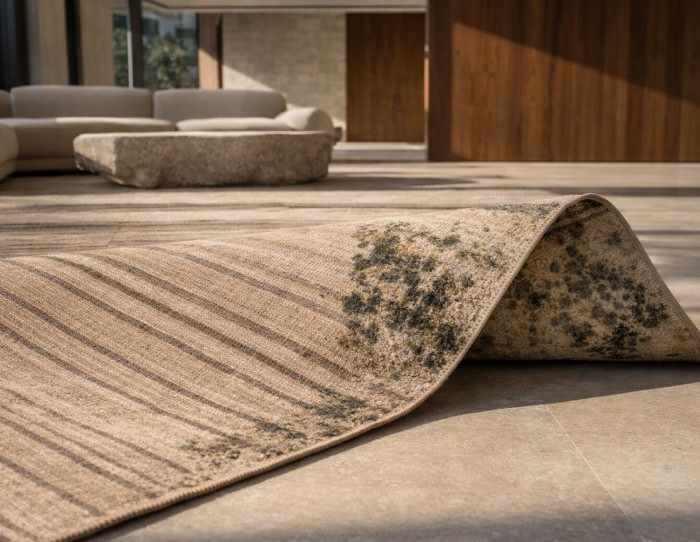
Bad news: mold under carpet is like the iceberg beneath the Titanic. If it's there, it's often worse than what you can see. If moisture seeped in deep enough, your subfloor might be affected.
Signs Mold Has Moved In Below
-
The wood floor feels soft or squishy.
-
The designer carpet smells worse after vacuuming.
-
Mold keeps reappearing.
In this case, stop. Call in the pros. They’ll lift, assess, and help you decide whether it’s salvageable or needs replacing.
How to Get Rid of Mold in Carpet Padding?
-
Pull back the area rug and inspect the padding underneath.
-
If the padding is wet or moldy, you’ll need to replace it.
-
Clean the subfloor with vinegar, peroxide, or a professional mold killer.
-
Only reinstall the carpet once everything is completely dry.
If your carpet padding is soaked, musty, or smells like a swamp, don’t try to save it. It's cheaper (and healthier) to replace it than to risk mold regrowth.
Prevention: Keep Mold from Coming Back
Getting rid of carpet mold is great, but keeping it away? That’s the real flex.
Here’s how to make sure you don’t meet again:
-
Use a dehumidifier in damp rooms
-
Clean spills immediately and dry the area thoroughly
-
Steam clean carpets every 6–12 months
-
Avoid wall-to-wall carpet in moisture-prone areas (hello, tile in bathrooms!)
-
Ensure proper airflow with fans and open windows
And if your home has had past water damage, stay vigilant. Carpet mold loves a comeback.
Bonus Hack: Place washable polyester rugs or cotton carpets over high-risk zones. They're easier to clean and replace.

Summing Up..
Homes are getting more insulated. Rainfall patterns are getting unpredictable. Humidity is rising in urban spaces.
All of this traps indoor moisture longer, making living room carpets more vulnerable to mold than ever before.
While carpet materials evolve, moisture remains the universal trigger.
The solutions here rely on fundamentals:
Moisture control. Airflow. Proven anti-fungal methods.
Those principles don’t expire.
Future-proof homes aren’t spotless.
They are informed.
We will be back with another exciting blog soon!
Till then, stay tuned and explore Jaipur Rugs.
FAQs
What Kills Mold on Carpet?
White vinegar, baking soda, or a commercial antifungal carpet cleaner can kill mold. Steam cleaning also helps eliminate mold spores.
Can You Get Sick from Moldy Carpet?
Yes. Mold in carpets can trigger allergies, respiratory issues, skin irritation, and worsen asthma or sinus problems.
Is It Safe to Sleep in a Room with Mold in the Carpet?
No. Prolonged exposure to mold in the sleeping area can affect your health, especially if you have allergies or asthma.
What Causes Mold on Carpets?
Moisture from spills, leaks, high humidity, or poor ventilation can lead to mold growth in carpets and rugs.
Can a Moldy Rug Be Saved?
Sometimes. If the mold hasn’t deeply penetrated, you can clean and disinfect it. Severely infested rugs may need replacing.
Can Mold Be Removed from a Rug?
Yes, with vinegar, baking soda, and proper drying. For deep mold, professional cleaning or disposal may be necessary.
Is Carpet Mold Toxic?
Some molds produce mycotoxins, which can be harmful. Not all carpet mold is toxic, but all should be treated seriously.
Is It Safe to Sleep in a Room with Mold in the Carpet?
No. Sleeping near carpet mold increases exposure to allergens and harmful spores, which can affect breathing and sleep quality.


Pic Credits
Jaipur rugs / Abil Dase
Share
-
 Facebook
-
 Twitter
-
 Email
Email
Related posts

-
22 June 2026
-
6 Min Read
Why Top Interior Designers are Switching to Indian Handmade Rugs
High-end interior designers have begun using handmade carpets from India in place of machine-made carpets to enhance their design portfolios and ensure product longevity. The following guide will help you understand why design professionals prefer Jaipur Rugs for creating customized, ethically produced wool-and-bamboo-silk carpet designs for luxurious homes.
Read More >
-
20 June 2026
-
8 Min Read
Contrast is Everything: The Best Rugs for Dark Wood Floors
A dark wood floor immediately adds elegance to any home interior, yet darker shades can absorb all natural light from outside and will “eat” any furniture that is not properly buffered. In this detailed guide, we are going to look at how to pick the right rugs for wood floors, considering color balance, light neutrals, texture, and size.
Read More >
-
19 June 2026
-
11 Min Read
What Vastu Colours for Living Room Rugs Are Best? A Complete Directional Guide
Selecting the right vastu colors for living room rugs anchors your home layout with balance. This directional guide details the best shades for North, East, South, and West quadrants. Align your luxury decor with classic principles and shop premium hand-knotted, traditional, or custom accent rugs to perfectly match your home setup.
Read More >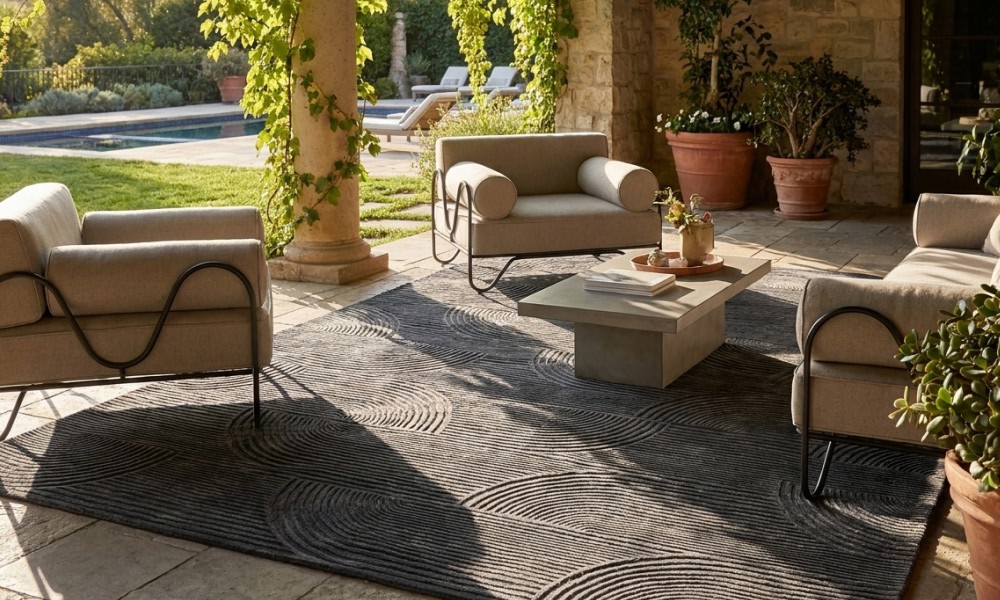
-
17 June 2026
-
5 Min Read
Why Most Patios Feel Incomplete Until You Add a 10x14 Outdoor Rug
Most people assume their patio feels incomplete because they need more furniture. That's usually not true. In many cases, the real issue is scale, not seating. Before spending thousands on another chair, sofa, or dining set, discover why a properly sized Outdoor Rug 10x14 can completely change how your patio looks, feels, and functions.
Read More >
-
12 June 2026
-
10 Min Read
Master the Art of Indian Home Decor: Choosing the Best Rugs for Marble Floors
Polished marble floors add undeniable luxury to Indian homes but require strategic styling to manage cold surfaces and acoustics. This guide details how to choose premium wool, silk, and cotton rugs that complement light or dark stone. It also explains the absolute necessity of using high-quality, stone-safe non-slip rug pads to prevent dangerous slips and avoid floor discoloration.
Read More >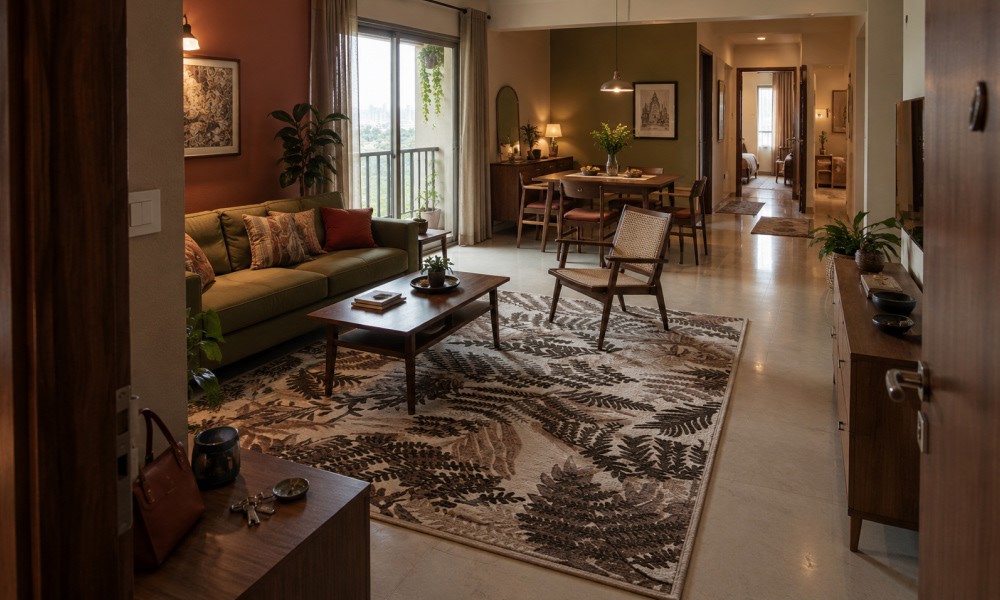
-
10 June 2026
-
8 Min Read
The Ultimate Guide to Choosing the Perfect Rug for Your New 3BHK Apartment
Choosing the right rugs for a new 3BHK apartment involves balancing room functionality with style. This expert guide explains how to select high-quality hand-knotted, flat-weave, and soundproof rugs, room by room. Learn optimal sizing, premium material selection, and maintenance tips to effortlessly zone your living, dining, and bedroom spaces while elevating your home's luxury, comfort, and acoustic privacy.
Read More >