You are on our International website. Please select your region to see content specific for your location





 Profile
 Orders
 Wishlist
 Change Password
 Logout


LATEST BLOGS
How Rugs Are Made: A Step-by-Step Guide to the Craftsmanship Process
- 07 February 2025
- 6 Min Read
- By Jaipur Rugs
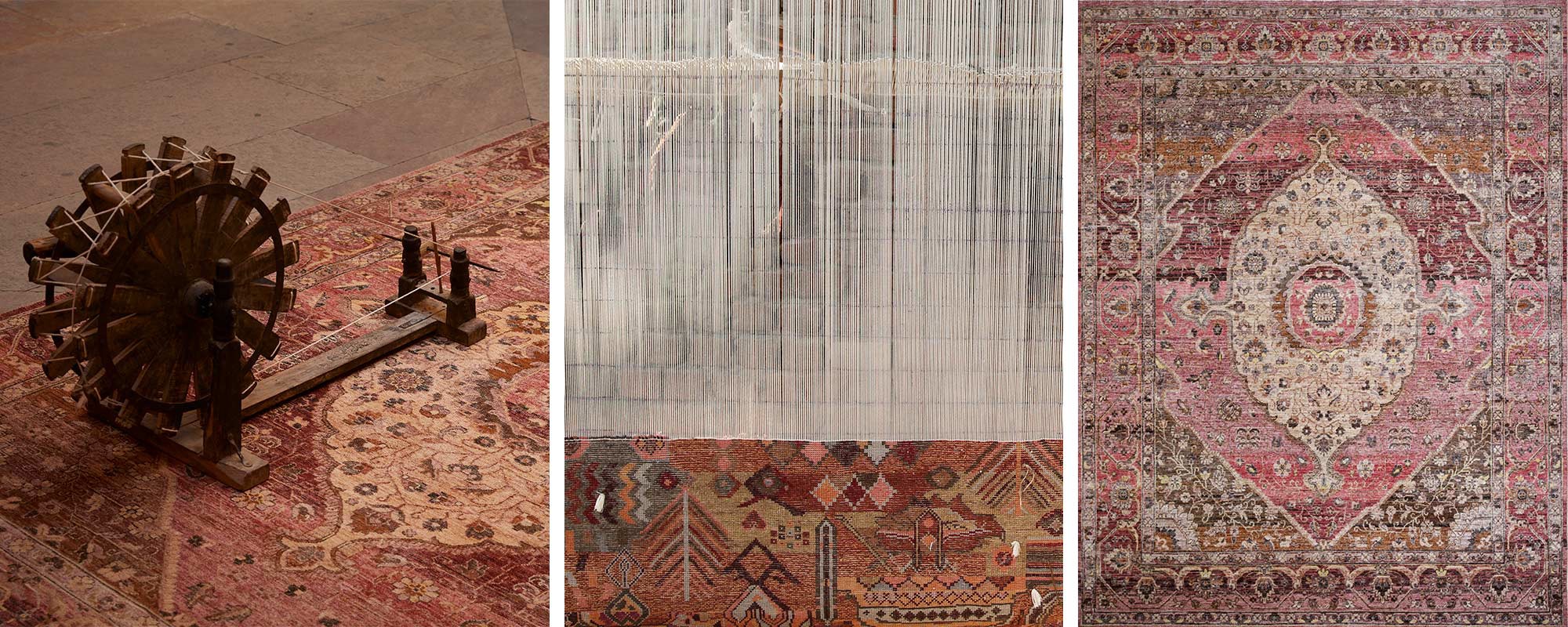

Discover the fascinating process of rug making, from material selection to weaving and finishing. Learn about handmade vs. machine-made rugs, knot density, and quality. Get expert insights into rug durability, design alignment, and care tips for long-lasting beauty.
Ever wonder how a rug is made? Rugs are more than just floor coverings–they are crafted with love and care. Whether handmade rugs or machine-made carpets, the process involves many steps to make them strong, comfortable, and beautiful. Understanding how rugs and carpets are made will help you appreciate the craftsmanship and choose the best one for your home.
A Brief History of Rug Making
Rug-making has been around for thousands of years. Ancient civilizations in Persia, Egypt, and China developed different styles and techniques that are still used today. Persian rugs are famous for their intricate patterns, and Turkish rugs are famous for their bold colors and unique designs.
Even though machines can make rugs faster, many artisans still prefer hand weaving because it offers better quality and uniqueness. Handmade rugs are seen as art pieces with cultural value. They have been passed down through generations, making them a symbol of heritage and craftsmanship.
Step-by-Step Process of Making Rugs
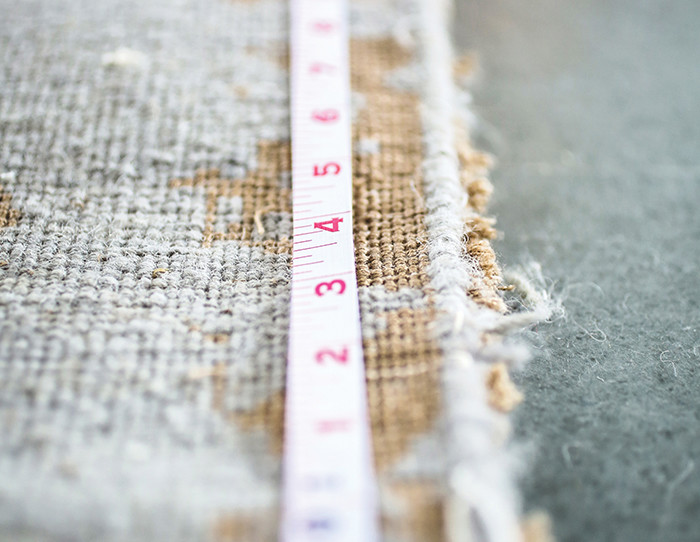
Measuring the Size
Before making a rug, the exact size must be determined. This ensures it fits perfectly in the intended space. Accuracy is key, especially for custom rugs designed for specific areas like hallways and stairs.
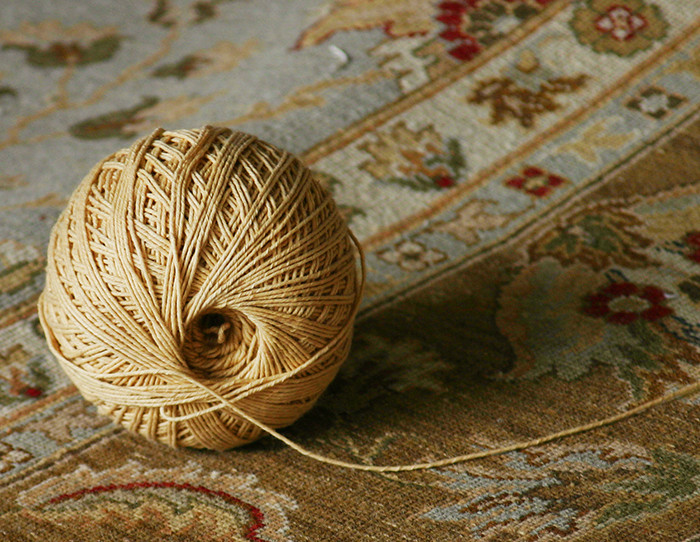
Choosing the Right Material
Rugs can be made from wool, silk, cotton, jute, or synthetic fibers. Wool is soft and durable, silk is luxurious, and synthetic fibers are affordable and easy to maintain. Each material affects the texture, durability, and cost of the rug.
-
Wool rugs are naturally stain—and wear-resistant, making them perfect for long-term use.
-
Silk rugs have a beautiful sheen and are often used in decorative spaces.
-
Synthetic rugs made from polyester and nylon are budget-friendly and great for high-traffic areas.
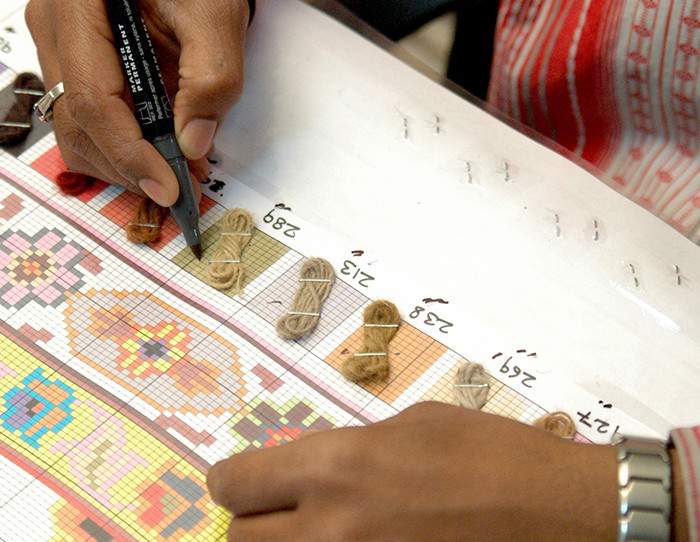
Designing the Rug
Before weaving starts, the artisan plans the rug design, which involves choosing the colors, patterns, and motifs. Traditional rugs often feature floral, geometric, or tribal patterns that have been passed down for centuries. Modern rugs may have abstract or minimalist designs that fit contemporary decor.
Weaving the Rug
There are different methods of weaving rugs:
-
Hand Knotted Rugs: Made by tying individual knots to a foundation. These are the most durable and high-quality rugs.
-
Hand Tufted Rugs: Made by punching yarn through a fabric backing. These rugs are quicker to produce.
-
Flat Weave Rugs: Woven without a pile, making them lightweight and reversible.
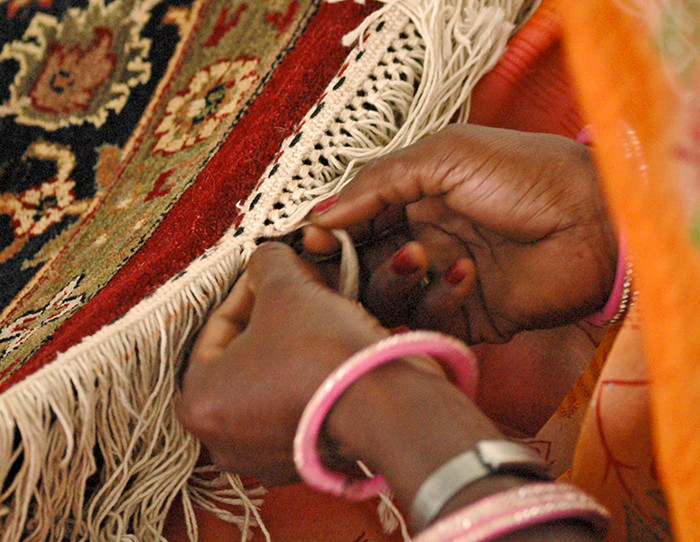
Counting the Knots
Hand-knotted rugs have knots that determine their quality. More knots per square inch means a stronger and more detailed rug. High-knot rugs are luxury pieces that take longer to make. A rug with high knot density has intricate details and lasts for decades.
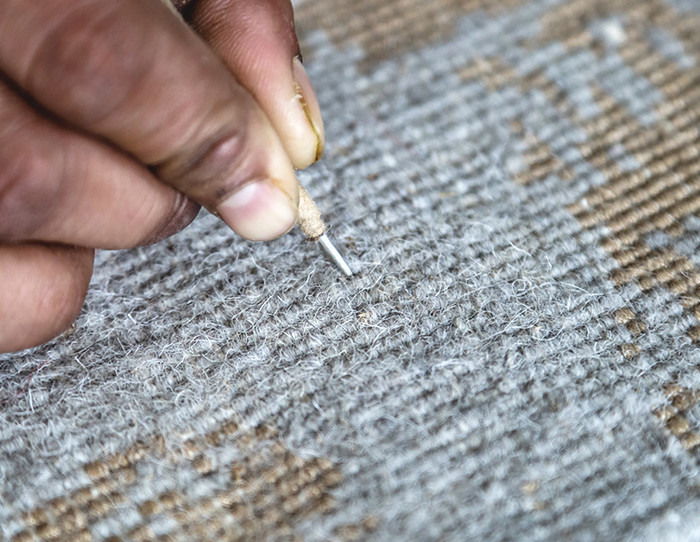
Pile Height
The pile height is the height of the fibers. Short piles are easier to clean, while long piles are softer and more comfortable. Where will the rug be used? Low-pile rugs are good for high-traffic areas, while high-pile rugs add coziness to bedrooms and lounges.
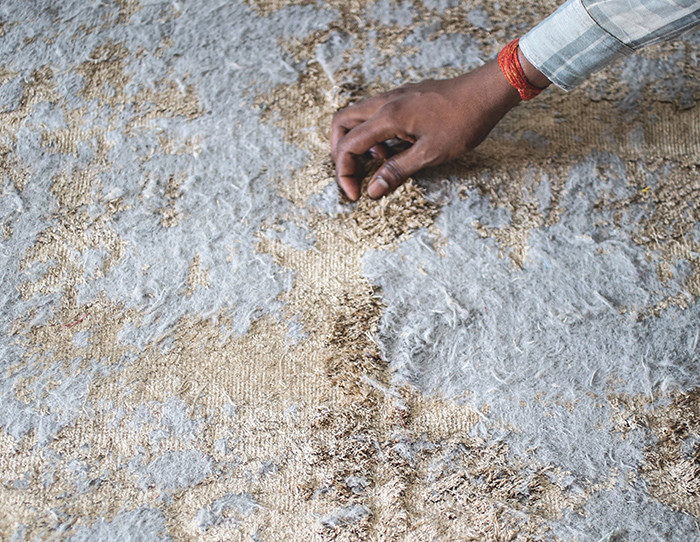
Fixing Flaws
To maintain the rug's quality, any defects or loose knots are fixed during weaving. This step ensures the rug will last for years. Skilled weavers check every part of the rug to fix any inconsistencies.

Aligning the Pattern
The patterns on the rug must be aligned properly so they look neat and symmetrical. If they are not aligned properly, the final product will look distorted. Precision in pattern alignment ensures the design looks good and is structured.
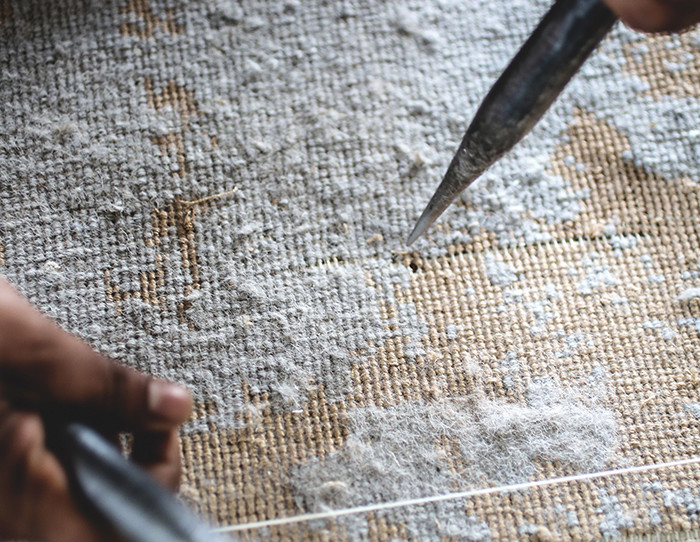
Trimming Before Washing
Excess fibers are cut to make the rug look clean and even. This step prevents shedding and makes the surface even.
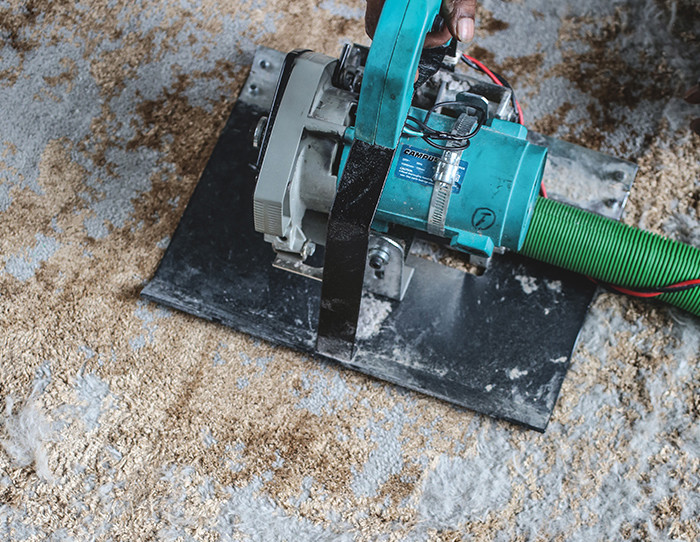
Fluffing the Fibers
The fibers are fluffed up to make the rug soft and plush. This step makes the rug feel luxurious and allows the fibers to settle properly so the rug looks fuller and more inviting.
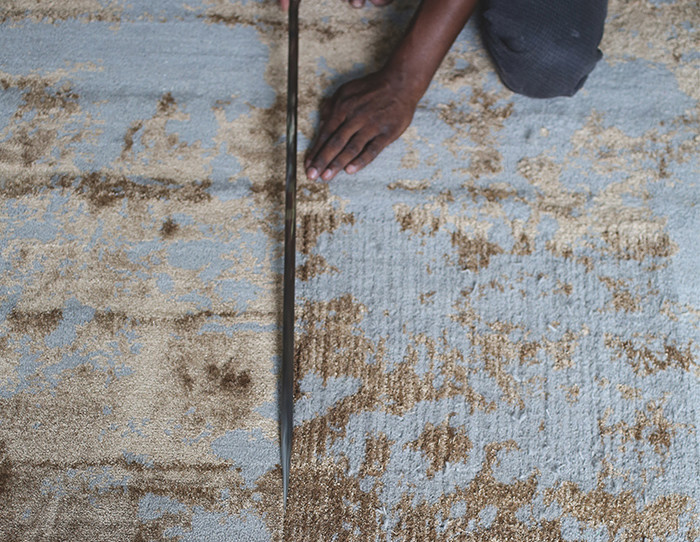
Backing
A heat process strengthens the rug's backing to make it last longer and prevent unraveling over time. Handmade rugs have a natural backing, machine made rugs have synthetic reinforcements.
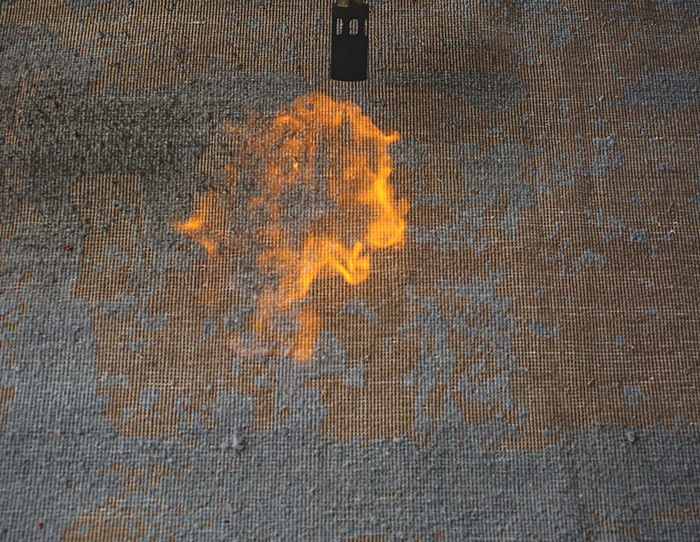
Cleaning the Back
The back of the rug is cleaned to remove any leftover debris and improve its overall durability and cleanness.
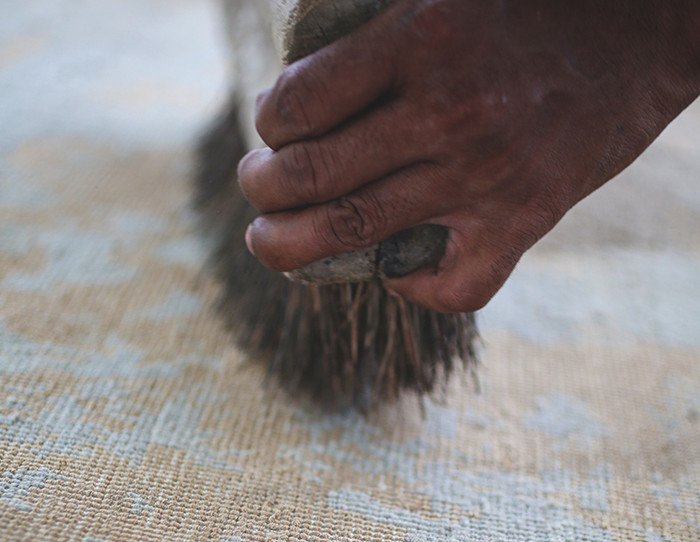
Dipping for Color and Strength
The rug is dipped in a solution to set the colors and strengthen the fibers. This step prevents fading and makes the colors pop. The dyeing process ensures the colors don't bleed over time.
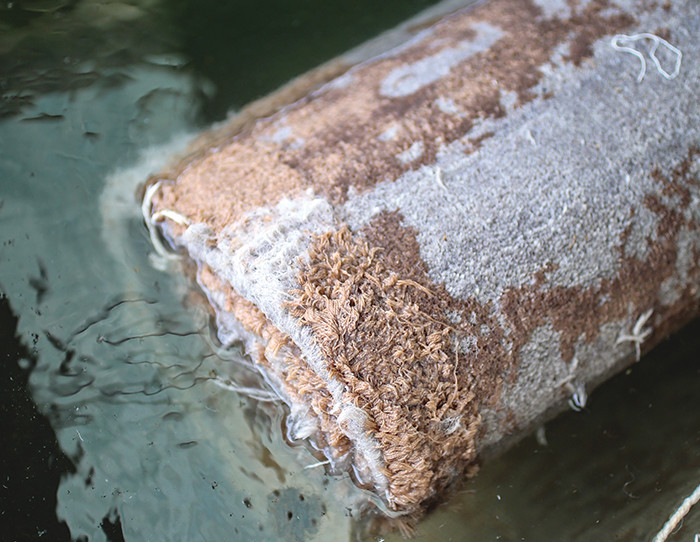
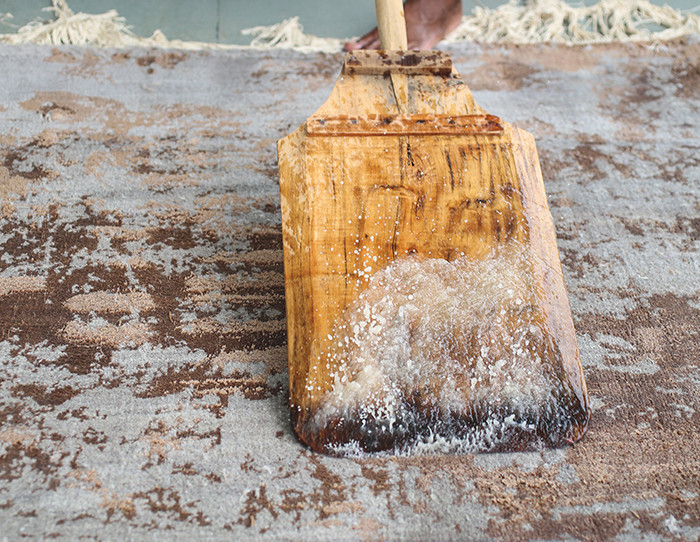
Washing
The rug is washed to remove excess dye and dirt and make it soft and fresh. Proper washing enhances the texture and keeps the colors intact. Water and natural detergents are used to maintain fiber integrity.
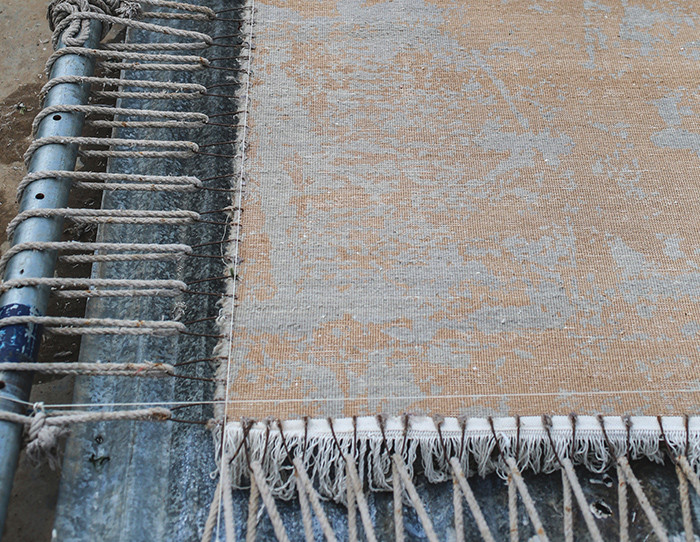
Stretching
Stretching will ensure the rug keeps its shape and size, prevent shrinkage, and keep the surface smooth.
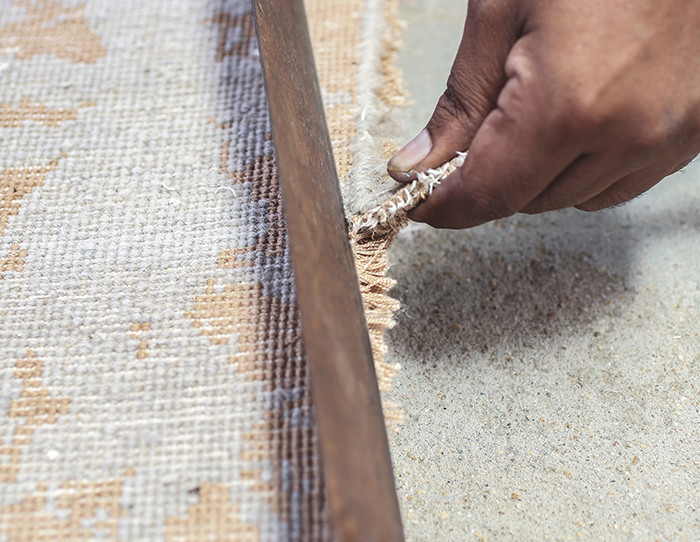
Cutting the Edges
Edges are trimmed neatly for a finished look, which also prepares the rug for the final touches.
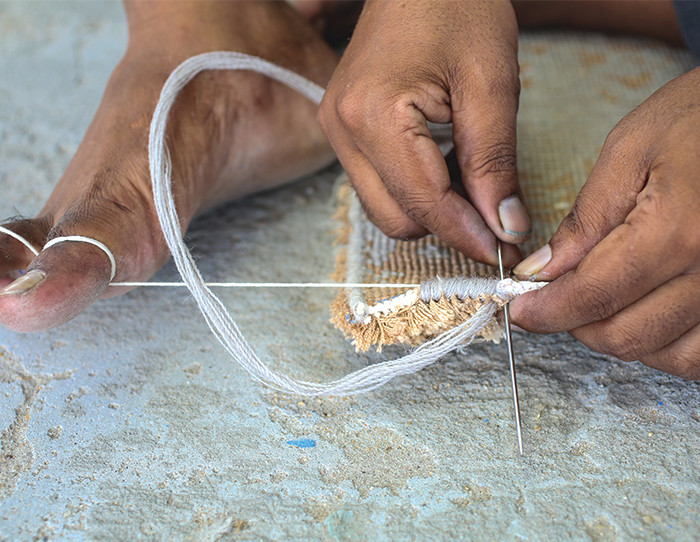
Binding the Edges
The edges are sealed to prevent fraying and make the rug sturdy. This step will help the rug withstand daily use.
Final Pile Trimming
A final trim will smooth and even the surface, enhancing the rug's look and feel.
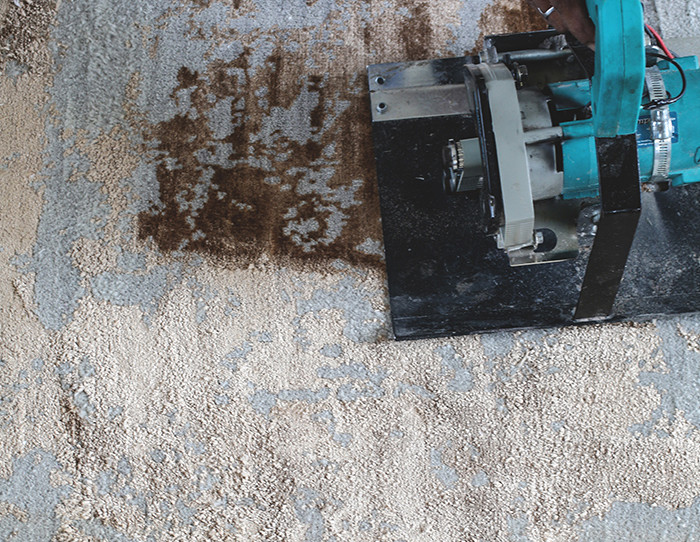
Sharpening the Design
The pattern is adjusted to make the design more defined and beautiful. This will highlight the details of the rug.
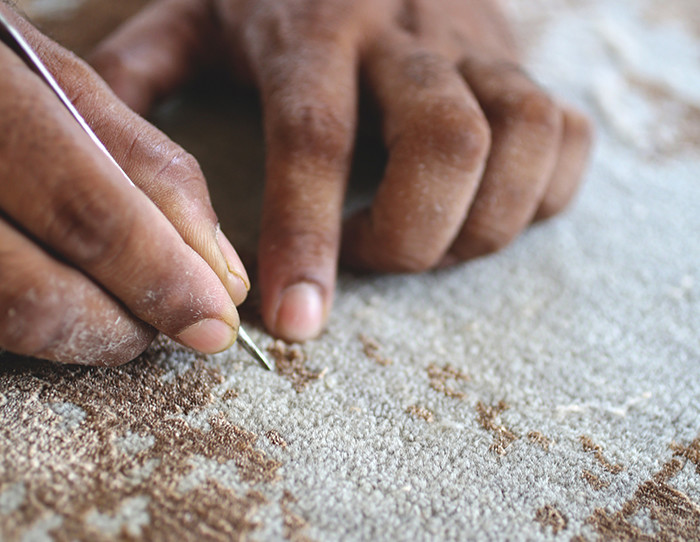
Removing Excess Fibres
Excess fibers are removed for a finish. This will make it look neat.
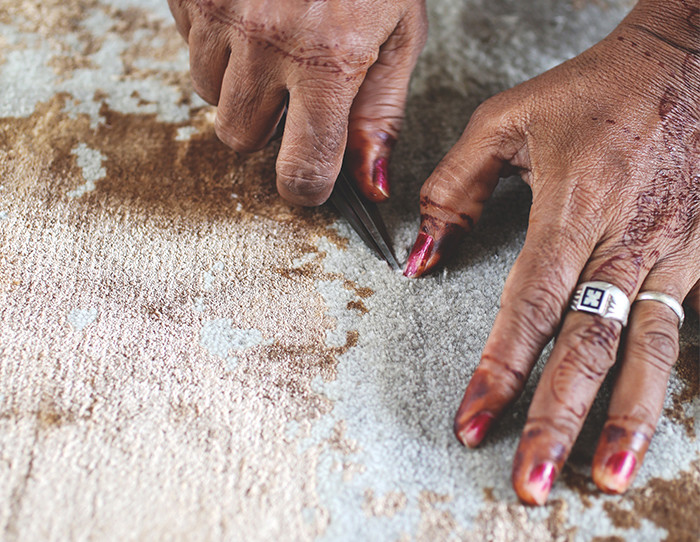
Texture Embossing
Some rugs have hand-texture embossing to add depth and detail. This gives the rug a 3D effect and makes it look more beautiful.
Conclusion
Rugs are an art and craft. Whether handmade or machine-made, they add warmth and beauty to any room. Now that you know the process, you can appreciate the effort that goes into every rug you see.
Frequently Asked Questions
What are the main steps in rug making?
Knot counting, pile height checking, pattern alignment, washing, and edge binding ensure the rug's durability, design precision, and overall quality.
How long does it take to make a handmade rug?
Weeks or months, depending on the size and design. Large rugs with intricate details take more time.
What's the difference between machine-made and handmade rugs?
While machine-made rugs are mass-produced and cheaper, handmade rugs are higher quality, more unique, and can last for generations. Handmade rugs also appreciate value over time.
What materials are best for rugs?
For simpler designs, wool and silk are used for luxury rugs, cotton and jute, and synthetic fibers are budget-friendly and easy to clean.
How do I care for my rug?
Vacuum regularly, wipe spills immediately, rotate the rug to prevent uneven wear, and avoid direct sunlight to prevent fading.
Are handmade rugs worth buying?
Yes! Handmade rugs are durable and unique and often increase in value over time. Because of their quality and craftsmanship, they are considered investments.
Which rugs are best for high-traffic areas?
Low-pile wool or synthetic fiber rugs are ideal for hallways and living rooms, as they are durable and easy to clean.


Pic Credits
Jaipur rugs / Abil Dase
Share
-
 Facebook
-
 Twitter
-
 Email
Email
Related posts
-
12 August 2025
-
6 Min Read
Freedom Manchaha: Handmade Rugs That Weave Freedom Into Every Knot
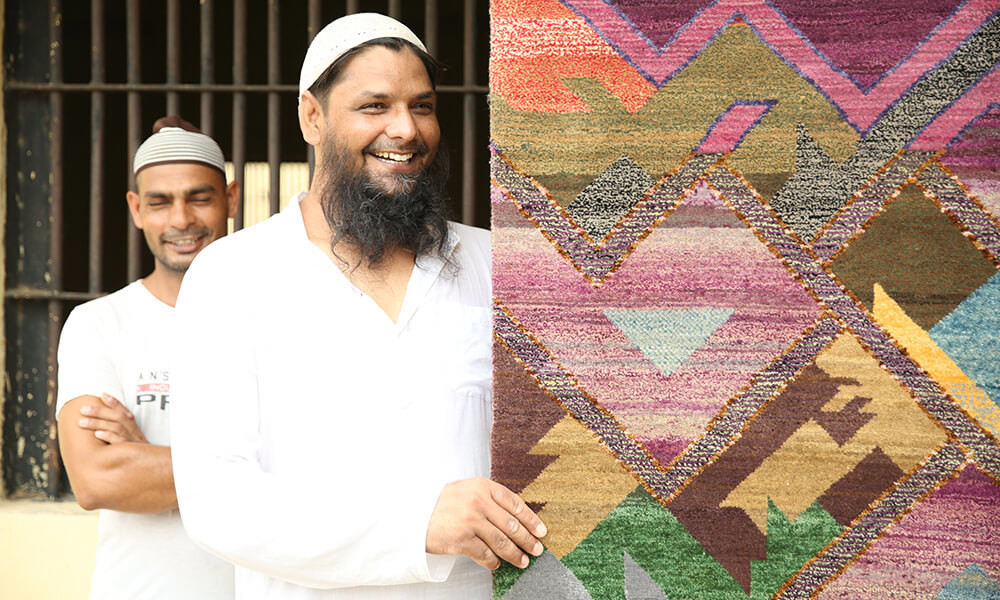
The Freedom Manchaha collection by Jaipur Rugs transforms lives behind bars. Long-term prisoners in Jaipur, Bikaner, and Dausa design and weave their own handmade rugs from leftover yarn, each carrying a personal story. This sustainable initiative preserves the art of hand-knotting while empowering its makers with dignity, income, and creative freedom.
Read More >
-
01 June 2024
-
4 Min Read
Jaipur Rugs: The Legacy of a Visionary Leader
Jaipur Rugs is a prominent player in the rug industry, focusing primarily on grassroots artisans who have kept the weaving craft alive for generations. The uneducated women of rural India, who were destined to look after their families as per society's norms, are now being acknowledged by global awards like 'The German Design Award 2024' and 'European Product Design Award' for their exclusive craft
Read More >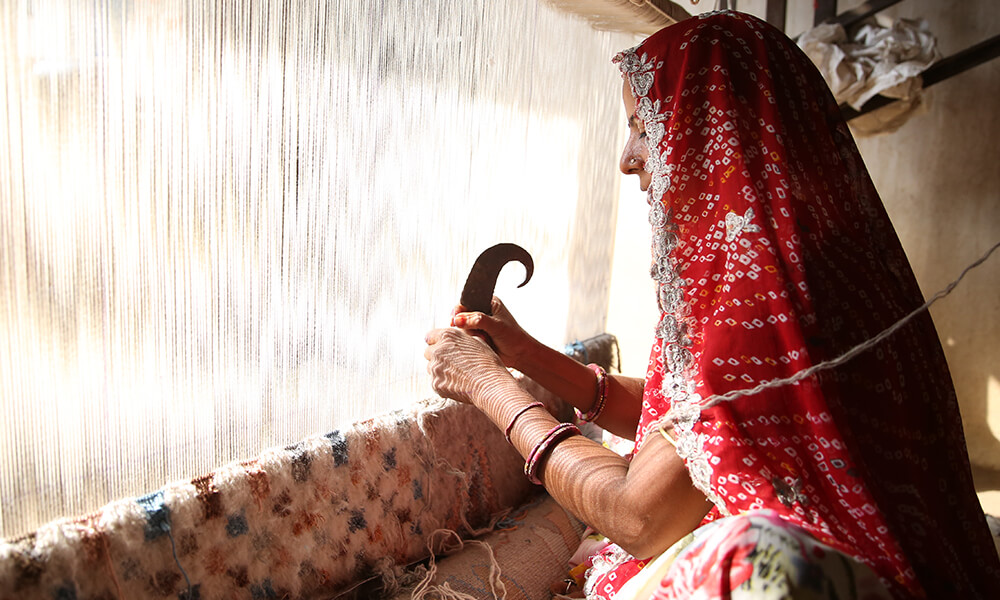
-
04 September 2023
-
4 Min Read
From The Loom
Discover the world of carpet looms with our comprehensive guide. Learn the definition, explore different types, and uncover weaving techniques. Get expert insights now!
Read More >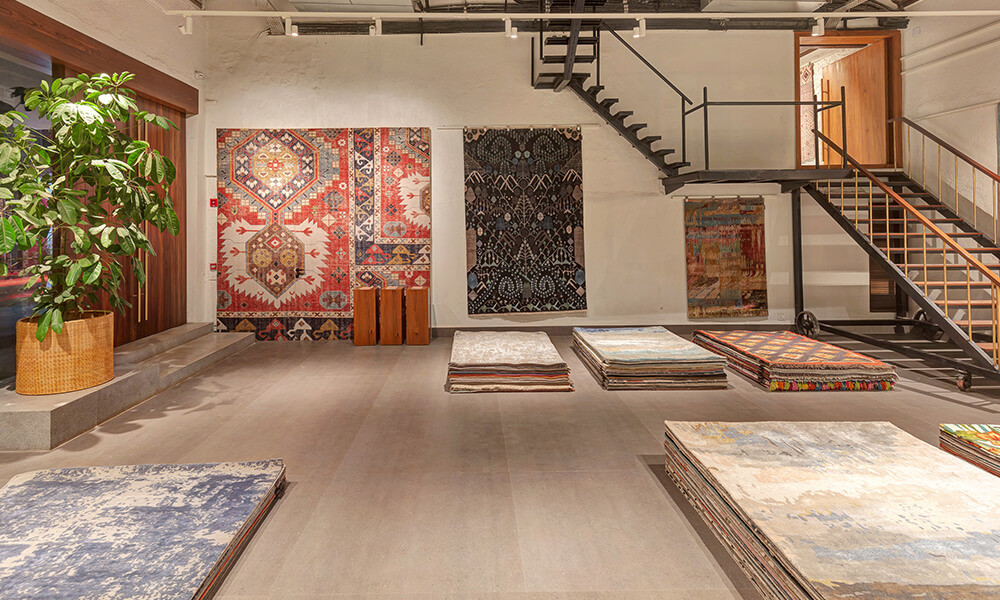
-
29 April 2024
-
3 Min Read
The Heartfelt Artistry of Jaipur Rugs: Manchaha Collection
Have you ever wondered if a rug could hold the essence of human emotion? Our "Manchaha" collection proves that it can. Translating to "made from the heart's desire," these rugs are a canvas of dreams, emotions, and stories woven with love and dedication. Sustainability is at its core, as it utilizes leftover yarns, promoting eco-friendly practices. So, what are you waiting for? Let's explore this one-of-a-kind collection and be captivated by the power of weaving dreams into reality.
Read More >
-
15 September 2025
-
6 Min Read
Indian Rugs and Carpets Are More Than Décor - They’re Art: How?
Indian rugs and carpets are not just floor coverings - they are works of art. Handmade with natural fibers, rich colors, and intricate designs, they combine traditional motifs with modern, geometric, and abstract patterns. Durable, safe, and sustainable, these rugs transform any space while preserving India’s rich artisan heritage. From Indian area rugs to large carpets and custom pieces, each rug tells a story and brings timeless beauty to your home.
Read More >
-
01 August 2020
-
2 Min Read
Manchaha: One of a Kind Rugs Handmade by Rural Women
When you think of decorating your new house or redecoration your existing one, the thought of adorning it with something…
Read More >