You are on our International website. Please select your region to see content specific for your location





 Profile
 Orders
 Wishlist
 Change Password
 Logout


LATEST BLOGS
Sage Green vs Celadon: The Color Difference Most People Notice Too Late
- 30 April 2026
- 4 Min Read
- By Jaipur Rugs
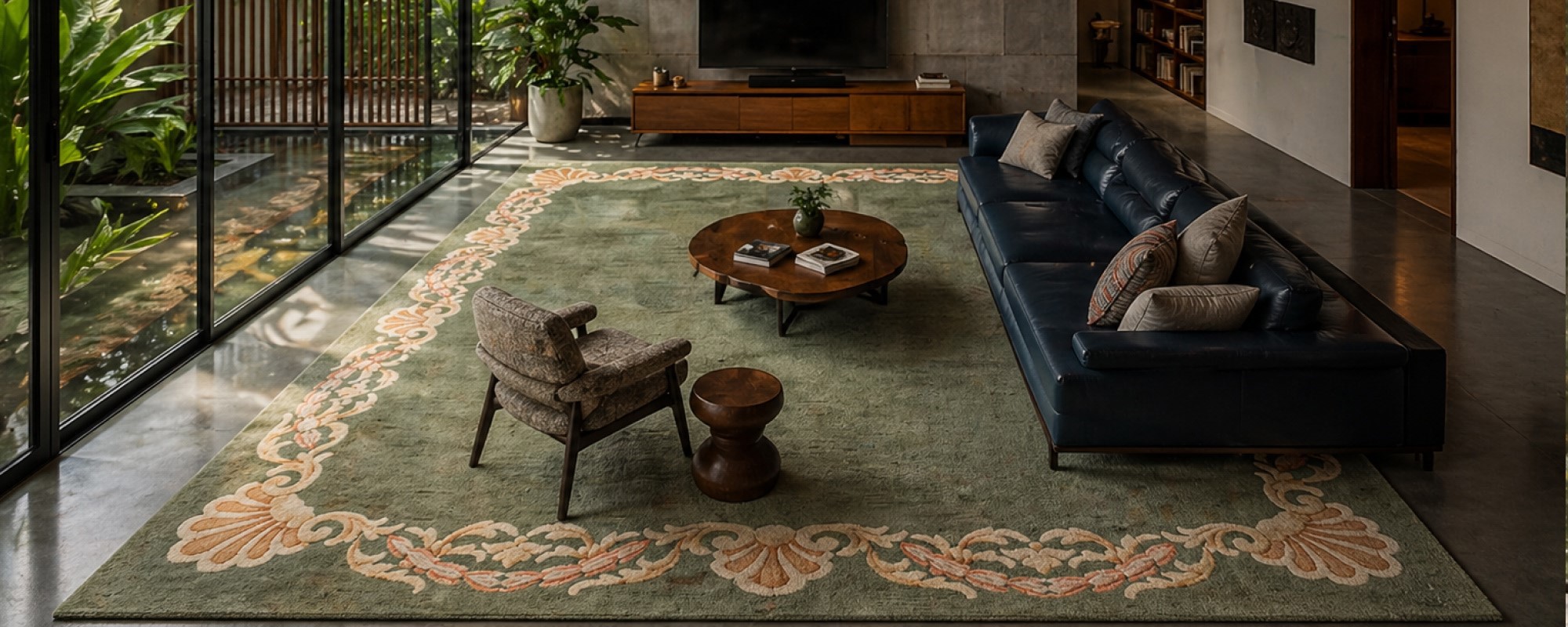
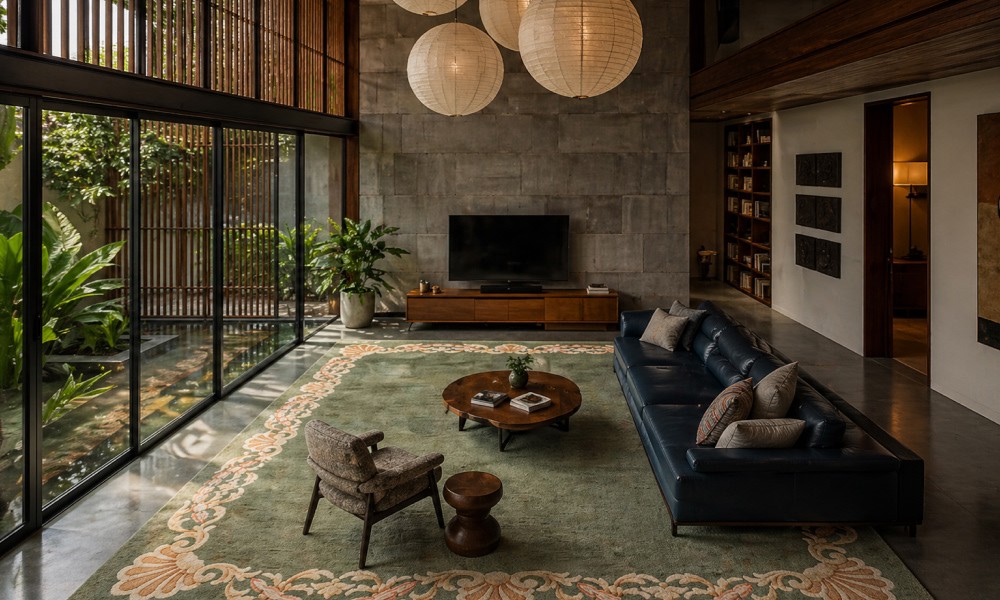
Sage and celadon green may look similar online, but in real spaces, they behave very differently. One adds depth and grounding. The other creates lightness and visual openness. If your green rug has ever looked slightly off, this is probably why. Read before choosing the wrong shade.
At first glance, sage green and celadon seem like siblings wearing slightly different outfits. Both sit in the muted green family. Both feel softer than emerald or olive. Both are dominating interiors, paint palettes, and especially the rise of the sage green rug trend.
But place them side by side, and the illusion cracks.
One feels earthier, grounded, slightly smoky.
The other feels cooler, airier, almost mineral-like.
This tiny difference changes everything, from how your room feels at 8 AM sunlight to whether your handmade rug blends beautifully or suddenly looks off. Most guides flatten these shades into “soft green.” That’s like calling coffee and matcha the same because both come in mugs.
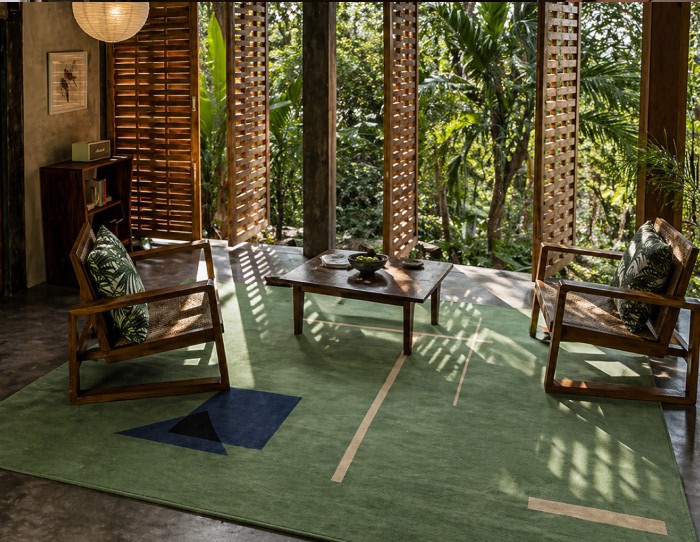
Sage Green vs Celadon: They Look Similar. They are Not.
Sage green color is a muted green mixed with gray undertones. It carries a softened botanical feel, inspired by dried sage leaves rather than fresh grass.
Celadon color, by contrast, is a pale green with blue-gray or jade-like undertones. It appears cooler, cleaner, and more mineral than botanical.
Quick definition:
-
Sage green = gray + green, slightly dusty
-
Celadon green = green + blue-gray, softer and cooler
This is the distinction most articles skip.
When people search for a green rug, they often assume any muted green will behave the same in a room. It won’t.
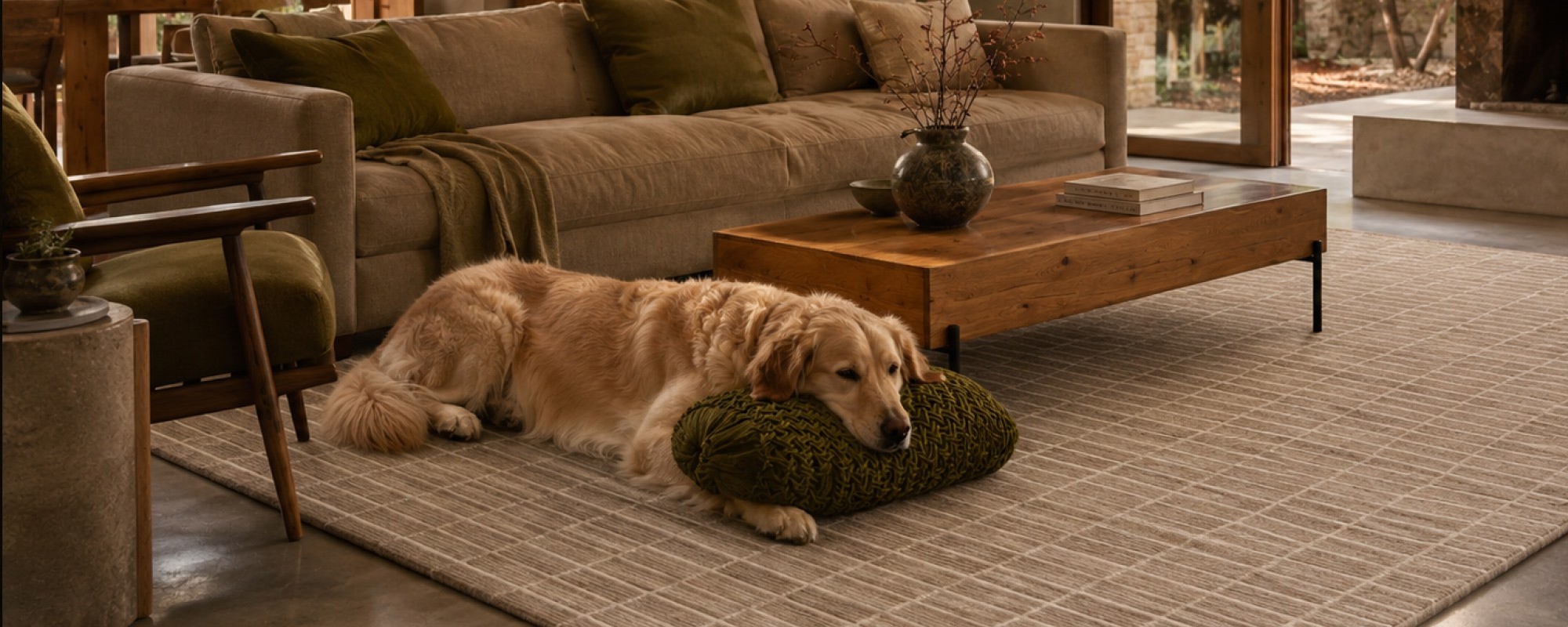
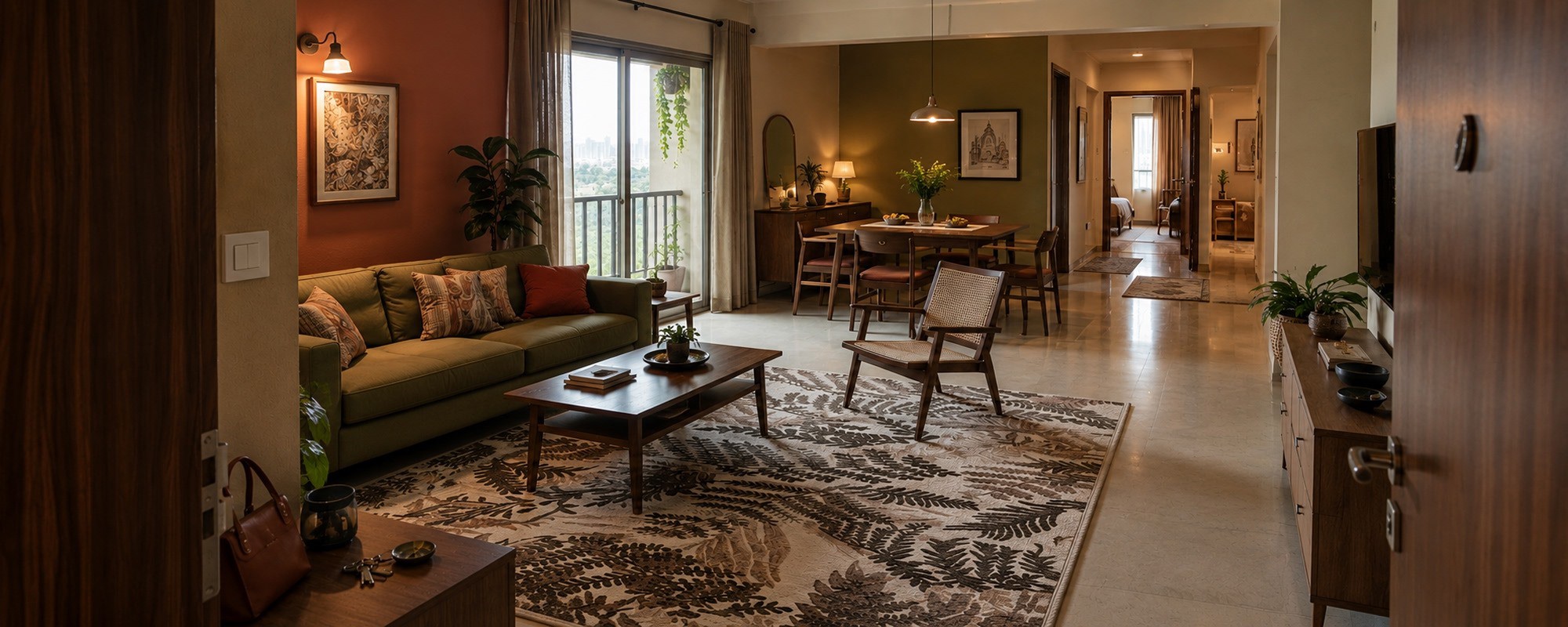
A sage green rug usually feels more anchored and matte.
A celadon rug feels lighter, more reflective, and visually less earthy.
And this is the real difference.
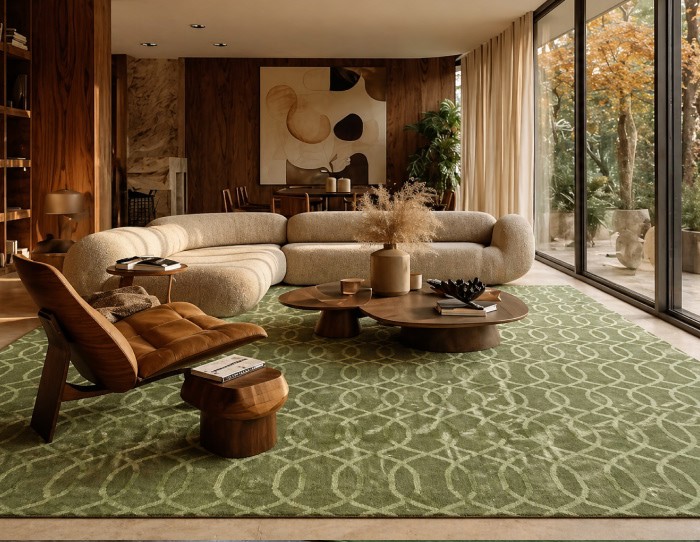
The Undertone Difference Nobody Explains Properly
This is where most people get it wrong.
Color names are surface labels. Undertones are the hidden operating system.
Sage Green Undertones
The sage green color usually contains:
-
muted yellow-green base
-
noticeable gray softening
-
occasionally a dusty olive note
That gray layer is why dark sage green works so well in low-light homes. Instead of looking neon or artificial, it absorbs brightness and stays controlled.
Psychologically, sage feels stabilizing because gray reduces visual stimulation.
This is also why sage green area rugs exploded in popularity. They bring color without visual noise.
Best for:
-
north-facing rooms
-
apartments with limited natural light
-
earthy interiors
-
wood-heavy spaces
Celadon Undertones
Celadon green is different.
Its undertone profile usually includes:
-
pale green base
-
blue-gray cooling
-
soft jade influence
The blue component makes celadon feel cleaner and slightly more distant emotionally.
Why?
Blue tones create perceived spaciousness and calm through visual cooling. Your eye interprets them as lighter and less dense.
This is why celadon color rug options often make smaller rooms feel more open than deeper muted greens.
Un-Googlable insight number one!
Celadon often feels “cooler” not because it is lighter, but because blue undertones visually reduce perceived weight.
That subtle optical effect changes room psychology.
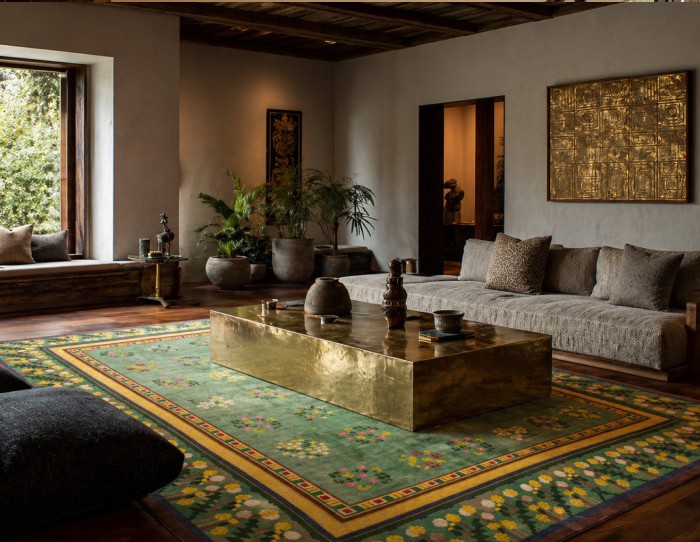
Where Celadon Green Actually Comes From And Why It Matters?
Most guides barely touch this.
Celadon color isn’t just another pastel green trend. It has deep material and cultural roots.
The term comes from celadon ceramics, historically associated with East Asian pottery, especially in China and Korea.
Traditional celadon glaze produced a pale green-gray finish created through iron oxide firing in reduction kilns.
The result was not loud green. It was layered, mineral, misty, almost stone-like. That heritage matters because modern celadon green rugs borrow this exact visual language.
They don’t read as leafy or earthy like sage. They read as refined, ceramic, washed, mineral. This gives celadon a different design personality.
A celadon modern rug often pairs better with:
-
plaster textures
-
limestone tones
-
brushed metals
-
pale oak
-
cool neutrals
Sage, on the other hand, usually prefers warmer natural companions.
Most guides simplify this. The origin explains the mood.
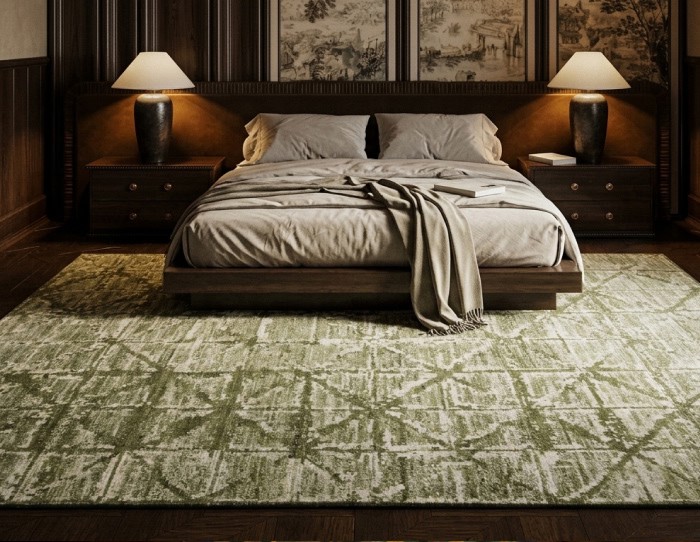
Which One Works Better in Your Space?
Choose based on environment, not trend.
Choose Sage Green If You Have
-
warm lighting
-
walnut or oak furniture
-
beige or cream walls
-
lower natural light
A sage green rug will feel grounded and integrated.
Choose Celadon Green If You Have
-
cooler daylight
-
white or gray walls
-
stone finishes
-
smaller rooms needing visual openness
A celadon color traditional rug will feel lighter and less visually dense.
Room By Room
Living Room
-
Sage is richer and more anchored.
-
Celadon is fresher and airier.
Bedroom
-
Sage feels more enveloping.
-
Celadon feels lighter and cleaner.
Dining Area
-
Sage handles visual activity better.
-
Celadon can feel too delicate in busy layouts.
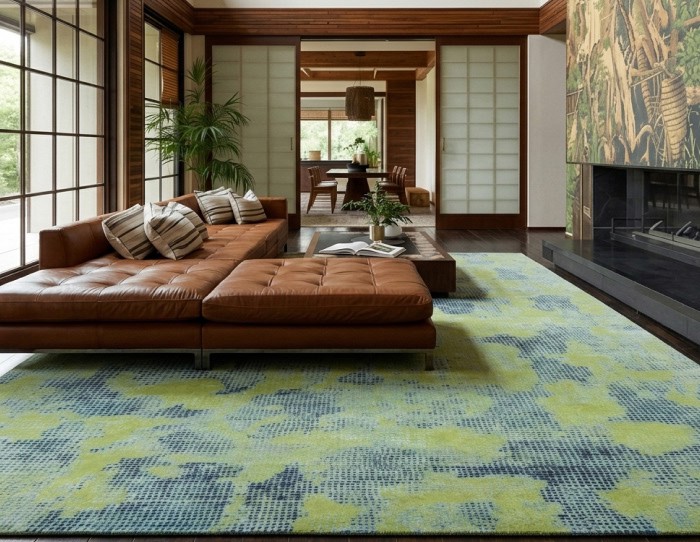
Sage Green vs Celadon Rugs Quick Comparison
| Feature | Sage Green Rug | Celadon Rug |
| Undertone | Gray-yellow green | Blue-gray green |
| Mood | Grounded, muted, earthy | Cooler, lighter, mineral |
| Best lighting | Low to medium light | Bright or cool daylight |
| Works with | Wood, warm neutrals | Stone, cool neutrals |
| Trend role | Mainstream favorite | More niche and directional |
Summing Up..
Choosing between a sage green rug and a celadon rug is not really about picking a prettier shade of green. It is about choosing the atmosphere your room carries every day.
Sage adds grounding, softness, and visual depth, while celadon introduces lightness and cooler clarity.
The better choice depends less on trend and more on what your space is currently missing.
We will be back with another blog soon.
Till then, stay tuned and explore Jaipur Rugs!
FAQs
What is the difference between sage green and celadon?
Sage green is a muted green softened with gray and sometimes with slight yellow undertones. Celadon is a paler green with blue-gray or jade influences. Sage feels earthier, while celadon feels cooler and more mineral-like.
Is celadon greener or bluer than sage green?
Celadon is typically bluer than sage green. Its blue-gray undertones make it feel cooler and lighter, while sage leans more muted and earthy due to gray-yellow influences.
What colors go well with sage green?
Colors that pair well with sage green include ivory, rust, walnut brown, charcoal, blush, black and warm beige. These combinations prevent sage from looking dull or washed out.
Are sage green rugs trending in 2026?
Yes. Sage green rugs are trending in 2026 because they bridge color and neutrality. They work across organic interiors, muted maximalism, and layered tonal spaces without feeling trend-fatigued.


Pic Credits
Jaipur rugs / Abil Dase
Share
-
 Facebook
-
 Twitter
-
 Email
Email
Related posts
-
17 June 2026
-
5 Min Read
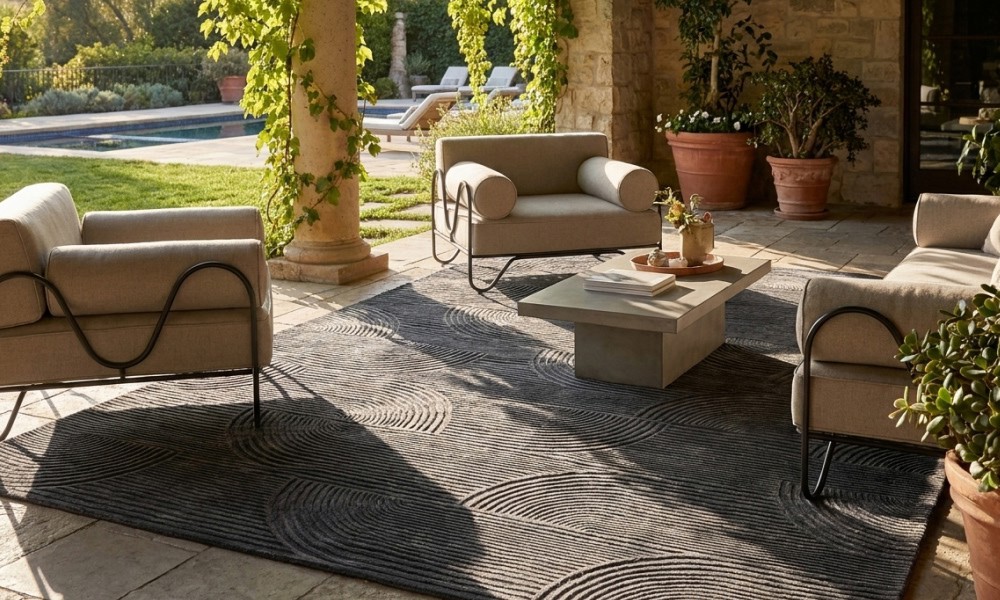
Why Most Patios Feel Incomplete Until You Add a 10x14 Outdoor Rug
Most people assume their patio feels incomplete because they need more furniture. That's usually not true. In many cases, the real issue is scale, not seating. Before spending thousands on another chair, sofa, or dining set, discover why a properly sized Outdoor Rug 10x14 can completely change how your patio looks, feels, and functions.
Read More >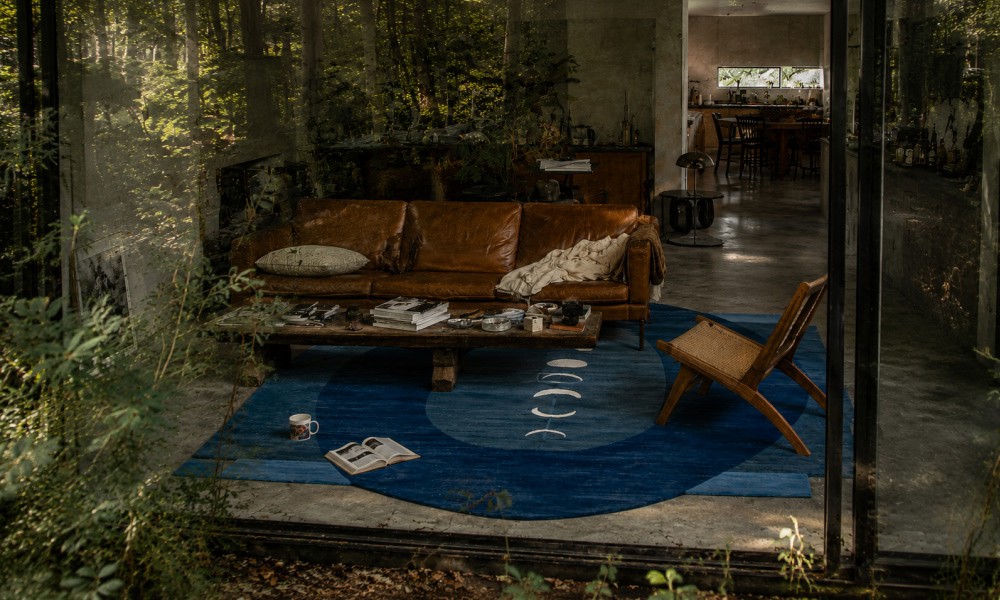
-
05 June 2026
-
7 Min Read
Best Rug for a Brown Leather Sofa: The Complete Colour Guide
Styling a brown leather couch requires balancing its heavy visual weight with the perfect floor covering. This guide explores how crisp neutrals brighten dark leather, cool blues and greens provide elegant contrast, and traditional patterns tie a room together. Learn to identify your sofa’s undertones and choose a rug that makes your living space feel balanced, open, and cohesive.
Read More >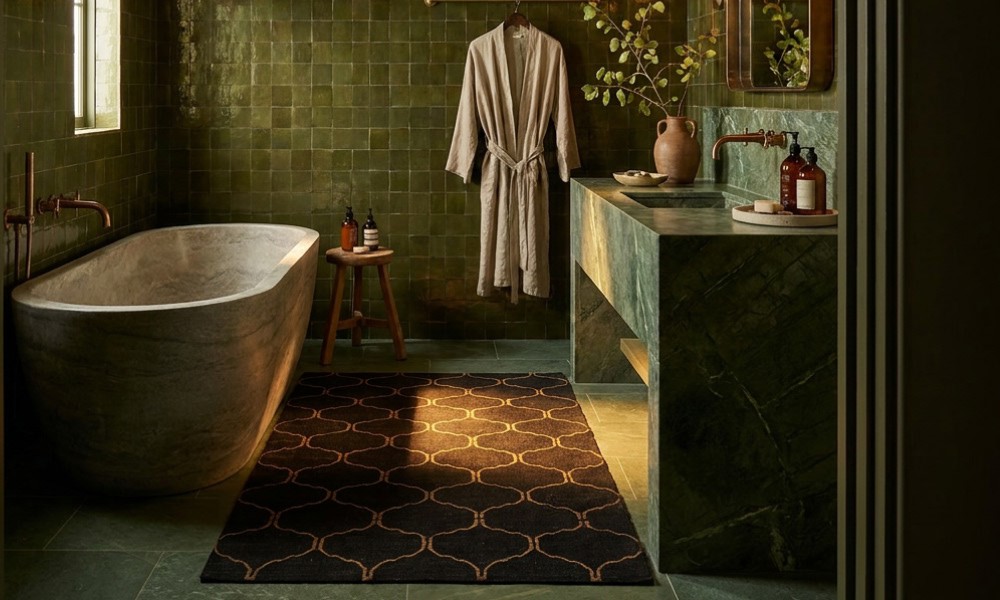
-
02 June 2026
-
6 Min Read
What Color Bathroom Rug Goes With Green Walls? Best Pairings for Every Shade
Most people think a green bathroom succeeds or fails because of the shade of green they choose. Designers know better. The real difference usually appears at floor level. That's why two bathrooms with identical walls can feel completely different. One feels finished. The other feels like something is missing. More often than not, the answer comes down to the rug and the contrast it creates.
Read More >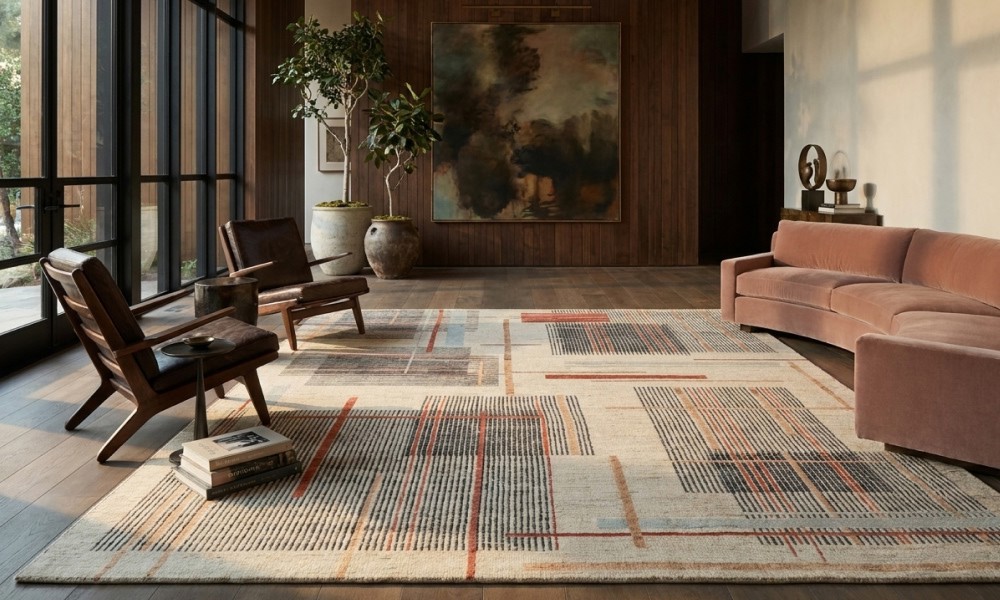
-
31 May 2026
-
4 Min Read
The End Of Sterile Minimalism: Meet The Blythe Collection
The most interesting interiors right now aren't becoming more decorated. They are becoming more distinctive. The Blythe Rug Collection captures that shift through architectural geometry, abstract compositions, and richly textured, hand knotted wool rugs that resist the sameness that dominates modern interiors. Read more to see how the Blythe collection offers a glimpse into where contemporary design is already heading.
Read More >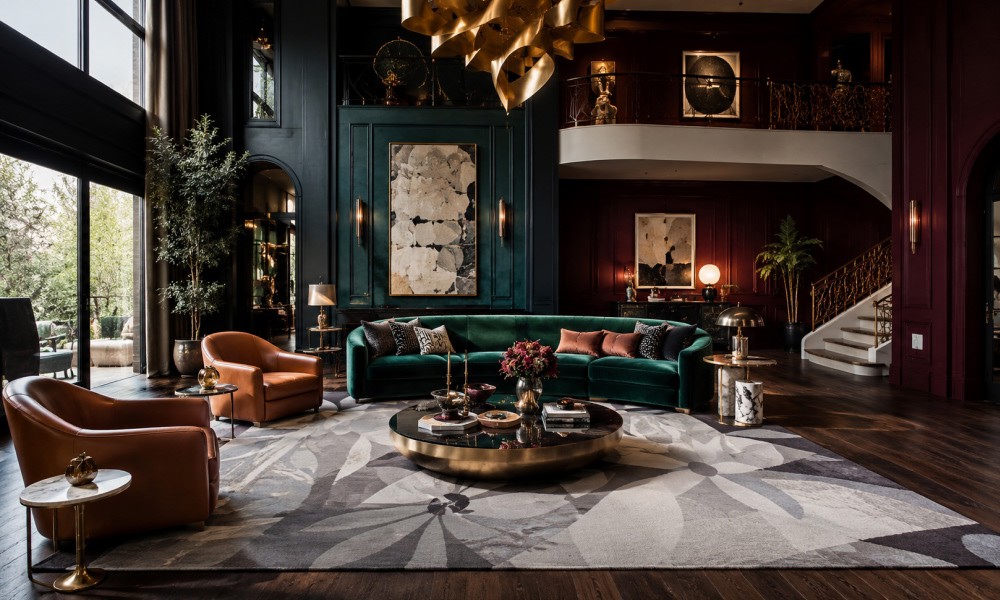
-
30 May 2026
-
8 Min Read
Not All Wool Is the Same: The Rug Buyer's Guide to New Zealand, Merino, Himalayan, and Hand-Spun Wool
Choosing the right floor covering requires understanding your material's origin. While New Zealand fibers offer a pristine, vibrant canvas for modern spaces, Merino provides unmatched barefoot softness. For high-traffic areas, lanolin-rich Himalayan and resilient hand-spun Afghan wools offer the ultimate heirloom durability. Explore how these distinct textures transform your interior layout.
Read More >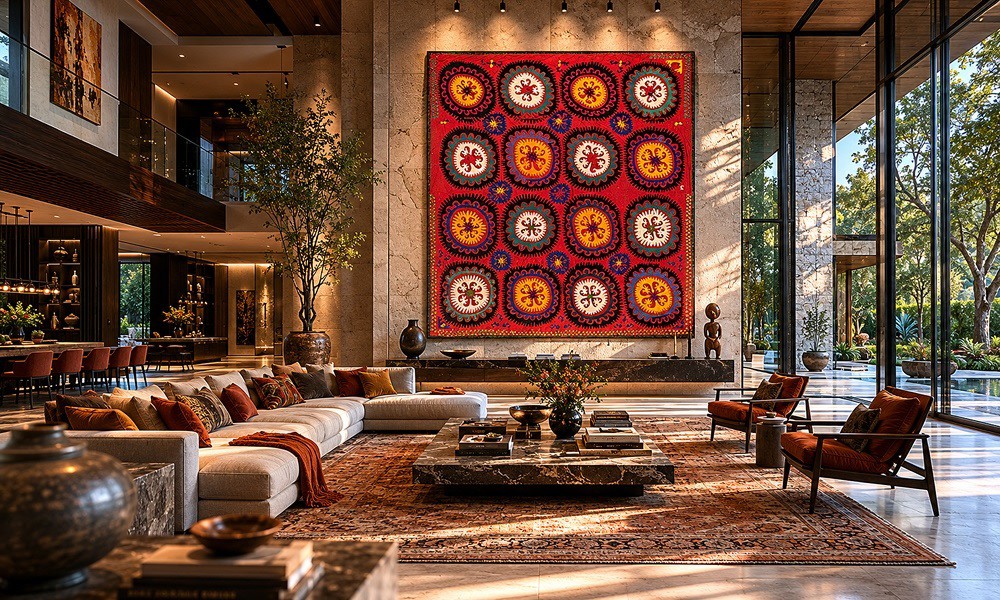
-
23 May 2026
-
7 Min Read
Suzani Fabrics 2026: Hand-Embroidered Patterns & Trends for Luxury Interiors
Hand-embroidered suzani fabrics are leading the 2026 luxury heritage revival. This guide defines traditional Uzbek motifs and offers expert styling tips for bohemian maximalism and eclectic decor. Learn to balance these bold, tactile tapestries by grounding your space with high-quality, textured wool rugs that seamlessly blend global craftsmanship with modern, sophisticated interior design.
Read More >