You are on our International website. Please select your region to see content specific for your location





 Profile
 Orders
 Wishlist
 Change Password
 Logout


Latest Blogs
ideas and inspiration
The End Of Sterile Minimalism: Meet The Blythe Collection
- 30 May 2026
- |
- 4 Min Read
- |
- By Jaipur Rugs
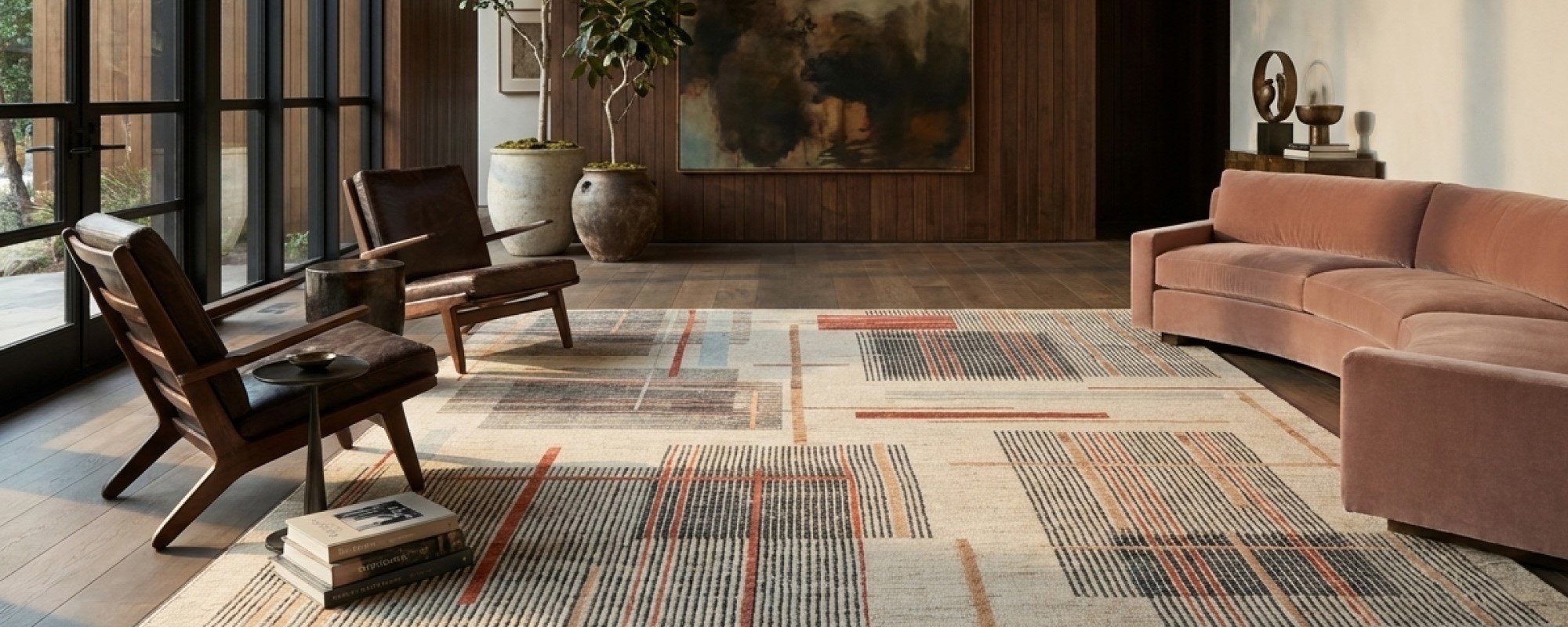
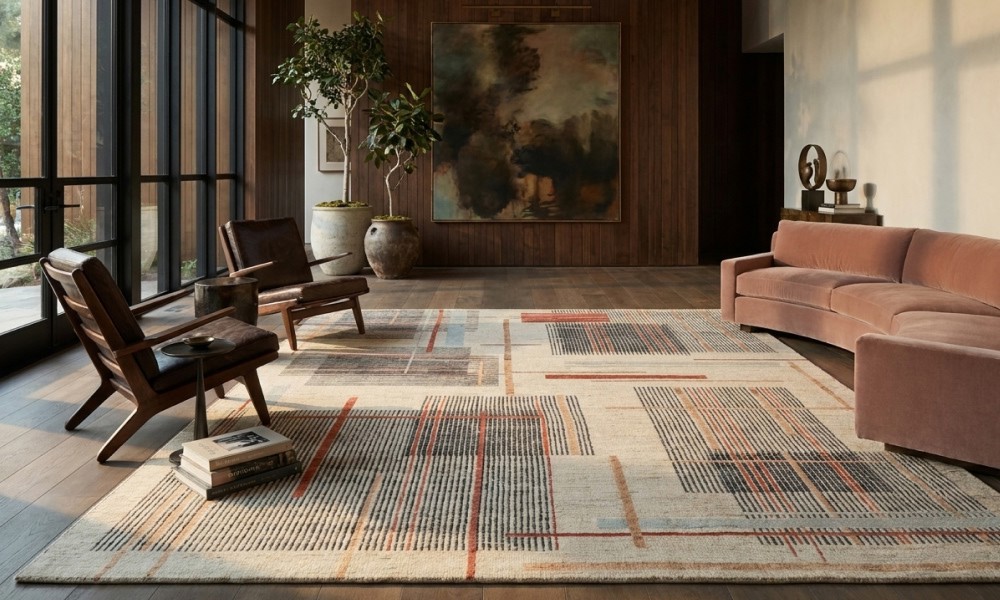
The most interesting interiors right now aren't becoming more decorated. They are becoming more distinctive. The Blythe Rug Collection captures that shift through architectural geometry, abstract compositions, and richly textured, hand knotted wool rugs that resist the sameness that dominates modern interiors. Read more to see how the Blythe collection offers a glimpse into where contemporary design is already heading.
For years, the most desirable rooms online looked suspiciously alike. The same pale sofas. The same beige walls. The same carefully staged minimalism that photographed beautifully but often felt emotionally vacant in real life.
Now the mood is changing.
Across design studios, architect-designed homes, and editorial interiors, there is a growing interest in spaces that feel more personal, tactile, and layered. Homes are becoming less about perfection and more about presence. The Blythe Rug Collection by Jaipur Rugs arrives at exactly this moment, offering a design language built around geometry, texture, abstraction, and material depth rather than visual sameness.
It isn't trying to decorate a room. It is helping redefine what a room feels like.
The Internet Made Every Living Room Look The Same
The age of extreme minimalistic interiors created a strange phenomenon: thousands of homes inspired by the exact same references.
Scroll through enough inspiration feeds, and patterns emerge quickly:
-
Bouclé seating
-
Pale oak furniture
-
Flat neutral palettes
-
Nearly identical layouts
The result was visual consistency but very little individuality.
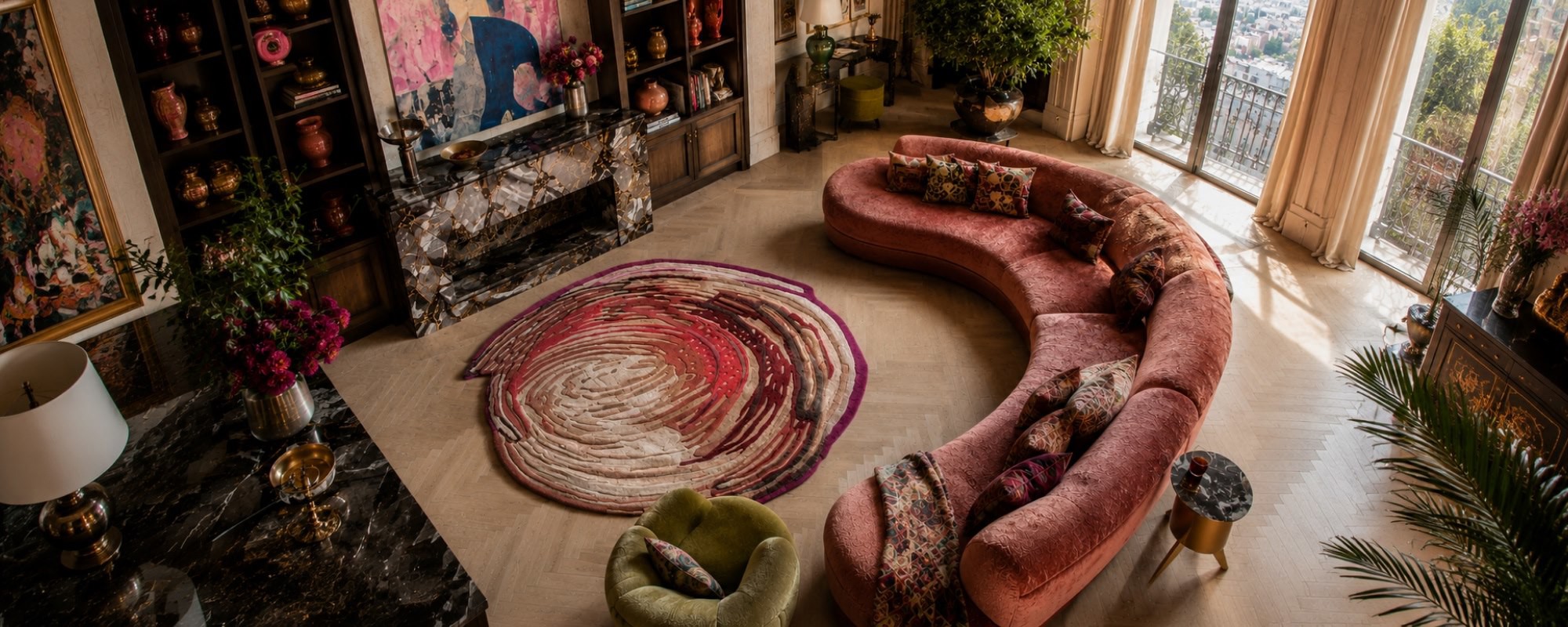
The Blythe rug collection pushes in the opposite direction. Its geometric structures feel architectural rather than decorative, while its abstract compositions introduce irregularity that prevents rooms from looking overly resolved.
A designer rug can be the element that breaks visual monotony, especially when the furniture remains relatively simple.

Why Designers Are Putting Architecture On The Floor?
Architecture is influencing interiors more than ever.
Instead of decorating rooms with objects alone, designers are introducing architectural thinking through pattern, proportion, and structure.
That shift helps explain the renewed popularity of geometric modern rugs.
In the Blythe collection, geometry rarely feels rigid. Lines intersect, dissolve, and reappear. Shapes appear planned yet imperfect.
The effect resembles contemporary architecture sketches translated into textile form.
Why it matters: Structured designs create visual order without requiring excessive furniture or styling.
Stylist insight:
-
Geometric rugs anchor open-plan layouts.
-
They help define seating arrangements.
-
They create movement across large floor surfaces.
The Return Of Texture In A World Full Of Screens
Modern life happens behind glass.
Phones. Tablets. Monitors. Televisions.
As daily experiences become increasingly digital, interiors are responding with an emphasis on tactile materials.
This helps explain the enduring appeal of handmade wool rugs.
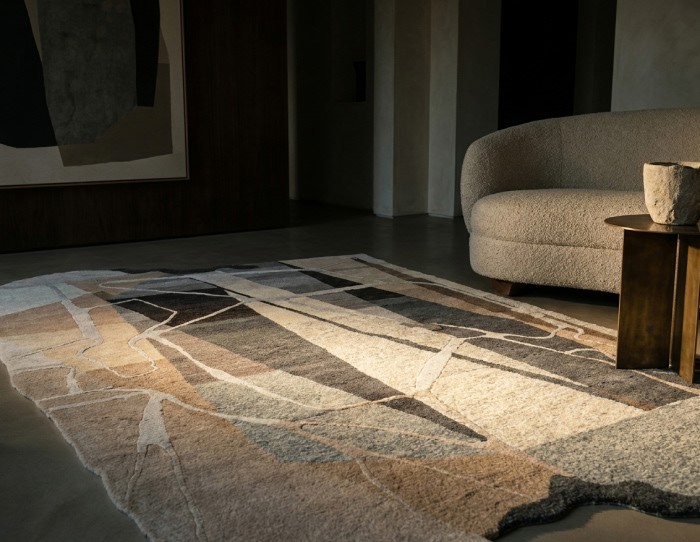
The Blythe collection uses hand-knotted wool not merely as a material choice but as a visual language. Surface variations become part of the design itself.
Tiny irregularities create depth that machines struggle to replicate.
Observation: The texture in Blythe rugs changes throughout the day as natural light moves across the surface.
Designer insight: Many contemporary interiors suffer from visual flatness. Texture is becoming the new colour because it adds dimension without increasing visual clutter.
The New Neutral Palette Isn't Beige
Neutral no longer means monochromatic.
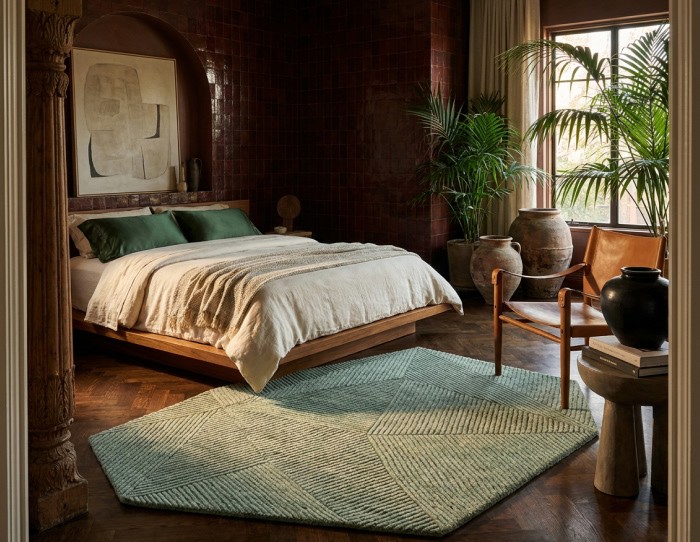
Across contemporary interiors, designers are replacing flat beige schemes with colours drawn from natural materials and landscapes.
The Blythe collection reflects this movement through palettes inspired by:
-
Stone
-
Moss
-
Clay
-
Weathered blue
-
Mineral grey
These colours behave differently from conventional neutrals.
They carry more complexity without demanding attention.
Blythe rug collection's colour stories feel geological rather than decorative. Mineral-based palettes provide flexibility while introducing more character than traditional beige interiors.
What Makes The Blythe Rug Collection Different?
Most rugs ask a room to pick a side.
Geometric or organic. Minimal or expressive. Structured or artistic.
Blythe refuses the assignment.
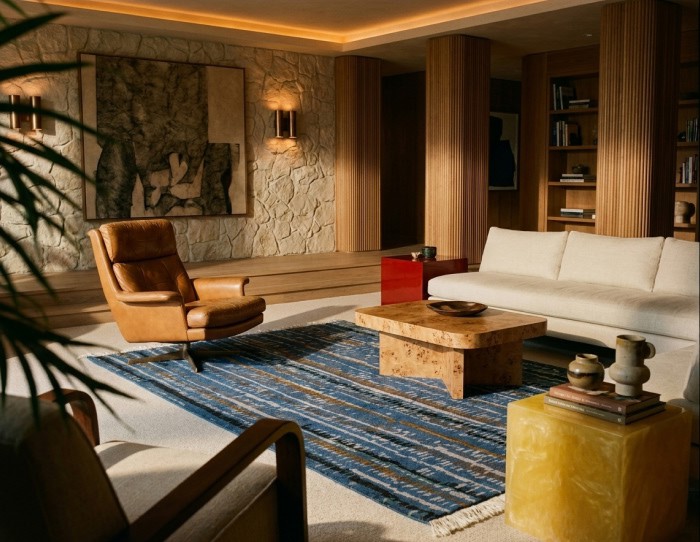
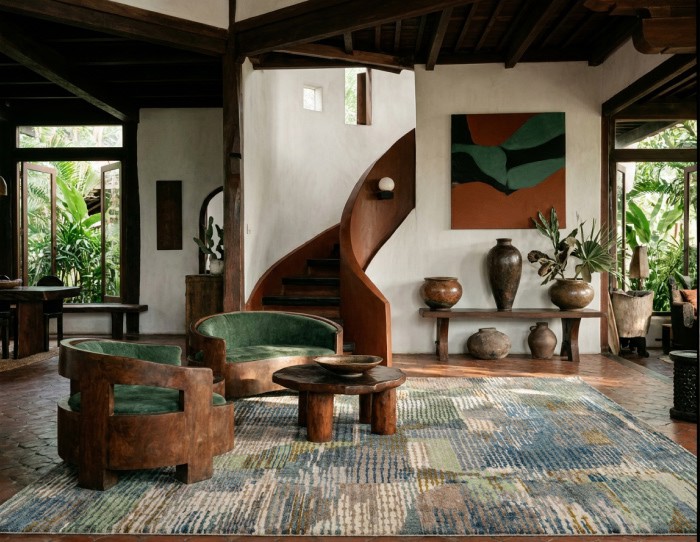
Its designs feel like architectural drawings that somebody painted over before they were finished. Lines appear, disappear, intersect, and drift. Grids lose discipline. Abstract forms emerge from order and then escape it.
-
Architecture without rigidity
-
Abstract art without chaos
-
Geometry without repetition
-
Neutrals without beige fatigue
-
Wool texture without rustic clichés
-
That combination is rare.
The collection feels designed for a moment when people want more personality than minimalism allows, but far more restraint than maximalism demands.
And that is where Blythe becomes difficult to imitate.
Not because of what it looks like.
Because of the tension it creates. That slight feeling that the room is still unfolding long after you have walked in.
Summing Up..
The relevance of our Blythe rug collection has less to do with trends and more to do with changing expectations. Interiors are becoming places for restoration, self-expression, and sensory experience rather than visual performance. Blythe's textured wool surfaces, architectural geometry, abstract compositions, and mineral-based palettes reflect that broader shift. The collection feels current because the culture around it has already changed.
We will be back with another blog soon.
Till then, stay tuned and explore Jaipur Rugs!
FAQs
What is the Blythe Rug Collection?
The Blythe rug collection by Jaipur Rugs is a series of hand knotted wool rugs defined by geometric structures, abstract compositions, architectural influences, and mineral-inspired colour palettes. Rather than relying on ornamental motifs, the collection uses shape, texture, and spatial rhythm to create visual interest.
Are geometric rugs still in style in 2026?
Yes. Geometric rugs remain highly relevant because designers increasingly use patterns to introduce structure into open spaces. Current geometric designs are less rigid than previous versions, often featuring softened lines, irregular forms, and architectural influences that feel more organic and adaptable.


Pic Credits
Jaipur rugs / Abil Dase
Share
-
 Facebook
-
 Twitter
-
 Email
Email
Related Posts
-
15 July 2026
- ∙
-
8 Min Read
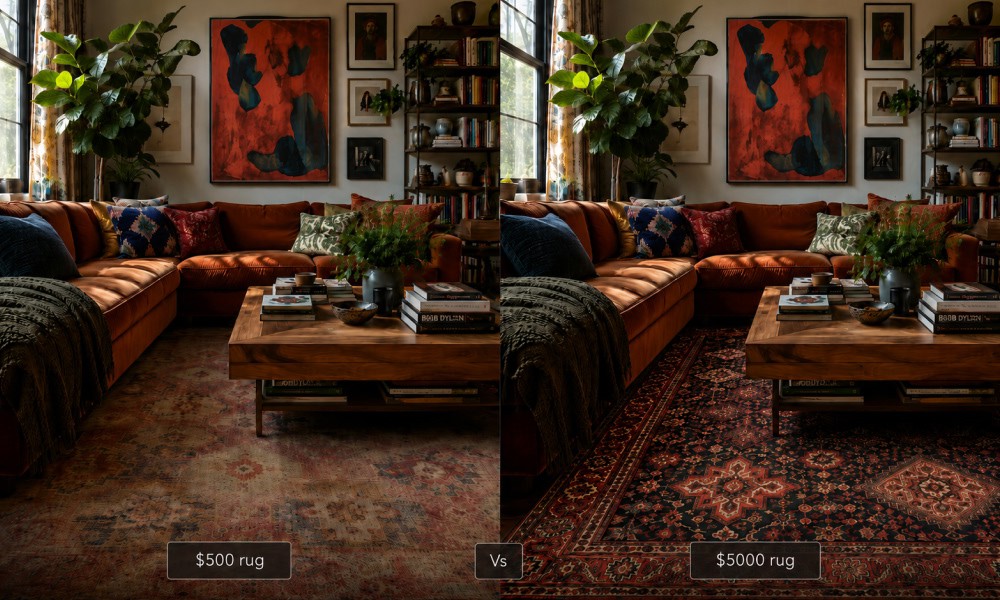
The $500 vs $5,000 Rug: An Honest Side-by-Side That No Brand Will Show You
Why do some rugs cost ten times more than others? This honest side-by-side looks at what actually separates a $500 rug from a $5,000 one: knot density, fiber quality, pile depth, and finishing. No brand bias, no marketing language. Just a clear breakdown to help you decide which one is worth it for your space and budget.
Read Article →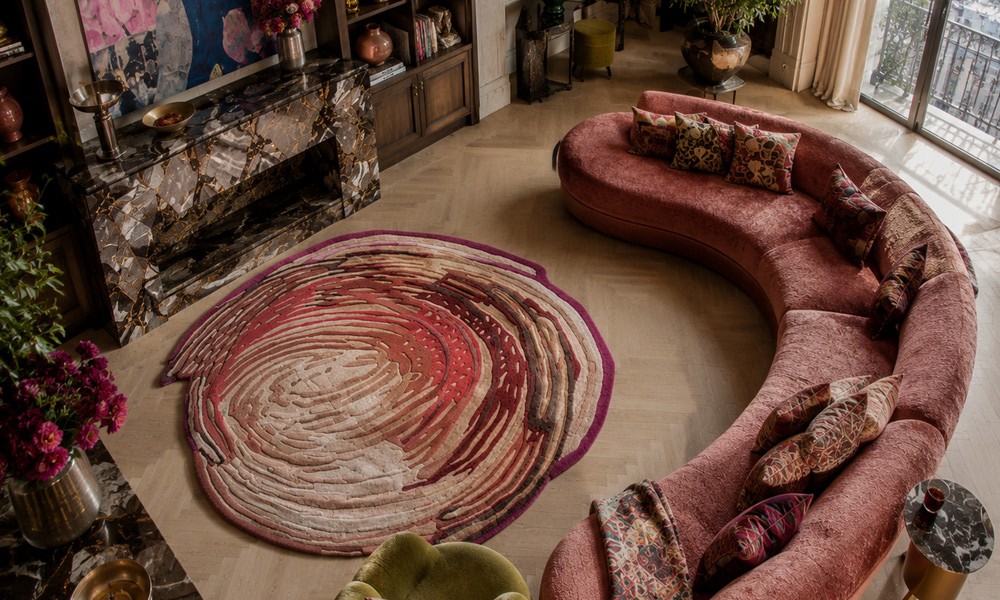
-
14 July 2026
- ∙
-
13 Min Read
3D Rugs and Sculpted Pile: The Tactile Design Trend Redefining Floors in 2026
The rug used to finish a room. Now it starts one. 3D rugs and sculpted piles are bringing real depth and tactile texture to interiors, from hand knotted relief patterns to optical illusion designs that stop you mid-step. This is what the trend is, why it matters, and how to buy it well.
Read Article →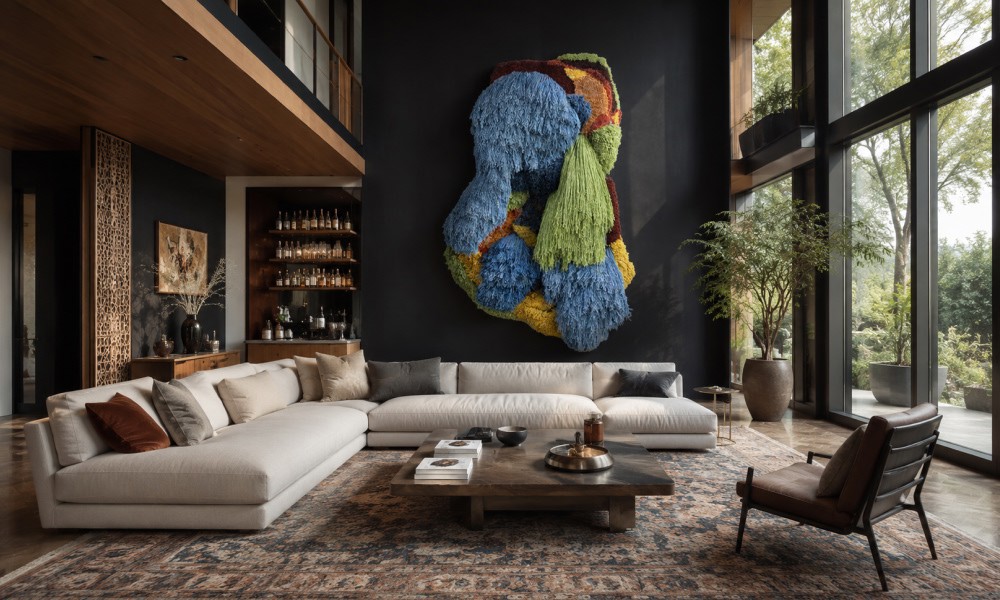
-
10 July 2026
- ∙
-
10 Min Read
How to Pair Indian Wall Art with the Right Rug Pattern: A Room-by-Room Guide
Choosing the right rug to go with your Indian wall art does not have to be guesswork. This guide breaks it down room by room, from the living room to the bathroom and outdoor spaces. Learn how to match colors, patterns, and scale so your wall art and rug always feel like they belong together.
Read Article →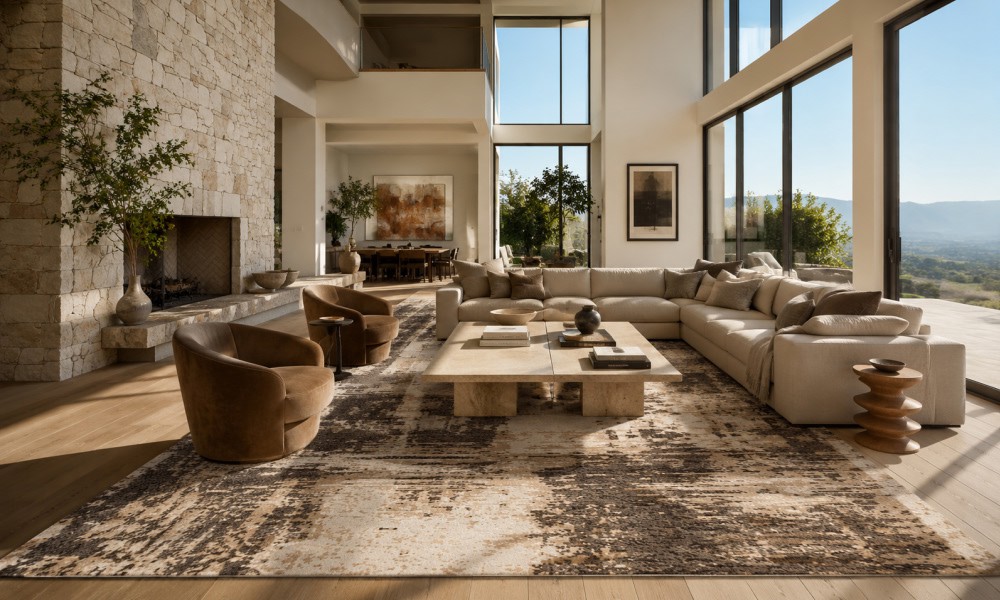
-
07 July 2026
- ∙
-
9 Min Read
How to Tell If a Rug Is Handmade: 7 Signs Experts Look For (Abrash Is One of Them)
Wondering how to know if a rug is handmade? Get an overview of 7 key characteristics that will help you identify if a rug is truly handmade and learn about its differences compared to machine-made rugs, and why they do not lose their value. Here is what to keep in mind when buying a handmade rug.
Read Article →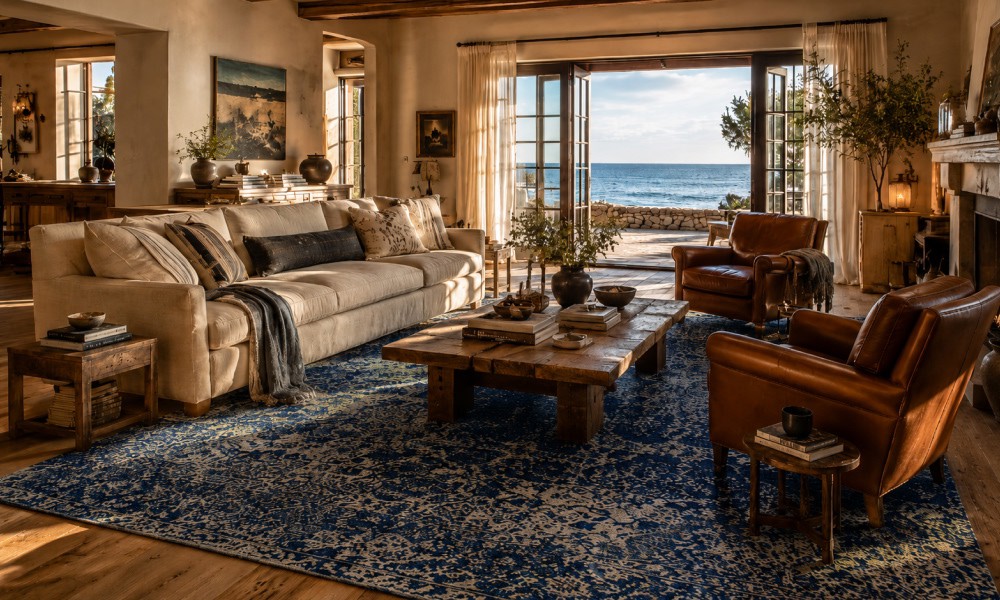
-
04 July 2026
- ∙
-
8 Min Read
Coastal Grandmother Is Evolving: The 2026 "Coastal Heritage" Aesthetic and the Rugs That Define It
The coastal grandmother design is progressing into something new and exciting by 2026. Coastal Heritage introduces texture, craftsmanship, and handmade elements to this popular design style. Here are the various rug types, colors, and decorating ideas to know about this classic coastal design trend.
Read Article →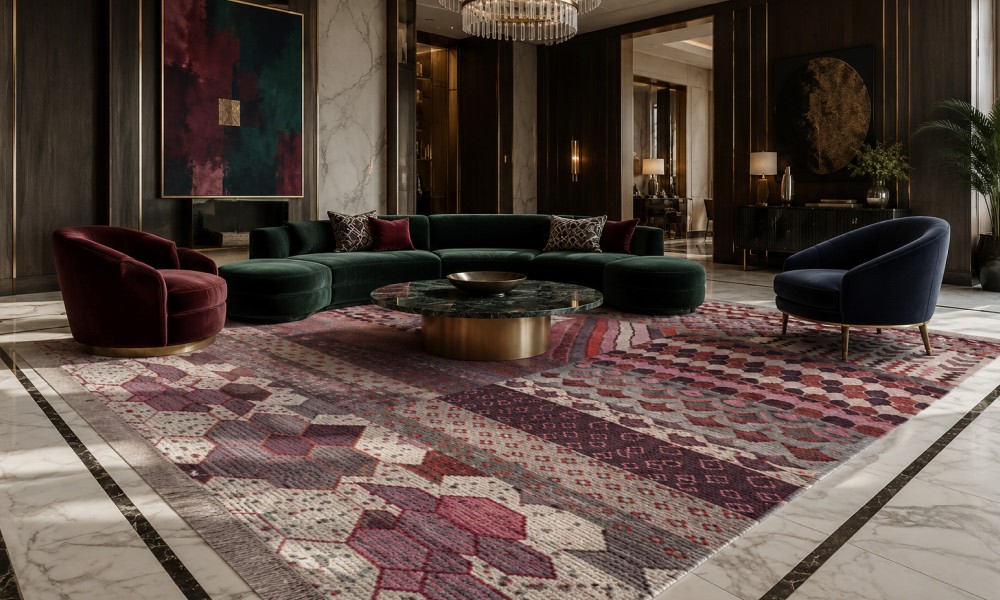
-
22 June 2026
- ∙
-
6 Min Read
Why Top Interior Designers are Switching to Indian Handmade Rugs
High-end interior designers have begun using handmade carpets from India in place of machine-made carpets to enhance their design portfolios and ensure product longevity. The following guide will help you understand why design professionals prefer Jaipur Rugs for creating customized, ethically produced wool-and-bamboo-silk carpet designs for luxurious homes.
Read Article →