You are on our International website. Please select your region to see content specific for your location





 Profile
 Orders
 Wishlist
 Change Password
 Logout


Latest Blogs
ideas and inspiration
Not All Wool Is the Same: The Rug Buyer's Guide to New Zealand, Merino, Himalayan, and Hand-Spun Wool
- 30 May 2026
- |
- 8 Min Read
- |
- By Jaipur Rugs
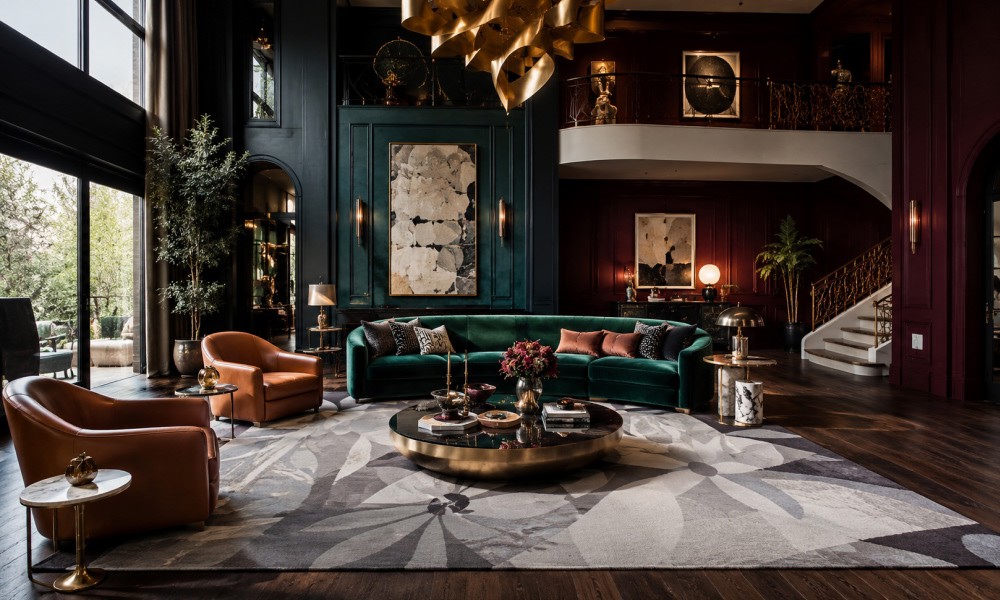
Choosing the right floor covering requires understanding your material's origin. While New Zealand fibers offer a pristine, vibrant canvas for modern spaces, Merino provides unmatched barefoot softness. For high-traffic areas, lanolin-rich Himalayan and resilient hand-spun Afghan wools offer the ultimate heirloom durability. Explore how these distinct textures transform your interior layout.
When searching for the perfect foundation for your living space, few choices match the enduring charm of wool rugs. Soft underfoot, visually rich, and inherently resilient, a high-quality wool area rug serves as an anchor for both modern aesthetics and heritage design.
However, as any interior designer or seasoned collector will tell you, not all wool is created equal. The origin of the fleece, the climate the sheep thrives in, and the architectural spinning process completely transform how a rug looks, performs, and lasts across generations.
If you are exploring different types of wool rugs, navigating the industry terminology can feel overwhelming. Why do some premium items feel smooth like silk, while others carry an organic, rustic texture? Why do price tags fluctuate so dramatically, leading buyers to ask, 'Why are wool rugs so expensive?'
In this definitive wool rug buying guide, we break down the distinct structural profiles of the world’s most sought-after wool types, including premium New Zealand fleece, ultra-soft Merino, resilient Himalayan yarns, and ancestral hand-spun varieties, to help you select the ultimate masterpiece for your home.
Why Choose Wool? The Golden Standard of Textiles
Before diving into regional origins, it is essential to understand why wool rugs are better than their synthetic counterparts. Wool is a miracle fiber engineered by nature. Each individual strand features a natural spiral crimp, acting like a miniature spring that bounces back under heavy furniture and high foot traffic.
Additionally, the fibers are coated in lanolin, a natural waxy substance that repels spills, soil, and dust. This makes the cleaning process straightforward, even when considering advanced maintenance routines, such as how to clean a wool rug effectively over time.
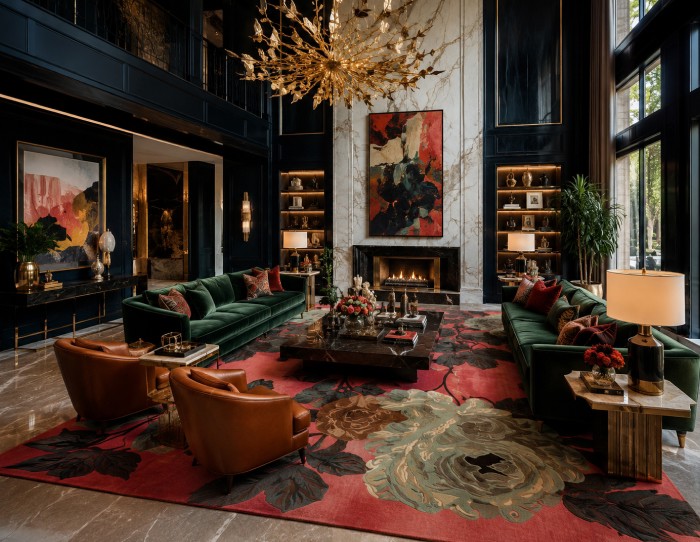
For health-conscious homeowners, a common question arises: Are wool rugs hypoallergenic? The answer is a resounding yes. Pure wool traps dust, pollen, and airborne toxins within its microscopic fibers, preventing them from floating freely through your indoor air.
Regular vacuuming safely removes these particles.
Furthermore, because high-quality wool contains natural moisture, it possesses inherent flame-retardant properties, making it an incredibly safe choice for bedroom floor coverings and cozy fireside layouts.
Whether you plan to style a large, open-plan living room or place elegant round rugs in your entryway, investing in natural wool ensures unparalleled longevity.
New Zealand Wool: The Designer's Pristine Canvas
If you have ever admired a high-end floor covering with vibrant, crisp coloration and a velvety surface, you were likely looking at a premium New Zealand wool rug. New Zealand is globally recognized as a powerhouse producer of the cleanest, whitest wool on earth.
Thanks to the pristine pastures, clean air, and highly regulated agricultural standards, sheep in this region grow fleece that is exceptionally free of black fibers and yellow staining.
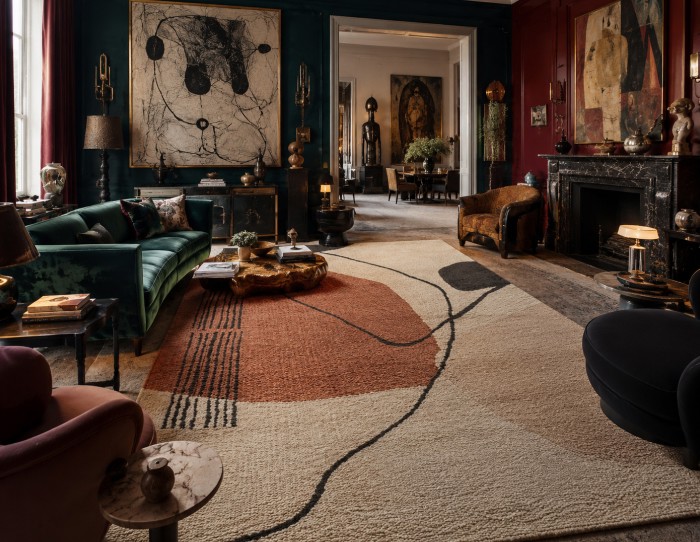
This natural whiteness makes raw New Zealand wool highly coveted by dye masters. It accepts both subtle pastel pigments and rich, deep jewel tones with absolute fidelity. When woven into sophisticated hand-tufted rugs, it creates clean lines, sharp definition, and sculptural dimensions perfect for avant-garde interior designs.
Furthermore, the fibers boast an excellent length, which minimizes shedding, a massive benefit for those styling active family spaces with contemporary geometric rectangle rugs.
Merino Wool: Peerless Softness and Luxury
For those prioritizing ultimate tactile comfort underfoot, nothing compares to the legendary feel of merino wool. But what is merino wool exactly, and why does it command such a premium position in the luxury textile market?
Grown by Merino sheep, historically bred in Spain but now flourishing in Australia and New Zealand, this fiber is celebrated for its incredibly fine diameter. While standard wool fibers can feel coarse, Merino fibers are exceptionally thin and flexible, bending easily when pressed against the skin.
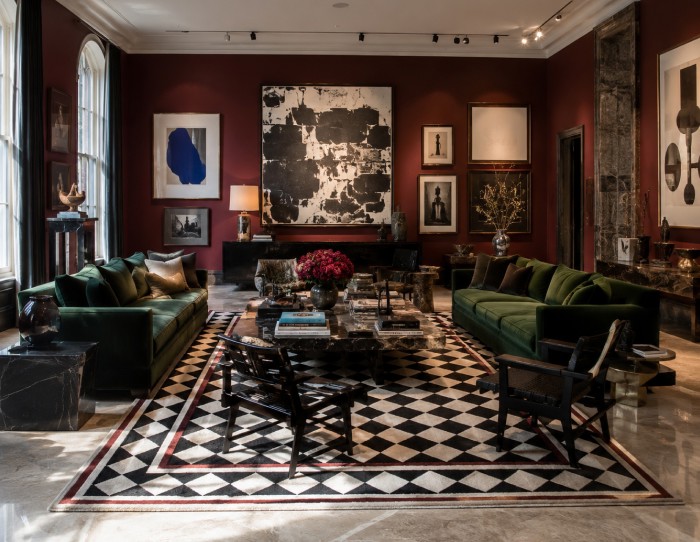
Due to this delicate structure, Merino is less commonly used as a 100% standalone fiber for heavy-duty commercial traffic. Instead, it is masterfully integrated into premium residential collections, such as boutique handloom rugs or artisan bedroom floor coverings, where comfort is paramount.
If you are wondering, do wool rugs get softer over time? The answer is a resounding yes, particularly evident with Merino.
As the rug is walked upon and gently maintained, the fine fibers open up slightly, developing a luxurious, cloud-like patina. Because of its delicate nature, cleaning requires specialized care; learning how to wash merino wool components using pH-neutral wool washes and cool water is essential to prevent fiber shrinkage and preserve its signature silk-like sheen.
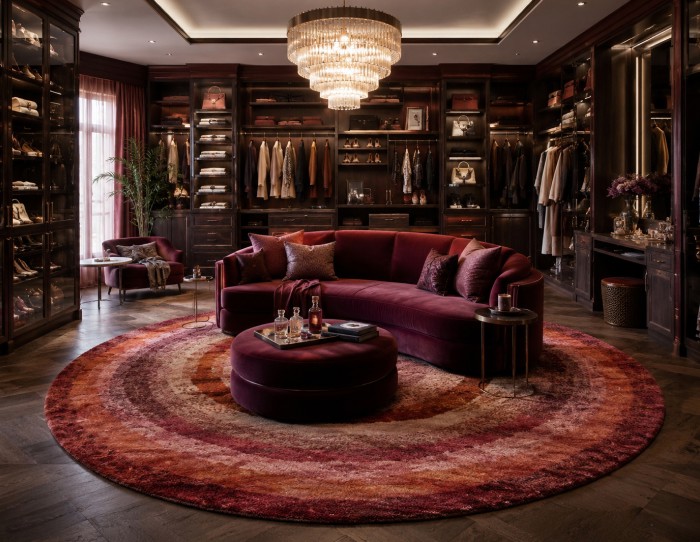
Design Tip: When selecting the best wool rugs for your home layout, match the weaving technique to the architectural geometry of your space. Use sharp, well-proportioned square rugs to balance circular dining tables or define minimalist reading nooks, ensuring the luxury fiber acts as a visual anchor.
Himalayan and Tibetan Wool: Rugged, Lanolin-Rich Masterpieces
At the opposite end of the textural spectrum lies the robust, character-rich Himalayan wool rug. Sourced from hardy sheep raised at high altitudes across the Tibetan Plateau and the Himalayan mountains, this wool is built to withstand some of the harshest weather conditions on Earth.
To protect the animals from sub-zero temperatures, nature equips these sheep with fleece that contains exceptionally high amounts of natural lanolin and dense, rugged fibers.
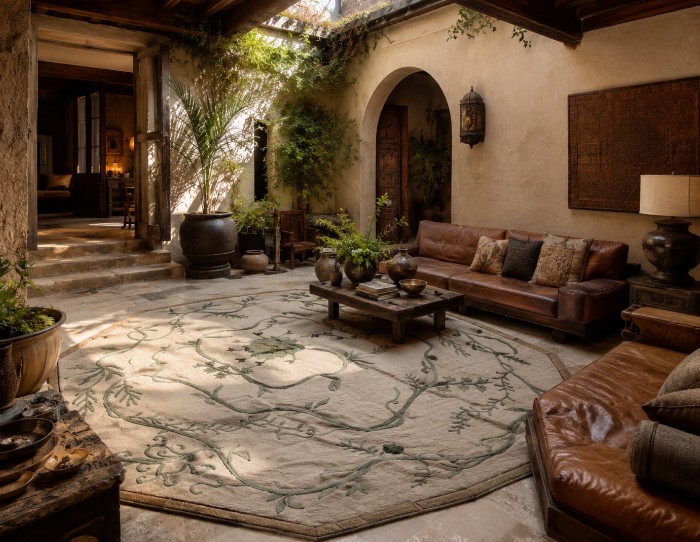
When woven into authentic Tibetan wool pieces, the resulting carpet is incredibly resilient, highly stain-resistant, and naturally lustrous. The high lanolin content gives the yarn a beautiful, organic sheen that glitters under natural sunlight. These rugged yarns are traditionally utilized to construct heirloom-grade hand-knotted rugs.
Rather than feeling flat, a Himalayan or Tibetan piece features a dense, chunky, tactile pile that adds immense warmth to traditional rugs and rustic mountain-lodge interiors alike.
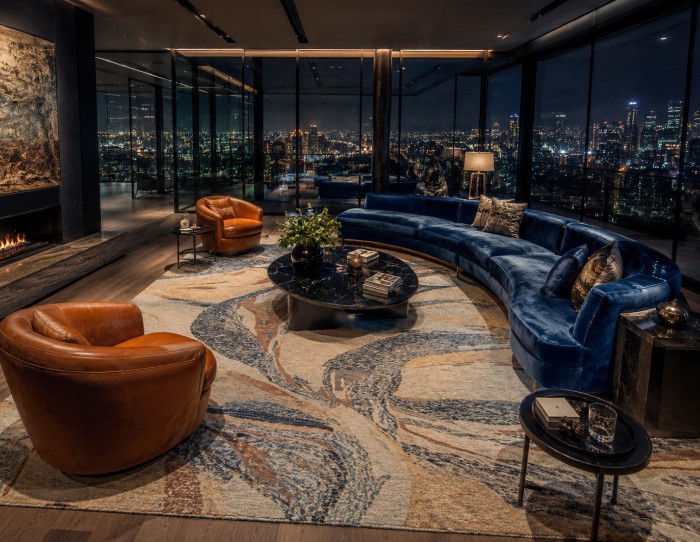
Hand-Spun, Ghazni, and Afghan Wool: The Soul of Tribal Art
For collectors who appreciate a sense of history and artisanal variation, hand-spun regional wools represent the pinnacle of textile craftsmanship. Unlike machine-carded and uniform factory yarns, hand-spun wool is prepared using a traditional drop spindle or spinning wheel.
This historic process preserves the natural variations in fiber thickness, creating a gorgeous structural texture known in the design world as "abrash", subtle, organic color variations that emerge naturally during the dyeing process because unevenly spun yarn absorbs pigments at varying depths.
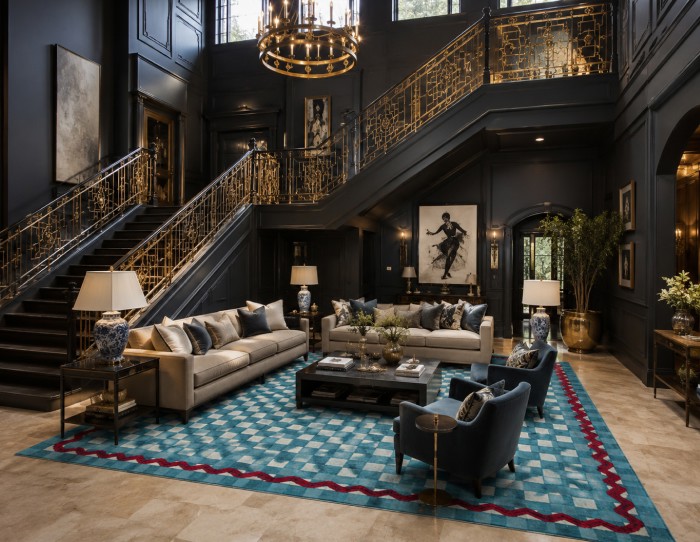
A prime example of this artistry is found in high-character Ghazni wool. Sourced from the mountainous Ghazni province of Afghanistan, this indigenous fleece is famous for its long staple length and high tensile strength.
When artisan weavers construct an authentic Afghan wool rug using these hand-spun Ghazni fibers, the final product is virtually indestructible. These rugs and carpets are highly sought-after for grounding transitional spaces and curated living zones, blending beautifully with both vintage collectibles and sleek modern rugs.
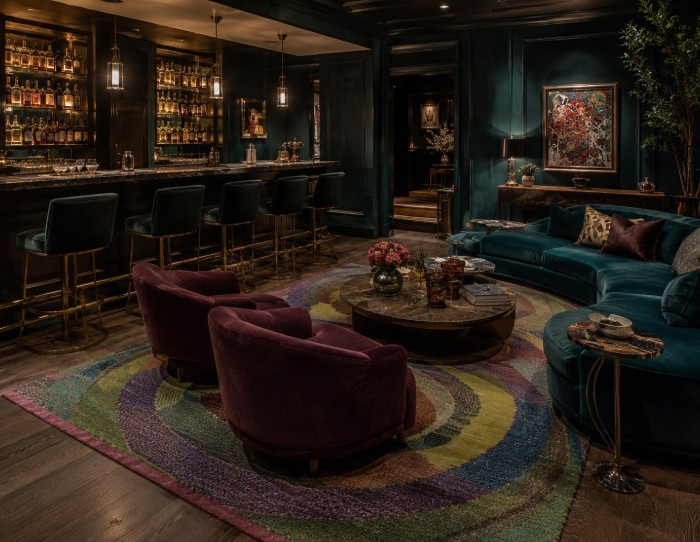
Wool Profiles Compared at a Glance
| Wool Type | Primary Characteristic | Best Suited For | Texture Profile |
| New Zealand | Pristine whiteness, low-shedding | Vibrant colors, modern designs | Velvety & smooth |
| Merino | Ultra-fine fiber diameter | Luxury bedrooms, low-traffic comfort | Velvety & smooth |
| Himalayan / Tibetan | High altitude, rich in natural lanolin | High-traffic areas, rustic spaces | Dense, robust & lustrous |
| Ghazni / Afghan | Artisanal variation, long-staple strength | Heirloom tribal art, high-traffic rooms | Textured, chunky & organic |
Essential Maintenance: Keeping Your Investment Pristine
Understanding how to care for your investment ensures it remains a family heirloom for decades. Homeowners frequently ask how to clean a wool rug safely without damaging the delicate natural fibers.
The most critical rule is to avoid harsh chemical detergents and excessive heat, which strip the protective lanolin coating and degrade the structural strength of the pile.
-
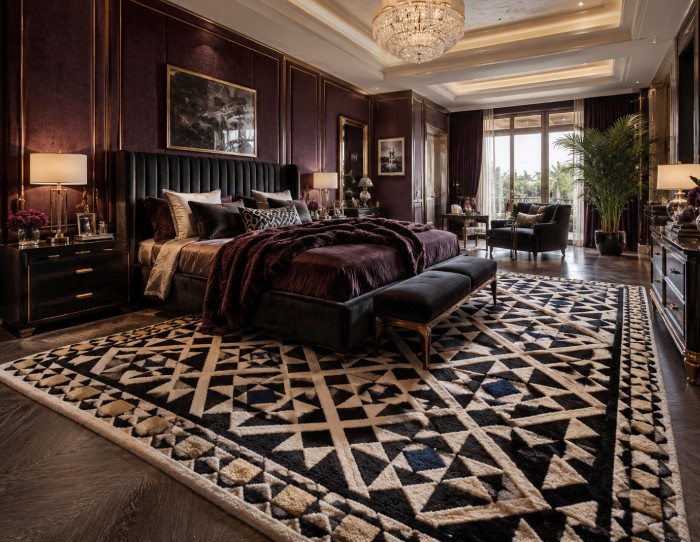
Routine Vacuuming: Vacuum your wool area rug at least once a week using a suction-only setting. Avoid using heavy beater bars on delicate hand-woven edges, as aggressive spinning brushes can tear fine hand-spun yarns and cause premature fuzzing.
-
Immediate Spot Cleaning: If a spill occurs, blot the liquid immediately with a clean, dry white cotton cloth. Never rub or scrub the spot, as this pushes the liquid deeper into the core wool fibers and distorts the natural pile alignment.
-
Professional Washing: For deep cleaning, hand over your precious hand-knotted or hand-tufted heirlooms to a professional rug-cleaning specialist who understands the unique characteristics of natural wool.
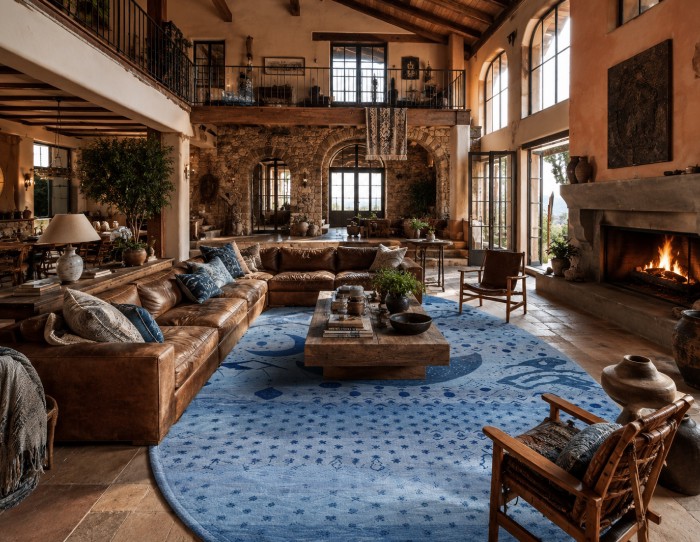
Conclusion: Finding Your Perfect Match
When selecting your next floor covering, look beyond the surface pattern and examine the fiber's roots. If you want crisp, contemporary colorways and clean minimalist borders, look for a premium New Zealand wool rug. If your priority is indulgent, barefoot comfort in a private sanctuary, a piece made from ultra-soft merino wool is unmatched.
Conversely, if you want historical depth, structural movement, and maximum durability for an active household, a Himalayan or hand-spun Afghan wool rug provides a lasting foundation of comfort, beauty, and timeless style.
Frequently Asked Questions
Are wool rugs safe for homes with pets?
Yes. Natural wool contains lanolin, which creates an inherent barrier that repels pet paws, spills, and loose fur. Its resilient, spring-like fibers also bounce back easily from claw indentations.
Can you use a wool area rug in high-humidity areas like bathrooms?
No. While wool handles minor spills beautifully, sustained high humidity prevents the dense fibers from drying completely, which can lead to mold, mildew, and musty odors.
Do all new wool rugs shed, and how long do they last?
Yes, light shedding is normal for a new rug as loose, microscopic fiber fragments migrate to the surface. Regular, suction-only vacuuming will typically resolve this within a few weeks.
Is a wool rug a good choice for a dining room floor layout?
Yes. Wool resists permanent crushing from heavy dining table legs and moving chairs. Its lanolin coating also helps keep liquid spills on the surface, allowing you to blot them up before they stain.
What type of rug pad should be paired with a wool rug?
A high-quality, natural felt or felt-and-rubber combination pad is best. It prevents slipping, protects hard floors from friction, and provides extra cushioning that reduces structural strain on the backing.


Pic Credits
Jaipur rugs / Abil Dase
Share
-
 Facebook
-
 Twitter
-
 Email
Email
Related Posts
-
15 July 2026
- ∙
-
8 Min Read
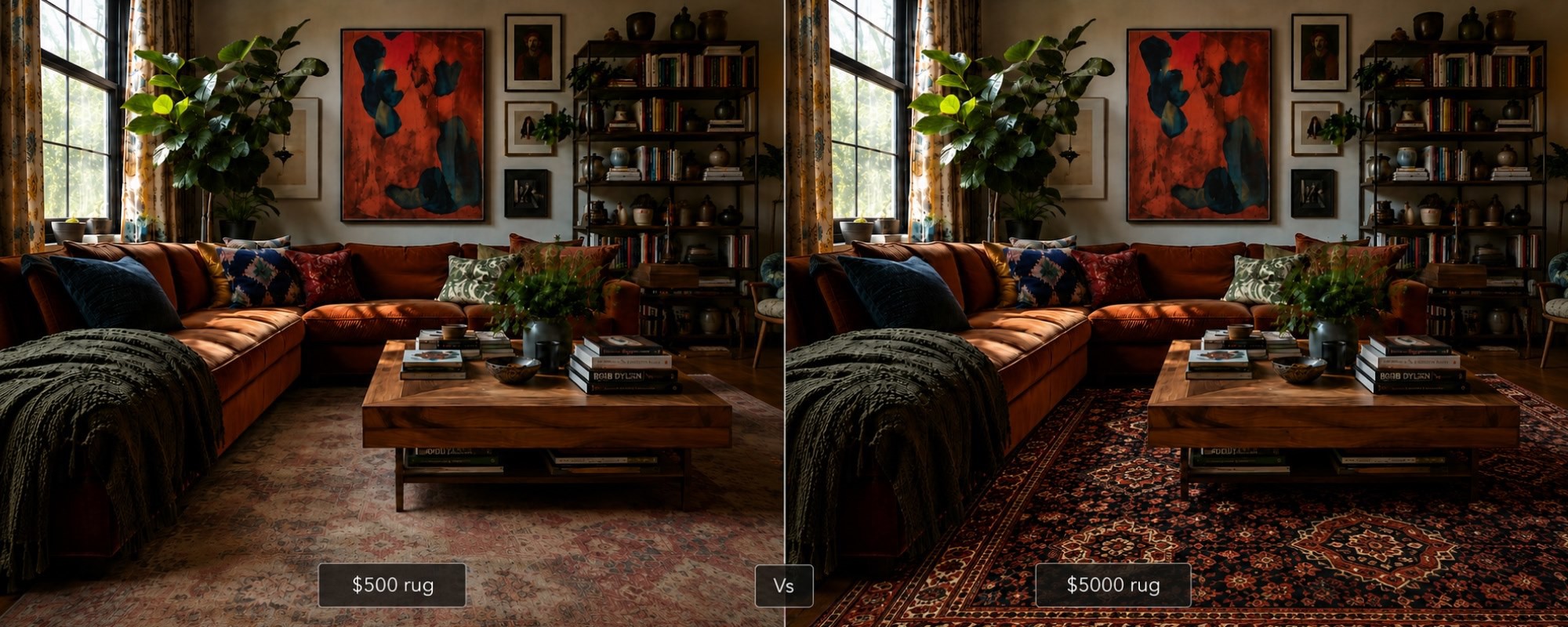
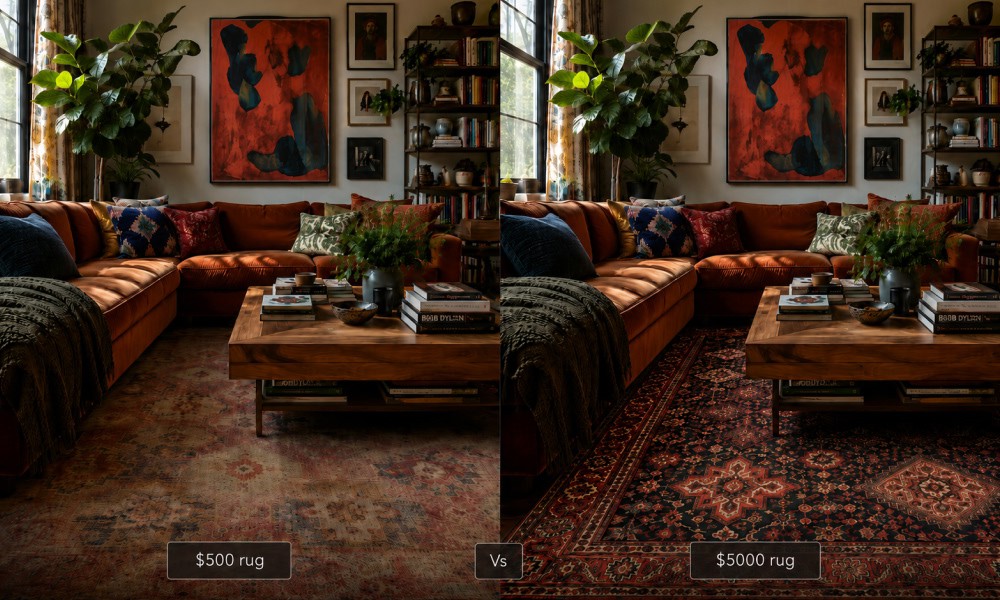
The $500 vs $5,000 Rug: An Honest Side-by-Side That No Brand Will Show You
Why do some rugs cost ten times more than others? This honest side-by-side looks at what actually separates a $500 rug from a $5,000 one: knot density, fiber quality, pile depth, and finishing. No brand bias, no marketing language. Just a clear breakdown to help you decide which one is worth it for your space and budget.
Read Article →
-
14 July 2026
- ∙
-
13 Min Read
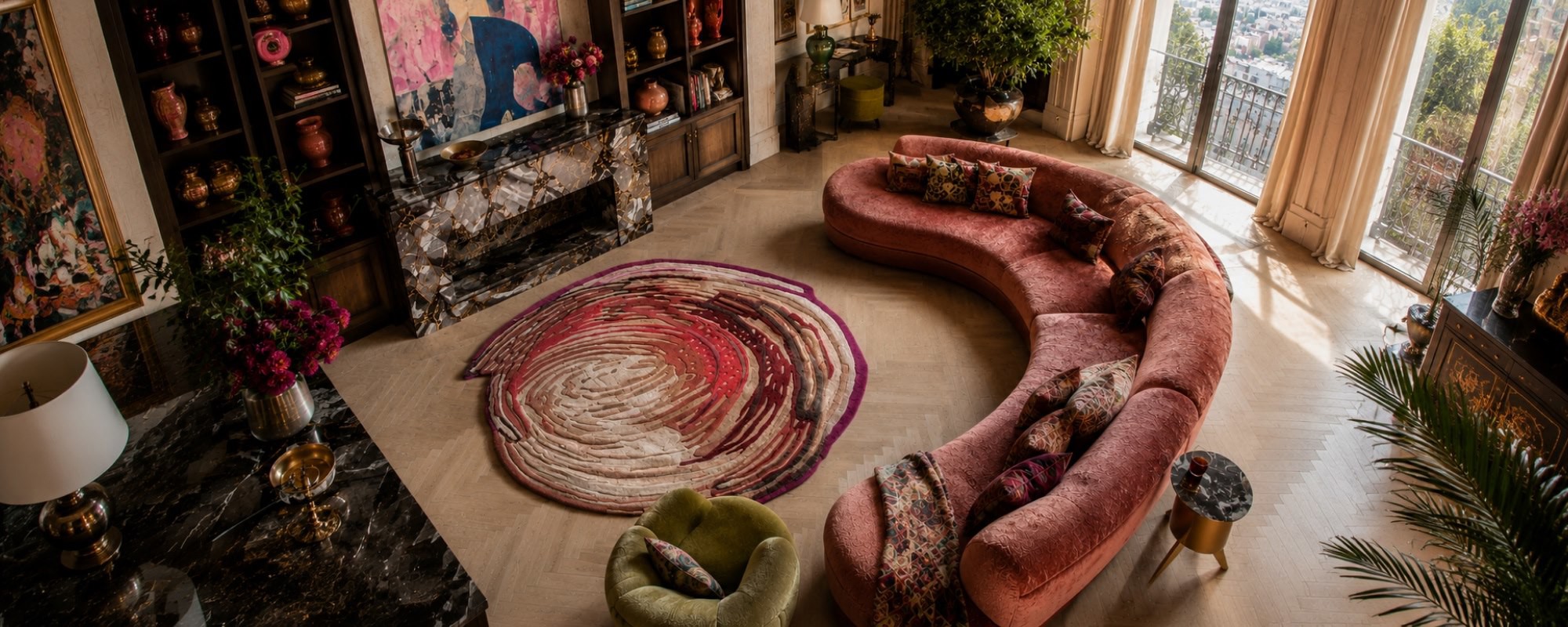
3D Rugs and Sculpted Pile: The Tactile Design Trend Redefining Floors in 2026
The rug used to finish a room. Now it starts one. 3D rugs and sculpted piles are bringing real depth and tactile texture to interiors, from hand knotted relief patterns to optical illusion designs that stop you mid-step. This is what the trend is, why it matters, and how to buy it well.
Read Article →
-
10 July 2026
- ∙
-
10 Min Read
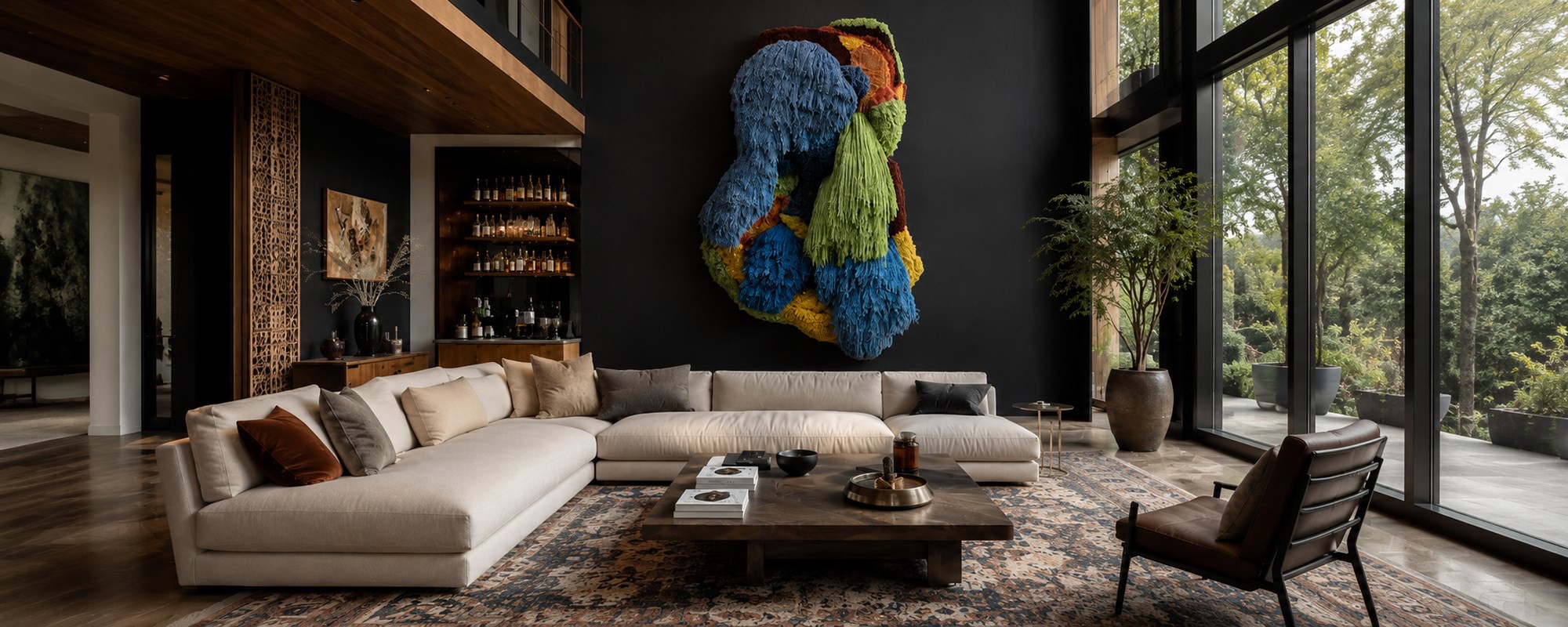
How to Pair Indian Wall Art with the Right Rug Pattern: A Room-by-Room Guide
Choosing the right rug to go with your Indian wall art does not have to be guesswork. This guide breaks it down room by room, from the living room to the bathroom and outdoor spaces. Learn how to match colors, patterns, and scale so your wall art and rug always feel like they belong together.
Read Article →
-
07 July 2026
- ∙
-
9 Min Read
How to Tell If a Rug Is Handmade: 7 Signs Experts Look For (Abrash Is One of Them)
Wondering how to know if a rug is handmade? Get an overview of 7 key characteristics that will help you identify if a rug is truly handmade and learn about its differences compared to machine-made rugs, and why they do not lose their value. Here is what to keep in mind when buying a handmade rug.
Read Article →
-
04 July 2026
- ∙
-
8 Min Read
Coastal Grandmother Is Evolving: The 2026 "Coastal Heritage" Aesthetic and the Rugs That Define It
The coastal grandmother design is progressing into something new and exciting by 2026. Coastal Heritage introduces texture, craftsmanship, and handmade elements to this popular design style. Here are the various rug types, colors, and decorating ideas to know about this classic coastal design trend.
Read Article →
-
22 June 2026
- ∙
-
6 Min Read
Why Top Interior Designers are Switching to Indian Handmade Rugs
High-end interior designers have begun using handmade carpets from India in place of machine-made carpets to enhance their design portfolios and ensure product longevity. The following guide will help you understand why design professionals prefer Jaipur Rugs for creating customized, ethically produced wool-and-bamboo-silk carpet designs for luxurious homes.
Read Article →