You are on our International website. Please select your region to see content specific for your location




 Living Room
 Dining Room
 Bedroom
 Kids Room
 Outdoor
 Irregular
 Runner
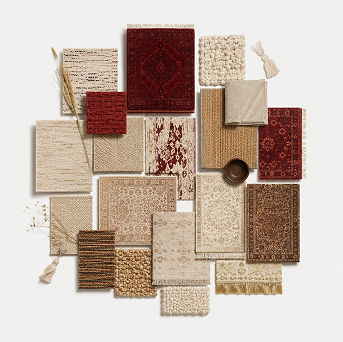
 Hand Knotted
 Hand Tufted
 Hand Loom
 Flat Weaves
 Shag
 Modern
 Transitional
 Traditional
 Minimalist
 Bohemian
 Eclectic
 Maximalist
 Monochromatic
 Neutrals
 Pastels
 Vibrant
 Abstract
 Oriental
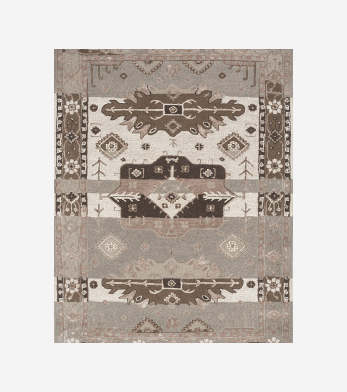 Moroccan
 Distressed
 Floral
 Geometric
 Graphic
 Solid
 Patchwork
 Genesis
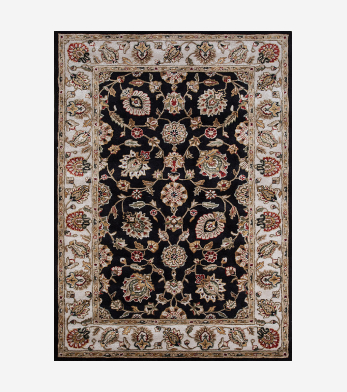 Kasbah
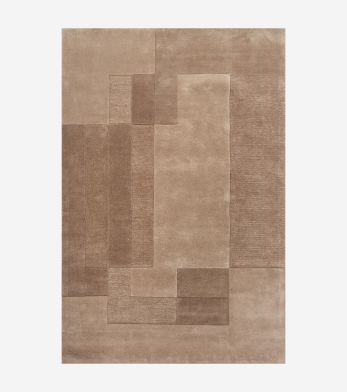 Cera
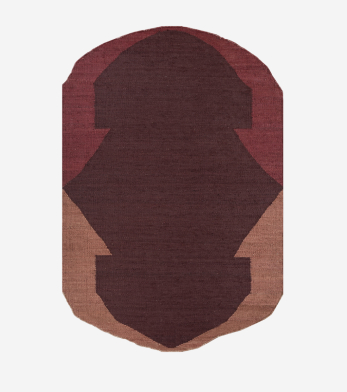 Daaira
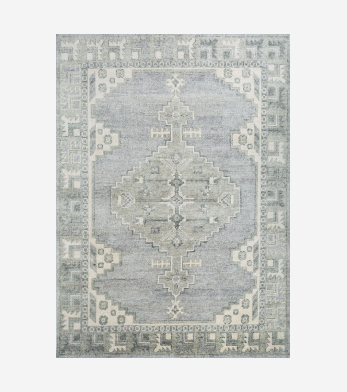 Savana
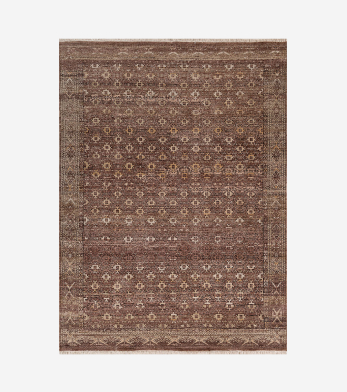 Someplace In Time
 Chaos Theory By Kavi
 Pathways
 Manifest
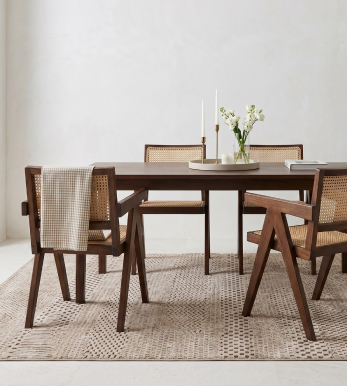
 Kengo Kuma
 VIMAR 1991
 Bodour Al Qasimi
 Richard Hutten
 Peter D'ascoli
 Vinita Chaitanya
 Tatiana De Nicolay
 Keith Pillow
 Kunaal Kyhaan Seolekar
 Pavitra Rajaram
 Ashiesh Shah
 Matteo Cibic
 Tania & Sandeep Khosla
 Gauri Khan
 Abin Chaudhuri
 Kavi
 Gabriel Hafner NEW
 Neeraj Patel
 Princess Pea
 Gurjeet Singh
 Lorenzo Vitturi
 Rug Warranty
 Stain Resistance
 Track Order
 The Founder
 The Company
 The Craft
 Sustainability
 Hospitality
 Retail
 Aviation
 Yacht
 Residential
 View all
 Stores
 My Account

 Trade
 Email Us
 Contact Us
 WhatsApp Chat
 Book Appointment
 Track Order


 Profile
 Orders
 Wishlist
 Change Password
 Logout


Latest Blogs
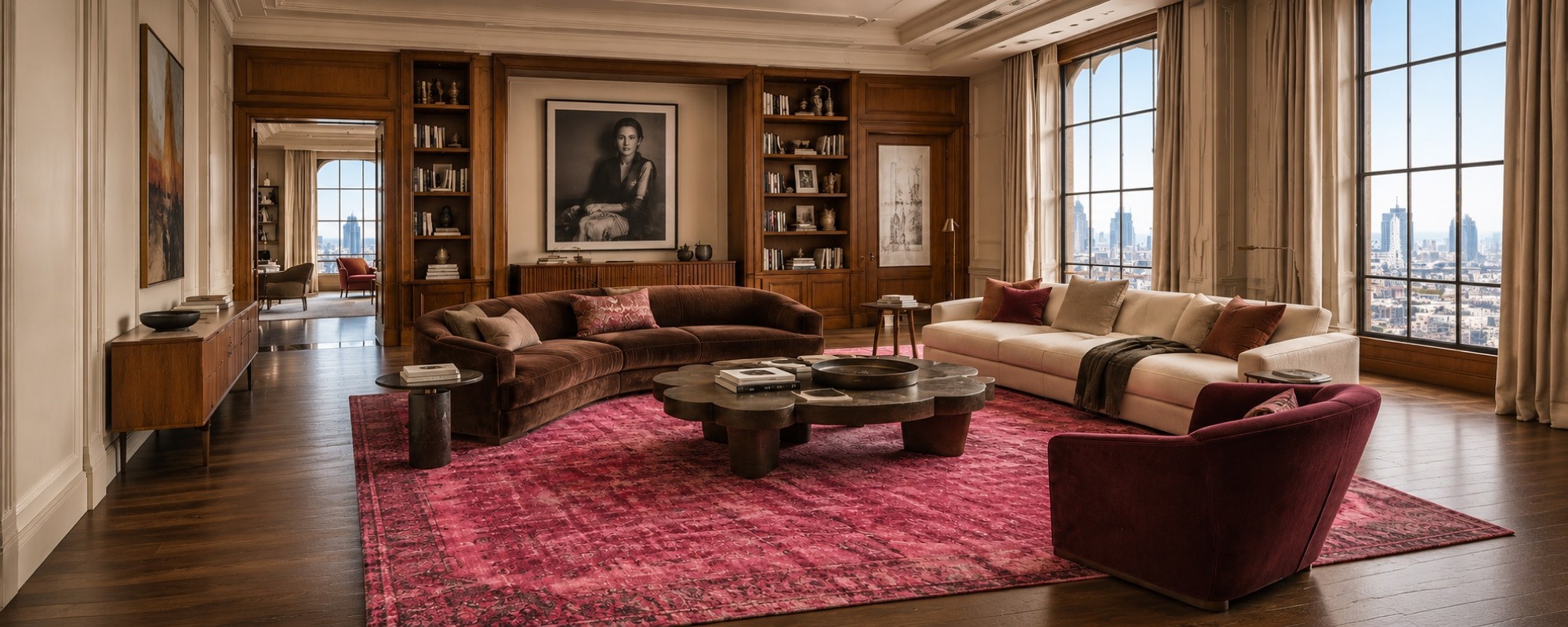
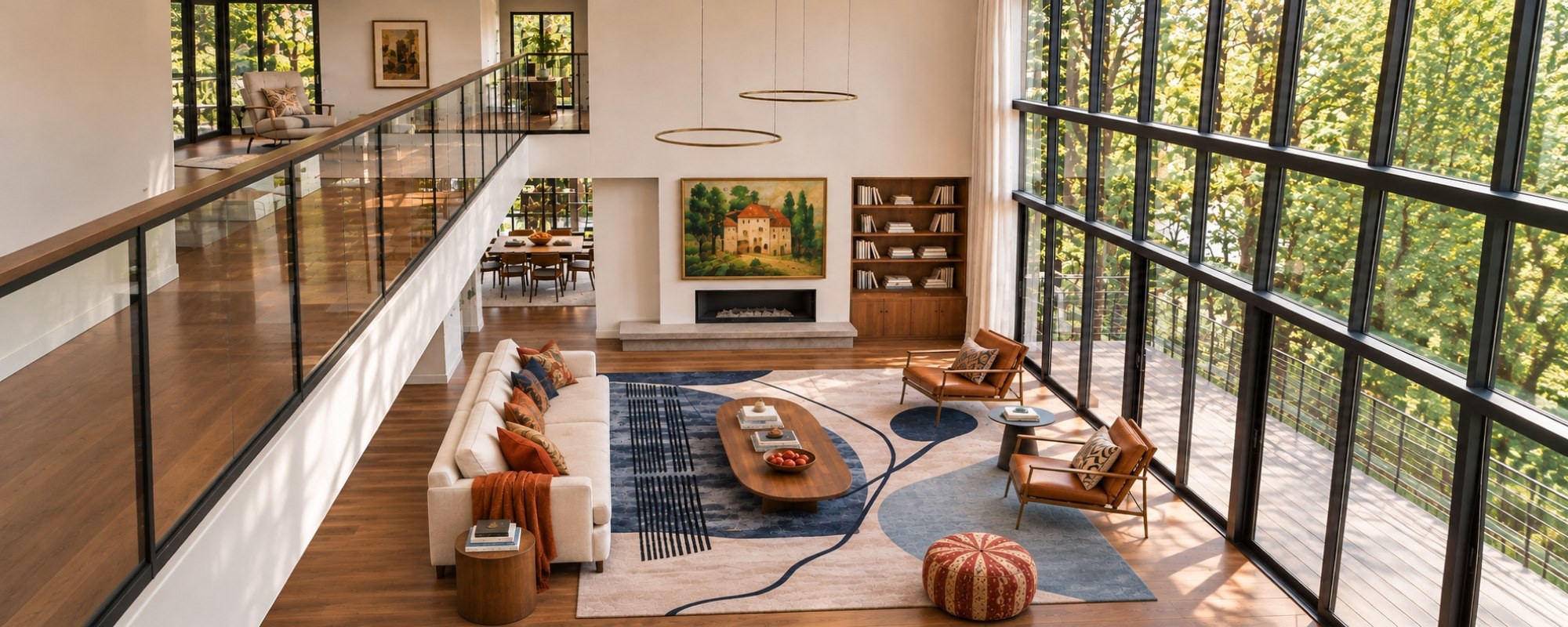
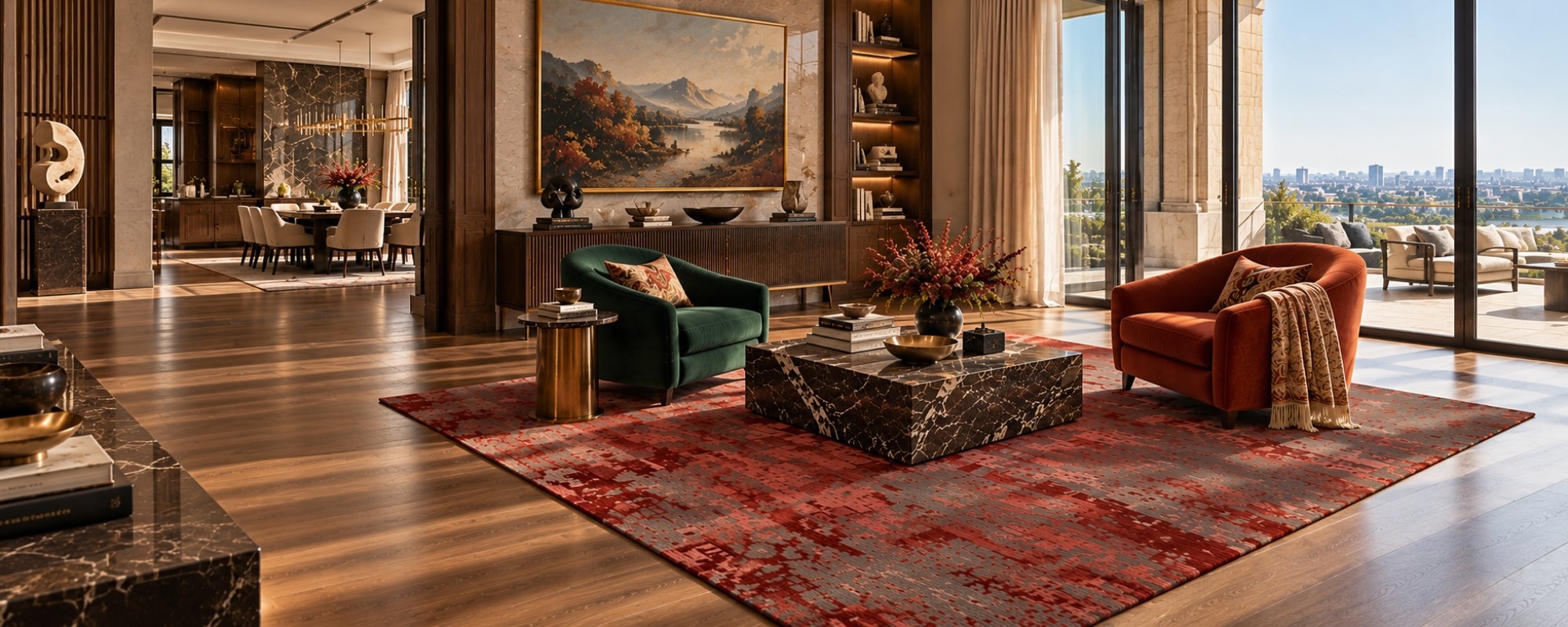
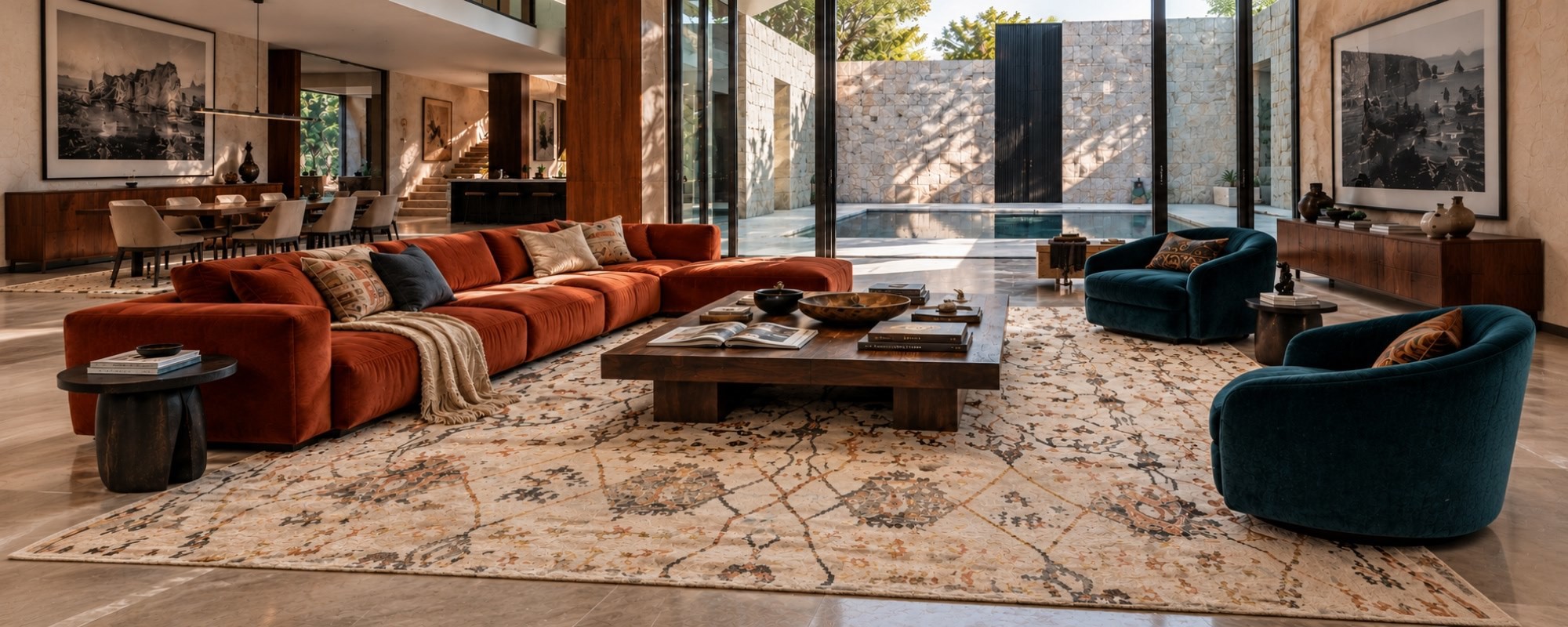
ideas and inspiration
Tribal Rugs: Small-Scale Folk Patterns for 2027
- 16 November 2026
- |
- 7 Min Read
- |
- By Jaipur Rugs
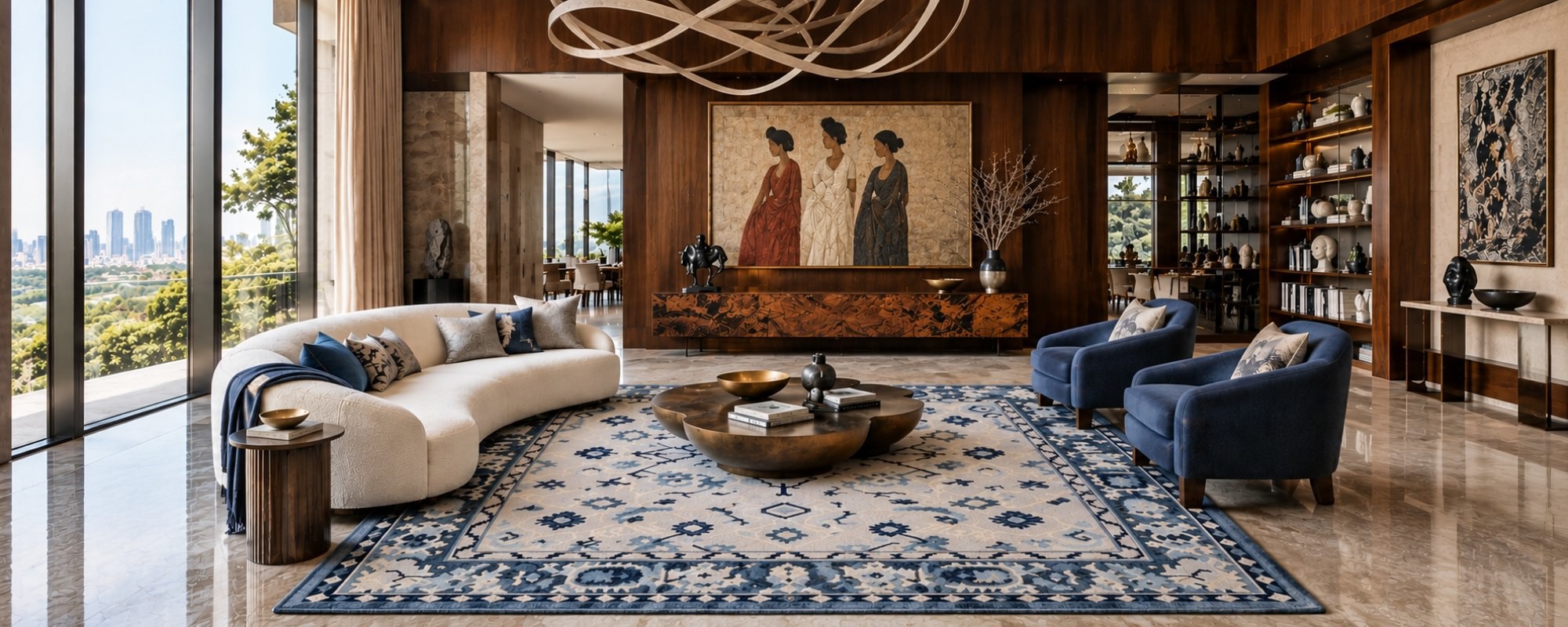
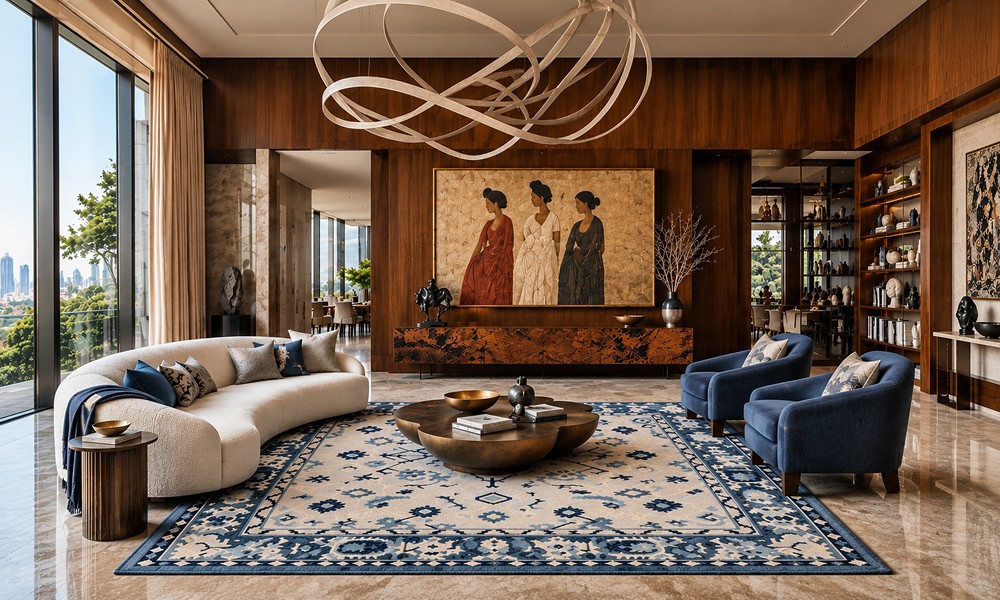
Tribal rugs carry generations of stories in every motif. In 2027, small-scale folk patterns are making a comeback in modern homes. Here’s what makes a tribal rug, how to spot an authentic one, and how to style it so it feels fresh, not dated.
Some rugs look nice. Others look like they’ve lived a life.
A tribal rug is the second kind. Every diamond, hook and zigzag was put there by someone, usually from memory, often in a pattern passed down through their family. You can feel that the moment you see one.
For 2027, these small-scale folk patterns are back. Not as a boho trend, but as a quiet answer to rooms that have started to feel a bit too perfect.
What is a tribal rug?
A tribal rug is a handwoven rug made by nomadic or village communities, using designs that belong to their own weaving tradition. The patterns are usually geometric. Think diamonds, stars, latch hooks, and stylised animals.
Unlike city workshop rugs, tribal weavers rarely worked from a drawn pattern. They wove from memory. That’s why no two pieces are exactly alike, and why small “mistakes” are part of the charm.
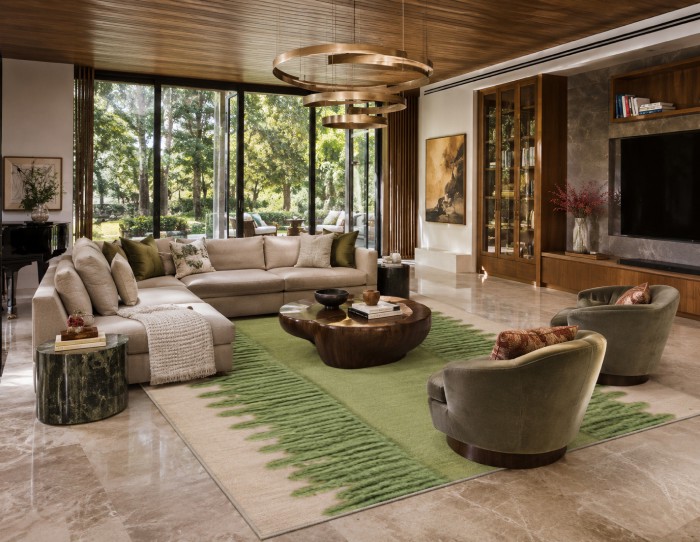
You’ll find tribal rugs from Iran, Afghanistan, Turkey, the Caucasus, Morocco, and India. Each region has its own palette and motifs, and most are hand-knotted rugs built to last generations.
Why are folk patterns trending for 2027?
People are tired of rooms that look like a showroom. They want things with a story.
Small-scale folk patterns give a room texture and personality without taking it over. From across the room, a busy tribal design blends into a warm, even texture. Up close, it’s full of detail.
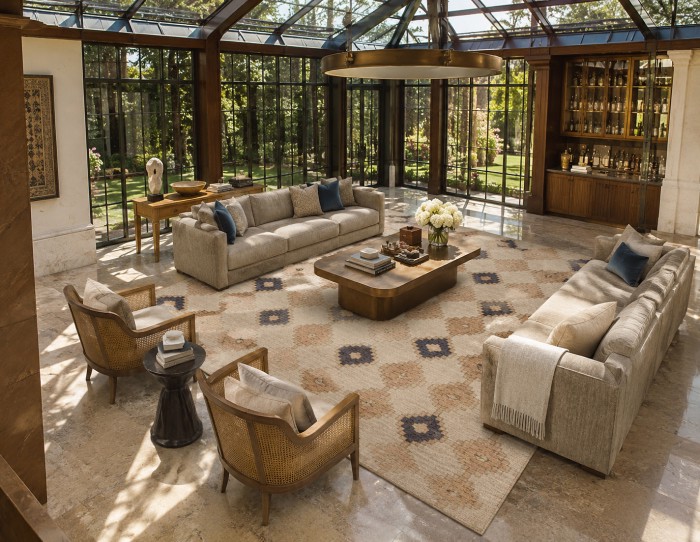
There’s also a craft revival going on. Buyers want to know who made something, and how. A heritage rug answers that question better than almost anything else in the house.
The main types of tribal rugs
There are dozens of tribal weaving traditions. These are the ones you’ll see most.
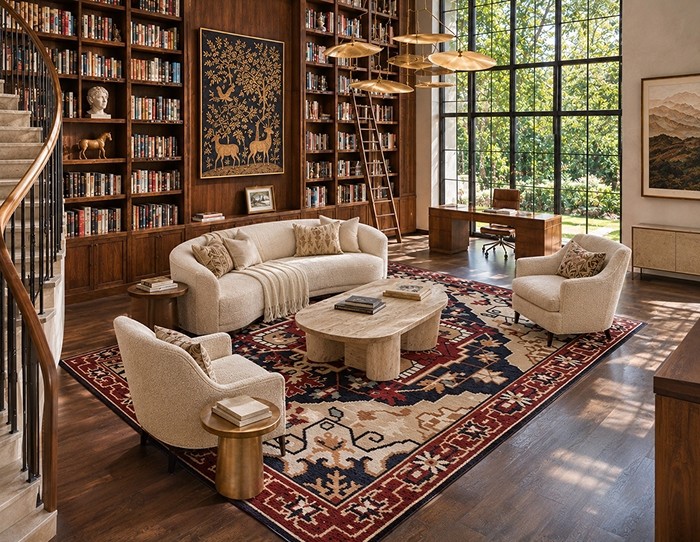
Persian tribal rugs
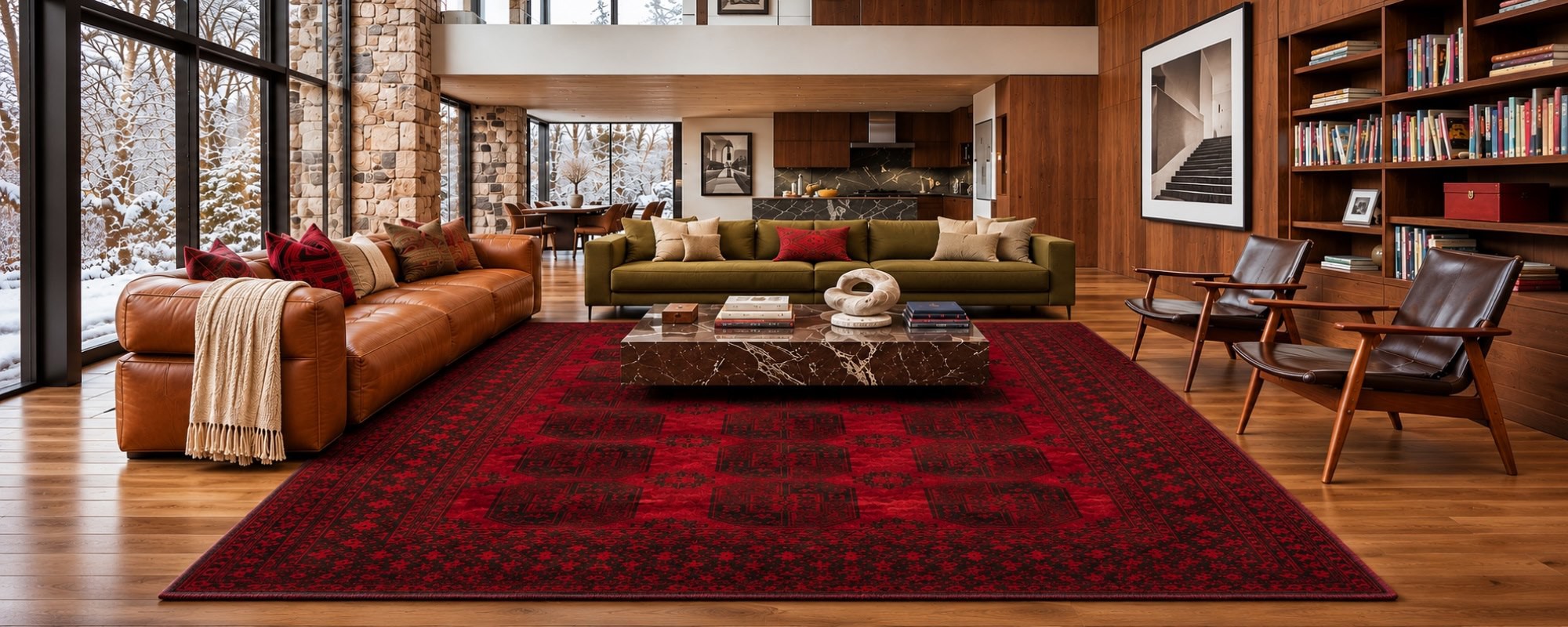
A Persian tribal rug comes from the nomadic groups of Iran, like the Qashqai and Bakhtiari. Expect warm reds, deep blues, and dense geometric medallions, much like the classic oriental rugs they inspired. The Gabbeh style is simpler, with thick piles and big blocks of colour.
Moroccan tribal rugs
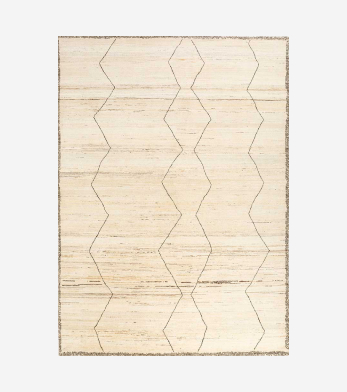
A Moroccan tribal rug is made by Amazigh (Berber) weavers in the Atlas Mountains. Beni Ourain rugs are ivory with dark diamond lines. Azilal rugs are bolder, with bright, playful symbols.
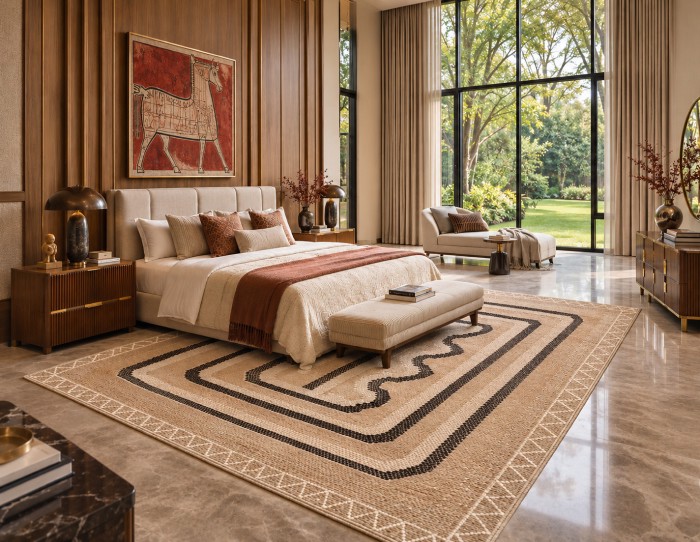
Browse our Moroccan rugs to see how these motifs look in a modern room.
Baluch and Turkmen rugs
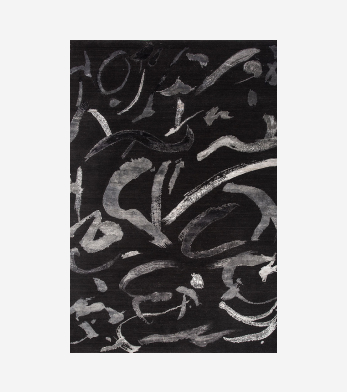
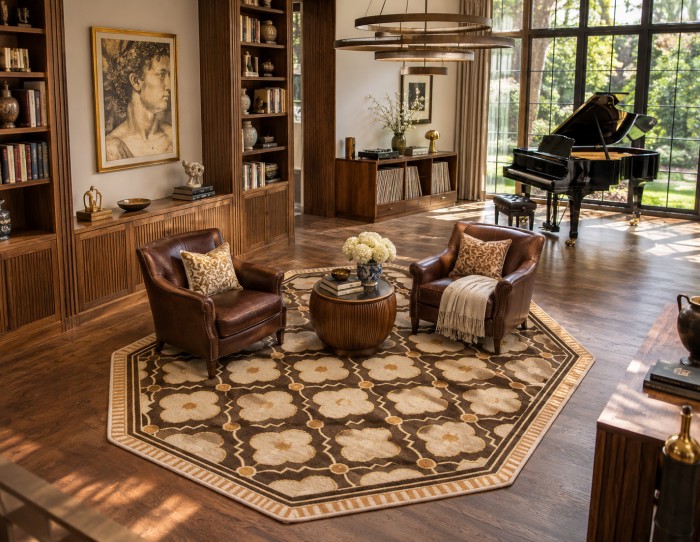
These come from Afghanistan and the border regions. They’re often dark and moody. A black tribal rug in this style, with deep navy, aubergine, and rust, looks rich in a library or a study.
How to identify an authentic tribal rug
This is the question everyone asks before buying. Here’s what to check (and our full guide on how to identify a handmade rug goes deeper).
Turn it over. On a hand-knotted rug, you can see each knot on the back. The pattern shows through clearly. If the back is covered with a glued canvas, it’s not hand-knotted. If you’re unsure, here’s how to tell if a rug is hand-knotted.
Look for colour variation. Natural dyes create gentle shifts in tone across the rug, called abrash. It looks like soft bands of slightly different shades. Machine rugs are perfectly even.
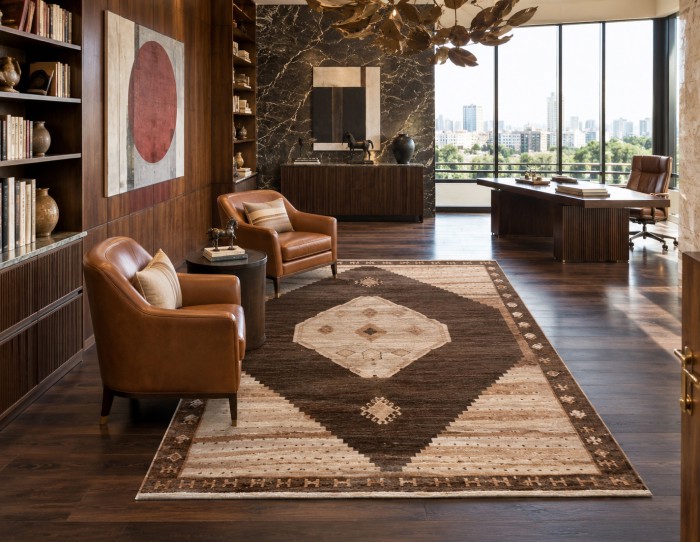
Check for small irregularities. Uneven edges, a motif that’s slightly larger on one side, a border that changes halfway. These show the rug was woven by hand, from memory.
Feel the wool. A real tribal wool rug uses hand-spun wool that feels springy and a little uneven. That’s why wool rugs age so well and get softer with every year of use.
One honest note: many beautiful rugs today are tribal-inspired rather than woven by a specific tribe. That’s not a bad thing. Just ask how and where the rug was made, so you know exactly what you’re buying.
Can tribal rugs look modern?
Yes. In fact, they often look best in modern rooms.
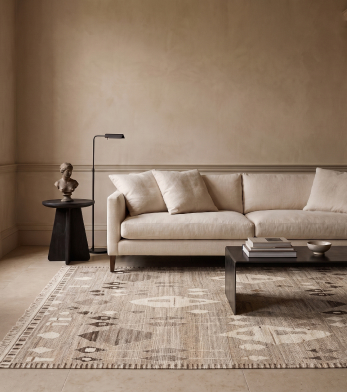
The trick is contrast. Put a busy folk pattern in a room with clean lines and plain surfaces. A white wall, a simple linen sofa, a black metal lamp. The rug becomes the one thing with history, and that’s what makes it stand out.
Keep the rest of the palette tight. Pick one or two colours from the rug and repeat them in cushions or art. Skip other strong patterns in the same space.
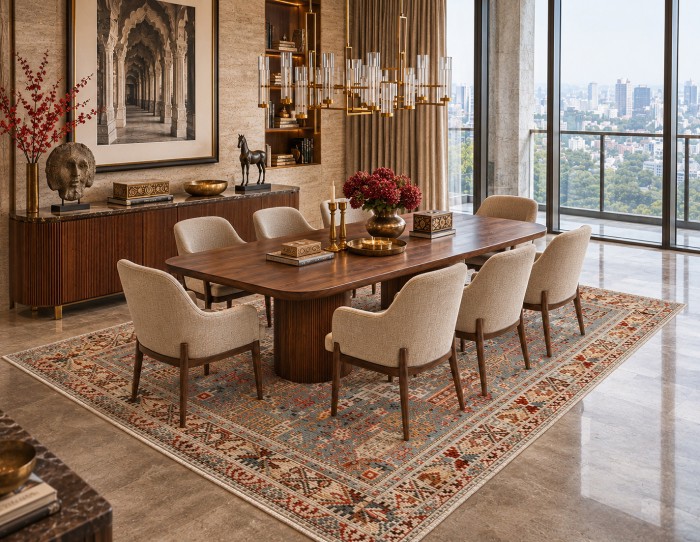
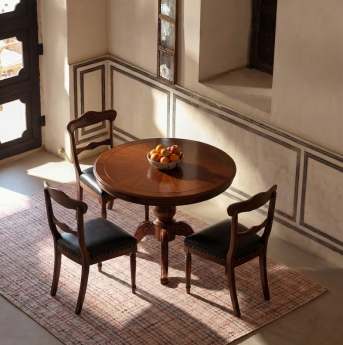
A tribal area rug under a minimalist dining table is a great example. Clean chairs, a plain table, and a rug full of tiny motifs underneath. It feels collected, not decorated.
For a sofa setup, our living room rugs show how folk patterns sit in real spaces.
Antique vs new tribal rugs
Antique tribal rugs have a softness you can’t fake. Decades of use mellow the colours and wear the pile down to a lovely, low sheen. They’re also rarer, more expensive, and need gentler care.
New hand-knotted tribal designs give you the same patterns and craft, with fresh wool and stronger colour. They’ll age beautifully too. Give a good wool rug twenty years, and it starts to look like an heirloom.
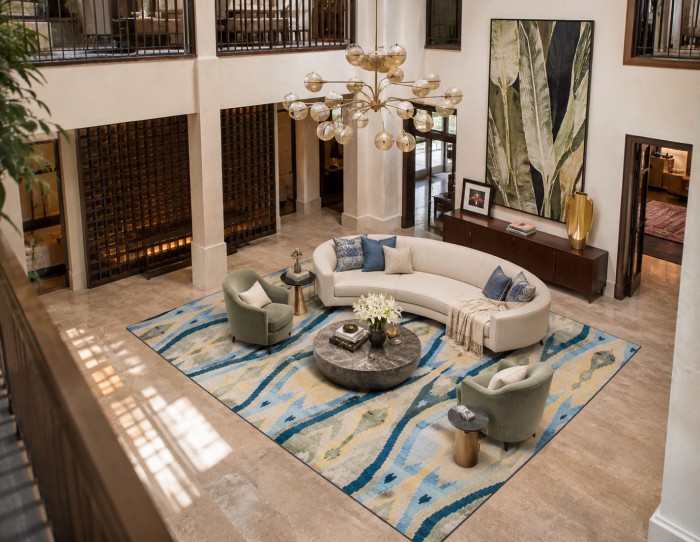
If you love the look but have kids or pets, go new. You can relax and actually use it. Not sure which weave suits your home? Our guide to rug weave types compares how long each one lasts.
Where tribal rugs work best
Living rooms with wood and leather. A tribal rug grounds the space and adds warmth.
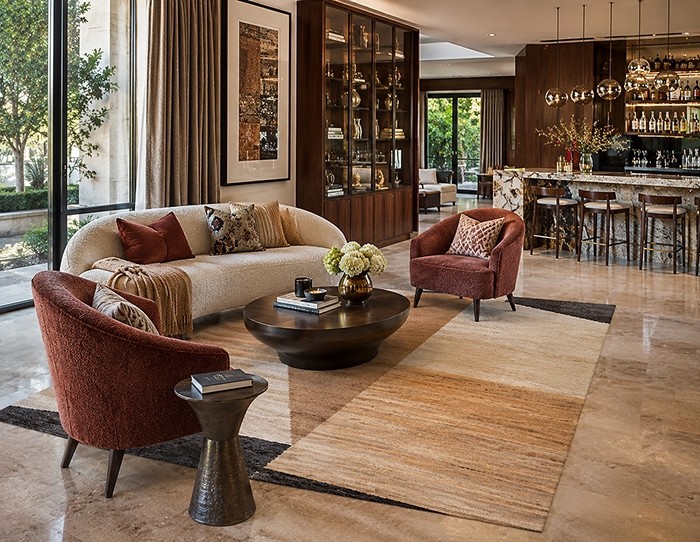
Bedrooms that feel a bit plain. A small-scale pattern at the foot of the bed adds personality without overwhelming a calm room. Explore our bedroom rugs for softer folk designs.
Hallways and entries. Tribal designs hide dirt well, so a tribal-style runner rug is a smart pick for high-traffic spots.
The heritage behind every knot
At Jaipur Rugs, heritage isn’t a style label. It’s the people.
Nand Kishore Chaudhary started the company in 1978 with two looms and nine weavers. Today, more than 40,000 artisans work across 600 villages in India, and over 80% of them are women. Many of them carry weaving skills passed down through their own families.
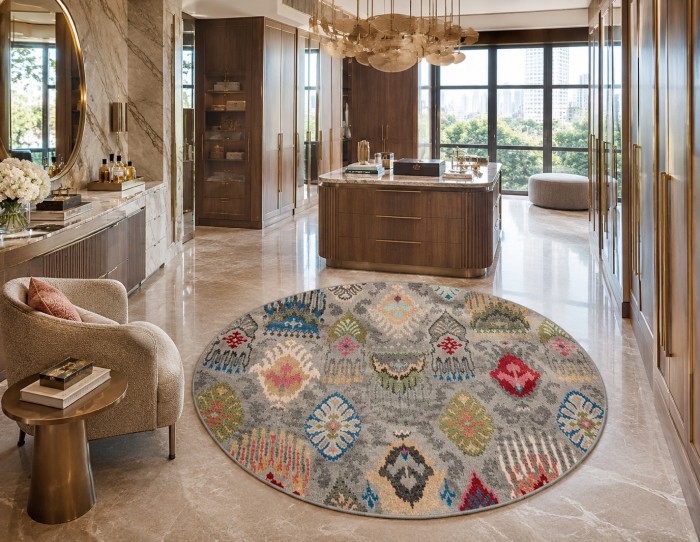
Each rug passes through about 180 pairs of hands. In the Manchaha collection, weavers design their own rugs freely, from memory and instinct. That’s the same spirit that made tribal weaving so special in the first place.
Conclusion
A tribal rug brings something most rooms are missing: a story.
Go for small-scale patterns if you want texture without noise. Turn the rug over before you buy. And let it be the one piece with history in a clean, simple room.
Explore our Moroccan and tribal rugs, or browse oriental rugs for heritage designs with a more traditional feel.
FAQs
What is a tribal rug?
A tribal rug is a handwoven rug made by nomadic or village communities using designs from their own weaving tradition. Patterns are usually geometric, with diamonds, stars, and hooks, and are often woven from memory. That’s why each piece is unique and slightly irregular.
How do you identify an authentic tribal rug?
Check the back first. A hand-knotted tribal rug shows each knot clearly, with the pattern visible from behind. Look for natural colour variation (abrash), small irregularities in motifs or edges, and hand-spun wool that feels springy. A glued backing or perfectly even colour suggests machine-made.
Can tribal rugs look modern?
Yes. Tribal rugs often look best in modern rooms. Pair a small-scale folk pattern with clean-lined furniture, plain walls and a tight colour palette. The contrast between simple surroundings and a detailed, handwoven rug makes the room feel collected and personal.
Are tribal rugs durable?
Yes. Most tribal rugs are hand-knotted in thick, hand-spun wool, which makes them very durable. Nomadic weavers made them for daily use on tent and home floors. With regular vacuuming and rotation, a good tribal wool rug can last several decades.
What is the difference between a tribal rug and a kilim?
A tribal rug usually has a knotted pile, so it’s soft and thick underfoot. A kilim is a flatweave, woven without a pile, so it’s thin, light, and often reversible. Both are made by tribal weavers. Kilims suit layering and warmer climates. See our kilim rugs for flatweave designs.


Pic Credits
Jaipur rugs / Abil Dase
Share
-
 Facebook
-
 Twitter
-
 Email
Related Posts
-
14 November 2026
- ∙
-
7 Min Read
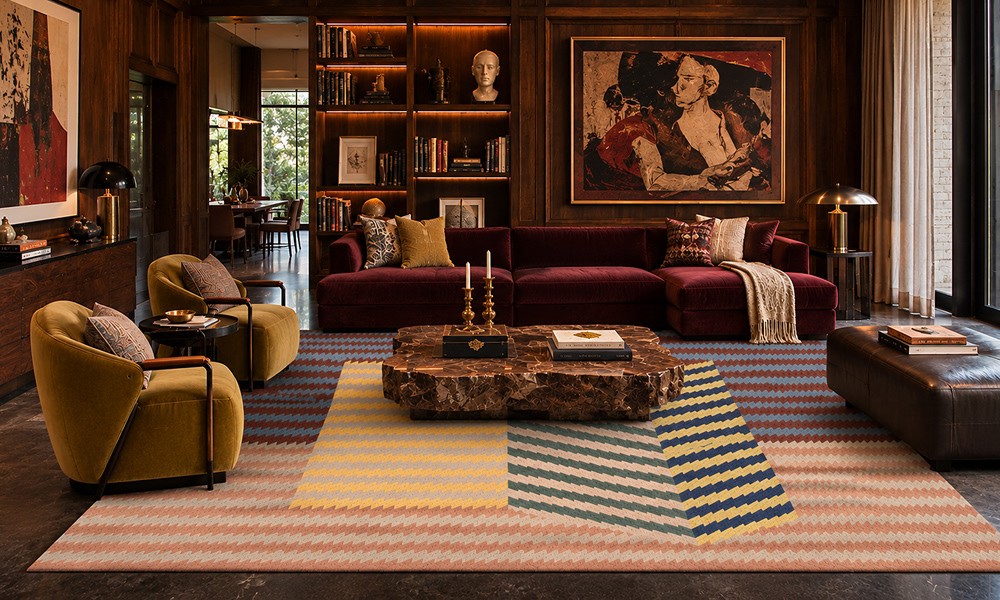
Striped Rugs Are Back for 2027: Tonal, Linear & Easy to Style
Stripes are back for 2027, but quieter than before. Think tonal lines, soft colour shifts, and patterns that make a room feel longer and calmer. Here’s how to choose a striped rug, which direction the stripes should run, and how to style one without clashing.
Read Article →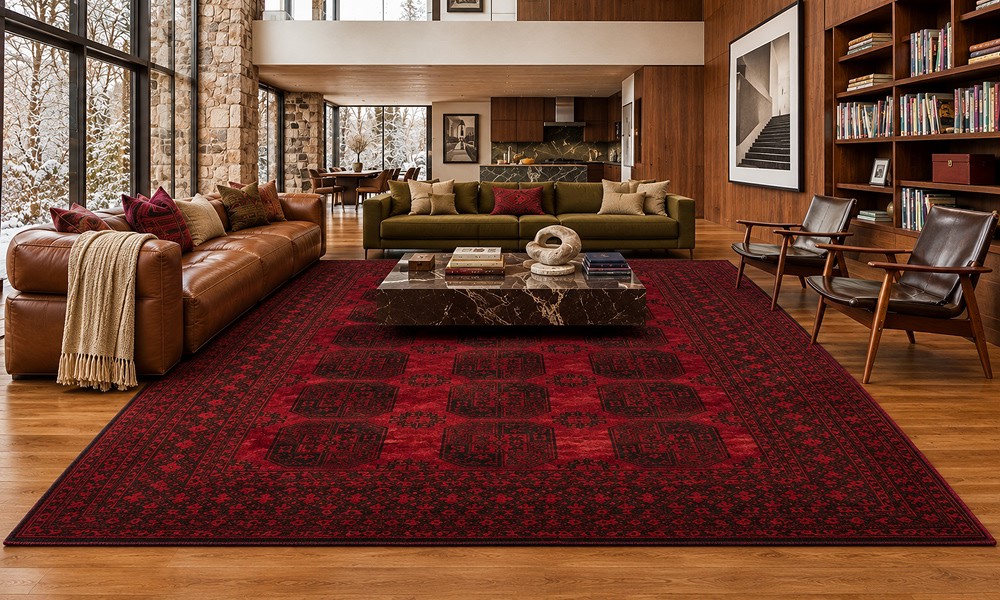
-
13 November 2026
- ∙
-
7 Min Read
Burgundy Rugs for Winter 2027: How to Style the Season’s Warmest Colour
Burgundy is the warmest colour you can put on a floor this winter. Learn which shades work, what colours pair best, what rug goes with a burgundy couch, and how to keep a burgundy rug looking modern, not old-fashioned.
Read Article →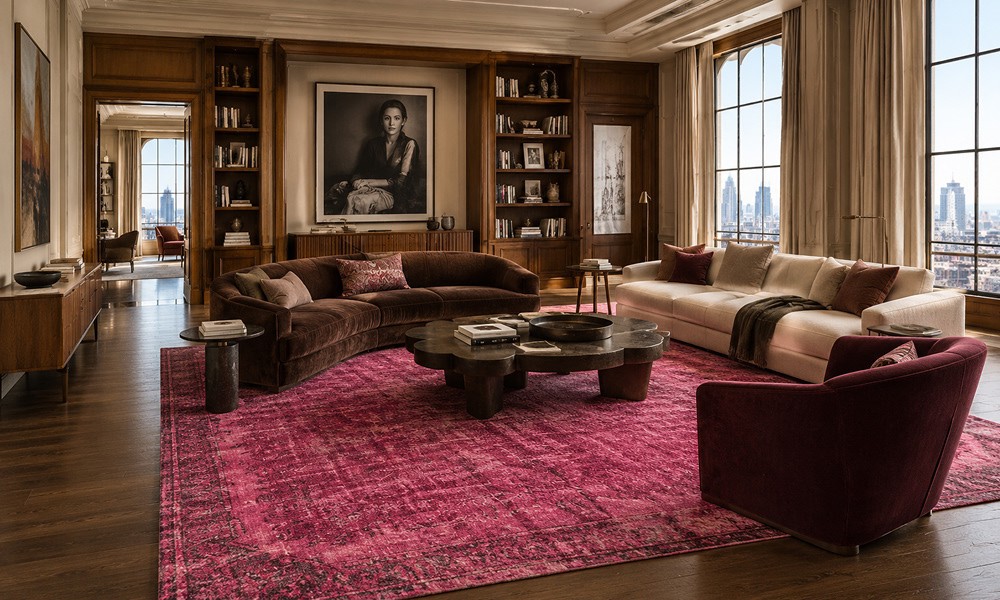
-
12 November 2026
- ∙
-
7 Min Read
Pink Rugs in 2027: Blush, Rose Earth & How to Style Them
Pink rugs are back for 2027, and they are warmer than you remember. Learn how blush, dusty pink, and rose earth shades work in real rooms, which colours pair best, and how to keep the look grown-up. Plus size tips for the living room and bedroom, and quick answers to the most common pink rug questions buyers always ask first.
Read Article →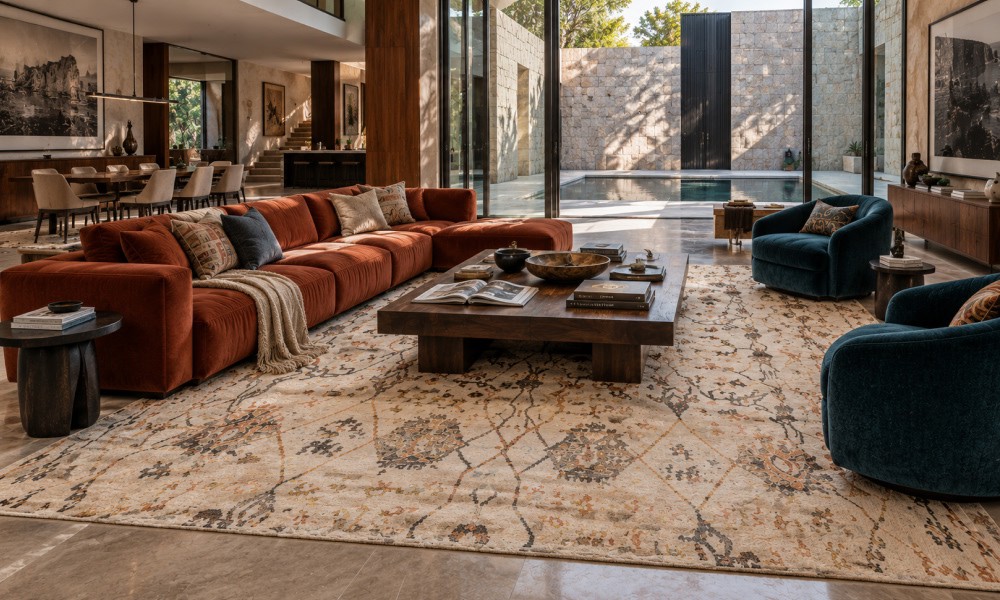
-
30 October 2026
- ∙
-
8 Min Read
Formal Living Room Ideas That Start With the Rug
Learn how to choose the right rug for a formal living room, from selecting the correct size and placement to finding colours, patterns, and materials that suit your space. Explore traditional, transitional, and modern rug styles, along with tips on wool, silk, and hand-knotted rugs to create a living room that feels elegant, comfortable, and welcoming.
Read Article →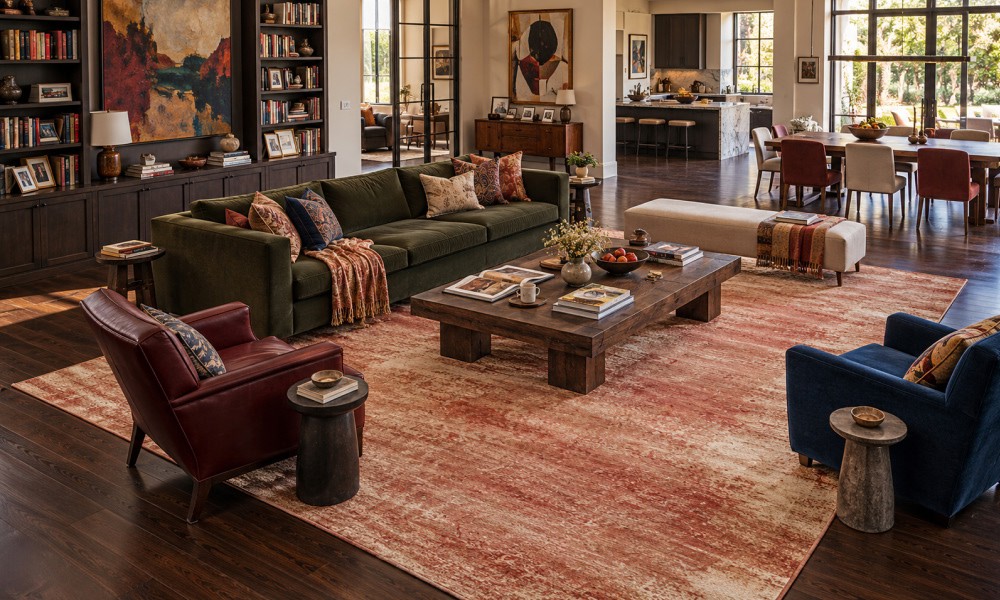
-
29 October 2026
- ∙
-
9 Min Read
Terracotta Rugs: How to Style 2026's Warmest Colour Trend
Terracotta rugs bring warmth, depth and earthy character to modern interiors. This guide explores the best colour pairings, from cream and sage green to dusty blue, along with styling ideas for living rooms and bedrooms. Learn how to choose the right rug size, compare traditional and contemporary designs, and understand why hand-knotted wool rugs offer lasting beauty and natural texture.
Read Article →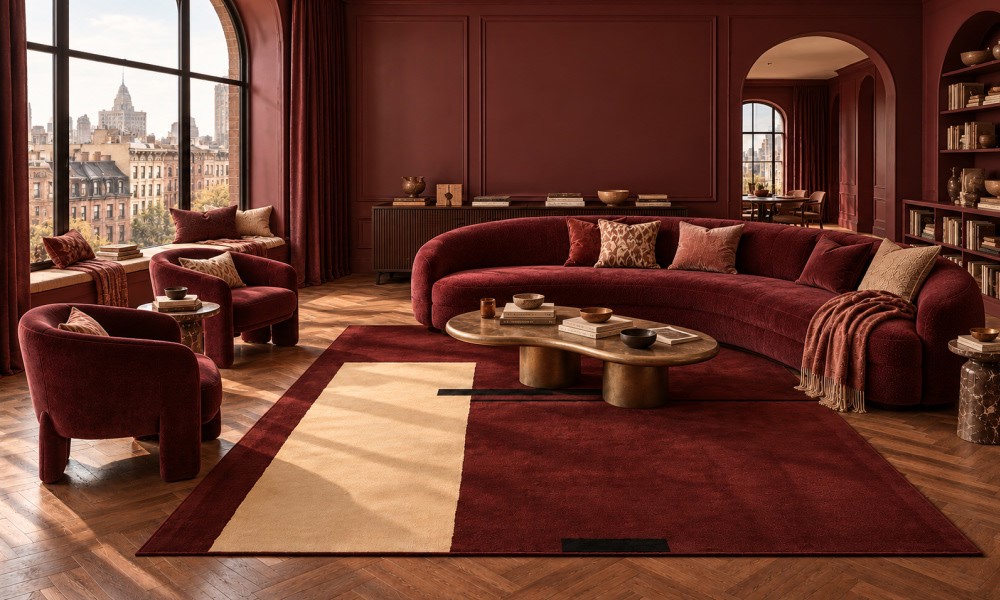
-
28 October 2026
- ∙
-
11 Min Read
Monochromatic Color Scheme: How to Design a One-Color Room That Never Feels Flat
A monochromatic color scheme uses different shades, tints and tones of one colour to create a cohesive interior. Learn how to style monochromatic living rooms, bedrooms and kitchens using colour, texture, furniture and rugs. Explore monochromatic colour scheme examples, understand the difference between monochromatic design and colour drenching, and find practical ideas for creating balanced, visually interesting spaces in modern homes.
Read Article →