You are on our International website. Please select your region to see content specific for your location





 Profile
 Orders
 Wishlist
 Change Password
 Logout


Latest Blogs
ideas and inspiration
Talk of Moroccan
- 31 January 2017
- |
- 2 Min Read
- |
- By Jaipur Rugs
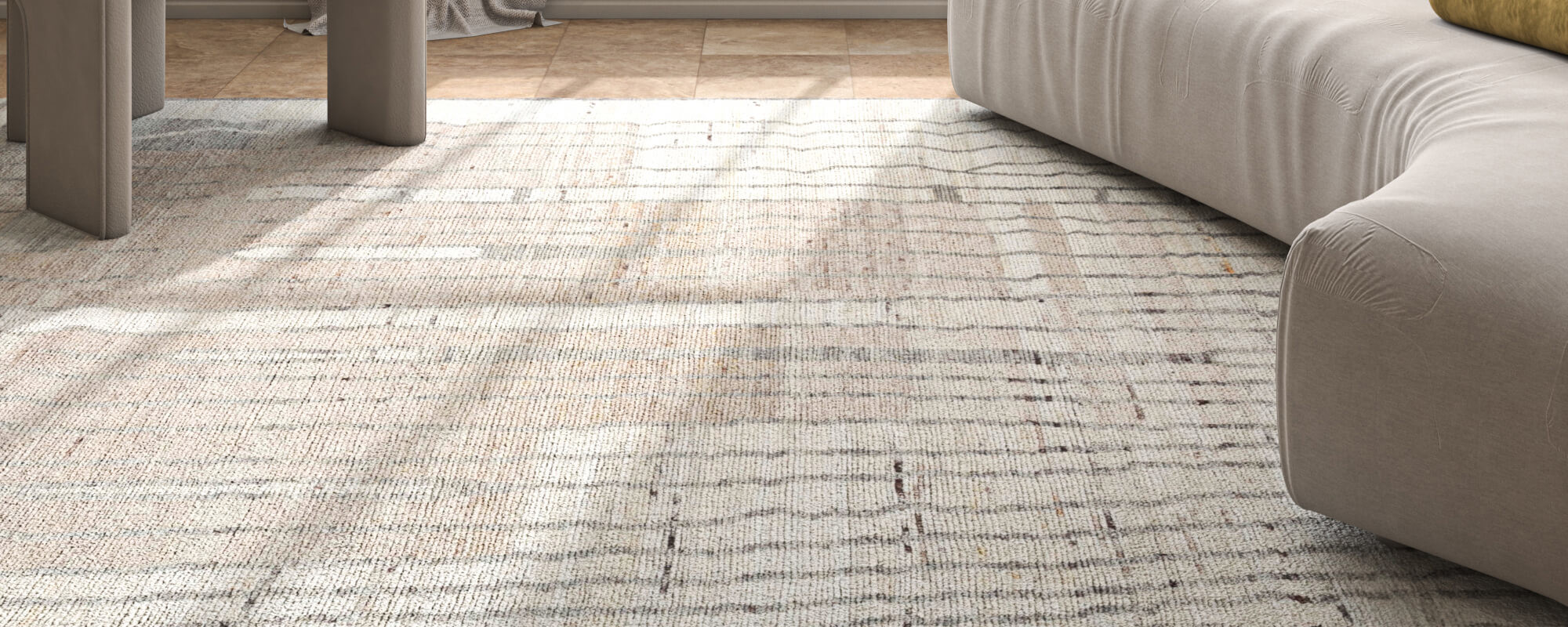
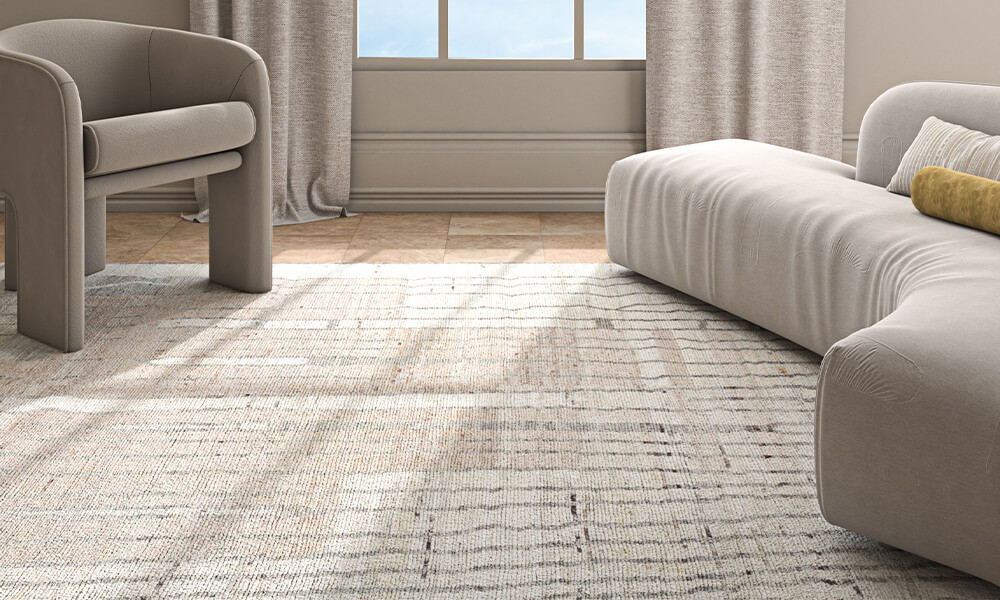
There’s something about the peace and simplicity of a Moroccan rug that always brings a certain cheer to midweek blues. The magic might lie in the tribal intelligence they present- a way of life that we all aspire to?
A little bit of research showed that buried in this simplicity are tales far more intricate than the delicate weaves that make up each of these rugs. Here’s a quick walkthrough behind this form of storytelling.
MOTIFS
The history of Moroccan rugs draws attention back to the Paleolithic Era, the Berber tribe: these were people of North Africa who inhabited Morocco before it was invaded in the 7th century. Interestingly, many of these tribes still make a living from weaving like their ancestors did centuries ago.
DESIGN SIGNIFICANCE
It is an interesting fact that every motif in a Moroccan rug depicts a story- one seen on old rocks and ancient paintings of those regions. These patterns are combined to tell the story of the weaver’s story and an emblematic language. In fact, the geometrics of those times have significant meanings in femininity, spirituality, and male protection.
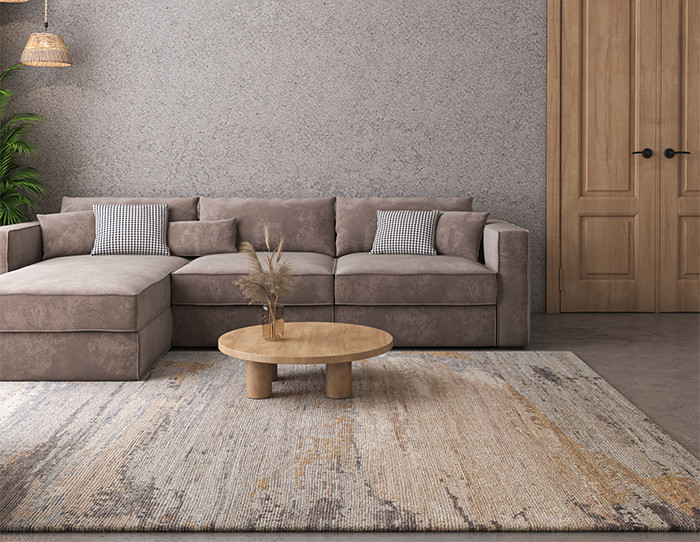
DECODING A MOROCCAN-INSPIRED RUG
From Jaipur’s Zuri collection is the perfect rug to bring home the rich heritage and folklore of Morocco.
INTERESTING STORY BEHIND THE DESIGN:
Lying in the heart of the rug, as a symbolizer of ‘frogs,’ are the diamond-shaped motifs. They come as a part of a tiny tale from the ancient days of enchantment when the frogs were seen as a symbol of fertility because of their capacity to lay many eggs in a solitary effort. Giving birth to new life is a power indeed, and hence came the matter of protecting this blessing.
In this rug, surrounding those frog figures are the criss-cross lines (just like a child’s drawing of grass) illustrating skeletons of fishes and snakes. Skeletons of fishes and snakes, considered holy, were believed to possess entrancing command to keep the community safe from spells and bad omens. So they began protecting the fertility and emerged as the criss-cross border line illustration in this Moroccan Rug!
The use of such decorative language by craftsmen was very thoughtful: primarily asking for blessings and then building a shield of holy people around it, as if protecting the sanctity of life from the outside world. Moroccan rugs are a weaver’s way of sending his or her blessings minted with a language that is easy to decode and presents a rug for the home with simplistic, bold patterns.
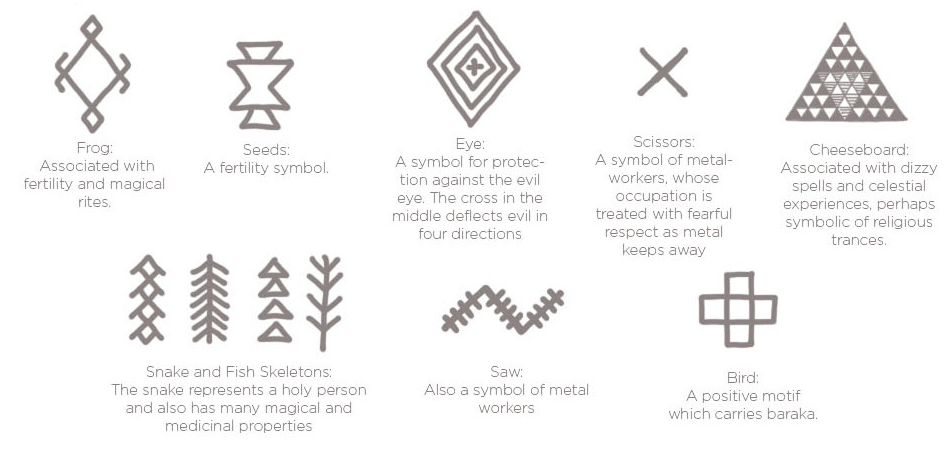
DECODE YOUR RUG
Here are a few of the symbols that can help in decoding the motifs on your rug. Evaluate the story your weaver sent home and tell us what you found.


Pic Credits
Jaipur rugs / Abil Dase
Share
-
 Facebook
-
 Twitter
-
 Email
Email
Related Posts
-
22 July 2026
- ∙
-
8 Min Read
What Size Rug for a 10x12 Living Room?
For a 10x12 living room, an 8x10 rug is the right fit. It anchors the seating area without crowding the walls. Put the front legs of your furniture on it, choose wool for daily use, and go hand-knotted if you're buying for the long term. Size right once, and the room takes care of itself.
Read Article →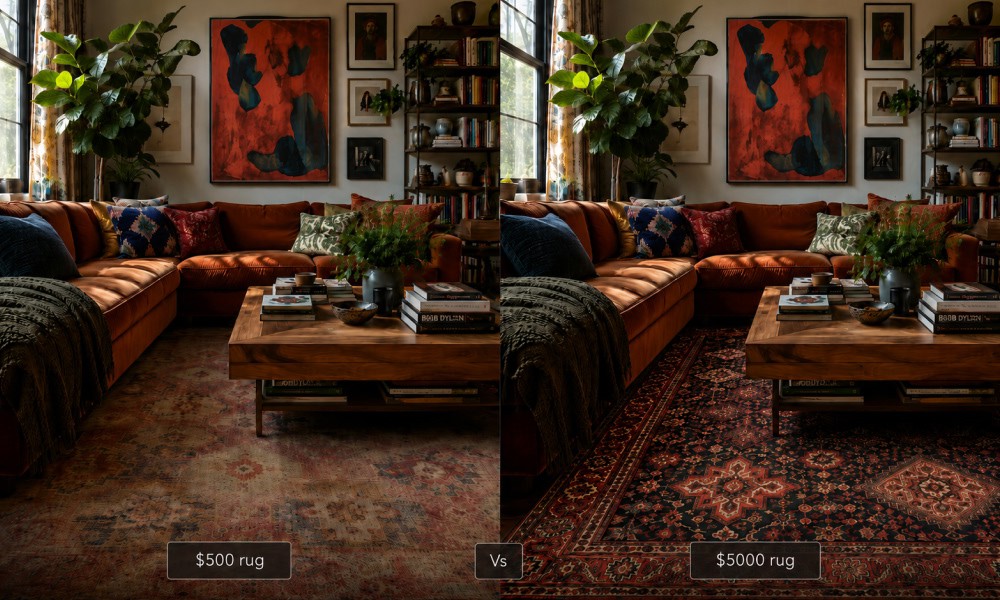
-
15 July 2026
- ∙
-
8 Min Read
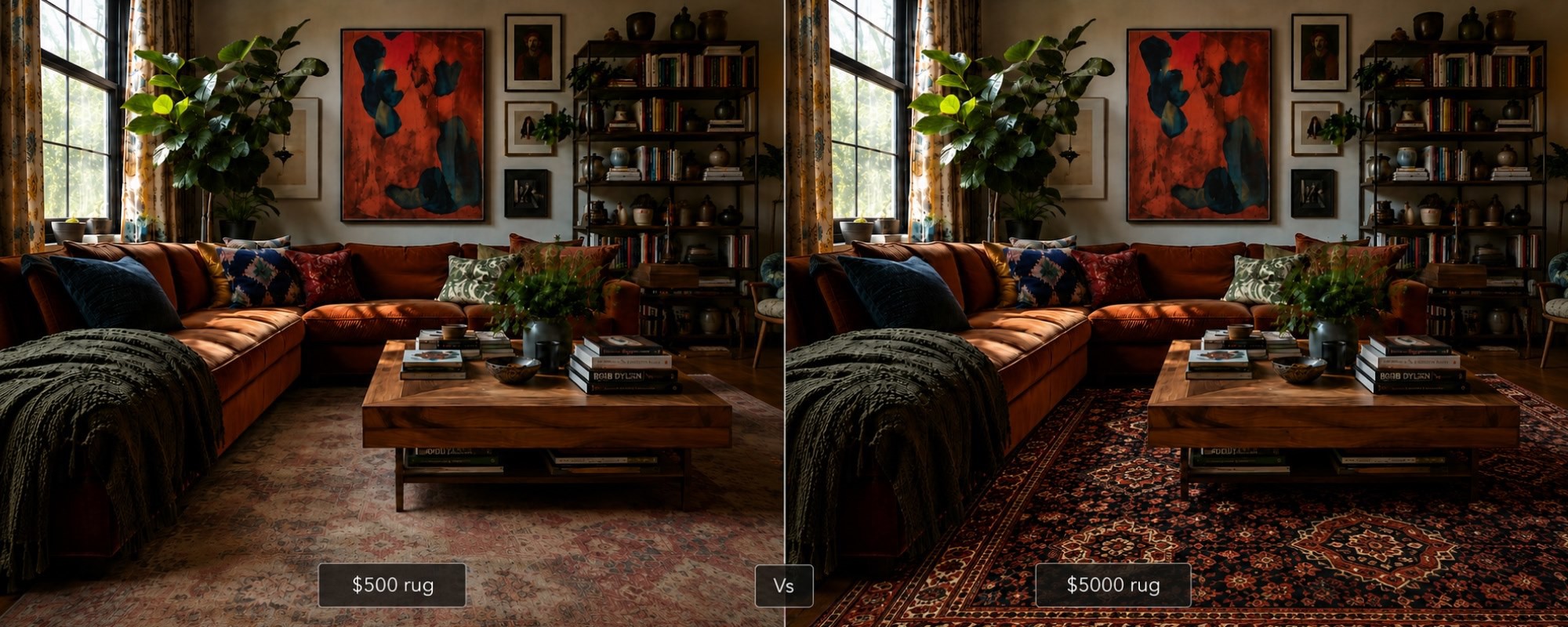
The $500 vs $5,000 Rug: An Honest Side-by-Side That No Brand Will Show You
Why do some rugs cost ten times more than others? This honest side-by-side looks at what actually separates a $500 rug from a $5,000 one: knot density, fiber quality, pile depth, and finishing. No brand bias, no marketing language. Just a clear breakdown to help you decide which one is worth it for your space and budget.
Read Article →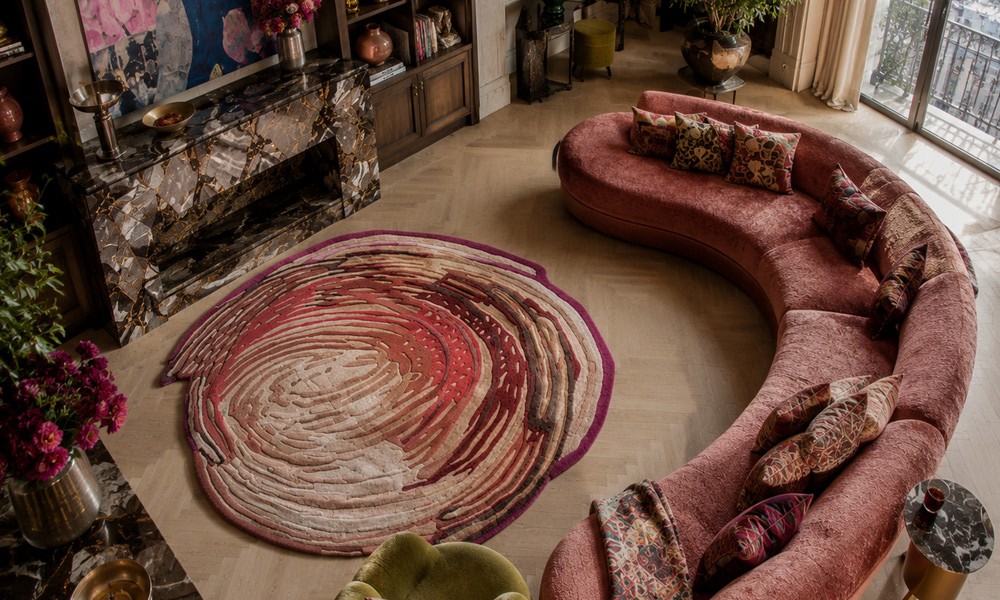
-
14 July 2026
- ∙
-
13 Min Read
3D Rugs and Sculpted Pile: The Tactile Design Trend Redefining Floors in 2026
The rug used to finish a room. Now it starts one. 3D rugs and sculpted piles are bringing real depth and tactile texture to interiors, from hand knotted relief patterns to optical illusion designs that stop you mid-step. This is what the trend is, why it matters, and how to buy it well.
Read Article →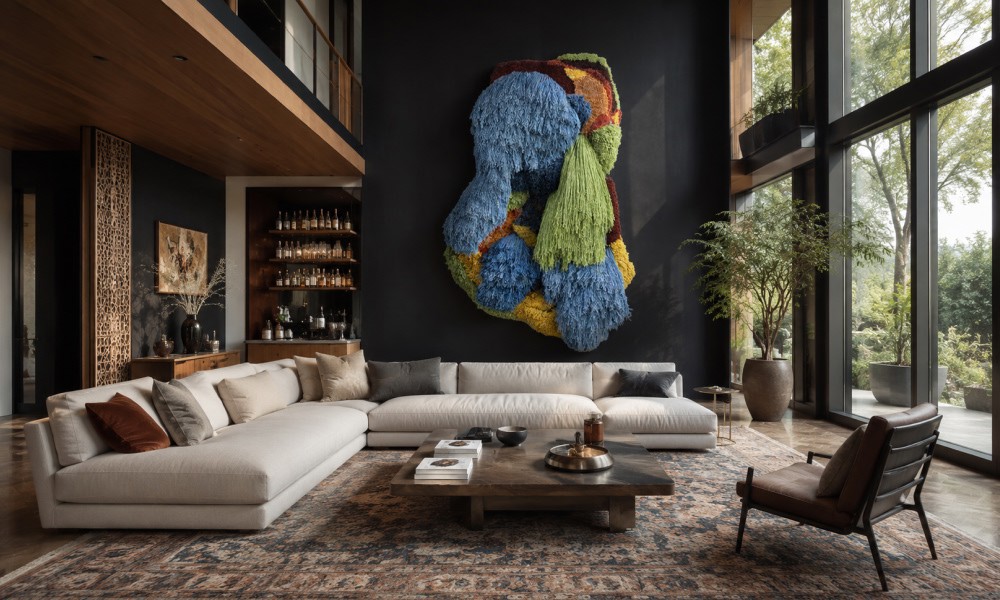
-
10 July 2026
- ∙
-
10 Min Read
How to Pair Indian Wall Art with the Right Rug Pattern: A Room-by-Room Guide
Choosing the right rug to go with your Indian wall art does not have to be guesswork. This guide breaks it down room by room, from the living room to the bathroom and outdoor spaces. Learn how to match colors, patterns, and scale so your wall art and rug always feel like they belong together.
Read Article →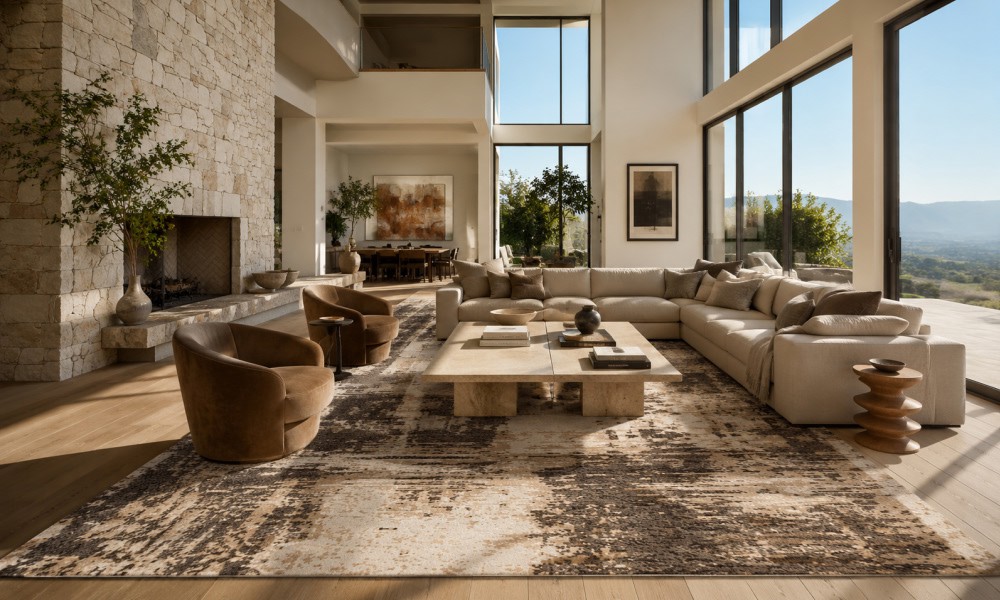
-
07 July 2026
- ∙
-
9 Min Read
How to Tell If a Rug Is Handmade: 7 Signs Experts Look For (Abrash Is One of Them)
Wondering how to know if a rug is handmade? Get an overview of 7 key characteristics that will help you identify if a rug is truly handmade and learn about its differences compared to machine-made rugs, and why they do not lose their value. Here is what to keep in mind when buying a handmade rug.
Read Article →
-
04 July 2026
- ∙
-
8 Min Read
Coastal Grandmother Is Evolving: The 2026 "Coastal Heritage" Aesthetic and the Rugs That Define It
The coastal grandmother design is progressing into something new and exciting by 2026. Coastal Heritage introduces texture, craftsmanship, and handmade elements to this popular design style. Here are the various rug types, colors, and decorating ideas to know about this classic coastal design trend.
Read Article →