You are on our International website. Please select your region to see content specific for your location





 Profile
 Orders
 Wishlist
 Change Password
 Logout


Latest Blogs
ideas and inspiration
Can a Geometric Rug Make a Small Room Look Bigger? Inside the Alhambra Collection
- 24 February 2026
- |
- 4 Min Read
- |
- By Jaipur Rugs
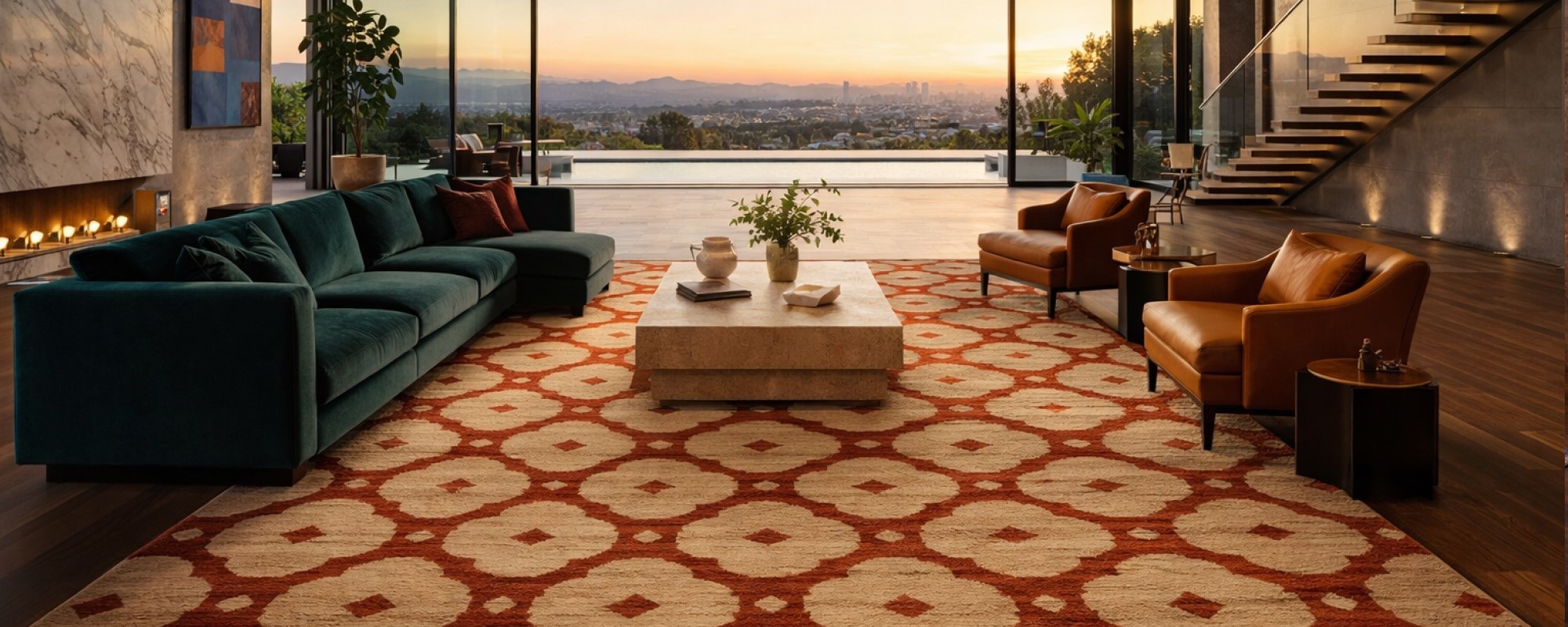
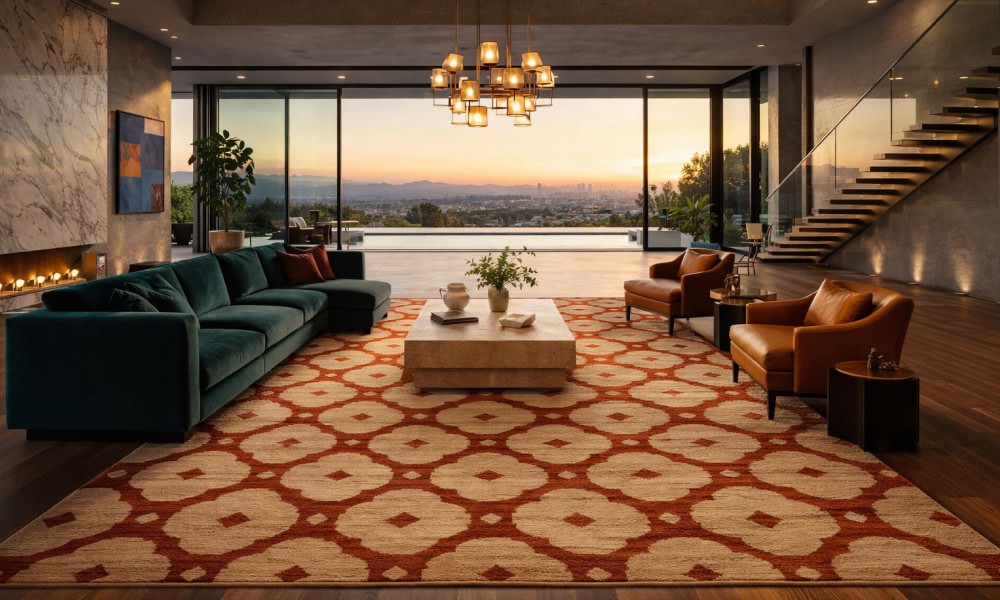
What if the reason your small room feels cramped isn’t the walls, but the rug? The Alhambra Collection by Jaipur Rugs uses precise geometric design to visually stretch space without renovation. Lines, contrast, and flatweave structure quietly reset proportions. It sounds almost unfair. Before you dismiss it, read this entire blog. The way you see your floor is about to change.
Small rooms do not shrink because of square footage alone. They shrink because of visual interruption. The eye stops where clutter, heavy texture, or chaotic pattern blocks its path. A well-executed geometric design does the opposite. It guides the eye forward through repetition, line direction, and calibrated contrast.
That is why flatweave rugs and dhurrie rugs are resurging in 2026 small-space living. The Alhambra collection by Jaipur Rugs reads less like decoration and more like a spatial strategy. Rooted in indian dhurrie traditions yet expressed through modern rug language, it treats pattern as architecture rather than ornament.
How Geometric Patterns Visually Expand a Small Room?
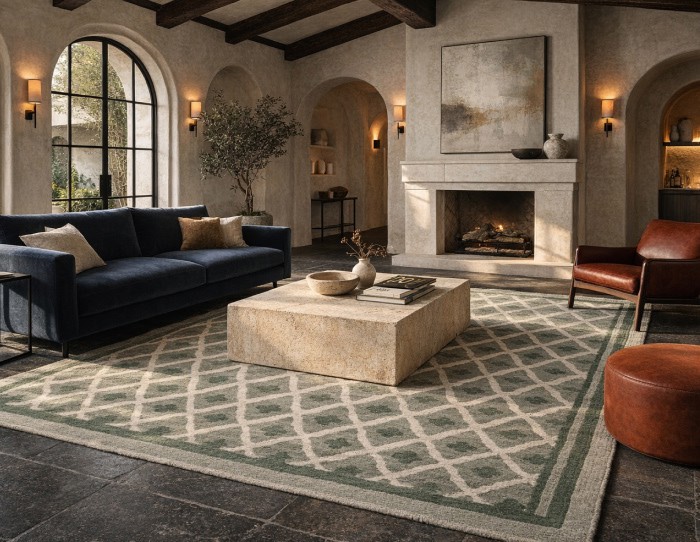
Geometric rug patterns influence how the eye travels across a surface. Structured repetition and directional lines reduce visual noise and extend perceived boundaries. In compact interiors, geometric pattern design works like floor-based architecture, subtly stretching length or width depending on orientation.
Here’s where geometry transforms perception:
-
Horizontal geometric and stripes rugs visually widen narrow rooms by pulling the eye side to side.
-
Vertical geometric patterns elongate compact layouts by extending sightlines forward.
-
Repeating grids stabilize visual clutter and prevent spatial compression.
-
High-contrast borders frame the rug clearly, defining zones without closing them in.
-
Symmetry in geometric design creates balance, which makes tight layouts feel ordered rather than crowded.
Why Flatweaves and Dhurries Work Best in Compact Spaces?
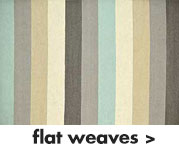
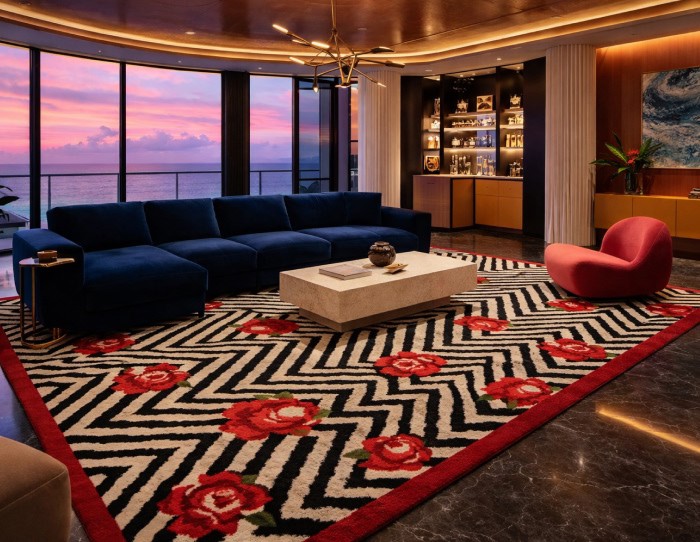
Pile height affects perception more than most people realize. Thick hand knotted carpets absorb light and create shadow pockets. Flat weaves rugs, especially dhurrie carpet constructions, sit closer to the floor, reflecting light evenly and maintaining clean visual flow.
The design logic is precise:
-
Flatweave rugs reduce bulk, making floors appear uninterrupted.
-
Dhurrie rugs have no heavy pile, which keeps proportions visually light.
-
Traditional indian dhurrie weaving allows sharp geometric pattern design without distortion.
-
Antique dhurrie rugs demonstrate how a flat structure preserves symmetry over decades.
-
The low-profile build prevents door obstruction and keeps compact layouts functional.
Inside the Alhambra Collection by Jaipur Rugs
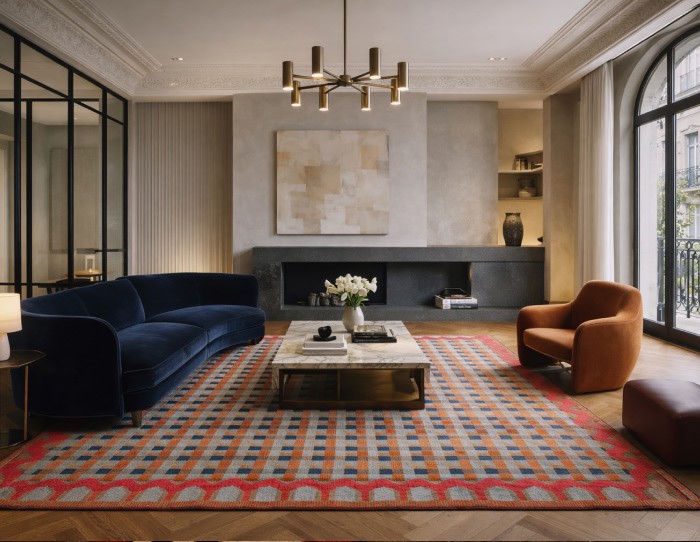
The Alhambra collection by Jaipur Rugs is not a reproduction of old motifs. It is a study in how geometric design can reinterpret heritage weaving. Each Alhambra rug collection piece uses wool rugs construction in flatwoven form, balancing craft depth with modern rugs clarity.
This is where material matters:
-
The collection builds on indian dhurrie traditions while refining line sharpness.
-
Wool rug fibers add durability without adding unnecessary visual weight.
-
Geometric design replaces ornamental density with structured rhythm.
-
Borders echo Moroccan and tribal rugs' framing techniques, but in a more controlled layout.
-
The result is heritage translated for urban apartment scale.
Choosing Between Moroccan and Tribal Rugs vs Geometric Design
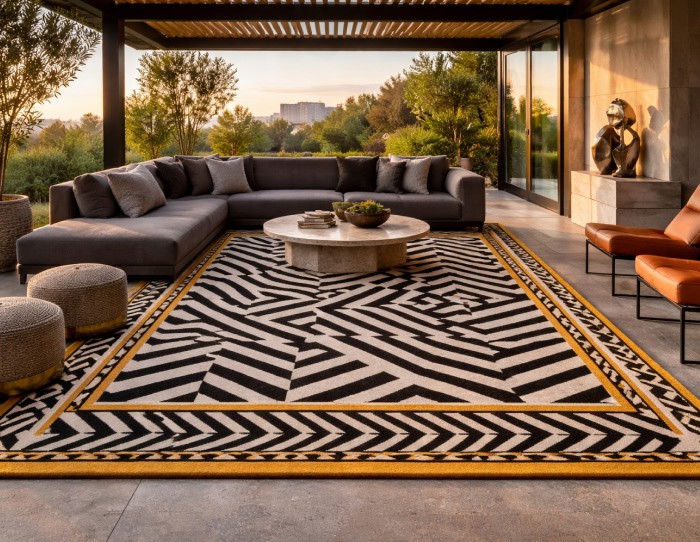
Pattern density affects perceived space. Moroccan and tribal rugs often feature organic motifs and irregular repetition. While visually rich, dense motifs can compress compact rooms if scale is not carefully considered.
Here’s where pattern selection shifts the outcome:
-
Moroccan and tribal rugs emphasize fluid, symbolic motifs that can visually cluster in small rooms.
-
Geometric design uses measured spacing, which allows visual breathing room.
-
Structured geometric patterns reduce cognitive overload in tight layouts.
-
Tribal density works better in larger rooms where pattern dispersion can unfold.
-
Geometric pattern design maintains clarity in modern rugs used for small apartments.
Placement Rules That Actually Make a Small Room Feel Bigger
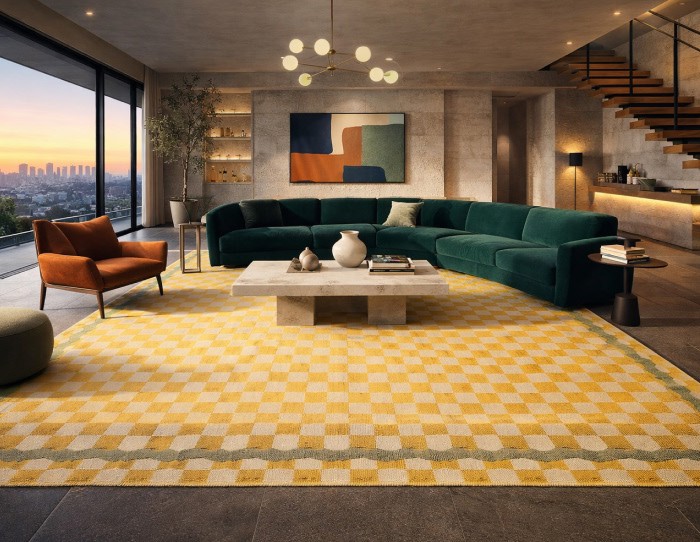
Pattern alone cannot correct scale mistakes. Rug placement determines whether the illusion holds. Flatweave rugs and dhurrie rugs must align proportionally with furniture to support expansion rather than fragmentation.
This is where placement becomes strategic:
-
Choose a rug large enough for front furniture legs to rest on it, preventing visual chopping.
-
Maintain visible border spacing between the rug edge and wall to create a framed expansion.
-
Use a lighter geometric design in darker rooms to enhance reflection.
-
Center anchoring techniques stabilize seating zones without crowding corners.
-
Wool rugs in flatweave form prevent shadow buildup under furniture.
Summing Up..
A small room is not a limitation. It is a test of intelligence. And geometric design is one of the sharpest tools in the kit.
When lines stretch instead of scatter, when flatweave rugs skim the floor instead of sinking into it, when a dhurrie carpet holds structure instead of adding bulk, space begins to cooperate. The Alhambra collection proves that modern rugs can function like quiet architecture, guiding the eye, framing movement, and expanding perception without knocking down a single wall.
In 2026, small-space living, square footage is fixed.
Visual logic is not. Choose it wisely.
We will be back with another blog soon.
Till then, stay tuned and explore Jaipur Rugs!
FAQs
What size rug makes a small room look bigger?
A large rug that anchors the key furniture pieces makes a small room look bigger. Ideally, the front legs of sofas and chairs should sit on the rug. This unifies the layout and prevents the fragmented look that smaller rugs create.
Do geometric patterns make a room look larger?
Yes. Geometric patterns create directional movement and consistent rhythm, which guide the eye across space. Structured repetition reduces visual interruption and increases perceived depth in compact interiors.
Are geometric rugs better than Moroccan rugs for small rooms?
In many small rooms, yes. Geometric rugs with clean repetition and defined spacing often feel lighter and more expansive. Moroccan and tribal rugs can work beautifully, but dense organic motifs may visually compress limited floor areas if not scaled carefully.
Are dhurrie carpets good for small apartments?
Yes. Dhurrie carpets are flatwoven and low-profile, which minimizes bulk and enhances light reflection. Their geometric clarity makes them well suited to urban apartment layouts.
What is the advantage of flatweave rugs?
Flatweave rugs are thinner, lighter, and visually streamlined. They reflect light evenly and prevent heavy shadow buildup, which helps small rooms feel more open.
What makes the Alhambra rug collection unique?
The Alhambra collection combines flatweave precision with wool durability and structured geometric design. It modernizes indian dhurrie craftsmanship while refining Moroccan and tribal rugs influences into sharper, more architectural compositions suited for contemporary interiors.


Pic Credits
Jaipur rugs / Abil Dase
Share
-
 Facebook
-
 Twitter
-
 Email
Email
Related Posts
-
15 July 2026
- ∙
-
8 Min Read
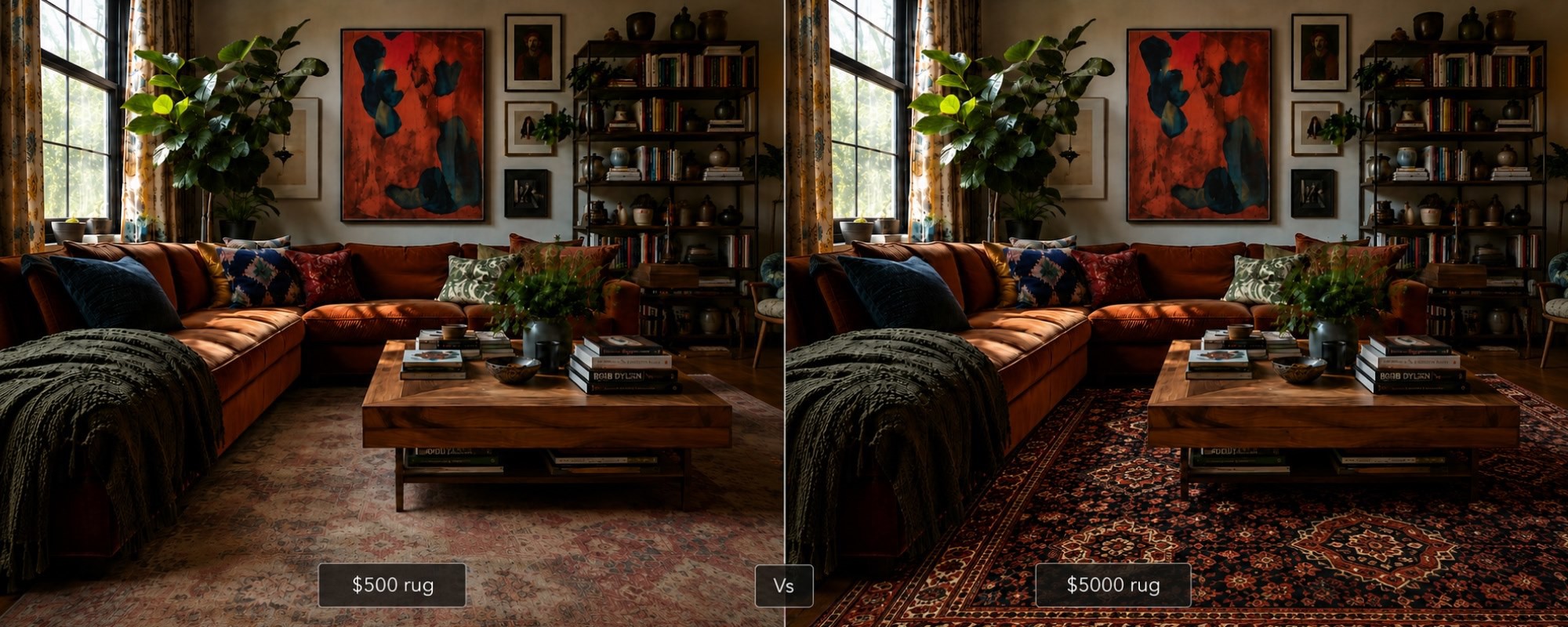
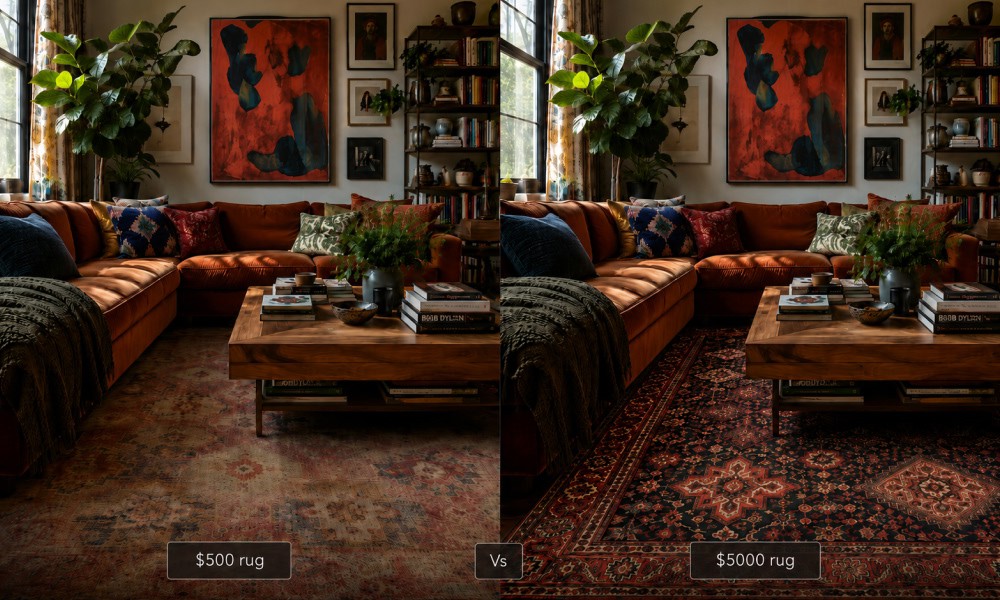
The $500 vs $5,000 Rug: An Honest Side-by-Side That No Brand Will Show You
Why do some rugs cost ten times more than others? This honest side-by-side looks at what actually separates a $500 rug from a $5,000 one: knot density, fiber quality, pile depth, and finishing. No brand bias, no marketing language. Just a clear breakdown to help you decide which one is worth it for your space and budget.
Read Article →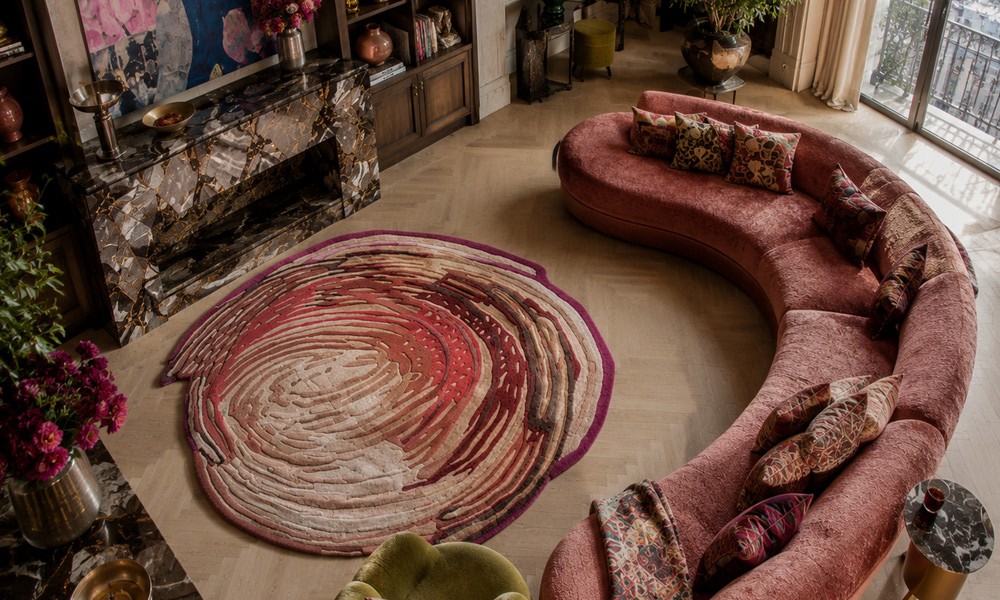
-
14 July 2026
- ∙
-
13 Min Read
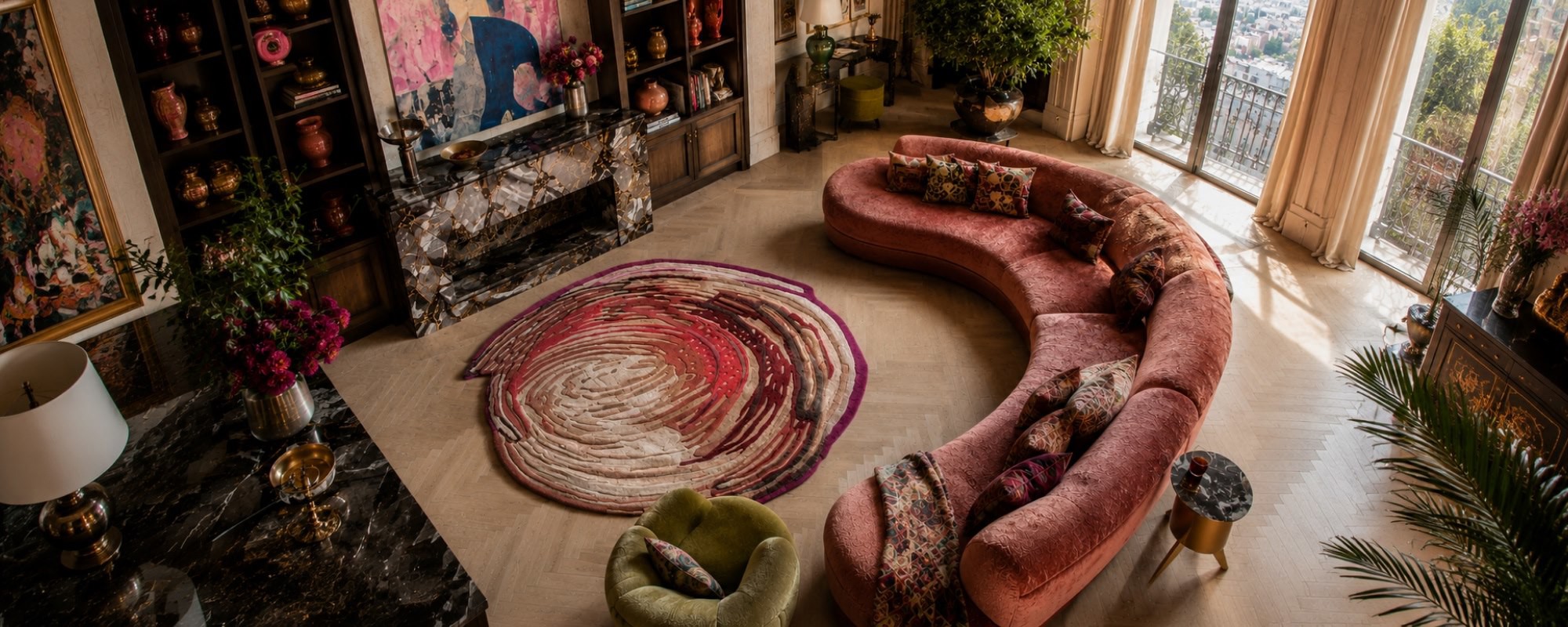
3D Rugs and Sculpted Pile: The Tactile Design Trend Redefining Floors in 2026
The rug used to finish a room. Now it starts one. 3D rugs and sculpted piles are bringing real depth and tactile texture to interiors, from hand knotted relief patterns to optical illusion designs that stop you mid-step. This is what the trend is, why it matters, and how to buy it well.
Read Article →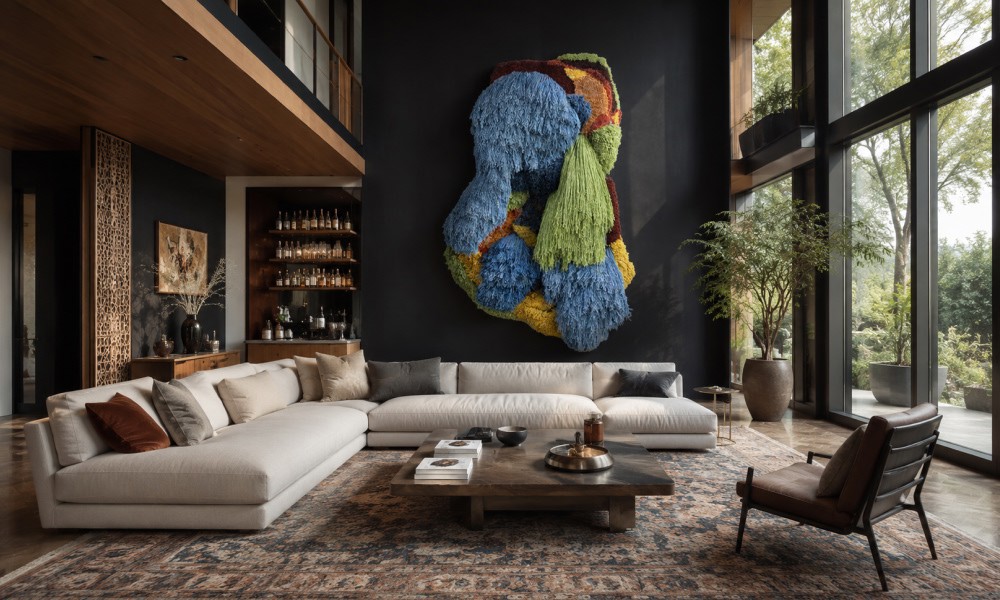
-
10 July 2026
- ∙
-
10 Min Read
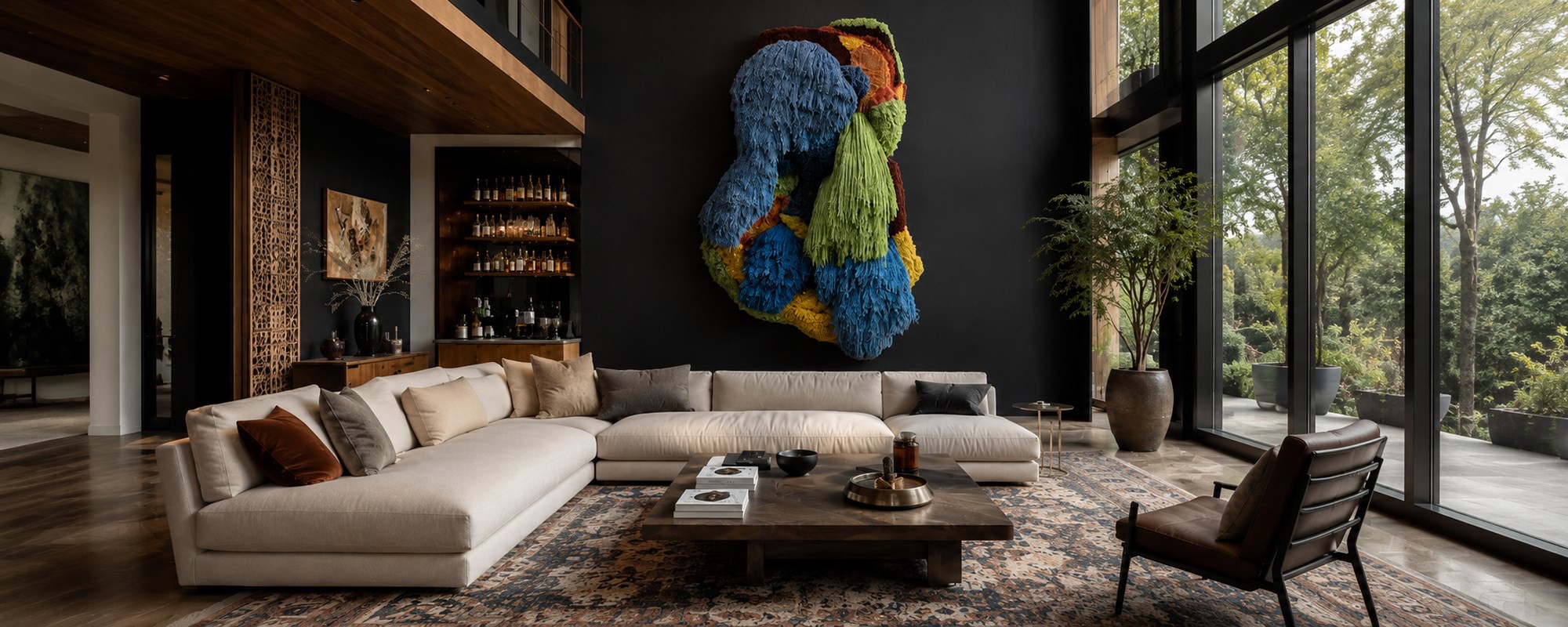
How to Pair Indian Wall Art with the Right Rug Pattern: A Room-by-Room Guide
Choosing the right rug to go with your Indian wall art does not have to be guesswork. This guide breaks it down room by room, from the living room to the bathroom and outdoor spaces. Learn how to match colors, patterns, and scale so your wall art and rug always feel like they belong together.
Read Article →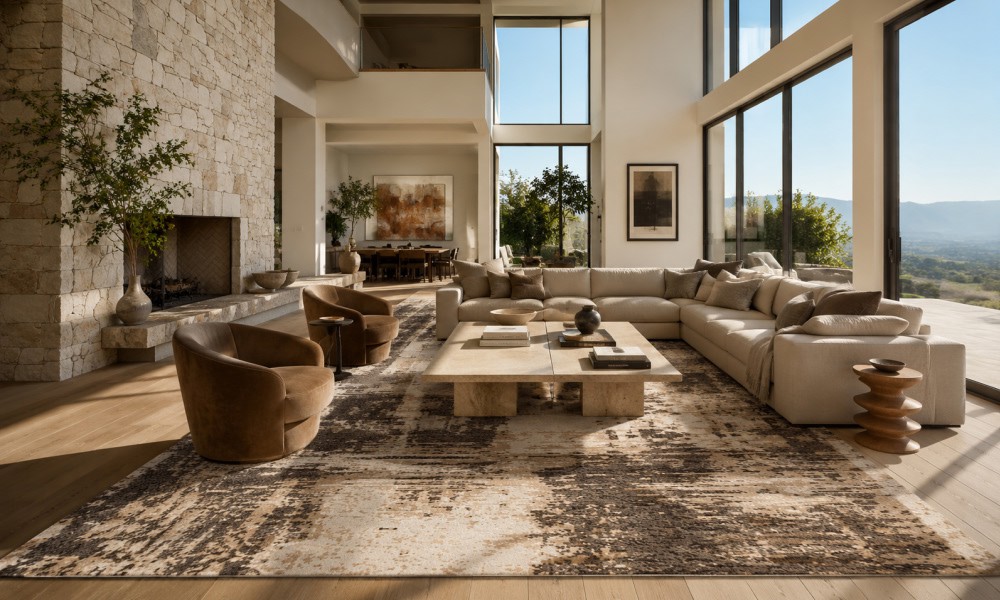
-
07 July 2026
- ∙
-
9 Min Read
How to Tell If a Rug Is Handmade: 7 Signs Experts Look For (Abrash Is One of Them)
Wondering how to know if a rug is handmade? Get an overview of 7 key characteristics that will help you identify if a rug is truly handmade and learn about its differences compared to machine-made rugs, and why they do not lose their value. Here is what to keep in mind when buying a handmade rug.
Read Article →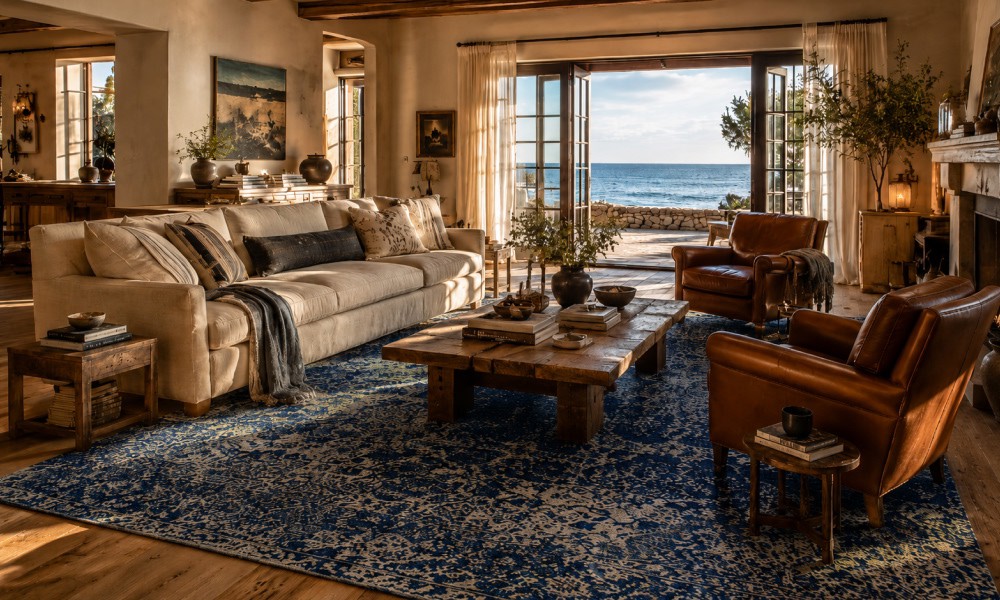
-
04 July 2026
- ∙
-
8 Min Read
Coastal Grandmother Is Evolving: The 2026 "Coastal Heritage" Aesthetic and the Rugs That Define It
The coastal grandmother design is progressing into something new and exciting by 2026. Coastal Heritage introduces texture, craftsmanship, and handmade elements to this popular design style. Here are the various rug types, colors, and decorating ideas to know about this classic coastal design trend.
Read Article →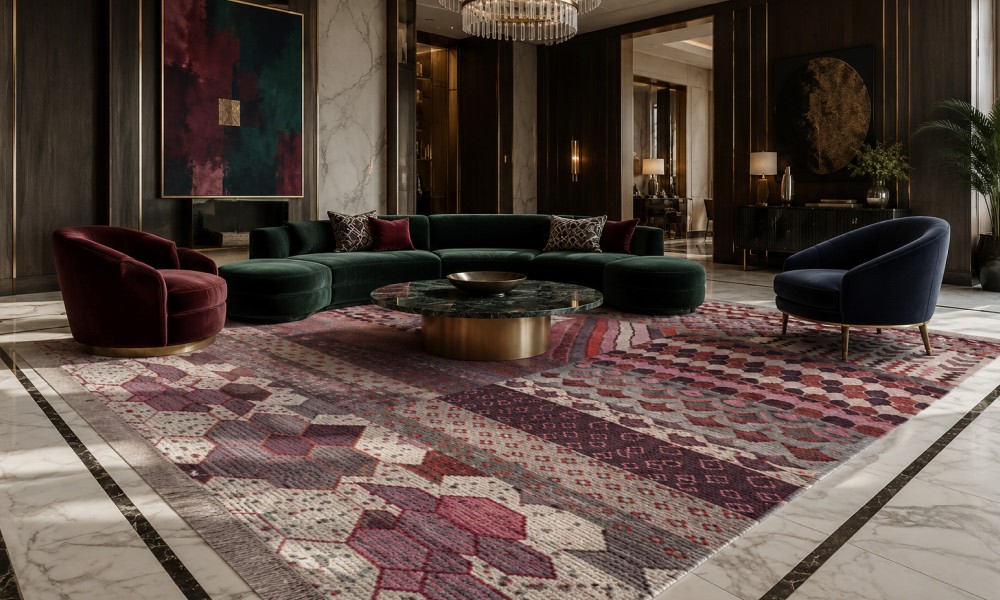
-
22 June 2026
- ∙
-
6 Min Read
Why Top Interior Designers are Switching to Indian Handmade Rugs
High-end interior designers have begun using handmade carpets from India in place of machine-made carpets to enhance their design portfolios and ensure product longevity. The following guide will help you understand why design professionals prefer Jaipur Rugs for creating customized, ethically produced wool-and-bamboo-silk carpet designs for luxurious homes.
Read Article →