You are on our International website. Please select your region to see content specific for your location





 Profile
 Orders
 Wishlist
 Change Password
 Logout


Latest Blogs

ideas and inspiration
Best Rug Materials for Humid and Rainy Weather
- 09 September 2025
- |
- 9 Min Read
- |
- By Jaipur Rugs
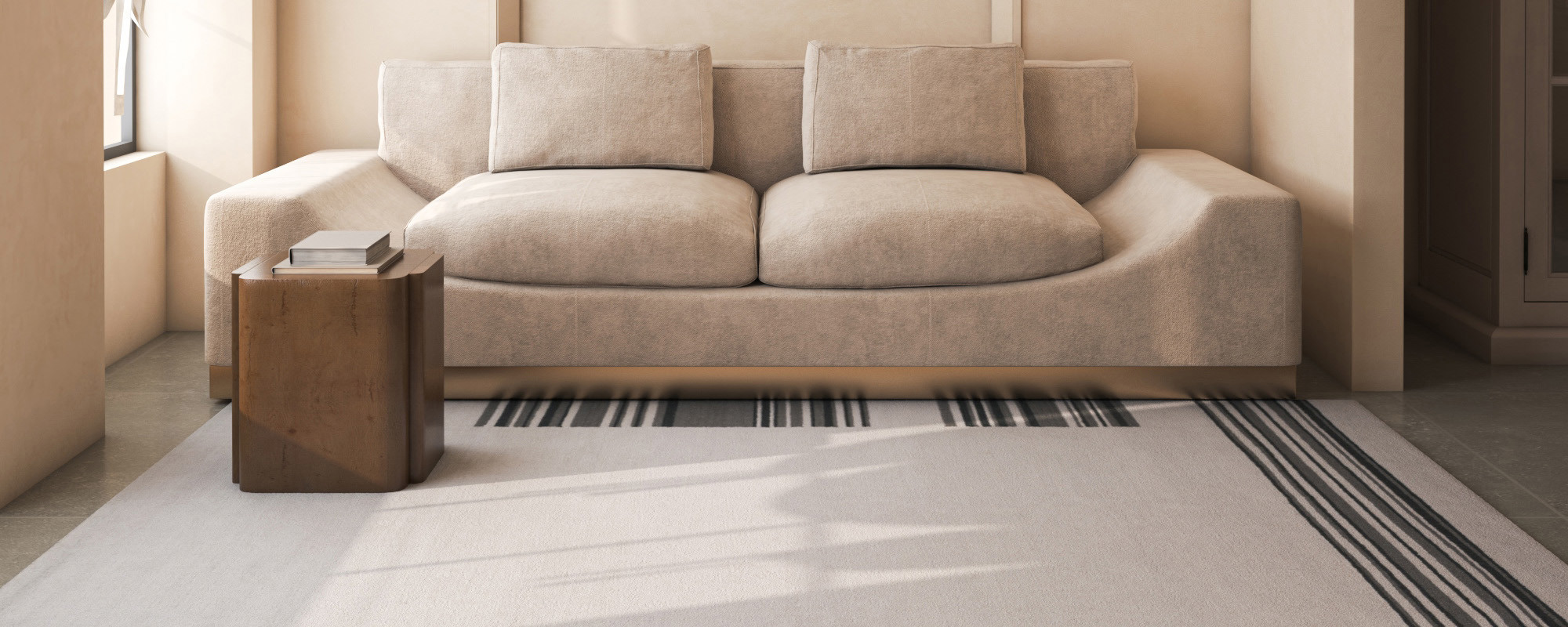
Choosing rugs in humid or rainy climates can be tricky. The wrong material traps moisture, grows mildew, and becomes hard to maintain. This guide covers the best rug materials for rainy weather, including PET, nylon, polyester, and flatweave dhurries, all designed to handle dampness with ease. You’ll also learn which rugs to avoid, practical care tips, and answers to common questions like which rug material is best in the rainy season. Keep your home fresh, stylish, and worry-free year-round.
If you live somewhere that stays damp most of the year or gets its fair share of monsoon rains, you already know the struggle. Rugs and carpets can quickly turn musty, trap moisture, and even grow mold if you’re not careful. But here’s the thing—choosing the right rug materials for rainy weather makes all the difference.
Some fibers handle moisture well, dry quickly, and stay fresh, while others soak up water like a sponge and become a nightmare.
Let’s break down which rug material is best in humid and rainy conditions, the pros and cons of each, and a few practical tips to keep your floors stylish and mold-free.
Why Rug Material Matters in Humid and Rainy Seasons?
Humidity and rain bring three main challenges for rugs:
-
Moisture retention – Trapped dampness can lead to odor, bacteria, or mildew.
-
Drying time – Some fibers dry fast, others stay soggy for days.
-
Maintenance – Easy-to-clean rugs are essential when mud and water are a regular problem.
The goal is to seek water-resistant rug options or moisture-resistant carpets that can withstand wet conditions without compromising comfort and design.
Quick Comparison: Best Rug Materials for Humid and Rainy Weather
|
|
|
|
|
|
|
|
|
|
|
|
|
|
|
|
|
|
|
|
|
|
|
|
|
|
|
|
Best Rug Materials for Humid Weather and Rainy Season
PET Rugs (Recycled Polyester)
PET rugs are made from recycled plastic bottles, but don’t let that fool you. They’re soft, stylish, and handle damp environments brilliantly. Because they’re essentially made from plastic, they’re highly water-resistant rugs and don’t retain moisture. They’re also stain-resistant and easy to wash, making them perfect for outdoor spaces or humid interiors.
PET is widely considered the best rainy season rug material because of its durability and versatility.
Nylon Rugs
Nylon is a synthetic fiber known for its durability and moisture resistance. It doesn’t absorb much water, and it dries faster than natural options. If you’re asking which rug material is best in humid homes with kids or pets, nylon is a strong contender.
Polyester Rugs
Polyester rugs are lightweight, quick-drying, and resist mold better than wool or cotton. They’re also budget-friendly and come in endless colors and patterns, which makes them practical as a rainy season rug material.
See our range of polyester rugs.
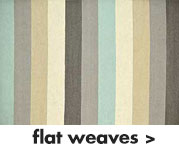
Flatweave Rugs (Dhurries)
Flatweave rugs like dhurries are tightly woven without a pile, which means they don’t trap as much dirt or moisture. Cotton dhurries can be tricky in humidity since cotton absorbs water, but PET or synthetic flatweaves are excellent for wet conditions. They’re lightweight and easy to wash, which makes them practical during rainy months.
Browse our dhurrie rugs and flatweaves.
Wool Rugs (With Caution)
Wool has natural moisture resistance because of its lanolin, but in very humid or rainy areas, it can still develop a musty smell. Handknotted wool rugs are durable, but they’re heavy and slow to dry once wet.
Shop our handmade wool rugs (best for mild humidity)
Viscose Rugs (Avoid in Rainy Season)
Viscose, also called art silk, looks luxurious but performs terribly in humidity. It absorbs moisture quickly, stains easily, and loses its sheen when exposed to water. Save viscose rugs for dry climates and low-traffic areas.
Rug Materials to Avoid in Rainy Weather
Not every rug fiber works for wet conditions. These are the ones to steer clear of if your home is humid or rainy:
-
Cotton rugs – Absorb moisture easily and take a long time to dry.
-
Silk rugs – Delicate, absorbent, and prone to water damage.
-
Viscose rugs – Lose color, texture, and durability when damp.
Top Recommendations for Humid and Rainy Homes
Every region with high moisture comes with its own challenges. Coastal areas have salty air and constant dampness. Tropical climates deal with sticky humidity year-round. Monsoon-prone regions bring heavy rain and mud indoors. The right rug materials for rainy weather can save you from constant cleaning and unpleasant odors.
-
Coastal and tropical homes – PET rugs are the safest choice. They’re moisture-resistant, won’t fade in damp conditions, and can be used both indoors and outdoors.
-
Homes with kids and pets in rainy climates – Nylon rugs are tough, stain-resistant, and easy to clean when spills or muddy pawprints happen.
-
Apartments in humid cities – Polyester rugs bring style without demanding too much maintenance, plus they dry quickly if they get damp.
-
Monsoon-heavy regions – Flatweave dhurries in PET or synthetic blends are lightweight, washable, and don’t trap mud.
-
Dryer parts of humid zones – Handknotted wool rugs can still work here, offering comfort and durability, but they should be kept out of consistently damp spaces.
Buying Scenarios: Which Rug Fits Where?
Once you know your climate challenges, the next step is choosing rugs that fit each part of your home. Different rooms demand different fibers and constructions.
-
Balconies, patios, or outdoor entryways during the monsoon – PET rugs are unbeatable. They’re water-resistant, easy to clean, and hold up well outdoors. When people ask which rug material is best in the rainy season, PET rugs consistently top the list.
-
Busy living rooms in humid areas – Nylon rugs handle foot traffic, resist stains, and won’t sag under constant use.
-
Bedrooms or dining rooms in the rainy season – Polyester rugs offer a soft underfoot feel while being easy to maintain.
-
Kitchens and mudrooms – Flatweave dhurries in PET or synthetic blends are perfect here. They’re thin, washable, and practical for spaces that see both spills and moisture.
-
Formal spaces with only mild humidity – Handknotted wool rugs bring timeless beauty, but should be avoided in rooms where dampness is constant.
Care Tips for Rugs in Humid and Rainy Weather
-
Use a rug pad – It keeps the rug elevated, allowing airflow underneath.
-
Choose low-pile or flatweaves – They trap less moisture than shag rugs.
-
Dry in sunlight when possible – A few hours in natural sunlight kills bacteria and freshens fibers.
-
Vacuum often – Prevents dirt and dampness from settling deep into fibers.
-
Rotate rugs – Moving them around prevents uneven moisture exposure.
-
Blot spills immediately – Don’t let water or mud sit on the rug.
-
Store seasonally if needed – Roll and store delicate rugs during the monsoon to extend life.
Final Word
Rugs don’t have to be a headache in damp climates. By choosing moisture-resistant carpets like PET, nylon, or polyester, you’ll get the comfort of a rug without worrying about mildew or endless drying times. Flatweave rugs like dhurries are a smart pick too, especially if you want something low-maintenance during the rainy months.
The key is to focus on water-resistant rug options that are easy to clean and quick to dry. Once you match the right material to your climate, your home stays fresh, stylish, and worry-free—rain or shine.
Looking for the best rugs for your home this season? Explore our full range of rugs and carpets today.
FAQs
Which rug material is best in humid weather?
PET rugs and nylon rugs are best—they’re moisture-resistant, quick-drying, and durable.
Which rug material is best in the rainy season?
PET rugs top the list, followed by nylon and polyester. They’re water-resistant and easy to clean.
Are flatweave rugs good for humid climates?
Yes, especially PET or synthetic dhurries. They dry quickly and are lightweight.
What rugs should I avoid during the monsoon?
Avoid viscose, cotton, and silk rugs as they absorb moisture and damage easily.
Can wool rugs work in humid areas?
Yes, but only in mild humidity. In very damp regions, wool may develop a musty smell.


Pic Credits
Jaipur rugs / Abil Dase
Share
-
 Facebook
-
 Twitter
-
 Email
Email
Related Posts
-
15 July 2026
- ∙
-
8 Min Read
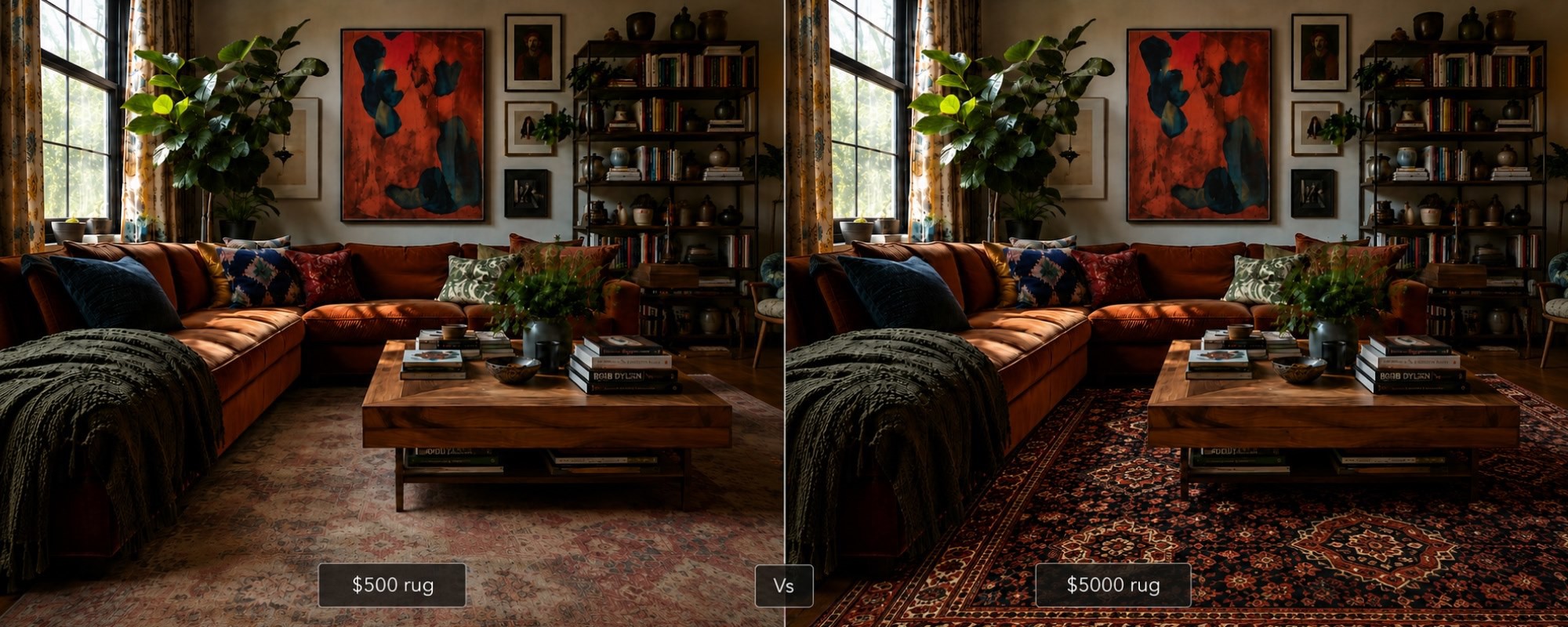
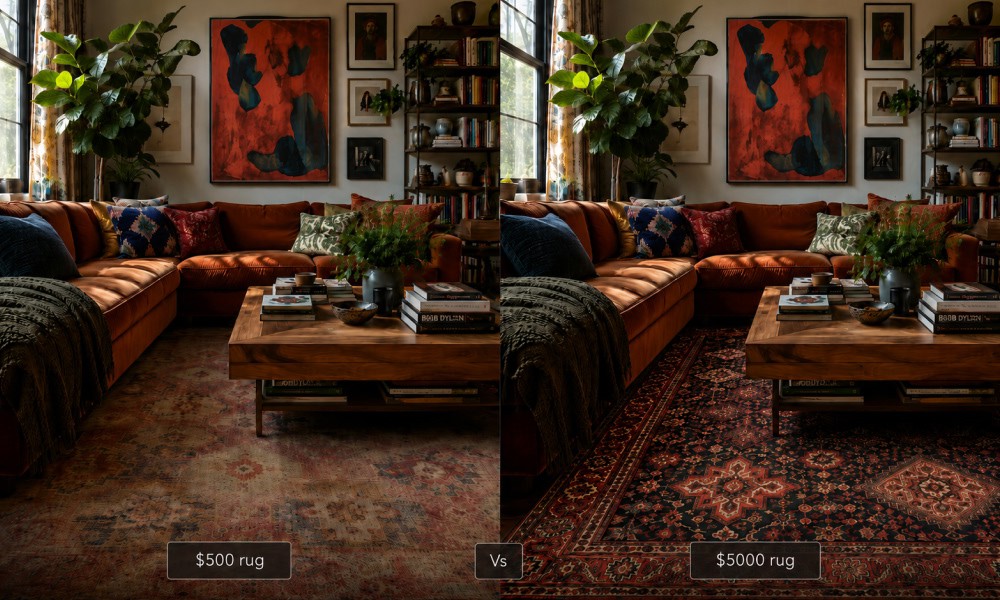
The $500 vs $5,000 Rug: An Honest Side-by-Side That No Brand Will Show You
Why do some rugs cost ten times more than others? This honest side-by-side looks at what actually separates a $500 rug from a $5,000 one: knot density, fiber quality, pile depth, and finishing. No brand bias, no marketing language. Just a clear breakdown to help you decide which one is worth it for your space and budget.
Read Article →
-
14 July 2026
- ∙
-
13 Min Read
3D Rugs and Sculpted Pile: The Tactile Design Trend Redefining Floors in 2026
The rug used to finish a room. Now it starts one. 3D rugs and sculpted piles are bringing real depth and tactile texture to interiors, from hand knotted relief patterns to optical illusion designs that stop you mid-step. This is what the trend is, why it matters, and how to buy it well.
Read Article →
-
10 July 2026
- ∙
-
10 Min Read
How to Pair Indian Wall Art with the Right Rug Pattern: A Room-by-Room Guide
Choosing the right rug to go with your Indian wall art does not have to be guesswork. This guide breaks it down room by room, from the living room to the bathroom and outdoor spaces. Learn how to match colors, patterns, and scale so your wall art and rug always feel like they belong together.
Read Article →
-
07 July 2026
- ∙
-
9 Min Read
How to Tell If a Rug Is Handmade: 7 Signs Experts Look For (Abrash Is One of Them)
Wondering how to know if a rug is handmade? Get an overview of 7 key characteristics that will help you identify if a rug is truly handmade and learn about its differences compared to machine-made rugs, and why they do not lose their value. Here is what to keep in mind when buying a handmade rug.
Read Article →
-
04 July 2026
- ∙
-
8 Min Read
Coastal Grandmother Is Evolving: The 2026 "Coastal Heritage" Aesthetic and the Rugs That Define It
The coastal grandmother design is progressing into something new and exciting by 2026. Coastal Heritage introduces texture, craftsmanship, and handmade elements to this popular design style. Here are the various rug types, colors, and decorating ideas to know about this classic coastal design trend.
Read Article →
-
22 June 2026
- ∙
-
6 Min Read
Why Top Interior Designers are Switching to Indian Handmade Rugs
High-end interior designers have begun using handmade carpets from India in place of machine-made carpets to enhance their design portfolios and ensure product longevity. The following guide will help you understand why design professionals prefer Jaipur Rugs for creating customized, ethically produced wool-and-bamboo-silk carpet designs for luxurious homes.
Read Article →