You are on our International website. Please select your region to see content specific for your location





 Profile
 Orders
 Wishlist
 Change Password
 Logout


Latest Blogs
ideas and inspiration
What’s The Best Type of Rug for High-traffic Family Rooms?
- 11 December 2025
- |
- 8 Min Read
- |
- By Jaipur Rugs
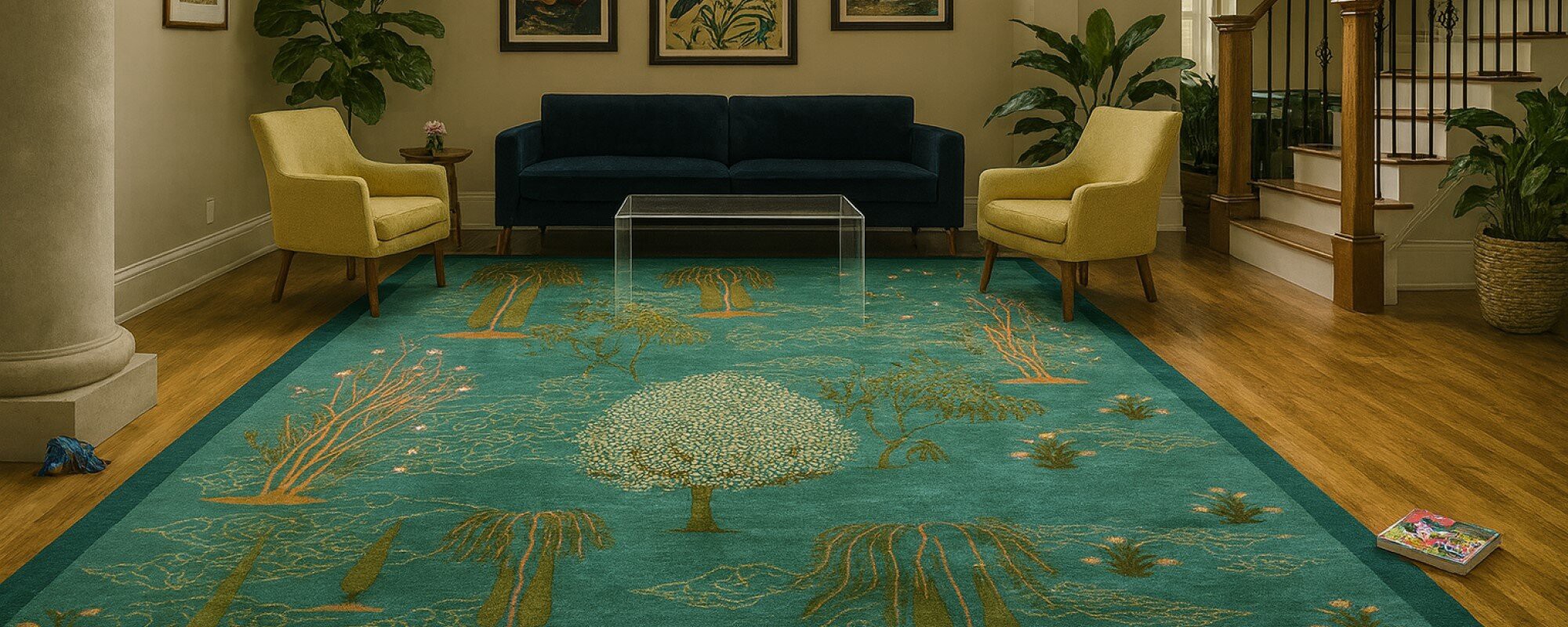
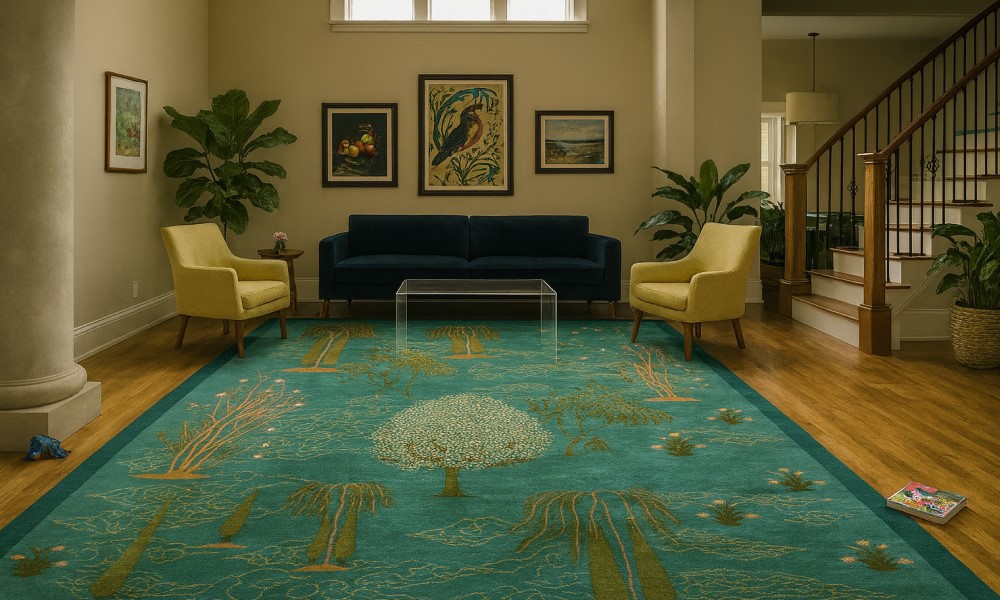
Choosing the right rug for a high-traffic family room means balancing durability, style, and comfort. Wool rugs, flatweave, hand-knotted, and high-performance rugs handle daily wear while remaining easy to clean. Patterns and colors that hide dirt, a low-to-medium pile, and heavy-duty materials ensure your rug stays beautiful, practical, and long-lasting in busy family spaces.
Here’s the thing. When you live in a family home where people are always on the move, any rug you place in the living room, lounge, or entryway takes a beating. Kids, pets, guests, spilled snacks, furniture scraping across the floor, your rug sees it all. So the real question becomes simple. What’s the best type of rug for high-traffic family rooms?
And how do you choose something that looks good, feels good, and can hold up without showing every footprint?
Let’s break it down in a way that’s easy to follow, and along the way, we’ll touch on everything from the best rug material for high traffic areas to what counts as high-performance rugs in everyday life, not just in catalog language.
Why High-Traffic Spaces Need Special Attention?
A family room is not a showpiece. It’s where people stretch out, play, relax, wrestle with the dog, and watch movies. That makes it a high-traffic area, even if you don’t think of it that way. Over time, any fabric on the floor will compress, fade, and collect dust. That’s why choosing the right weave, material, and construction matters more than you might realize.

Some folks focus on the “softest” rug or the thickest rugs, imagining plush comfort will solve everything. The reality is a bit different. Thickness alone doesn’t make a rug strong enough to handle a busy room. What you want is structure, resilience, and fibers that bounce back instead of flattening into a tired-looking mat.
So What’s the Best Rug Material for a High-Traffic Area?
Let’s talk about materials first, because this is where most people get confused.
Here’s what this really means. When you place anything on the floor, you want something that hides wear, shakes off dirt, and keeps its shape. This is precisely why many designers recommend wool rugs for busy rooms. Wool has natural elasticity, so the fibers spring back even after thousands of footsteps. It also resists stains far better than you’d expect, which makes a big difference in a home with kids or pets.
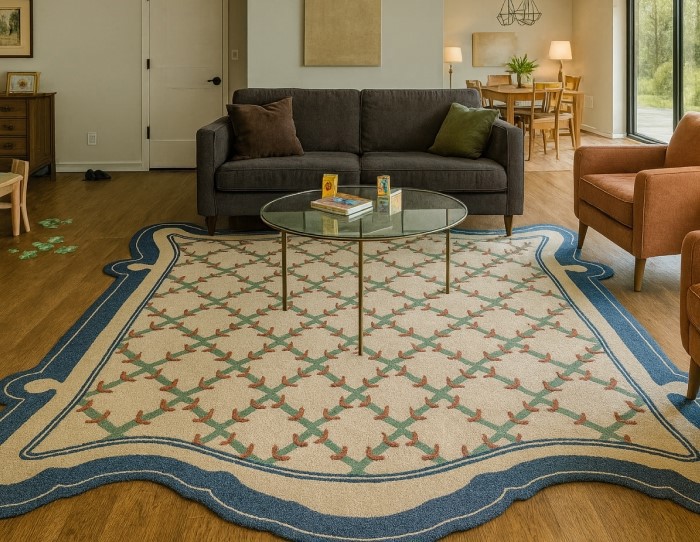
Another option you’ll see often is wool blended with bamboo silk. A mix of wool and bamboo silk rugs offers sheen and softness with added durability. The wool does the heavy lifting, while the bamboo silk adds texture and a gentle glow. This blend works beautifully in family rooms where you want both practicality and a bit of refinement.
Construction Matters Even More Than Material
This is where things get interesting. Many people pick rugs based on how they look, but the construction actually determines how long they last.
Let’s walk through the main types you’ll come across.
Hand-knotted for maximum strength
If you’re thinking long-term, hand-knotted rugs are the gold standard. They can survive decades of foot traffic because every knot is tied individually. This structure prevents the fibers from shifting or loosening, even in high-traffic areas where shoes, toys, and furniture exert pressure on the surface. For family rooms, a hand-knotted wool rug is one of the most reliable choices you can make.
Hand tufted for comfort and practicality
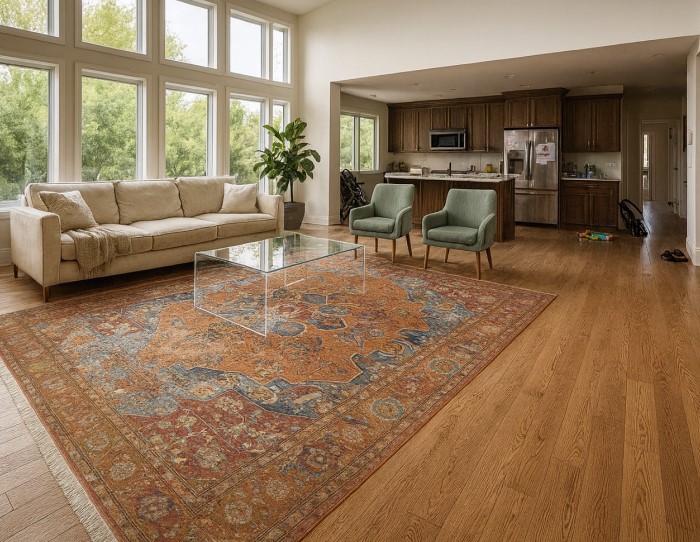
A hand-tufted rugs design offers a plush surface at a more accessible price. It tends to feel thick and comfortable underfoot, which is great when kids are sitting or lying on the floor. While not as long-wearing as hand-knotted, a well-made hand-tufted rug can still work beautifully as a rug for high-traffic area if you rotate it occasionally and avoid placing heavy furniture on delicate spots.
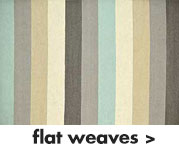
Flatweave for a casual, hard-wearing option
If you have pets racing through the house or kids dragging toys around, a flatweave rug might be your best friend. Flatweaves have no pile, so there’s nothing to crush. They’re also reversible, which is a bonus if you want something that lasts for years without looking tired. Plus, cleaning them is surprisingly easy. Many homeowners use them as high-traffic area rugs because the low profile prevents tripping and makes vacuuming painless.
What Counts as a Heavy-Duty Area Rug?
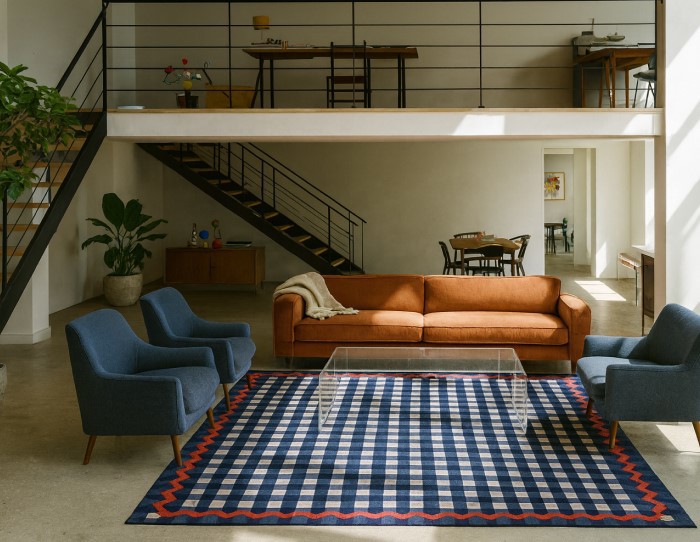
Let’s clear up a common misconception. The idea of heavy-duty area rugs doesn’t always mean rough textures or coarse fibers. What you’re really looking for is structural integrity. Dense knots, tight loops, strong backing, and the right fiber blend create what some call a heavy-traffic rug, even though the surface feels soft and inviting.
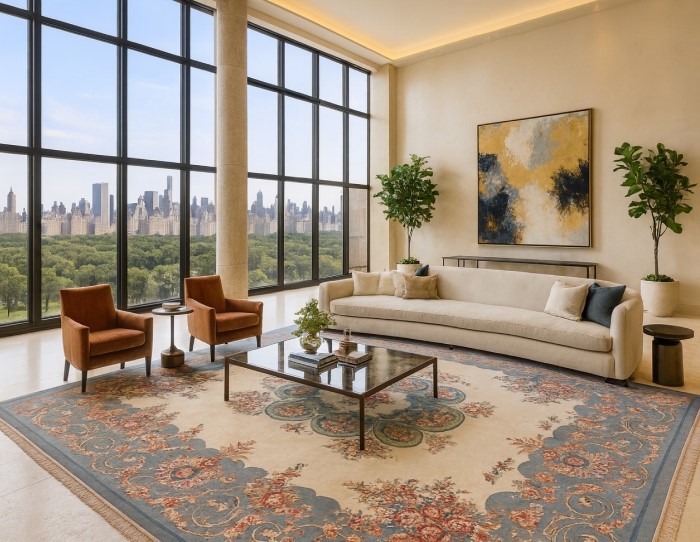
Wool flatweaves, dense hand-knotted carpets, and tight-loop hand-tufted designs all fall into this category when crafted well. These hold up even in a high-traffic entryway rug scenario, which is arguably one of the harshest environments in any home.
Pattern and Color: The Hidden Trick to Making a High-Traffic Rug Look Good Longer
Let’s talk visuals for a moment, because durability isn’t the only concern. A rug can be strong but still show every crumb or footprint. This is where patterns work their magic.
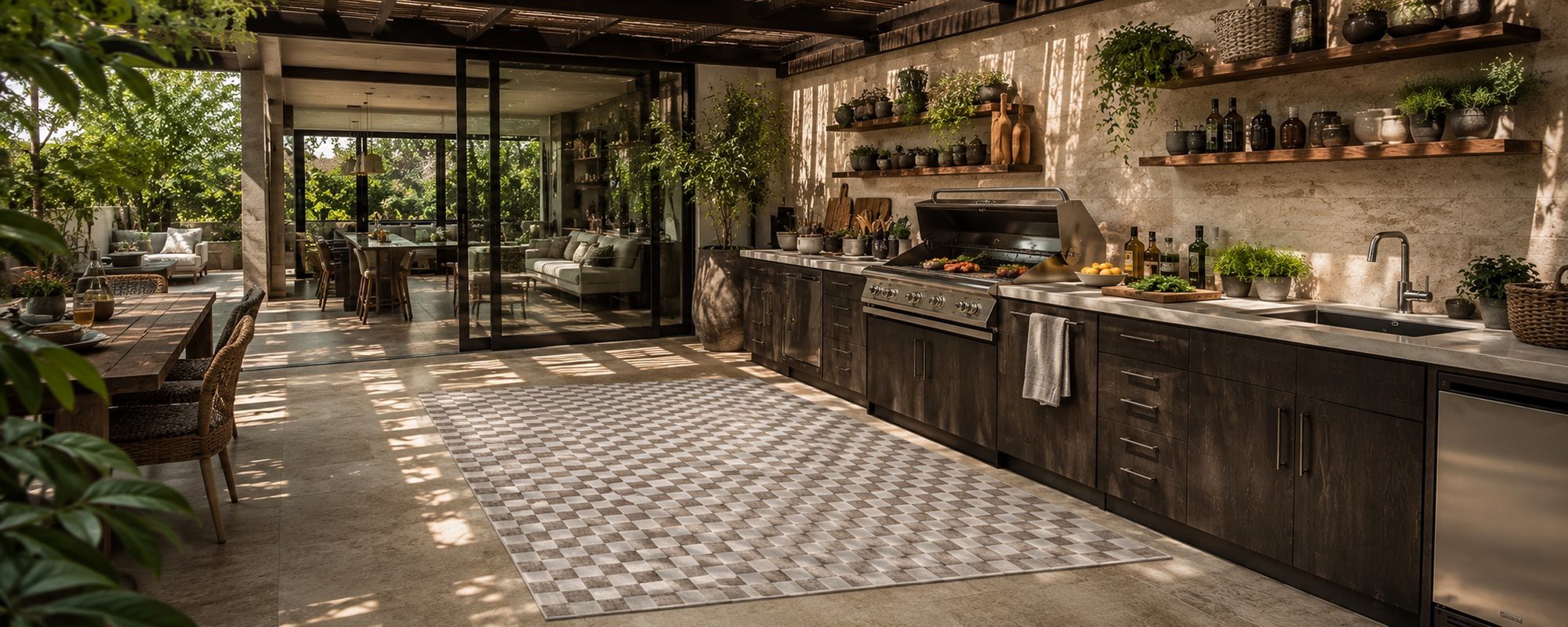
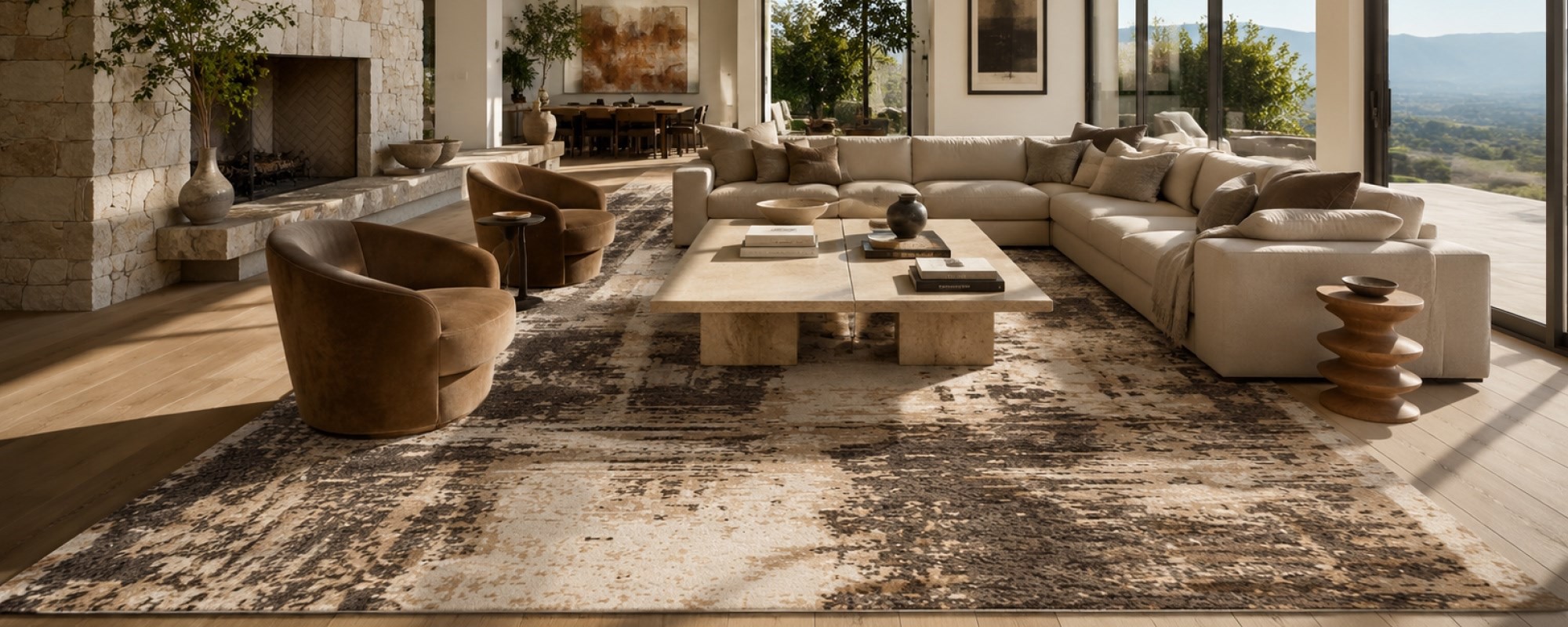
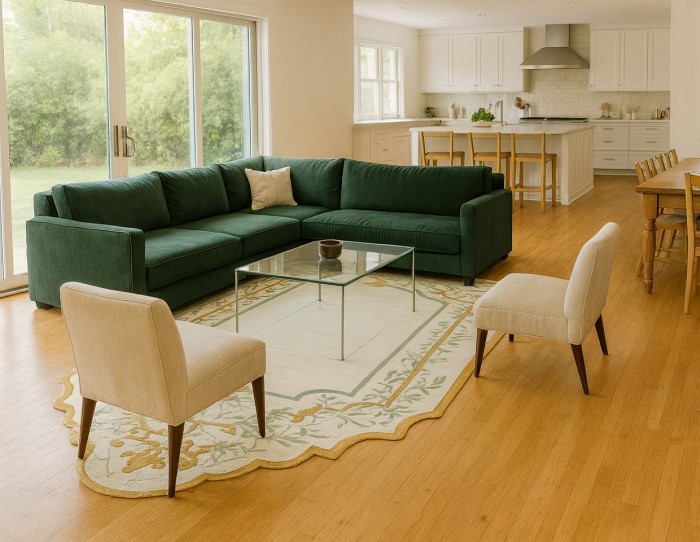
Busy rooms deserve rugs with multi-tonal palettes, organic shapes, or small repeating motifs. These distract the eye from wear and help a rug appear fresh even when you haven’t vacuumed in a day or two. If you want something more contemporary, modern rugs with subtle abstract textures do the same job without feeling busy or traditional.
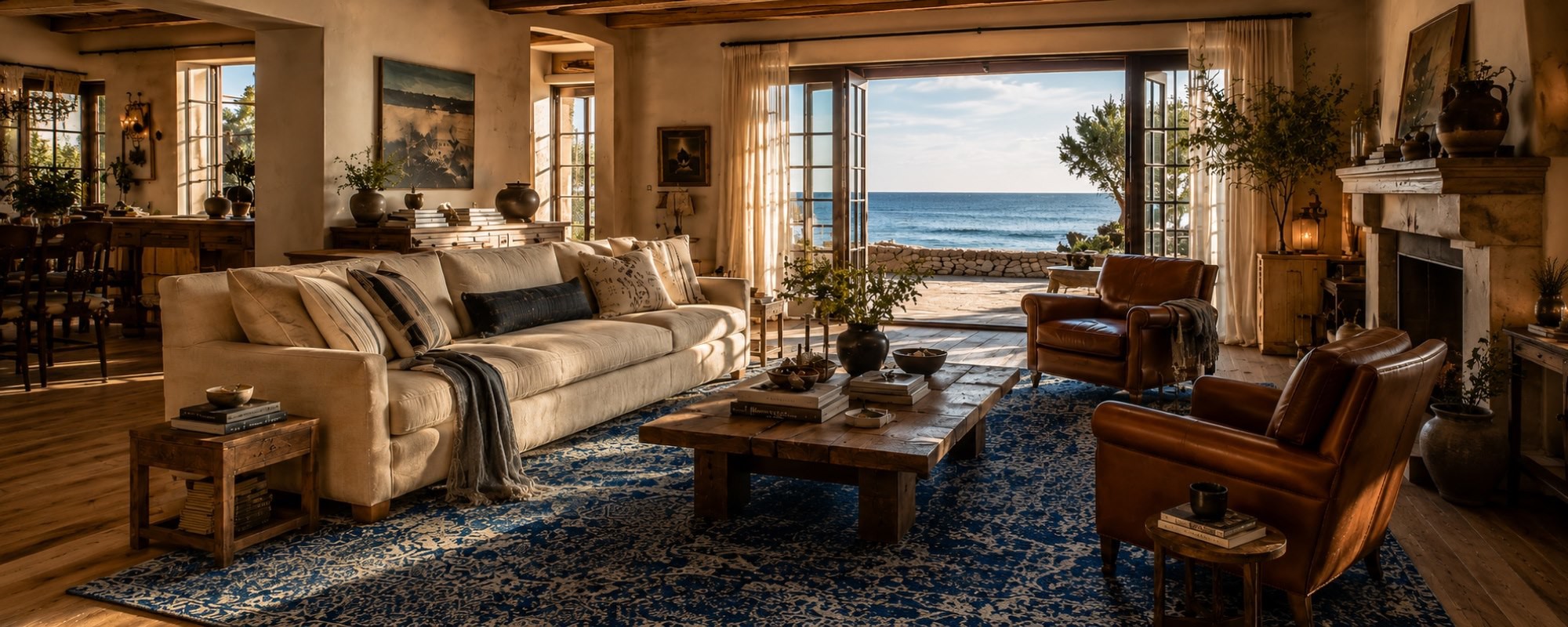
Neutral doesn’t have to mean boring. Variations of ivory, caramel, charcoal, or muted blues all hide traffic beautifully.
Pile Height: Does Thick Mean Better?
Here’s the part many people misunderstand. The thickest rugs feel indulgent, but they aren’t always the smartest choice for a busy family room. Deep pile crushes easily, traps dust, and shows vacuum marks. A medium or low pile usually performs better, especially in homes where kids roll toys across the floor, or pets shed a lot.
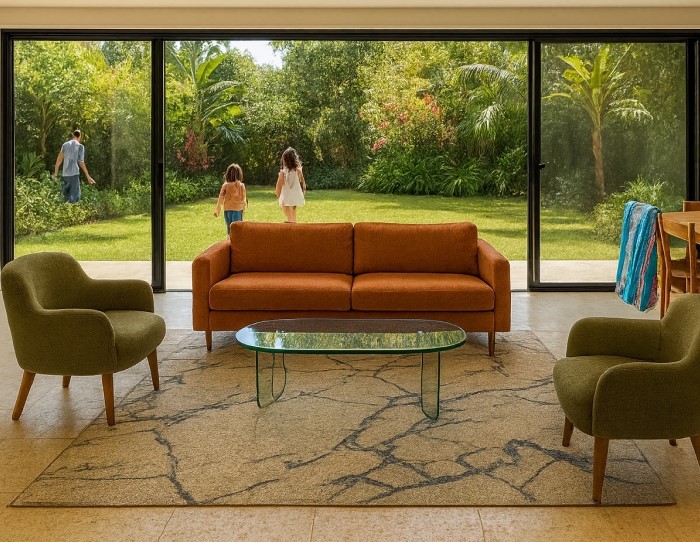
Flatweaves and short-pile constructions might not feel cloud-soft, but they age gracefully and stay tidy longer. And if you’re worried about comfort, you can add a rug pad for subtle cushioning without sacrificing durability.
Style Still Matters
Durability is one thing, but you also want a rug that suits the room. This is where thoughtful choices come in. If you prefer something with personality, designer rugs often combine hard-wearing materials with standout patterns. If your home leans toward minimalism, a simple hand-knotted wool piece gives you elegance without sacrificing strength. If you like earthy textures or a relaxed setting, a flatweave works perfectly.
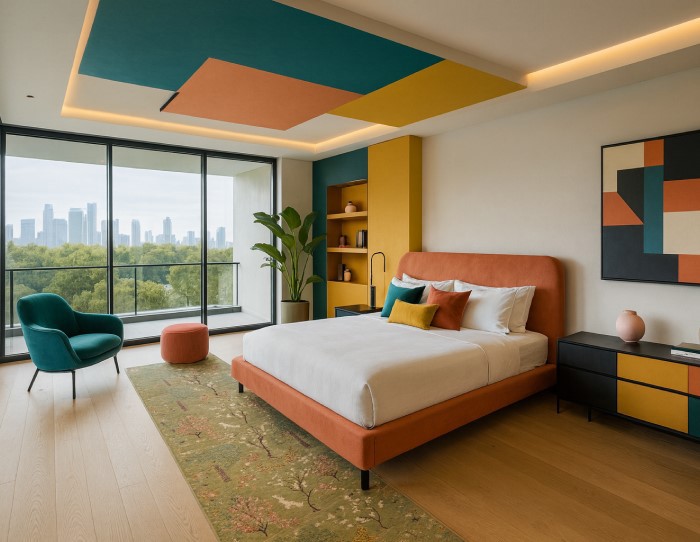
And yes, if nothing off the shelf feels right, custom rugs let you choose the size, color, weave, and material that fits your lifestyle. This is especially helpful when the room has an unusual layout or when furniture placement demands a specific dimension.
What This Really Means for Your Family Room
Choosing the best rugs for high-traffic areas isn’t complicated once you know what to look for. You’re looking for a mix of good materials, sturdy construction, and patterns that hide daily life.
To sum it up in a practical way:
-
Wool is your most reliable material.
-
Hand knotted gives you the longest lifespan.
-
Flatweave offers easy cleaning and casual charm.
-
Hand-tufted balances comfort and durability.
-
Medium to low pile handles heavy footsteps better than ultra-plush options.
-
Patterns and multitone colors help keep the rug looking lively.
When you match these factors to the way your family actually lives, you’ll end up with something that looks beautiful for years, feels welcoming every day, and handles everything a busy home throws at it.
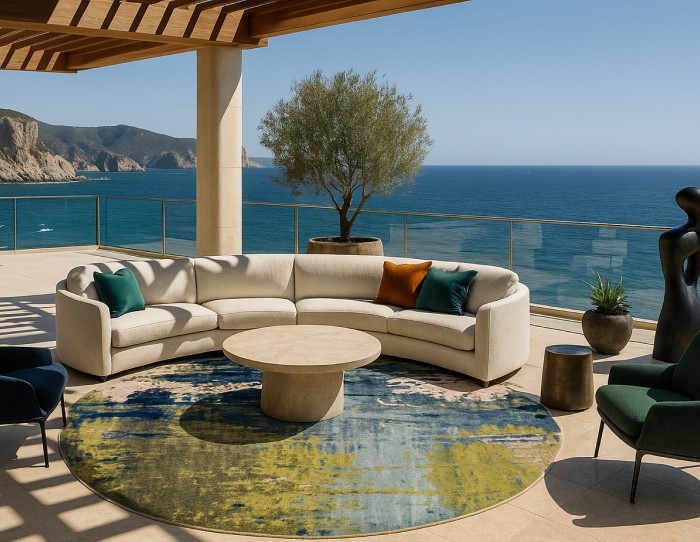
If you see your family room as the heart of your home, choosing the right rug isn’t just about decor. It’s about creating a space that works, lasts, and feels good to live in day after day, step after step.
FAQs
Can I use a wool rug in a family room with kids and pets?
Yes, wool rugs are resilient, naturally stain-resistant, and maintain their shape well, making them ideal for high-traffic family rooms.
Are synthetic rugs better than natural fibers for heavy traffic?
Synthetic rugs, such as polypropylene or nylon, are highly durable, stain-resistant, and budget-friendly, though they may not feel as soft as natural fibers like wool.
How do I clean a high-traffic area rug regularly?
Vacuuming at least twice a week and spot-cleaning spills immediately work for most rugs. For deeper cleaning, professional cleaning is recommended for hand-knotted or wool rugs.
What’s the difference between hand-knotted and hand-tufted rugs in terms of durability?
Hand-knotted rugs are more durable and long-lasting, making them suitable for high-traffic areas. Hand-tufted rugs are softer and plusher but may not last as long in extremely high-traffic areas.
Are flatweave rugs suitable for heavy foot traffic?
Yes, flatweave rugs are thin, durable, and easy to clean, making them ideal for high-traffic areas such as entryways and hallways.
Can I use the same rug for my living room and entryway?
You can, but it’s better to choose heavy-duty area rugs or high-performance rugs for entryways due to higher foot traffic. Living rooms can accommodate softer or thicker rugs, such as hand-tufted or wool and bamboo silk rugs.


Pic Credits
Jaipur rugs / Abil Dase
Share
-
 Facebook
-
 Twitter
-
 Email
Email
Related Posts
-
15 July 2026
- ∙
-
8 Min Read
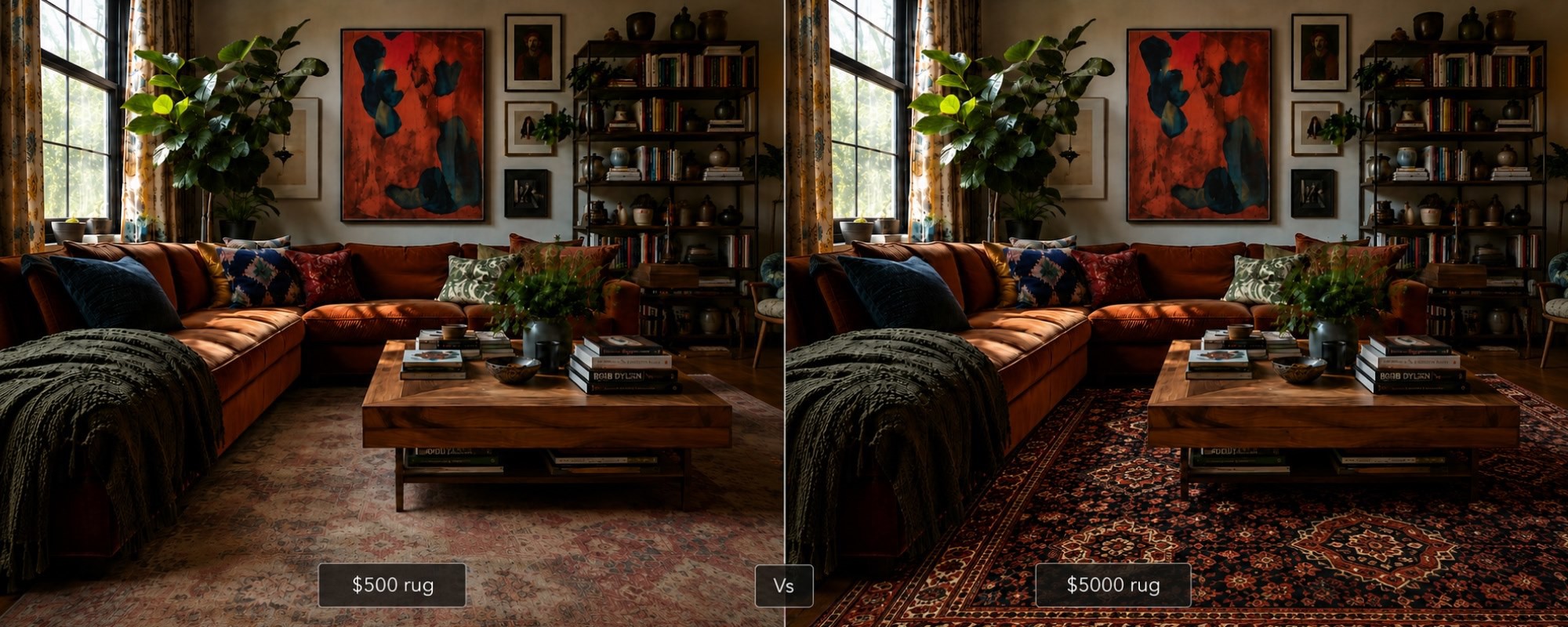
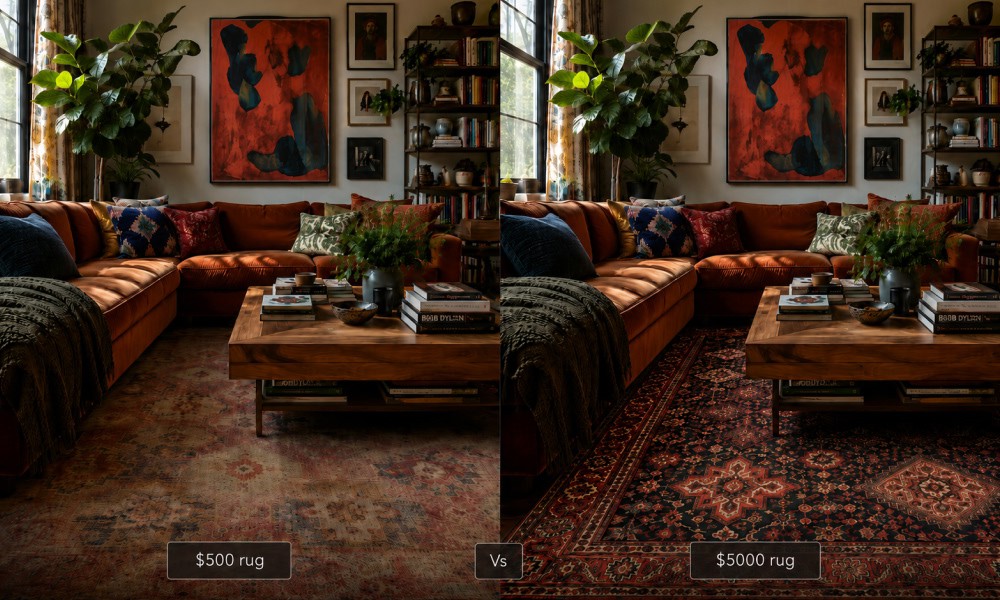
The $500 vs $5,000 Rug: An Honest Side-by-Side That No Brand Will Show You
Why do some rugs cost ten times more than others? This honest side-by-side looks at what actually separates a $500 rug from a $5,000 one: knot density, fiber quality, pile depth, and finishing. No brand bias, no marketing language. Just a clear breakdown to help you decide which one is worth it for your space and budget.
Read Article →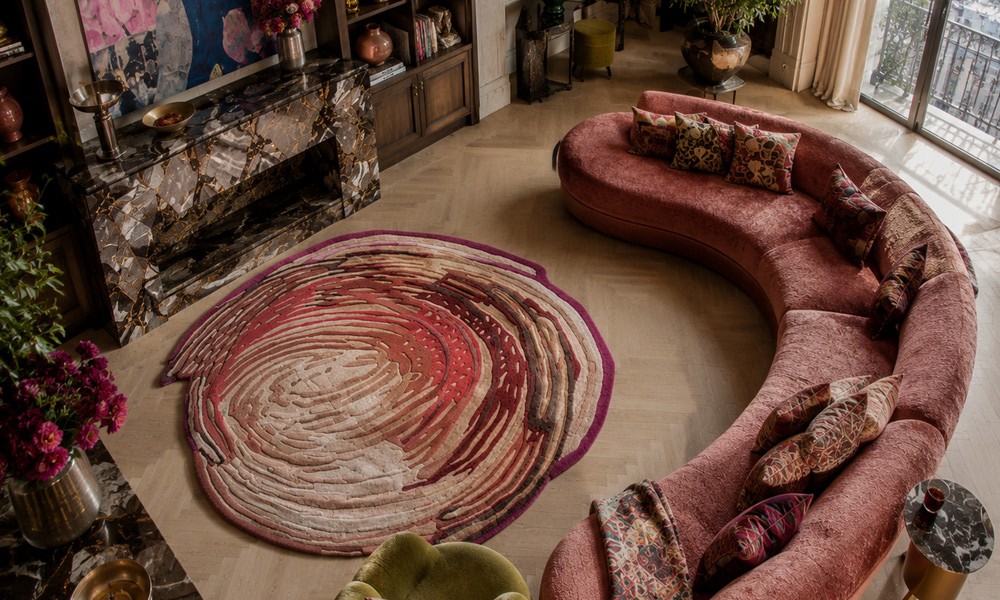
-
14 July 2026
- ∙
-
13 Min Read
3D Rugs and Sculpted Pile: The Tactile Design Trend Redefining Floors in 2026
The rug used to finish a room. Now it starts one. 3D rugs and sculpted piles are bringing real depth and tactile texture to interiors, from hand knotted relief patterns to optical illusion designs that stop you mid-step. This is what the trend is, why it matters, and how to buy it well.
Read Article →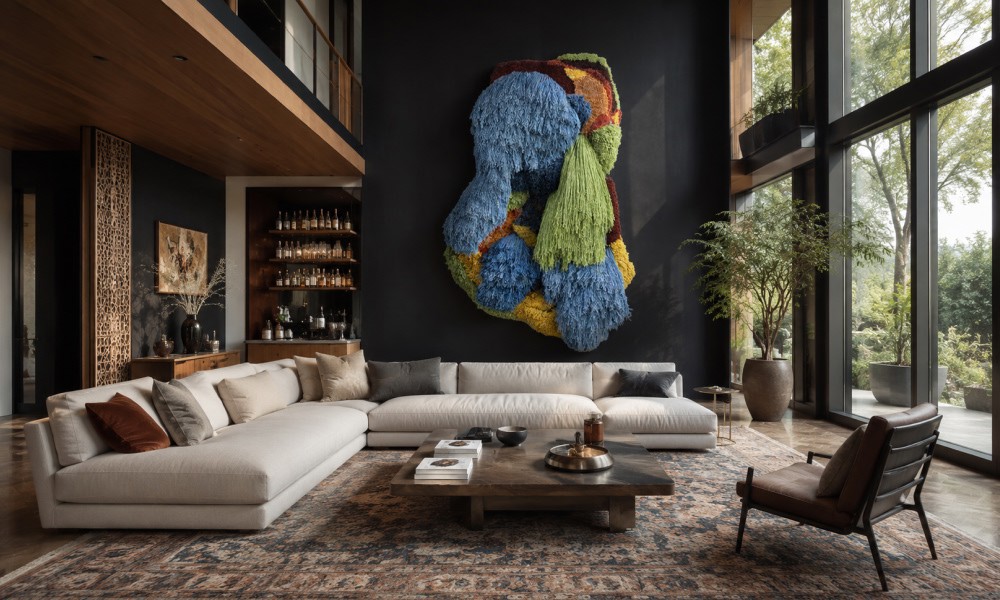
-
10 July 2026
- ∙
-
10 Min Read
How to Pair Indian Wall Art with the Right Rug Pattern: A Room-by-Room Guide
Choosing the right rug to go with your Indian wall art does not have to be guesswork. This guide breaks it down room by room, from the living room to the bathroom and outdoor spaces. Learn how to match colors, patterns, and scale so your wall art and rug always feel like they belong together.
Read Article →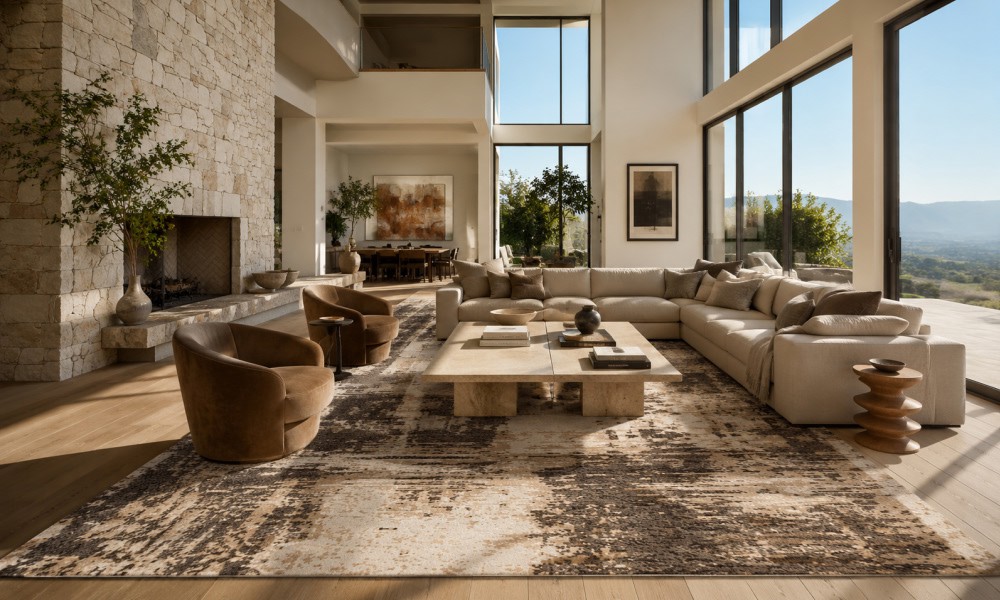
-
07 July 2026
- ∙
-
9 Min Read
How to Tell If a Rug Is Handmade: 7 Signs Experts Look For (Abrash Is One of Them)
Wondering how to know if a rug is handmade? Get an overview of 7 key characteristics that will help you identify if a rug is truly handmade and learn about its differences compared to machine-made rugs, and why they do not lose their value. Here is what to keep in mind when buying a handmade rug.
Read Article →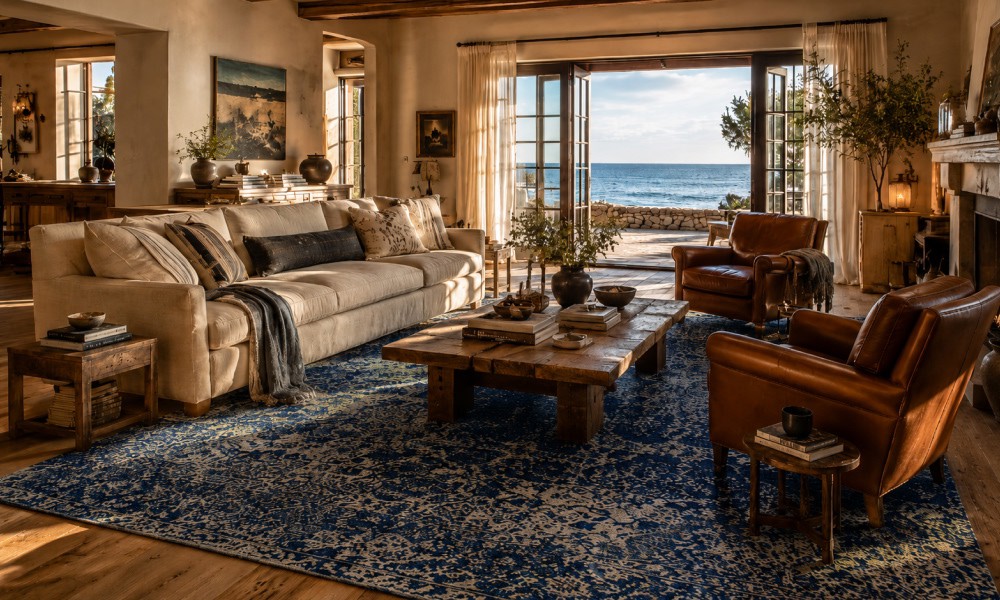
-
04 July 2026
- ∙
-
8 Min Read
Coastal Grandmother Is Evolving: The 2026 "Coastal Heritage" Aesthetic and the Rugs That Define It
The coastal grandmother design is progressing into something new and exciting by 2026. Coastal Heritage introduces texture, craftsmanship, and handmade elements to this popular design style. Here are the various rug types, colors, and decorating ideas to know about this classic coastal design trend.
Read Article →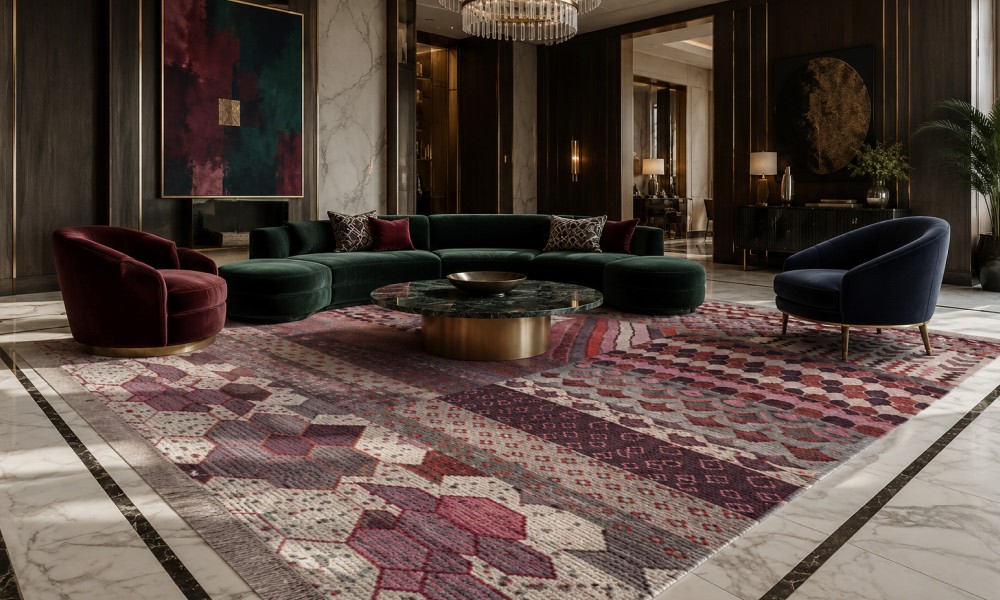
-
22 June 2026
- ∙
-
6 Min Read
Why Top Interior Designers are Switching to Indian Handmade Rugs
High-end interior designers have begun using handmade carpets from India in place of machine-made carpets to enhance their design portfolios and ensure product longevity. The following guide will help you understand why design professionals prefer Jaipur Rugs for creating customized, ethically produced wool-and-bamboo-silk carpet designs for luxurious homes.
Read Article →