You are on our International website. Please select your region to see content specific for your location





 Profile
 Orders
 Wishlist
 Change Password
 Logout


Latest Blogs
ideas and inspiration
How Do I Select a Rug for an Open-Concept Space to Define Zones?
- 22 December 2025
- |
- 7 Min Read
- |
- By Jaipur Rugs
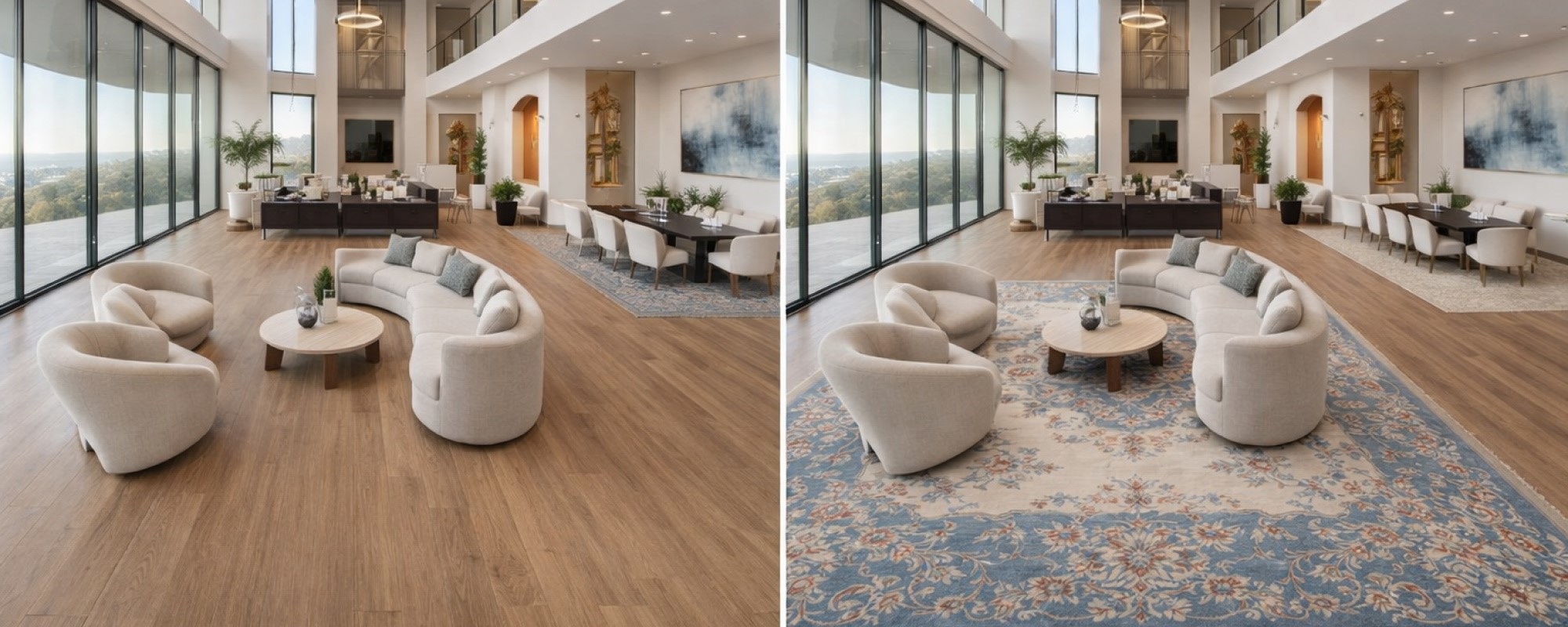
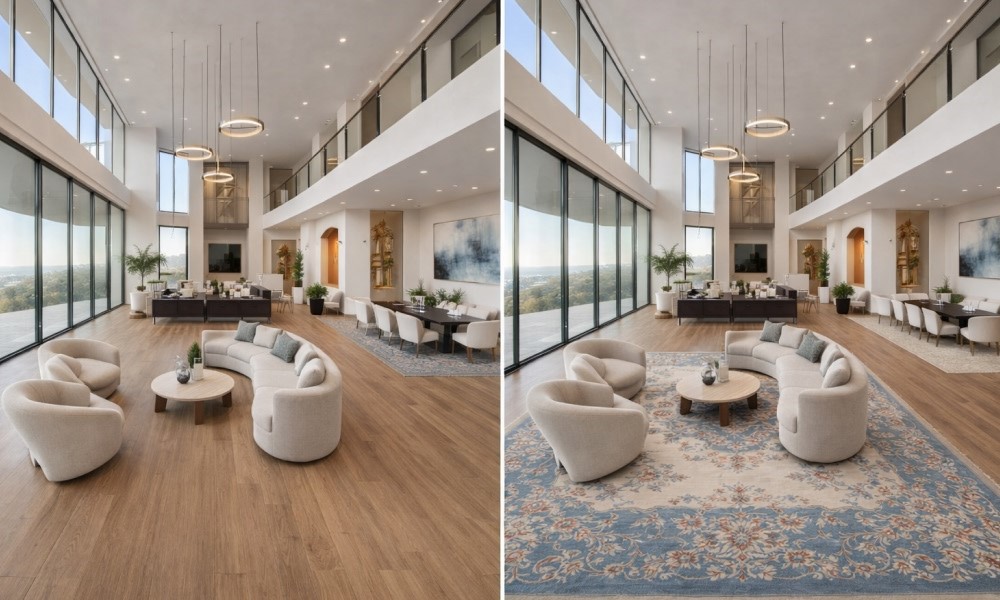
Open floor plan spaces can feel unstructured without visual boundaries. Learn how to choose, size, and place rugs to define living, dining, and lounge zones. This guide covers coordinating multiple area rugs, selecting materials and styles, and practical tips for modern, traditional, custom, and textured options. Make open‑concept spaces cohesive, functional, and inviting with the right rug strategy.
Open-concept spaces promise freedom. Fewer walls, more light, and the feeling that everything flows. But once the furniture moves in, many homeowners realize something feels off. The room looks large, yet oddly unresolved. Seating areas don’t feel grounded. Dining spaces blend into living areas. Movement through the room interrupts everything else.
This happens because open layouts remove physical boundaries without replacing them with visual ones. The space still contains multiple functions, but nothing clearly separates them. Rugs in open floor plan layouts restore that structure.
In an open-concept space, a rug is not just decoration. It is a planning tool. It defines zones, organizes furniture, and controls how the room is experienced.
Understanding Why Open Floor Plans Feel Undefined
When a space has a single continuous floor surface, the eye reads it as a single zone, even when multiple activities are occurring. Furniture alone rarely solves this problem. Sofas, tables, and chairs sit on the same visual plane, which makes them feel temporary rather than placed.
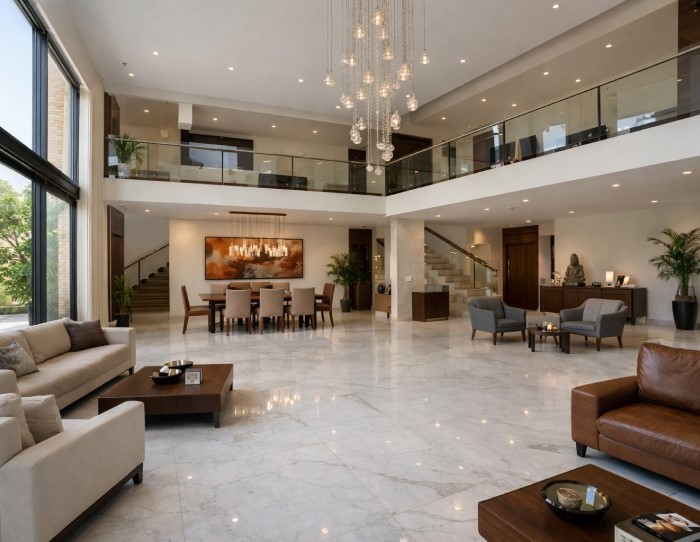
This is why rugs in open concept space designs matter so much. They visually interrupt the floor, slow the eye, and create boundaries without closing the space. A rug tells you where to stop, where to sit, and where to move through.
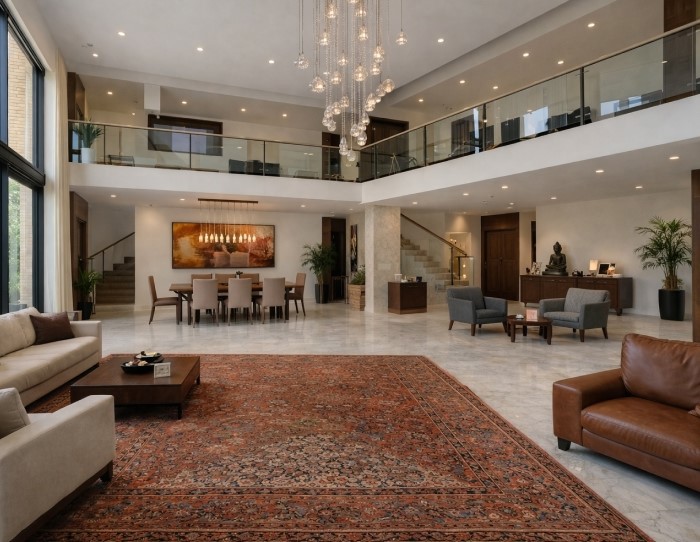
Without rugs and carpets, the room relies entirely on furniture placement to create order. In large spaces, that is rarely enough.
Start With Function, Not Style
The biggest mistake people make is choosing rugs based on appearance before understanding how the space is used. In open-concept homes, this almost always results in rugs that are too small, poorly placed, or competing with one another.
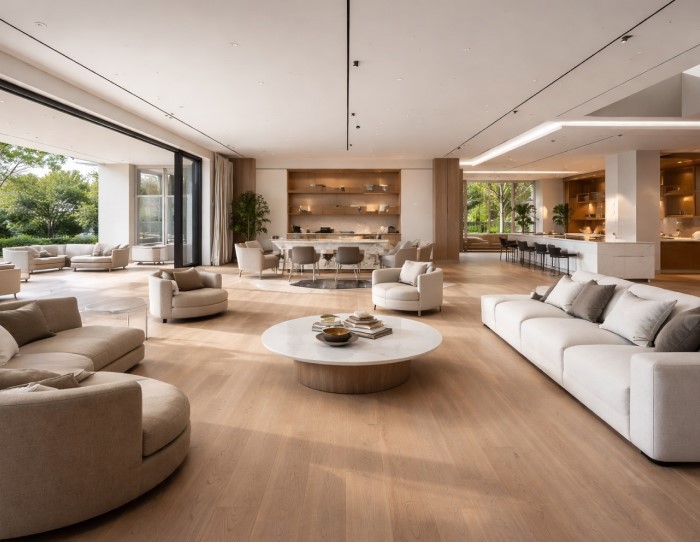
Instead, the first step is to identify the room’s functional zones. Most open layouts include at least a central living area and a dining area. Larger homes may also include lounge zones, reading corners, or informal seating areas. Nearly all open spaces include clear pathways for people to walk through the room daily.
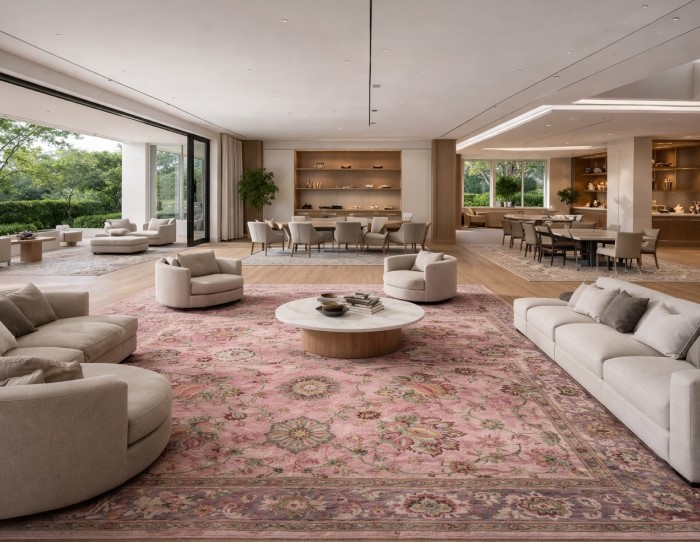
Each of these zones needs visual grounding. This is why an open floor plan with multiple area rugs in one room is not excessive. It is often necessary to establish boundaries, define comfort areas, and make the layout easy to navigate.
Once zones are clear, rug selection becomes much easier and more logical.
Choosing the Right Rug for the Living Area
The living area is usually the anchor of an open-concept space. It is often the largest zone and the one people interact with most. If this area is not grounded correctly, the entire room feels unsettled.
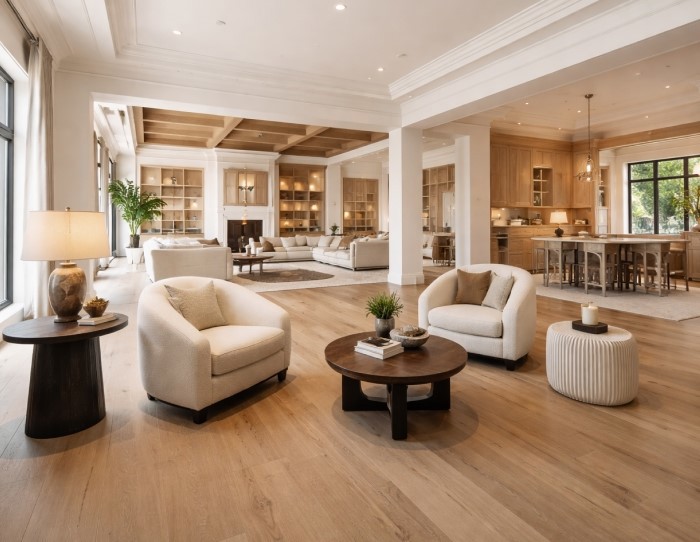
Size is the most critical factor. A rug that is too small will fragment the space rather than organize it. In most cases, the carpet should be large enough for at least the front legs of all seating furniture to rest on it. In huge rooms, placing all furniture entirely on the rug often works even better.
Pattern and color matter far less than proportion.
For living areas, hand-knotted rugs are a strong choice because they carry visual weight and age well in high-traffic zones. Hand-tufted rugs are often chosen for more relaxed homes where comfort underfoot is a priority.
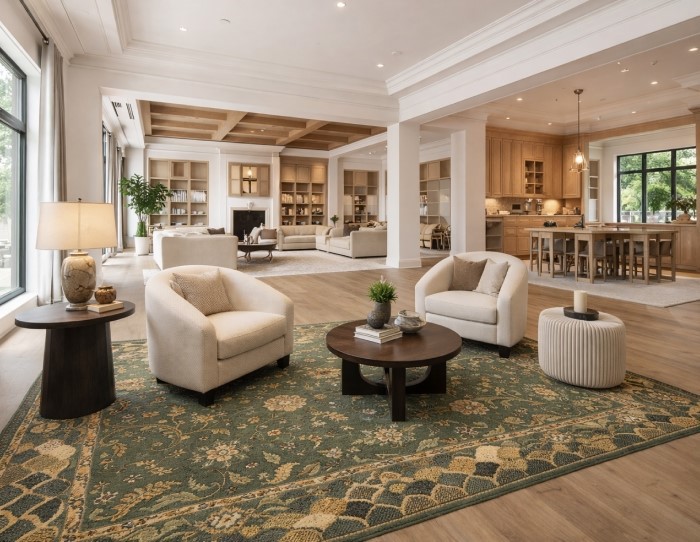
The living area rug sets the tone for the rest of the space. Other rugs should relate to it, not compete with it.
Defining the Dining Area Clearly
Dining zones often suffer in open layouts because they sit close to other functions. Without a rug, the dining table can feel like it belongs nowhere in particular.
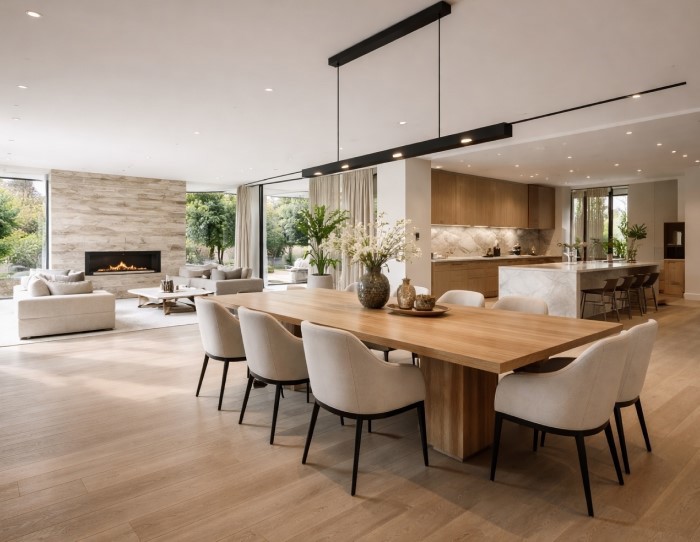
A dining rug establishes the eating area as its own zone while keeping the layout open. The key is choosing the right size and construction.
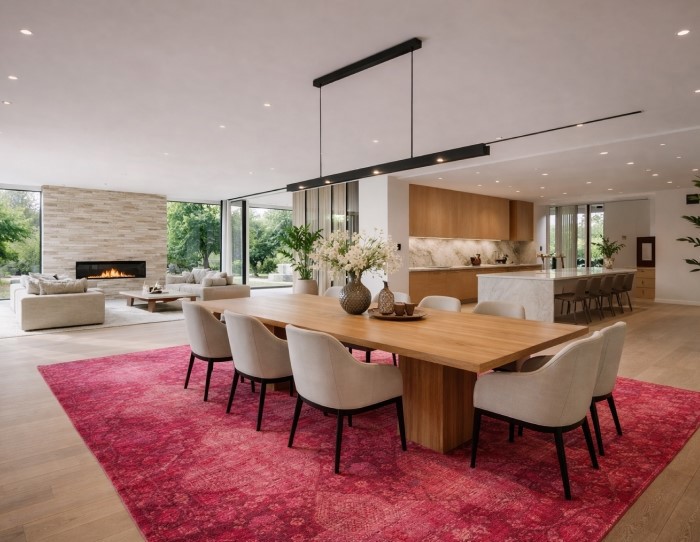
The rug must extend beyond the dining chairs on all sides, even when chairs are pulled out. If the chairs slip off the rug when in use, the rug is too small. Low pile or flatweave rugs are usually the most practical choice, as they are easier to maintain and allow chairs to move smoothly.
This is where modern rugs work exceptionally well, particularly in open layouts with clean architecture. When standard sizes don’t fit the table proportion properly, custom rugs become a practical solution rather than a luxury.
Using Multiple Rugs Without Overloading the Space
Many homeowners hesitate to use multiple rugs because they worry the space will feel busy or disjointed. This usually happens when rugs are chosen independently rather than as part of a system.
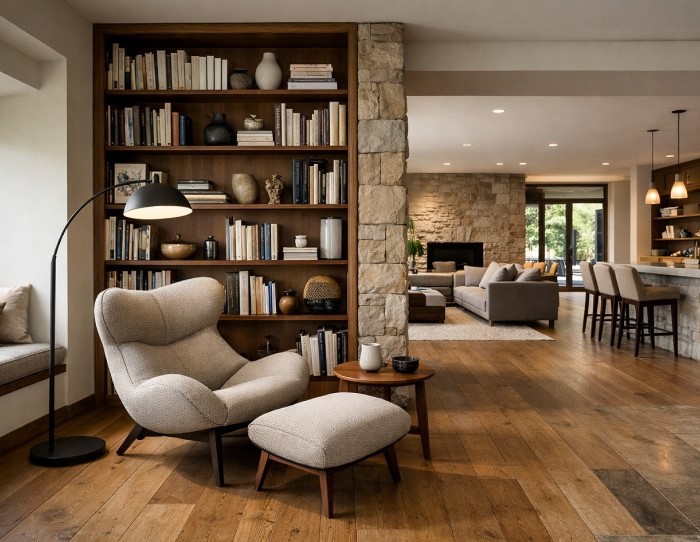
The difference between clutter and cohesion lies in coordination.
Matching rugs in an open floor plan can feel repetitive and flat. Identical designs repeated across zones remove hierarchy and make the space feel smaller.
Coordinating rugs in an open floor plan is far more effective. Coordination allows variation while maintaining balance.
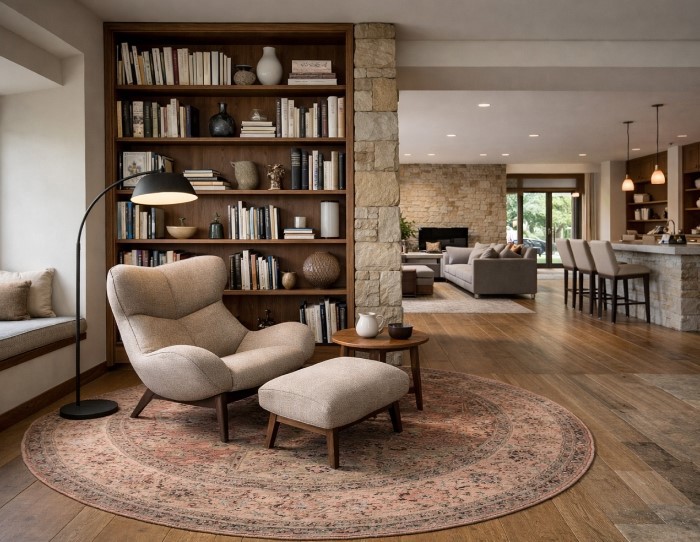
This usually means sharing a color palette, repeating tones rather than patterns, and varying textures rather than design complexity. One rug can be detailed and expressive, while others remain quieter and supportive.
Defining Movement and Circulation
Movement is one of the most overlooked aspects of open-concept planning. People walk through these spaces every day, yet circulation paths are rarely defined visually.
Without guidance, movement cuts through seating areas, making the space feel awkward and interruptive.
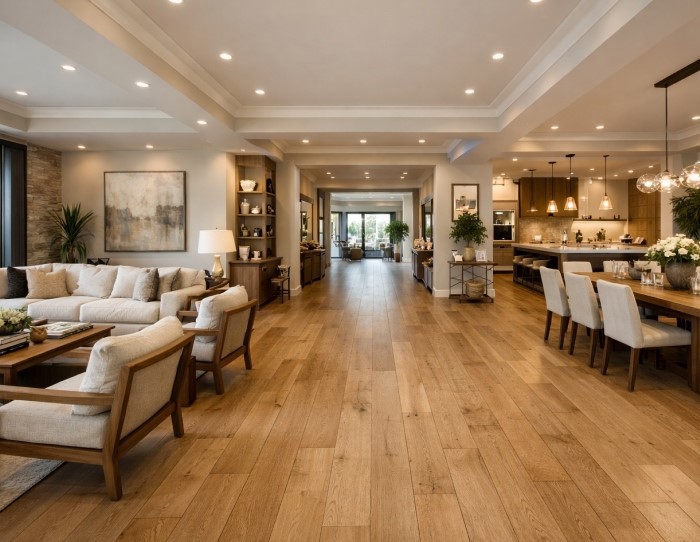
Runner rugs solve this problem quietly. They establish clear pathways and protect seating zones from foot traffic. In large homes, runners also help break down scale, making expansive rooms feel easier to navigate.
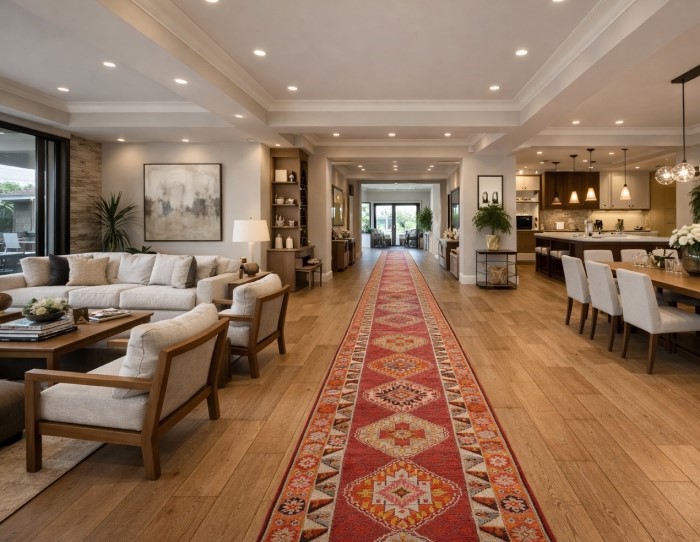
When selecting runners, keep designs restrained and align them with natural walking paths. Their job is to guide movement, not draw attention.
Creating Secondary Seating and Lounge Zones
Open layouts often include informal zones such as reading corners, lounges, or casual seating areas. These spaces tend to feel temporary when placed directly on bare flooring.
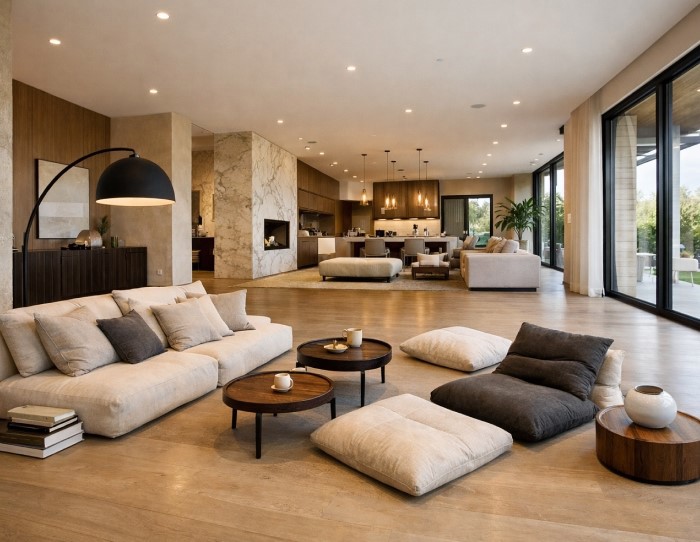
A smaller rug gives these areas a sense of permanence. It signals that the zone exists on purpose, not by accident.
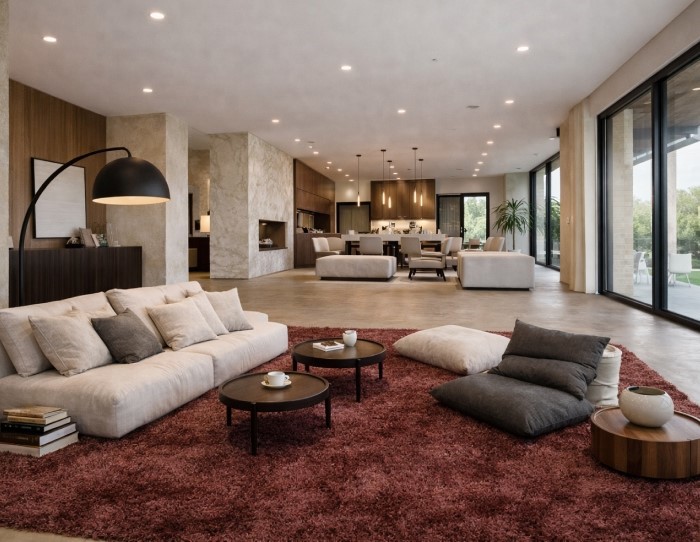
Texture becomes especially important here. This is where shaggy rugs or softer constructions work well. They visually separate relaxed zones from more formal areas and add comfort without competing with the main living room rug.
Mixing Rug Styles in an Open Space
Open-concept homes can support a mix of rug styles, but the mix needs structure.
It is possible to combine traditional rugs with modern furniture, or use antique rugs in contemporary homes, as long as there is a clear visual hierarchy. One rug should lead the space. Others should support it.
Antique and traditional rugs often make the best focal points, while simpler rugs work best in secondary zones.
The mistake is giving every rug equal visual weight.
Choosing Rug Types Based on Use
Different zones place different demands on rugs.
-
High-traffic areas benefit from hand-knotted rugs for their durability.
-
Casual seating zones often pair well with hand-tufted rugs or shaggy rugs.
-
Dining and circulation areas work best with low-pile or modern rugs.
-
Large or unusual layouts usually require custom rugs.
Selecting the right rug type for each zone improves both longevity and daily comfort.
Common Problems to Avoid
Some issues appear repeatedly in open-concept homes:
-
Rugs that are too small
-
Furniture is entirely placed off the rug.
-
Too many bold patterns are competing.
-
Ignoring circulation paths.
-
Choosing rugs independently rather than as a coordinated set.
Most of these problems stem from skipping the zoning step.
Final Thoughts
Open-concept spaces do not need more furniture or decoration. They need structure.
Rugs in open floor plan layouts provide that structure quietly and effectively. They define zones, guide movement, and make large spaces feel intentional.
When selecting rugs for an open-concept space, start with function, respect scale, and think in systems rather than individual pieces. When done well, the space not only looks better, it works better.
FAQs
What size rug should I choose for an open-concept space?
Living area rugs should fit under all seating or at least the front legs. Dining rugs should extend 24 inches beyond the table. Runners should follow natural walkways.
Can I layer rugs in an open floor plan?
Yes, but layer with coordination. Use one neutral base rug and a smaller patterned or textured rug to highlight zones.
How do I clean rugs in high-traffic areas?
Vacuum regularly, clean spills immediately, and consider professional cleaning occasionally. Durable fibers like wool are ideal.
Can rugs make a large open space feel cozy?
Yes. Rugs define zones and create intimate pockets, making expansive spaces feel grounded and inviting.
Should all rugs in an open-concept space match?
No. Coordinating colors, textures, or patterns works better than exact matches, keeping each zone distinct yet harmonious.
Which rug materials work best for open-concept spaces?
Wool and cotton are durable and comfortable. Shaggy rugs suit lounge areas; flatweaves are practical for dining and circulation zones.


Pic Credits
Jaipur rugs / Abil Dase
Share
-
 Facebook
-
 Twitter
-
 Email
Email
Related Posts
-
15 July 2026
- ∙
-
8 Min Read
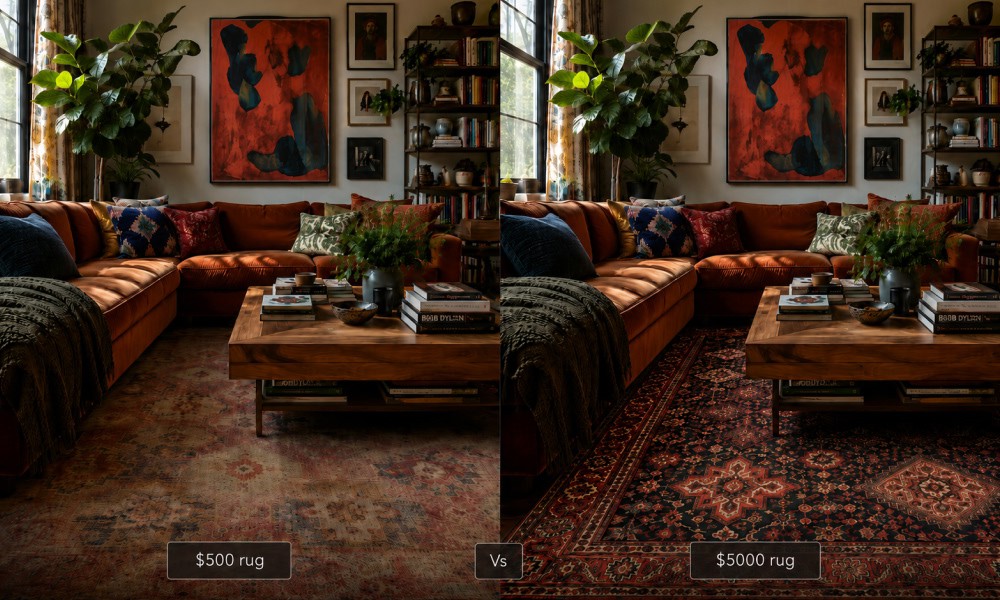
The $500 vs $5,000 Rug: An Honest Side-by-Side That No Brand Will Show You
Why do some rugs cost ten times more than others? This honest side-by-side looks at what actually separates a $500 rug from a $5,000 one: knot density, fiber quality, pile depth, and finishing. No brand bias, no marketing language. Just a clear breakdown to help you decide which one is worth it for your space and budget.
Read Article →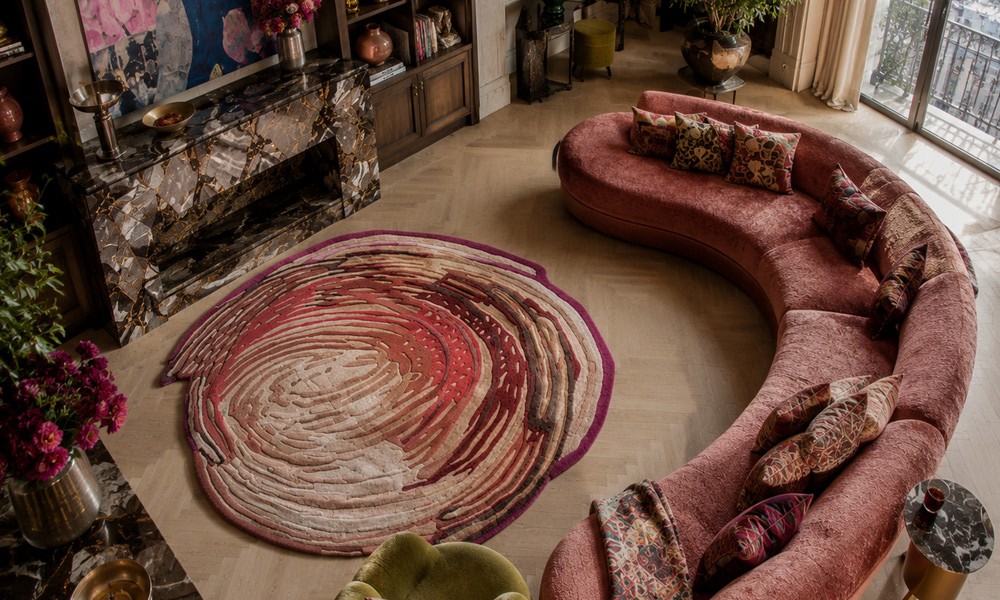
-
14 July 2026
- ∙
-
13 Min Read
3D Rugs and Sculpted Pile: The Tactile Design Trend Redefining Floors in 2026
The rug used to finish a room. Now it starts one. 3D rugs and sculpted piles are bringing real depth and tactile texture to interiors, from hand knotted relief patterns to optical illusion designs that stop you mid-step. This is what the trend is, why it matters, and how to buy it well.
Read Article →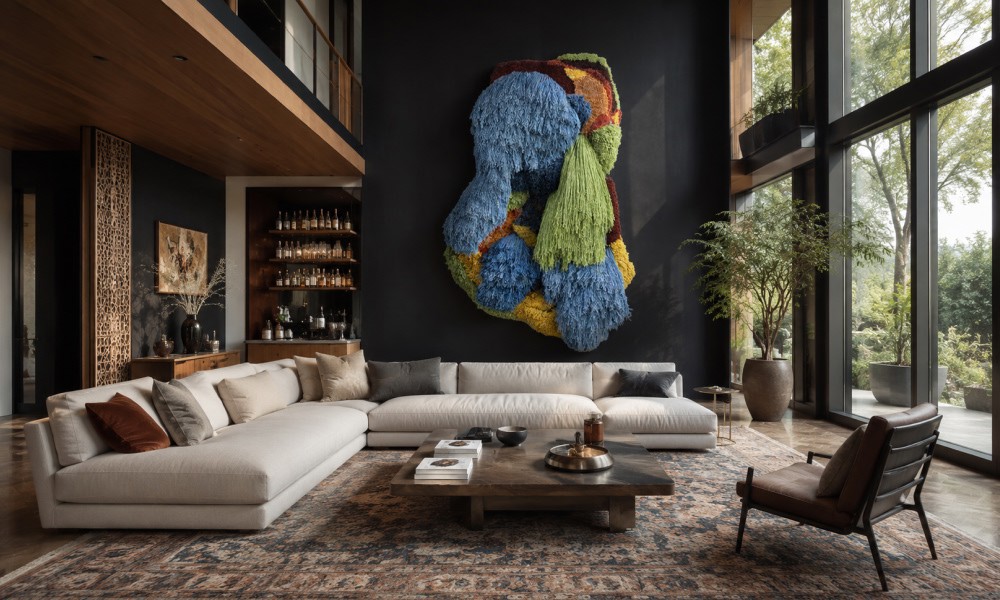
-
10 July 2026
- ∙
-
10 Min Read
How to Pair Indian Wall Art with the Right Rug Pattern: A Room-by-Room Guide
Choosing the right rug to go with your Indian wall art does not have to be guesswork. This guide breaks it down room by room, from the living room to the bathroom and outdoor spaces. Learn how to match colors, patterns, and scale so your wall art and rug always feel like they belong together.
Read Article →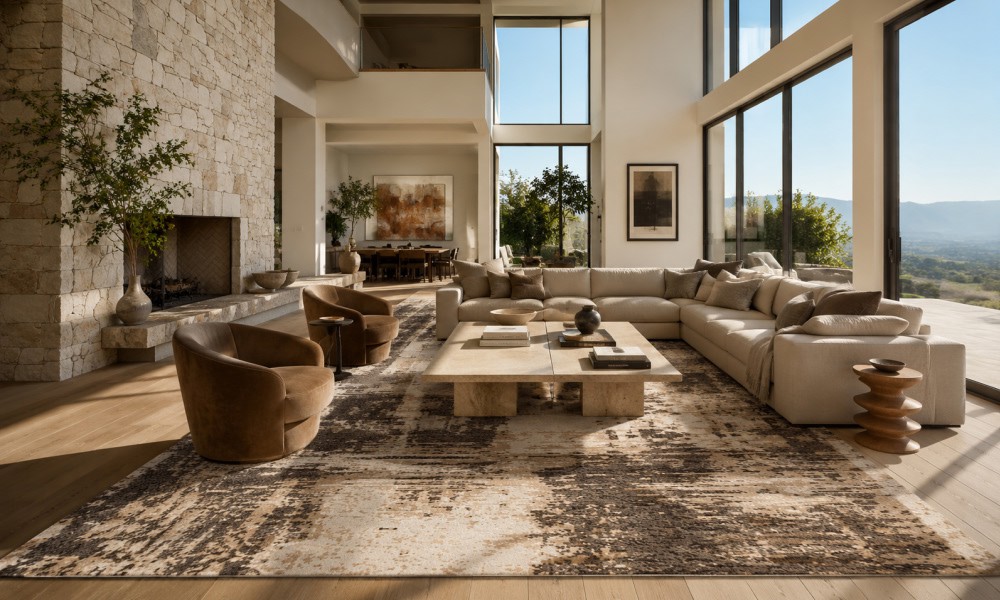
-
07 July 2026
- ∙
-
9 Min Read
How to Tell If a Rug Is Handmade: 7 Signs Experts Look For (Abrash Is One of Them)
Wondering how to know if a rug is handmade? Get an overview of 7 key characteristics that will help you identify if a rug is truly handmade and learn about its differences compared to machine-made rugs, and why they do not lose their value. Here is what to keep in mind when buying a handmade rug.
Read Article →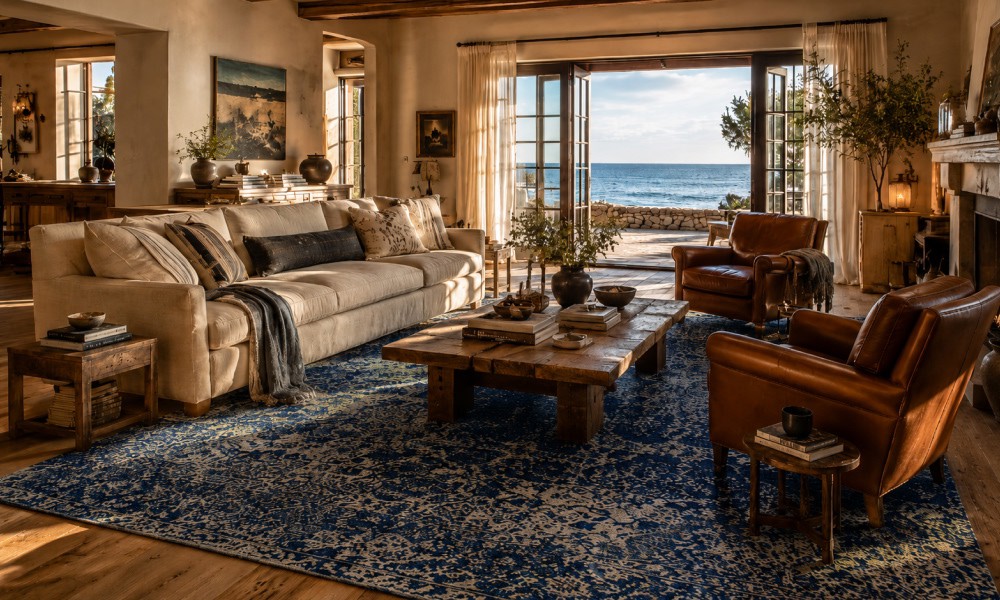
-
04 July 2026
- ∙
-
8 Min Read
Coastal Grandmother Is Evolving: The 2026 "Coastal Heritage" Aesthetic and the Rugs That Define It
The coastal grandmother design is progressing into something new and exciting by 2026. Coastal Heritage introduces texture, craftsmanship, and handmade elements to this popular design style. Here are the various rug types, colors, and decorating ideas to know about this classic coastal design trend.
Read Article →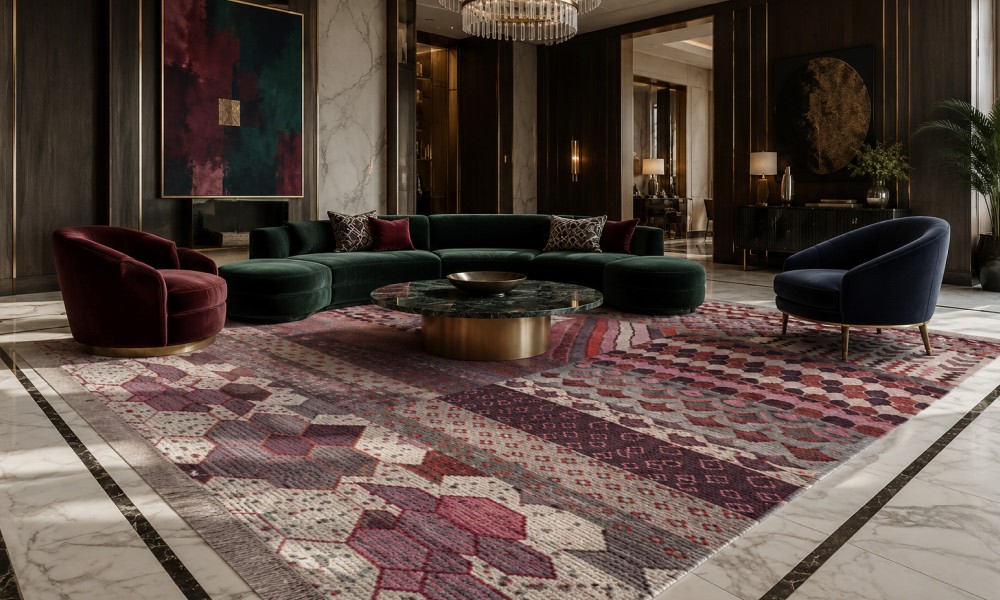
-
22 June 2026
- ∙
-
6 Min Read
Why Top Interior Designers are Switching to Indian Handmade Rugs
High-end interior designers have begun using handmade carpets from India in place of machine-made carpets to enhance their design portfolios and ensure product longevity. The following guide will help you understand why design professionals prefer Jaipur Rugs for creating customized, ethically produced wool-and-bamboo-silk carpet designs for luxurious homes.
Read Article →