You are on our International website. Please select your region to see content specific for your location





 Profile
 Orders
 Wishlist
 Change Password
 Logout


Latest Blogs
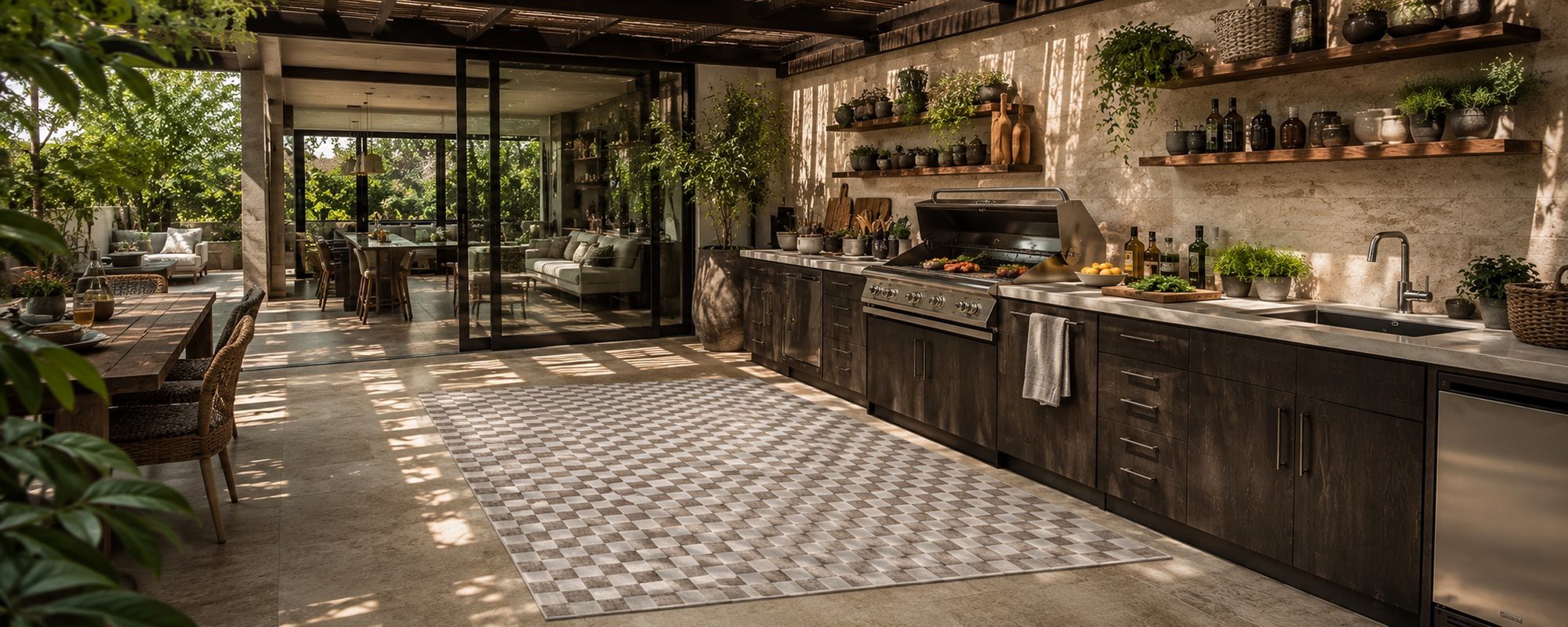
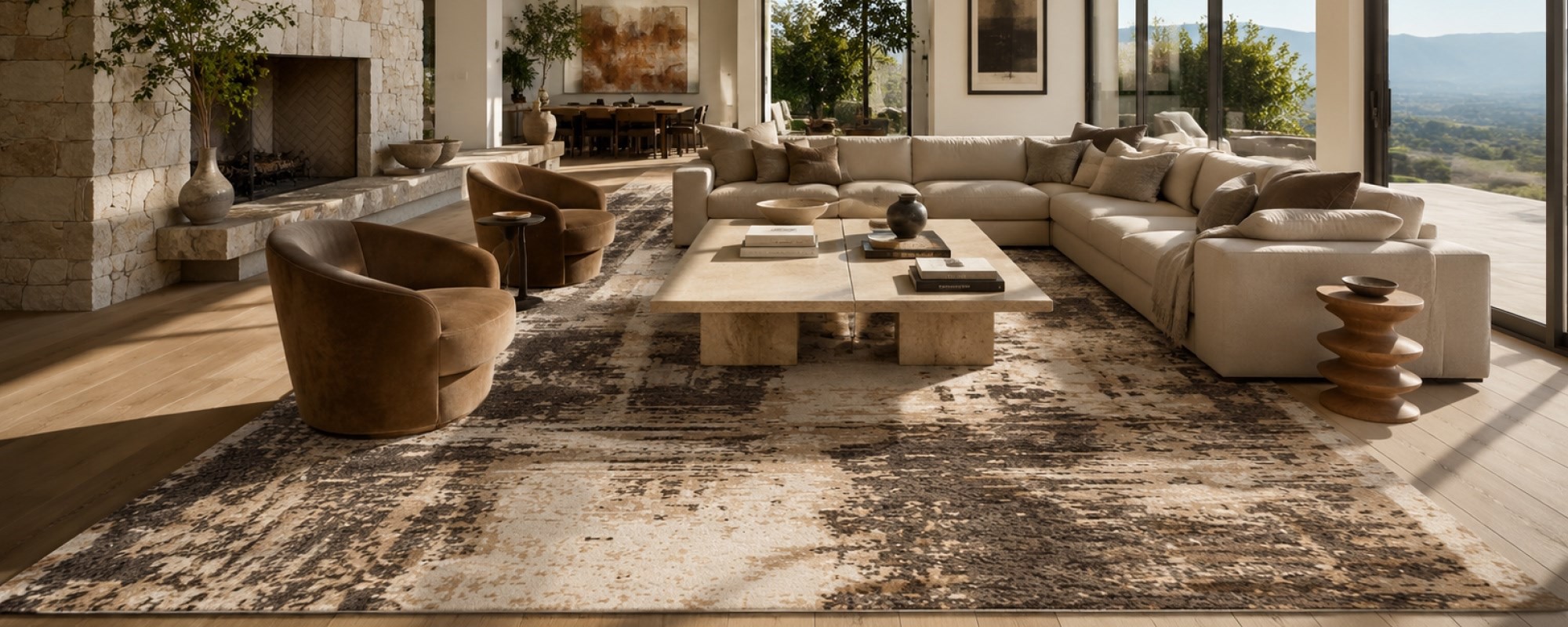
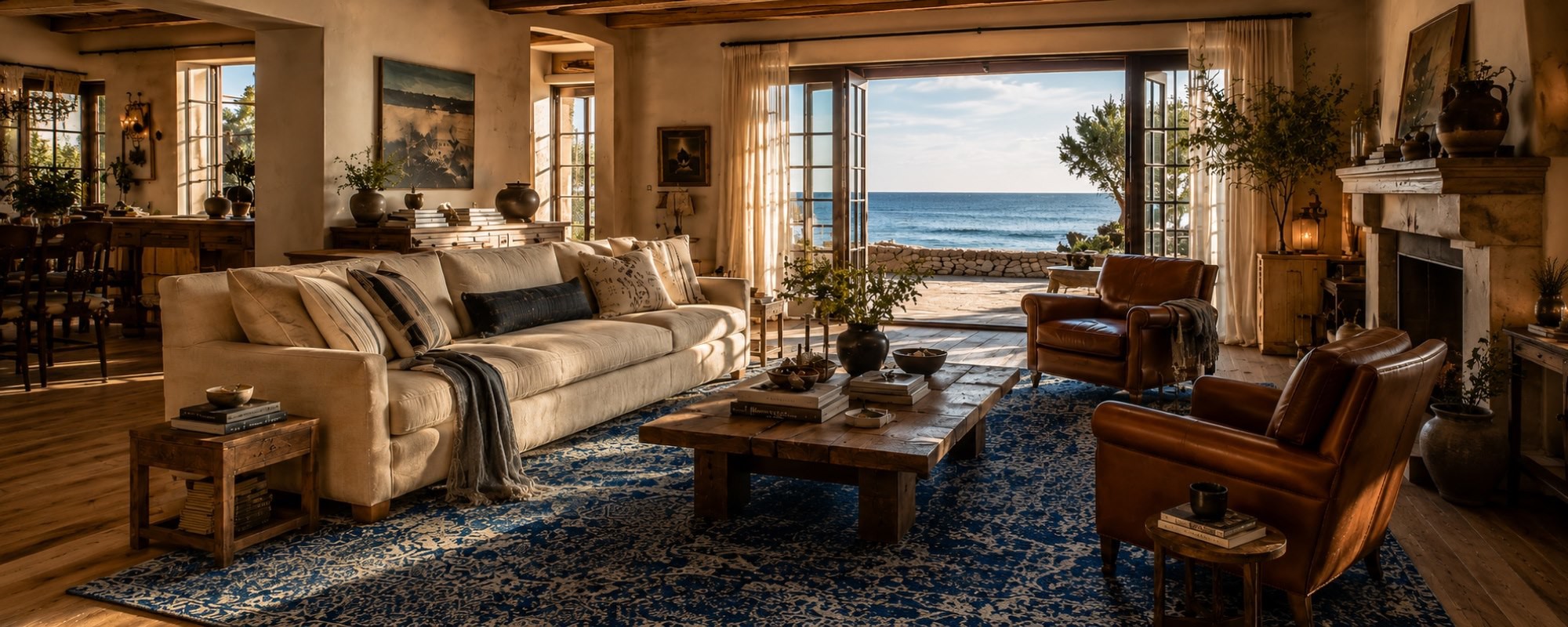
ideas and inspiration
Biophilic Interior Design: How the Right Rugs Complete the Look
- 12 January 2026
- |
- 7 Min Read
- |
- By Jaipur Rugs
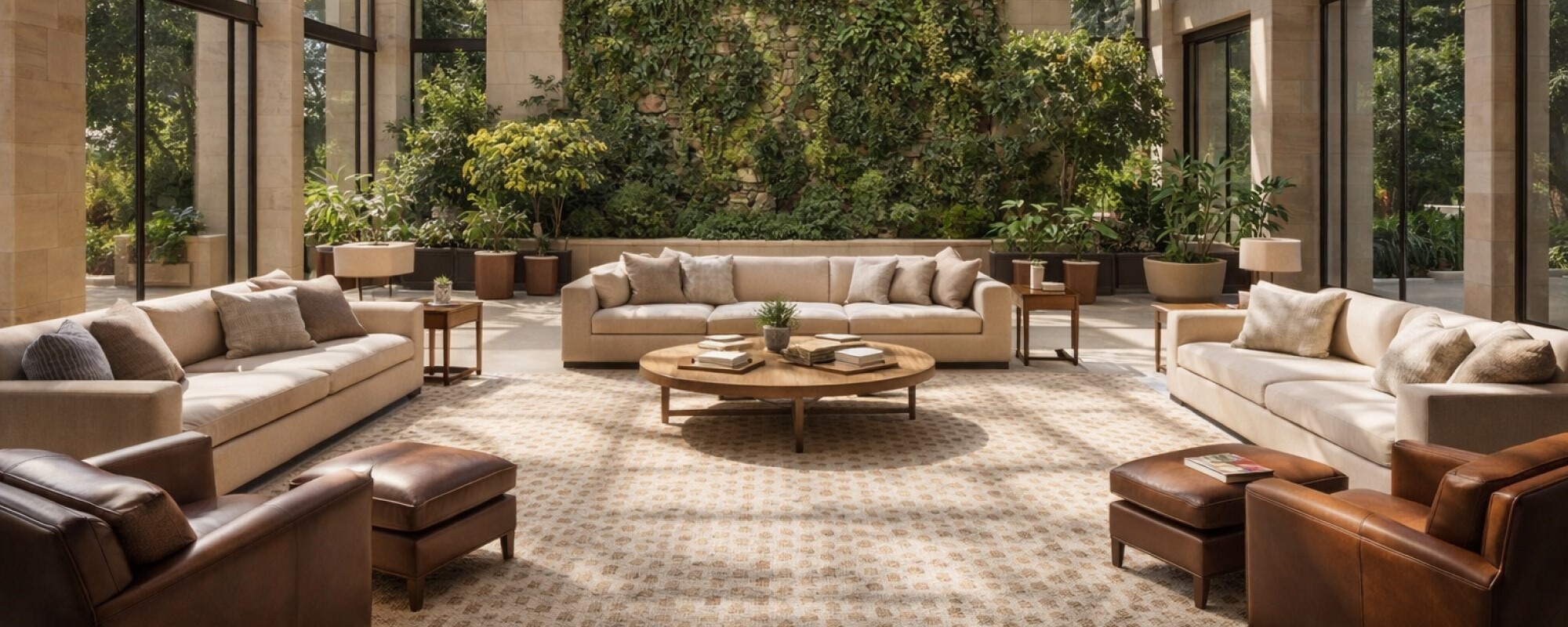
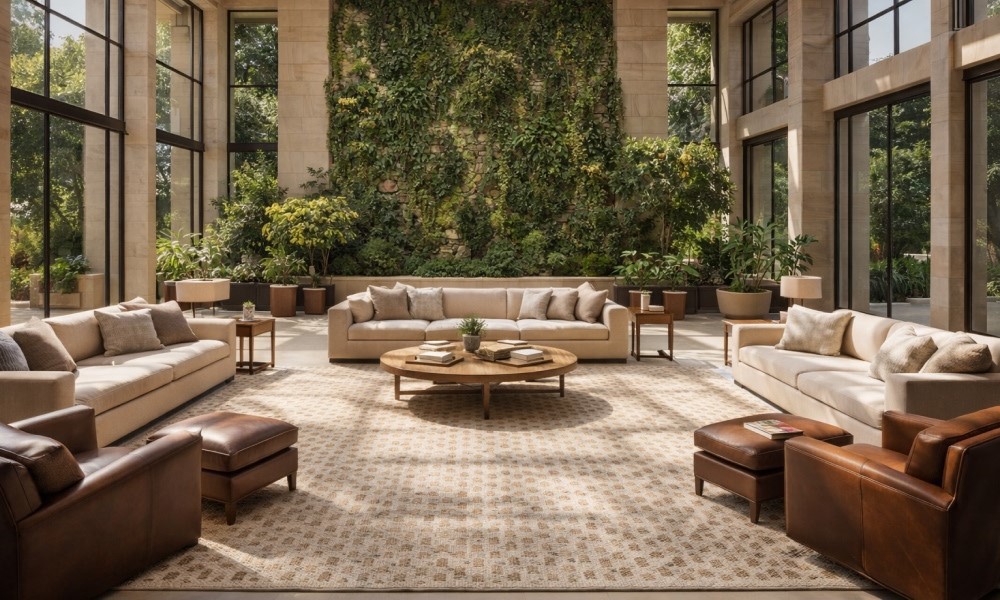
Biophilic interior design focuses on creating interiors that feel calm, grounded, and connected to nature. This guide explains the core principles of biophilic design and shows how rugs support these spaces through natural materials, texture, and thoughtful placement. With practical insights for living rooms and bedrooms, it helps you choose rugs that enhance comfort without overwhelming the space.
Homes are changing. People are paying closer attention to how their spaces make them feel, not just how they look. That shift has pushed biophilic interior design into the spotlight. It isn’t a style driven solely by visuals. It’s rooted in comfort, instinct, and the need to feel grounded indoors.
At its heart, this approach asks a simple question: how can interiors support the way humans are wired to live? Rugs and carpets play a quiet but essential role in answering that question, shaping how a space feels from the ground up.
What Is Biophilic Interior Design?
So, what is biophilic interior design really about?
It’s the practice of designing interiors that reconnects people with nature through materials, light, texture, and form. The idea stems from biophilia, our natural inclination to connect with the natural world. When translated into interiors, it creates spaces that feel calm, balanced, and human.
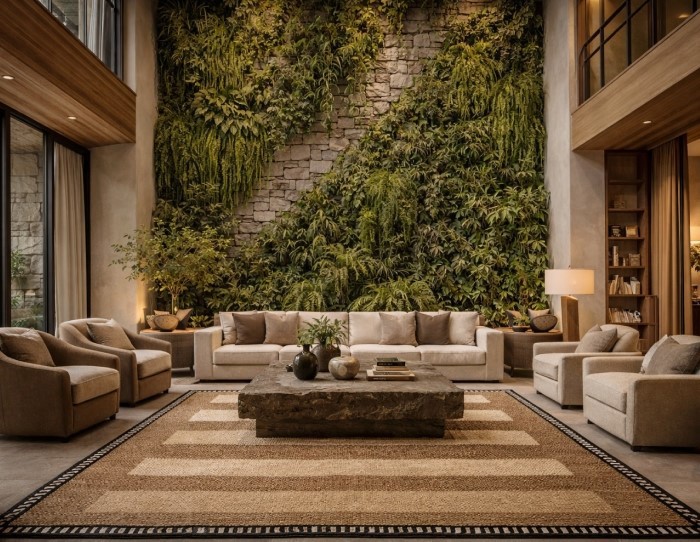
You’ll also see it described as biophilic design interior design, interior biophilic design, or simply biophilic interiors. The language shifts, but the intent stays the same. These spaces don’t try to impress. They try to support how people live, move, and rest.
Why Biophilic Design Matters Right Now?
Many people now live and work indoors for most of the day. That distance from nature shows up as fatigue, restlessness, or sensory overload. Biophilic design responds by slowing things down.
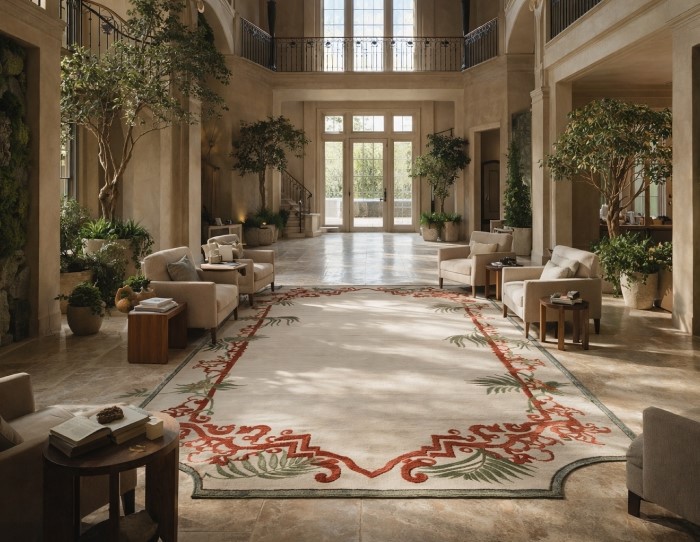
That’s why designers, homeowners, and architects keep asking, Is biophilic design a hot topic in interior design? The answer is yes, because it addresses well-being without relying on trends or excess.
The Thinking That Shapes Biophilic Interiors
A strong biophilic design interior usually rests on a few clear ideas.
-
First, connection. This doesn’t always mean large windows or garden views. It can be as simple as light shifting throughout the day or materials that remind you of the outdoors.
-
Second, authenticity. Natural materials show variation, and that variation matters. Perfect surfaces tend to feel cold. Imperfection feels human.
-
Third, visual calm. Nature layers gently. There’s contrast, but it’s never harsh. That’s why successful biophilic interior design often feels effortless, even though every element has been chosen carefully.
Why Are Rugs More Important Than They Seem?
Here’s the thing most people overlook. Floors shape how we experience space more than walls do.
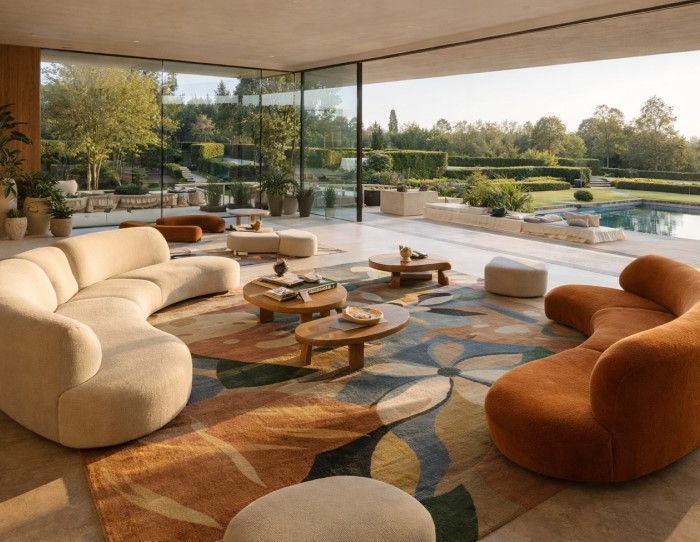
Rugs soften sound, slow movement, and visually anchor furniture. In a biophilic home, a rug functions almost like the room's landscape. It grounds everything else.
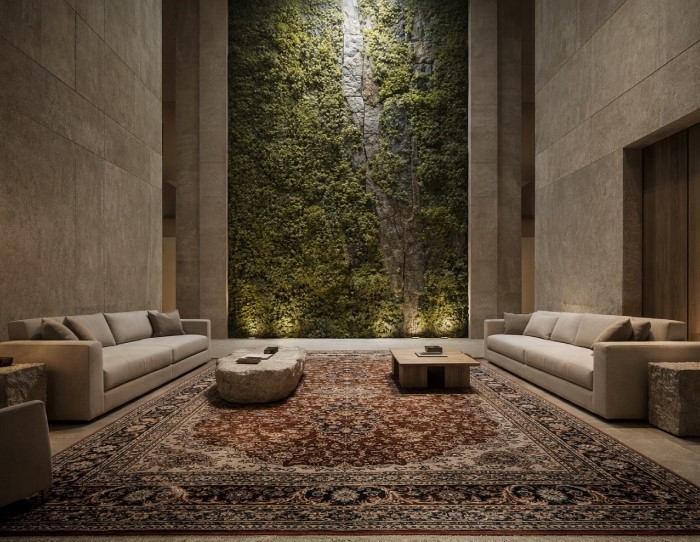
This grounding quality is why rugs play such a central role in interior biophilic design. Without them, even the most thoughtfully designed room can feel unfinished or slightly unsettled.
Choosing Materials That Feel Right Over Time
Material choice isn’t just about appearance. It’s about how something feels six months or five years later.
Wool rugs are often a natural fit for lived-in spaces. Wool adapts to temperature, handles wear gracefully, and feels comfortable without trying to stand out. It’s the kind of material you stop noticing because it just works.
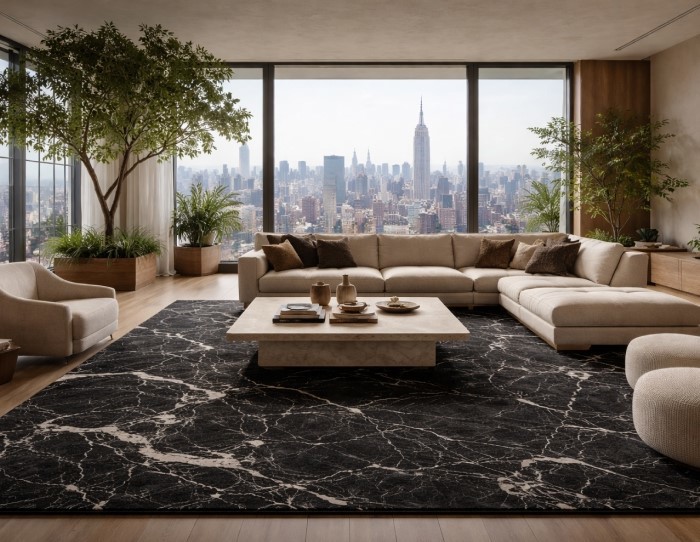
In more relaxed spaces, jute rugs bring a raw, earthy presence. They don’t aim for softness. They strive for honesty. That texture alone can change how a room feels.
There are also moments when a space needs subtle depth rather than warmth. Silk rugs can offer that through gentle light reflection and fine texture, especially in rooms that already have strong natural light.
For homes that sit somewhere in between, wool and bamboo silk rugs strike a quiet balance. They introduce contrast without visual noise, which is precisely what biophilic interiors need.
Why Does Craft Make a Difference?
Nature is never uniform, and biophilic spaces reflect that truth.
Hand-knotted rugs feature slight irregularities that make a room feel lived in rather than styled. No two are exactly alike, and that individuality matters more than people realize.
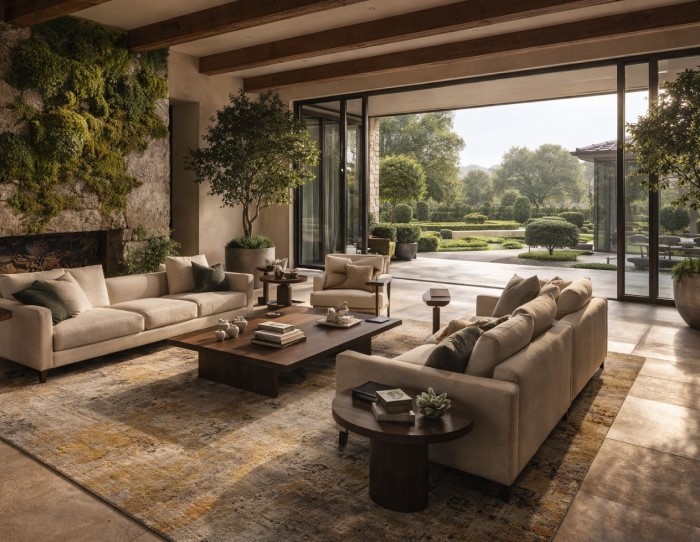
Hand-tufted rugs lean toward comfort and ease. They’re especially well-suited to homes where daily life takes priority, and the space needs to feel forgiving.
When rooms don’t follow standard proportions, custom rugs let the design respond naturally to the space rather than forcing awkward compromises. That flexibility supports the interior's overall calm.
Patterns That Don’t Overwhelm
Patterns in biophilic interiors are usually subtle. They suggest nature rather than illustrate it.
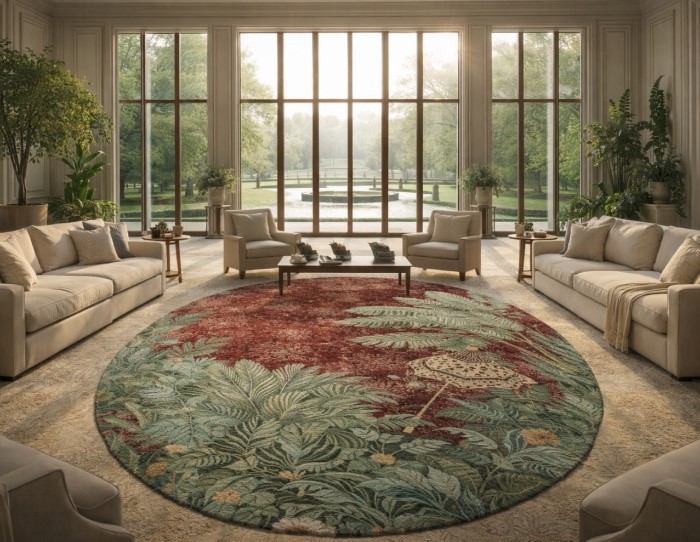
Organic movement, layered textures, and abstract forms work best. Even floral rugs can feel appropriate when the pattern feels grown rather than printed. The key is restraint. If a pattern draws too much attention to itself, it breaks the sense of ease.
Color That Helps a Space Settle
Color does a lot of quiet work in biophilic homes.
Nature-inspired palettes tend to sit comfortably with the eye. Soft neutrals, earthy tones, and mineral shades don’t compete for attention. They allow the space to breathe.
Rugs often carry this responsibility. When the room's base feels grounded, everything placed on top feels more intentional. This is one of those biophilic design ideas that works without announcing itself.
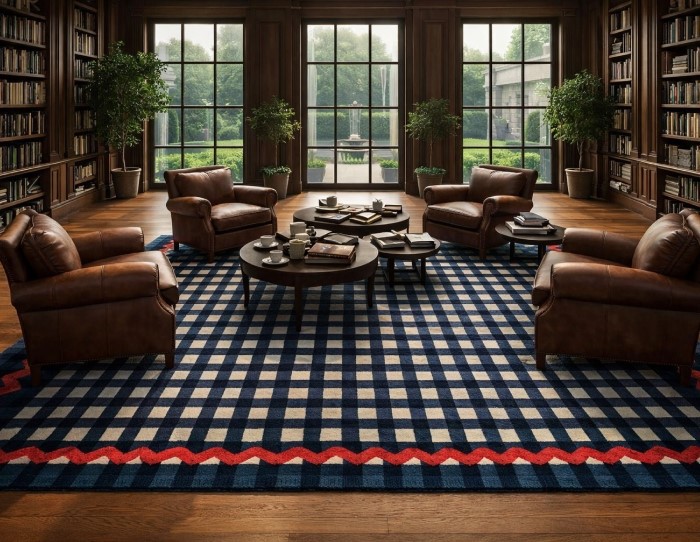
Living Rooms That Invite You to Stay
A well-considered biophilic interior design living room doesn’t feel staged. It feels usable.
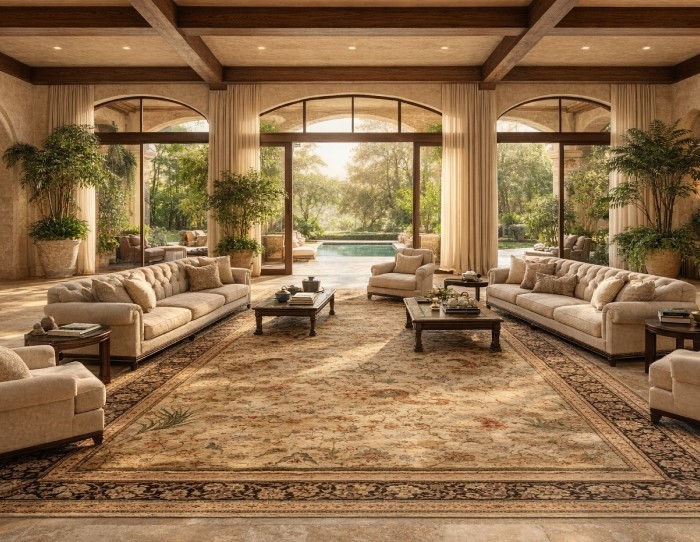
Large rugs that fully support seating areas help the room feel anchored. Natural textures keep the space interesting without clutter. This approach supports a relaxed biophilic living room design where people instinctively want to sit down and stay awhile.
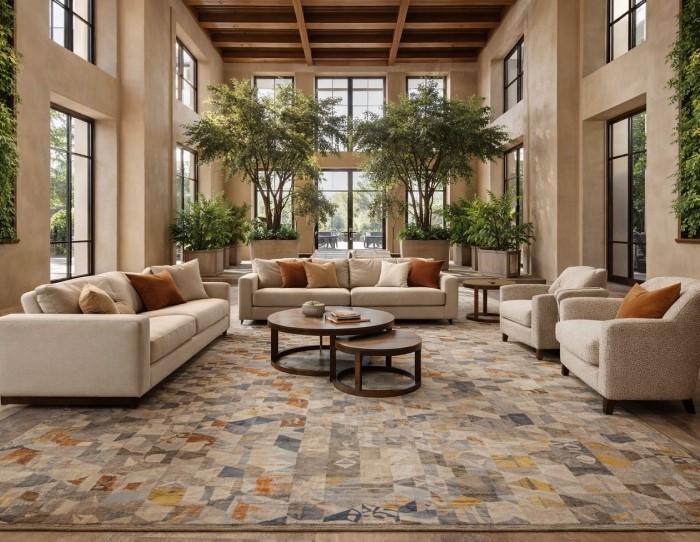
In darker homes, designers often turn to biophilic design, using low-light living room examples that rely on warmth, texture, and material depth rather than solely on plants.
Bedrooms That Encourage Rest
Bedrooms are where biophilic thinking becomes intensely personal.
A calm biophilic interior design bedroom focuses on softness, quiet, and sensory comfort. Rugs placed where your feet land first thing in the morning change how the room feels in subtle but meaningful ways.
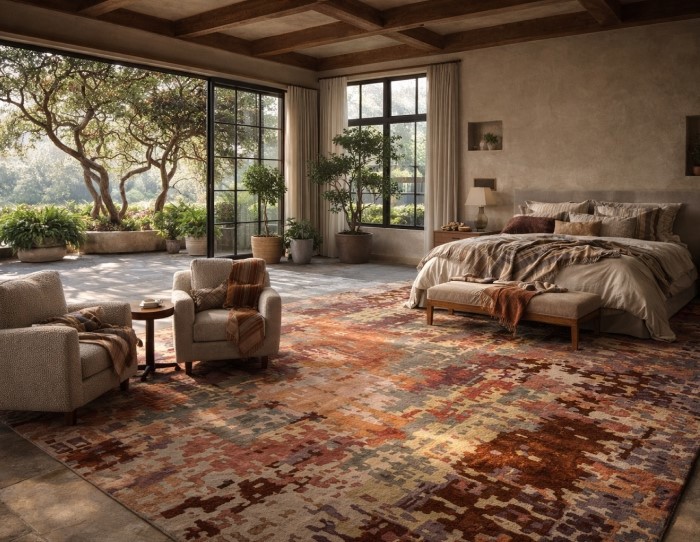
That attention to underfoot comfort supports true biophilic bedroom design, where rest feels natural rather than forced.
Looking Beyond Rugs
Rugs work best when they’re part of a wider material conversation.
Thoughtful biophilic home decor includes natural textiles, handcrafted objects, and finishes that age well. Biophilic design home decor isn’t about filling space. It’s about choosing fewer elements that genuinely contribute to comfort and balance.
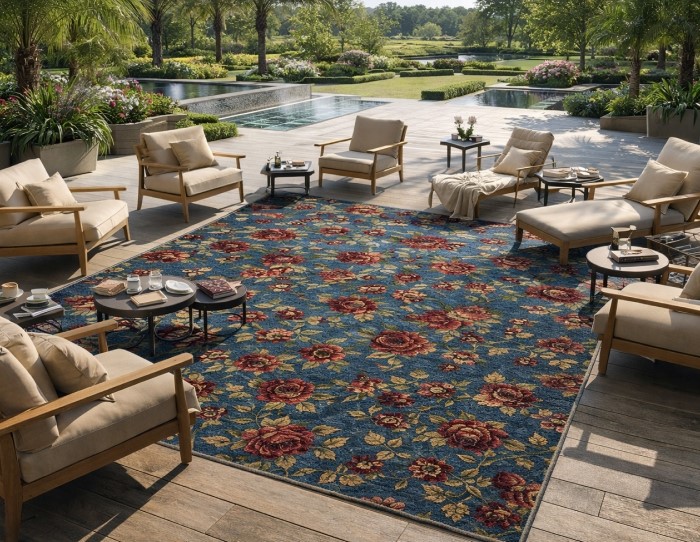
Even small details can act as biophilic decor when they echo nature through texture, form, or material.
Bringing Biophilic Design Into Your Own Home
If you’re wondering how to incorporate biophilic design without redoing everything, start with what you touch every day.
Floors, seating, and textiles shape your experience more than wall art or accessories ever will. Once those foundations feel right, the rest tends to fall into place naturally.
More Than a Design Style
At the end of the day, people keep asking what is biophilic design in interior design because they’re looking for more than a visual trend.
They’re looking for spaces that feel good to live in.
When interiors respond to nature instead of resisting it, they become calmer, more generous places. Rugs, chosen thoughtfully, help anchor that feeling quietly and consistently. And that’s what makes biophilic design endure.
FAQs
Does biophilic interior design work in small homes or apartments?
Yes. Biophilic design isn’t about space; it’s about choices. Natural materials, daylight, texture, and thoughtful layout can make even compact homes feel calmer and more open.
Is biophilic interior design expensive to implement?
Not necessarily. Many biophilic elements, like natural light, neutral palettes, or a well handmade rug, are one-time investments that don’t rely on constant updates.
Can biophilic design work without indoor plants?
Absolutely. While plants help, biophilic design also relies on materials, patterns, light, and tactile comfort. A space can feel biophilic even with no greenery.
How is biophilic interior design different from sustainable design?
Sustainable design focuses on environmental impact. Biophilic design focuses on human well-being. The two often overlap, but they are not the same thing.
Is biophilic interior design suitable for modern or minimalist homes?
Yes. Biophilic principles work especially well with clean layouts. Natural textures and materials add warmth without cluttering the space.
How long does it take to transition a home to biophilic interior design?
There’s no fixed timeline. Many people start with one room or one material change, like flooring or textiles, and build from there naturally.


Pic Credits
Jaipur rugs / Abil Dase
Share
-
 Facebook
-
 Twitter
-
 Email
Email
Related Posts
-
15 July 2026
- ∙
-
8 Min Read
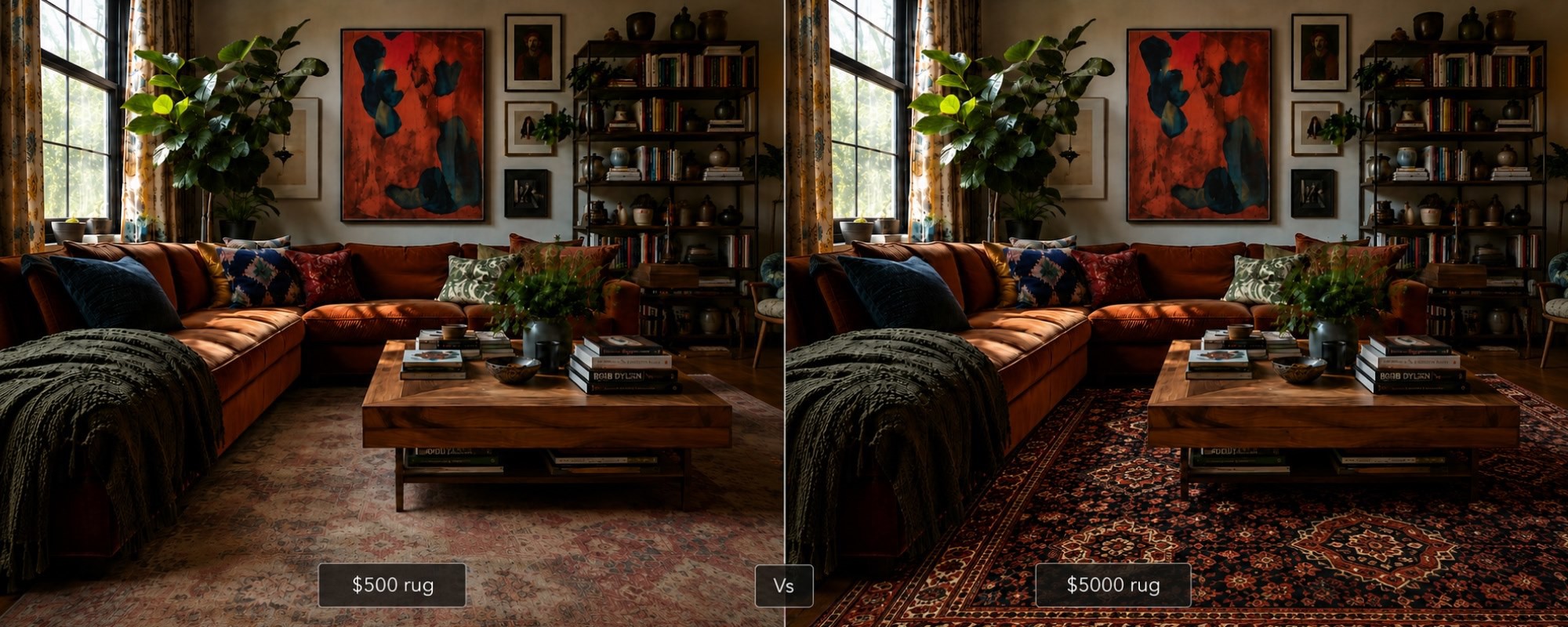
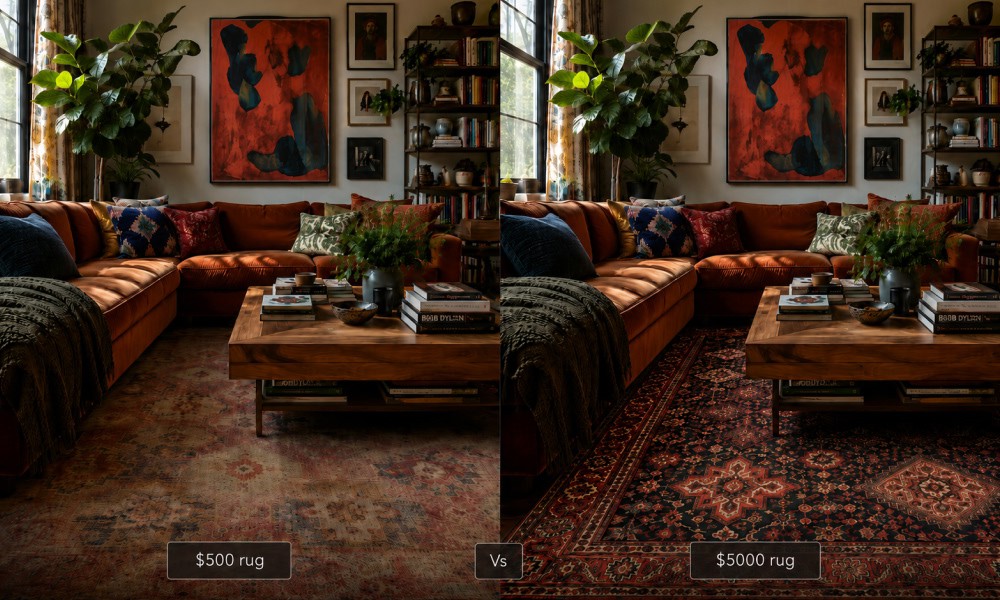
The $500 vs $5,000 Rug: An Honest Side-by-Side That No Brand Will Show You
Why do some rugs cost ten times more than others? This honest side-by-side looks at what actually separates a $500 rug from a $5,000 one: knot density, fiber quality, pile depth, and finishing. No brand bias, no marketing language. Just a clear breakdown to help you decide which one is worth it for your space and budget.
Read Article →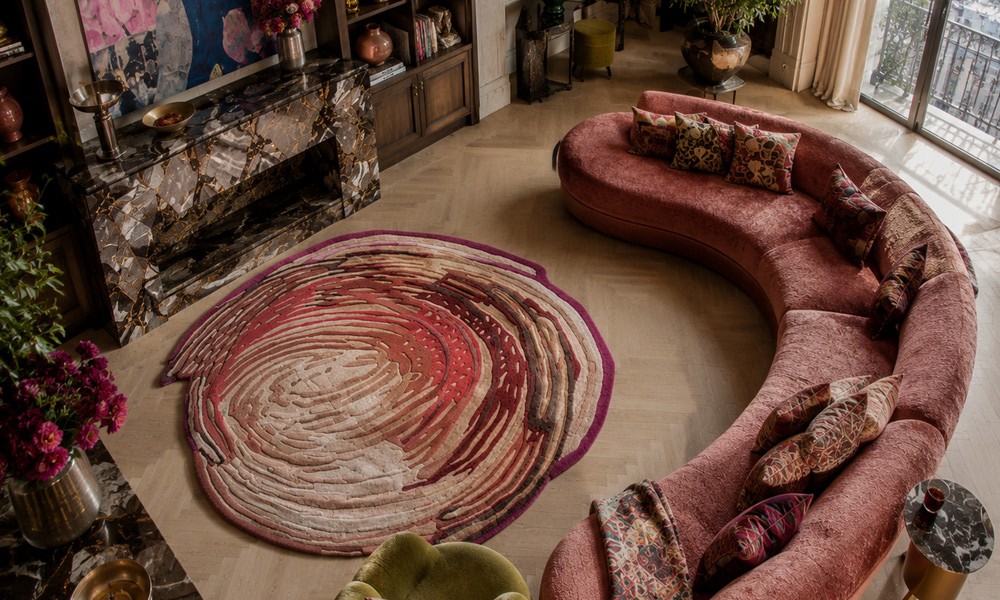
-
14 July 2026
- ∙
-
13 Min Read
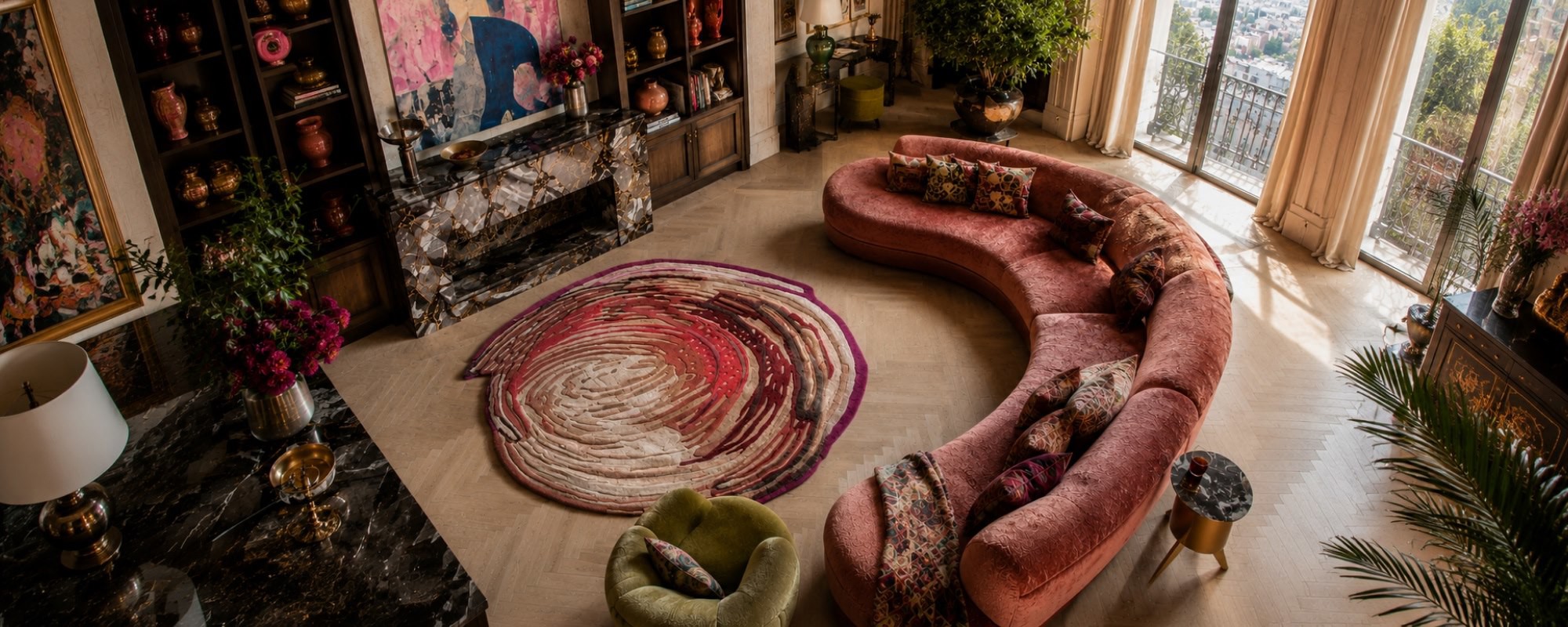
3D Rugs and Sculpted Pile: The Tactile Design Trend Redefining Floors in 2026
The rug used to finish a room. Now it starts one. 3D rugs and sculpted piles are bringing real depth and tactile texture to interiors, from hand knotted relief patterns to optical illusion designs that stop you mid-step. This is what the trend is, why it matters, and how to buy it well.
Read Article →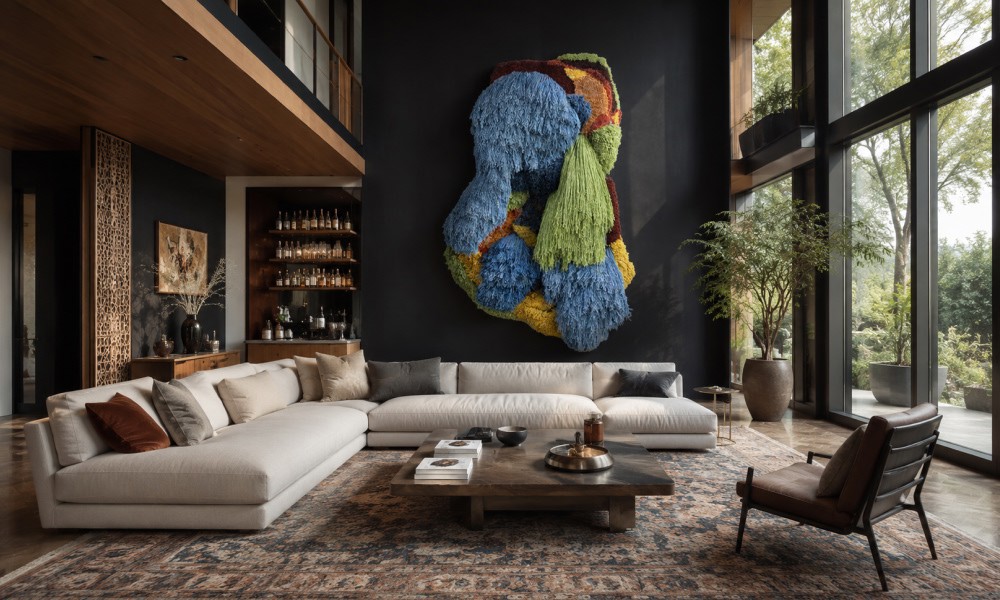
-
10 July 2026
- ∙
-
10 Min Read
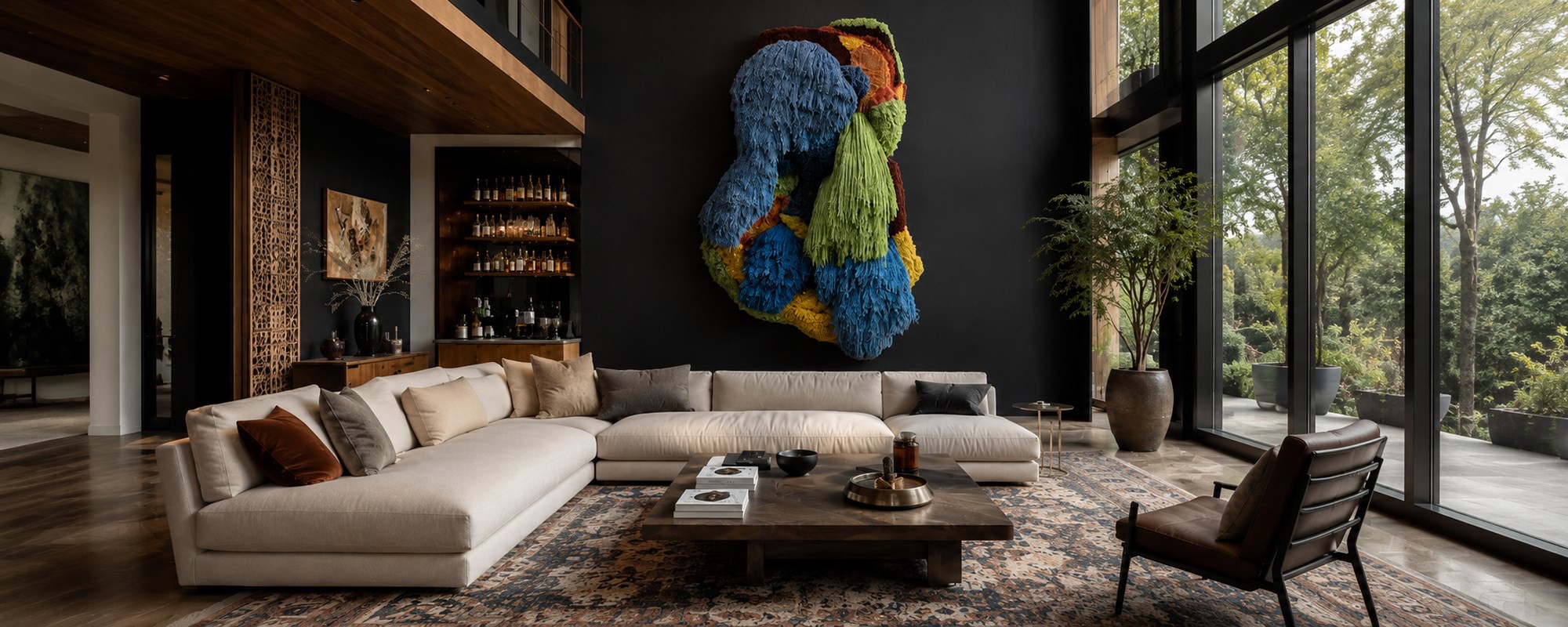
How to Pair Indian Wall Art with the Right Rug Pattern: A Room-by-Room Guide
Choosing the right rug to go with your Indian wall art does not have to be guesswork. This guide breaks it down room by room, from the living room to the bathroom and outdoor spaces. Learn how to match colors, patterns, and scale so your wall art and rug always feel like they belong together.
Read Article →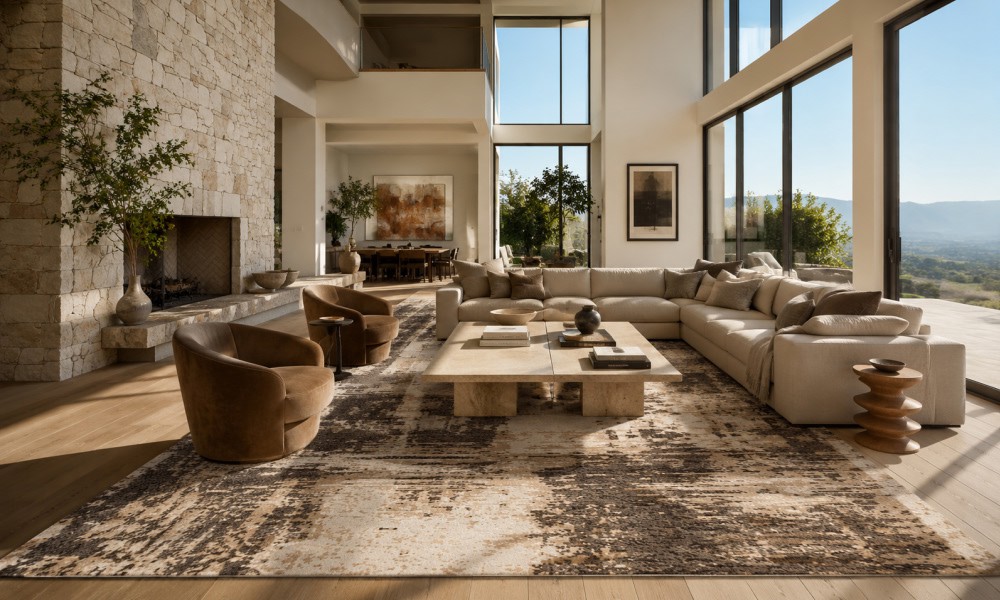
-
07 July 2026
- ∙
-
9 Min Read
How to Tell If a Rug Is Handmade: 7 Signs Experts Look For (Abrash Is One of Them)
Wondering how to know if a rug is handmade? Get an overview of 7 key characteristics that will help you identify if a rug is truly handmade and learn about its differences compared to machine-made rugs, and why they do not lose their value. Here is what to keep in mind when buying a handmade rug.
Read Article →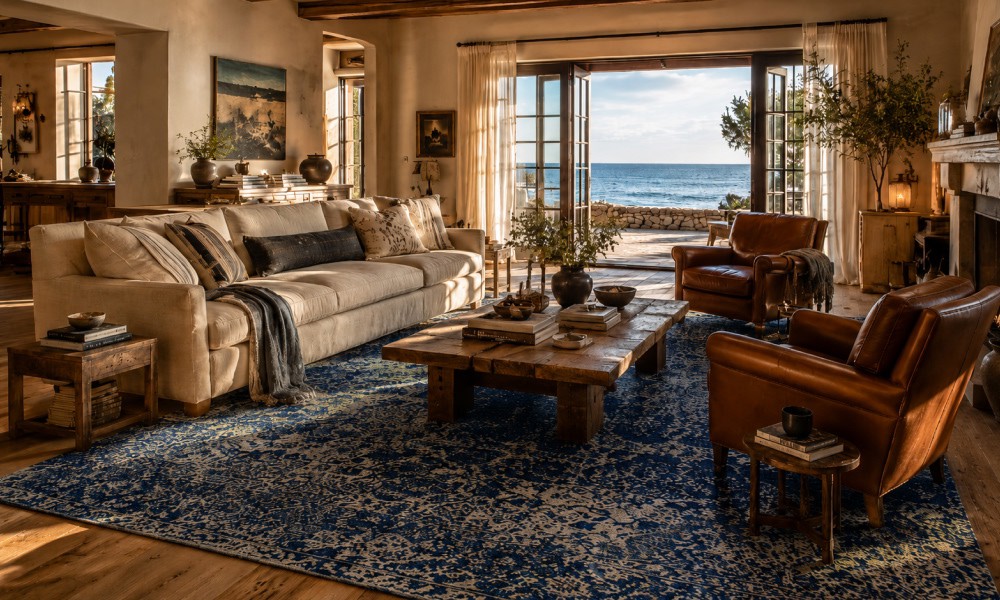
-
04 July 2026
- ∙
-
8 Min Read
Coastal Grandmother Is Evolving: The 2026 "Coastal Heritage" Aesthetic and the Rugs That Define It
The coastal grandmother design is progressing into something new and exciting by 2026. Coastal Heritage introduces texture, craftsmanship, and handmade elements to this popular design style. Here are the various rug types, colors, and decorating ideas to know about this classic coastal design trend.
Read Article →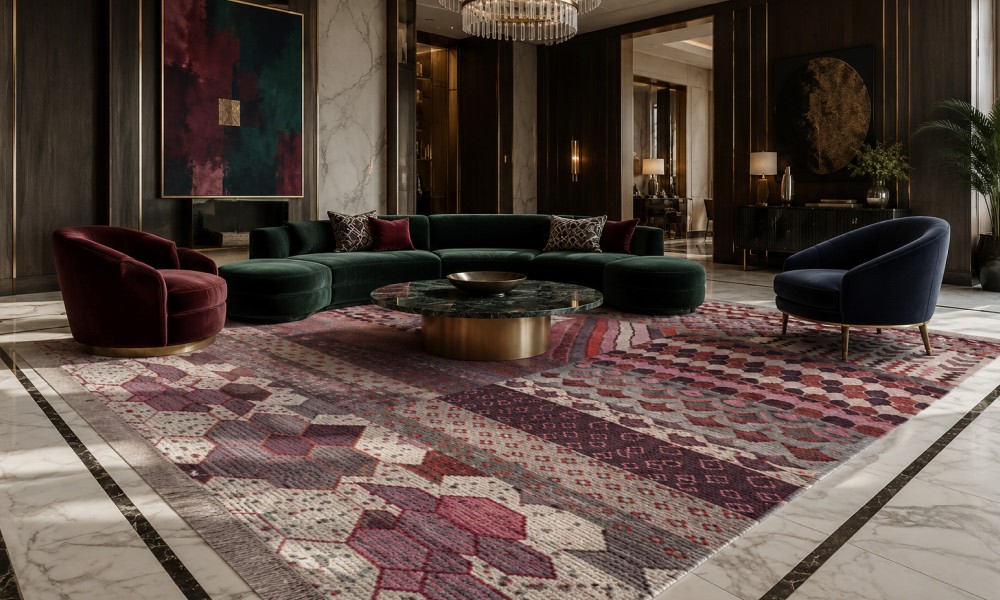
-
22 June 2026
- ∙
-
6 Min Read
Why Top Interior Designers are Switching to Indian Handmade Rugs
High-end interior designers have begun using handmade carpets from India in place of machine-made carpets to enhance their design portfolios and ensure product longevity. The following guide will help you understand why design professionals prefer Jaipur Rugs for creating customized, ethically produced wool-and-bamboo-silk carpet designs for luxurious homes.
Read Article →