You are on our International website. Please select your region to see content specific for your location





 Profile
 Orders
 Wishlist
 Change Password
 Logout


Latest Blogs

ideas and inspiration
Silk Carpets for Living Rooms: Smart Choice or Costly Mistake?
- 28 February 2022
- |
- 5 Min Read
- |
- By Jaipur Rugs
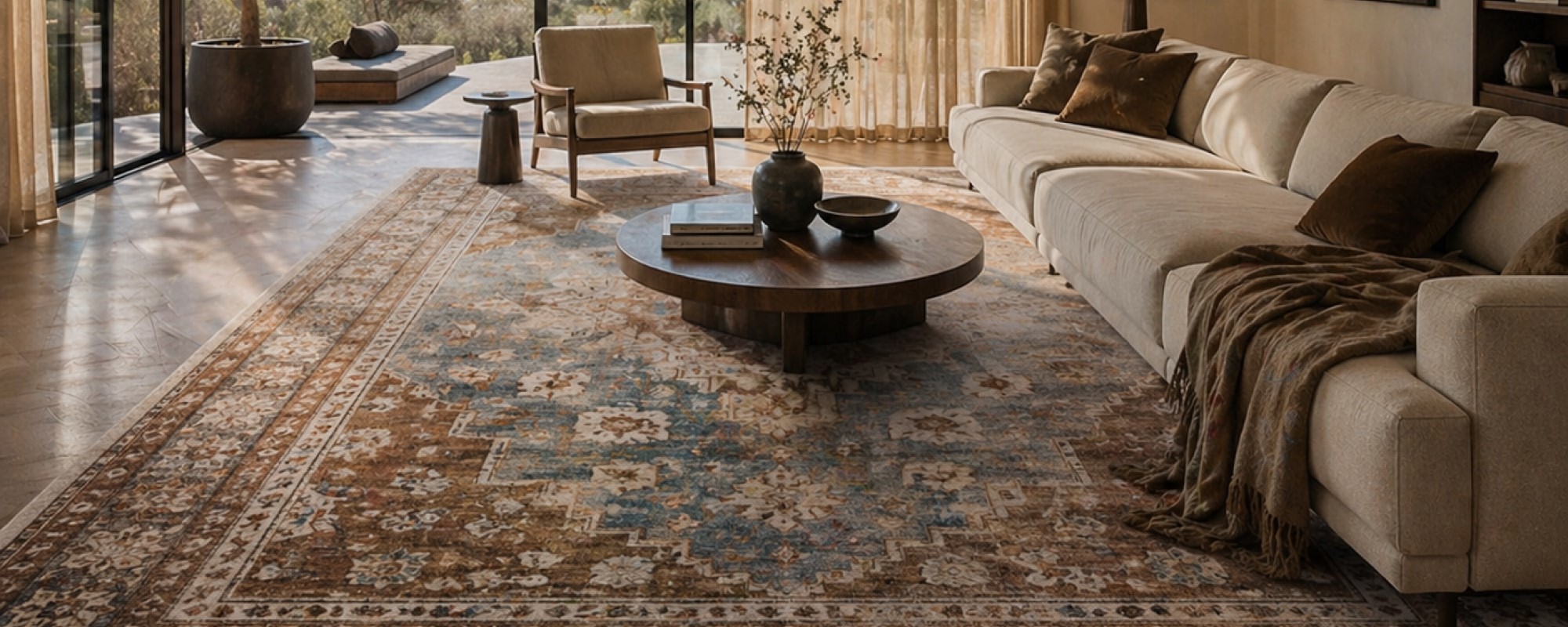
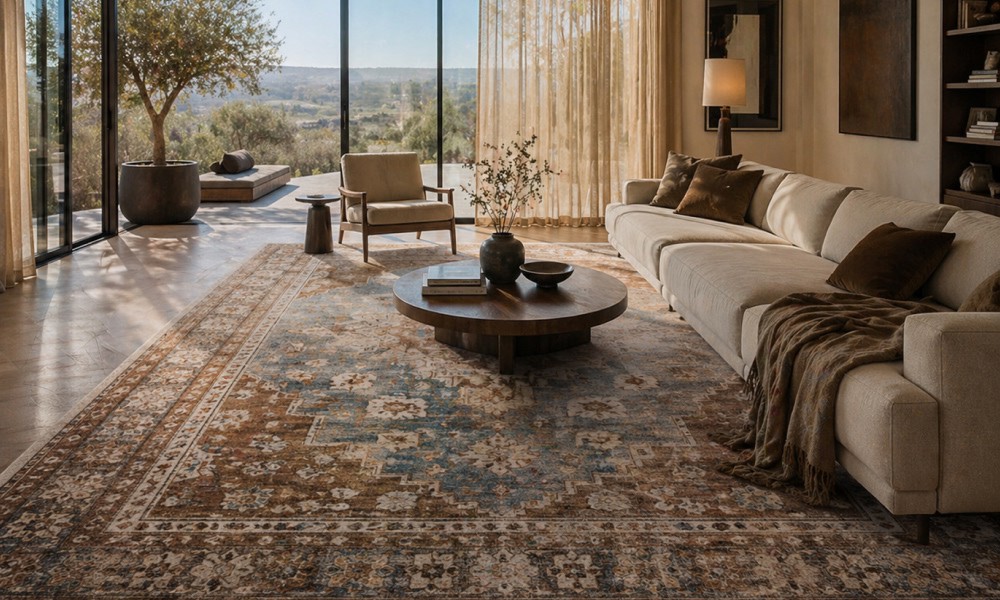
Silk carpets look impressive, but in the wrong living room, they wear out faster than you expect. Some spaces make them work. Most don’t. Before you buy, know exactly what separates the two.
Silk carpets carry a certain reputation. They look expensive, photograph beautifully, and instantly elevate a room on screen.
But here’s the friction point: they’re not always the smartest choice for real living rooms.
This guide doesn’t sell you silk. It helps you decide if silk deserves a place in your space.
What Makes Silk Carpets Different From Other Rugs?
Silk carpets differ in fiber, sheen, and knot density, making them finer but less forgiving than wool or synthetic rugs.
Silk behaves more like fabric than armor. It reflects light, changes tone based on angle, and allows extremely high knot density, which means sharper designs. But that finesse comes with trade-offs.
-
Silk vs Wool: Wool is resilient and hides wear; silk is delicate and shows everything.
-
Silk vs Viscose: Viscose mimics silk’s shine but crushes easily and degrades faster.
-
Knot Density: Silk carpets often exceed 300–600 knots per sq inch, enabling intricate patterns but reducing durability under pressure.
Does higher knot density mean better quality?
Not always. It means finer detail, not stronger performance.
Are Silk Carpets Actually Good for Living Rooms?
Silk carpets work in living rooms only if foot traffic is low and usage is controlled.
Silk is visually impactful but functionally selective. It performs well in formal spaces but struggles in high-activity zones where spills, friction, and sunlight are constant.
-
Benefits: rich detailing, light reflection, statement value.
-
Limitations: stains easily, compresses under weight, and is sensitive to moisture.
-
Durability truth: pure silk wears faster than wool in daily-use environments.
Can silk carpets handle daily use?
Light use, yes. Heavy traffic, no.
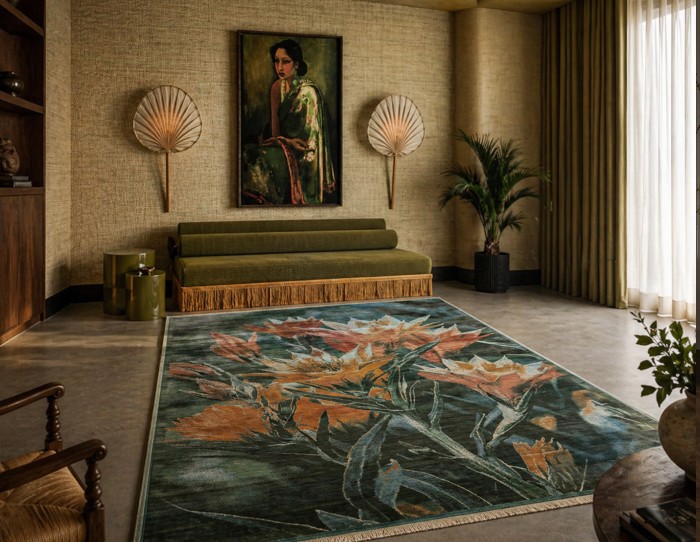
How to Choose the Right Silk Handmade Carpet?
Choose based on composition, room size, and visual function - not just material.
The smartest silk purchase is rarely 100% silk. Blends and placement logic matter more than fiber purity.
-
Size logic: Keep it proportional; silk oversized carpets increase wear zones.
-
Composition: Wool-silk blends offer durability with visual depth.
-
Pattern strategy: Dense geometric rug patterns mask wear better than open, minimal abstract rug designs.
Is pure silk always better than blends?
No. Blends often perform better in real homes.
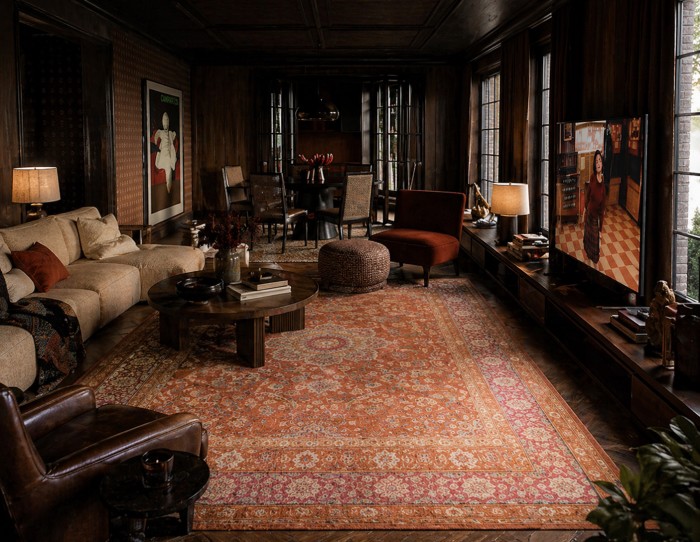
How to Verify Real Silk Carpets?
Real silk carpets can be identified through fiber behavior, weave clarity, and controlled testing, not risky shortcuts.
The commonly suggested burn test exists, but it’s impractical and unsafe for buyers. There are better ways to verify authenticity without damaging the rug.
-
Touch test: silk feels smooth but slightly warm, not slippery like synthetics.
-
Light test: silk shifts color with angle; viscose looks flat or overly glossy.
-
Weave check: high-definition detailing on the back indicates fine craftsmanship.
-
Seller transparency: origin, knot count, and fiber composition should be clearly stated.
Should you use the burn test?
No. It risks damage and isn’t necessary if you buy from credible sources like Jaipur Rugs.
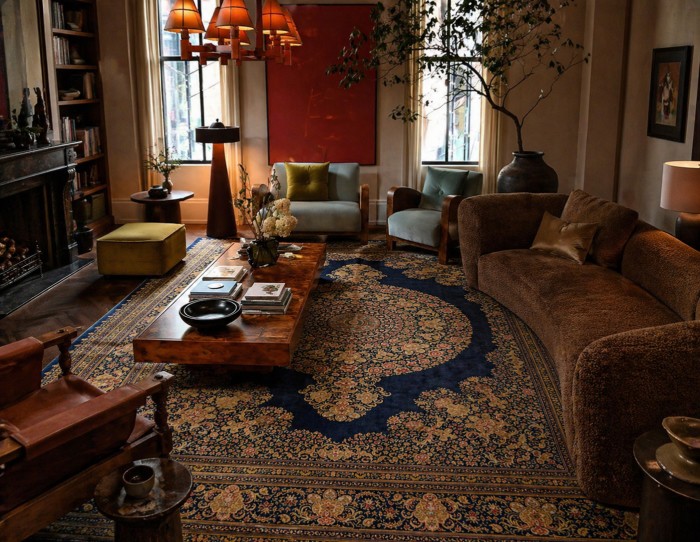
Where Silk Carpets Work Best And Where They Don’t
Silk area rugs belong in low-traffic, controlled environments - not active family zones. Placement determines whether a silk carpet becomes a centerpiece or a regret.
-
Works best in: formal living rooms, seating areas with limited use, and display zones.
-
Avoid in: entryways, TV rooms, homes with pets or children.
-
Sunlight factor: prolonged exposure can fade silk unevenly.
Can you place silk carpets under furniture?
Yes, but avoid heavy, frequently moved pieces.

Should You Buy a Silk Carpet?
If your home is calm, controlled, and sees limited daily movement, a silk designer carpet can work well. It holds its appearance and detail when the environment is stable.
If your home is busy, frequently used, or exposed to spills and constant foot traffic, a silk modern carpet is not the right choice. It will wear faster and demand more maintenance than most people expect.
Summing Up...
Silk hand knotted carpets aren’t for every home. That’s exactly why they work.
When placed in the right setting, they don’t just sit under furniture. They control how the entire room is perceived. Light shifts, patterns sharpen, and suddenly the space feels intentional, not accidental.
But here’s the edge most people miss: the impact of silk isn’t in how it looks on day one. It’s in how well it holds that impact over time when used correctly.
If your space can support it, a silk carpet isn’t an upgrade. It’s a statement that everything else in the room aligns.
If it can’t, forcing it will only highlight the mismatch.
Choose it when your space is ready for it.
That’s when it stops being decor and starts doing real work.
FAQs
Are silk rugs worth the money?
Silk rugs are worth it when used in low-traffic, controlled spaces where their detail and finish can be preserved. If used in busy areas, the higher cost rarely translates into long-term value.
How can you tell if a silk rug is real or fake?
Check the back of the rug. Real silk shows sharp, high-definition detailing on both sides. The fibers feel smooth but not slippery, and the color shifts slightly with light. Most “silk” rugs in the market are actually viscose or blends, so always verify fiber composition.
What is the difference between silk and art silk rugs?
Silk is a natural fiber produced by silkworms, while “art silk” refers to synthetic or semi-synthetic materials like viscose that imitate the look. Art silk is cheaper but less durable and more prone to wear.
Are silk rugs durable for everyday use?
Silk fibers are strong but not suited for constant friction. In everyday, high-traffic use, silk rugs wear faster than wool and show damage more easily.
Why are silk carpets so expensive?
Silk carpets require extremely fine hand-knotting, often with very high knot density. This increases the time, skill, and labor needed to produce each piece, which directly raises the cost.
What are silk rugs made of?
Silk rugs are made from natural silk fibers extracted from silkworm cocoons. These fibers are thin, smooth, and capable of holding very fine, detailed weaves.
Which is better, wool or silk rug?
Wool is better for durability and daily use. Silk is better for detailed patterns and visual impact. The right choice depends on how the rug will be used.
Do silk rugs last long?
Silk rugs can last for years if placed in low-traffic areas and maintained properly. In high-use spaces, their lifespan is significantly shorter compared to wool.
Can silk rugs get wet?
Silk rugs should be kept away from moisture. Water can weaken the fibers, cause staining, and lead to permanent damage if not handled correctly.
Are silk rugs good for living rooms?
Silk rugs work in formal living rooms with limited use. They are not suitable for active spaces with frequent foot traffic, pets, or spills.


Pic Credits
Jaipur rugs / Abil Dase
Share
-
 Facebook
-
 Twitter
-
 Email
Email
Related Posts
-
15 July 2026
- ∙
-
8 Min Read
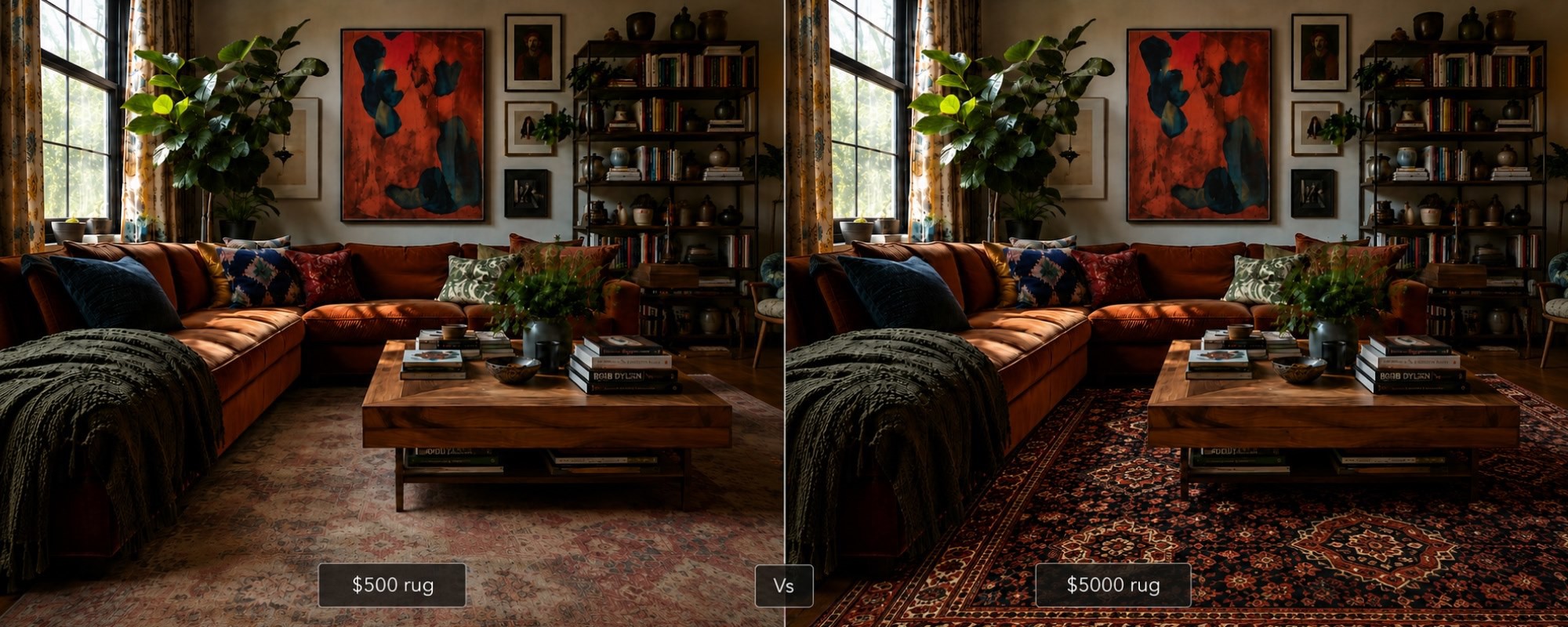
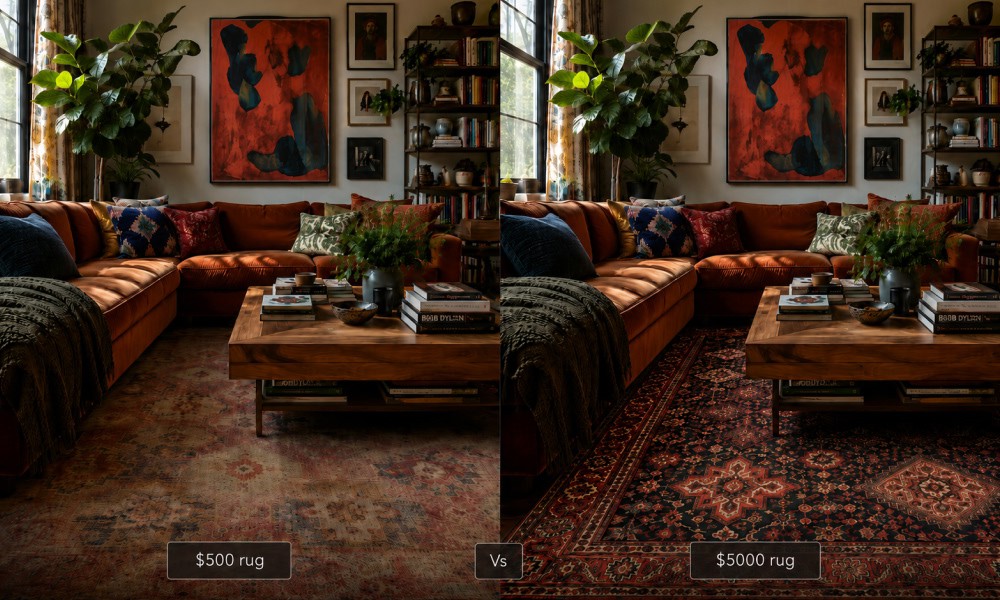
The $500 vs $5,000 Rug: An Honest Side-by-Side That No Brand Will Show You
Why do some rugs cost ten times more than others? This honest side-by-side looks at what actually separates a $500 rug from a $5,000 one: knot density, fiber quality, pile depth, and finishing. No brand bias, no marketing language. Just a clear breakdown to help you decide which one is worth it for your space and budget.
Read Article →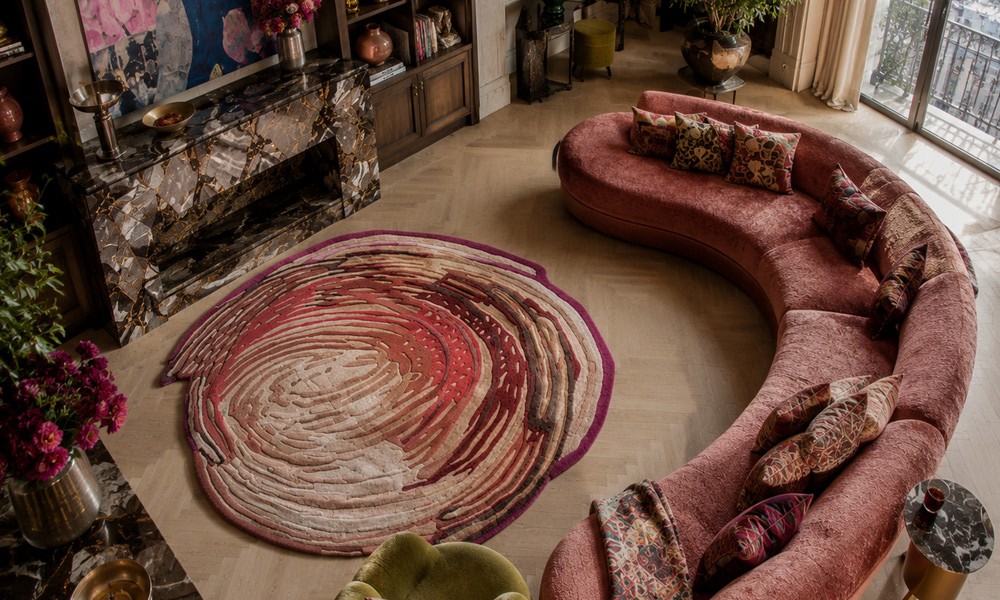
-
14 July 2026
- ∙
-
13 Min Read
3D Rugs and Sculpted Pile: The Tactile Design Trend Redefining Floors in 2026
The rug used to finish a room. Now it starts one. 3D rugs and sculpted piles are bringing real depth and tactile texture to interiors, from hand knotted relief patterns to optical illusion designs that stop you mid-step. This is what the trend is, why it matters, and how to buy it well.
Read Article →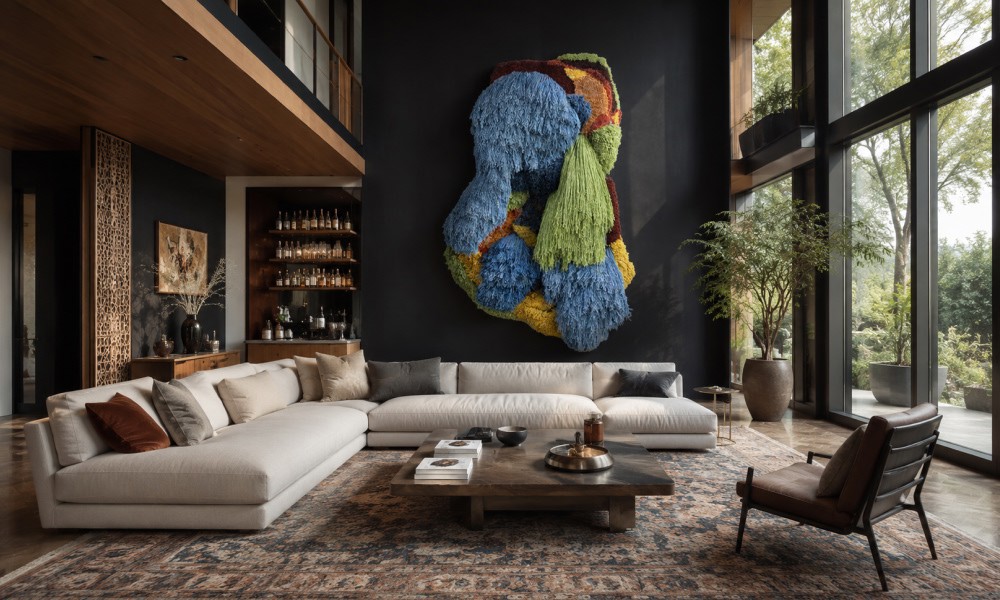
-
10 July 2026
- ∙
-
10 Min Read
How to Pair Indian Wall Art with the Right Rug Pattern: A Room-by-Room Guide
Choosing the right rug to go with your Indian wall art does not have to be guesswork. This guide breaks it down room by room, from the living room to the bathroom and outdoor spaces. Learn how to match colors, patterns, and scale so your wall art and rug always feel like they belong together.
Read Article →
-
07 July 2026
- ∙
-
9 Min Read
How to Tell If a Rug Is Handmade: 7 Signs Experts Look For (Abrash Is One of Them)
Wondering how to know if a rug is handmade? Get an overview of 7 key characteristics that will help you identify if a rug is truly handmade and learn about its differences compared to machine-made rugs, and why they do not lose their value. Here is what to keep in mind when buying a handmade rug.
Read Article →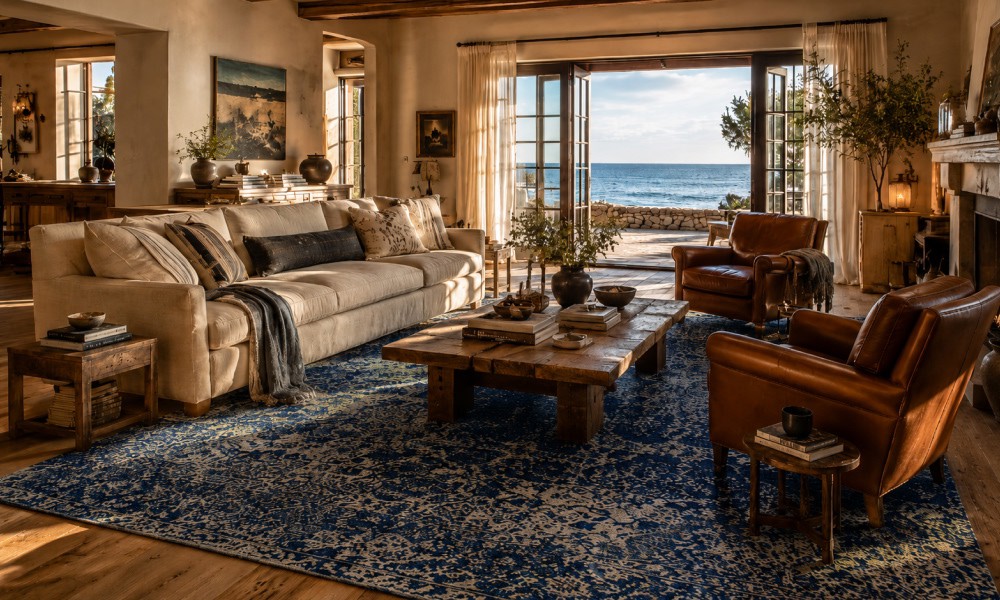
-
04 July 2026
- ∙
-
8 Min Read
Coastal Grandmother Is Evolving: The 2026 "Coastal Heritage" Aesthetic and the Rugs That Define It
The coastal grandmother design is progressing into something new and exciting by 2026. Coastal Heritage introduces texture, craftsmanship, and handmade elements to this popular design style. Here are the various rug types, colors, and decorating ideas to know about this classic coastal design trend.
Read Article →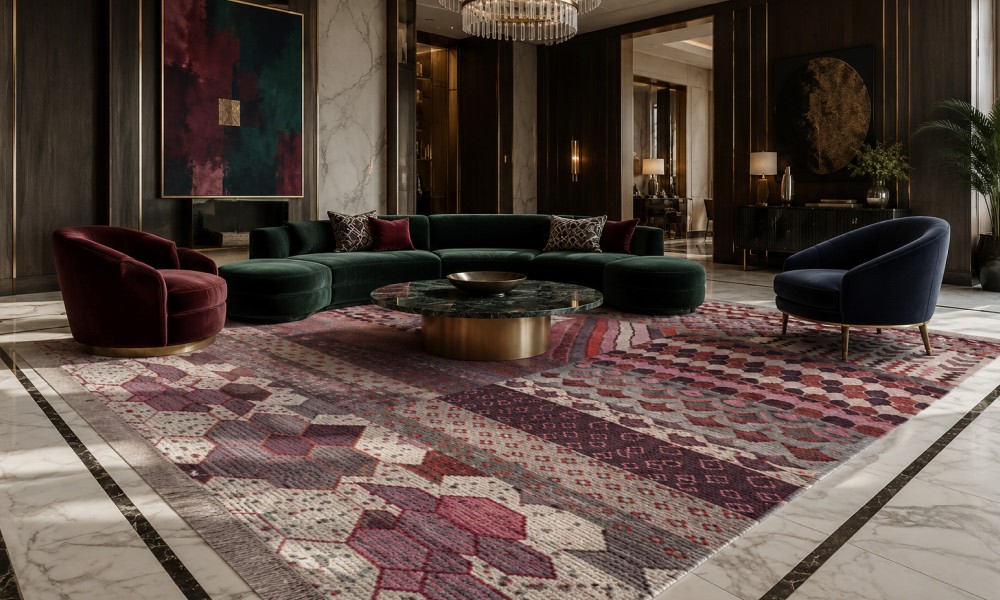
-
22 June 2026
- ∙
-
6 Min Read
Why Top Interior Designers are Switching to Indian Handmade Rugs
High-end interior designers have begun using handmade carpets from India in place of machine-made carpets to enhance their design portfolios and ensure product longevity. The following guide will help you understand why design professionals prefer Jaipur Rugs for creating customized, ethically produced wool-and-bamboo-silk carpet designs for luxurious homes.
Read Article →