You are on our International website. Please select your region to see content specific for your location





 Profile
 Orders
 Wishlist
 Change Password
 Logout


Latest Blogs

ideas and inspiration
The Difference Between Indoor Rugs and Outdoor Rugs
- 11 November 2024
- |
- 7 Min Read
- |
- By Jaipur Rugs
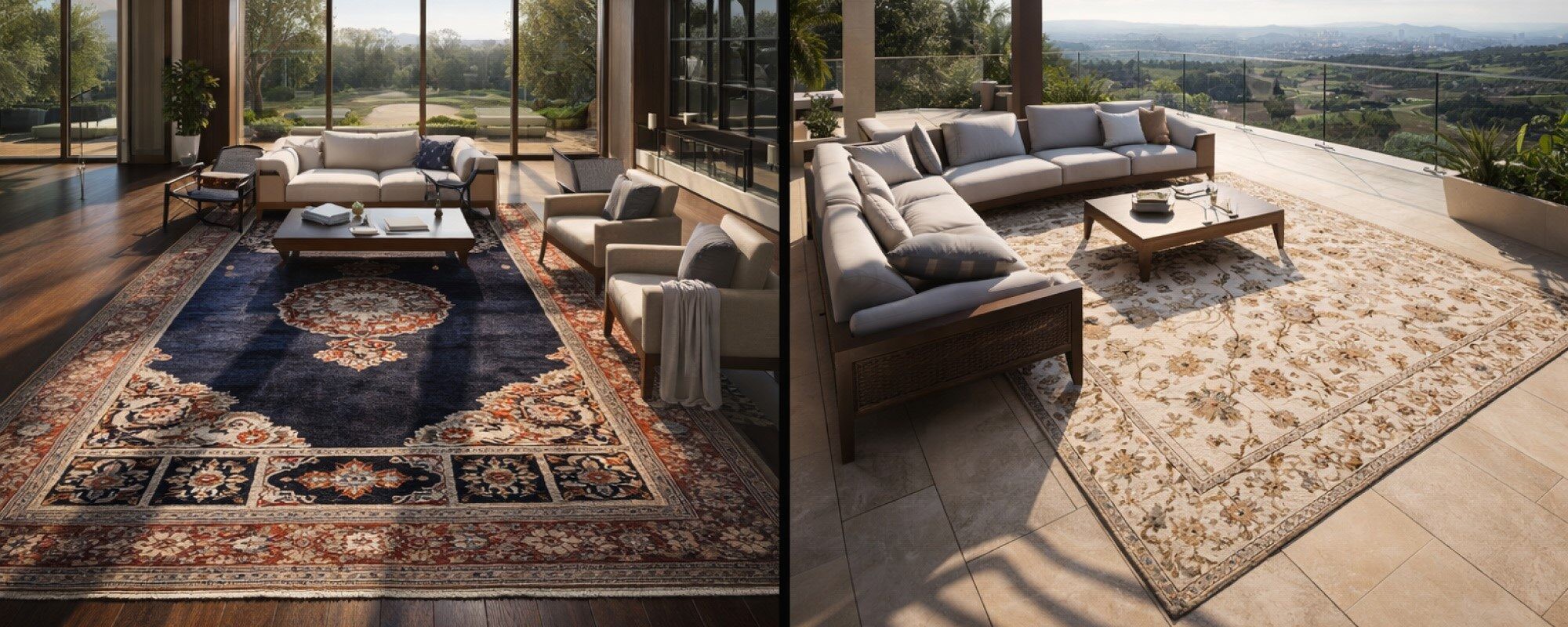
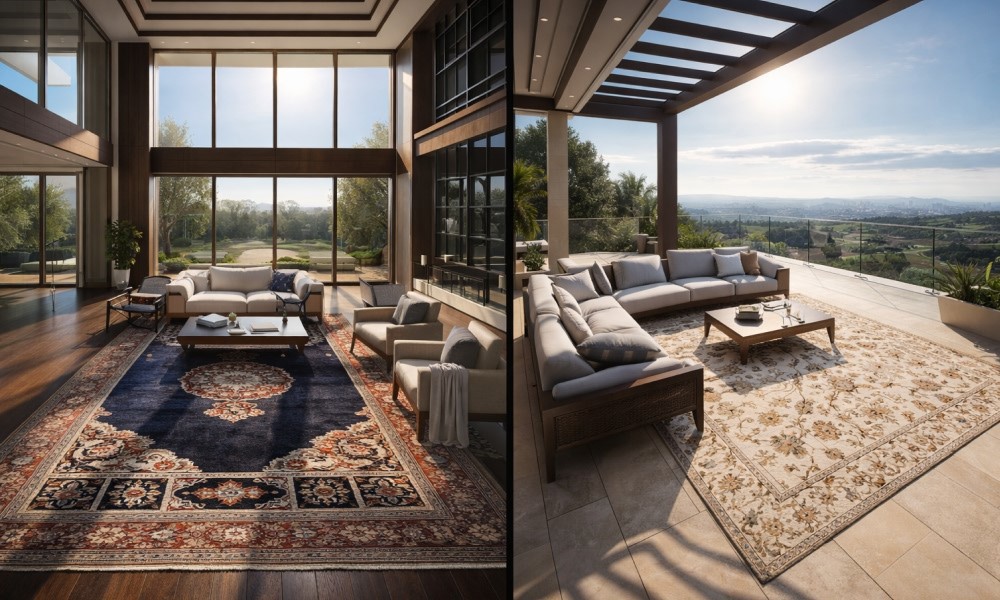
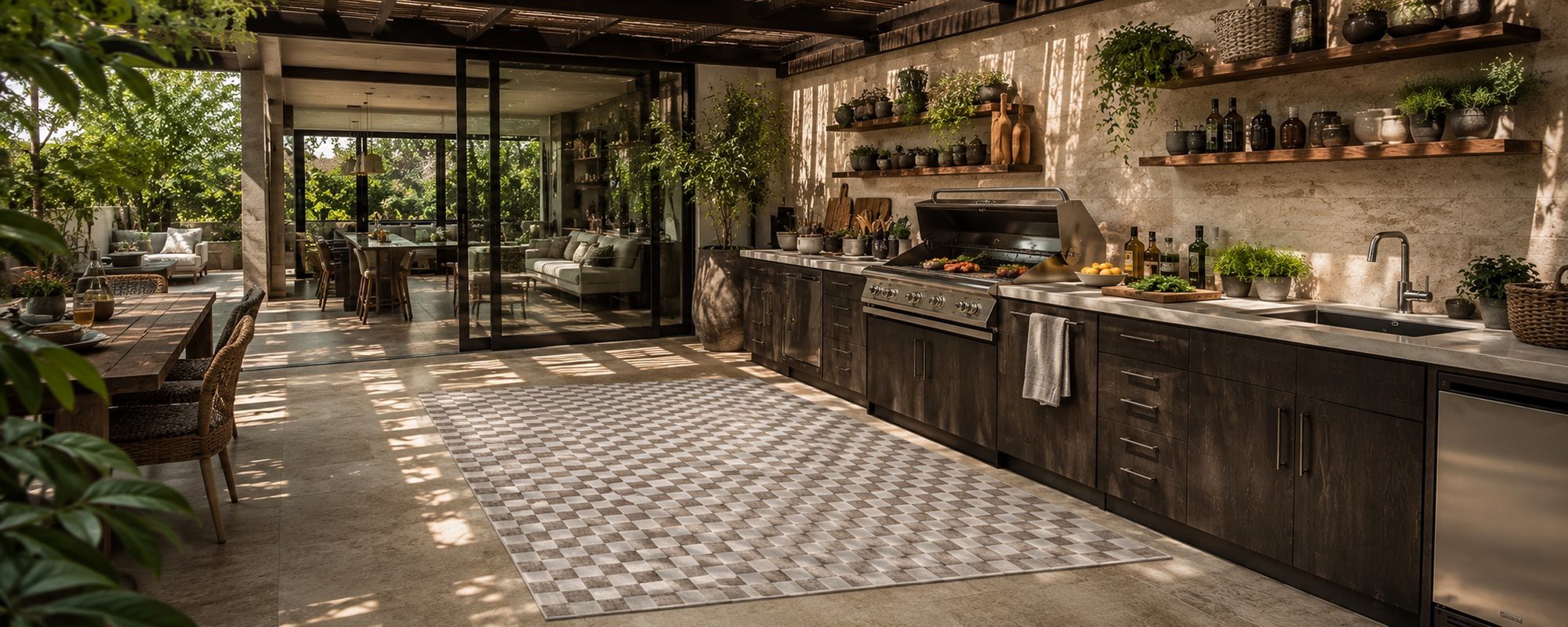
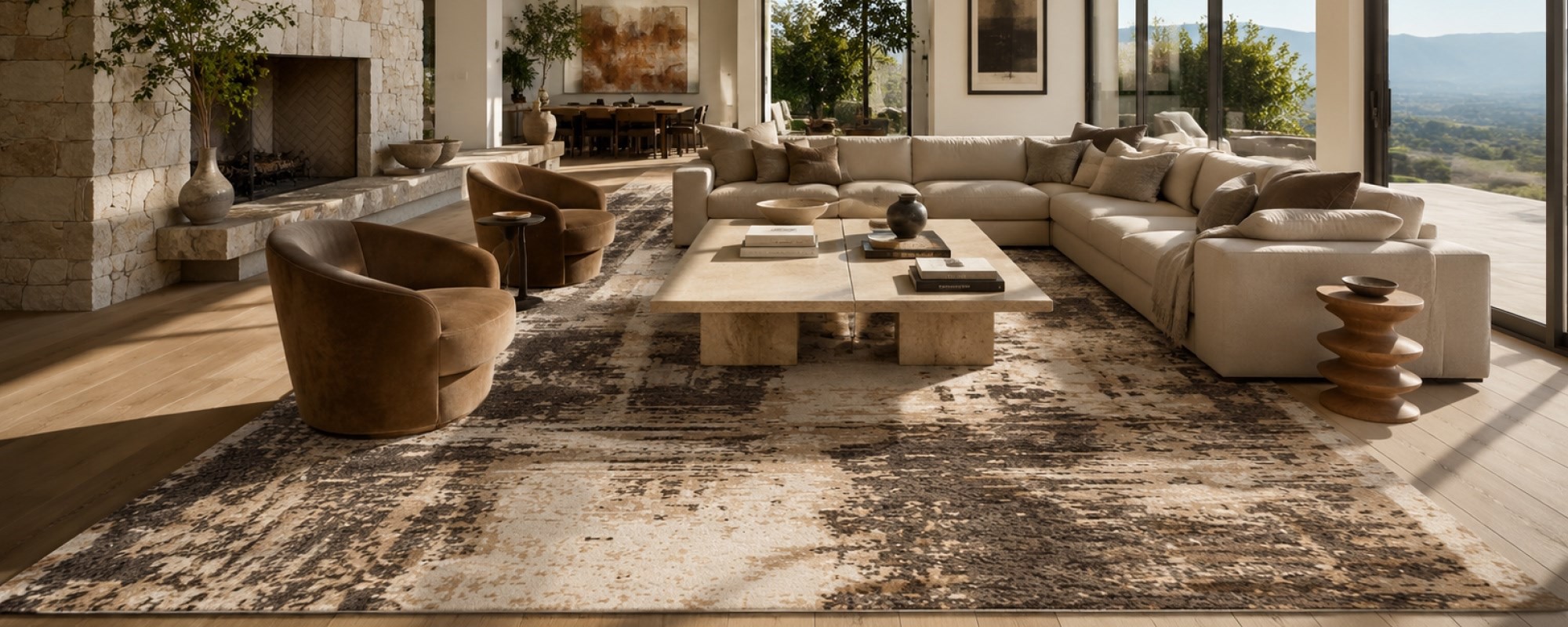
Your floors can do more than just support furniture; they can set the tone for your entire space. Whether you want cozy comfort indoors or durable style for patios and decks, picking the right rug makes all the difference. From plush indoor textures to weather-ready outdoor options, this guide breaks down everything you need to know about indoor and outdoor rugs, helping you choose pieces that look great and perform beautifully.
Choosing the right rug is about more than picking a color or pattern. Rugs define spaces, anchor furniture, and create the mood of a room or outdoor area. Many homeowners struggle with the choice between indoor and outdoor rugs, often wondering which will last longer, feel more comfortable, or best complement their space.
Understanding the differences between indoor and outdoor rugs can save time, prevent mistakes, and help you create a home that is both stylish and functional. In this guide, we’ll explore materials, designs, maintenance tips, and placement advice to help you select the perfect rug for every part of your home and outdoor living areas.
Indoor Rugs: Comfort, Style, and Functionality
Indoor rugs bring warmth, softness, and visual interest to a space. They feel comfortable underfoot, provide insulation, and enhance the overall décor. Materials play a key role in choosing the right rug.
Wool rugs are durable, resilient, and naturally stain-resistant, making them ideal for living rooms, hallways, and high-traffic areas.
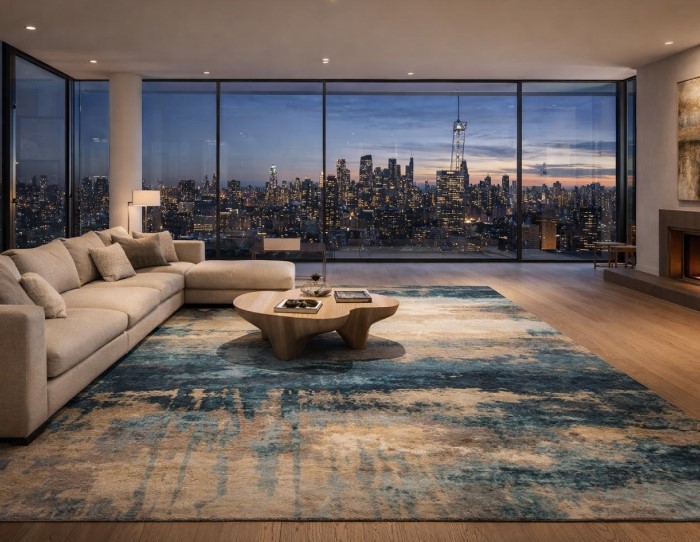
Cotton rugs are lightweight, versatile, and easy to clean, perfect for bedrooms or casual spaces. Silk rugs add elegance and sophistication, making them suitable for formal areas.
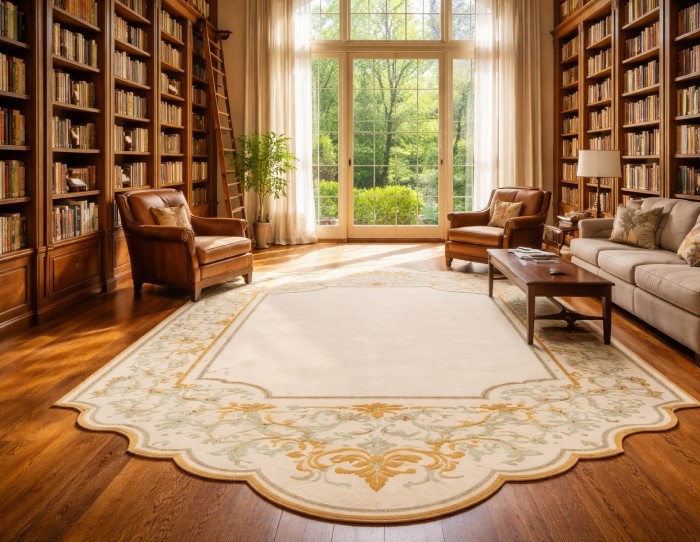
Style is also an important consideration. A finely crafted, hand-knotted rug can become a living room centerpiece, with intricate patterns that last for decades. For bedrooms or lounges, hand-tufted rugs offer plush softness underfoot and add warmth to the space.
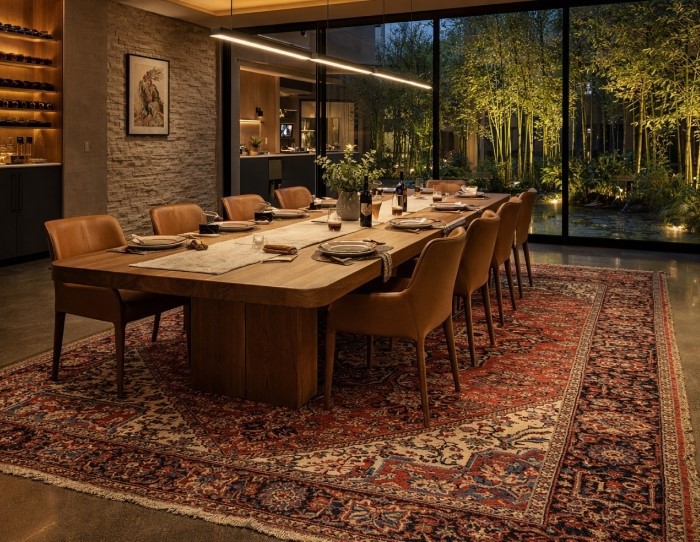
In narrow or high-traffic areas, flatweaves offer practicality, durability, and ease of movement.
Indoor rugs are not just decorative; they also serve functional purposes. Large area rugs define seating arrangements and anchor furniture, while smaller rugs highlight special corners or provide soft landing areas in bedrooms. In children’s rooms, playful designs keep spaces safe and visually engaging. Rugs and carpets also improve acoustics, reduce echo, and provide insulation during colder months. Proper care, such as vacuuming, rotating, and occasional deep cleaning, ensures indoor rugs remain attractive and long-lasting.

Outdoor Rugs: Durability and Practical Use
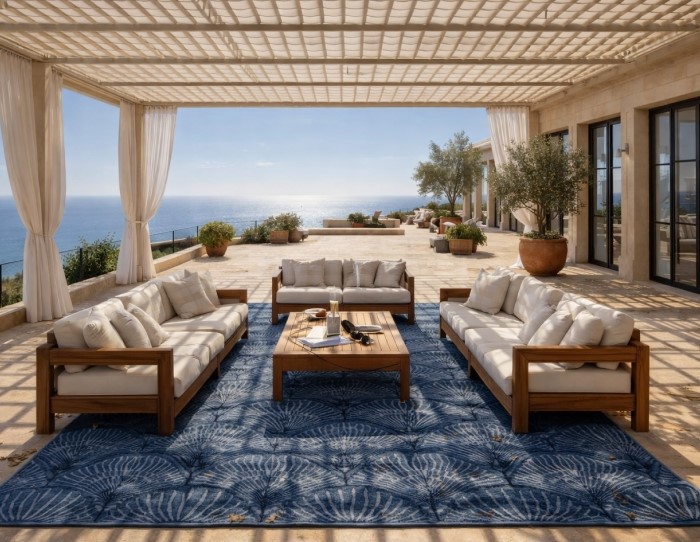
Outdoor rugs are designed to withstand weather while enhancing outdoor spaces. Unlike indoor rugs, outdoor rugs prioritize durability, low maintenance, and resistance to sun, rain, and dirt. Materials such as polypropylene, polyester, and PET are commonly used because they resist moisture, mold, and mildew while enduring direct sunlight. Many outdoor rugs are UV-protected to maintain color and prevent fading.
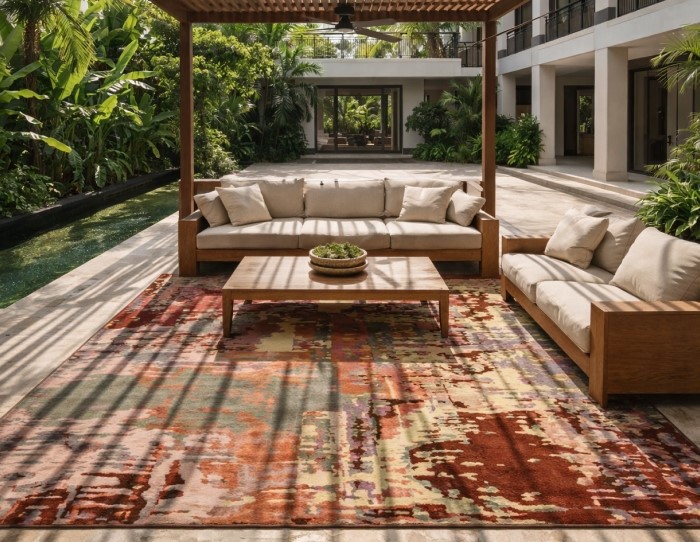
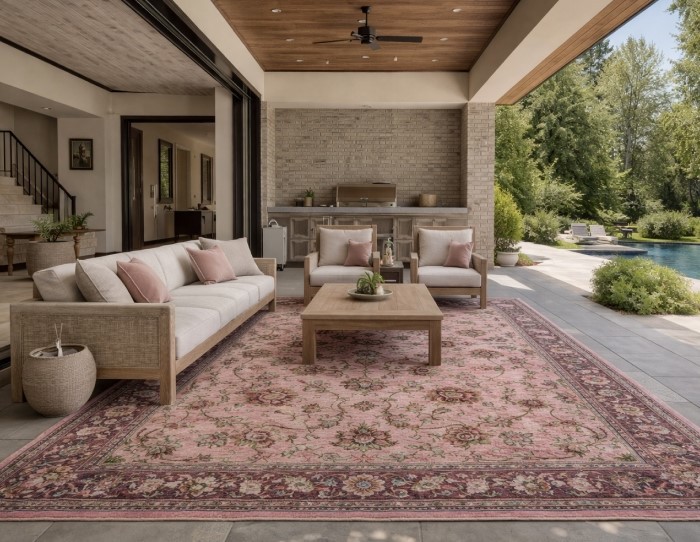
While outdoor rugs are functional, they are increasingly stylish. Indoor outdoor rugs are a popular choice for semi-covered patios, porches, or sunrooms. These rugs combine indoor aesthetics with outdoor durability, often mimicking the patterns and textures of traditional or modern designs. Similarly, indoor outdoor carpet allows homeowners to create cozy, practical outdoor living spaces that blend seamlessly with indoor décor.
Placement is essential. Outdoor rugs work best in zones where furniture is grouped, such as seating areas on patios, under dining sets, or near pool decks. They add comfort on hard surfaces, protect flooring, and visually define different sections of your outdoor space. Maintenance is simple, typically requiring a shake-off, hose-down, and thorough drying. High-quality outdoor rugs remain attractive and functional for years, even under challenging weather conditions.

Key Differences Between Indoor and Outdoor Rugs
When comparing an outdoor rug vs indoor rug, several distinctions become clear:
-
Materials: Indoor rugs are made from natural fibers such as wool, cotton, or silk, which provide softness, warmth, and aesthetic appeal. Outdoor rugs rely on synthetic fibers such as polypropylene, polyester, or PET, chosen for their durability and resistance to moisture, mold, and sun damage.
-
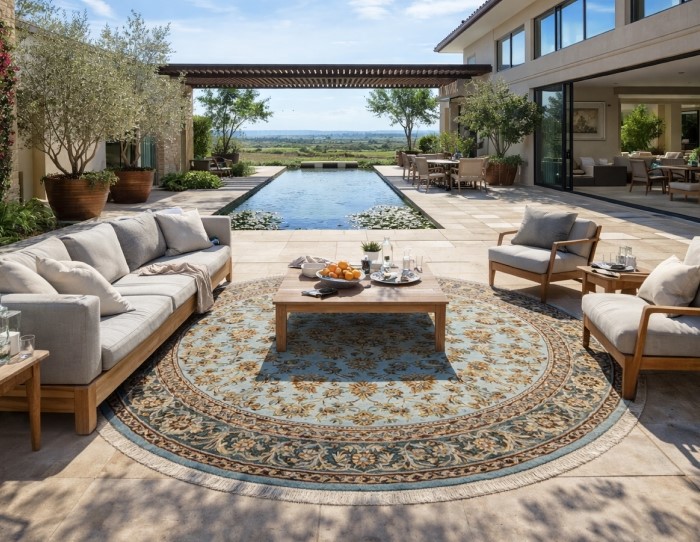
Design: Indoor rugs often feature detailed patterns, bright colors, and rich textures that can transform a room. A modern rug can bring contemporary elegance to living spaces. In contrast, outdoor rugs tend to focus on practical designs with simpler patterns, flatter textures, and UV-protected colors to withstand sun exposure. Many indoor outdoor rugs now combine durability with indoor-inspired designs for covered patios or transitional spaces.
-
Maintenance: Indoor rugs require regular vacuuming, rotation, and occasional deep cleaning. Spills and stains should be addressed promptly, especially for delicate or high-value pieces. Outdoor rugs are far easier to maintain. A simple shake, hose-down, and thorough drying usually suffice, while UV-resistant materials help preserve color and vibrancy.
-
Placement: Indoor rugs are ideal for living rooms, bedrooms, hallways, or entryways, where comfort and style are priorities. Large rugs anchor furniture and define seating areas, while smaller rugs highlight corners or protect floors. Outdoor rugs are designed for high-traffic areas like patios, decks, porches, or balconies, where they define seating zones, provide comfort, and resist the elements. Choosing the wrong rug for a space, such as a wool rug for outdoor use, can result in fading, staining, or fiber damage.
Choosing the Right Rug for Every Space
Selecting a rug requires considering function, environment, and lifestyle. For indoor areas, high-traffic zones benefit from durable options, while bedrooms and lounges prioritize comfort.
-
Round rugs work well under tables or in corners, adding softness and visual interest.
-
Large area rugs anchor furniture and define seating zones, and layering rugs adds texture and depth.
-
Custom rugs are ideal for unique layouts or spaces that require precise sizing and design, allowing for a cohesive, intentional look.
For outdoor areas, durability is key. The best rugs for outdoor spaces are made from weather-resistant fibers that withstand sun, rain, and foot traffic. Indoor outdoor rugs are perfect for covered patios or sunrooms, combining indoor elegance with outdoor practicality. Consider furniture placement, traffic flow, and the overall layout to ensure the rug enhances both comfort and style.
Budget is another factor
High-quality indoor rugs, such as hand-knotted or custom pieces, may be an investment, but they offer long-term durability and timeless style. Outdoor rugs tend to be more affordable, with value provided through resilience, low maintenance, and long-lasting performance.
Common Mistakes to Avoid
Even with careful planning, mistakes happen. Using indoor rugs outdoors exposes natural fibers to sunlight, moisture, and dirt, causing rapid deterioration. Conversely, outdoor rugs indoors may feel rough underfoot and lack the comfort expected of indoor carpets.
Size matters as well. A rug that is too small can make a space feel disconnected, while a rug that is too large can overwhelm the room. Sunlight is another consideration. Outdoor rugs without UV protection fade quickly, while indoor rugs in sunny areas may require rotation to avoid uneven fading.
Focusing solely on aesthetics without considering function can result in a rug that looks good but underperforms. Traditional rugs illustrate the importance of matching durability and style to the intended environment.
Conclusion
Rugs are more than just decorative elements. They define spaces, add comfort, and help create cohesive, inviting atmospheres in indoor and outdoor areas. Indoor rugs add warmth and texture to living rooms, bedrooms, and hallways. Durable outdoor rugs make patios, decks, and sunrooms feel comfortable and welcoming. Choosing the right material, design, and rug size ensures the rug performs well and enhances the space.
Understanding the differences between indoor and outdoor rugs helps you make an informed choice that lasts, looks great, and meets your lifestyle needs. The right rug balances function with style, transforming a simple floor into a space that feels intentional, cozy, and visually appealing.
FAQs
What is an indoor outdoor rug?
An indoor outdoor rug is a versatile piece designed for both indoor use and semi-covered outdoor areas. It combines indoor aesthetics with the durability needed to withstand outdoor conditions.
Can indoor rugs be used outdoors?
Rugs made from natural fibers such as wool, cotton, or silk are not suitable for outdoor use. Exposure to sunlight, moisture, and dirt will cause them to deteriorate quickly.
How do I maintain an outdoor rug?
Outdoor rugs require minimal care. Shake off dirt, hose down as needed, and let the rug dry completely to prevent mold or mildew.
Are round rugs suitable for outdoor spaces?
Yes. Round rugs can define seating areas, highlight tables, and add visual interest to patios, balconies, or porches.
When should I consider a custom rug?
Custom rugs are perfect for uniquely shaped spaces, specific dimensions, or designs tailored to your interior or outdoor style.


Pic Credits
Jaipur rugs / Abil Dase
Share
-
 Facebook
-
 Twitter
-
 Email
Email
Related Posts
-
15 July 2026
- ∙
-
8 Min Read
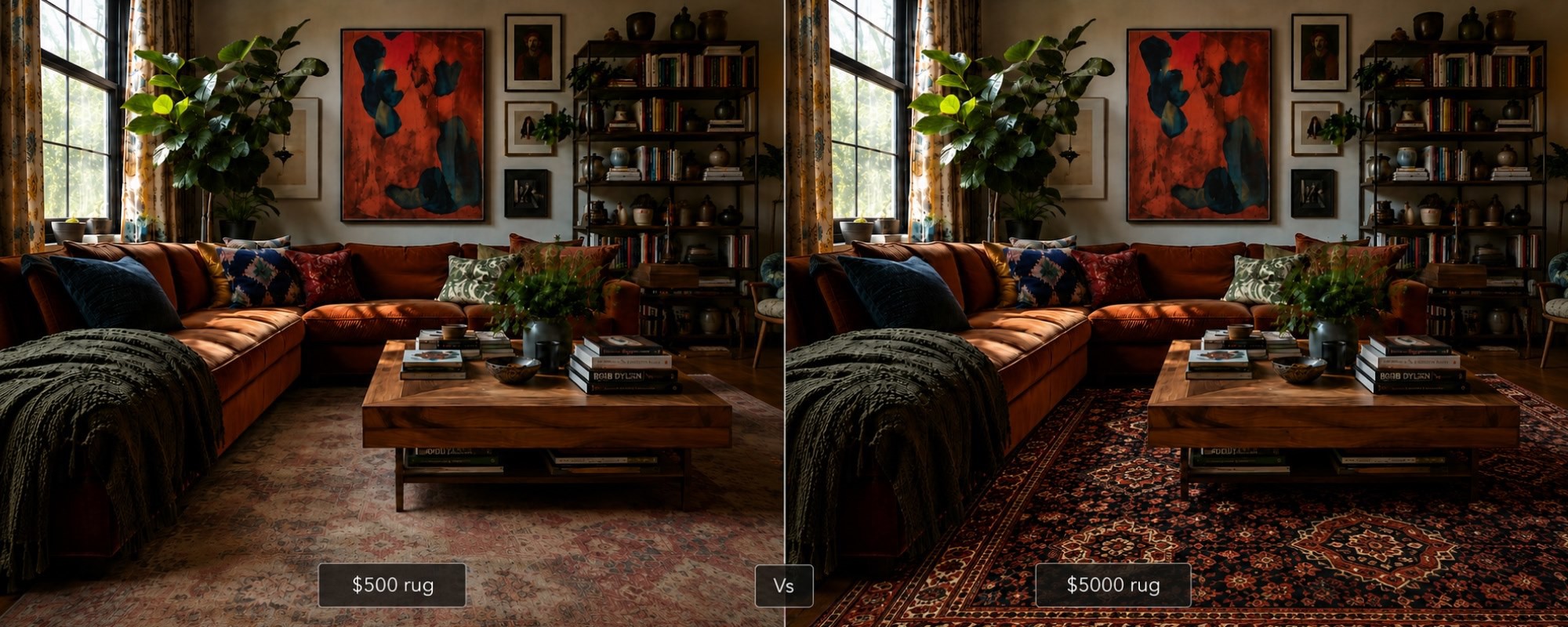
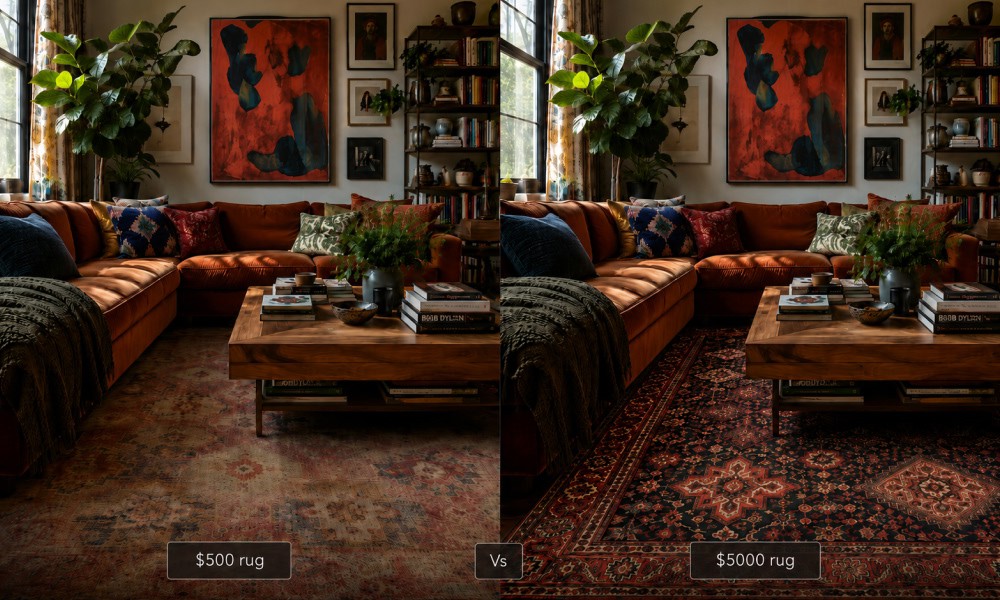
The $500 vs $5,000 Rug: An Honest Side-by-Side That No Brand Will Show You
Why do some rugs cost ten times more than others? This honest side-by-side looks at what actually separates a $500 rug from a $5,000 one: knot density, fiber quality, pile depth, and finishing. No brand bias, no marketing language. Just a clear breakdown to help you decide which one is worth it for your space and budget.
Read Article →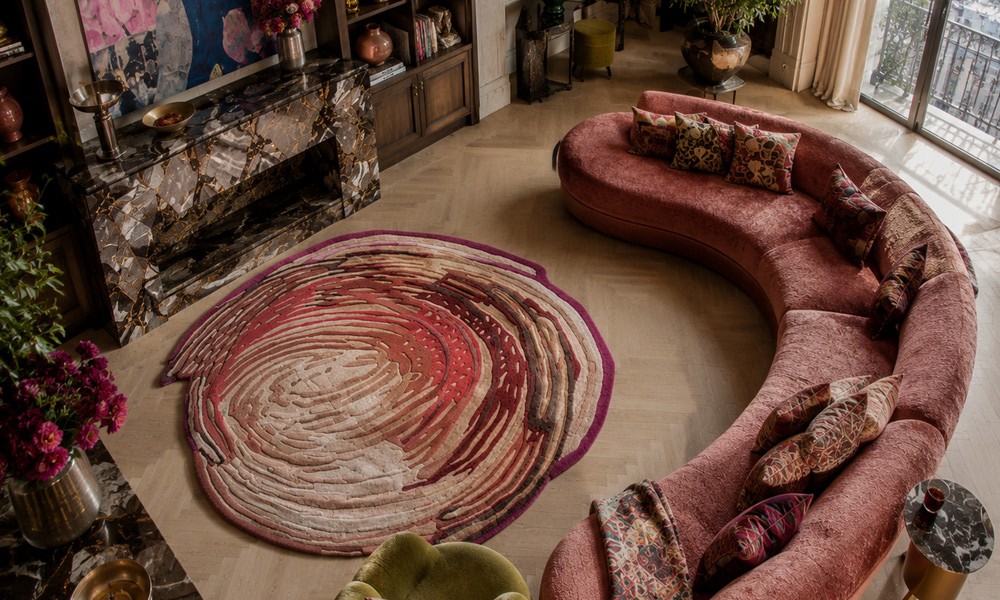
-
14 July 2026
- ∙
-
13 Min Read
3D Rugs and Sculpted Pile: The Tactile Design Trend Redefining Floors in 2026
The rug used to finish a room. Now it starts one. 3D rugs and sculpted piles are bringing real depth and tactile texture to interiors, from hand knotted relief patterns to optical illusion designs that stop you mid-step. This is what the trend is, why it matters, and how to buy it well.
Read Article →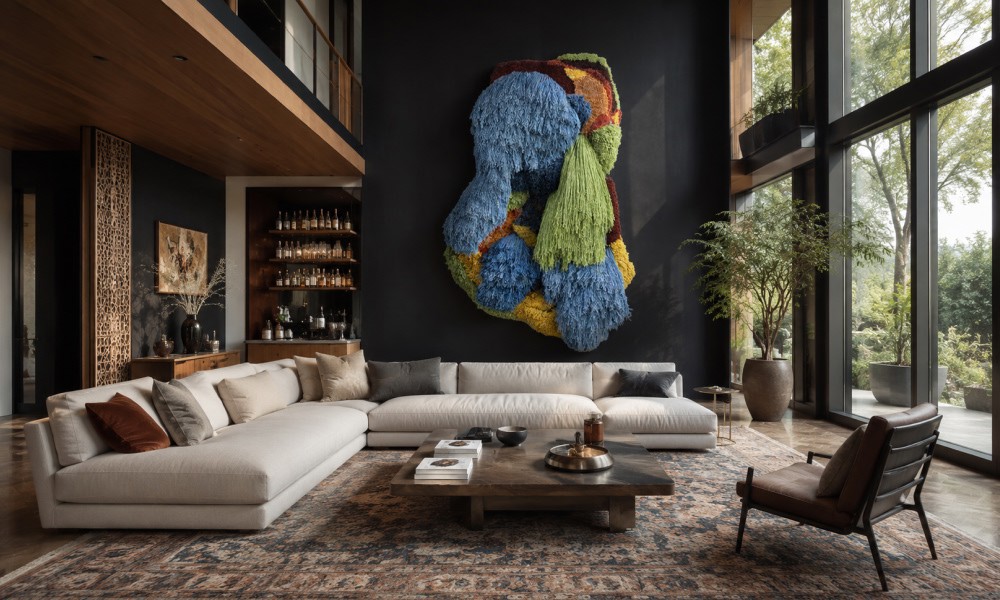
-
10 July 2026
- ∙
-
10 Min Read
How to Pair Indian Wall Art with the Right Rug Pattern: A Room-by-Room Guide
Choosing the right rug to go with your Indian wall art does not have to be guesswork. This guide breaks it down room by room, from the living room to the bathroom and outdoor spaces. Learn how to match colors, patterns, and scale so your wall art and rug always feel like they belong together.
Read Article →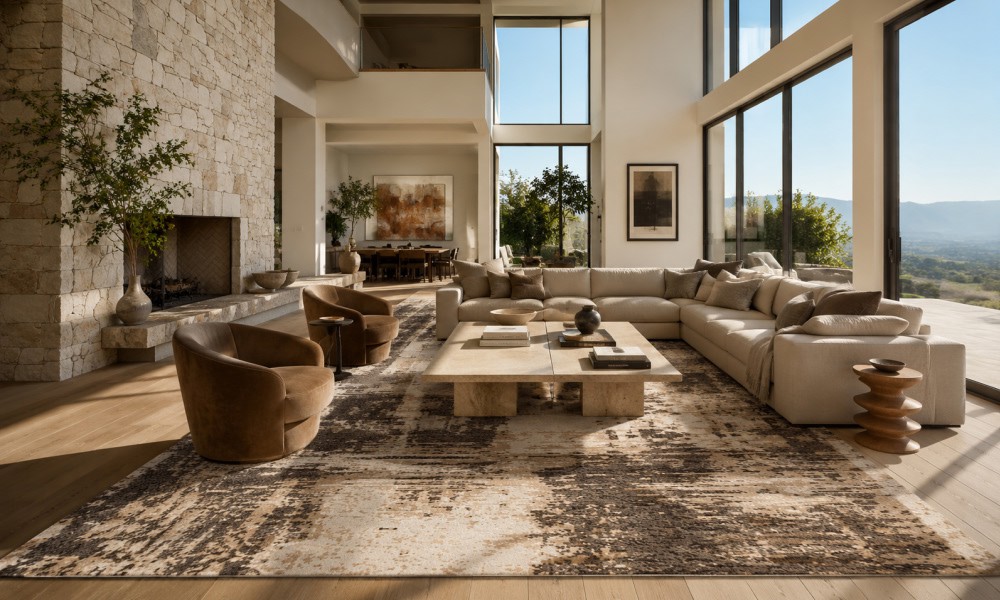
-
07 July 2026
- ∙
-
9 Min Read
How to Tell If a Rug Is Handmade: 7 Signs Experts Look For (Abrash Is One of Them)
Wondering how to know if a rug is handmade? Get an overview of 7 key characteristics that will help you identify if a rug is truly handmade and learn about its differences compared to machine-made rugs, and why they do not lose their value. Here is what to keep in mind when buying a handmade rug.
Read Article →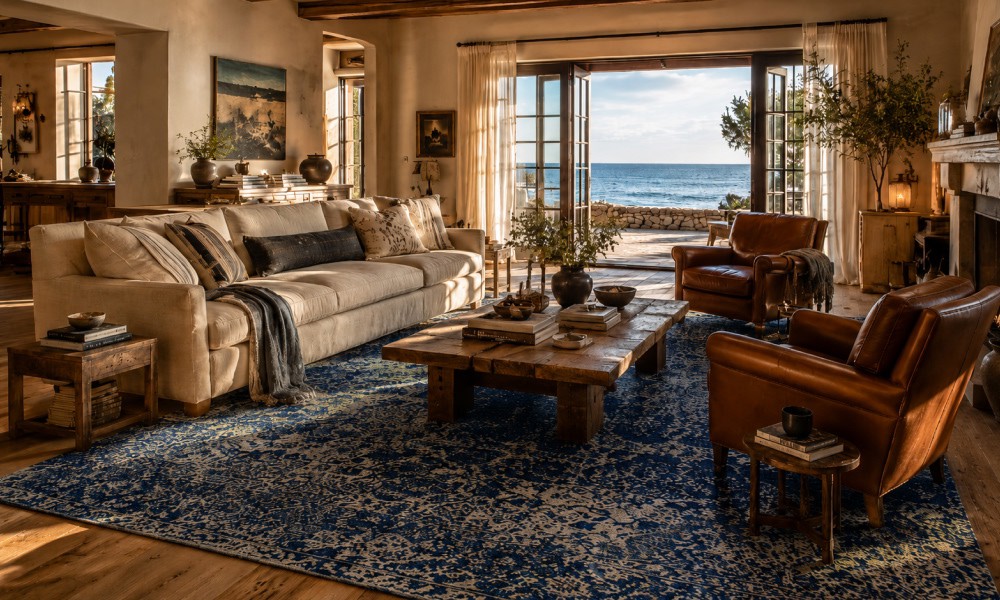
-
04 July 2026
- ∙
-
8 Min Read
Coastal Grandmother Is Evolving: The 2026 "Coastal Heritage" Aesthetic and the Rugs That Define It
The coastal grandmother design is progressing into something new and exciting by 2026. Coastal Heritage introduces texture, craftsmanship, and handmade elements to this popular design style. Here are the various rug types, colors, and decorating ideas to know about this classic coastal design trend.
Read Article →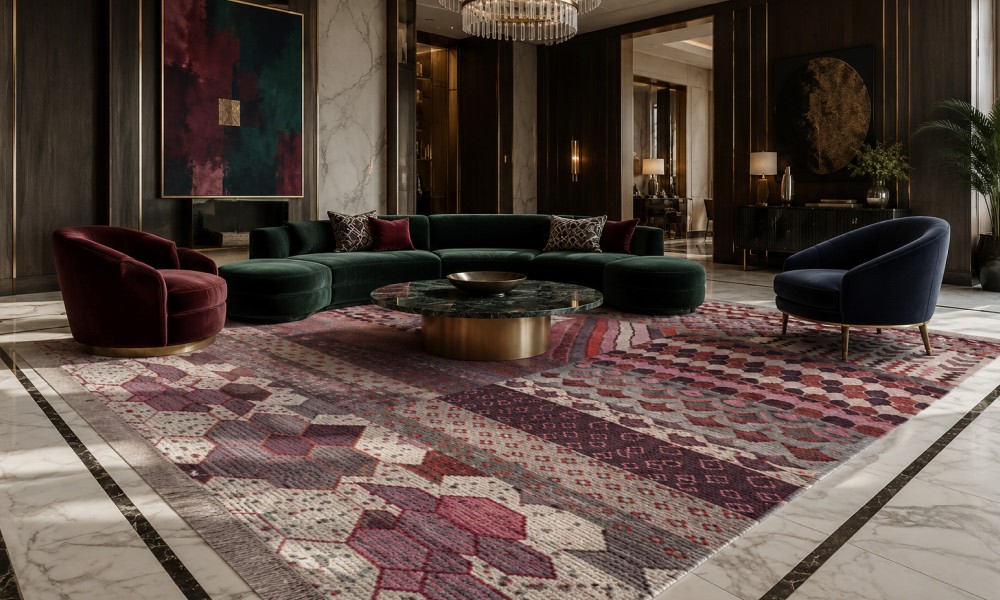
-
22 June 2026
- ∙
-
6 Min Read
Why Top Interior Designers are Switching to Indian Handmade Rugs
High-end interior designers have begun using handmade carpets from India in place of machine-made carpets to enhance their design portfolios and ensure product longevity. The following guide will help you understand why design professionals prefer Jaipur Rugs for creating customized, ethically produced wool-and-bamboo-silk carpet designs for luxurious homes.
Read Article →