You are on our International website. Please select your region to see content specific for your location





 Profile
 Orders
 Wishlist
 Change Password
 Logout


Latest Blogs
ideas and inspiration
Difference Between Loop and Twist in the Rug Industry
- 22 May 2021
- |
- 2 Min Read
- |
- By Jaipur Rugs

We are helping you break it down into two of the types that you need to be familiar with: loop carpeting and twist carpeting.
There are many technical terminologies in the rug industry that are used in the design and production unit. Two of them are ‘loop’ and ‘twist’. This results in a variety of carpets in the market, and that can often make it hard to remember specific names and details when buying a rug. So, we are helping you break it down into two of the types that you need to be familiar with: loop carpeting and twist carpeting.
What is a carpet pile?
But first, it is important to know a little about what a carpet pile is. The pile is the surface layer of a carpet that you see and feel. The carpet weaving process involves looping the fibers back and forth through the backing, so the pile is determined by whether these fibers have been clipped or left in their looped form. The pile of your carpet determines its appearance, comfort, durability, and how easy it will be to maintain.
So what are loop pile carpets?
Their name gives much away- these rugs left as loops, not sheared like cut piles are. In loop styles, yarn can be tufted in loops of even or varied heights. In loop piles, level heights create a uniform surface while varied heights create appealing designs. Typically made of nylon, wool, or olefin, loop carpeting results in many different weights and thicknesses when it comes to its construction. Loop carpets are often favored in high foot traffic areas owing to their durability. This makes loop carpets an ideal choice for hallways and stairs. These carpets are also trackless, which is to say that no vacuum or walking tracks will show on them. However, its fibers can get snagged and pulled loose by sharp objects and pets’ claws. No, this won’t make you throw your carpet at the back of the cupboard, but it will definitely give it a worn-out and disheveled look over time. In loop carpeting, sisal and Berber are the two most popular types owing to the wonderful designs and textures as well as their durability, spill resistance, and versatility.

What are twist pile carpets?
Now that you have understood what a loop pile carpet is, understanding twist carpeting will be much easier. In twist carpeting, yarn loops are cut and twisted tightly together. These make for one of the most popular carpets in today’s times as they are casual, fashionable, soft, as well as durable. Twist carpets are perfect for spaces like bedrooms, sitting rooms, media rooms, and living rooms. When choosing this kind of carpet for the living room, you can easily transform how space looks and the vibe it exudes.
These carpets are worth considering when you’re buying luxury carpets as they offer an exceptional color range that includes solid and heathered looks. Just like loop pile carpets, these too hide footprints and vacuum cleaner marks seamlessly.
In general, the higher the twist level, the better the carpet’s performance.

What is the basic difference between loop and twist pile carpets?
You may not be aware but the construction of all tufted carpets begins with a loop pile.
- In loop styles, loops are left uncut.
- In twist styles, loops are cut and yarns are tightly twisted.


Pic Credits
Jaipur rugs / Abil Dase
Share
-
 Facebook
-
 Twitter
-
 Email
Email
Related Posts
-
15 July 2026
- ∙
-
8 Min Read
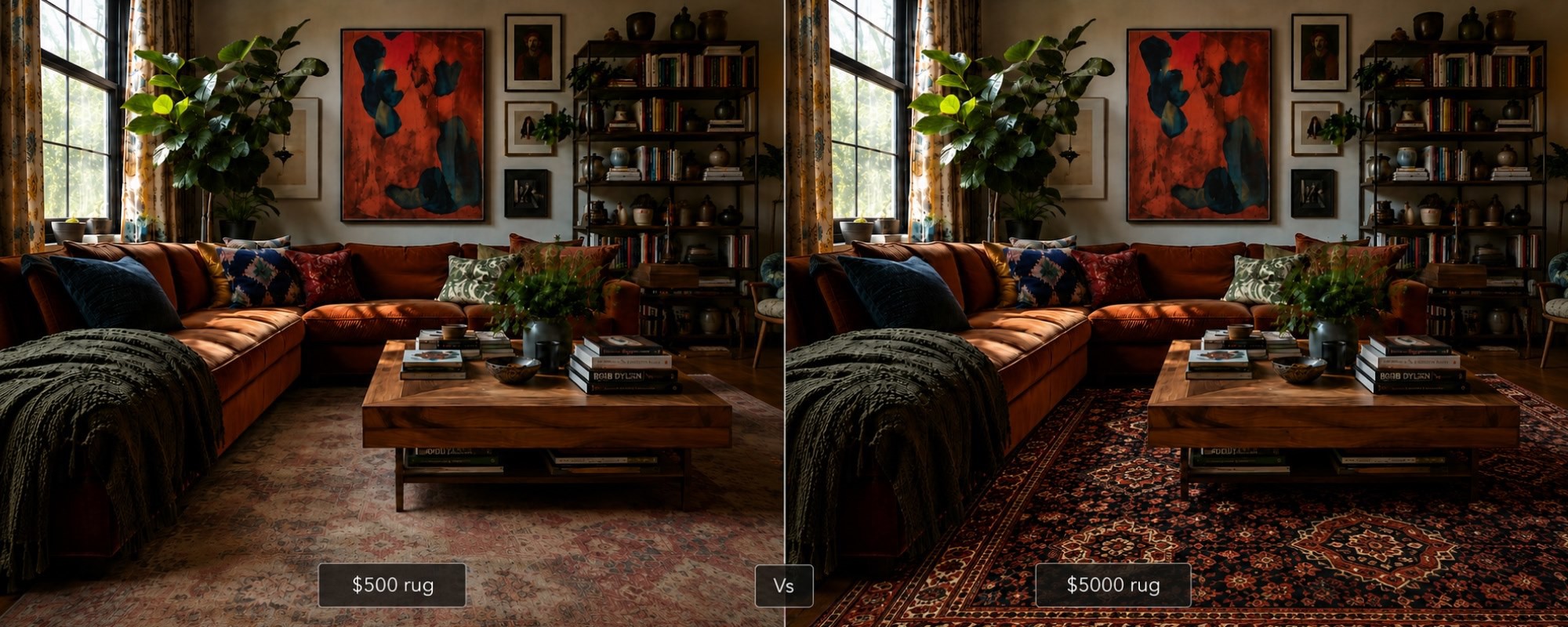
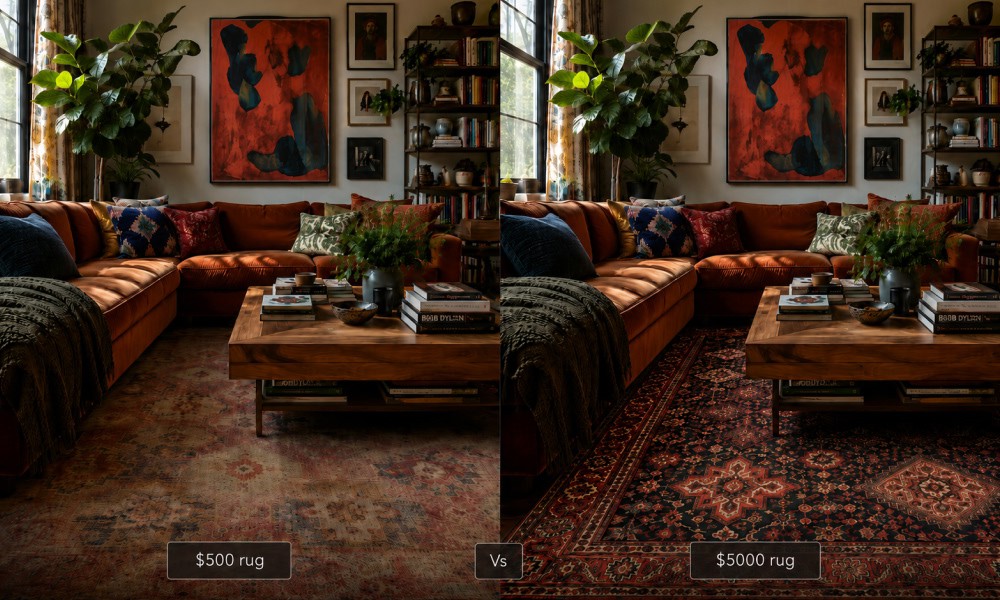
The $500 vs $5,000 Rug: An Honest Side-by-Side That No Brand Will Show You
Why do some rugs cost ten times more than others? This honest side-by-side looks at what actually separates a $500 rug from a $5,000 one: knot density, fiber quality, pile depth, and finishing. No brand bias, no marketing language. Just a clear breakdown to help you decide which one is worth it for your space and budget.
Read Article →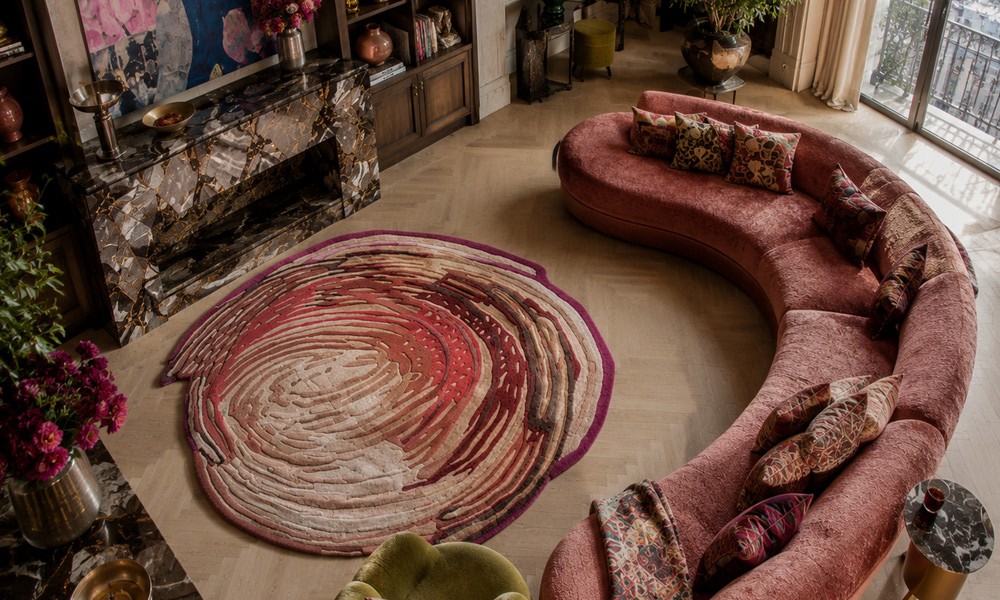
-
14 July 2026
- ∙
-
13 Min Read
3D Rugs and Sculpted Pile: The Tactile Design Trend Redefining Floors in 2026
The rug used to finish a room. Now it starts one. 3D rugs and sculpted piles are bringing real depth and tactile texture to interiors, from hand knotted relief patterns to optical illusion designs that stop you mid-step. This is what the trend is, why it matters, and how to buy it well.
Read Article →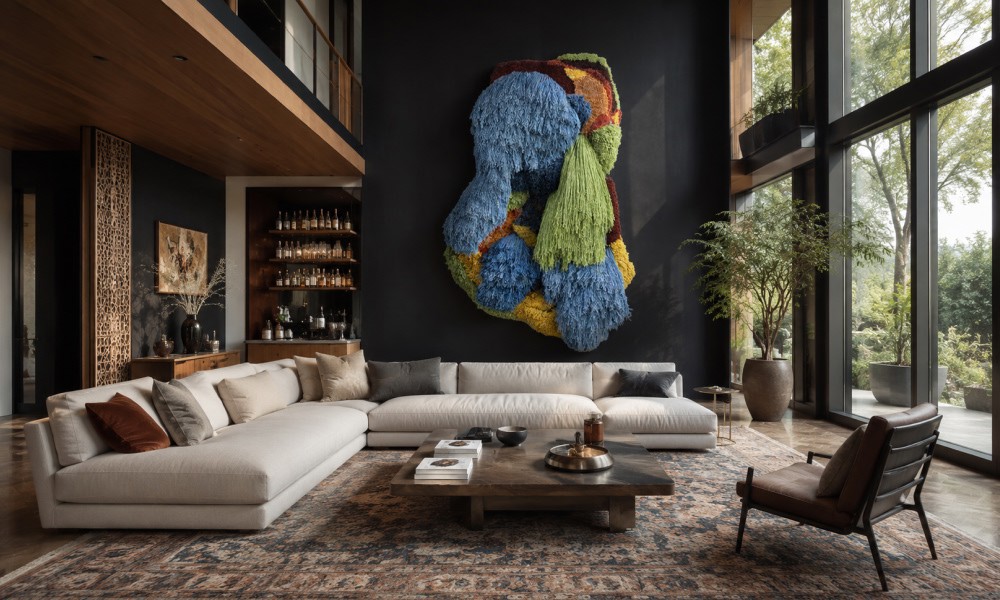
-
10 July 2026
- ∙
-
10 Min Read
How to Pair Indian Wall Art with the Right Rug Pattern: A Room-by-Room Guide
Choosing the right rug to go with your Indian wall art does not have to be guesswork. This guide breaks it down room by room, from the living room to the bathroom and outdoor spaces. Learn how to match colors, patterns, and scale so your wall art and rug always feel like they belong together.
Read Article →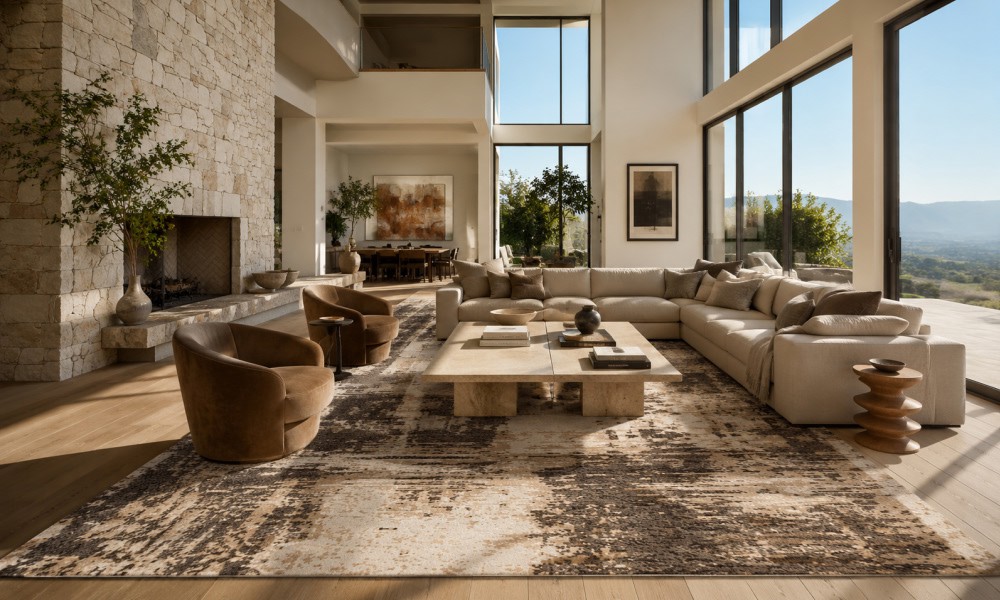
-
07 July 2026
- ∙
-
9 Min Read
How to Tell If a Rug Is Handmade: 7 Signs Experts Look For (Abrash Is One of Them)
Wondering how to know if a rug is handmade? Get an overview of 7 key characteristics that will help you identify if a rug is truly handmade and learn about its differences compared to machine-made rugs, and why they do not lose their value. Here is what to keep in mind when buying a handmade rug.
Read Article →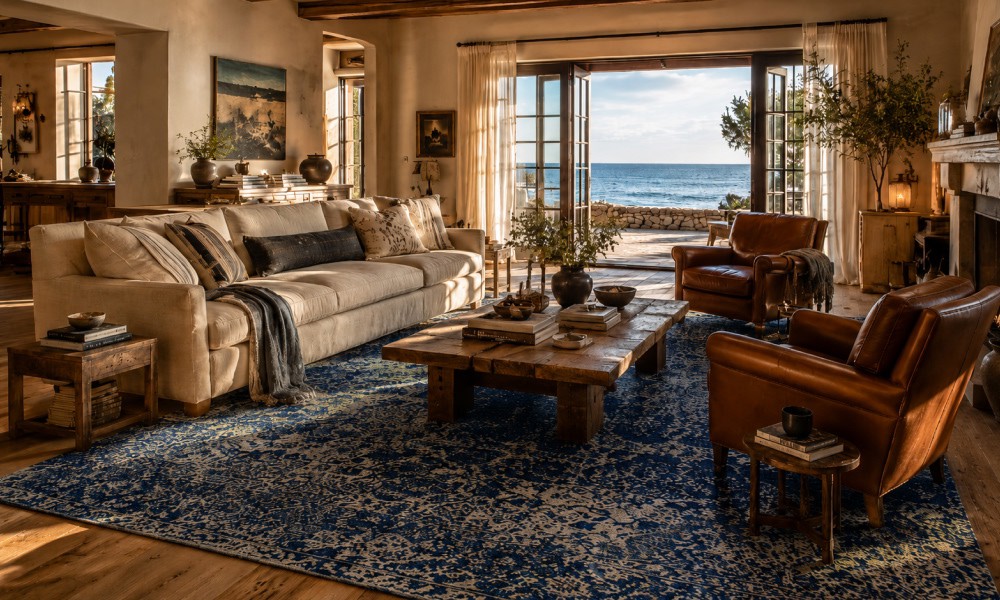
-
04 July 2026
- ∙
-
8 Min Read
Coastal Grandmother Is Evolving: The 2026 "Coastal Heritage" Aesthetic and the Rugs That Define It
The coastal grandmother design is progressing into something new and exciting by 2026. Coastal Heritage introduces texture, craftsmanship, and handmade elements to this popular design style. Here are the various rug types, colors, and decorating ideas to know about this classic coastal design trend.
Read Article →
-
22 June 2026
- ∙
-
6 Min Read
Why Top Interior Designers are Switching to Indian Handmade Rugs
High-end interior designers have begun using handmade carpets from India in place of machine-made carpets to enhance their design portfolios and ensure product longevity. The following guide will help you understand why design professionals prefer Jaipur Rugs for creating customized, ethically produced wool-and-bamboo-silk carpet designs for luxurious homes.
Read Article →