You are on our International website. Please select your region to see content specific for your location





 Profile
 Orders
 Wishlist
 Change Password
 Logout


Latest Blogs
ideas and inspiration
Distressed Rugs Are Back, And They’re Nothing Like You Remember
- 11 March 2024
- |
- 5 Min Read
- |
- By Jaipur Rugs
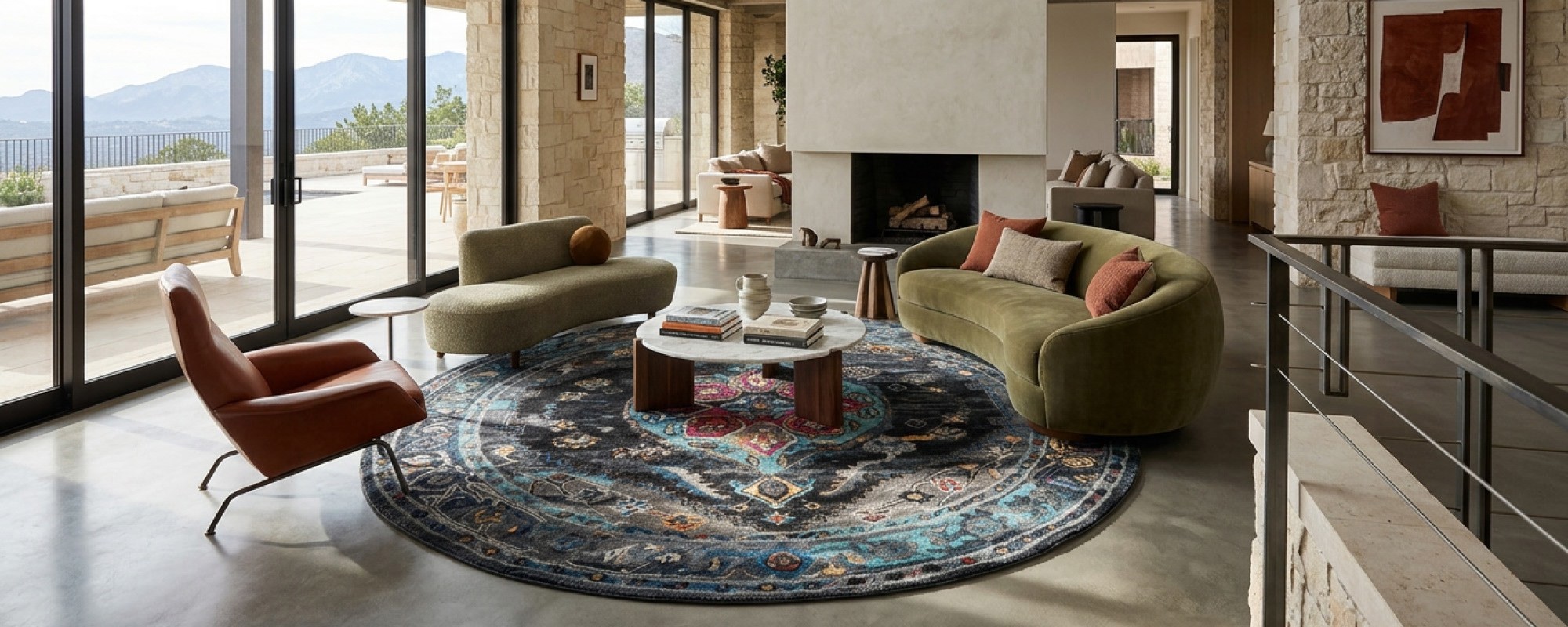
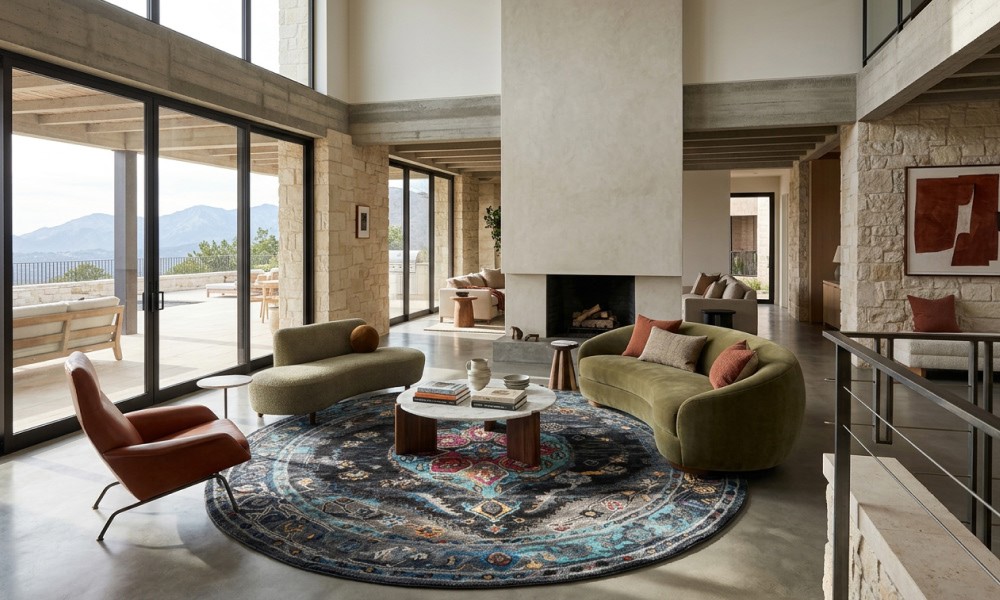
Distressed rugs are being chosen for the wrong reasons. Not because people lack taste, but because the rules quietly changed. The same rug can either fix a room or make it feel off, and the difference is hard to spot until it is too late. Once you see it, you cannot unsee it. This breaks down what actually works now.
New handmade rugs are being designed to look imperfect on purpose. That sounds backwards, until you realize modern interiors are rejecting anything that looks too new, too polished, too predictable.
Distressed rugs, once associated with faux-aging and mass trends, are returning with a different agenda: controlled imperfection, material honesty, and visual restraint.
Here’s the shift: people no longer want designer rugs that shout “brand new.” They want surfaces that already feel lived-in.
What Are Distressed Rugs?
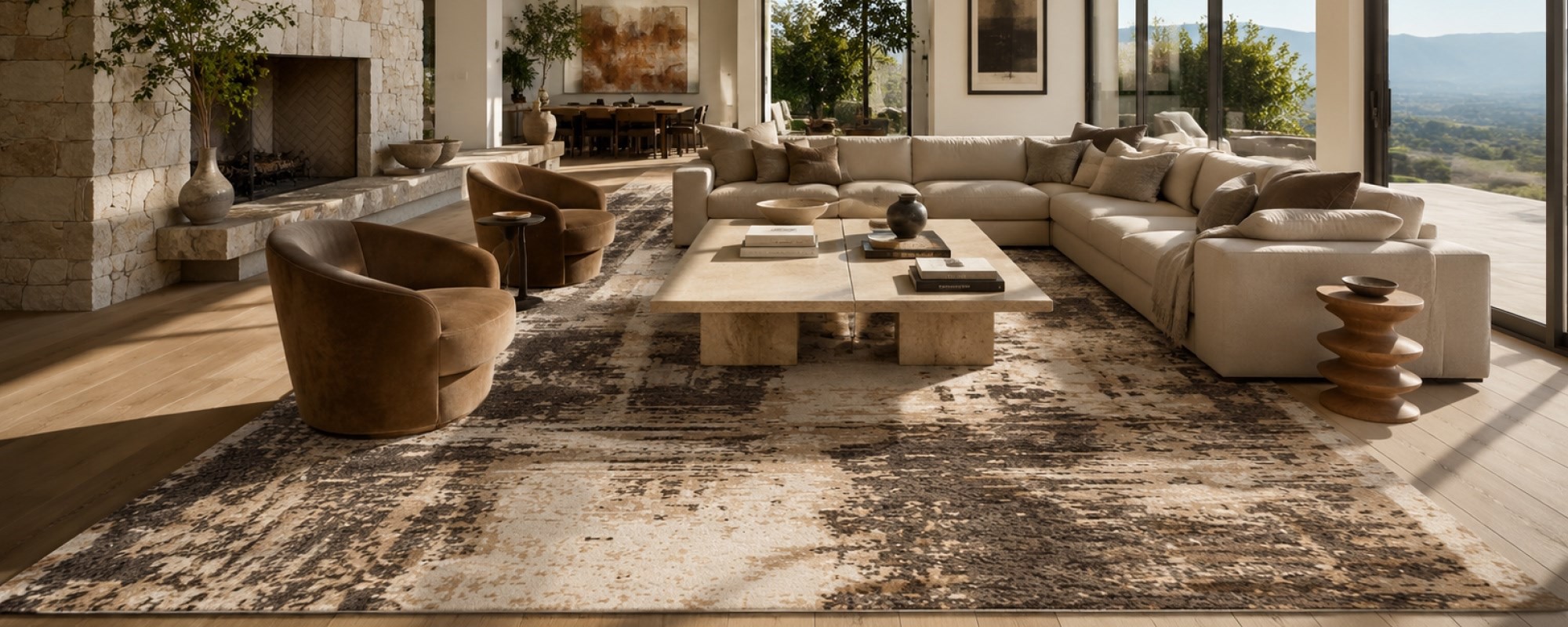
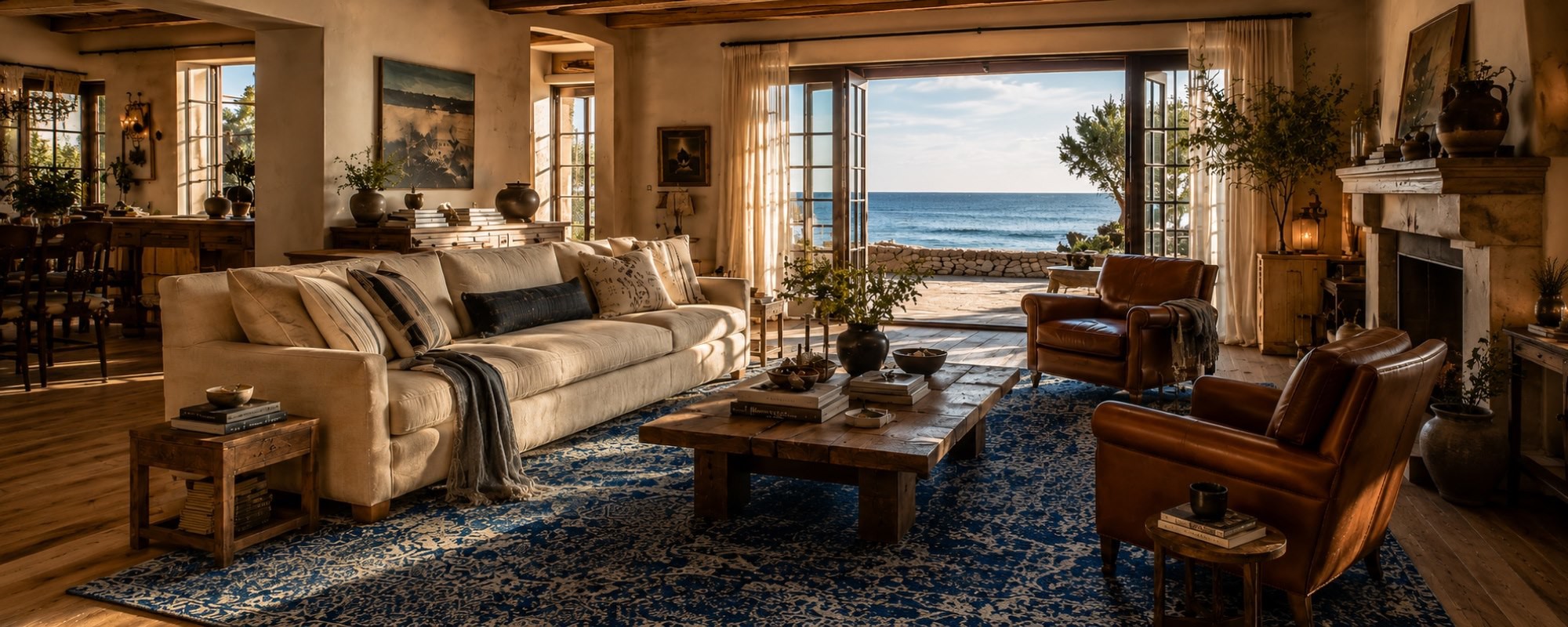
Distressed rugs are intentionally treated or woven to appear worn, faded, or aged, often mimicking the look of vintage rugs with visible patina and irregular color variation.
But the modern version isn’t about faking age. It’s about designing visual depth from day one.
-
Distressed rugs use techniques like overdyeing, abrasion, or low-high pile weaving to create a faded rug effect.
-
Many hand knotted rugs now incorporate distressing during the weaving process itself, not after.
-
The goal is controlled imperfection, not damage.
-
Unlike older versions, modern distressed carpets avoid uniform fading and instead create uneven tonal shifts.
-
They often overlap with categories like overdyed rugs and vintage-inspired rugs.
Here’s where it gets interesting.
Distressing today is less about aesthetics alone and more about how an area rug behaves inside a space.
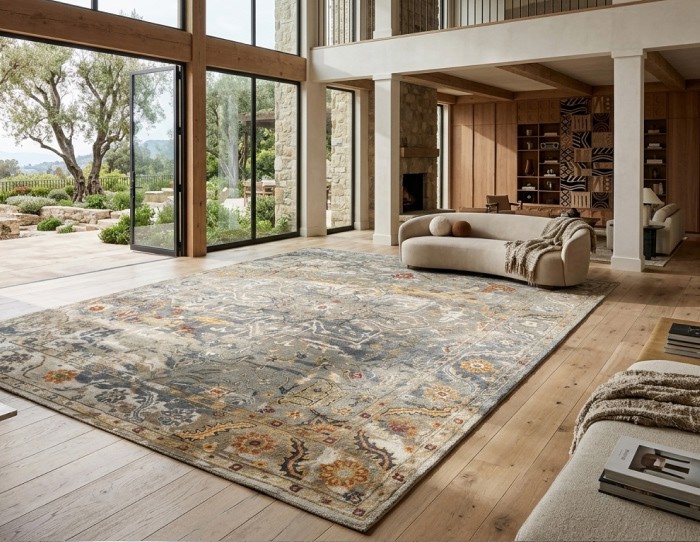
Distressed Rugs vs Vintage Rugs vs New Rugs
Distressed rugs are newly made rugs designed to look aged, while vintage rugs are genuinely old, and new rugs retain a clean, unused appearance.
The confusion between these categories leads to wrong buying decisions more often than people admit.
-
Distressed rugs vs vintage rugs: Vintage rugs carry natural wear and historical patina; distressed rugs simulate that look with modern durability.
-
Distressed rugs vs new rugs: New rugs show uniform color and sharp patterns; distressed rugs soften contrast and reduce visual noise.
-
Vintage rugs can be inconsistent in condition, while distressed rugs offer predictable performance.
-
Overdyed rugs often sit between distressed and vintage, combining old bases with new color treatments.
-
Distressed rugs are easier to integrate into contemporary layouts than traditional vintage pieces.
Are distressed rugs better than vintage rugs?
Not better, but more practical. They offer the look of vintage rugs without maintenance risks.
Most people don’t notice this part.
Distressed rugs aren’t just a style choice. They are a visual tool.
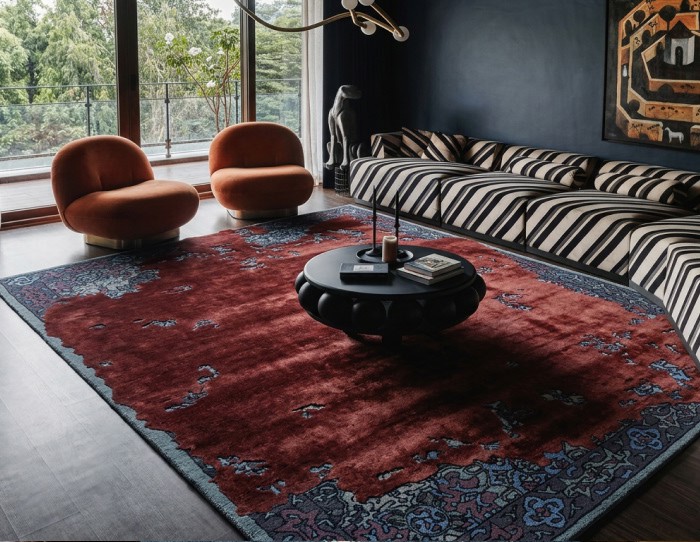
Where and How to Use Distressed Rugs?
Distressed modern rugs work best in spaces where visual balance is needed, especially rooms with mixed materials, bold furniture, or high contrast elements.
They act like a filter, softening everything around them.
-
In living rooms, distressed rugs reduce the harshness of modern furniture edges.
-
In bedrooms, faded rugs prevent the space from feeling overly styled or staged.
-
They pair well with both minimalist and layered interiors because they absorb visual tension.
-
Distressed carpets are ideal for open layouts where multiple design elements compete.
-
They help connect old and new pieces within the same room.
Do distressed rugs make a room look smaller?
No. Their faded patterns often make spaces feel larger by reducing visual clutter.
Here’s the part most buying guides skip.
Not every distressed rug works the same way.
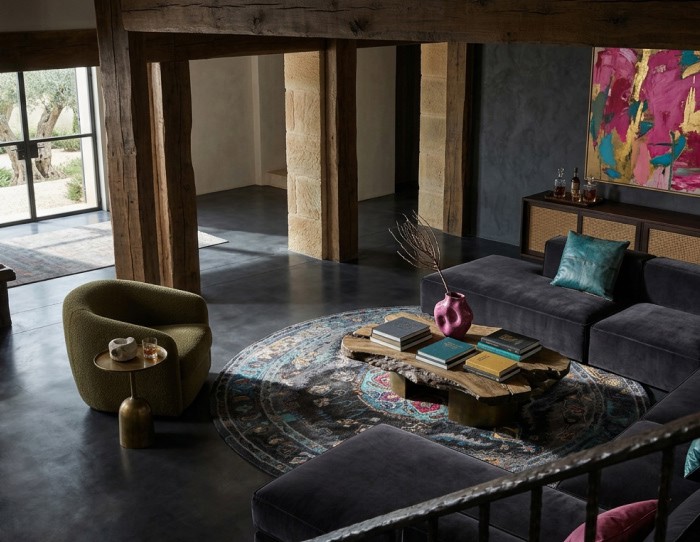
Are Distressed Rugs Worth It?
Yes, distressed rugs are worth it if you want low-maintenance visuals, better adaptability, and reduced visible wear over time.
Their value comes from how forgiving they are in real life.
-
Faded traditional rugs hide stains, dust, and daily wear better than solid or high-contrast rugs.
-
They maintain their look longer because aging blends into the design.
-
Hand knotted distressed rugs offer durability similar to traditional rugs with added visual flexibility.
-
They reduce the need for frequent replacements in high-traffic areas.
-
They are more adaptable across changing decor styles.
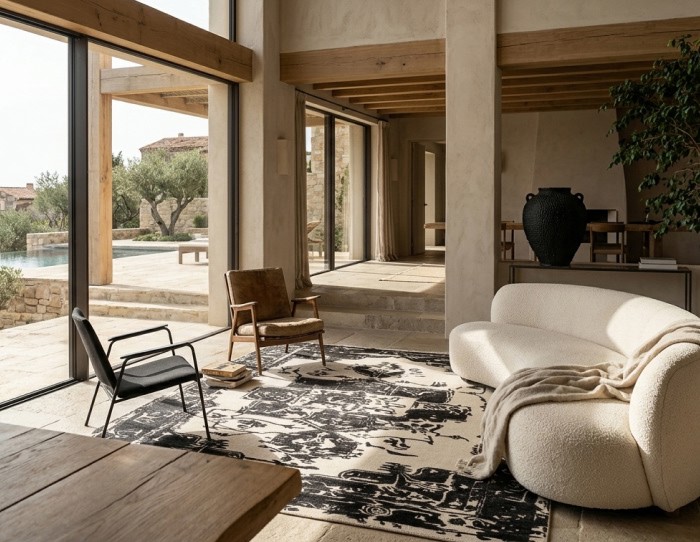
3 Mistakes People Make With Distressed Rugs
Most mistakes come from misunderstanding scale, contrast, and placement.
These errors can make even a good rug look wrong.
-
Choosing a distressed rug that’s too light for high-traffic areas leads to faster visible dirt buildup.
-
Pairing faded rugs with overly faded furniture flattens the entire room visually.
-
Using small rugs that fail to anchor furniture properly.
-
Ignoring undertones causes clashes with flooring or upholstery.
-
Treating distressed living room rugs like statement pieces instead of balancing elements.
Do distressed rugs go out of style?
No. Their adaptability keeps them relevant across changing trends.
Here’s where the decision gets clearer.
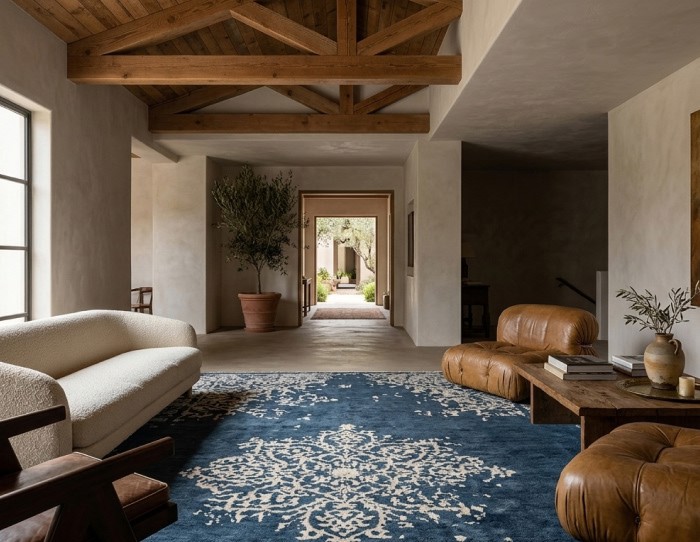
Who Should Buy And Who Should Not
Distressed hand tufted rugs are ideal for people who want flexibility and low-maintenance design, but not for those seeking sharp, bold visual statements.
They solve specific problems, not all design goals.
Buy distressed rugs if you:
-
Want an area rug that hides wear and aging.
-
Have mixed furniture styles that need visual cohesion.
-
Prefer subtle patterns over bold graphics.
-
Need a rug for high-use areas.
Avoid distressed rugs if you:
-
Want crisp, high-contrast patterns.
-
Prefer symmetrical, defined designs.
-
Styling a highly formal or decorative space.
-
Expect the rug to be the focal point.
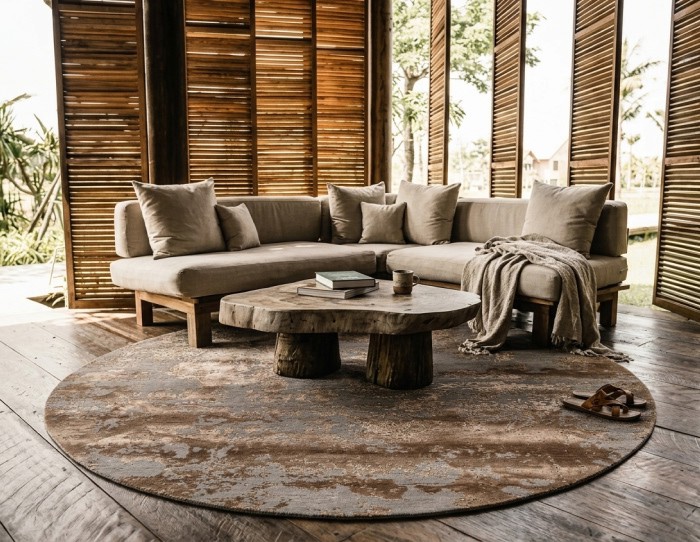
Summing Up..
Designers aren’t reviving distressed rugs. They’re correcting the over-designed room.
What reads like “worn” is now precision: pigment broken on purpose, contrast dialed down, pattern partially withheld.
What changed is subtle but decisive.
Distressing is no longer decoration. Its structure.
That is why some spaces feel resolved the moment the rug goes in, and others never quite settle.
These rugs aren’t trying to look aged.
They’re designed to make everything else look right.
We will be back with another blog soon.
Till then, stay tuned and explore Jaipur Rugs!
FAQs
What are distressed rugs?
Distressed rugs are rugs intentionally designed to appear aged through controlled fading, texture variation, and pattern reduction, either during or after production.
Are distressed rugs actually old?
No. Most distressed rugs are newly made and engineered to replicate the visual effect of age rather than being genuinely old.
Why are distressed rugs popular right now?
Distressed rugs are popular because they reduce visual sharpness in modern interiors, making spaces feel less staged and more resolved.
What is the difference between distressed rugs and vintage rugs?
Vintage rugs are genuinely aged over time, while distressed rugs are designed or treated to simulate that aged appearance.
Do distressed rugs hide dirt and wear?
Yes. Their uneven tones and faded patterns naturally mask stains, dust, and everyday wear.
What materials are best for distressed rugs?
Wool is the best material for distressed rugs due to its durability, texture retention, and ability to age well.


Pic Credits
Jaipur rugs / Abil Dase
Share
-
 Facebook
-
 Twitter
-
 Email
Email
Related Posts
-
15 July 2026
- ∙
-
8 Min Read
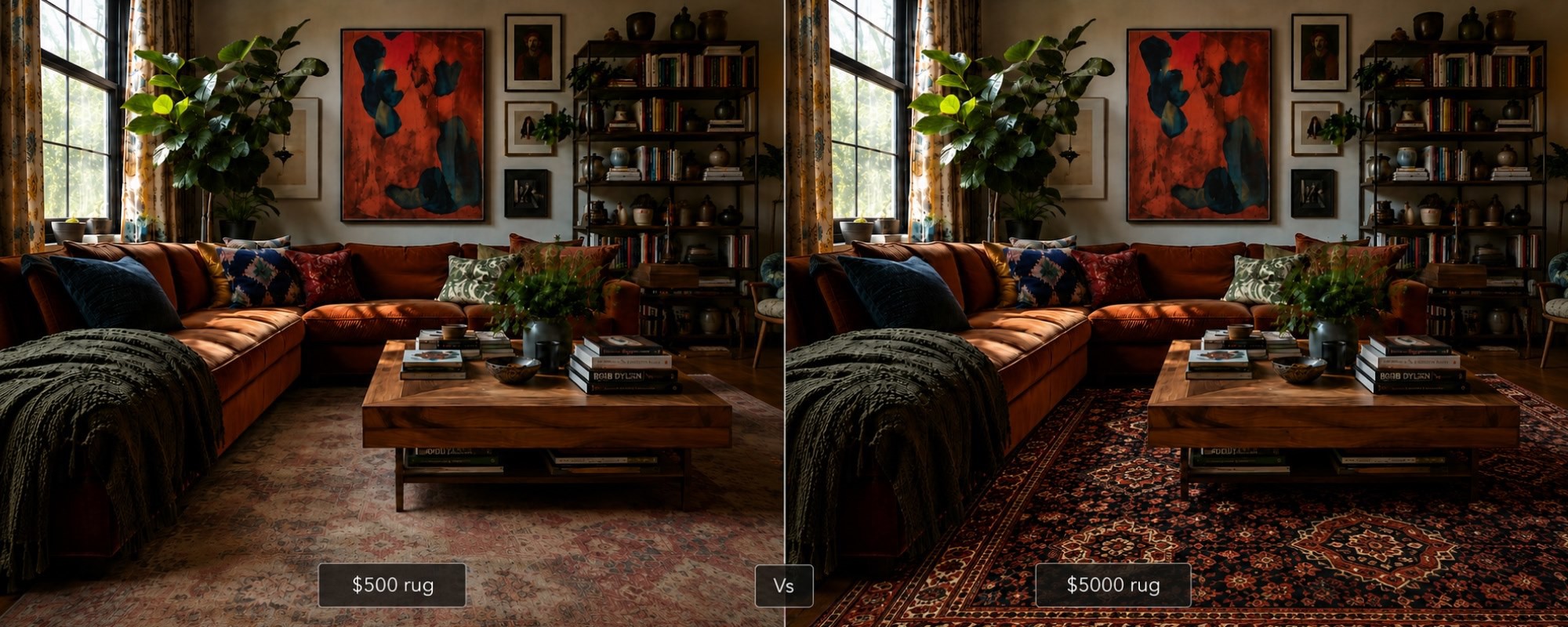
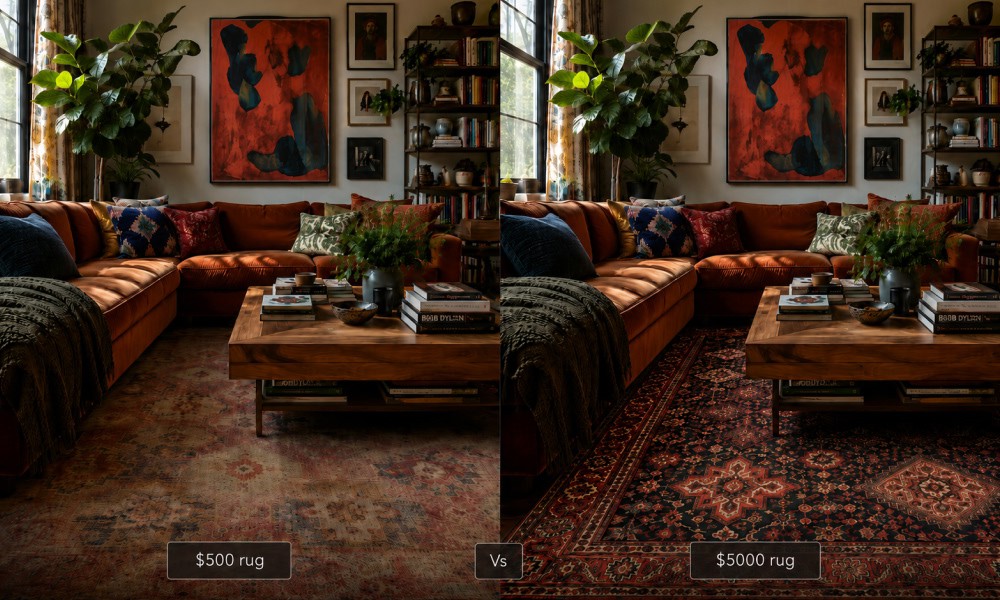
The $500 vs $5,000 Rug: An Honest Side-by-Side That No Brand Will Show You
Why do some rugs cost ten times more than others? This honest side-by-side looks at what actually separates a $500 rug from a $5,000 one: knot density, fiber quality, pile depth, and finishing. No brand bias, no marketing language. Just a clear breakdown to help you decide which one is worth it for your space and budget.
Read Article →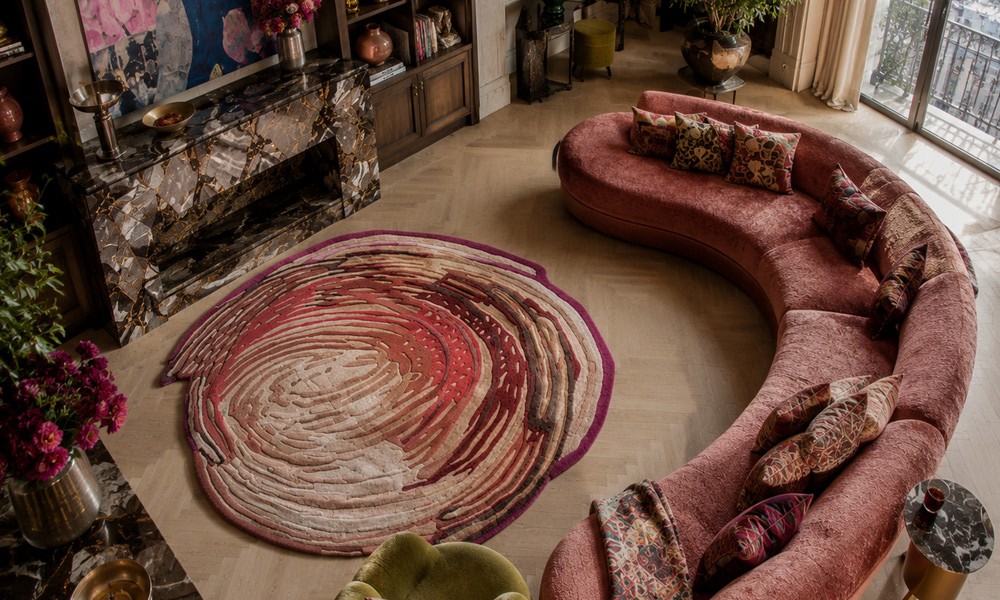
-
14 July 2026
- ∙
-
13 Min Read
3D Rugs and Sculpted Pile: The Tactile Design Trend Redefining Floors in 2026
The rug used to finish a room. Now it starts one. 3D rugs and sculpted piles are bringing real depth and tactile texture to interiors, from hand knotted relief patterns to optical illusion designs that stop you mid-step. This is what the trend is, why it matters, and how to buy it well.
Read Article →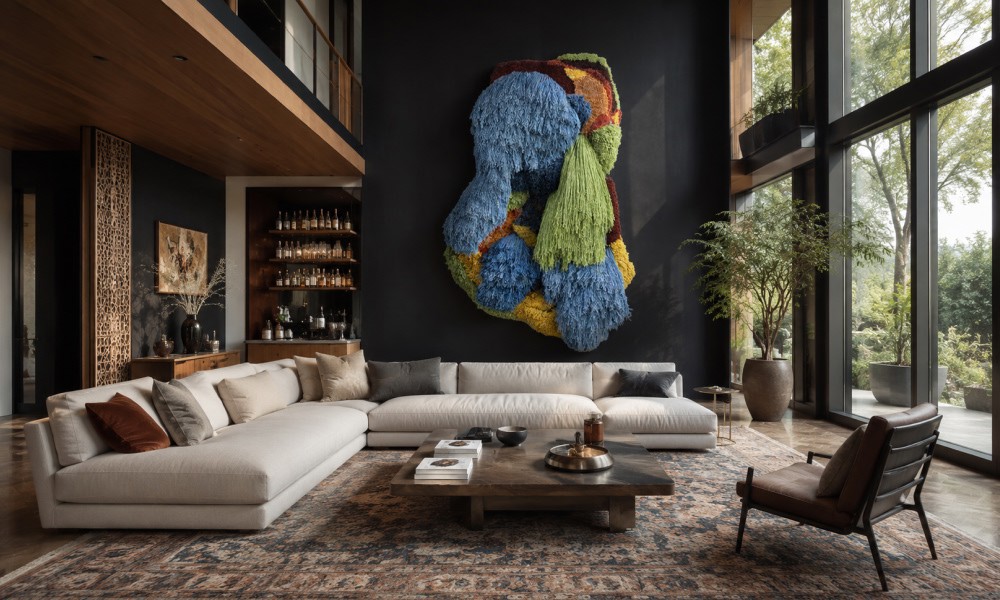
-
10 July 2026
- ∙
-
10 Min Read
How to Pair Indian Wall Art with the Right Rug Pattern: A Room-by-Room Guide
Choosing the right rug to go with your Indian wall art does not have to be guesswork. This guide breaks it down room by room, from the living room to the bathroom and outdoor spaces. Learn how to match colors, patterns, and scale so your wall art and rug always feel like they belong together.
Read Article →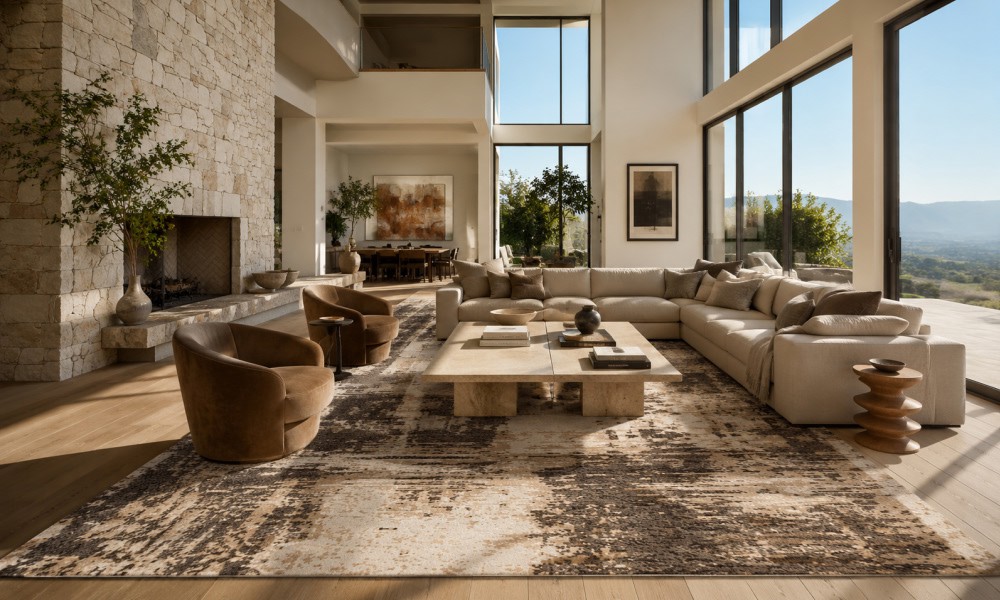
-
07 July 2026
- ∙
-
9 Min Read
How to Tell If a Rug Is Handmade: 7 Signs Experts Look For (Abrash Is One of Them)
Wondering how to know if a rug is handmade? Get an overview of 7 key characteristics that will help you identify if a rug is truly handmade and learn about its differences compared to machine-made rugs, and why they do not lose their value. Here is what to keep in mind when buying a handmade rug.
Read Article →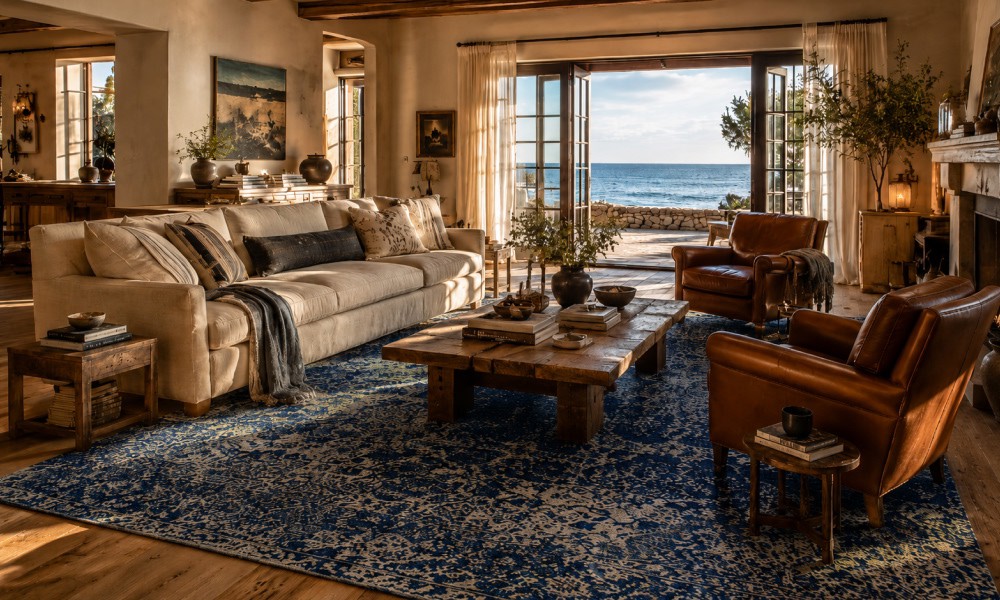
-
04 July 2026
- ∙
-
8 Min Read
Coastal Grandmother Is Evolving: The 2026 "Coastal Heritage" Aesthetic and the Rugs That Define It
The coastal grandmother design is progressing into something new and exciting by 2026. Coastal Heritage introduces texture, craftsmanship, and handmade elements to this popular design style. Here are the various rug types, colors, and decorating ideas to know about this classic coastal design trend.
Read Article →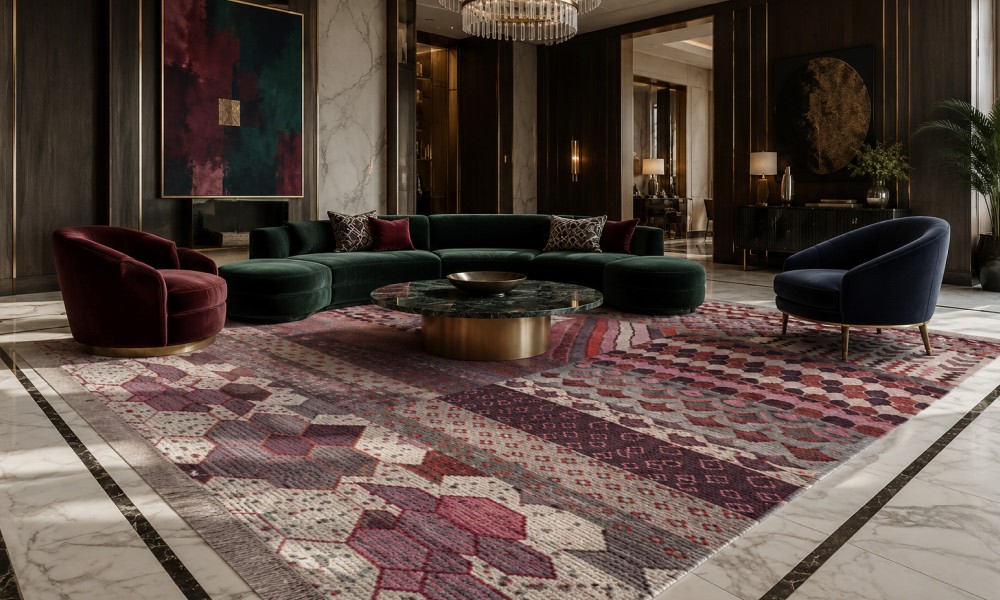
-
22 June 2026
- ∙
-
6 Min Read
Why Top Interior Designers are Switching to Indian Handmade Rugs
High-end interior designers have begun using handmade carpets from India in place of machine-made carpets to enhance their design portfolios and ensure product longevity. The following guide will help you understand why design professionals prefer Jaipur Rugs for creating customized, ethically produced wool-and-bamboo-silk carpet designs for luxurious homes.
Read Article →