
You are on our International website. Please select your region to see content specific for your location





 Profile
 Orders
 Wishlist
 Change Password
 Logout


Latest Blogs



ideas and inspiration
Rug Storage Guide: How to Keep Your Rugs & Carpets Safe For Long Term?
- 29 January 2025
- |
- 7 Min Read
- |
- By Jaipur Rugs


Learn how to store rugs, carpets, and more with our expert tips. From wool rugs to area rugs, follow these easy steps for safe long-term storage and maintenance.
Your rug is not just decor; it's an investment. But the main concern that every rug lover faces now and then is how to store rugs for a long time? Whether you have a hand-knotted wool rug, a modern polyester rug, or a classic silk rug, proper rug storage is key to preserving its beauty and longevity. But what happens when it's time to pack your rug away for a season or longer? The answer is simple: to keep your rug, you need to store it right.
In this guide, we'll show you how to store carpets, such as modern rugs, how to store area rugs, from cleaning to carpet storage solutions. We'll also cover tips on how to store wool rugs, prayer mat storage ideas and other rug storage ideas to make sure your rugs will stay in the best condition for a longer period.

Preparation is Key: Cleaning, Drying, and Inspecting Your Rug
Before we get into the actual carpet storage process, let's start with the basics: preparing your rug. Cleaning and caring for your rug is key to keeping it in good condition while in storage.
Clean Your Rug
Clean your rug thoroughly. Whether you have an abstract carpet, handmade, or cotton rug, remove dirt and debris.
-
Wool Rugs: Vacuum with a gentle brush attachment to lift dirt. Don't use too much water on wool, as it can shrink the fibers.
-
Silk Rugs: Professional cleaning is recommended to avoid damaging delicate silk rugs.
-
Polyester Rugs and Area Rugs: Vacuum or wash in cold water, depending on the material.
Once cleaned, make sure your rug is completely dry to avoid mold or mildew during storage.
Dry Your Rug Properly
Moisture is your rug's worst enemy. Make sure your rug is dry before rolling it up for storage.
-
Air Dry: Lay your rug flat in a well-ventilated area or use a dehumidifier. Avoid direct sunlight as it can cause fading, especially on traditional rugs or wool rugs.
-
Keep it Dry: Ensure the storage area is dry. High humidity can cause mold to grow on hand-knotted rugs and viscose rugs.
Check for Damage
Before storing, check your rug for damage. Check for loose threads, tears, or other signs of wear, especially for hand tufted rugs or round rugs that are more delicate. Small repairs should be done now to prevent further damage during carpet storage.
Rolling Your Rug: How To Roll A Rug For Storage?
Now that your rug is clean, dry, and in good condition, it's time to roll it up for storage.

Flat vs Rolled Storage: Why Rolled is Better?
The best way to store rugs is rolling. Rolling is better than folding. Folding can cause permanent creases, especially in delicate fibers like wool or bamboo rugs. Rolling keeps your rug's shape and prevents creases.
How to Roll Your Rug: Step-by-Step Process To Follow
-
Lay Flat: Lay your rug flat on a clean surface. Make sure it's dust-free.
-
Pile In: Always roll your rug with the pile (the soft side) in to protect it.
-
Wrap in Acid-Free Paper: As you roll, wrap the rug in acid-free paper to prevent friction and damage to the fibers.
-
Tie with Soft Ties: Use soft ties or cotton straps to tie the rug. No rubber bands or harsh materials as they can damage delicate fibers like hand-knotted rugs.
Where to Store Your Rug?
Where you store your rug is just as important as how you store it. Let's look at the best options for long-term storage.
Choose the Right Carpet Storage Location
Temperature is key to preserving your rug. Store your rug in a cool, dry, temperature-controlled space. Heat or cold can damage the fibers, so make sure to store it in a climate-controlled area, whether it's a storage unit or a closet.
-
Basements and Attics: These areas have temperature fluctuations and high humidity, which can damage wool and area rugs.
-
Elevate Your Rug: Store your rug off the ground to prevent damage from moisture, pests, or water. Use rug storage tubes or place your rug on a shelf.
Rug Storage Solutions for Small Spaces
If you have limited space, you still have options to store your rug safely:
-
Rug Storage Tubes: Perfect for smaller flat weave carpets, cotton rugs, or area rugs, rug storage tubes are a great way to protect your rug.
-
Vertical Storage: To prevent damage, you can store square rugs and prayer mats vertically if tied securely.
-
Breathable Carpet Storage Bags: Use breathable fabric bags to store your rug for extra protection. This allows air circulation, especially for silk carpets and wool rugs.
Storage Maintenance
Once your rug is stored away, regular maintenance will keep it in great condition.
Check Regularly
Check your rug every few months for moisture or pests. Small issues are easier to fix before they become big problems. Look for mold or discoloration, especially if you have bamboo or transitional rugs.
Reconditioning After Storage
Before you start using your rug again:
-
Vacuum lightly to remove any dust or debris that has accumulated.
-
Professional Cleaning: Have delicate rugs like silk or hand-knotted rugs professionally cleaned to restore their texture and luster.
Rug Storage for Long Term Care
In summary, to store a rug, whether handmade, wool, or modern, clean it thoroughly, roll it carefully, and store it in a cool, dry place. By following these steps, whether you have an area rug, prayer mat, or viscose rug, it will stay in great condition no matter how long you store it.
We’d love to hear your thoughts on our carpet storage ideas and how practical and beneficial you find them.
FAQs
How to store a rug long term?
To store a rug, clean it thoroughly, dry it completely, roll it up with acid-free paper, and store it in a cool, dry, temperature-controlled environment. Ensure the rug is off the ground to prevent moisture and pests from damaging it.
How do I make my rug last longer?
To extend the life of your rug, store it properly, clean it regularly, and avoid exposing it to direct sunlight or excessive moisture. Regular professional cleaning and proper storage are essential for delicate rugs like silk or wool.
How long can a rug be rolled up?
Rugs should not be rolled up for more than 6 months without checking. Prolonged rolling can cause permanent creases or damage to the rug's fibers. If you need to store it for longer, try rotating or unrolling it periodically to prevent any lasting pressure.
Should I store my rug vertically or horizontally?
Depends on the rug size. Vertical storage is fine for smaller rugs (like prayer mats or flatweaves). Horizontal storage or rolling is better for larger rugs to prevent creases or damage to the fibers.
Can I store a rug in a basement or attic?
Basements and attics can work for rug storage but have fluctuating temperatures and humidity levels. Moisture and pests are the biggest risks in these areas. If you must store your rug in one of these places, make sure it's in a well-ventilated and dry area, and consider using a rug storage tube or breathable fabric bag to add extra protection.
How do you store wool rugs differently?
Wool rugs need special care to prevent moth damage. Store wool rugs with cedar blocks or moth repellents. Don't fold them to prevent permanent creases. Rolling with care is the best way to store wool rugs, just like others.
Can I store a rug in a plastic bag?
Plastic bags are not recommended for rug storage, as they trap moisture and can cause mildew. Store your rug in a breathable storage bag or on acid-free paper. This allows air circulation to keep your rug safe from moisture and pests.
How do I stop pests from getting to my rug in storage?
To protect your rug from pests, especially wool or other organic fiber, use cedar blocks, mothballs, or natural pest repellents like lavender sachets. Also, make sure the storage area is dry and well-ventilated to prevent infestations.
Can I store a rug in a storage unit?
Yes, you can, but make sure the unit is climate-controlled to avoid extreme temperature and humidity fluctuations. Don't store your rug on the unit's floor; store it in storage tubes or shelves to keep it elevated and safe.
How do I look after my rug after long-term storage?
Once you remove your rug from storage, vacuum it gently to remove dust or dirt. Consider cleaning them professionally for delicate rugs like hand-knotted wool or silk to get the texture and look back. Depending on how long the rug was stored, the fibers may need some fluffing and care.


Pic Credits
Jaipur rugs / Abil Dase
Share
-
 Facebook
-
 Twitter
-
 Email
Email
Related Posts
-
22 July 2026
- ∙
-
8 Min Read
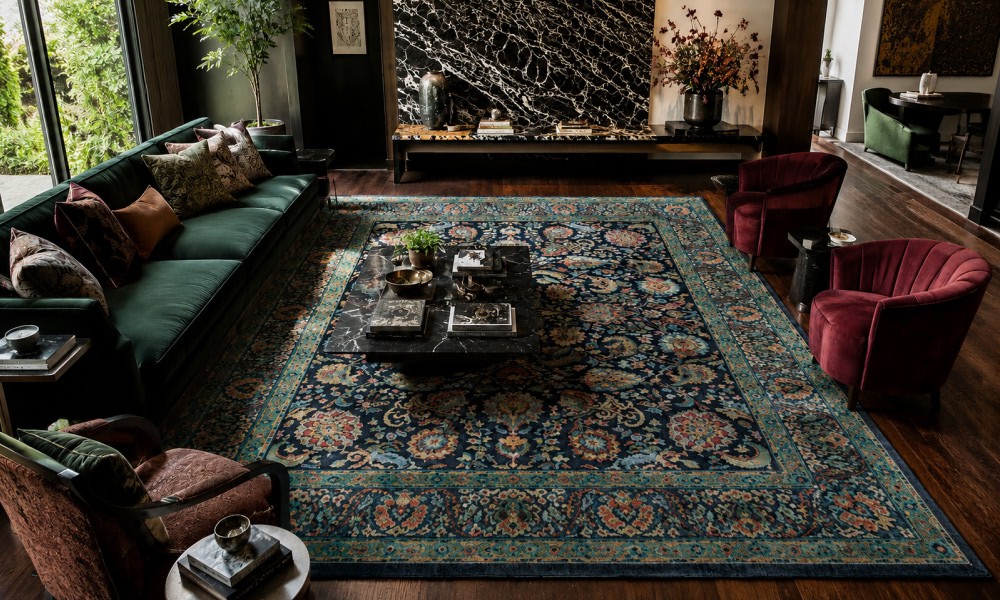
What Size Rug for a 10x12 Living Room?
For a 10x12 living room, an 8x10 rug is the right fit. It anchors the seating area without crowding the walls. Put the front legs of your furniture on it, choose wool for daily use, and go hand-knotted if you're buying for the long term. Size right once, and the room takes care of itself.
Read Article →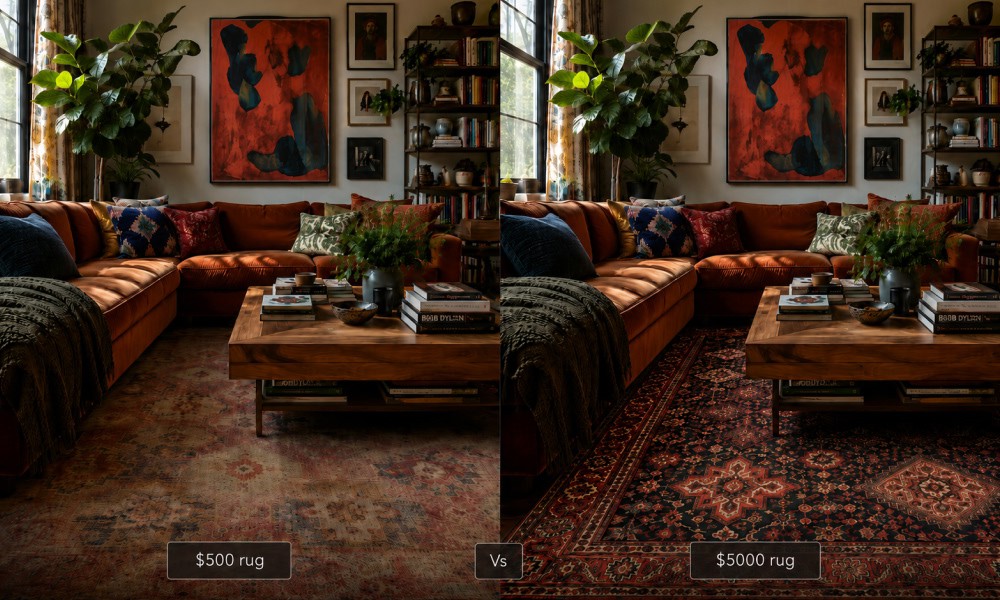
-
15 July 2026
- ∙
-
8 Min Read
The $500 vs $5,000 Rug: An Honest Side-by-Side That No Brand Will Show You
Why do some rugs cost ten times more than others? This honest side-by-side looks at what actually separates a $500 rug from a $5,000 one: knot density, fiber quality, pile depth, and finishing. No brand bias, no marketing language. Just a clear breakdown to help you decide which one is worth it for your space and budget.
Read Article →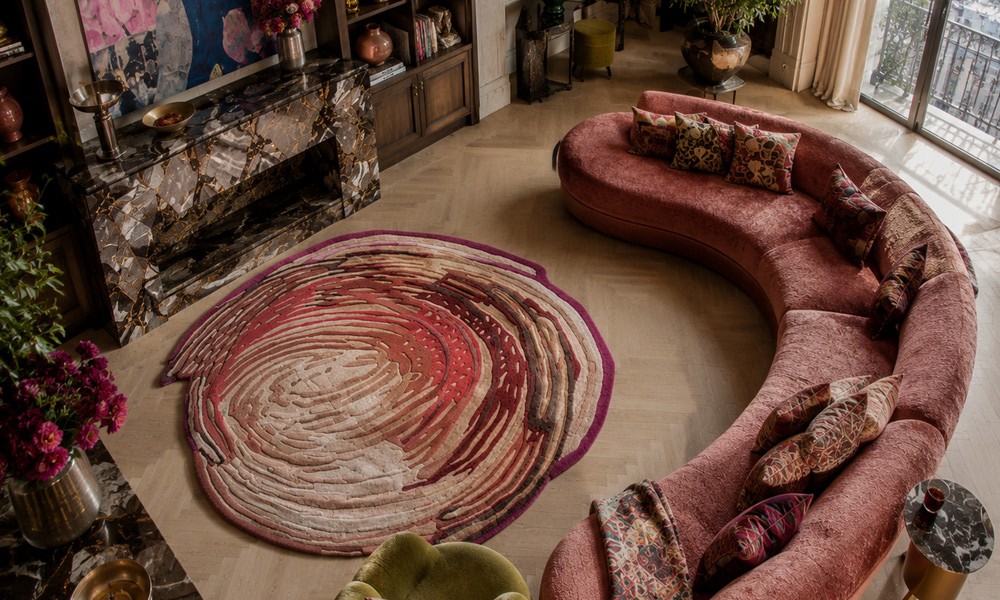
-
14 July 2026
- ∙
-
13 Min Read
3D Rugs and Sculpted Pile: The Tactile Design Trend Redefining Floors in 2026
The rug used to finish a room. Now it starts one. 3D rugs and sculpted piles are bringing real depth and tactile texture to interiors, from hand knotted relief patterns to optical illusion designs that stop you mid-step. This is what the trend is, why it matters, and how to buy it well.
Read Article →
-
10 July 2026
- ∙
-
10 Min Read
How to Pair Indian Wall Art with the Right Rug Pattern: A Room-by-Room Guide
Choosing the right rug to go with your Indian wall art does not have to be guesswork. This guide breaks it down room by room, from the living room to the bathroom and outdoor spaces. Learn how to match colors, patterns, and scale so your wall art and rug always feel like they belong together.
Read Article →
-
07 July 2026
- ∙
-
9 Min Read
How to Tell If a Rug Is Handmade: 7 Signs Experts Look For (Abrash Is One of Them)
Wondering how to know if a rug is handmade? Get an overview of 7 key characteristics that will help you identify if a rug is truly handmade and learn about its differences compared to machine-made rugs, and why they do not lose their value. Here is what to keep in mind when buying a handmade rug.
Read Article →
-
04 July 2026
- ∙
-
8 Min Read
Coastal Grandmother Is Evolving: The 2026 "Coastal Heritage" Aesthetic and the Rugs That Define It
The coastal grandmother design is progressing into something new and exciting by 2026. Coastal Heritage introduces texture, craftsmanship, and handmade elements to this popular design style. Here are the various rug types, colors, and decorating ideas to know about this classic coastal design trend.
Read Article →