You are on our International website. Please select your region to see content specific for your location





 Profile
 Orders
 Wishlist
 Change Password
 Logout


Latest Blogs
ideas and inspiration
The 3cm Rule: Why 2026 is the Year of the Ultra-Plush Floor
- 07 May 2026
- |
- 8 Min Read
- |
- By Jaipur Rugs
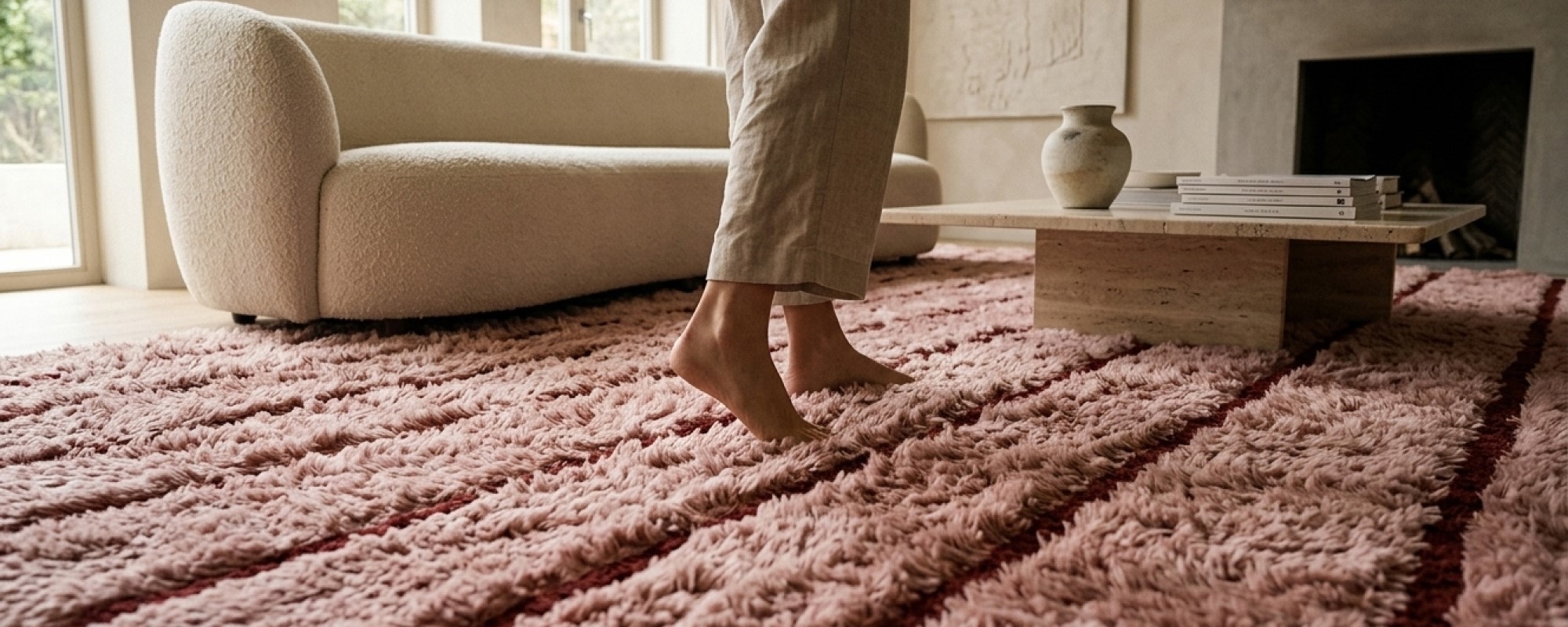
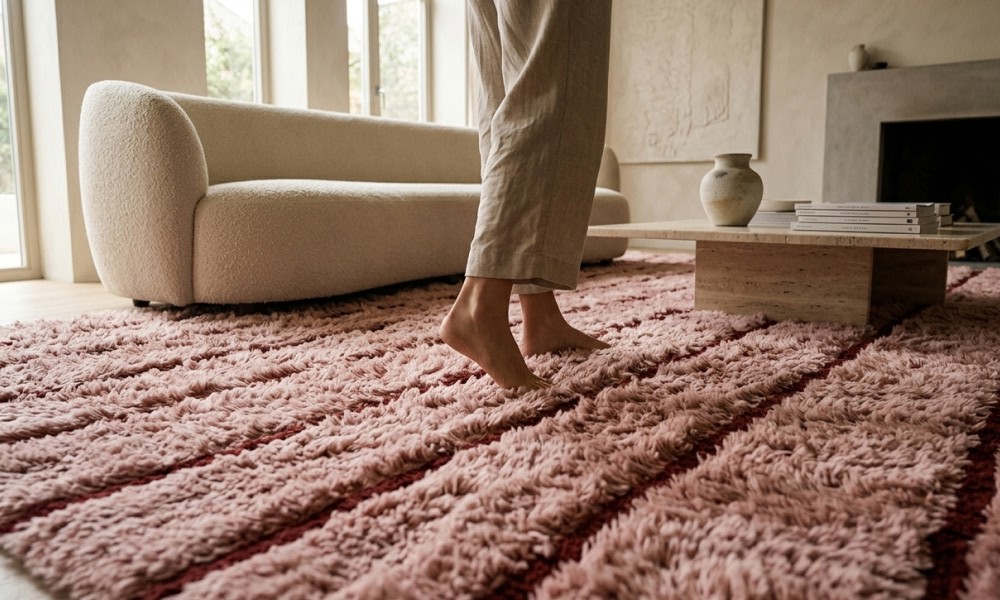
The 2026 "3cm Rule" marks a definitive shift toward sensory-driven interiors. By prioritizing high-pile rugs and ultra-plush carpets, designers are creating immersive environments rooted in tactile comfort. This guide explores how premium wool rugs offer a restorative experience, blending artisanal craftsmanship with a modern aesthetic to redefine luxury floor coverings for the contemporary, comfort-focused home.
For the past decade, interior design has been dominated by the “less is more” philosophy. We saw the rise of ultra-thin flatweaves, industrial concrete floors, and low-profile floor coverings that prioritized sleek silhouettes over physical comfort. However, as we look toward the design horizon of 2026, a seismic shift is occurring. Homeowners are no longer satisfied with mere aesthetics; they are craving a deep, immersive sensory experience.
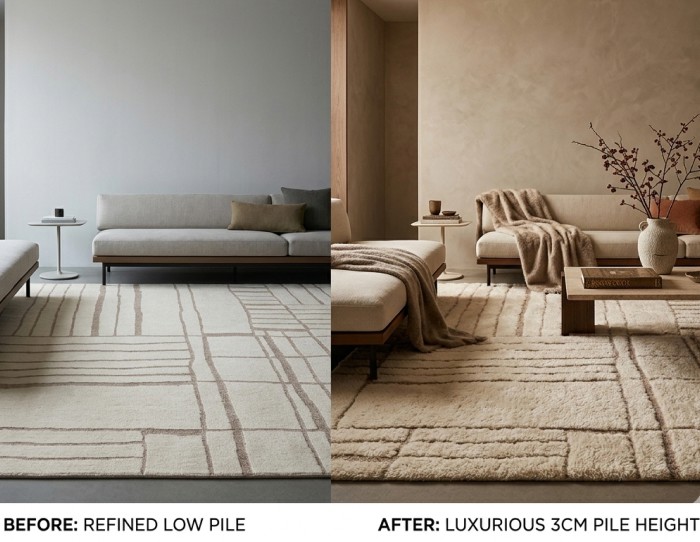
This yearning for softness has culminated in the “3cm Rule,” a design standard dictating that the most luxurious spaces must feature a high-pile rug with a minimum thickness of 3 centimeters. This isn’t just about floor coverage; it’s about a fundamental change in how we interact with our living environments.
Defining the 3cm Rule: More Than Just Shag
When we talk about the 3cm Rule, it is important to distinguish this trend from the loose, messy shag carpets of the 1970s. Today’s high pile carpets are masterpieces of engineering and artisanal craft. The rule refers to the vertical height of the fibers, specifically aiming for that sweet spot where the foot begins to sink in noticeably, providing instant tactile comfort.
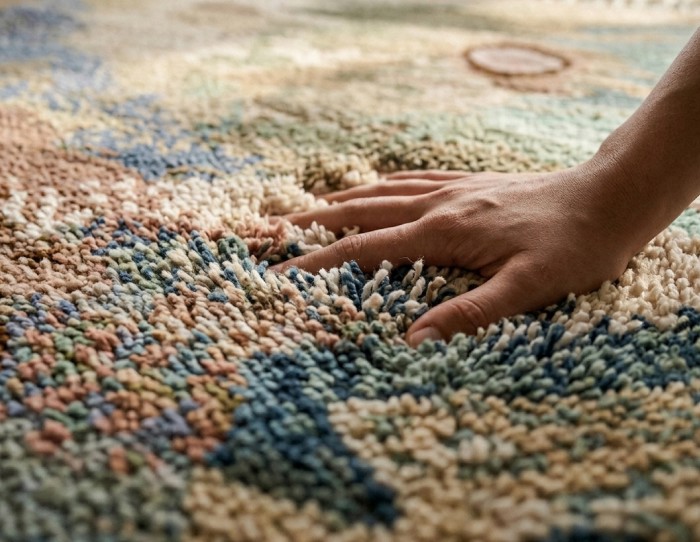
At this specific height, the yarn has enough “travel” to contour to the body. Whether you are walking barefoot across the room or sitting directly on the floor to play with a pet, an ultra-plush carpet serves as functional ground upholstery. It creates a literal cushion between you and the home's architecture, softening the “hard edges” of modern life.
The Materiality of Luxury: Why Wool Wins
While synthetic fibers can mimic softness, they often fail to maintain their structure at significant heights. This is why designers are returning to high-quality wool rugs to achieve the 3cm standard. Wool is a miracle fiber; its natural crimp allows it to stand upright even when piled higher than traditional floor coverings.
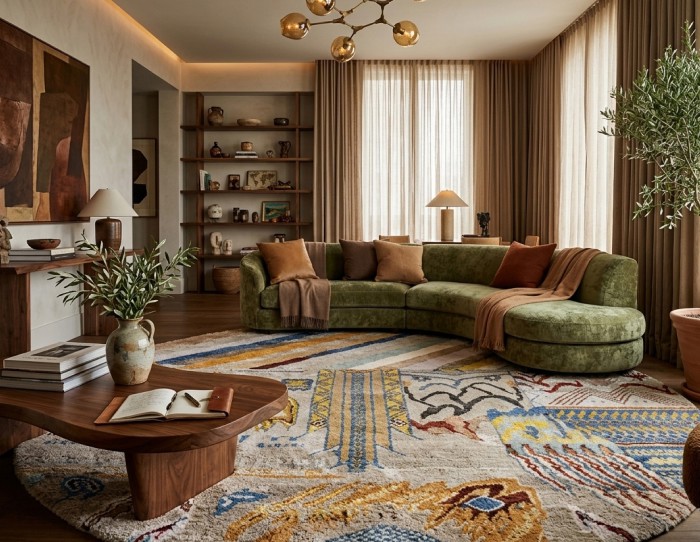
Beyond the height, wool offers a resilience that synthetic alternatives simply cannot match. A high pile area rug crafted from premium New Zealand or Tibetan wool will bounce back after being stepped on, maintaining its “cloud-like” appearance for years. This durability is essential when investing in a piece intended to be the tactile heart of a room.
Creating a Sensory Experience at Home
Design in 2026 is moving away from purely visual approaches. We are entering an era of “neuro-aesthetic” design, where the way a room feels is just as important as how it looks on social media. An ultra-plush floor covering serves as a grounding element, lowering cortisol levels and encouraging relaxation through touch.
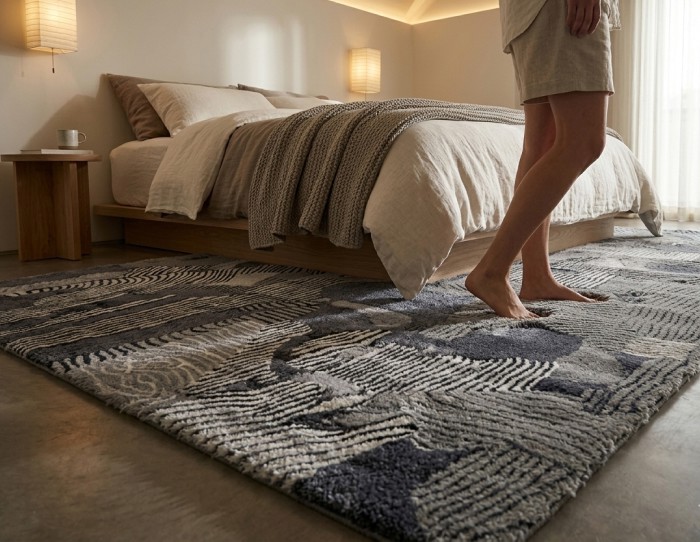
The psychological impact of stepping onto a thick, dense surface cannot be overstated. Architects are now specifying high pile rugs in bedrooms and “quiet zones” to serve as a transition from the chaotic outside world to a private sanctuary. When a rug is deep enough to hide your toes, it signals to the brain that you are in a safe, comfortable, and protected space.
Artisanal Techniques: The Foundation of Depth
To achieve the density required for a true 3cm pile, the construction method is paramount. Many of the most sought-after pieces in this category are hand-tufted rugs. This technique allows artisans to inject thick bundles of yarn into a primary backing, creating a density that is difficult to achieve on a standard loom.
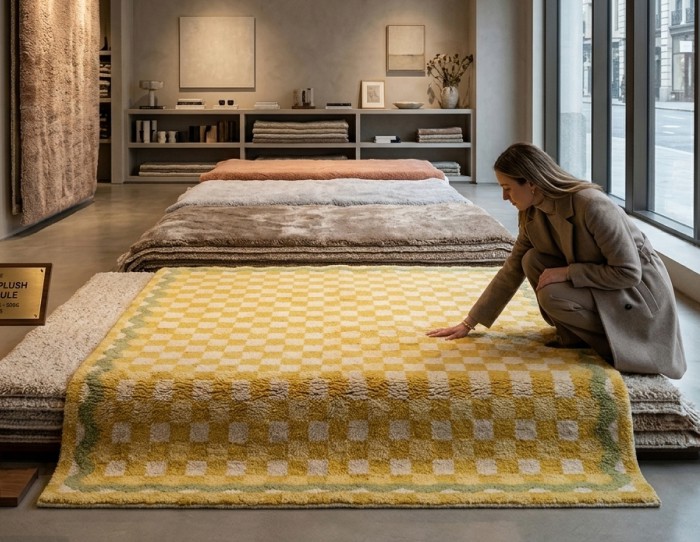
Because the tufting process is so versatile, it allows for incredible variation in height and texture. Designers often blend different materials to enhance the look. For instance, wool and viscose rugs are becoming increasingly popular in the luxury market. The wool provides the necessary “loft” and height, while the viscose adds a shimmering, silk-like highlight that catches the light between the deep shadows of the long fibers.
Balancing Aesthetics: From Modern to Traditional
A common misconception is that a thick pile only works in a contemporary setting. On the contrary, the 3cm Rule is being applied across the style spectrum. We are seeing a surge in modern rugs that use monochromatic palettes but rely entirely on fiber depth to create visual interest. In these rooms, the shadow cast by the tall yarns provides more “pattern” than any printed design could.
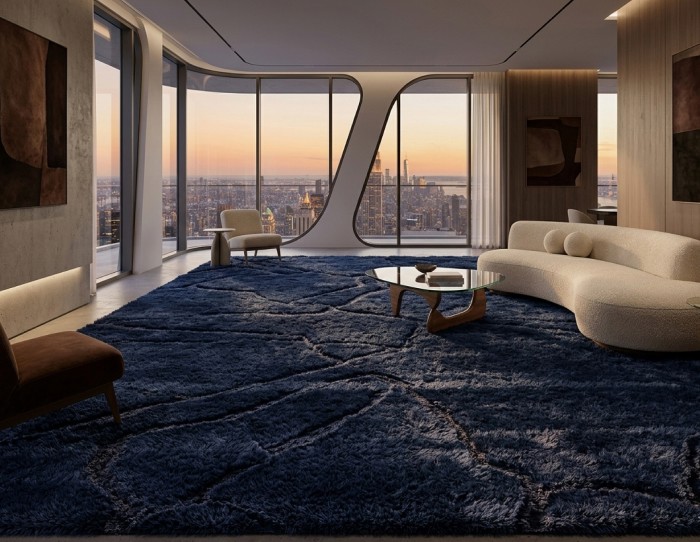
Surprisingly, this trend is also breathing new life into classic motifs. Traditional rugs with high-low carvings where the ornate borders are kept at a standard height, and the central field is raised to a plush 3cm, create a 3D effect that feels both regal and cozy. Even collectors of antique rugs are finding ways to layer these thin, historic pieces over larger, neutral high pile carpets to get the best of both worlds: history and comfort.
The Role of Fiber Blends in 2026
As we refine our understanding of textile luxury, the “ingredients” of our floor coverings are under more scrutiny. While pure wool is the gold standard, the 2026 trend favors sophisticated hybrids. Wool and bamboo silk rugs are at the forefront of this movement. Bamboo silk offers a cooler touch than wool, which makes a 3cm pile feel breathable rather than stiflingly hot in warmer climates.
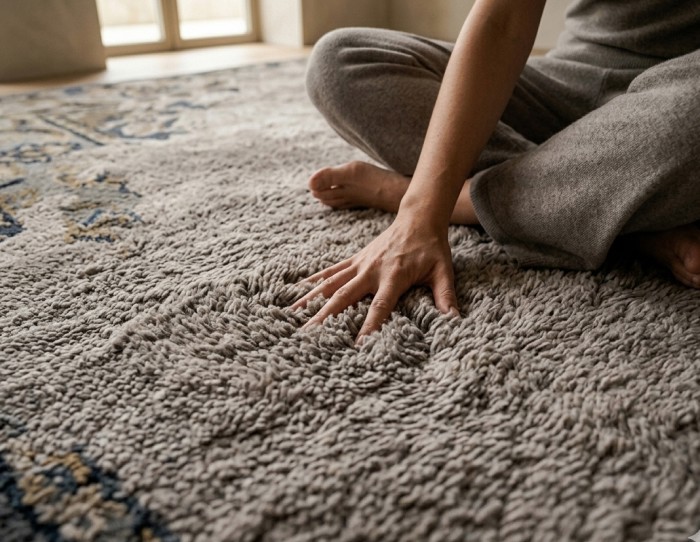
These blends are particularly effective for wool area rugs placed in high-traffic zones like the living room. The combination of fibers ensures that the rug doesn’t just look deep and inviting, but also feels varied underfoot. The slight difference in texture between the matte wool and the lustrous silk-alternative creates a sophisticated interplay that defines “Quiet Luxury.”
Investment Pieces: The Rise of the Custom Rug
Because the 3cm Rule is so specific to a room's dimensions, more consumers are opting for custom rugs. To truly master this trend, the rug should ideally extend to within 20cm of the walls, creating a continuous landscape of softness on the floor. Customization allows the owner to choose the exact tuft density, ensuring the pile doesn’t “lean” or flatten over time.
For those who want the ultimate in heritage and height, hand-knotted rugs with an unusually high knot count and long-trimmed piles are the pinnacle of the craft. These pieces take months to create but offer a level of detail and structural integrity that machine-made options simply cannot replicate. They are the heirlooms of the future, designed to be felt as much as they are seen.
Maintaining the 3cm Standard
One might worry that such a deep pile would be difficult to maintain. However, the 2026 trend is supported by a new generation of high-suction, adjustable-height vacuums designed specifically for high pile area rug care. Regular grooming of the fibers is actually a meditative part of the ownership experience, much like fluffing the pillows on a high-end sofa.
Natural wool also contains lanolin, which acts as a built-in repellent for dust and stains. This makes a well-crafted, high pile rug surprisingly practical for a busy household. As long as the fibers are allowed to breathe and are occasionally “raked” to restore their upright position, the 3cm depth remains a source of constant joy rather than a cleaning chore.
Conclusion: A Soft Future
As we move toward 2026, the 3cm Rule reminds us that our homes should be more than just galleries of curated objects. They should be places that engage all our senses, providing a refuge from a digital, “flat” world. By choosing an ultra plush floor covering, you are making a statement that comfort is the highest form of luxury.
Whether you are looking for a bold, sculptural piece or a quiet, neutral foundation, the move toward piled higher textiles is a celebration of the home as a sanctuary. It is an invitation to slow down, kick off your shoes, and lose yourself in the deep, restorative embrace of a perfectly crafted rug. In the end, the 3cm Rule isn’t just a trend; it’s a lifestyle choice that prioritizes the human experience above all else.
FAQs
Can I use a robot vacuum on a 3cm high pile rug?
Most standard robot vacuums struggle with a 3cm pile, as the dense fibers can jam the brush roll or be sensed as an obstacle. If using one, ensure it has a "carpet boost" mode and adjustable suction, or stick to a high-end canister vacuum with a specialized high-pile setting to prevent fiber damage.
Is a 3cm pile rug suitable for high-traffic areas like hallways?
To maintain the "cloud-like" movement of the fibers, it’s best to reserve ultra-plush rugs for low-traffic sanctuaries like bedrooms or formal lounges. In busy hallways, a 3cm pile may "path" or flatten over time due to constant compression.
Do ultra-plush wool rugs shed more than low-pile options?
Initial shedding is natural for premium wool rugs, especially with a higher pile. This is simply excess fiber from the shearing process working its way out. Regular light vacuuming during the first few weeks will quickly settle the rug into its long-term state.
Are high pile rugs safe for homes with pets or allergies?
While 3cm rugs are incredibly comfortable, they do trap pet hair and allergens more easily than flatweaves. We recommend choosing a wool rug for these homes, as wool has natural antimicrobial properties and a lanolin coating that resists dust mites better than synthetic fibers.
How do I prevent my heavy furniture from denting a 3cm rug?
Deep piles are prone to "crushing" under heavy weight. Use furniture coasters to distribute the load, and occasionally rotate your rug 180 degrees to ensure even wear. For existing dents, a gentle steam or mist with water, followed by hand-brushing the fibers, will usually restore the loft.


Pic Credits
Jaipur rugs / Abil Dase
Share
-
 Facebook
-
 Twitter
-
 Email
Email
Related Posts
-
15 July 2026
- ∙
-
8 Min Read
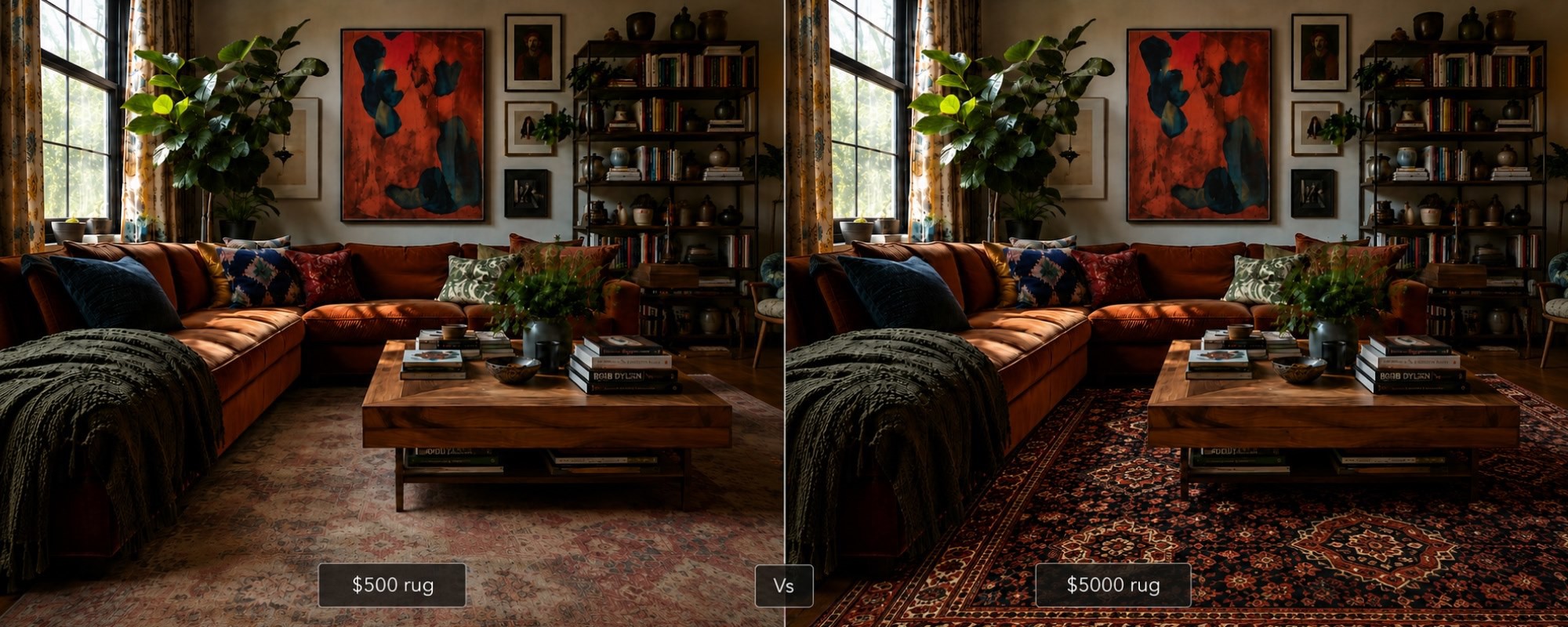
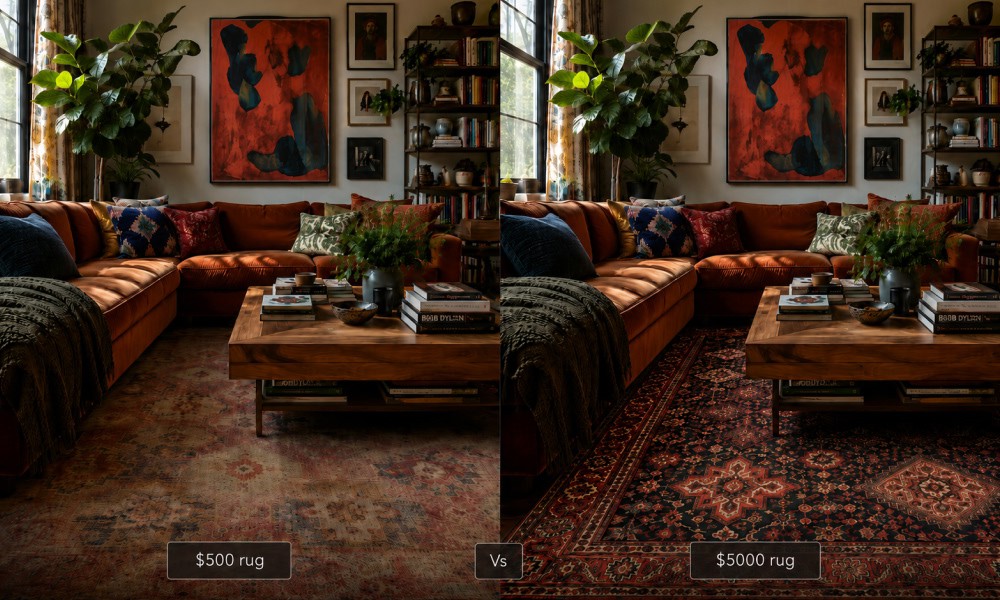
The $500 vs $5,000 Rug: An Honest Side-by-Side That No Brand Will Show You
Why do some rugs cost ten times more than others? This honest side-by-side looks at what actually separates a $500 rug from a $5,000 one: knot density, fiber quality, pile depth, and finishing. No brand bias, no marketing language. Just a clear breakdown to help you decide which one is worth it for your space and budget.
Read Article →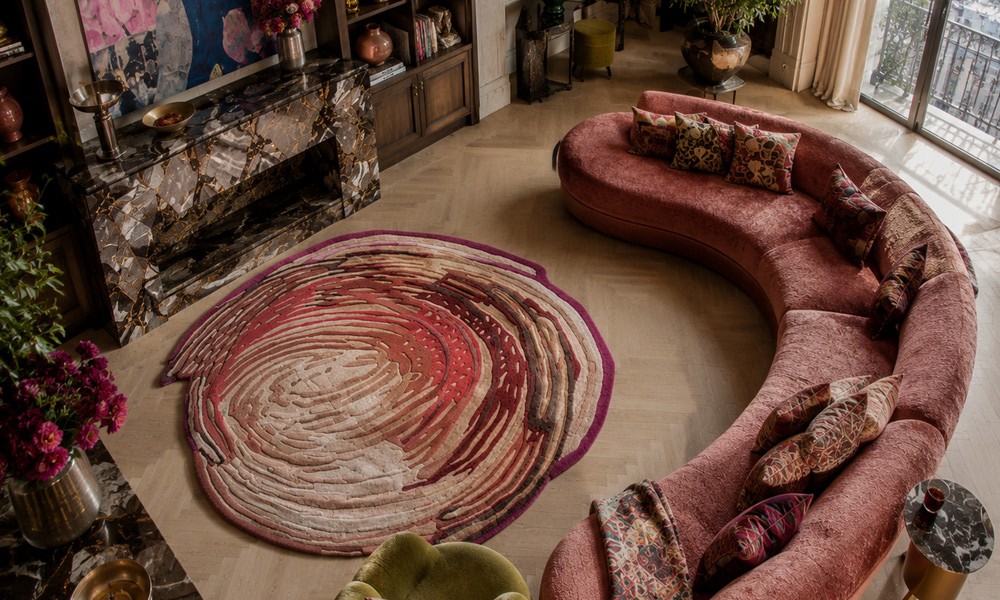
-
14 July 2026
- ∙
-
13 Min Read
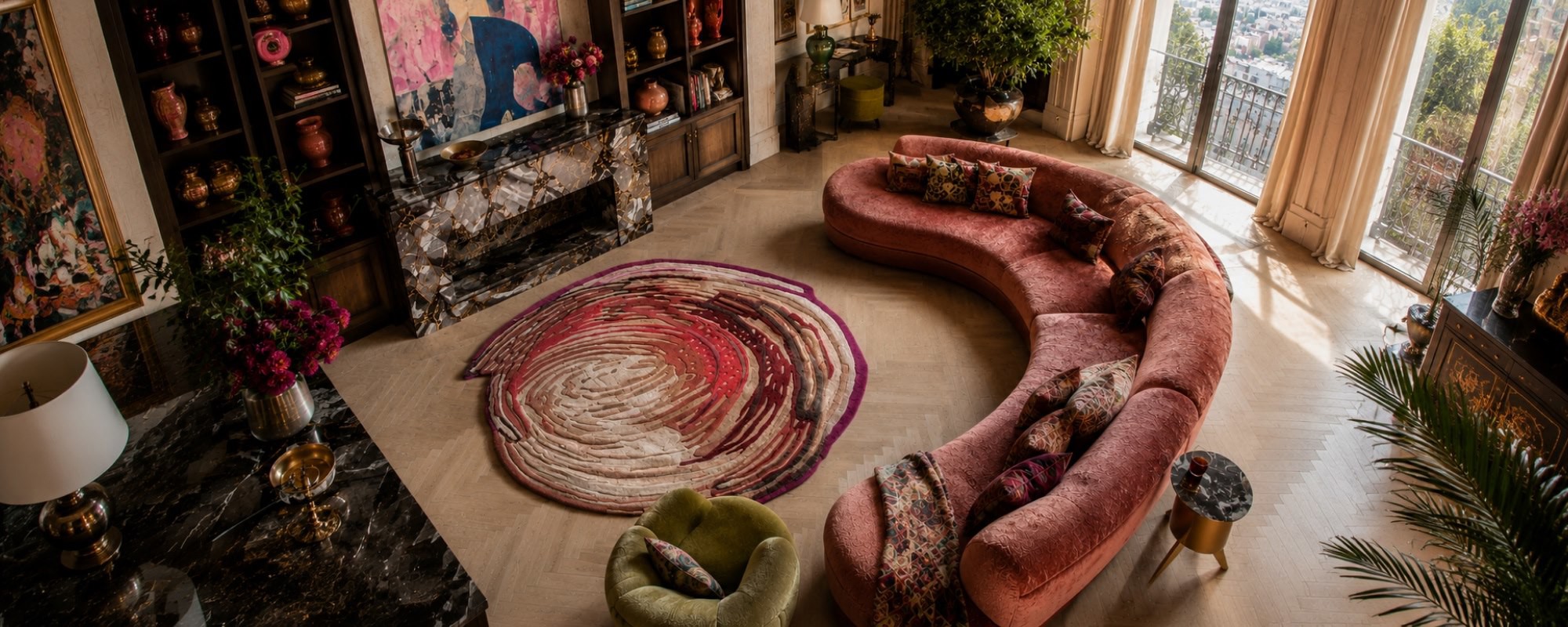
3D Rugs and Sculpted Pile: The Tactile Design Trend Redefining Floors in 2026
The rug used to finish a room. Now it starts one. 3D rugs and sculpted piles are bringing real depth and tactile texture to interiors, from hand knotted relief patterns to optical illusion designs that stop you mid-step. This is what the trend is, why it matters, and how to buy it well.
Read Article →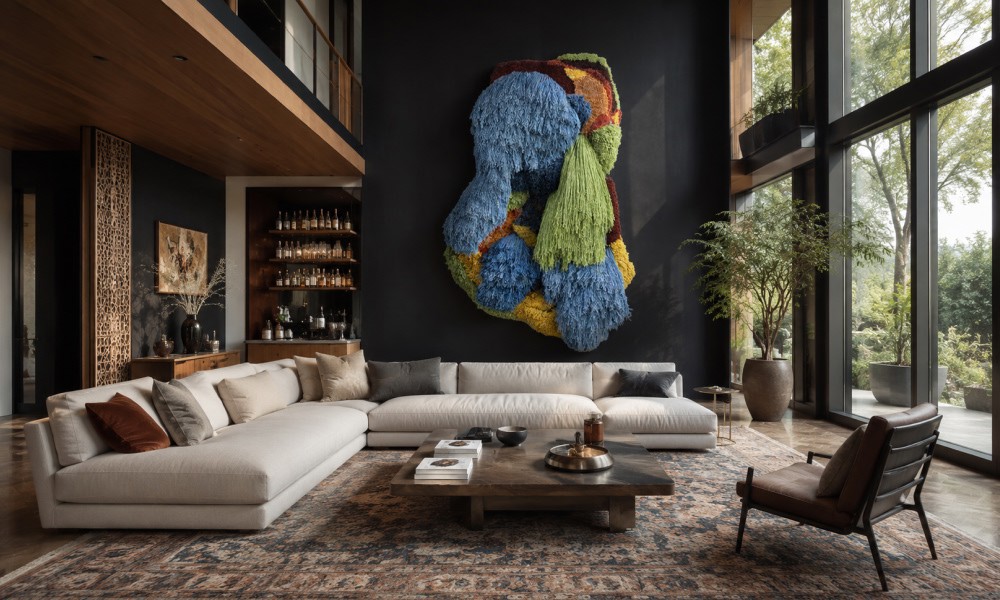
-
10 July 2026
- ∙
-
10 Min Read
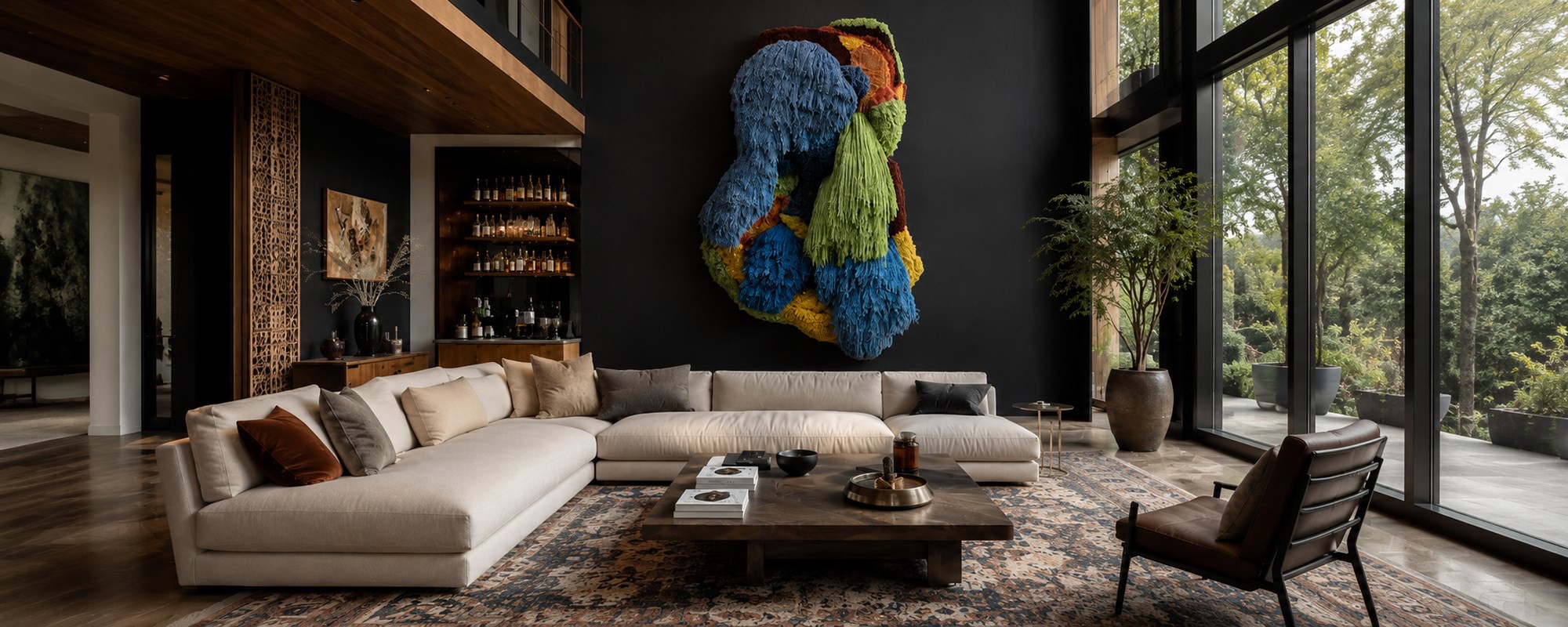
How to Pair Indian Wall Art with the Right Rug Pattern: A Room-by-Room Guide
Choosing the right rug to go with your Indian wall art does not have to be guesswork. This guide breaks it down room by room, from the living room to the bathroom and outdoor spaces. Learn how to match colors, patterns, and scale so your wall art and rug always feel like they belong together.
Read Article →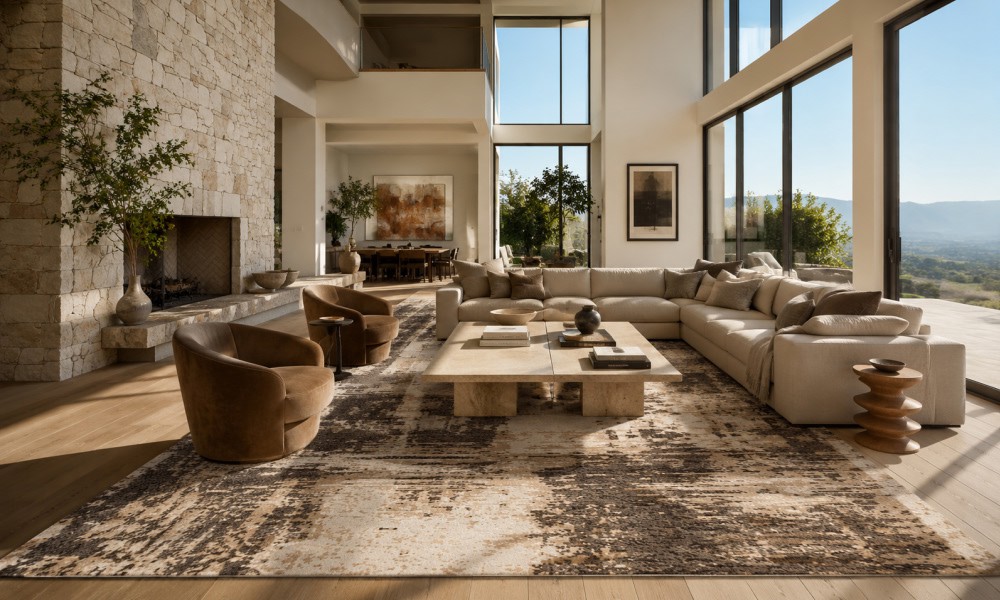
-
07 July 2026
- ∙
-
9 Min Read
How to Tell If a Rug Is Handmade: 7 Signs Experts Look For (Abrash Is One of Them)
Wondering how to know if a rug is handmade? Get an overview of 7 key characteristics that will help you identify if a rug is truly handmade and learn about its differences compared to machine-made rugs, and why they do not lose their value. Here is what to keep in mind when buying a handmade rug.
Read Article →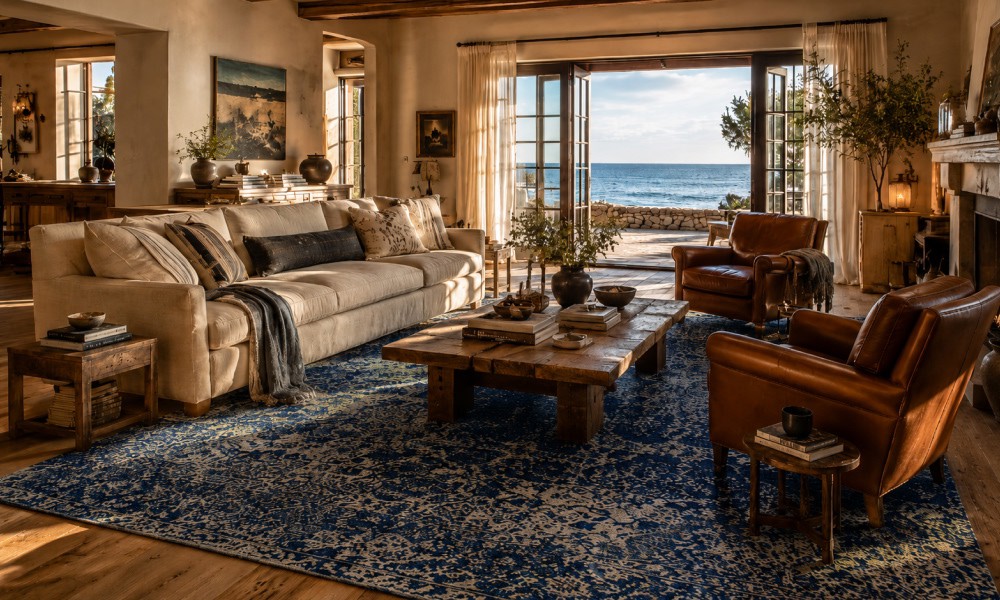
-
04 July 2026
- ∙
-
8 Min Read
Coastal Grandmother Is Evolving: The 2026 "Coastal Heritage" Aesthetic and the Rugs That Define It
The coastal grandmother design is progressing into something new and exciting by 2026. Coastal Heritage introduces texture, craftsmanship, and handmade elements to this popular design style. Here are the various rug types, colors, and decorating ideas to know about this classic coastal design trend.
Read Article →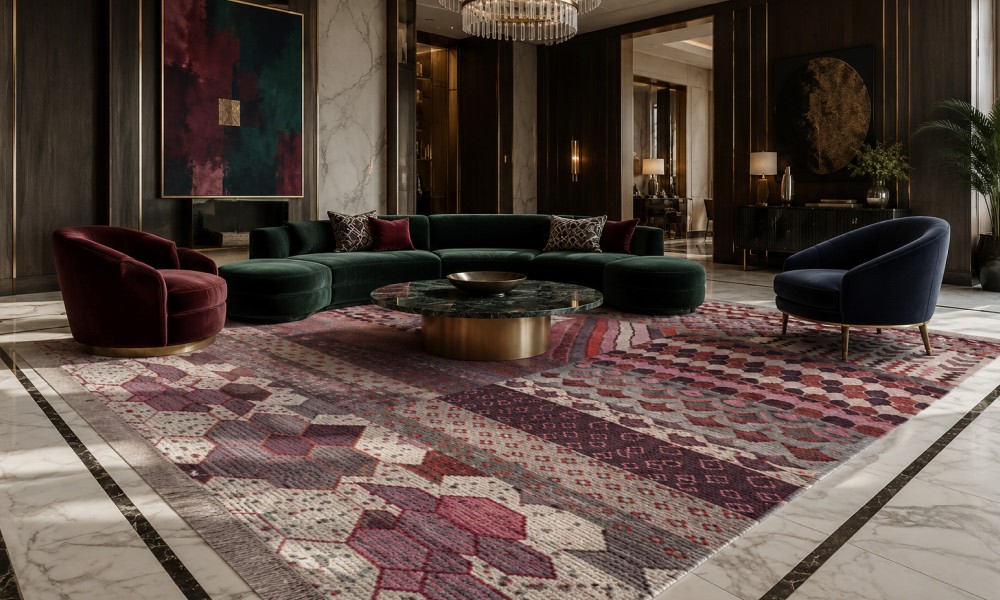
-
22 June 2026
- ∙
-
6 Min Read
Why Top Interior Designers are Switching to Indian Handmade Rugs
High-end interior designers have begun using handmade carpets from India in place of machine-made carpets to enhance their design portfolios and ensure product longevity. The following guide will help you understand why design professionals prefer Jaipur Rugs for creating customized, ethically produced wool-and-bamboo-silk carpet designs for luxurious homes.
Read Article →