You are on our International website. Please select your region to see content specific for your location





 Profile
 Orders
 Wishlist
 Change Password
 Logout


LATEST BLOGS
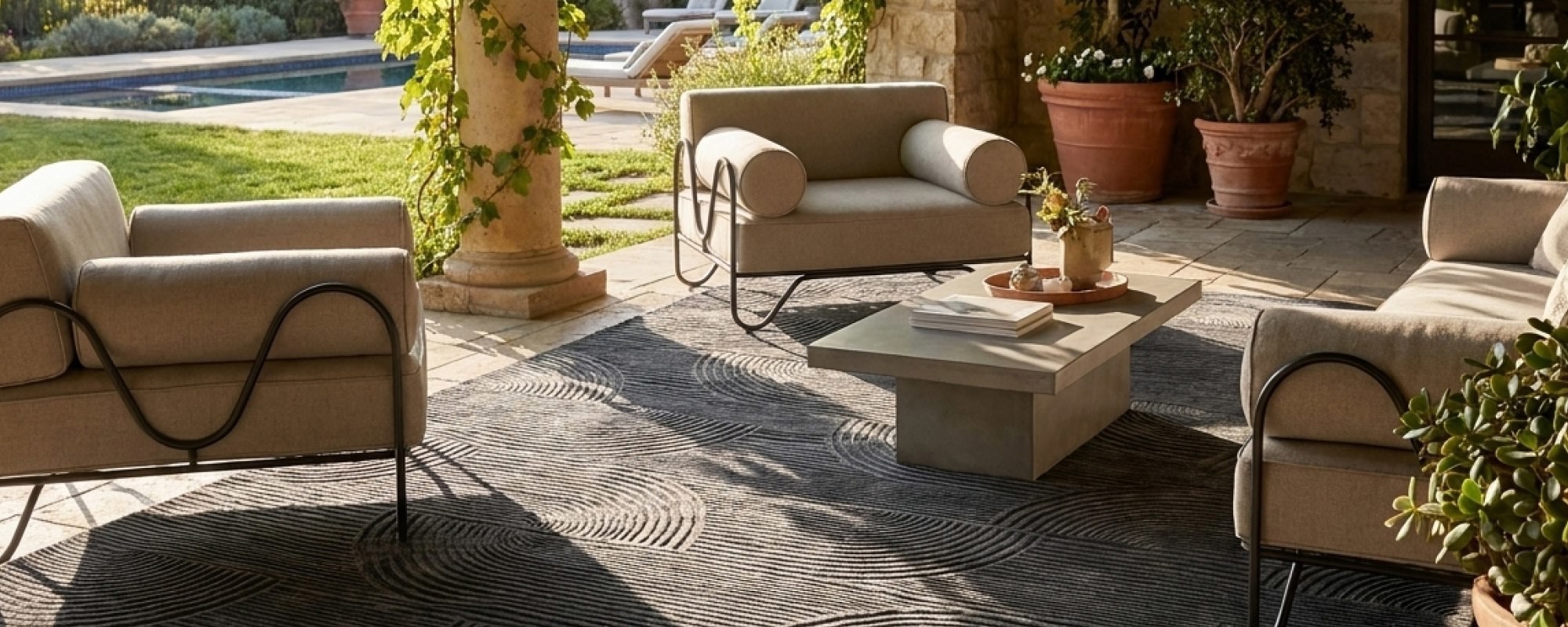
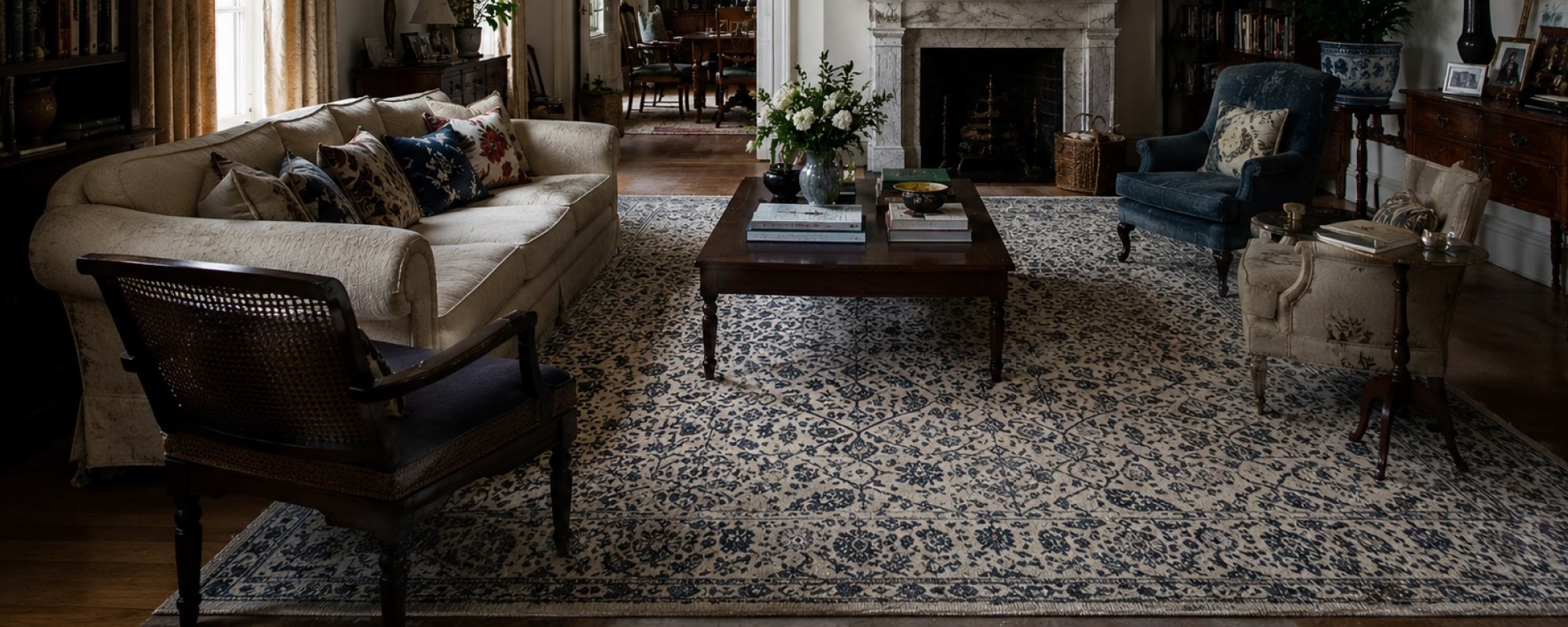
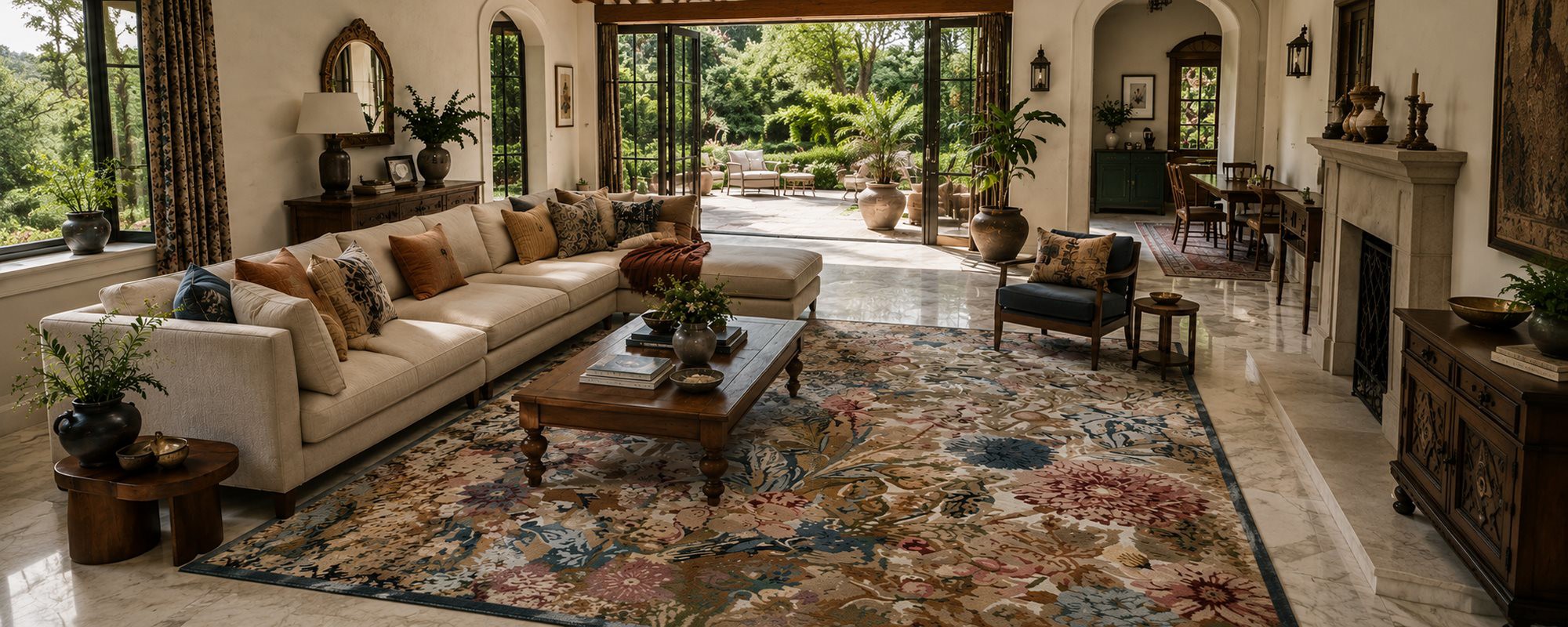
How to Choose the Best Rug for Soundproofing a Home Office or Studio
- 19 May 2026
- 8 Min Read
- By Jaipur Rugs
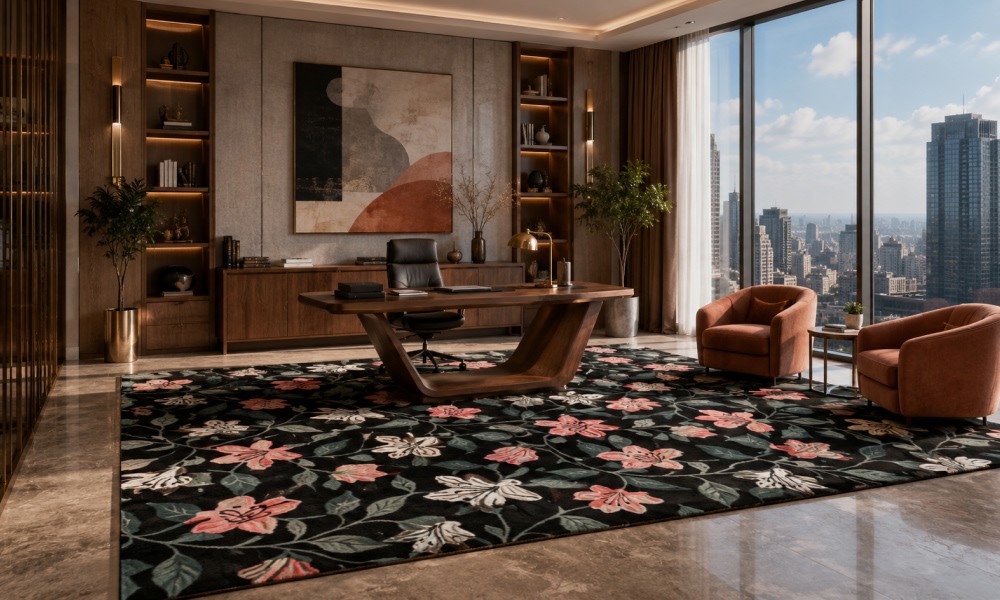
Choosing a high-density soundproof rug is an effective, construction-free way to reduce home office noise. Specialized options like hand-knotted wool rugs or hand-tufted textiles maximize area rug sound absorption by trapping airborne sound waves and deadening impact vibrations. For optimal acoustic performance and studio insulation, layer a thick pile rug over a dense soundproof floor mat to eliminate room echo.
If you have ever recorded music, produced a podcast, or tried to join a high-stakes video conference from home, you have likely dealt with frustrating acoustic interference. External distractions such as street traffic, heavy footsteps from neighbors, or internal room echoes rapidly disrupt productivity. While structural soundproofing requires extensive, costly construction, optimizing your flooring with a high-quality soundproof rug is one of the most effective ways to manage room acoustics and minimize unwanted noise.
Choosing a specialized sound-absorbing rug or a dedicated sound-deadening rug for a soundproof home office or recording studio lowers ambient noise levels. This makes it significantly easier to focus, track clean audio, or take back-to-back client calls. Below is a comprehensive guide to selecting the right textiles, materials, and rug pads to achieve proper sound isolation.
Understanding Area Rug Sound Absorption
Before selecting an aesthetic design, it is essential to clarify how textile flooring impacts acoustics. A soundproof rug does not completely block sound from entering a room like a concrete wall would; rather, it functions as an area rug sound absorption tool that minimizes the transmission of sound waves across hard surfaces.
True home office noise reduction requires addressing two distinct types of acoustic issues:
-
Airborne Noise: Sound waves traveling through the air, such as conversations, music, or ringtones.
-
Impact Noise: Structural vibrations cused by heavy footsteps, dropped objects, or vibrating office equipment.

An effective sound deadening rug addresses both by lowering impact transmission through the subfloor and reducing the reflection of airborne sound waves within the workspace.
When sound waves hit a hard surface like hardwood, laminate, or tile, they bounce back into the room, causing an echo. A thick rug for noise reduction traps these waves within its fiber matrix, transforming acoustic energy into subtle, undetectable thermal energy.
Why Use Soundproofing Rugs?
Hard surface flooring acts as an acoustic mirror, reflecting every click of a keyboard or chime of a phone. Incorporating soundproofing rugs into a workspace directly targets the reverberation time, creating a balanced acoustic environment.
So, do rugs help with noise? Absolutely. The dense pile of a premium carpet acts as a natural dampener. If you are looking for the best rug for sound absorption, specialized handmade options consistently outperform thin, machine-made variations.

Incorporating a high-quality noise-canceling rug reduces the persistent ambient hums that cause cognitive fatigue, establishing an optimal environment for concentration.
For creative spaces, choosing a dedicated rug for recording studio setups ensures your microphones capture only your voice, not room reflections.
Essential Structural Factors for Noise Reduction
Achieving noticeable results when soundproofing apartment floor areas requires looking beyond surface aesthetics to evaluate the rug's core construction: material, thickness, density, and manufacturing method.
Material Composition
The raw fiber utilized determines the overall efficiency of your noise-reducing rug:
-
Wool Rugs: Premium wool rugs remain the absolute gold standard for acoustic management. The natural crimp of wool fibers creates millions of microscopic air pockets that trap sound waves, making dense wool collections the best rugs for noise reduction.
-
Wool and Bamboo Silk Rugs: Blending premium wool with organic bamboo silk introduces variation in pile texture. Choosing wool and bamboo silk rugs offers excellent weight and surface density, making them efficient noise-reducing rugs while providing a sophisticated, subtle sheen.
-
Viscose Rugs: For areas requiring a sleek, modern aesthetic and moderate sound control, viscose rugs offer a smooth texture that softens footsteps and effectively dampens room chatter on a budget.
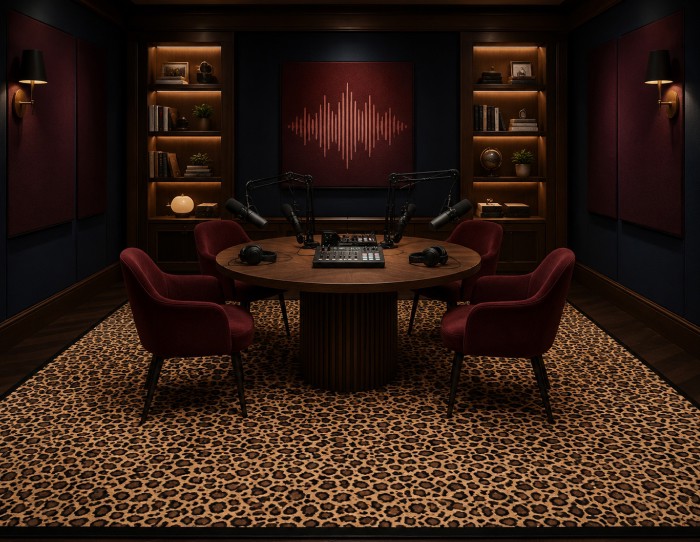
Thickness and Density
When optimizing for sound isolation, density is just as critical as thickness. A thick rug for noise reduction should ideally feature a deep, tightly packed pile.
Acoustic Pro-Tip: A thin, plush rug may feel soft, but it lacks the physical mass required to stop vibrational energy. Look for a minimum pile height of 1/2 inch, ensuring the fibers are tightly woven to maximize weight per square yard and making it the best rug for sound dampening.
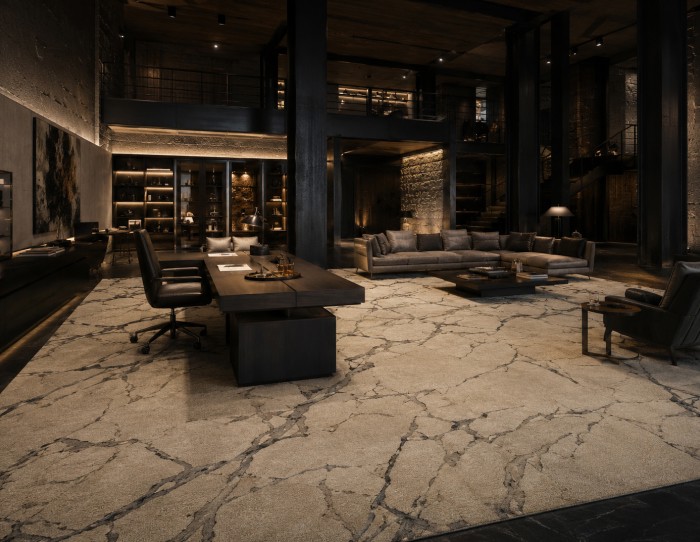
Rug Construction
The method used to construct a rug directly impacts its structural density and its ability to act as an acoustic rug:
-
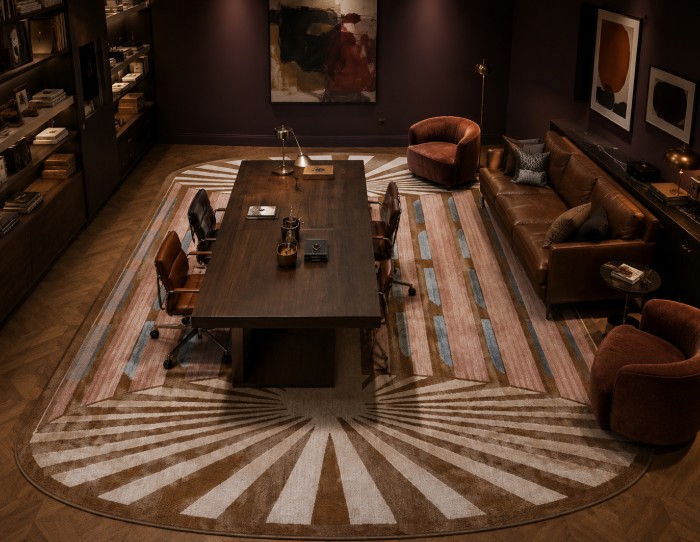
Hand-Knotted Rugs: These pieces are crafted by tying individual knots onto a structural warp. Hand-knotted rugs yield an incredibly dense textile, offering the absolute best rug for sound dampening performance and long-term durability.
-
Hand-Tufted Rugs: Created by punching loops of yarn into a canvas backing, which is then sealed with a robust latex layer. High-quality hand-tufted rugs provide a multi-layered backing that offers built-in sound isolation, making them ideal for recording environments.
| Rug Construction | Primary Acoustic Benefit | Best Application |
| Hand-Knotted | Extreme fiber density | Permanent studio installations |
| Hand-Tufted | Heavy latex backing | Multi-frequency dampening |
| Thick Pile Rugs | Deep air entrapment | Reducing impact noise & echo |
Designing a Quiet Home Office or Studio
Acoustic management can integrate seamlessly with high-end interior design. Selecting a style that complements your workspace improves both visual presentation and auditory comfort.
-
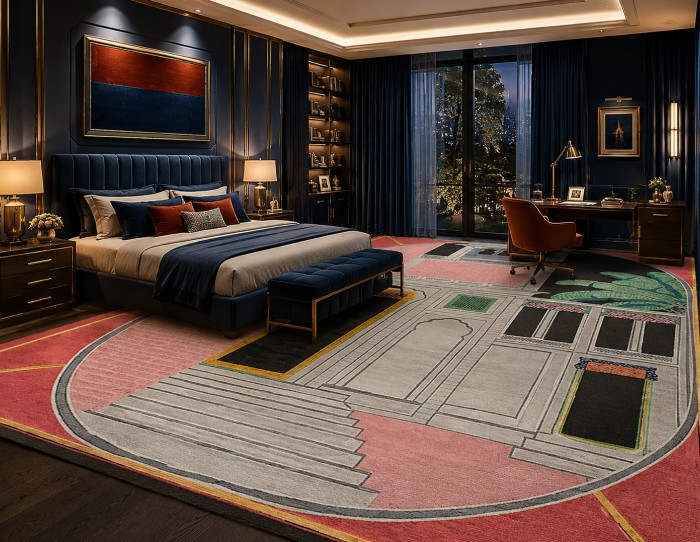
Modern Rugs: Clean geometric lines or abstract patterns look excellent in contemporary workspaces. Choosing thick pile rugs with modern rug layouts ensures that clean design aesthetics do not compromise acoustic isolation.
-
Traditional Rugs: For classic tastes, traditional rugs offer functional, timeless design. The intricate, tight weaving inherent in classic oriental or heritage patterns creates a dense barrier that makes for an excellent sound-absorbing rug.
-
Transitional Rugs: If you like a mix of old and new, transitional rugs blend modern color palettes with classic motifs. They are highly versatile, fitting into any interior and offering excellent sound absorption for area rugs.
-
Custom Rugs: When standard dimensions fall short of the required floor area, custom rugs ensure complete wall-to-wall coverage, minimizing exposed hard surfaces where sound can bounce.

Step-by-Step: How to Reduce Room Echo and Floor Noise
To maximize the acoustic benefits of your interior textiles and discover how to reduce room echo, implement these layout and installation strategies:
Layer with a Soundproof Floor Mat
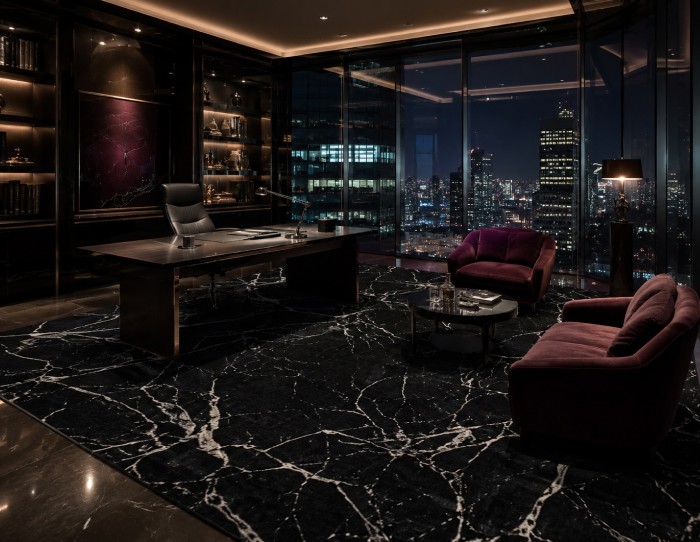
The secret to significant acoustic improvement lies beneath the rug surface. Placing a specialized rug pad noise reduction option underneath your carpet creates a decoupled barrier. A dense soundproof floor mat absorbs sub-bass vibrations and mechanical hums before they resonate through the floor joists.
Maximize Floor Coverage
To effectively solve the issue of how to reduce echo in home office environments, cover as much exposed floor area as possible. A small accent piece leaves a large perimeter of reflective flooring exposed. Select a large acoustic rug to intercept sound waves before they ricochet off walls and ceilings.

Address Multi-Floor Noise
If you are wondering how to reduce noise between floors, the answer lies in mass and separation. Layering a dense soundproof floor mat under a heavy wool carpet creates a dual-layer defense system that stops impact noise from traveling downward into the rooms below.

The Most Commonly Asked Questions
Does carpet absorb sound?
Yes! Carpets, especially thick and dense ones like wool rugs, absorb sound. The fibers trap the sound waves so they don’t bounce around the room. The thicker and denser the carpet, the better it will absorb sound.
Can rugs soundproof a room?
While rugs can reduce noise, they won’t soundproof a room. For total soundproofing, you need a combination of methods, including wall and ceiling treatments, rugs, and carpets. Rugs help reduce sound, but additional layers may be needed for full isolation.
What's the best rug for soundproofing?
For soundproofing, the best rugs are made from dense materials like wool or viscose and are thick and tightly woven, such as hand-knotted or hand-tufted rugs. These materials and constructions naturally absorb and trap sound, reducing noise.
Do I need a soundproof floor mat under my rug?
Yes! A soundproof floor mat under your rug provides an extra layer of soundproofing by reducing vibrations and adding more absorption. It also enhances your rug's durability by minimizing wear and tear.
Are handmade rugs better for soundproofing?
Generally, handmade rugs, including hand-tufted and hand-knotted rugs, are denser and more tightly woven, making them better at sound absorption than machine-made rugs. The craftsmanship of handmade rugs allows for higher density and better noise dampening.
Do rugs help with noise in a concrete or hardwood room?
Yes, do rugs help with noise is a common question for apartment dwellers. Thick textiles break up the flat, hard surfaces that cause sound to bounce, drastically reducing echo.
What is the best rug for home office productivity?
The best rug for home office spaces is a large, dense wool rug paired with a dedicated acoustic pad. This setup ensures comfort underfoot, accommodates heavy desk chairs, and lowers ambient noise levels to keep your communication crisp during virtual meetings.
What are the best rugs for noise reduction in an apartment?
When soundproofing apartment floor areas, look for thick pile hand-knotted or hand-tufted options. The combination of dense natural wool fibers and robust backing material provides excellent isolation against footsteps and neighboring chatter.
The Bottom Line
A quiet, well-insulated workspace is essential for focus, clarity, and professionalism. By choosing a high-density, hand-crafted wool or blended rug and pairing it with a high-performance soundproof floor mat, you can significantly enhance your room’s sound quality while introducing refined style to your decor.


Pic Credits
Jaipur rugs / Abil Dase
Share
-
 Facebook
-
 Twitter
-
 Email
Email
Related posts
-
17 June 2026
-
5 Min Read
Why Most Patios Feel Incomplete Until You Add a 10x14 Outdoor Rug
Most people assume their patio feels incomplete because they need more furniture. That's usually not true. In many cases, the real issue is scale, not seating. Before spending thousands on another chair, sofa, or dining set, discover why a properly sized Outdoor Rug 10x14 can completely change how your patio looks, feels, and functions.
Read More >
-
05 June 2026
-
7 Min Read
Best Rug for a Brown Leather Sofa: The Complete Colour Guide
Styling a brown leather couch requires balancing its heavy visual weight with the perfect floor covering. This guide explores how crisp neutrals brighten dark leather, cool blues and greens provide elegant contrast, and traditional patterns tie a room together. Learn to identify your sofa’s undertones and choose a rug that makes your living space feel balanced, open, and cohesive.
Read More >
-
02 June 2026
-
6 Min Read
What Color Bathroom Rug Goes With Green Walls? Best Pairings for Every Shade
Most people think a green bathroom succeeds or fails because of the shade of green they choose. Designers know better. The real difference usually appears at floor level. That's why two bathrooms with identical walls can feel completely different. One feels finished. The other feels like something is missing. More often than not, the answer comes down to the rug and the contrast it creates.
Read More >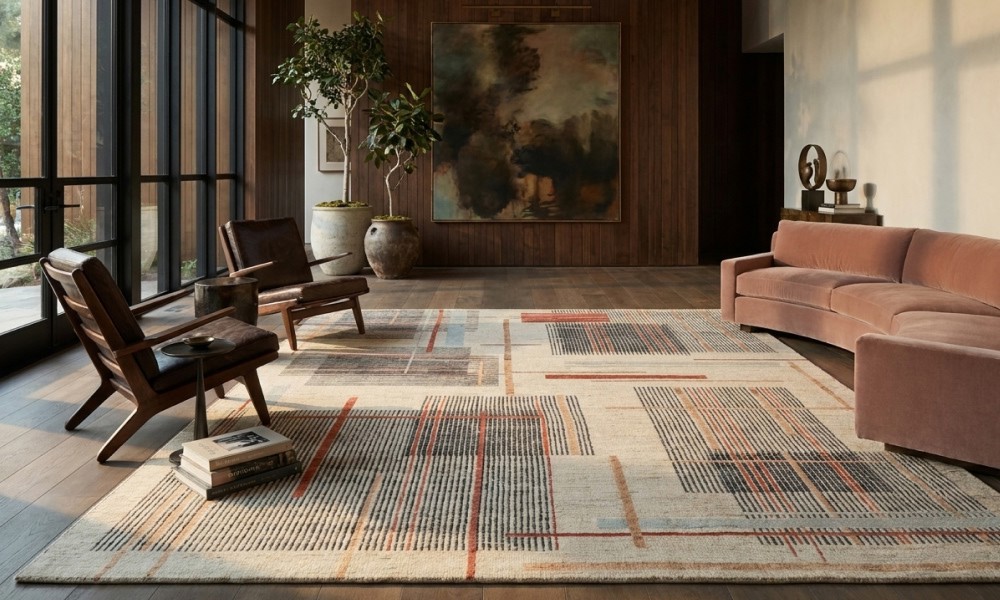
-
31 May 2026
-
4 Min Read
The End Of Sterile Minimalism: Meet The Blythe Collection
The most interesting interiors right now aren't becoming more decorated. They are becoming more distinctive. The Blythe Rug Collection captures that shift through architectural geometry, abstract compositions, and richly textured, hand knotted wool rugs that resist the sameness that dominates modern interiors. Read more to see how the Blythe collection offers a glimpse into where contemporary design is already heading.
Read More >
-
30 May 2026
-
8 Min Read
Not All Wool Is the Same: The Rug Buyer's Guide to New Zealand, Merino, Himalayan, and Hand-Spun Wool
Choosing the right floor covering requires understanding your material's origin. While New Zealand fibers offer a pristine, vibrant canvas for modern spaces, Merino provides unmatched barefoot softness. For high-traffic areas, lanolin-rich Himalayan and resilient hand-spun Afghan wools offer the ultimate heirloom durability. Explore how these distinct textures transform your interior layout.
Read More >
-
23 May 2026
-
7 Min Read
Suzani Fabrics 2026: Hand-Embroidered Patterns & Trends for Luxury Interiors
Hand-embroidered suzani fabrics are leading the 2026 luxury heritage revival. This guide defines traditional Uzbek motifs and offers expert styling tips for bohemian maximalism and eclectic decor. Learn to balance these bold, tactile tapestries by grounding your space with high-quality, textured wool rugs that seamlessly blend global craftsmanship with modern, sophisticated interior design.
Read More >