You are on our International website. Please select your region to see content specific for your location





 Profile
 Orders
 Wishlist
 Change Password
 Logout


Latest Blogs
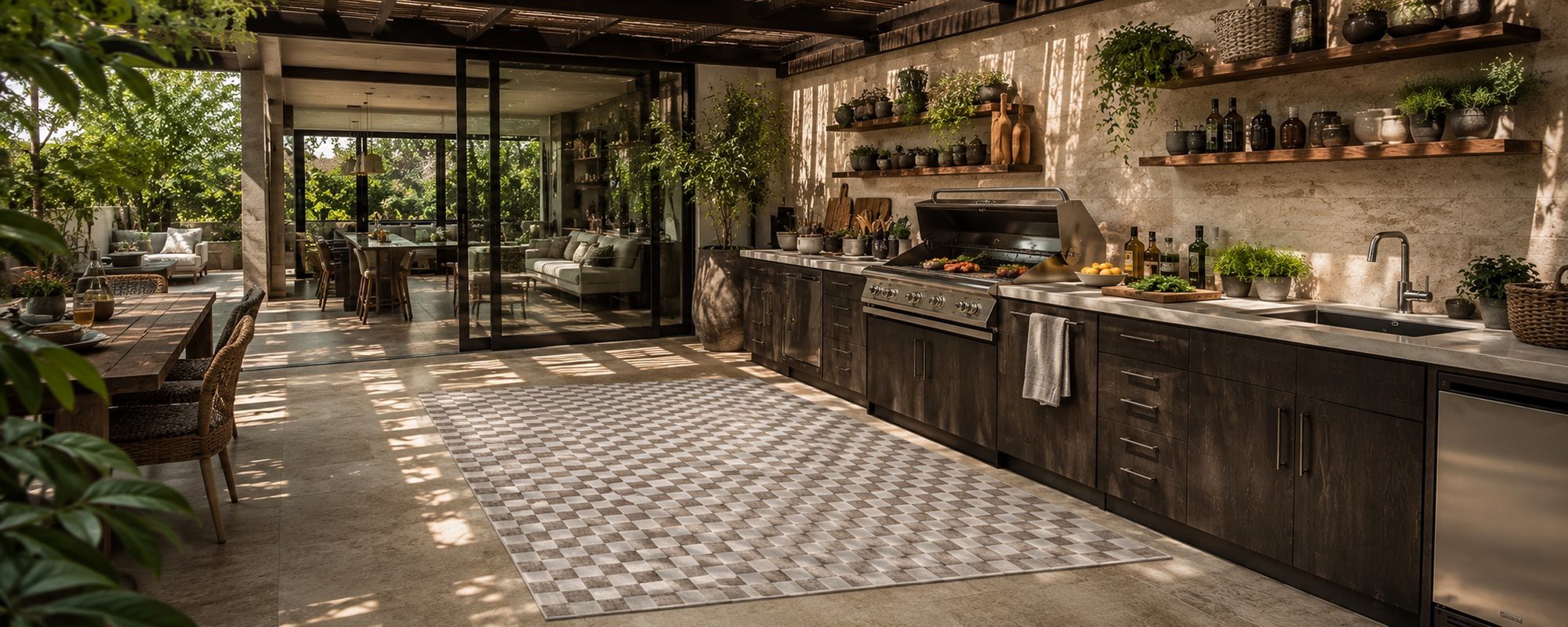
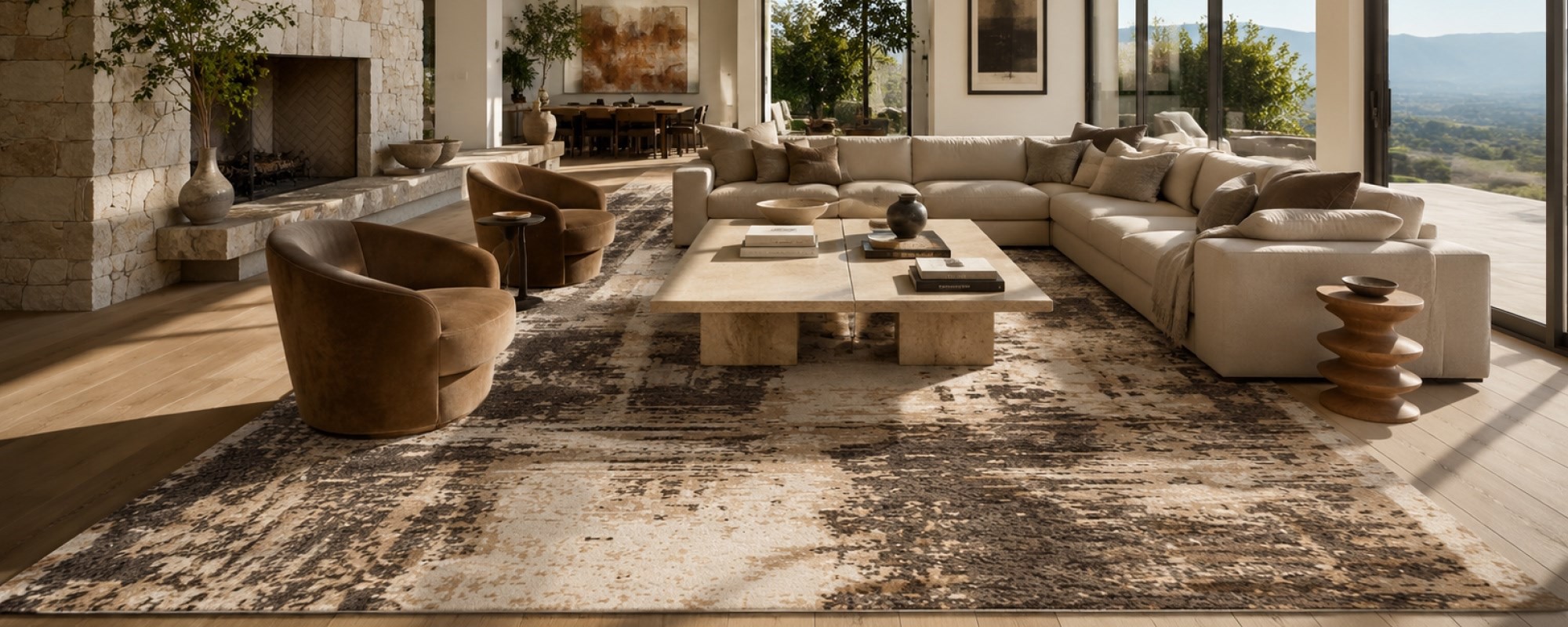
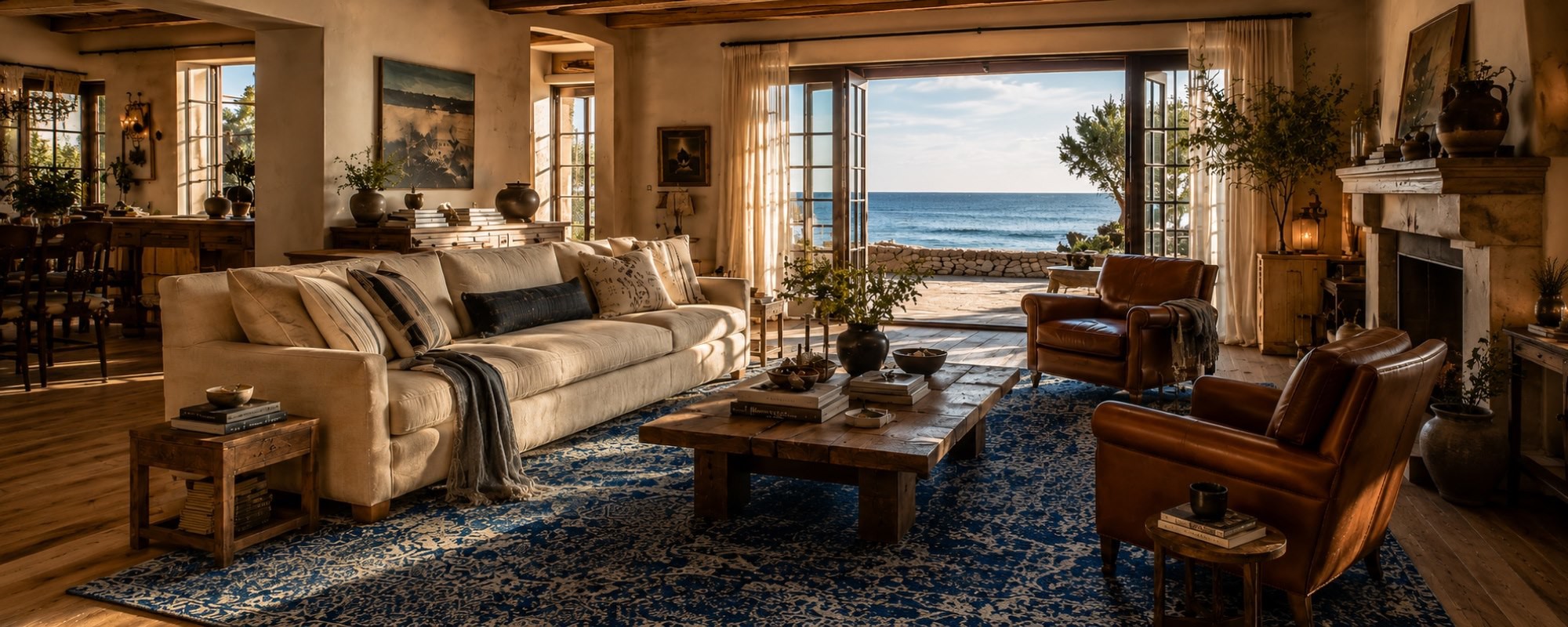
ideas and inspiration
How to Use Rugs to Balance High-Ceiling Rooms & Vertical Volume?
- 23 December 2025
- |
- 7 Min Read
- |
- By Jaipur Rugs
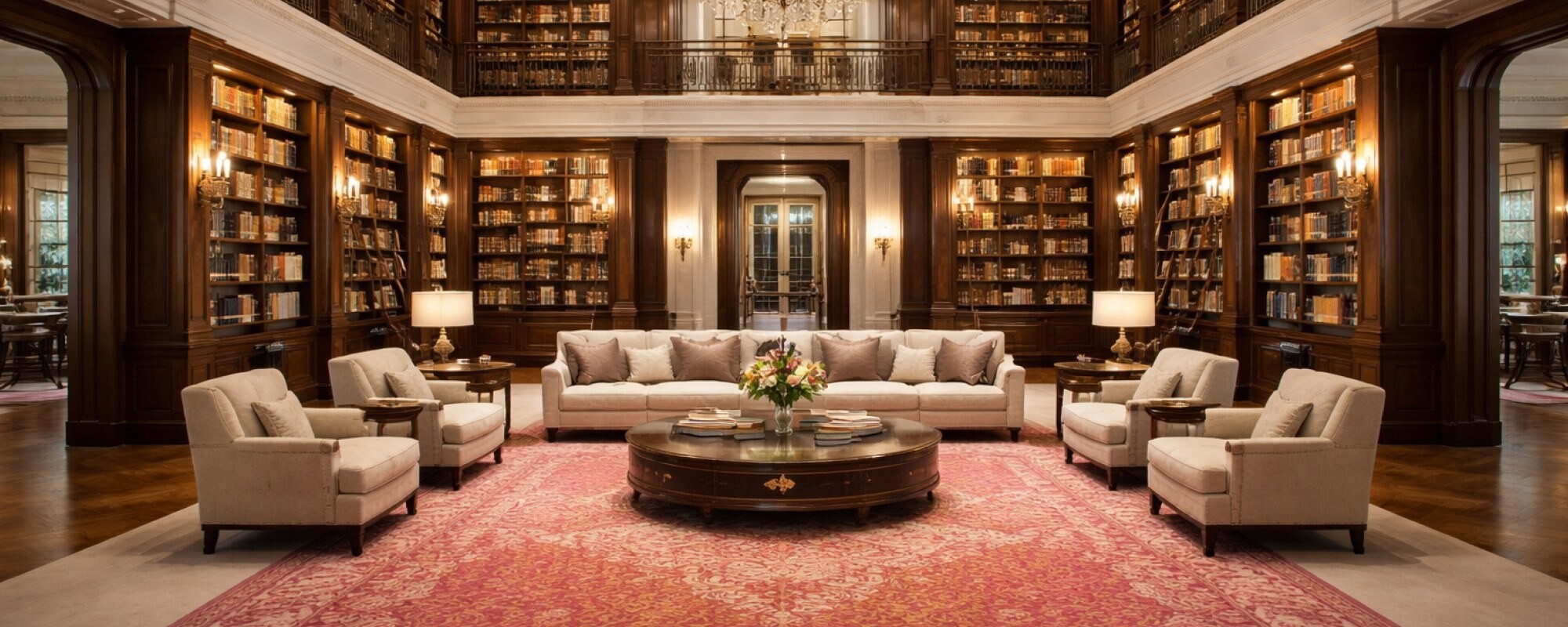
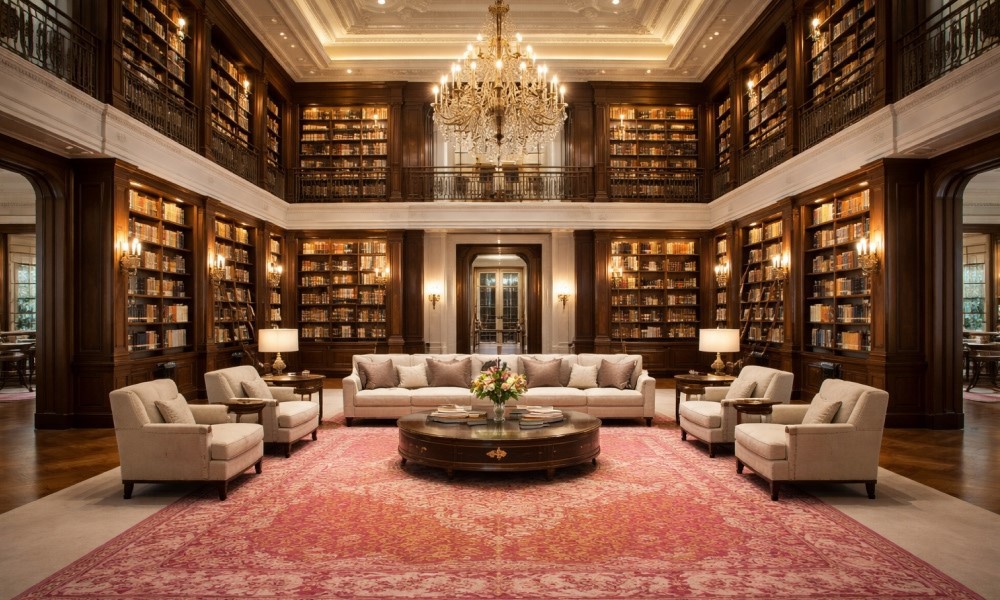
High ceilings and curved furniture can feel visually disconnected without the right foundation. This guide explains how rugs help balance vertical volume, anchor curved seating, and create harmony in modern interiors. From rug shapes and textures to placement tips and trend insights, learn how to ground tall spaces while letting curved furniture shine.
High ceilings are a gift and a puzzle at the same time. They bring light, air, and drama into a room, but they can also make spaces feel hollow or visually unbalanced if everything stays grounded too low. When you add curved furniture into that mix, the challenge shifts. You’re no longer just managing height; you’re working with flow, movement, and softer geometry.
Here’s the thing. Rugs and carpets are often treated as an afterthought in tall rooms, when in reality they’re one of the strongest tools for grounding vertical volume and tying curved forms back to human scale. Let’s break down how to use rugs intentionally so high ceilings feel warm, cohesive, and thoughtfully designed.
Why Do High Ceilings Need Grounding Elements?
In rooms with double-height ceilings or generous vertical volume, the eye naturally travels upward. Walls dominate. Furniture can feel like it’s floating. This is where rugs step in quietly and do a lot of heavy lifting.
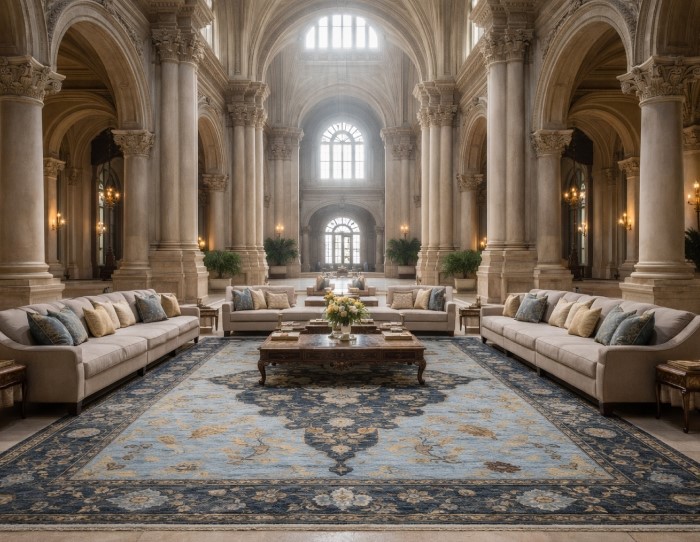
A well-chosen rug anchors the seating area, lowers the visual center of gravity, and gives the room a sense of completion. When curved sofas, rounded chairs, or sculptural seating come into play, rugs become even more critical. They act as visual pauses that let those curves breathe rather than get lost in the room's scale.
This balance is a big part of curved furniture décor trends for 2026, where designers are leaning into softness while still seeking structure.
Start by Understanding How Curves Behave In Tall Rooms
Curved furniture naturally draws attention. In high-ceiling spaces, that attention can either feel intentional or scattered, depending on what’s happening underfoot.
Curves want continuity. Sharp-edged rugs can sometimes fight that energy, especially in modern interiors. That doesn’t mean straight rugs are wrong, but it does mean you need to think carefully about proportion, placement, and texture.
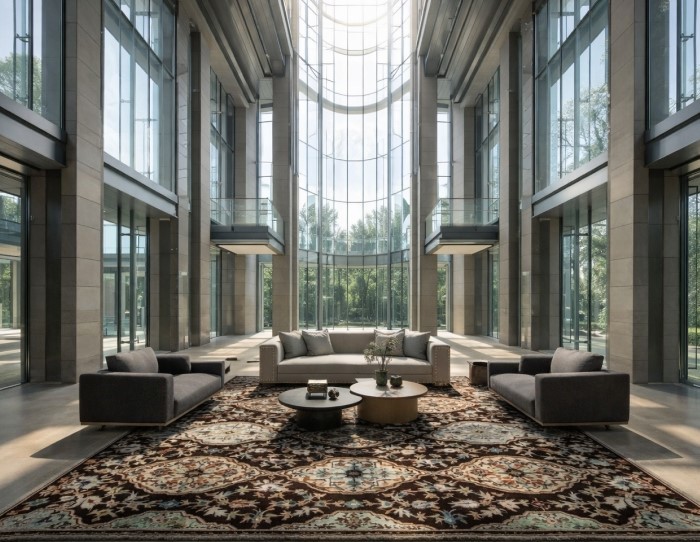
This is where many people start asking what type of rug goes with curved furniture, and the answer depends on how much visual calm you want to introduce into the space.
Rug Shapes That Work Best With Vertical Volume
Let’s talk about shape first, because it’s often overlooked.
Rectangular rugs are classic for a reason. In high-ceiling rooms, they help establish order. If you’re working with a curved sectional or a rounded sofa, a large rectangular rug can actually work beautifully by creating contrast. It frames the curves and keeps the room from feeling overly fluid.
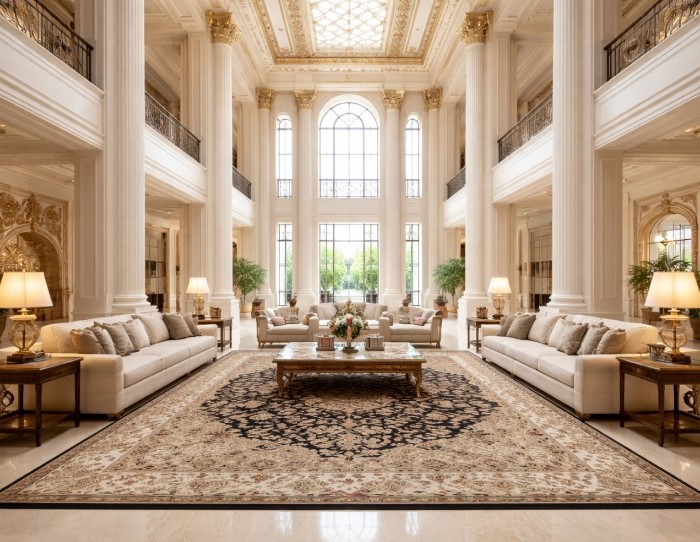
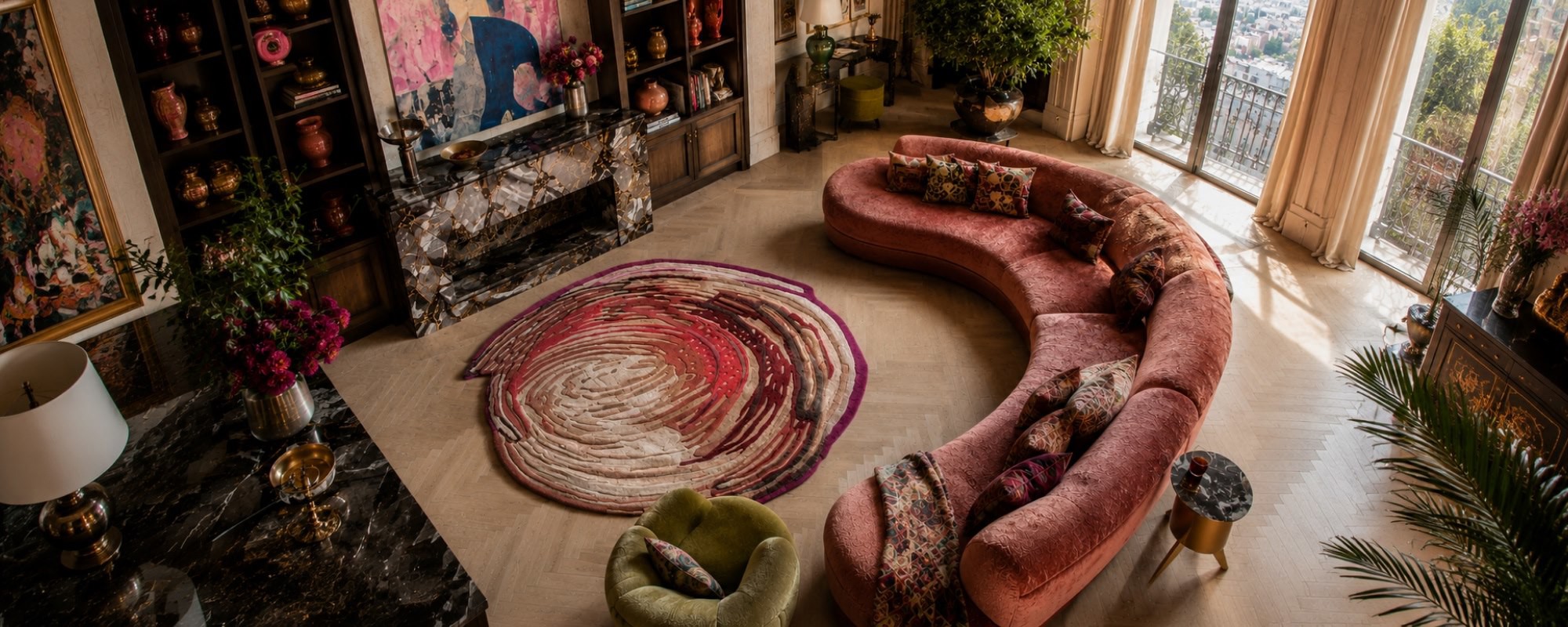
That said, the best rug shapes for curved sectional sofas often include subtle alternatives. Oval rugs or softly rounded rectangular rugs echo curves without overwhelming them. They’re especially effective in rooms with tall ceilings and low-slung furniture.
For more expressive spaces, irregular rugs can introduce organic movement that mirrors the curves of curved furniture while still grounding the room visually.
Texture Matters More Than Pattern In Tall Spaces
In high-ceiling interiors, texture carries weight. Smooth, flatweave rugs can disappear, while richly textured surfaces hold the eye at floor level.
-
Hand-knotted rugs are a strong choice here. Their depth and craftsmanship add visual gravity, beautifully balancing vertical space. They also age well, which matters in rooms designed to feel timeless rather than trendy.
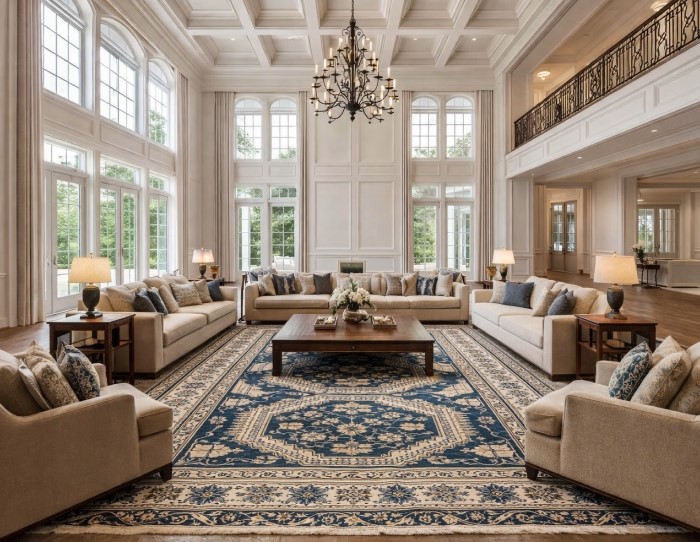
-
Hand-tufted rugs offer a softer, plusher feel that pairs nicely with rounded furniture silhouettes. They make large spaces feel more approachable, especially in living rooms where comfort matters as much as aesthetics.
This approach aligns well with 2026 interior design trends rugs, where tactility is taking precedence over overly busy patterns.
How to Style Rugs With Curved Sofas And Chairs?
Placement is where most rooms either come together or fall apart.
In tall rooms, floating furniture without a rug underneath exaggerates the height even more. Always aim to place at least the front legs of curved sofas and chairs on the carpet. This creates a defined zone that visually lowers the ceiling.
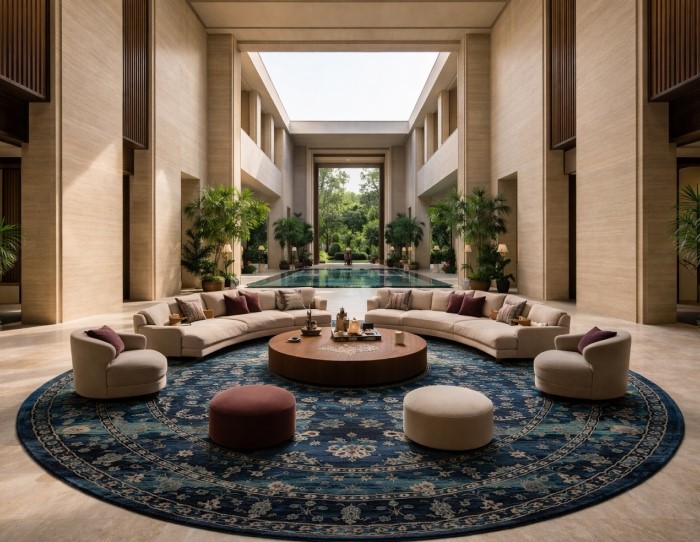
For larger rooms, don’t be afraid to size up. A rug that’s too small will feel lost. A generous rug pulls the furniture inward, making the space feel intentional.
When people ask about rug ideas for curved sofas, the simplest answer is this: let the rug outline the conversation area, not the room itself.
Pattern Choices That Support Curved Furniture
Curved furniture already brings movement, so your rug doesn’t need to shout.
Subtle patterns, soft geometrics, or abstract designs work well in tall rooms. Floral rugs can be surprisingly effective when the motif is scaled thoughtfully.
They introduce warmth and visual interest without competing with the architecture.
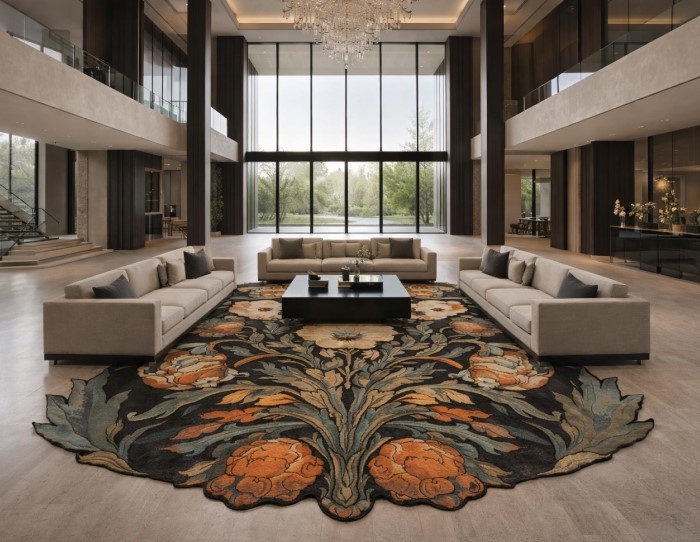
Antique rugs are another strong option. Their layered patterns and faded palettes bring history and depth, which helps counterbalance expansive vertical walls.
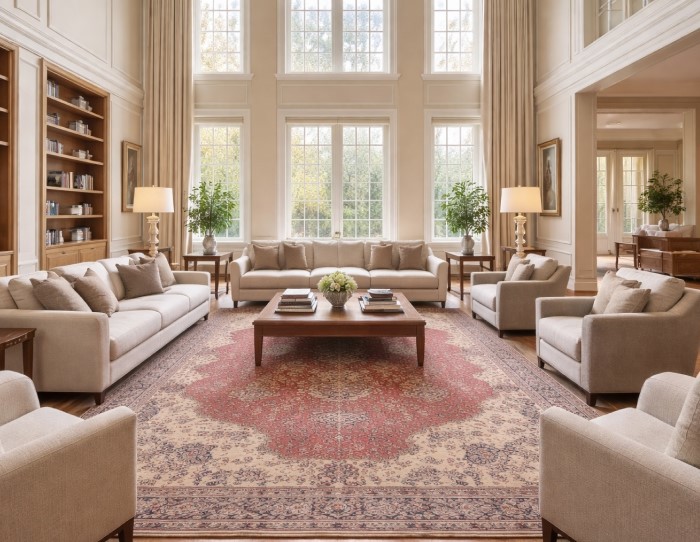
If your space leans contemporary, modern rugs with tonal variations or minimal designs can support curved furniture while keeping the room grounded.
Color As A Grounding Tool
Color choice plays a big role in how tall rooms feel.
Darker rugs naturally pull the eye downward, making ceilings feel less imposing. That doesn’t mean you need to go heavy or dramatic. Even mid-tone neutrals can create balance if they contrast gently with lighter walls.
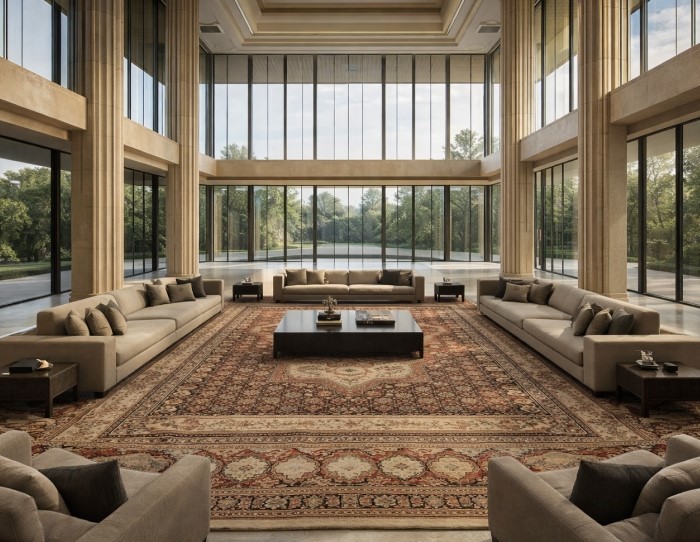
For rooms with curved furniture in lighter fabrics, grounding the space with a slightly deeper rug color helps define the seating area. This is especially useful in open-plan homes where the living room needs visual separation without walls.
These decisions matter when choosing the best rugs for rounded furniture, because the wrong color can make the curves feel disconnected from the space.
Rugs and Modern Curved Interiors
In homes leaning toward sculptural design, rugs should support rather than compete with the design.
Rugs for modern curved interiors often focus on material and scale rather than bold pattern. Think wool, silk blends, or high-quality natural fibers that add presence without visual noise.
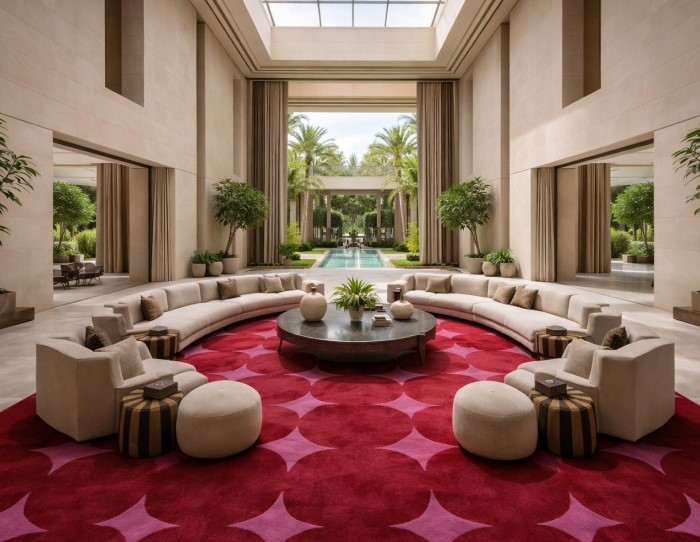
Designer rugs are particularly effective here. They’re created with proportion in mind and often feature nuanced details that reward closer inspection, which is essential in rooms where vertical volume can feel impersonal.
For homeowners looking to personalize their space, custom rugs allow you to adjust size, color, and texture to fit curved layouts and tall ceilings perfectly.
Using Rugs to Lower The Ceiling Visually
Here’s a subtle trick designers use often.
Layering rugs in large, high-ceiling rooms adds depth and draws the eye to the floor plane. A larger neutral carpet topped with a smaller accent rug can break up the vertical scale without clutter.
This works well in rooms with curved furniture, as long as the shapes complement each other. The goal is to create a visual anchor that makes the room feel lived-in and intentional.
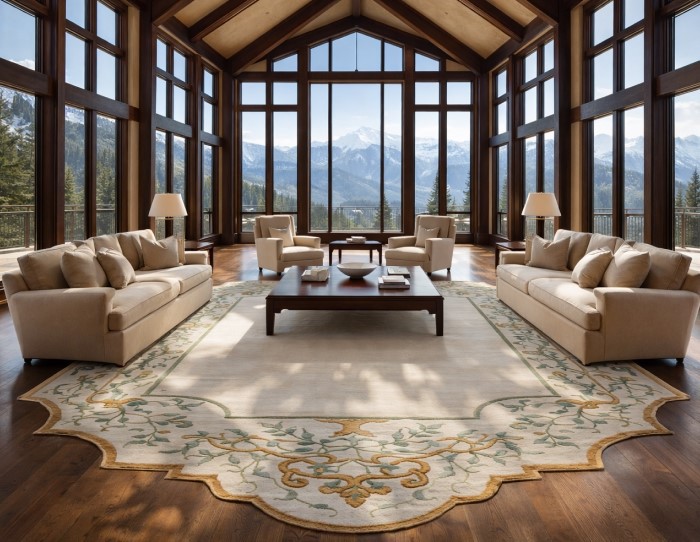
This technique is invaluable when exploring modern rug styles for curved living room furniture in expansive spaces.
Common Mistakes To Avoid
-
One common mistake is choosing a rug based solely on furniture shape, without considering the ceiling height. In tall rooms, everything needs to work a little harder visually.
-
Another is going too minimal. Sparse rugs in large spaces can make curves feel lost rather than celebrated.
-
Lastly, avoid forcing symmetry. Curved furniture thrives in slightly asymmetric layouts.
Let the rug support that flow instead of rigidly controlling it.
These interior design tips for pairing rugs with curved décor become even more important when vertical volume is part of the equation.
Bringing It All Together
High ceilings don’t need to feel intimidating, and furniture doesn’t need to feel adrift. Rugs are the bridge between the two.
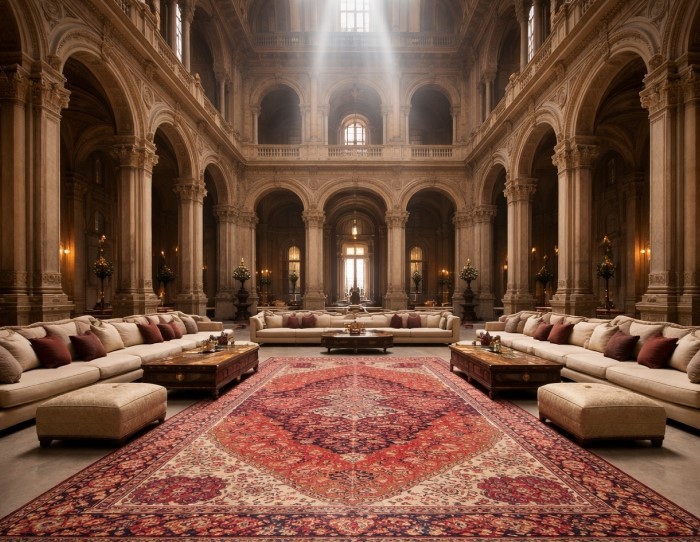
When chosen thoughtfully, rugs define space, soften scale, and give curved forms a place to belong. Whether you lean toward antique character, contemporary restraint, or expressive modernity, the right rug can transform a tall room from echoing to embracing.
As curved furniture décor trends 2026 continue to shape how we design living spaces, rugs will remain one of the most practical and powerful tools for balance. Start from the ground up, trust your eye, and let the carpet do what it does best: bring the room back to you.
FAQs
Do curved furniture layouts need a custom-sized rug?
Not always, but custom sizing helps avoid awkward gaps and ensures the rug flows with the seating rather than cutting it off.
Should rugs touch the walls in high-ceiling rooms?
No. Leaving visible floor space around the rug helps define the seating zone and keeps the room from feeling boxed in.
Are layered rugs suitable for curved furniture arrangements?
Yes, as long as the base rug is large and neutral, and the top carpet complements the curves rather than adding sharp contrast.
Can patterned rugs overwhelm curved furniture?
They can if the pattern is too busy. Softer motifs or faded designs usually work better with rounded silhouettes.
Is a low-pile or high-pile rug better for curved seating areas?
A low to medium pile works best. It keeps furniture stable while still adding enough texture to ground the space.
Do rugs help with acoustics in high-ceiling rooms?
Absolutely. Rugs absorb sound and reduce echo, making tall spaces feel calmer and more comfortable.
What are the best rugs for curved furniture?
Rugs for curved furniture work best when they’re generously sized, softly textured, and placed to follow the seating flow rather than forcing strict symmetry.


Pic Credits
Jaipur rugs / Abil Dase
Share
-
 Facebook
-
 Twitter
-
 Email
Email
Related Posts
-
15 July 2026
- ∙
-
8 Min Read
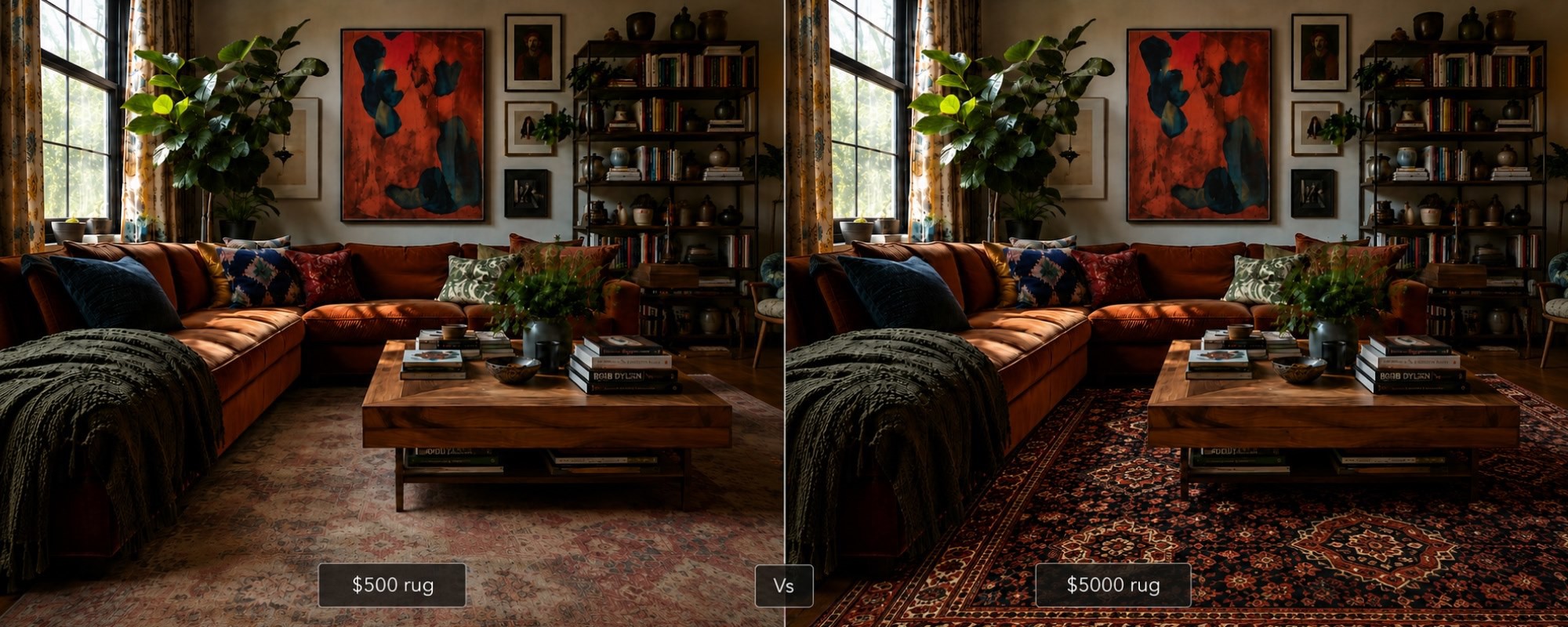
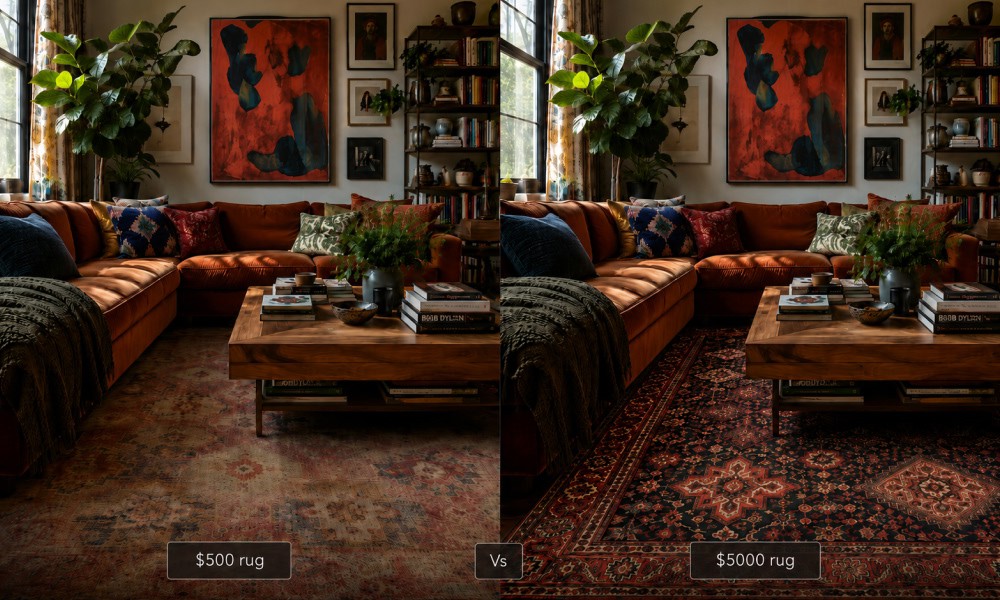
The $500 vs $5,000 Rug: An Honest Side-by-Side That No Brand Will Show You
Why do some rugs cost ten times more than others? This honest side-by-side looks at what actually separates a $500 rug from a $5,000 one: knot density, fiber quality, pile depth, and finishing. No brand bias, no marketing language. Just a clear breakdown to help you decide which one is worth it for your space and budget.
Read Article →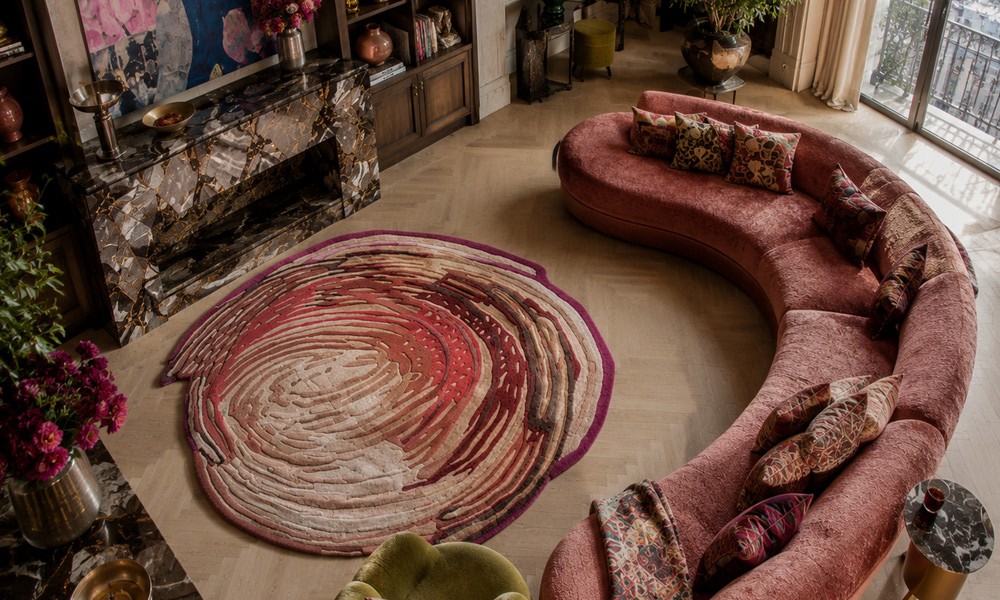
-
14 July 2026
- ∙
-
13 Min Read
3D Rugs and Sculpted Pile: The Tactile Design Trend Redefining Floors in 2026
The rug used to finish a room. Now it starts one. 3D rugs and sculpted piles are bringing real depth and tactile texture to interiors, from hand knotted relief patterns to optical illusion designs that stop you mid-step. This is what the trend is, why it matters, and how to buy it well.
Read Article →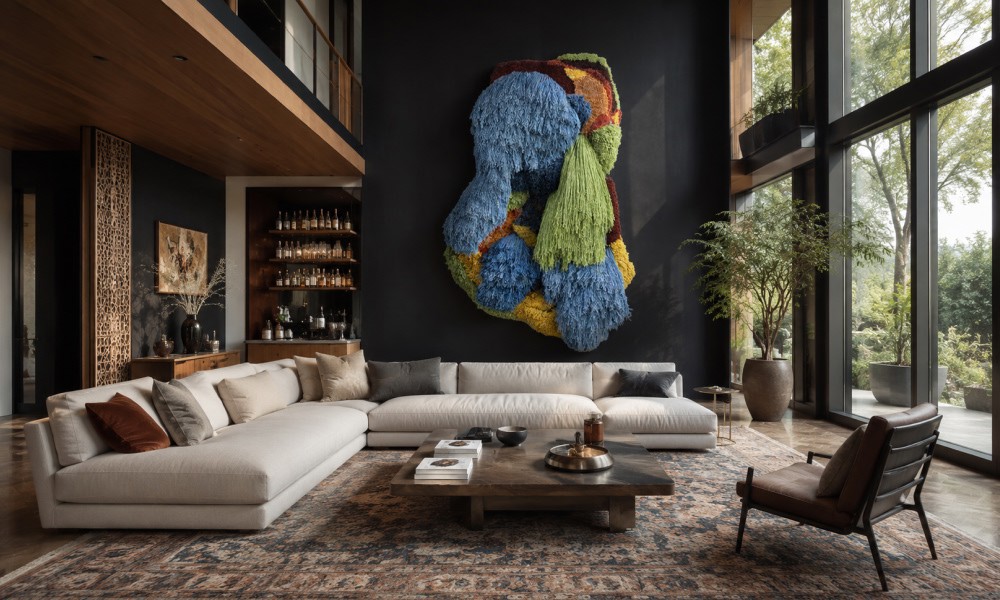
-
10 July 2026
- ∙
-
10 Min Read
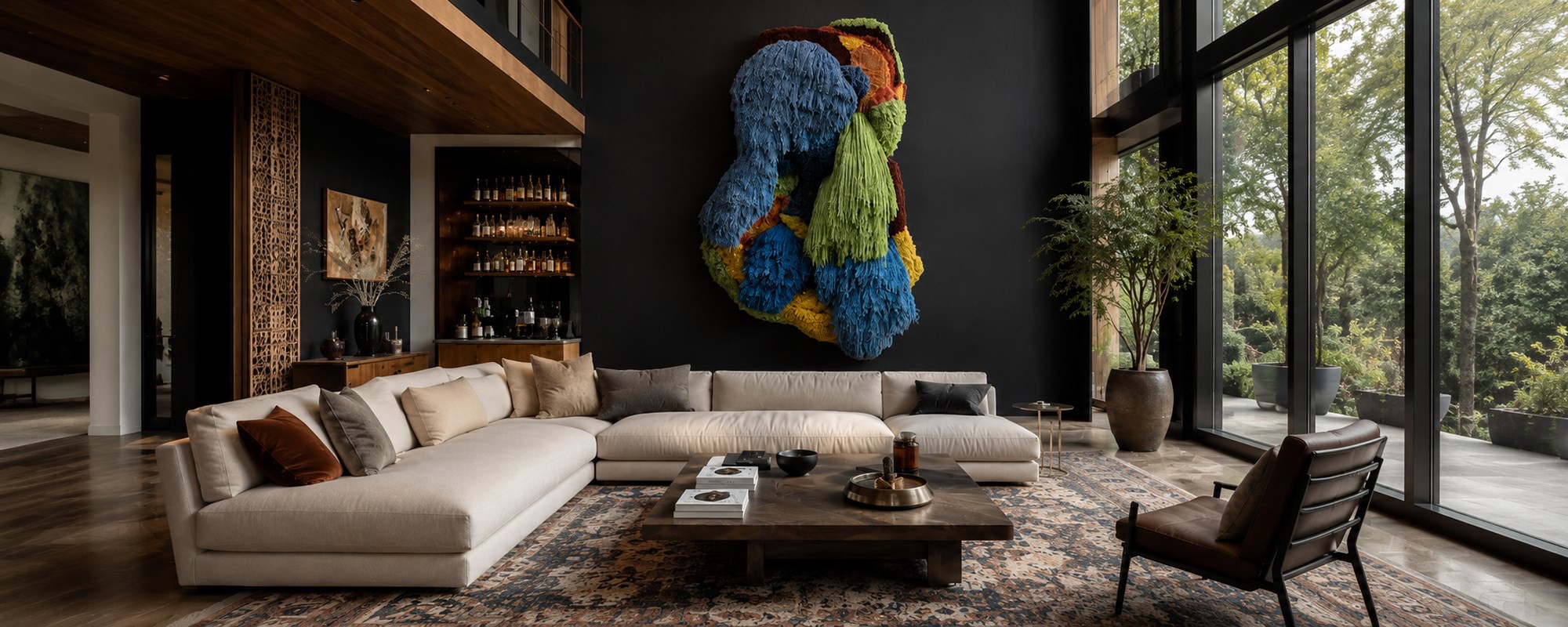
How to Pair Indian Wall Art with the Right Rug Pattern: A Room-by-Room Guide
Choosing the right rug to go with your Indian wall art does not have to be guesswork. This guide breaks it down room by room, from the living room to the bathroom and outdoor spaces. Learn how to match colors, patterns, and scale so your wall art and rug always feel like they belong together.
Read Article →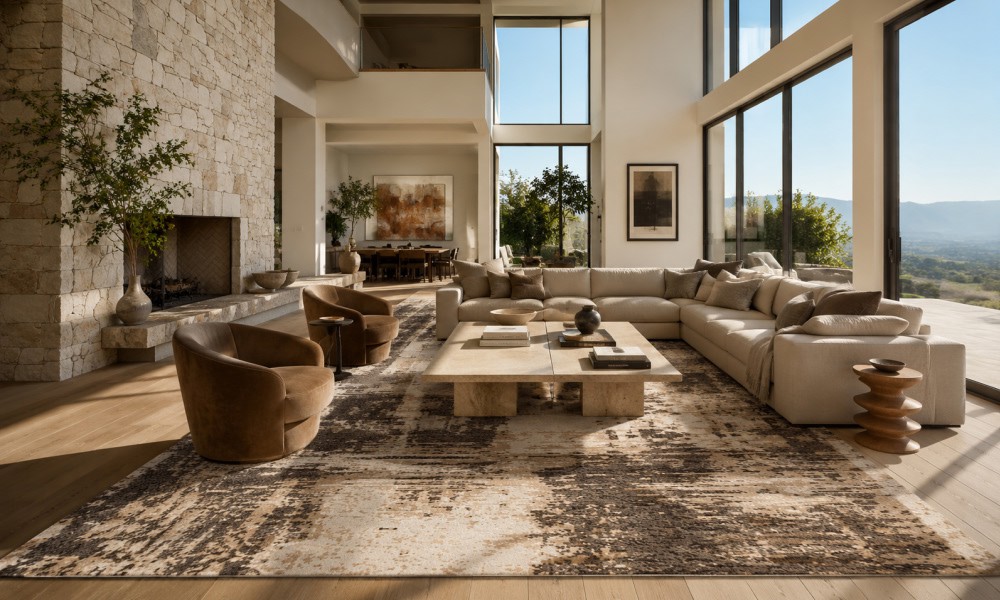
-
07 July 2026
- ∙
-
9 Min Read
How to Tell If a Rug Is Handmade: 7 Signs Experts Look For (Abrash Is One of Them)
Wondering how to know if a rug is handmade? Get an overview of 7 key characteristics that will help you identify if a rug is truly handmade and learn about its differences compared to machine-made rugs, and why they do not lose their value. Here is what to keep in mind when buying a handmade rug.
Read Article →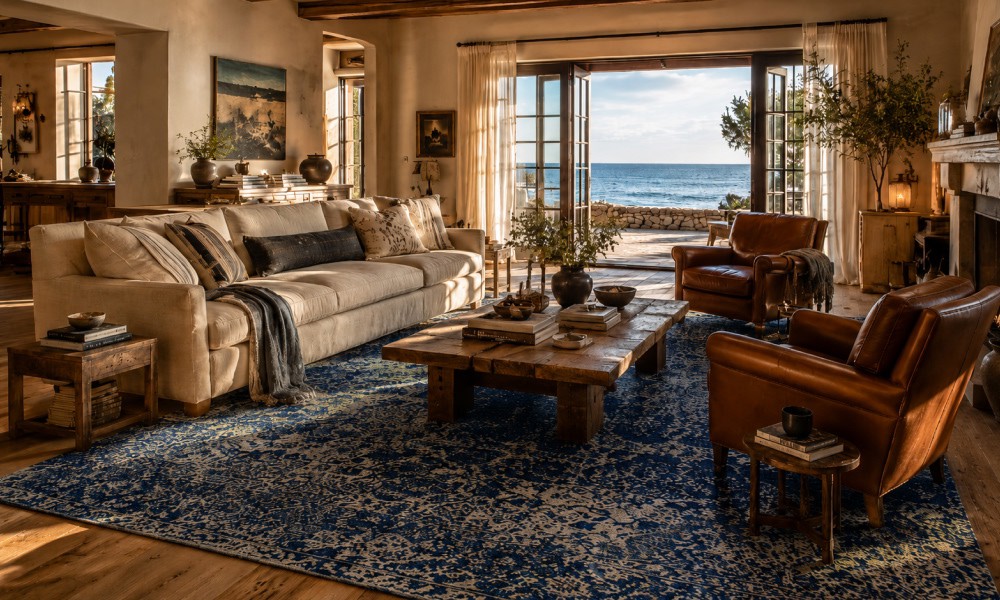
-
04 July 2026
- ∙
-
8 Min Read
Coastal Grandmother Is Evolving: The 2026 "Coastal Heritage" Aesthetic and the Rugs That Define It
The coastal grandmother design is progressing into something new and exciting by 2026. Coastal Heritage introduces texture, craftsmanship, and handmade elements to this popular design style. Here are the various rug types, colors, and decorating ideas to know about this classic coastal design trend.
Read Article →
-
22 June 2026
- ∙
-
6 Min Read
Why Top Interior Designers are Switching to Indian Handmade Rugs
High-end interior designers have begun using handmade carpets from India in place of machine-made carpets to enhance their design portfolios and ensure product longevity. The following guide will help you understand why design professionals prefer Jaipur Rugs for creating customized, ethically produced wool-and-bamboo-silk carpet designs for luxurious homes.
Read Article →