You are on our International website. Please select your region to see content specific for your location





 Profile
 Orders
 Wishlist
 Change Password
 Logout


Latest Blogs

ideas and inspiration
Tips on How to Get Rust Out of Carpet | Proven DIY Cleaning Hacks
- 29 September 2025
- |
- 7 Min Read
- |
- By Jaipur Rugs
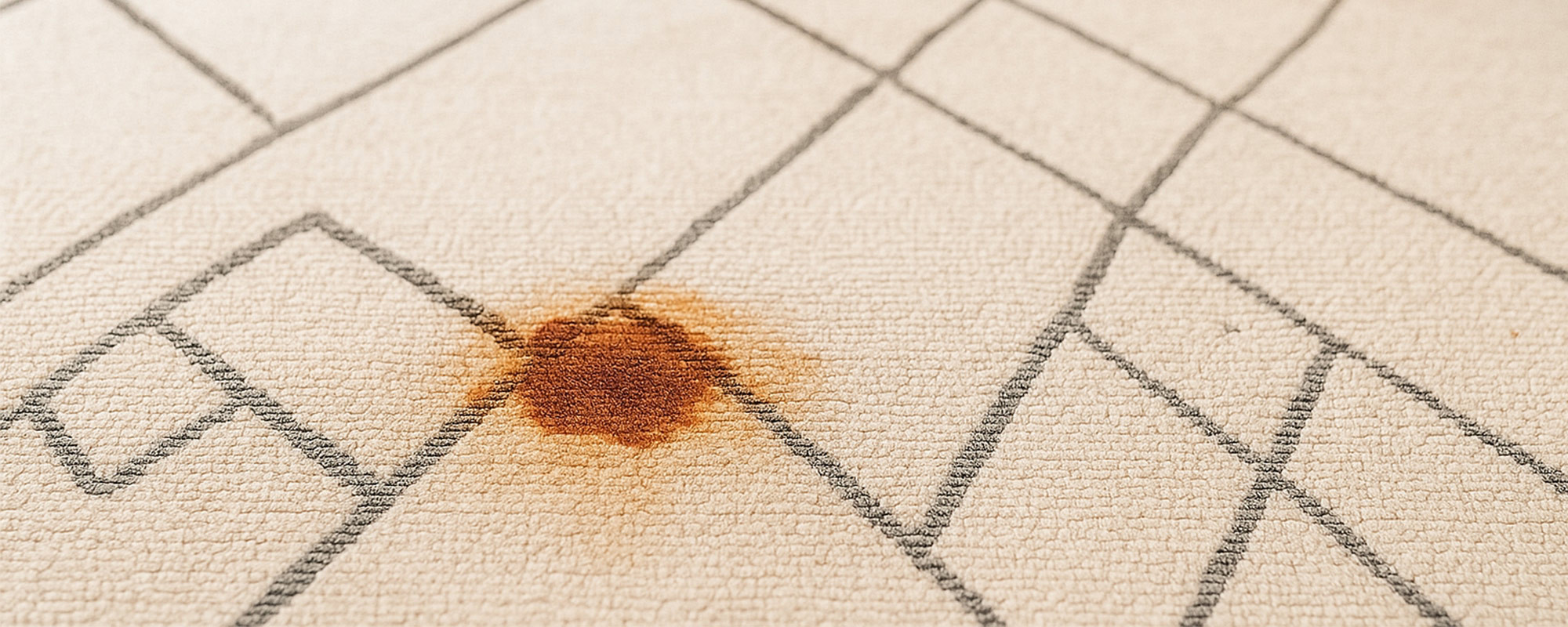
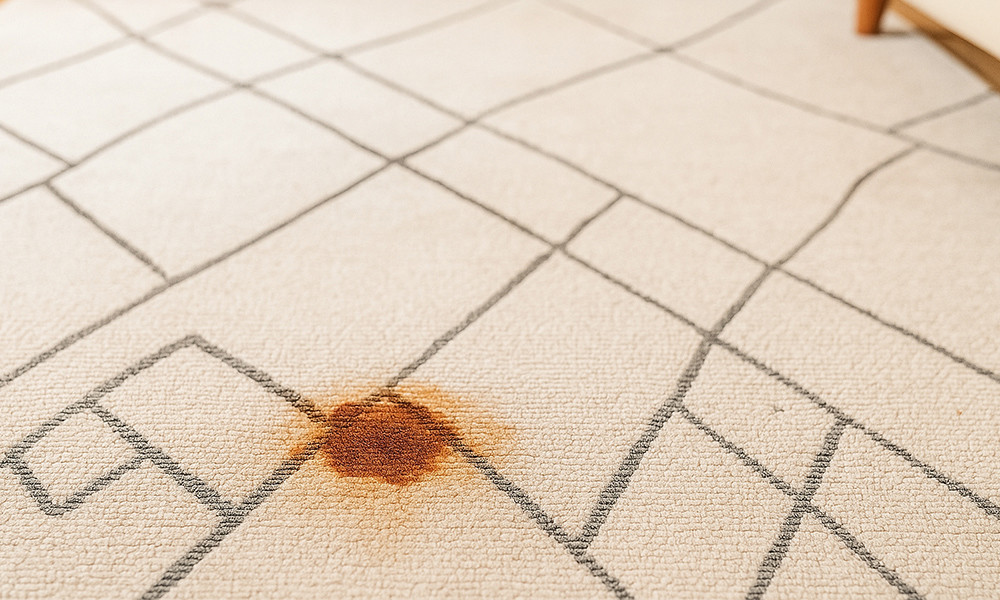
Rust stains on carpets can be stubborn, but with quick action and simple DIY methods, such as lemon juice, baking soda, and vinegar, you can safely remove rust marks from your carpet. These techniques work for handmade rugs, wool rugs, cotton rugs, and delicate hand-tufted rugs, keeping your rugs and carpets clean, vibrant, and long-lasting.
Rust stains on carpets are one of those stubborn problems that can make your beautiful flooring look worn out, no matter how often you vacuum. Whether it’s a tiny speck from a metal furniture leg or a larger spill from garden tools, knowing how to get rust out of carpet is essential for maintaining the look and longevity of your rugs and carpets.
The good news is that there are several tried-and-tested DIY methods that can remove rust stains without harsh chemicals or professional cleaning services. Let’s break down the best ways to remove rust from carpet, step by step.
Understanding Rust Stains
Before you begin cleaning, it’s essential to understand what you’re dealing with. Rust is essentially iron oxide. When it comes into contact with carpet fibers, it bonds tightly, which is why regular cleaning methods often fail to remove it. The trick is to use acidic agents that can break down the rust while being gentle on your carpet fibers.
Different types of carpets react differently to cleaning methods. For instance, handmade rugs, hand-tufted rugs, and wool and silk rugs require more delicate handling compared to synthetic or cotton rugs. Knowing your carpet type ensures you remove rust without damaging the texture or color.
Act Quickly on Fresh Rust Stains
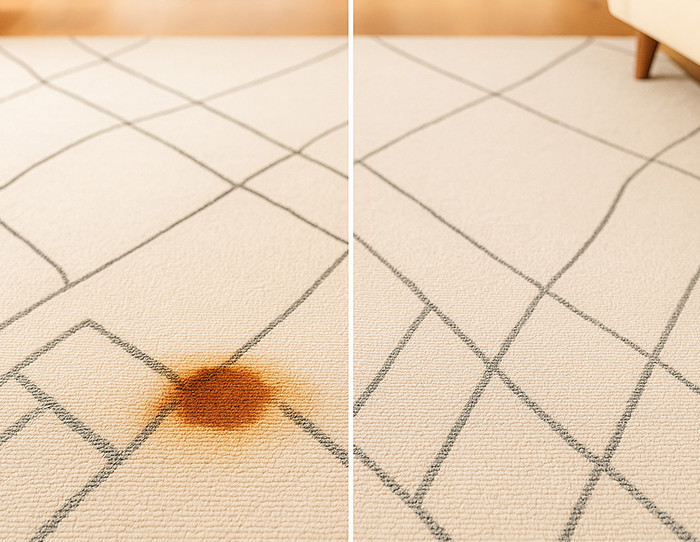
One of the most effective tips on how to get rid of rust stains on carpet is to act fast. Rust stains are much easier to remove when they’re fresh. As soon as you notice a rust mark on the carpet:
-
Blot the area with a clean, dry cloth to remove any loose rust particles.
-
Avoid rubbing; rubbing spreads the stain and embeds rust deeper into the fibers.
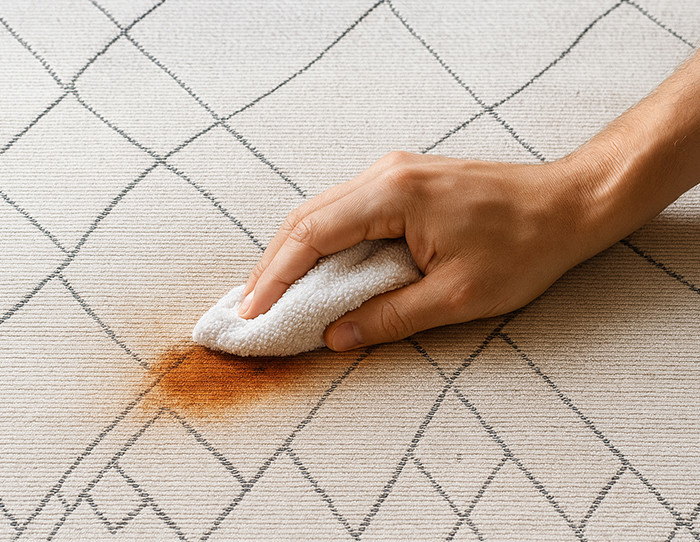
By addressing the stain early, you increase your chances of completely removing it without leaving a shadow or discoloration.
Use Lemon Juice for Rust Stains
Lemon juice is a natural acid that works wonders for removing rust marks from carpet. Here’s how to use it effectively:
-
Squeeze fresh lemon juice directly onto the rust stain.
-
Sprinkle a little table salt over the juice to increase its abrasive effect.
-
Allow the mixture to sit for about 30 minutes.
-
Blot the area with a clean, damp cloth to lift the rust residue.
-
Repeat if necessary, then rinse with cold water and dry.
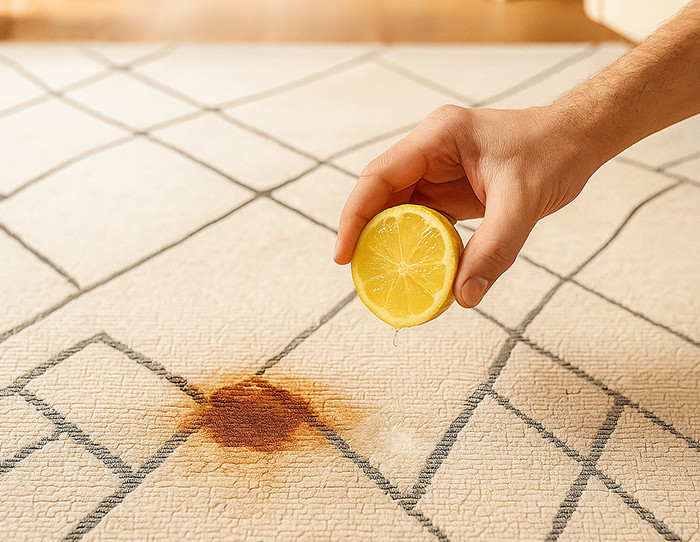
This method is particularly safe for white rugs and solid rugs, as it doesn’t involve harsh chemicals that might bleach or damage fibers. What this really means is that lemon juice not only tackles rust but also helps naturally brighten dull carpet spots.
Baking Soda and Vinegar for Rust Stains
For more stubborn iron stains on carpet, a combination of baking soda and vinegar can be very effective. Here’s a step-by-step guide for removing rust from carpet using these household staples:
-
Mix a thick paste of baking soda and a few drops of water.
-
Apply the paste directly onto the rust stain.
-
Pour a small amount of white vinegar over the paste. You’ll notice fizzing; that’s the reaction breaking down the rust.
-
Let it sit for 15–20 minutes.
-
Blot with a clean cloth and rinse with cold water.
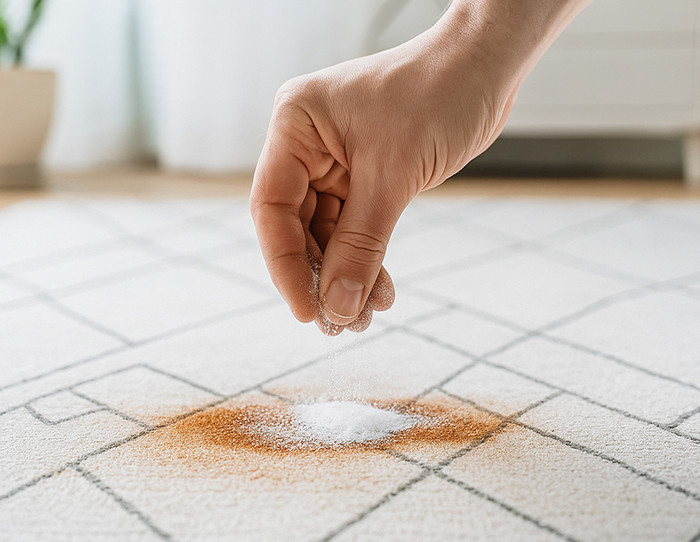
This method is safe for most wool rugs and cotton rugs, but always test a small area first to ensure there’s no discoloration. Removing rust using baking soda and vinegar is not just effective—it’s eco-friendly and non-toxic.
Removing Rust with Commercial Products
Sometimes, home remedies are not enough, especially with older or larger stains. If you’re dealing with deep-set rust marks, consider a commercial rust remover designed specifically for carpets. Make sure to follow these guidelines:
-
Read the instructions carefully. Some products are not suitable for natural fibers.
-
Test the product on a small, inconspicuous area of your rug, especially if it’s a hand-knotted rug or custom rug.
-
Apply sparingly and blot, rather than rubbing, to protect delicate fibers.
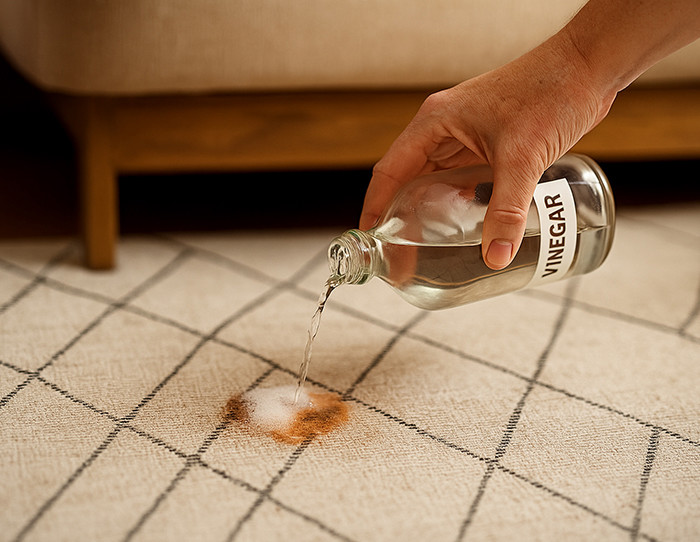
Even with chemical treatments, the principles remain the same: treat the stain gently, avoid oversaturating, and rinse thoroughly afterward.
Removing Rust Baking Soda Paste for Extra-Tough Stains
For iron stains on carpet that resist liquid treatments, a baking soda paste can be a game-changer. Here’s the process:
-
Make a paste by mixing baking soda and a few drops of water until it reaches a thick consistency.
-
Apply the paste generously over the rust stain.
-
Allow it to dry completely, which usually takes a few hours.
-
Vacuum the dried paste.
-
If any rust remains, repeat the process or try adding a little lemon juice to the paste for extra potency.
This method works well on hand-tufted rugs, as well as wool and silk rugs, and white rugs. It’s slow but effective, particularly for delicate fibers where harsh scrubbing could cause damage.
Tips for Maintaining Stain-Free Rugs
Preventing rust stains is just as important as knowing how to clean them. Here are some practical tips:
-
Place handmade rugs and custom rugs away from areas with metal furniture that might rust.
-
Use protective pads under furniture legs to prevent metal-to-metal contact and oxidation.
-
Clean spills immediately, even if they don’t appear to be rust initially.
-
For outdoor rugs or wool rugs in high-humidity areas, vacuum regularly to remove any iron particles that could cause stains.
Taking these steps will reduce the need for aggressive cleaning and prolong the life of your carpets.
Rinsing and Drying After Rust Removal
Regardless of which method you choose—lemon juice, baking soda and vinegar, or commercial cleaners—proper rinsing is essential. Any leftover residue can attract dirt or leave discoloration. Here’s the recommended process:
-
Blot the cleaned area with a damp cloth to remove cleaning agents.
-
Use a dry cloth or paper towel to absorb excess moisture.
-
Allow the carpet to air-dry completely. If necessary, use a fan to accelerate the drying process.
For delicate rugs, such as wool and silk rugs, avoid heavy rubbing or machine drying, as this can damage the fibers.
When to Call Professionals
Some rust stains are simply too stubborn or old to handle at home. If you’ve tried DIY methods and still notice a mark, it may be time to call a professional cleaner, especially for high-value rugs such as hand-knotted rugs, hand-tufted rugs, or bamboo silk and zari rugs. Professionals have access to specialized products and techniques that can restore your carpet without risking damage.
Conclusion
Rust stains and iron stains on carpets can be stubborn, but knowing how to remove rust stains from carpet makes the process much easier. By acting quickly and using gentle methods, such as lemon juice, baking soda, and vinegar, you can safely remove rust marks from your carpet while protecting its fibers and colors.
For delicate pieces, such as hand-tufted rugs, wool and silk rugs, or white rugs, DIY methods are usually effective. At the same time, professional cleaning may be necessary for older or deeper iron stains on carpets. With proper care, your rugs and carpets can stay vibrant for years, and knowing how to clean rust stains from carpet ensures they look their best.
FAQs: How to Get Rust Out of Carpet
What is the easiest way to remove rust from carpet?
The easiest way is to act quickly. Blot any loose rust and use natural acids, such as lemon juice or a baking soda and vinegar paste, to break down the stain. This works on most handmade rugs, wool rugs, and cotton rugs without harsh chemicals.
Can I use lemon juice for white rugs?
Yes, lemon juice is safe for white rugs and helps naturally lift rust stains. Apply it carefully, let it sit for 30 minutes, then gently blot and rinse with cold water.
How do I remove an iron stain on carpet?
Blot the area, then treat it with lemon juice or a baking soda paste. For stubborn stains, use a mixture of vinegar and baking soda. Always test on a small area first.
How do I remove rust marks from carpet without damaging delicate fibers?
For delicate rugs like hand-knotted rugs or wool and silk rugs, use gentle methods such as lemon juice, baking soda paste, or vinegar. Avoid rubbing aggressively and always test a small area first.
Will baking soda and vinegar work for stubborn rust stains?
Yes, combining baking soda and vinegar creates a fizzing reaction that breaks down rust. This method is ideal for hand-tufted rugs and other rugs where gentle cleaning is important.
Can I prevent rust stains on rugs and carpets?
Absolutely. Place furniture pads under metal legs, clean spills promptly, and vacuum regularly to maintain a clean and safe environment. For custom rugs and handmade rugs, this is key to preventing iron stains from forming.
When should I call a professional cleaner for rust stains?
If the rust stain is old, deeply set, or on a high-value rug, such as a wool and silk rug, it’s best to call professionals. DIY methods sometimes can’t fully remove stubborn iron stains.
Can I use commercial rust removers on wool or cotton rugs?
Some commercial rust removers are safe for cotton rugs but may damage natural fibers, such as wool or silk. Always read labels carefully and test on a hidden area first.


Pic Credits
Jaipur rugs / Abil Dase
Share
-
 Facebook
-
 Twitter
-
 Email
Email
Related Posts
-
15 July 2026
- ∙
-
8 Min Read
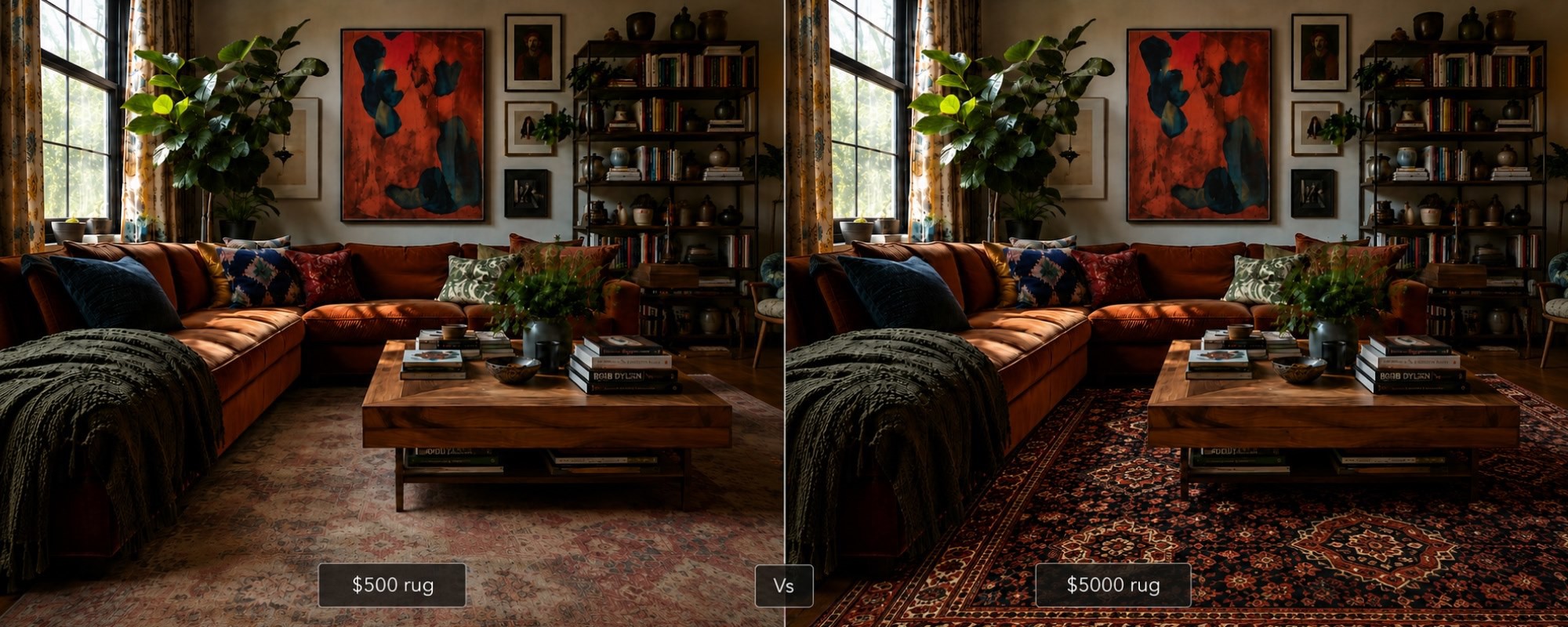
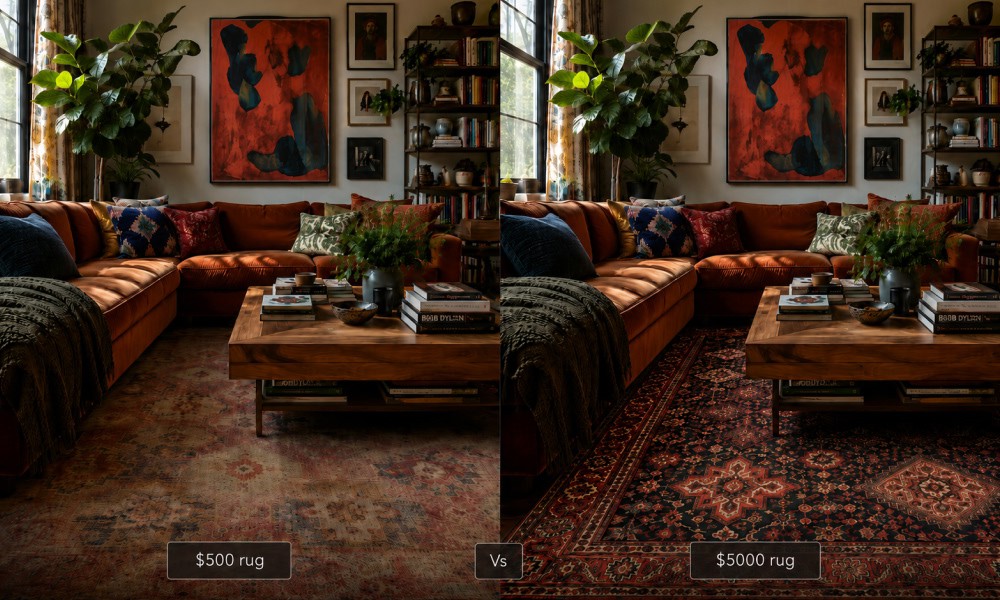
The $500 vs $5,000 Rug: An Honest Side-by-Side That No Brand Will Show You
Why do some rugs cost ten times more than others? This honest side-by-side looks at what actually separates a $500 rug from a $5,000 one: knot density, fiber quality, pile depth, and finishing. No brand bias, no marketing language. Just a clear breakdown to help you decide which one is worth it for your space and budget.
Read Article →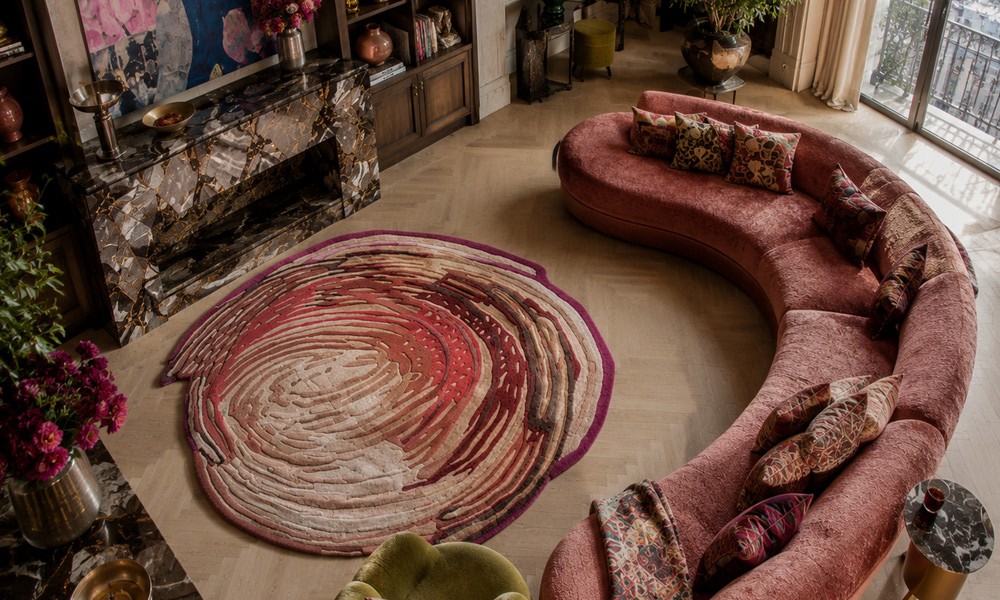
-
14 July 2026
- ∙
-
13 Min Read
3D Rugs and Sculpted Pile: The Tactile Design Trend Redefining Floors in 2026
The rug used to finish a room. Now it starts one. 3D rugs and sculpted piles are bringing real depth and tactile texture to interiors, from hand knotted relief patterns to optical illusion designs that stop you mid-step. This is what the trend is, why it matters, and how to buy it well.
Read Article →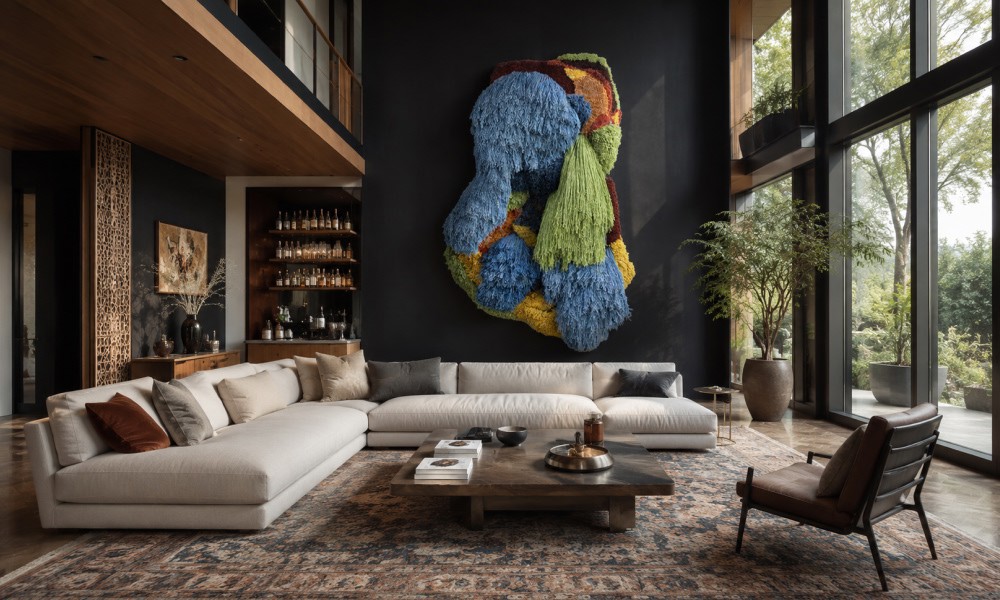
-
10 July 2026
- ∙
-
10 Min Read
How to Pair Indian Wall Art with the Right Rug Pattern: A Room-by-Room Guide
Choosing the right rug to go with your Indian wall art does not have to be guesswork. This guide breaks it down room by room, from the living room to the bathroom and outdoor spaces. Learn how to match colors, patterns, and scale so your wall art and rug always feel like they belong together.
Read Article →
-
07 July 2026
- ∙
-
9 Min Read
How to Tell If a Rug Is Handmade: 7 Signs Experts Look For (Abrash Is One of Them)
Wondering how to know if a rug is handmade? Get an overview of 7 key characteristics that will help you identify if a rug is truly handmade and learn about its differences compared to machine-made rugs, and why they do not lose their value. Here is what to keep in mind when buying a handmade rug.
Read Article →
-
04 July 2026
- ∙
-
8 Min Read
Coastal Grandmother Is Evolving: The 2026 "Coastal Heritage" Aesthetic and the Rugs That Define It
The coastal grandmother design is progressing into something new and exciting by 2026. Coastal Heritage introduces texture, craftsmanship, and handmade elements to this popular design style. Here are the various rug types, colors, and decorating ideas to know about this classic coastal design trend.
Read Article →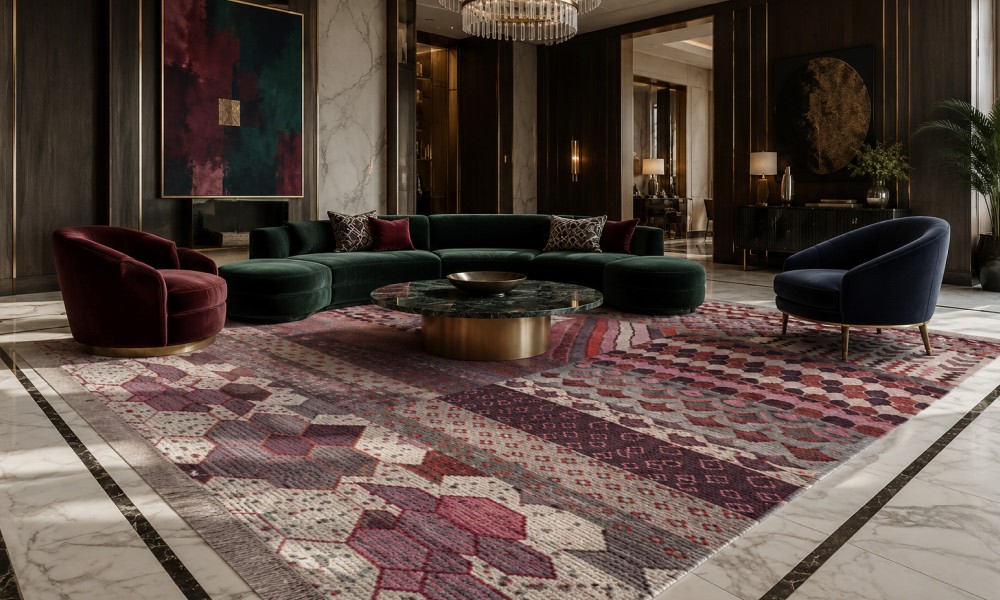
-
22 June 2026
- ∙
-
6 Min Read
Why Top Interior Designers are Switching to Indian Handmade Rugs
High-end interior designers have begun using handmade carpets from India in place of machine-made carpets to enhance their design portfolios and ensure product longevity. The following guide will help you understand why design professionals prefer Jaipur Rugs for creating customized, ethically produced wool-and-bamboo-silk carpet designs for luxurious homes.
Read Article →