You are on our International website. Please select your region to see content specific for your location





 Profile
 Orders
 Wishlist
 Change Password
 Logout


Latest Blogs
ideas and inspiration
Why Gradient & Ombre Rugs Are the It-Girls of Modern Decor?
- 30 May 2025
- |
- 4 Min Read
- |
- By Jaipur Rugs
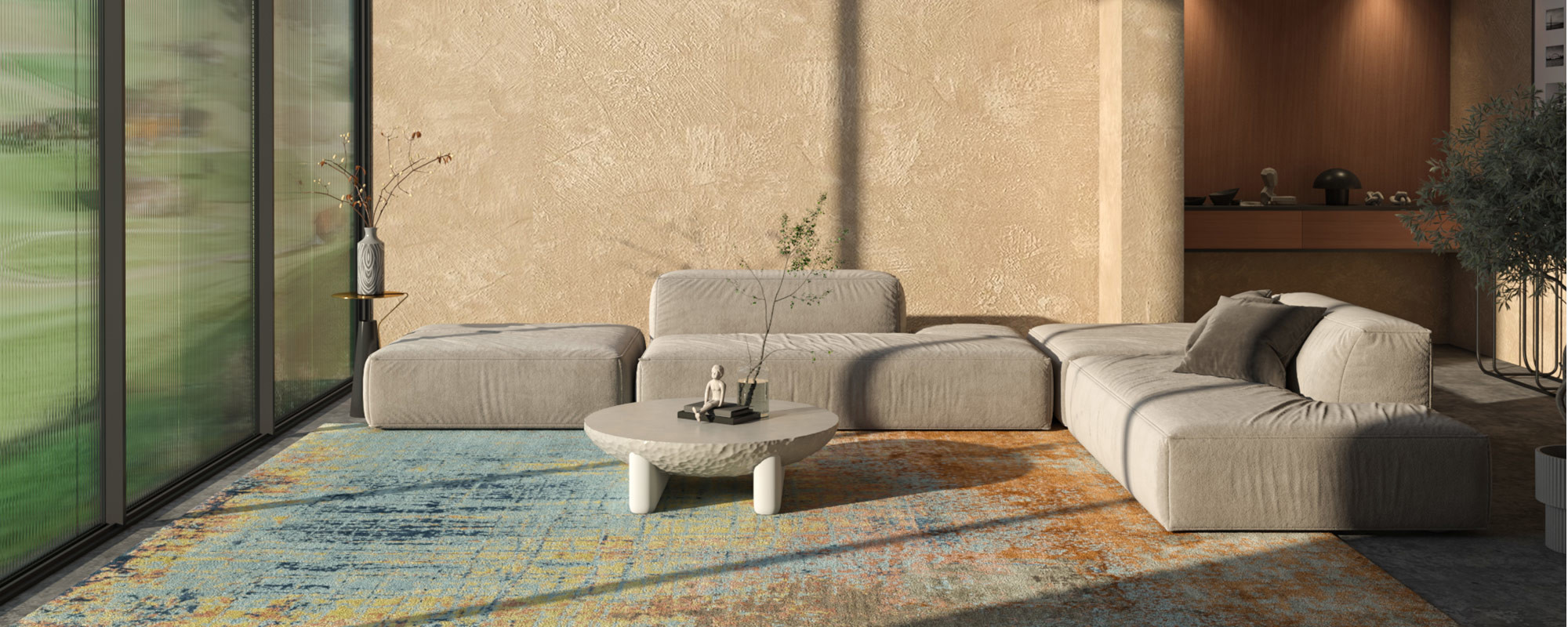
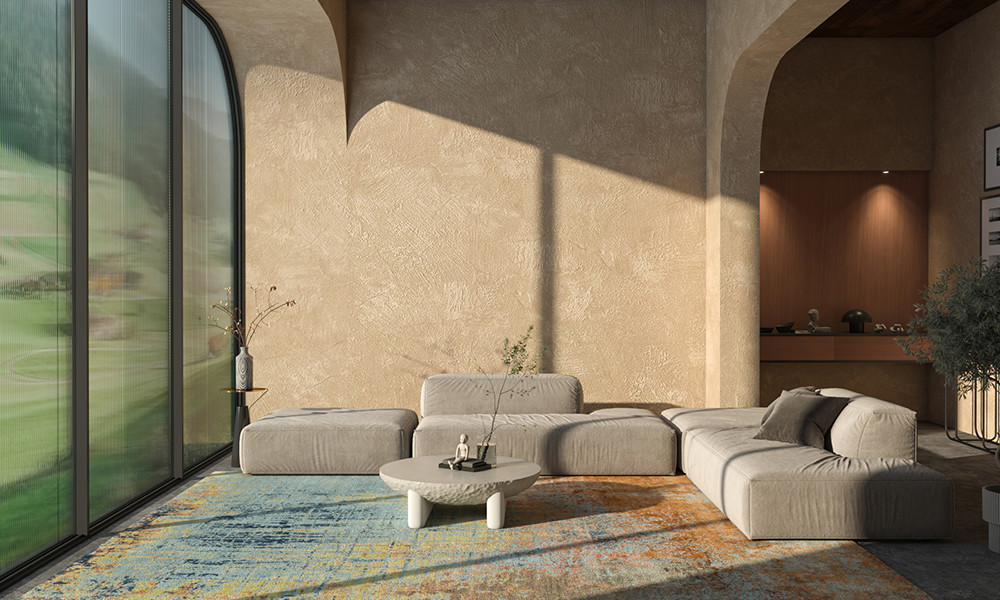
Ever walked into a room and felt something shift—but couldn’t quite name it? That’s the quiet magic of a gradient or ombre rug. These rugs don’t scream for attention—they seduce it. With soft color fades, moody transitions, and an almost cinematic stillness, they shape the mood of a space in ways most decor can’t. In this blog, we are unlocking the design world’s best-kept secrets—from how to choose the right gradient tone to the subtle styling tricks that make your space feel bigger, bolder, and beautifully intentional.
If your interiors are begging for an upgrade but are not ready to repaint walls or commit to wild furniture, let us introduce your new secret weapon: the gradient rug. Or its slightly moodier cousin, the ombre rug. These aren’t just colorful area rugs, they are color stories that flow. Think of them as wearable art for your floors, like a Balenciaga gown got reimagined as a luxury carpet.
They are soft, sophisticated, and surprisingly powerful in shaping the mood of a room. And for those of us who eat, sleep, and breathe interior aesthetics, they’re practically a non-negotiable.
What Is a Gradient or Ombre Rug, Anyway?
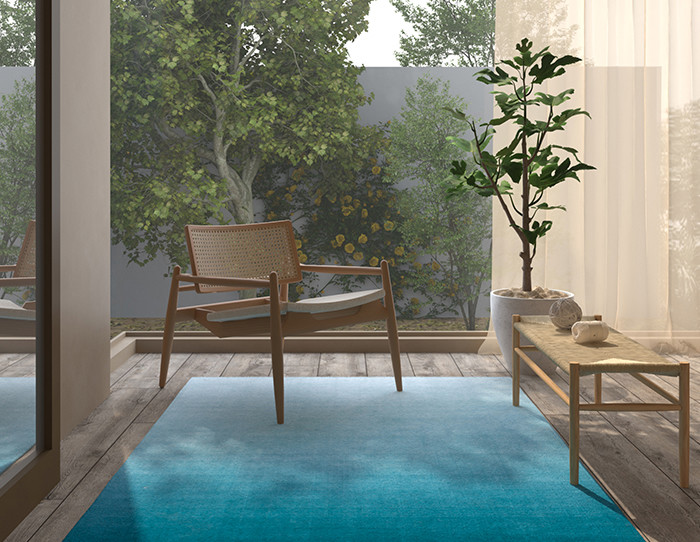
Let’s clear the air. A gradient rug features a gradual transition between colors, often moving from light to dark or shifting between hues (think blush to mauve, or sand to charcoal).
An ombre designer rug follows a similar logic but tends to showcase a more dramatic tonal fade, often within a single color family, such as a blue ombre rug that shifts from icy sky to deep midnight. A pink ombre rug might move from rose quartz to punchy magenta.
In short? They’re high-fashion floorwear, and they do not play second fiddle in any room.
Why Designers Are Obsessed with Gradient Rugs Right Now
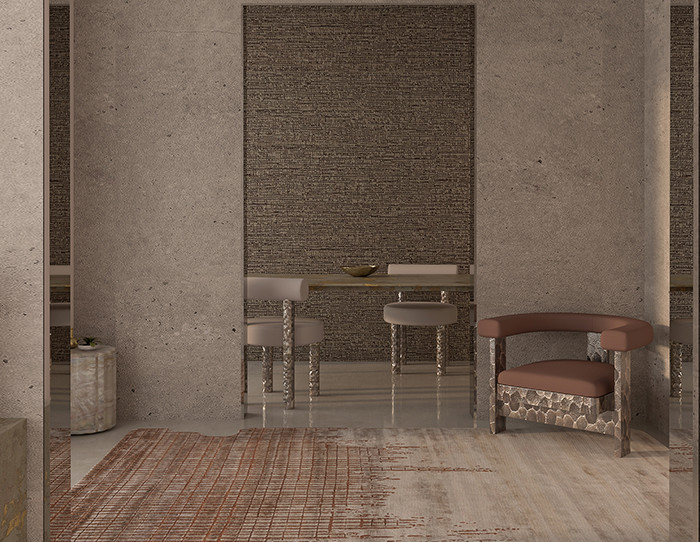
Let’s talk trend forecast. According to this year's design insights, gradient and ombre designs are dominating not just in fashion but across textiles, walls, lighting, and yes, designer handmade rugs.
Why now?
Because we’re entering the era of soft expression in interior spaces. Gone are the hyper-minimalist days of cold monochrome. Today’s modern aesthetic is about fluidity, movement, and mood—and nothing says that better than a rug that fades like a watercolor painting.
Designer Insight: Gradient area rugs bring visual dynamism without pattern fatigue. They work especially well in clean, architectural spaces that need a sense of soul without the chaos of heavy motifs.
Choose Colors That Flow With (Not Against) Your Vision
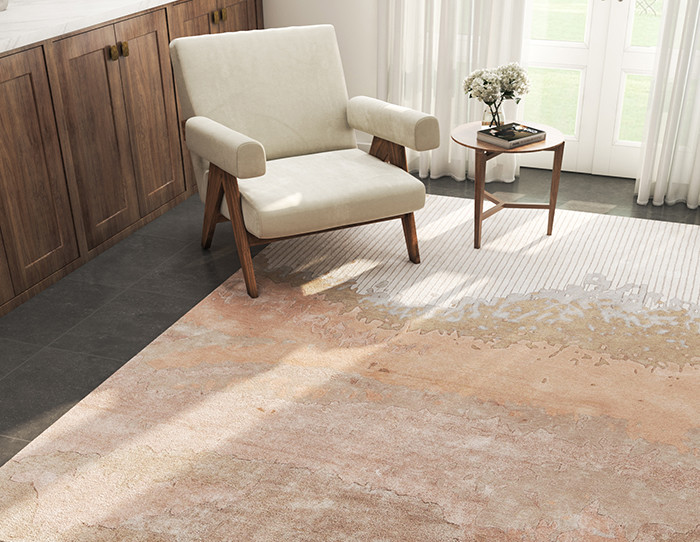
The magic of a gradient rug is in its tonal story. But not all fades are created equal. Here’s how to use them intentionally:
-
Cool tones (blues, greys): Ideal for calm, airy, minimal spaces. A blue ombre rug in an open-plan living area can make a sleek room feel grounded yet soft.
-
Warm tones (peach, coral, amber): These make great focal points in neutral spaces. A pink ombre rug under a brass-legged coffee table? Major moment.
-
Monochrome fades (black to white): These work beautifully in ultra-modern interiors with matte blacks and high-contrast decor.
Designer Secret: Use the lightest end of the area rug to face the primary light source (windows or doors). It mimics natural light flow and makes your space look bigger.
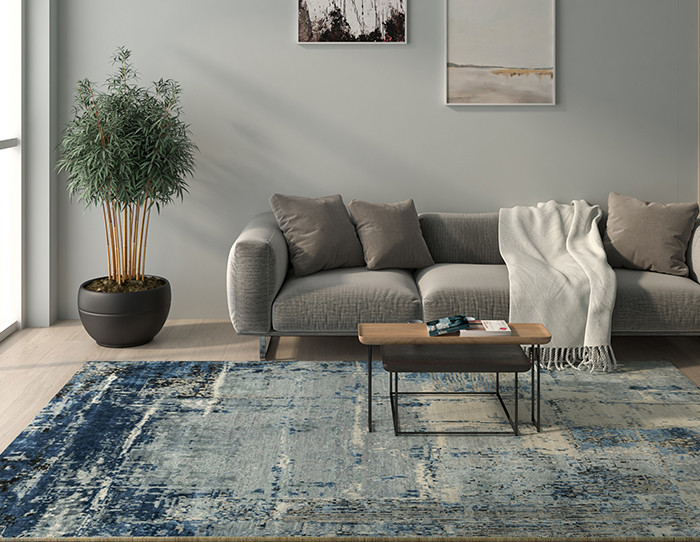
Placement That Elevates: Where to Use Gradient Rugs
You don’t just toss a masterpiece on the floor and call it a day. Here's how pros style it
Living Room
Use a gradient area rug to divide a long room into zones. The color transition creates a visual boundary between, say, your seating area and workspace without needing walls.
Bedroom
Slide a pink ombre rug halfway under your bed. Let the fade “lead out” toward the rest of the room. It makes the bed feel like it’s floating—dreamy, much?
Entryway or Hallway
Long, narrow ombre runners are the hallway’s answer to runway lighting. Let the gradient pull the eye inward for an inviting, elevated entry.
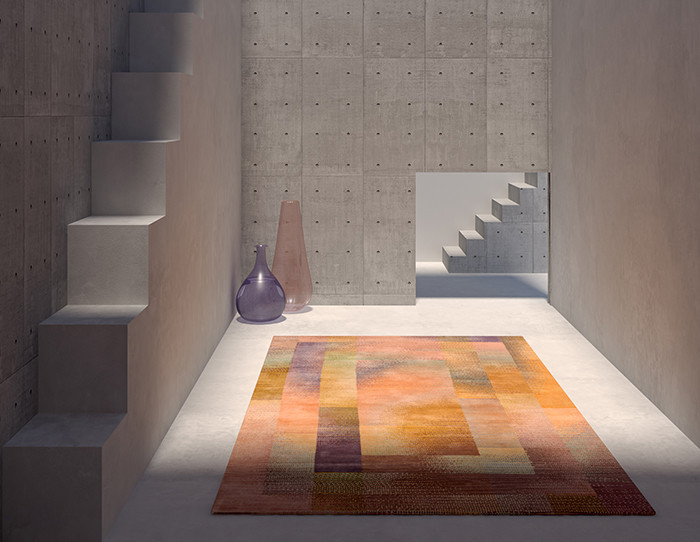
Layering Gradient Rugs: Advanced Level Design
This is where things get spicy. Layering a gradient rug over a neutral flatweave adds depth and intention to your space.
Here’s how:
-
Use a base of sisal or jute rug as your grounding layer.
-
Place your gradient piece on top, slightly off-center, so the fade becomes directional.
-
This works especially well in boho-modern or Japandi spaces where texture is key.
Insider Tip: Stick to rugs of similar pile height so the layering looks intentional, not like a tripping hazard.
Match Your Furniture Mood—But Don’t Be Too Matchy
Gradient rugs thrive when there’s a little tension in the room. Too much coordination, and it loses its edge.
Instead:
-
Pair a blue ombre rug with terracotta cushions or rust-toned upholstery for contrast.
-
Match a gradient area rug in muted tones with metallic or mirrored furniture to create a glam-modern fusion.
-
Let a pink ombre rug shine under lucite or glass tables where the fade is completely visible.
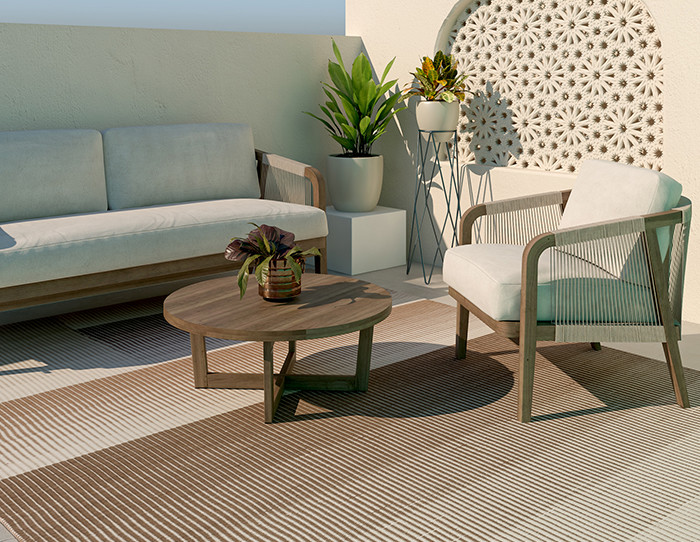
Care Secrets: Keep the Fade Fresh
Gradient and ombre rugs don’t hide dirt the way patterned rugs do. So maintenance is queen:
-
Vacuum lightly in the direction of the gradient (yes, it matters—it preserves the color flow).
-
Rotate monthly to prevent sun fade on one end.
-
For natural fiber rug blends, use a soft brush to fluff areas that have dulled over time.
Summing Up: Are Gradient Rugs Worth the Hype?
Short answer: Absolutely. Longer answer: They’re the kind of modern statement that feels effortless but makes your whole space look intentional, artistic, and editorial-ready. Whether you go with a smoky ombre rug, a vibrant pink ombre rug, or a serene blue ombre rug, you’re investing in a piece that does more than just sit pretty—it curates a vibe.
So go ahead. Let your floors fade into fabulous.
We will be back with another exciting blog soon!
Till then, stay tuned and explore Jaipur Rugs.


Pic Credits
Jaipur rugs / Abil Dase
Share
-
 Facebook
-
 Twitter
-
 Email
Email
Related Posts
-
15 July 2026
- ∙
-
8 Min Read
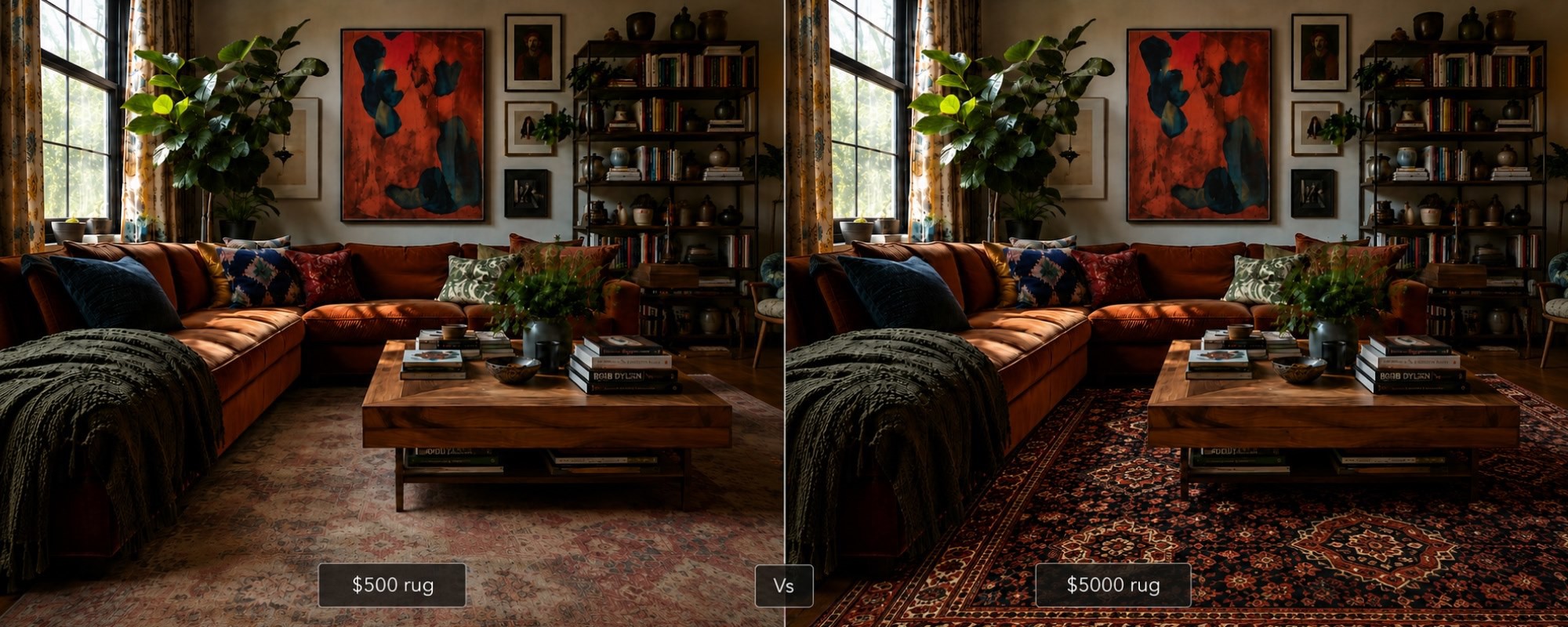
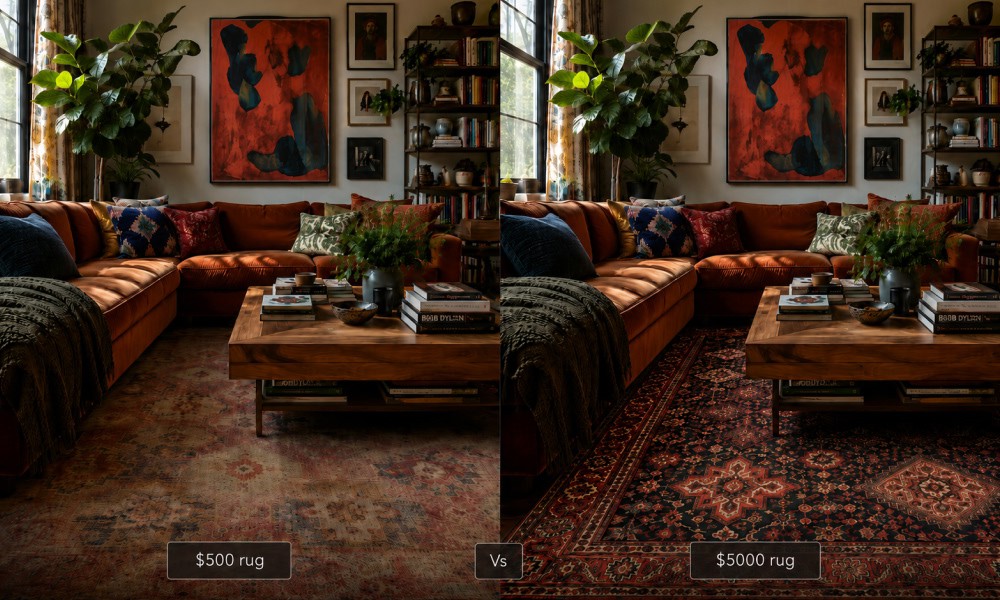
The $500 vs $5,000 Rug: An Honest Side-by-Side That No Brand Will Show You
Why do some rugs cost ten times more than others? This honest side-by-side looks at what actually separates a $500 rug from a $5,000 one: knot density, fiber quality, pile depth, and finishing. No brand bias, no marketing language. Just a clear breakdown to help you decide which one is worth it for your space and budget.
Read Article →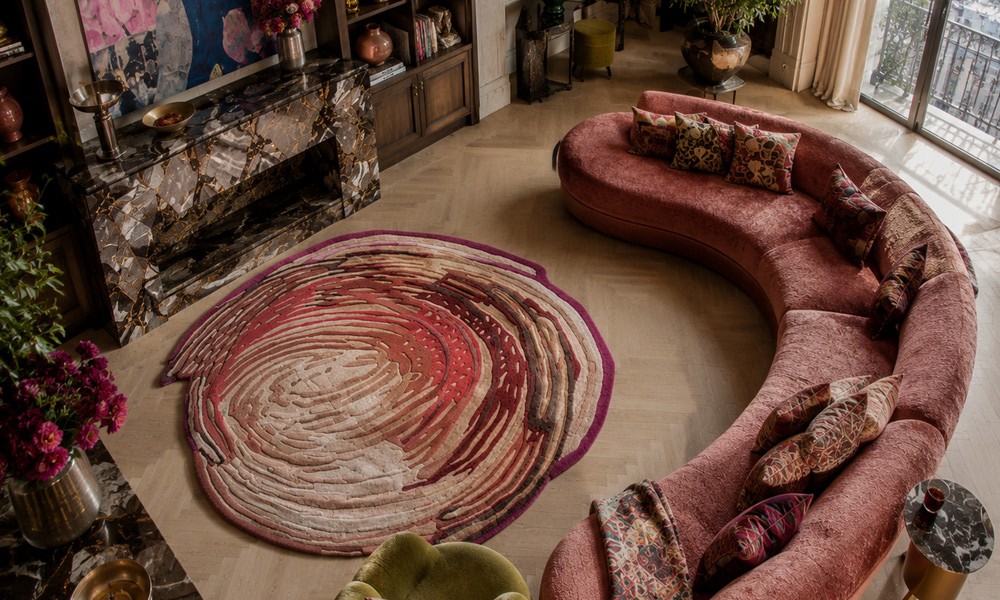
-
14 July 2026
- ∙
-
13 Min Read
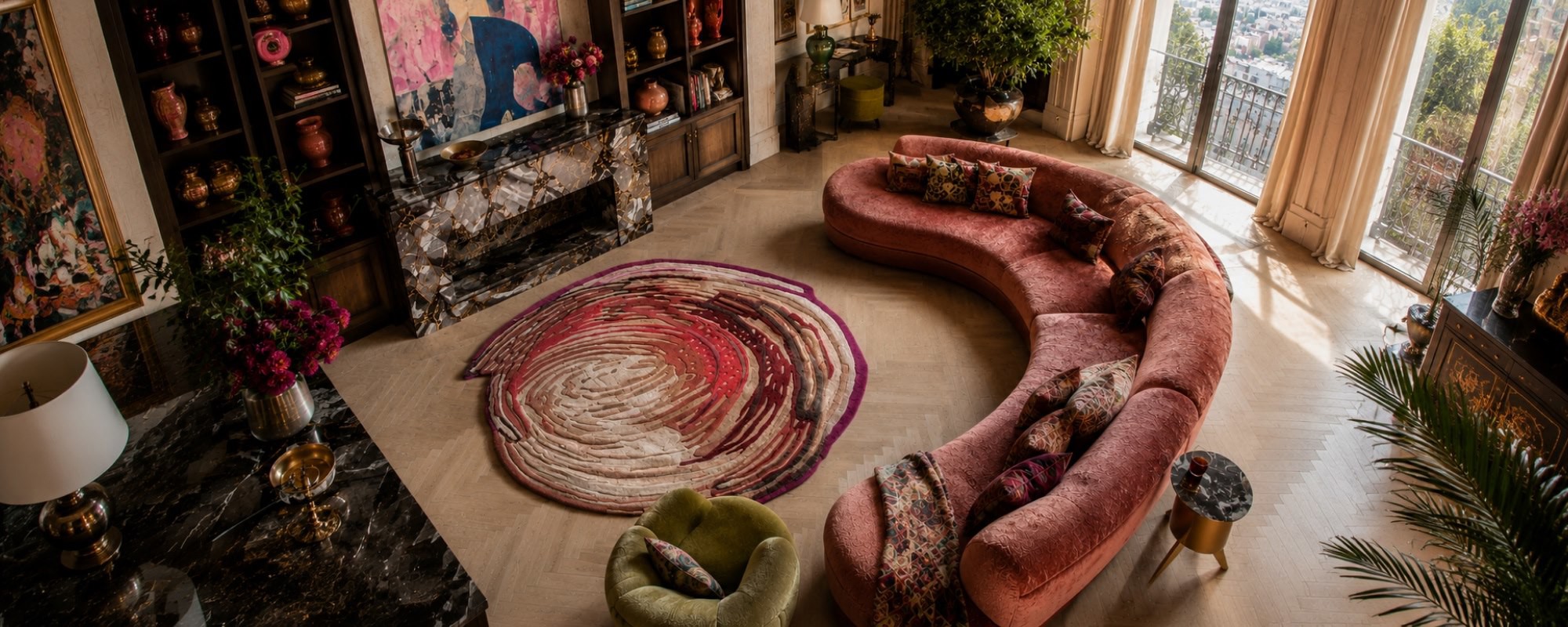
3D Rugs and Sculpted Pile: The Tactile Design Trend Redefining Floors in 2026
The rug used to finish a room. Now it starts one. 3D rugs and sculpted piles are bringing real depth and tactile texture to interiors, from hand knotted relief patterns to optical illusion designs that stop you mid-step. This is what the trend is, why it matters, and how to buy it well.
Read Article →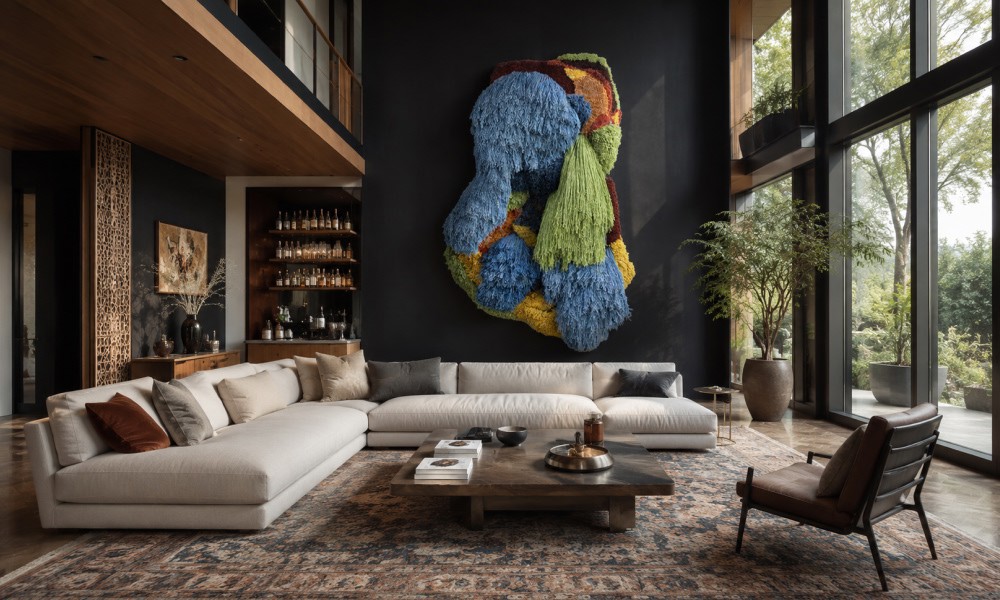
-
10 July 2026
- ∙
-
10 Min Read
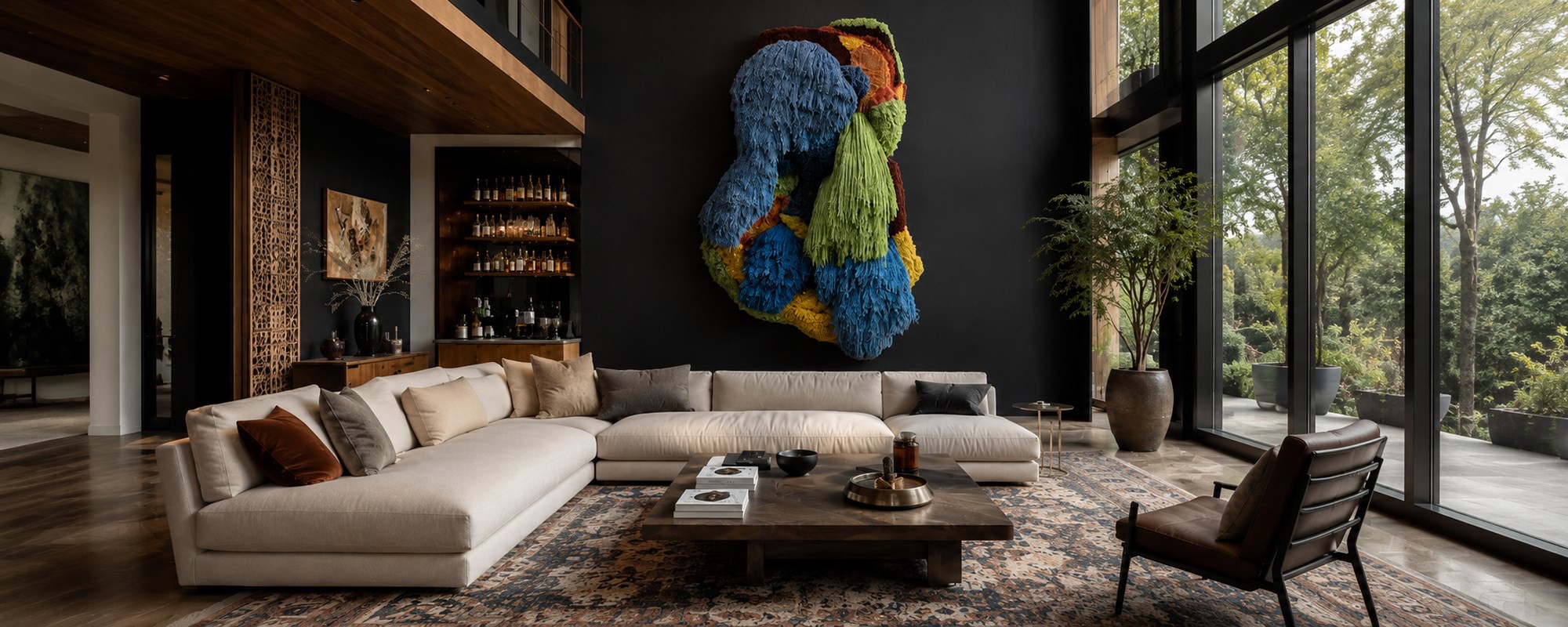
How to Pair Indian Wall Art with the Right Rug Pattern: A Room-by-Room Guide
Choosing the right rug to go with your Indian wall art does not have to be guesswork. This guide breaks it down room by room, from the living room to the bathroom and outdoor spaces. Learn how to match colors, patterns, and scale so your wall art and rug always feel like they belong together.
Read Article →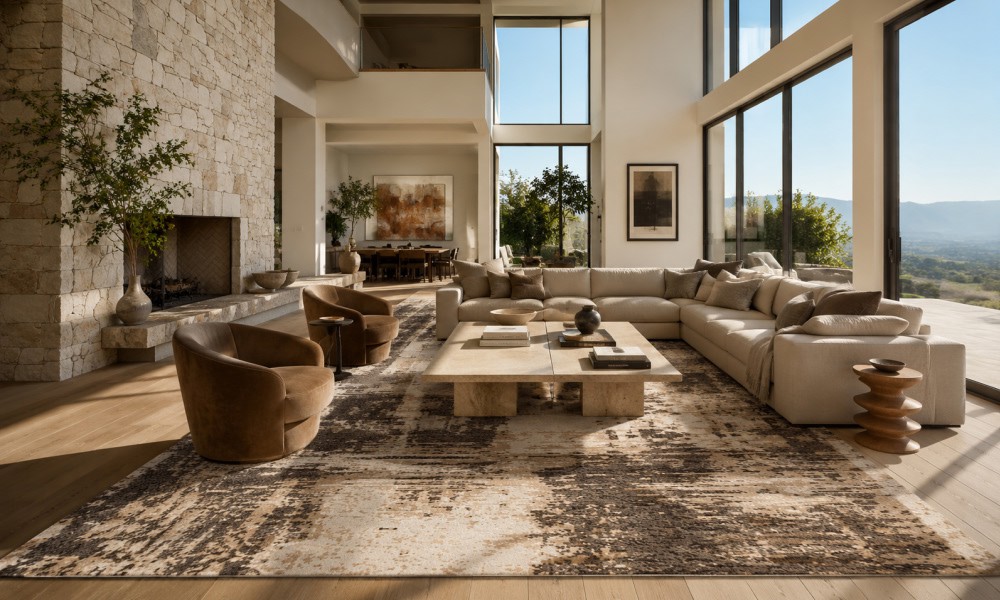
-
07 July 2026
- ∙
-
9 Min Read
How to Tell If a Rug Is Handmade: 7 Signs Experts Look For (Abrash Is One of Them)
Wondering how to know if a rug is handmade? Get an overview of 7 key characteristics that will help you identify if a rug is truly handmade and learn about its differences compared to machine-made rugs, and why they do not lose their value. Here is what to keep in mind when buying a handmade rug.
Read Article →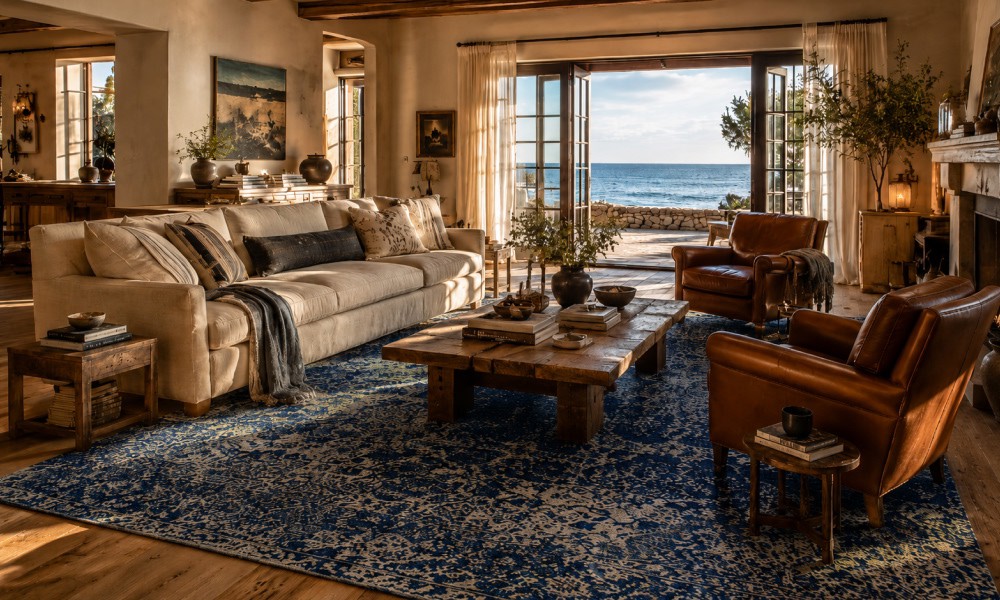
-
04 July 2026
- ∙
-
8 Min Read
Coastal Grandmother Is Evolving: The 2026 "Coastal Heritage" Aesthetic and the Rugs That Define It
The coastal grandmother design is progressing into something new and exciting by 2026. Coastal Heritage introduces texture, craftsmanship, and handmade elements to this popular design style. Here are the various rug types, colors, and decorating ideas to know about this classic coastal design trend.
Read Article →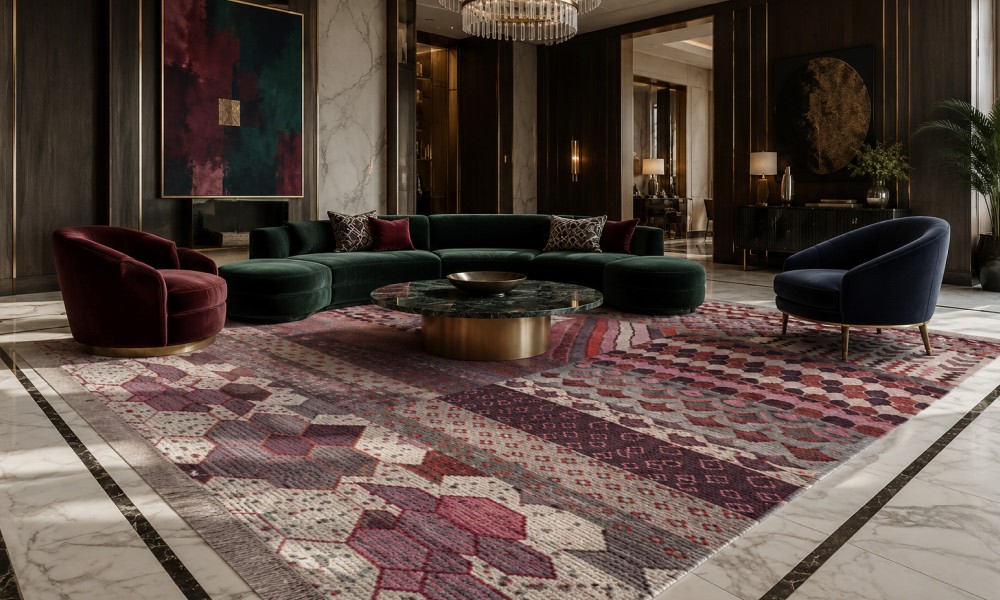
-
22 June 2026
- ∙
-
6 Min Read
Why Top Interior Designers are Switching to Indian Handmade Rugs
High-end interior designers have begun using handmade carpets from India in place of machine-made carpets to enhance their design portfolios and ensure product longevity. The following guide will help you understand why design professionals prefer Jaipur Rugs for creating customized, ethically produced wool-and-bamboo-silk carpet designs for luxurious homes.
Read Article →