You are on our International website. Please select your region to see content specific for your location





 Profile
 Orders
 Wishlist
 Change Password
 Logout


Latest Blogs
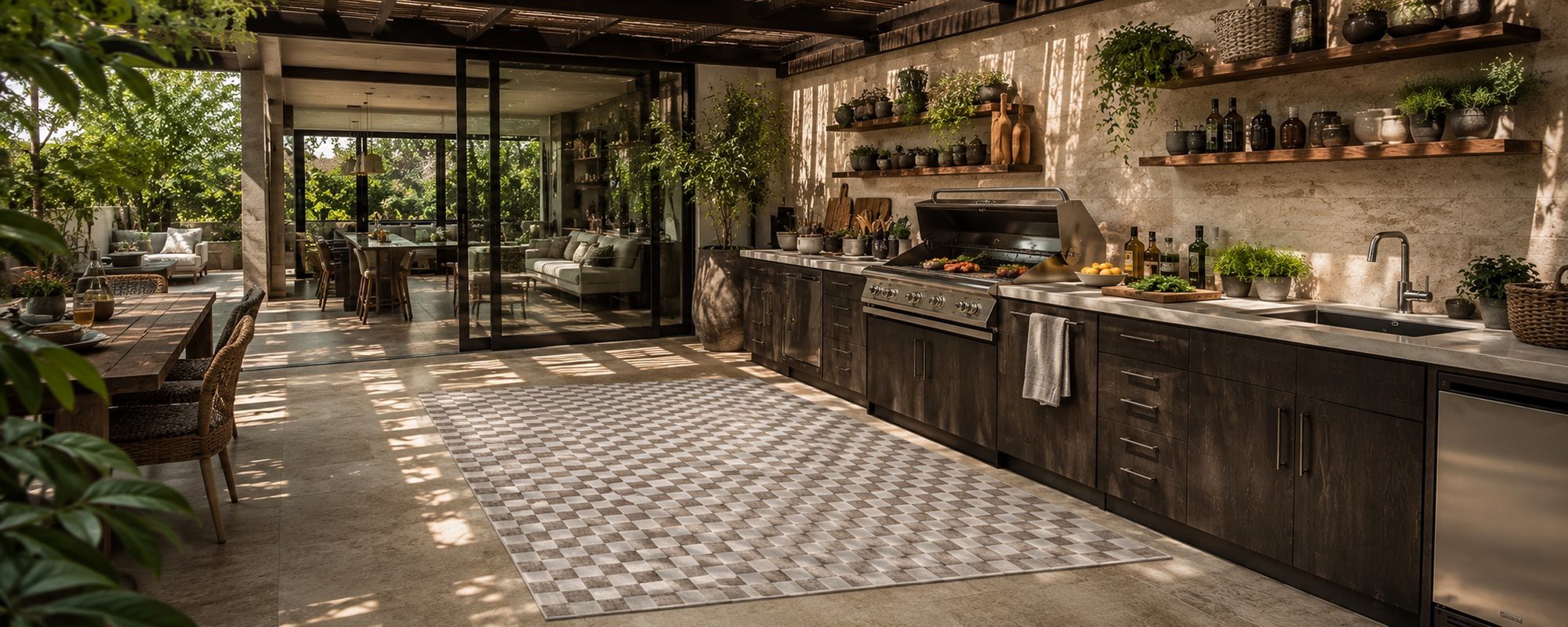
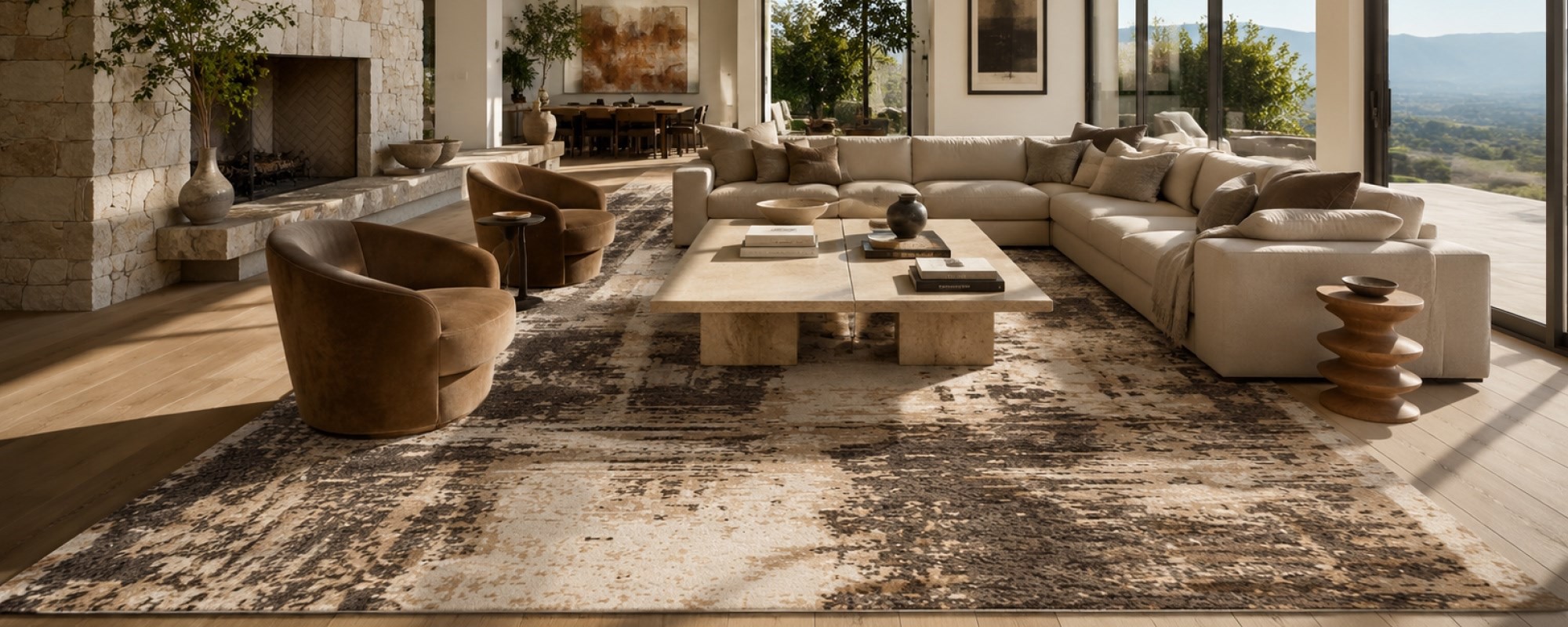
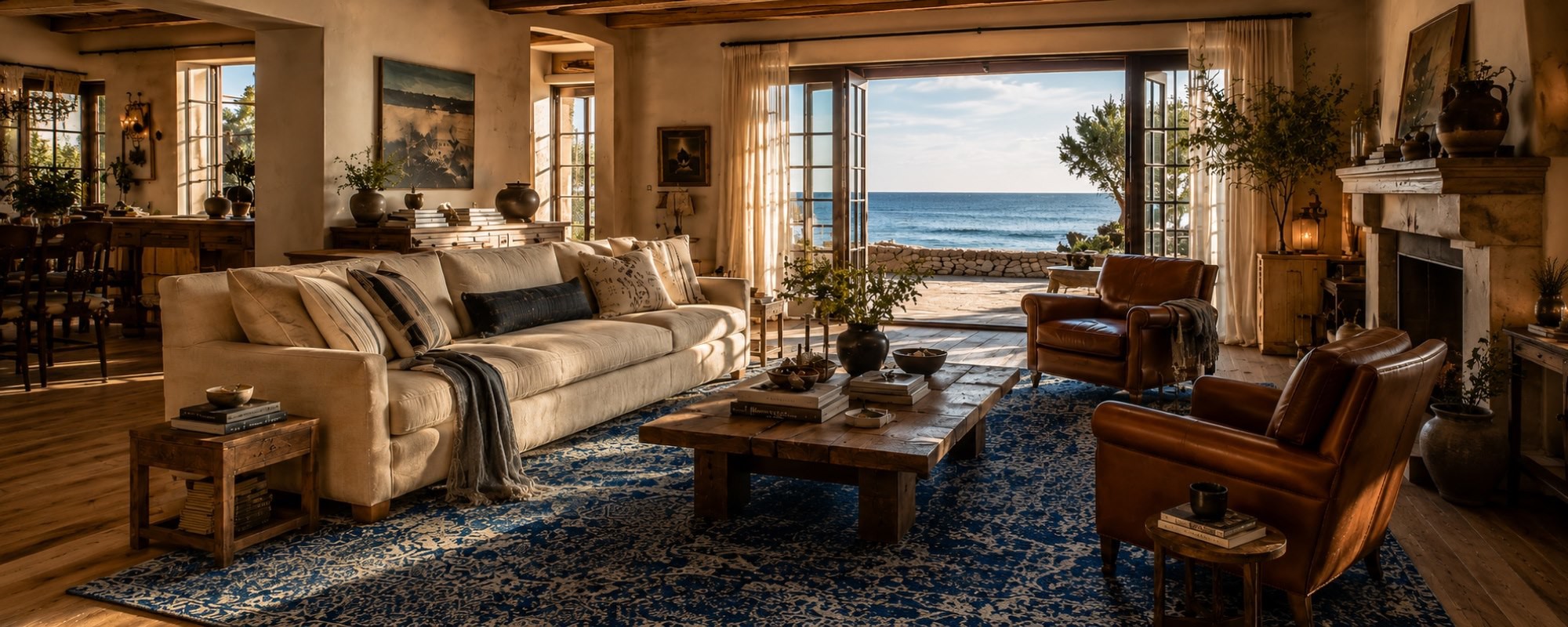
ideas and inspiration
Pros and Cons of Low-Pile Carpets: Is This Modern Look Right for Your Home?
- 26 June 2025
- |
- 5 Min Read
- |
- By Jaipur Rugs
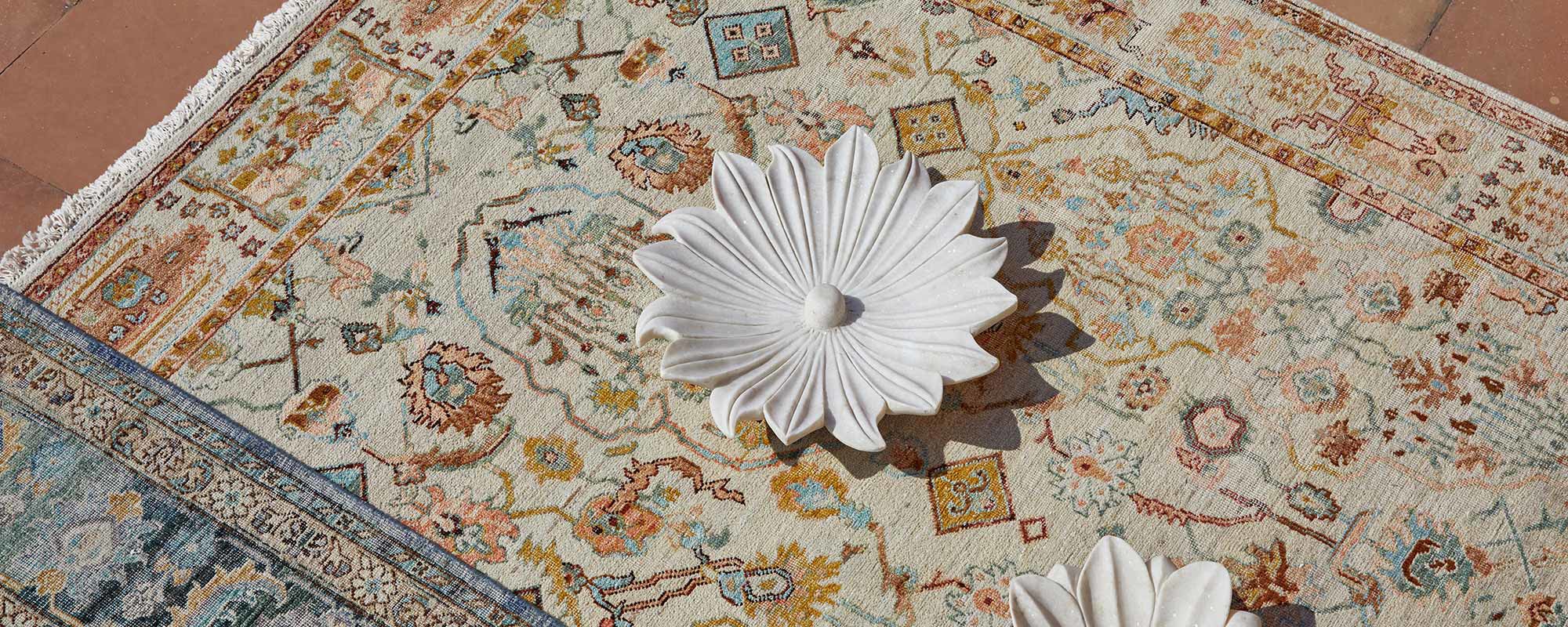

Low pile carpets offer a sleek, modern look that's ideal for high-traffic areas. Their tight weave makes them easy to clean, durable, and allergy-friendly—perfect for busy homes or offices. While they lack the softness of thicker rugs, they shine in practicality and style. This guide explores the pros, cons, design tips, and how they compare to traditional, Oriental, and transitional rugs, helping you decide if a low-pile rug is the right fit for your space.
Not all carpets are created equal—and if you've been chasing a clean, modern aesthetic without the daily cleaning drama, it's time to meet your new flooring favorite: low pile rugs. These sleek, no-fuss beauties are dominating design magazines, Pinterest boards, and real homes alike. But is this minimal look just a trend or a smart long-term choice for your space?
Let's dive deep into the plush vs. practical debate—and uncover whether low pile carpets are a smart upgrade or a flat-out flop.
What Is a Low Pile Carpet, Anyway?
The term "pile" refers to the height of the fibers in your carpet or rug. A low pile carpet has short, tightly woven fibers—typically under ¼ inch tall. This makes it look flat and feel firmer underfoot compared to high piles or shag carpets, which are fluffier and taller.
You'll often find low pile area rugs in modern interiors, offices, and high-traffic areas because they're practical and low-maintenance.
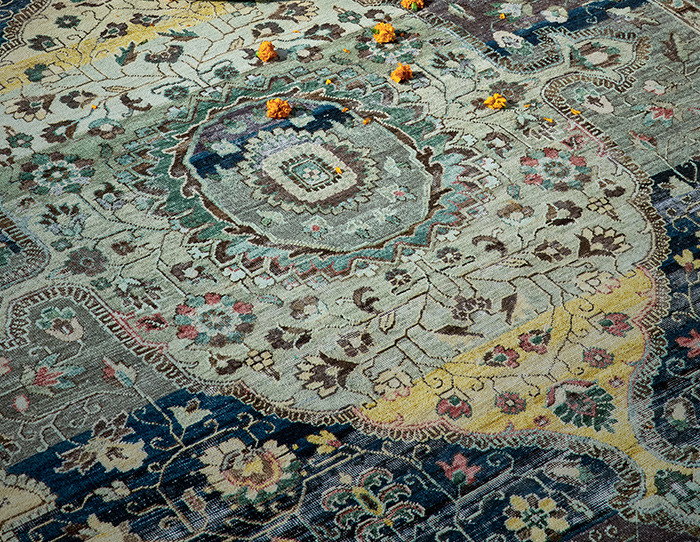
What Is a Good Pile Height for Carpets?
It depends on how and where you plan to use the carpet:
-
Low pile (< ¼ inch): Great for living rooms, hallways, and entryways. Easy to clean and resists wear.
-
Medium pile (¼ – ½ inch): More cushioning underfoot. Works well in bedrooms or family rooms.
-
High pile (> ½ inch): Soft, plush, and cozy—but harder to maintain. Better for low-traffic, relaxing areas.
So if durability and easy cleaning top your list, low pile carpets are worth a serious look.
The Pros of Low Pile Rugs and Carpets
Easy to Clean
Because the fibers are short and tightly packed, dirt and debris don't get buried deeply. That makes vacuuming quicker, and spills are easier to blot out.
Super Durable
Low pile rugs handle foot traffic like champs. The compact weave resists flattening and fraying, even in high-traffic areas with children or pets.
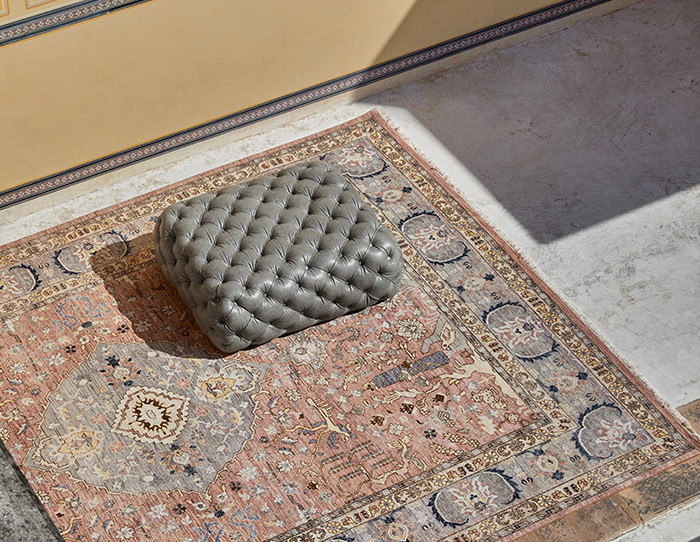
Sleek, Modern Style
Minimalist and contemporary homes love the crisp look of low pile carpeting. It pairs well with clean lines, natural light, and neutral tones.
Allergy-Friendly
Less fiber means fewer places for dust, pollen, or pet dander to hide. If allergies are a concern, low pile options can be a healthier choice.
Layer-Friendly
Because they're flat and lightweight, low pile area rugs are great base layers. You can add a cozier rug (like a faux fur or oriental rug) on top for warmth and visual interest.
The Cons of Low Pile Rugs and Carpets
Not as Soft
Here's the catch—less pile means less cushion. If you love sinking your feet into something plush, a low pile rug might feel a bit firm or cold.
Limited Insulation
Thicker carpets offer more warmth and sound absorption. Low pile rugs can sometimes feel too thin, especially in cooler climates or echo-prone spaces.
Less Traditional Appeal
Do you love the elegance of oriental rugs or the charm of traditional rugs? These usually have a medium to high pile and more intricate designs. A low pile rug might feel too plain in a classically styled room.

Can Slide Around
Low pile rugs can shift more easily on hardwood or tile. You'll need a non-slip pad underneath to keep it in place.
Low Pile vs. Traditional, Transitional, and Oriental Rugs
How does a low pile carpet compare to other popular styles?
-
Traditional rugs are often characterized by medium to high pile heights, ornate patterns, and a luxurious feel. Think: vintage charm, but more upkeep.
-
Transitional rugs blend classic and modern styles. Some are low piles, but many strike a balance with a medium pile, offering a bit more softness.
-
Oriental rugs typically feature a medium pile and are crafted from high-quality natural fibers, such as wool or silk. They're visually stunning and add cultural richness—but they require more care and attention.
If you're drawn to modern simplicity, a low pile rug fits right in. If your space has a warm, decorative, or historical feel, you might prefer layering it under something more expressive.
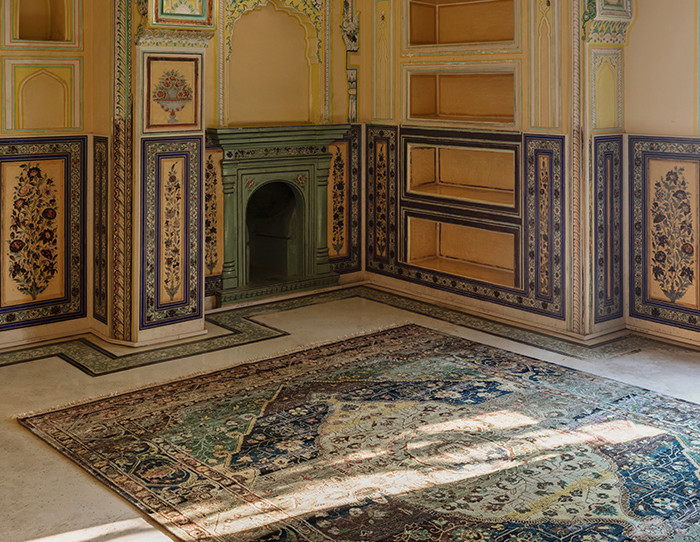
So, Is Low Pile Carpet Right for You?
Ask yourself these quick questions:
-
Do you have pets or kids? You'll appreciate how easy it is to clean.
-
Do you need something tough for busy areas? Low pile handles wear and tear like a pro.
-
Are you going for a clean, modern look? This is its sweet spot.
-
Do you want maximum softness and warmth? Consider layering or choosing a plusher rug.
-
Are you decorating a traditional or cozy space? A transitional rug or oriental rug might better match the vibe.
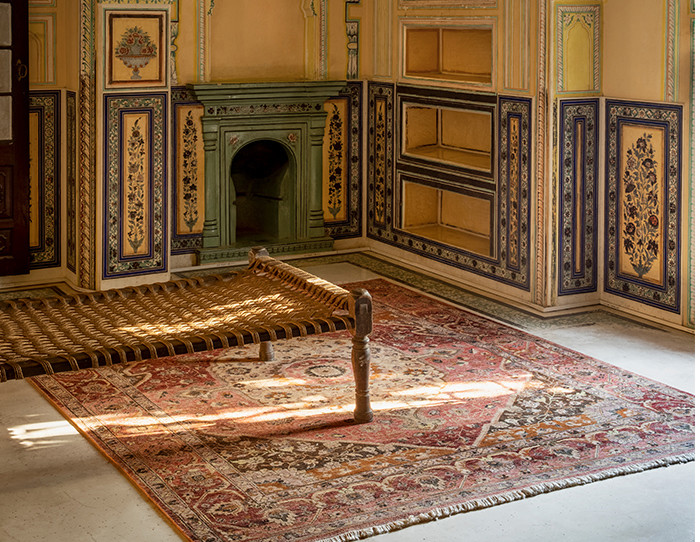
Design Tips: Making Low Pile Rugs Work in Your Space
-
Use a rug pad – It adds cushion and keeps your rug from slipping.
-
Layer rugs – Try placing a patterned or textured rug over a plain low pile base for contrast.
-
Match the mood – Use low-pile rugs in rooms where practicality is a priority, such as home offices, dining areas, or hallways.
-
Play with pattern – Just because it's a low pile doesn't mean it has to be boring. Look for bold prints, textures, or woven patterns to add character and depth.
Final Thoughts
Low pile carpets and rugs offer a smart blend of style and function. They're practical, modern, and easier to care for than their plush counterparts. While they may not provide a cloud-like feel underfoot, they excel in terms of durability and simplicity.
Whether you're decorating a busy family home, a chic apartment, or a minimalist office, low pile area rugs can be a strong foundation—both visually and literally.
Your rug should reflect your lifestyle. If you're still on the fence, try one in a small space first, like an entryway or home office. You might fall in love with the low-maintenance charm.
FAQs
What is a low pile carpet?
A low-pile carpet has short, tightly woven fibers that are under ¼ inch tall. It’s flat, smooth, and ideal for high-traffic areas.
Is low-pile carpet good for people with allergies?
Yes, it traps less dust and allergens than high pile options, making it more allergy-friendly when cleaned regularly.
Are low pile rugs comfortable?
They’re less cushioned than high pile rugs but more durable. Comfort can be improved by adding a rug pad or layering it with another rug.
Where should I use a low pile rug?
Best used in hallways, living rooms, offices, and other high-traffic areas where durability and easy cleaning matter.
How do low pile rugs compare to traditional or oriental rugs?
Low-pile rugs offer a modern look and low maintenance, while traditional and Oriental rugs provide richness, softness, and intricate design.


Pic Credits
Jaipur rugs / Abil Dase
Share
-
 Facebook
-
 Twitter
-
 Email
Email
Related Posts
-
15 July 2026
- ∙
-
8 Min Read
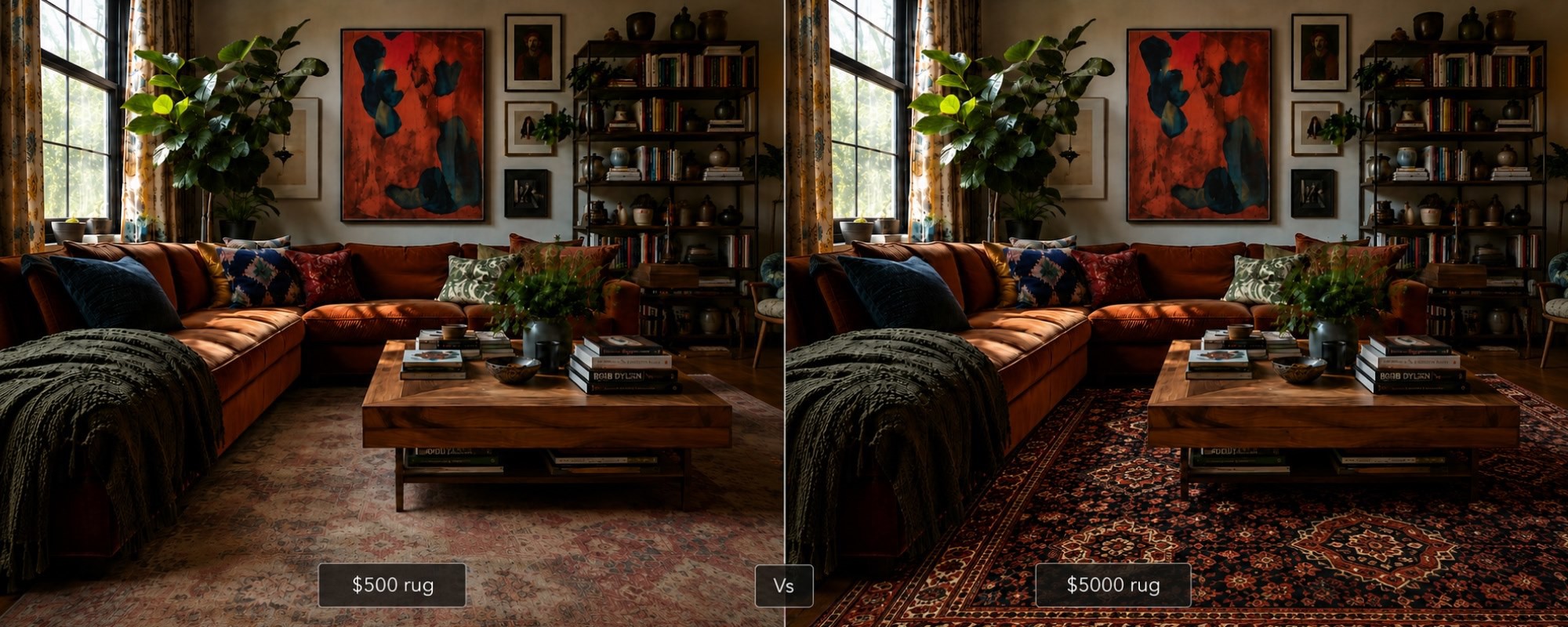
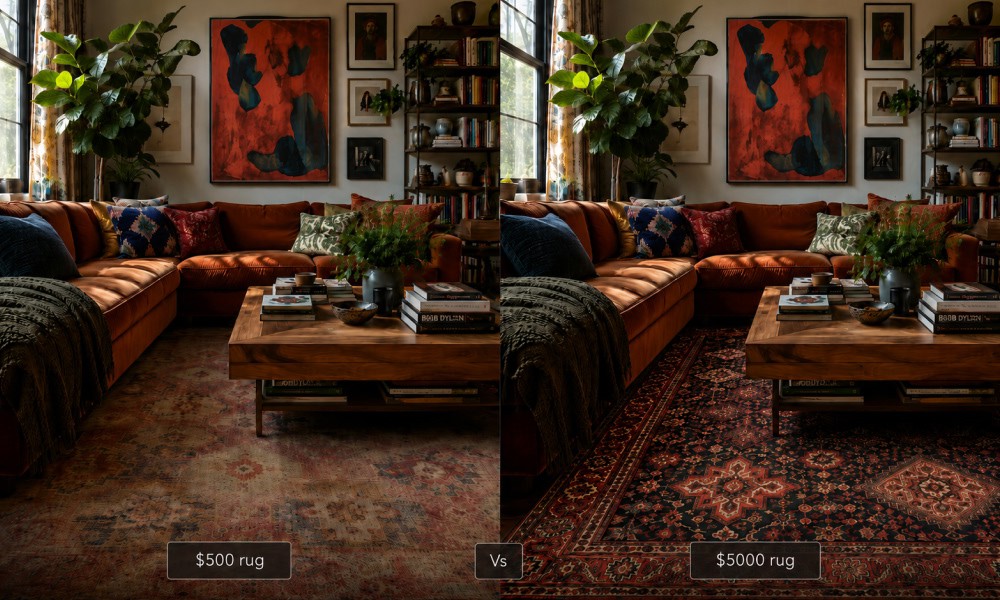
The $500 vs $5,000 Rug: An Honest Side-by-Side That No Brand Will Show You
Why do some rugs cost ten times more than others? This honest side-by-side looks at what actually separates a $500 rug from a $5,000 one: knot density, fiber quality, pile depth, and finishing. No brand bias, no marketing language. Just a clear breakdown to help you decide which one is worth it for your space and budget.
Read Article →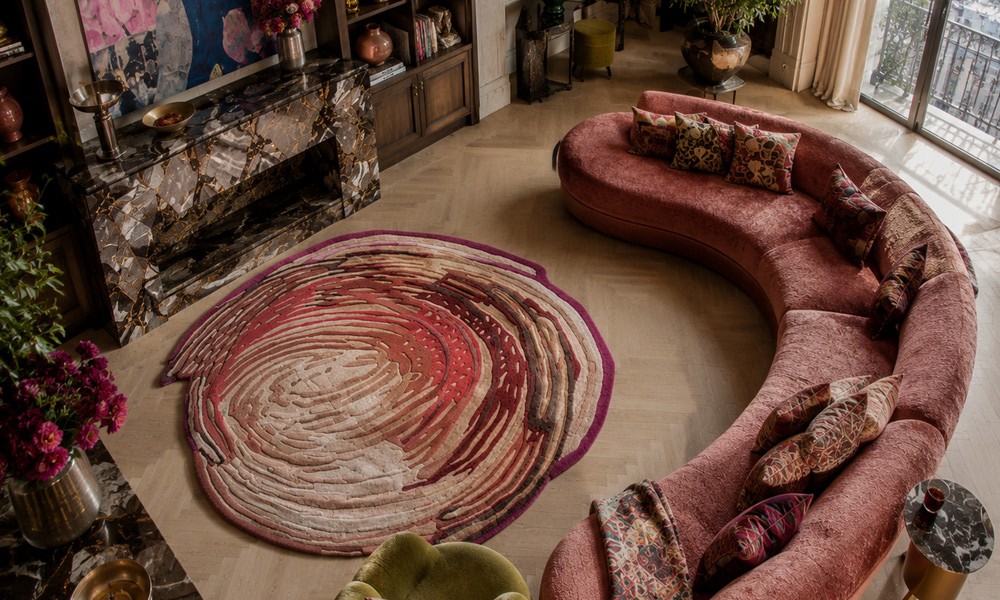
-
14 July 2026
- ∙
-
13 Min Read
3D Rugs and Sculpted Pile: The Tactile Design Trend Redefining Floors in 2026
The rug used to finish a room. Now it starts one. 3D rugs and sculpted piles are bringing real depth and tactile texture to interiors, from hand knotted relief patterns to optical illusion designs that stop you mid-step. This is what the trend is, why it matters, and how to buy it well.
Read Article →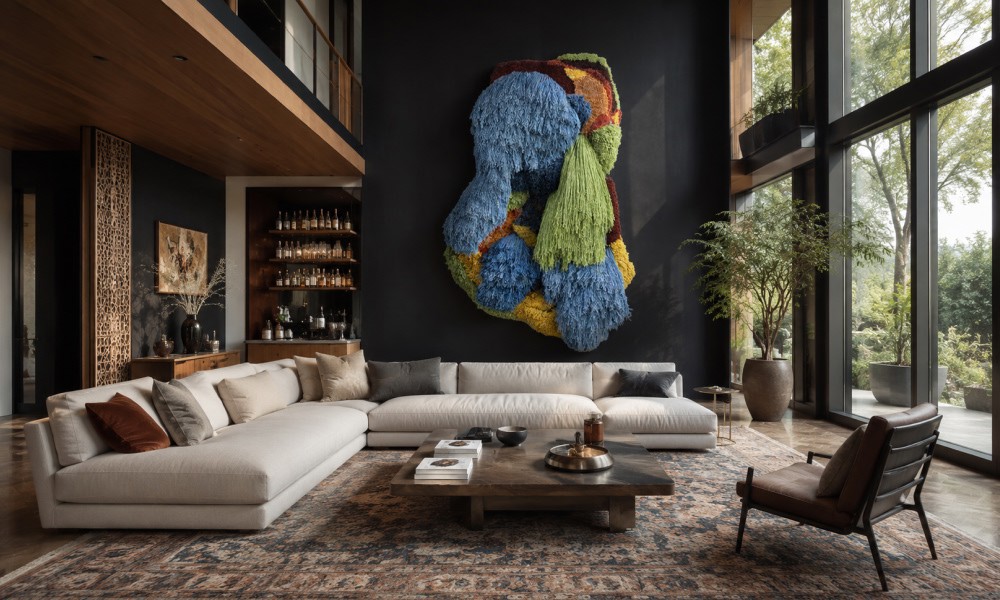
-
10 July 2026
- ∙
-
10 Min Read
How to Pair Indian Wall Art with the Right Rug Pattern: A Room-by-Room Guide
Choosing the right rug to go with your Indian wall art does not have to be guesswork. This guide breaks it down room by room, from the living room to the bathroom and outdoor spaces. Learn how to match colors, patterns, and scale so your wall art and rug always feel like they belong together.
Read Article →
-
07 July 2026
- ∙
-
9 Min Read
How to Tell If a Rug Is Handmade: 7 Signs Experts Look For (Abrash Is One of Them)
Wondering how to know if a rug is handmade? Get an overview of 7 key characteristics that will help you identify if a rug is truly handmade and learn about its differences compared to machine-made rugs, and why they do not lose their value. Here is what to keep in mind when buying a handmade rug.
Read Article →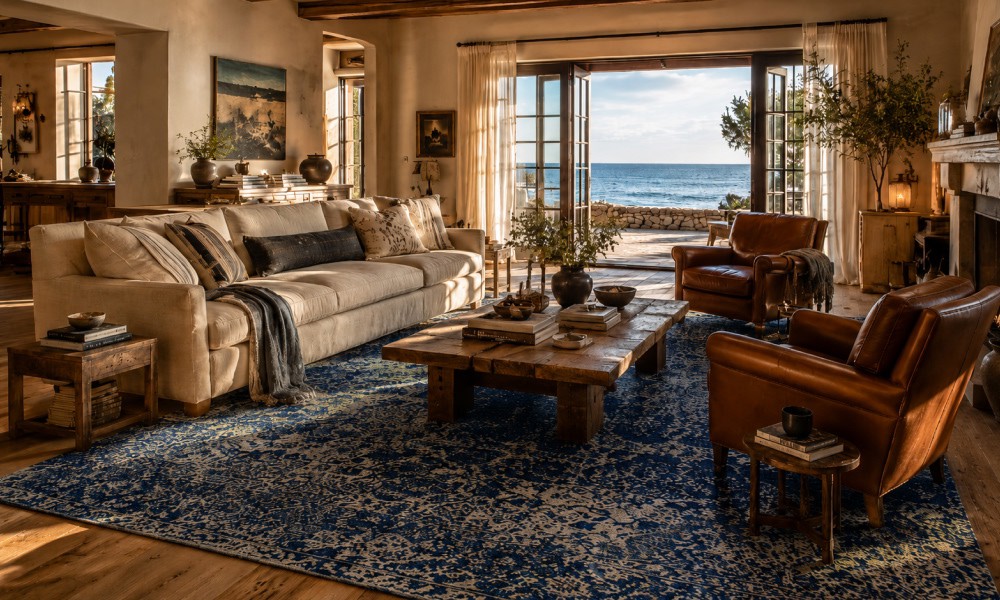
-
04 July 2026
- ∙
-
8 Min Read
Coastal Grandmother Is Evolving: The 2026 "Coastal Heritage" Aesthetic and the Rugs That Define It
The coastal grandmother design is progressing into something new and exciting by 2026. Coastal Heritage introduces texture, craftsmanship, and handmade elements to this popular design style. Here are the various rug types, colors, and decorating ideas to know about this classic coastal design trend.
Read Article →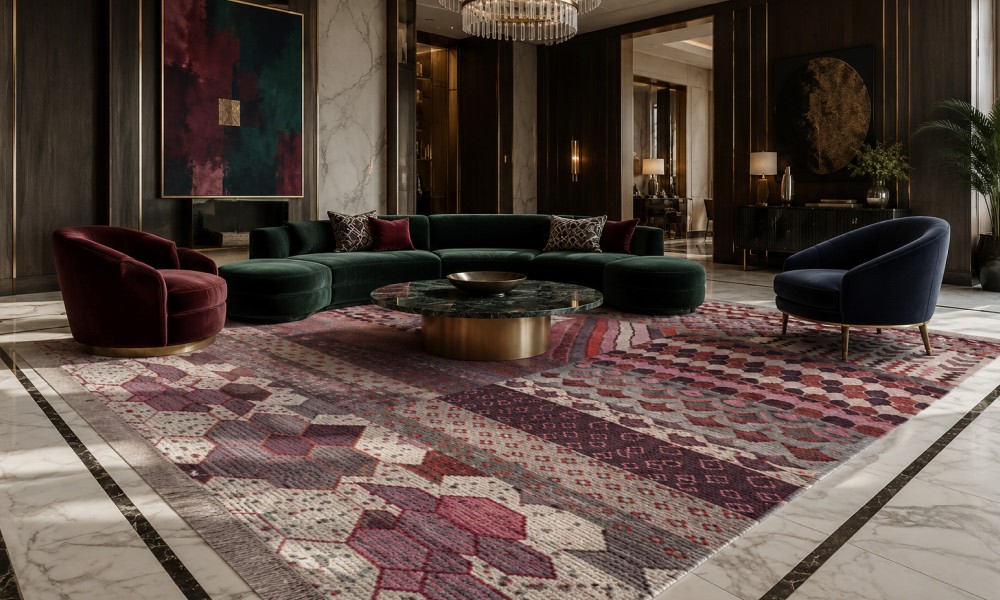
-
22 June 2026
- ∙
-
6 Min Read
Why Top Interior Designers are Switching to Indian Handmade Rugs
High-end interior designers have begun using handmade carpets from India in place of machine-made carpets to enhance their design portfolios and ensure product longevity. The following guide will help you understand why design professionals prefer Jaipur Rugs for creating customized, ethically produced wool-and-bamboo-silk carpet designs for luxurious homes.
Read Article →