You are on our International website. Please select your region to see content specific for your location





 Profile
 Orders
 Wishlist
 Change Password
 Logout


LATEST BLOGS
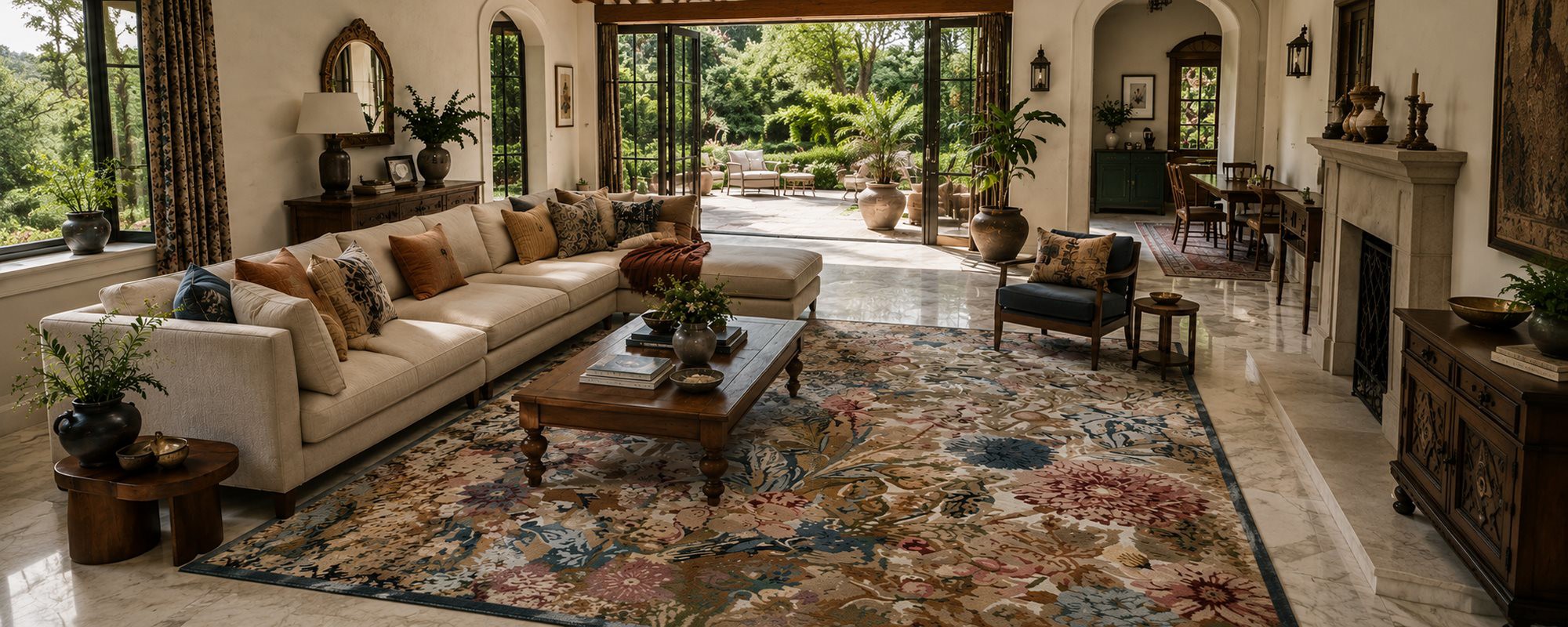
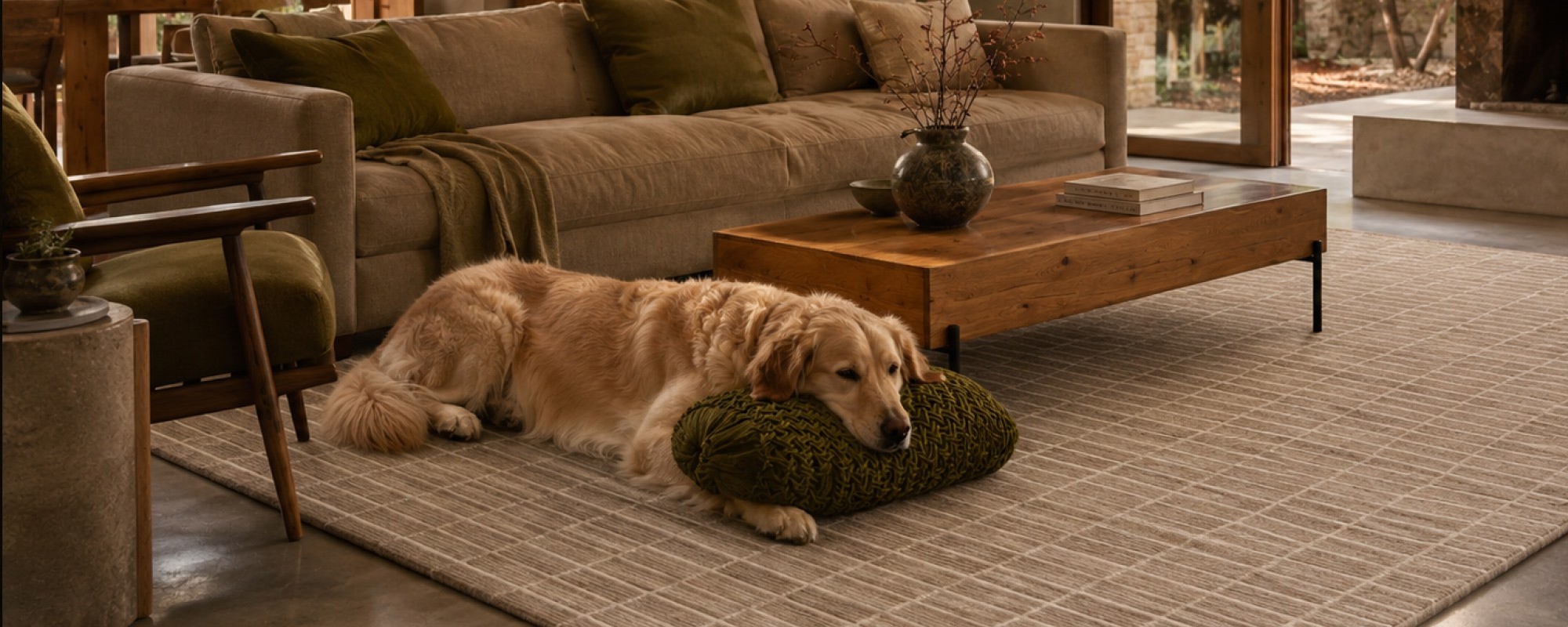
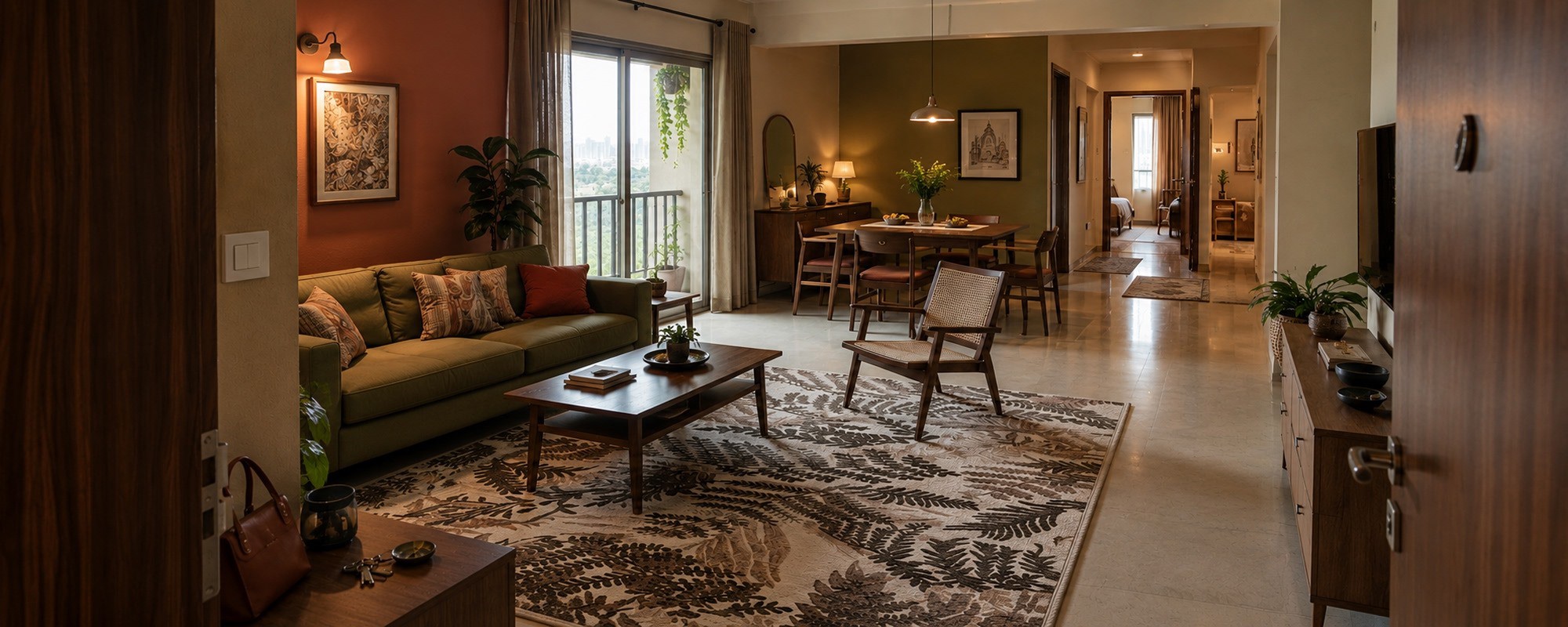
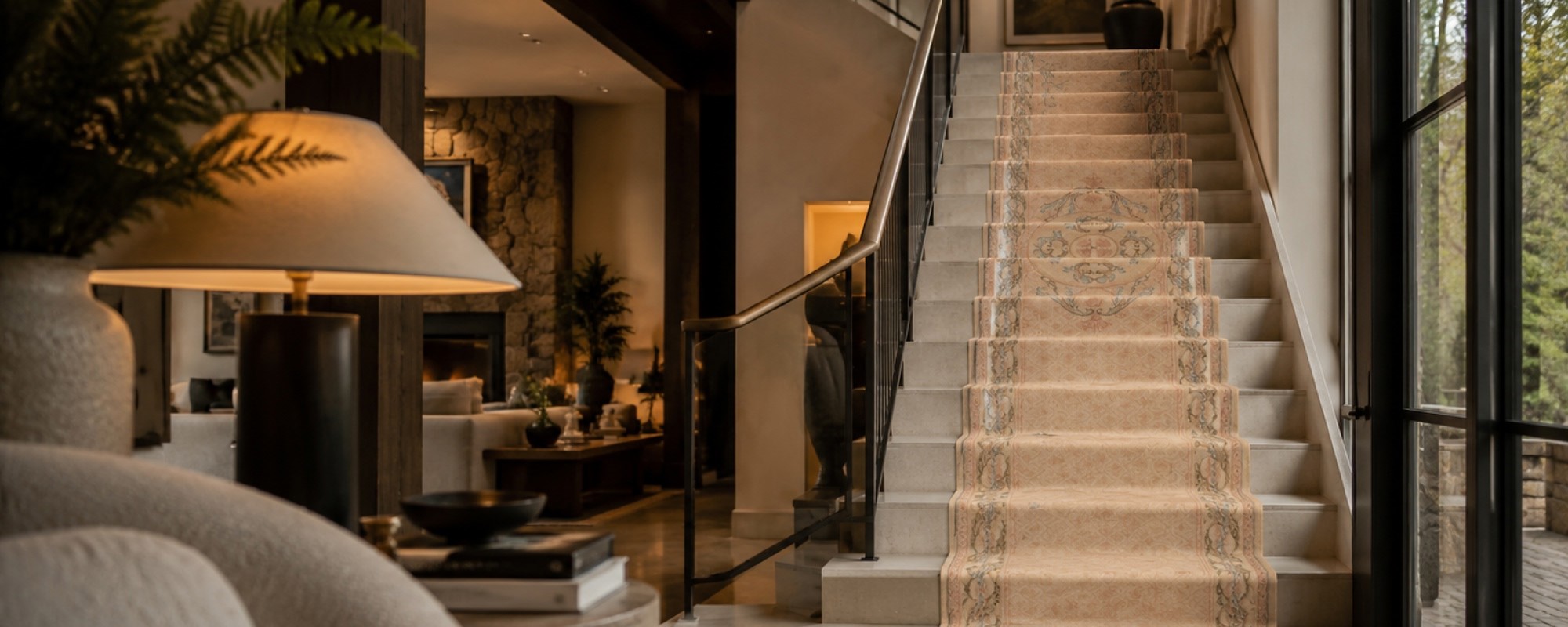
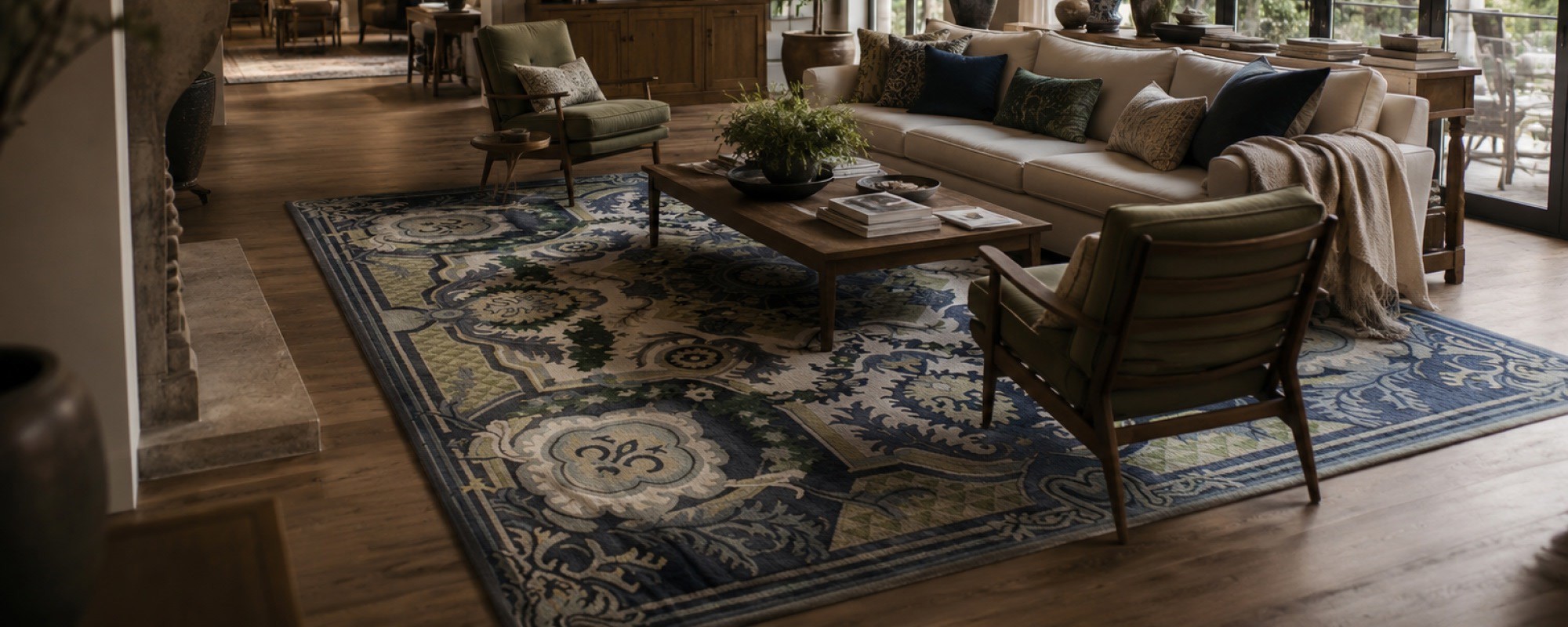
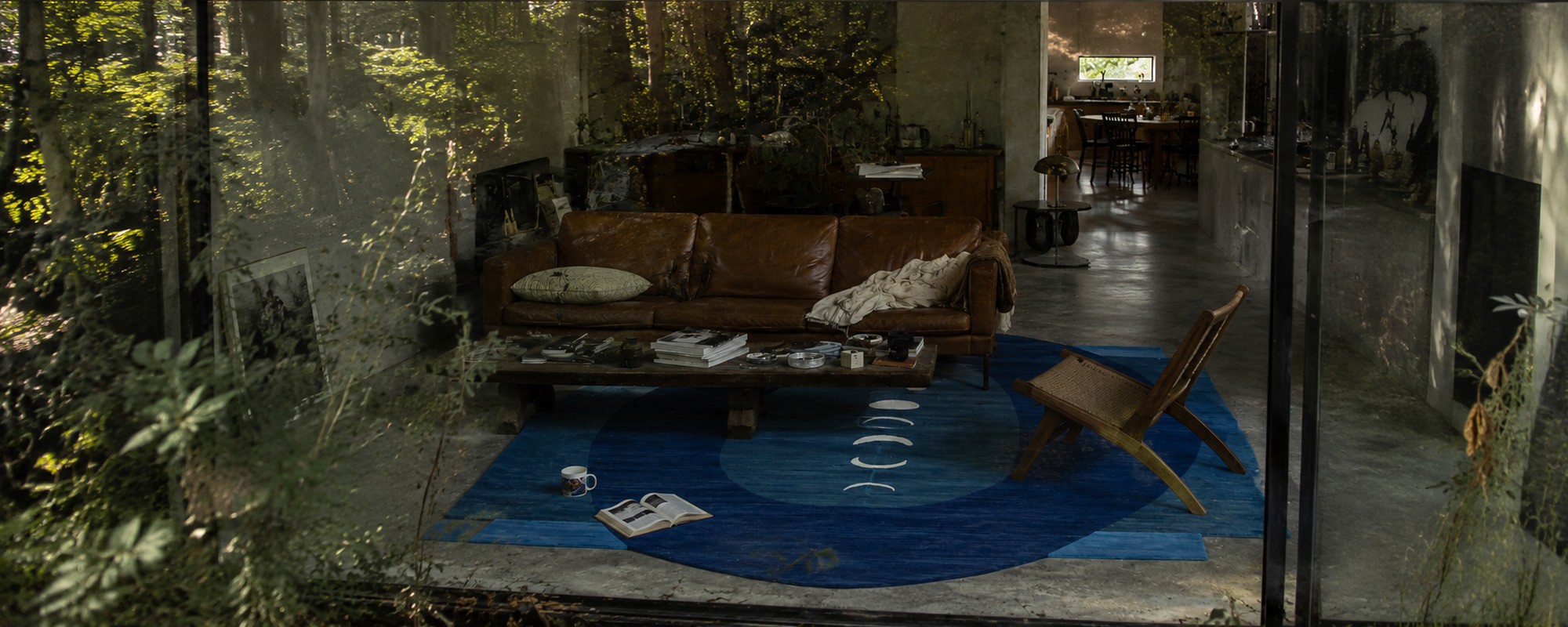
Knots of Culture: The Royal Origin & Facts About Indian Rugs
- 03 May 2025
- 6 Min Read
- By Jaipur Rugs


Before Google Maps and GPS, India was already charting its own journey—on luxury handmade rugs. Indian rugs aren’t a trend that came and went; they are time itself, knotted into warp and weft, carrying the footfall of emperors, saints, and nomads alike. What began as royal commissions in Mughal courts slowly scattered into desert homes of Rajasthan, chilly valleys of Kashmir, and tribal huts of Odisha—each thread a whisper of its land, its people, its gods. A thousand villages, a million motifs—each with its own dialect of design. From vegetal dyes brewed like ancient alchemy to motifs that hint at Sufi mysticism or Vedic cosmology, these designer rugs don’t just belong to India—they are India. This is not just a guide to their origins. It’s a journey across centuries, regions, and rebellions—of craft surviving colonization, capitalism, and even IKEA. Prepare to walk across rugs that walk you through history.
Picture this: a Maharaja sipping saffron-infused chai, reclining on a hand-knotted wool masterpiece, each thread whispering stories of empires and age-old artisanship. Welcome to the rich, colorful, and deeply textured world of Indian rugs and carpets—a realm where history meets luxury, and every knot is a love letter to craftsmanship.
In this deep dive, we explore not just the history of carpet weaving in India, but also answer timeless questions like: Where are rugs made in India? Which place is famous for woven carpets? and What are Indian rugs called?
So, buckle up (or better yet, lie back on a plush Indian carpet) as we unravel centuries of hand-knotted heritage.
What Are Indian Rugs Called?
Let’s start with the basics. Indian rugs are often referred to as “carpets” in the northern regions and “durries” in the south. While the words can be used interchangeably today, traditionally:
-
Durries are flat-woven, lightweight, and reversible.
-
Carpets or rugs are typically pile-woven and often knotted—featuring far more intricate designs.
But what unites them all is their unmistakable Indian soul—bold motifs, symbolic patterns, natural dyes, and an artistry that’s nothing short of divine.

Where Are Rugs Made in India?
India’s carpet map is as diverse as its cuisine. From Kashmir’s snow-capped artistry to Rajasthan’s desert-dyed elegance, here are the major carpet weaving in India hubs:
1. Bhadohi – The Carpet Capital of India
Bhadohi in Uttar Pradesh wears the crown as the Carpet Capital of India. This region alone exports millions of hand-knotted rugs from India to more than 70 countries. Known for Persian rug patterns and wool/silk blends, Bhadohi carpets are royal in both look and feel.
2. Jaipur – The Artisan’s Playground
Jaipur isn’t just about palaces and pink hues. It’s home to some of the best carpets in India. The city is globally celebrated for handmade rugs in India—especially those from artisan-driven brands reviving traditional techniques with modern aesthetics. (Hint: Manchaha, anyone?)
3. Kashmir – Heaven in Every Knot
With its famed silk carpets, Kashmir is practically the Fabergé egg of the carpet world. The craftsmanship here dates back centuries, often involving as many as 3600 knots per square inch. That's not weaving—that’s wizardry.
4. Mirzapur, Agra & Panipat
These cities may not be on your travel itinerary, but they are on every rug connoisseur’s radar. These hubs produce wool rugs from India, durable flat-weaves, and export-quality tufted rugs that warm homes around the world.

History of Carpet Weaving in India: A Tale Told in Knots
The history of rugs and carpets in India is more than just a craft—it’s a chronicle.
Legend says it all began in the 16th century when Emperor Akbar, invited Persian carpet weavers to set up looms in his royal workshops. What followed was a glorious fusion of Persian technique and Indian flair—introducing the world to the first Indian style rug.
From that point on, carpet weaving in India became a legacy handed down like heirloom jewelry—from master weaver to eager apprentice.
These weren’t just area rugs. They were poetic. Symbolic. Reverent. Many even included hidden messages, spiritual motifs, and family emblems. You weren’t just walking on a rug—you were walking on heritage.
Why Indian Carpets Are the Best in the World (No Bias, Just Facts)
Let’s address the elephant in the room. Indian carpets are not just popular—they're legendary.
Here’s why Indian carpets and rugs still lead the global rug game:
-
Hand-Knotting Excellence: Unlike machine-made carpets, hand-knotted Indian rugs can take months—even years—to complete.
-
Natural Fibers: Most carpets made in India are spun from high-quality wool, silk, or cotton. No synthetic drama here.
-
Artisanal Innovation: Whether it’s antique Persian motifs or modern abstract rug experiments, India infuses tradition with trend like no other country.
-
Cultural Storytelling: Want a rug that tells a story? Look to India. From tribal tales to royal chronicles, Indian rugs don’t just decorate—they communicate.
The Emotion in Every Knot
Here’s the thing they won’t tell you on big-box rug websites: Indian carpets are deeply human.
Every curve of a floral vine, every burst of color, every symmetrical grid has been imagined by a weaver, not some AI bot. In villages across India, artisans sit for hours, knotting their daydreams, memories, prayers, and heartbreak into fabric.
When you buy a hand knotted rug from India, you’re not buying a product. You’re owning a piece of someone’s soul.
Now tell us, does your IKEA rug do that?

Antique Rugs from India: The Collector’s Holy Grail
For the high rollers and interior connoisseurs out there, antique rugs India offers are rare, pricey, and worth every rupee. These aged beauties are investments, often passed down as family heirlooms or auctioned off at Christie's.
If you ever spot an original 18th-century Indian carpet with Mughal motifs and natural indigo dye, do not blink. Just buy it.
How Indian Rugs Are Stealing the Spotlight in Modern Interiors?
Let’s get one thing straight—Indian rugs aren’t just lying low anymore. They are strutting into modern interiors like they own the place. And honestly? They kind of do.
In a world where "modern decor" often looks like a minimalist crime scene (grey couch, neutral rugs, white walls, zero personality), Indian carpets are the much-needed main character energy. We are talking bold colors, intricate patterns, hand-knotted finesse—and not the kind that fades in a season. These designer rugs bring texture, history, and a whole lot of soul into your Pinterest-perfect spaces.
Whether styling a Japandi-inspired zen den, a sleek city loft, or a home that screams *eclectic but make it editorial*, Indian rugs are the secret sauce. They don’t follow trends—they *start* them. Call it cultural craftsmanship meets interior couture.
So yes, go ahead—ditch that soulless machine-made floor mat and lay down something with real story, real hands, and real flair.
Summing Up..
In the era of curated minimalism and neutral overload, Indian rugs are making a refreshingly luxurious comeback—and let’s just say, they’re not here to play it safe. Designers are leaning into this East-meets-modern aesthetic with open arms. The result? Spaces that feel rich in culture, high in design value, and grounded—literally—in artisanal elegance. Think of them as the crown jewel of the room: soulful, storied, and impossible to ignore.
Because trends may come and go, but a well-placed Indian carpet? That’s forever.
So next time someone asks you, “Where are carpets made in India?”—don’t just name a city. Tell them a story. A story of art, heritage, hands, heart, and home.
We will be back with another exciting blog soon!
Till then, stay tuned and explore Jaipur Rugs.
FAQs
What Is an Indian Rug Called?
Indian rugs are commonly referred to as Indian carpets or Oriental rugs. Specific styles include Dhurries, Kashmiri, and Agra rugs.
Are Indian Rugs Expensive?
They can be, depending on materials, craftsmanship, and knot density. Hand-knotted wool or silk rugs are typically more expensive due to the time and skill involved.
What Is the Difference Between Persian and Kilim Rugs?
Persian rugs are usually hand-knotted with pile and intricate designs. Kilim rugs are flat-woven with no pile, lighter, and often feature bold geometric patterns.
What Are Indian Carpets Called?
They are broadly called Indian carpets, with regional names like Jaipur, Agra, or Kashmiri rugs based on origin and design.
Are Indian Rugs Good Quality?
Yes, especially hand-knotted Indian rugs, which are known for their durability, fine materials, and detailed craftsmanship.
What Is a Rug from India Called?
It may be called an Indian rug or specified by type—like Dhurrie, Kashmiri, or Mughal-style rug.
Why Are Indian Rugs So Expensive?
They are handmade using high-quality wool or silk, involve intricate designs, and require months of skilled labor.
Are Indian Rugs Good Quality?
Yes, India is one of the world’s leading producers of high-quality handmade rugs, valued for their artistry and longevity.


Pic Credits
Jaipur rugs / Abil Dase
Share
-
 Facebook
-
 Twitter
-
 Email
Email
Related posts
-
05 June 2026
-
7 Min Read
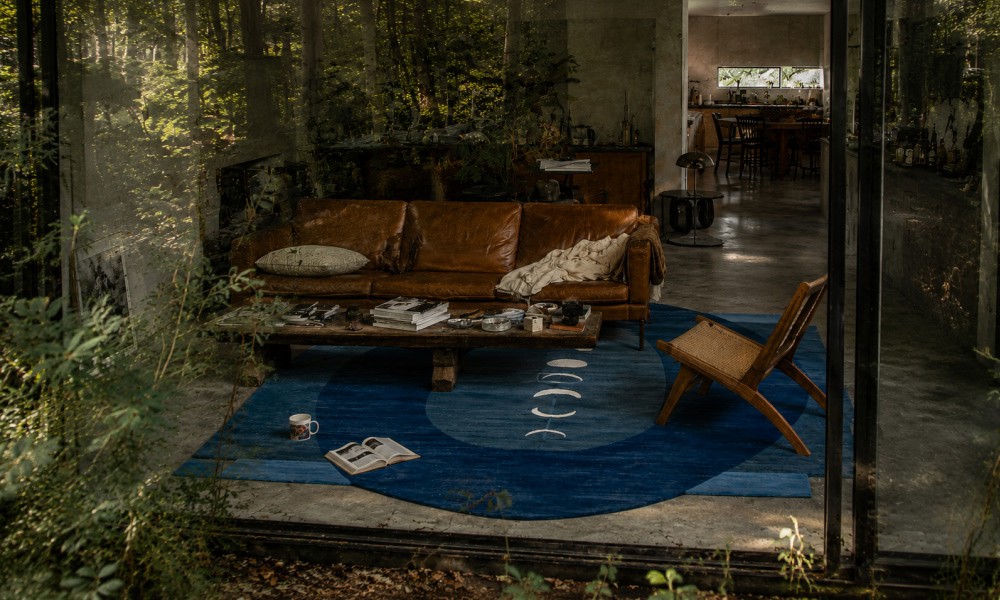
Best Rug for a Brown Leather Sofa: The Complete Colour Guide
Styling a brown leather couch requires balancing its heavy visual weight with the perfect floor covering. This guide explores how crisp neutrals brighten dark leather, cool blues and greens provide elegant contrast, and traditional patterns tie a room together. Learn to identify your sofa’s undertones and choose a rug that makes your living space feel balanced, open, and cohesive.
Read More >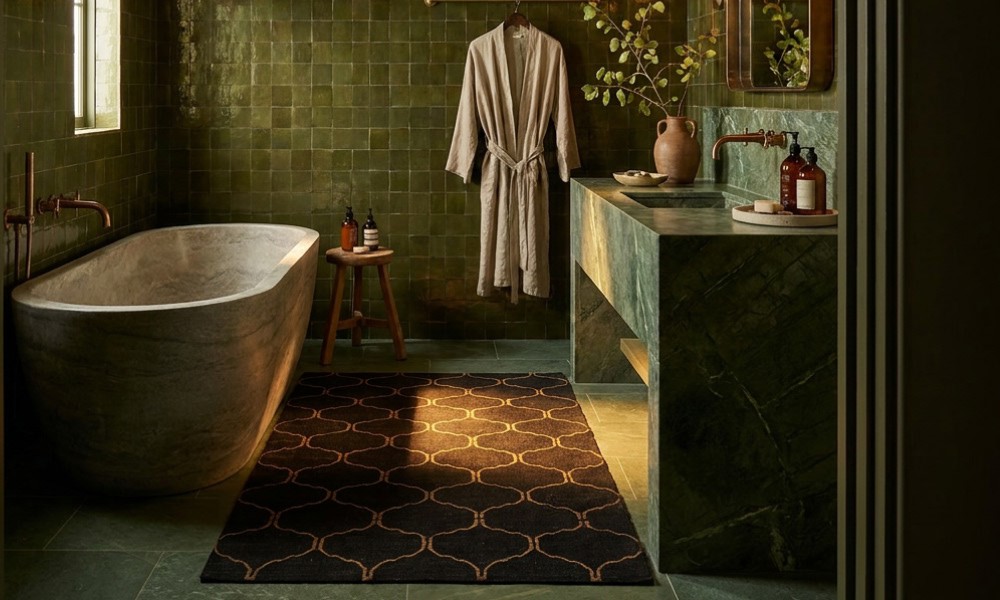
-
02 June 2026
-
6 Min Read
What Color Bathroom Rug Goes With Green Walls? Best Pairings for Every Shade
Most people think a green bathroom succeeds or fails because of the shade of green they choose. Designers know better. The real difference usually appears at floor level. That's why two bathrooms with identical walls can feel completely different. One feels finished. The other feels like something is missing. More often than not, the answer comes down to the rug and the contrast it creates.
Read More >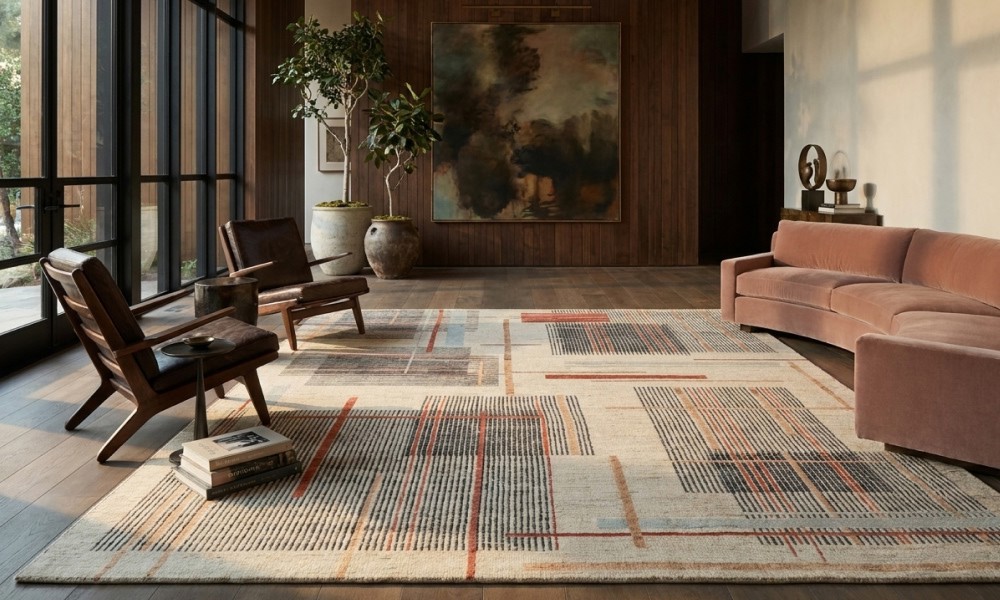
-
31 May 2026
-
4 Min Read
The End Of Sterile Minimalism: Meet The Blythe Collection
The most interesting interiors right now aren't becoming more decorated. They are becoming more distinctive. The Blythe Rug Collection captures that shift through architectural geometry, abstract compositions, and richly textured, hand knotted wool rugs that resist the sameness that dominates modern interiors. Read more to see how the Blythe collection offers a glimpse into where contemporary design is already heading.
Read More >
-
30 May 2026
-
8 Min Read
Not All Wool Is the Same: The Rug Buyer's Guide to New Zealand, Merino, Himalayan, and Hand-Spun Wool
Choosing the right floor covering requires understanding your material's origin. While New Zealand fibers offer a pristine, vibrant canvas for modern spaces, Merino provides unmatched barefoot softness. For high-traffic areas, lanolin-rich Himalayan and resilient hand-spun Afghan wools offer the ultimate heirloom durability. Explore how these distinct textures transform your interior layout.
Read More >
-
23 May 2026
-
7 Min Read
Suzani Fabrics 2026: Hand-Embroidered Patterns & Trends for Luxury Interiors
Hand-embroidered suzani fabrics are leading the 2026 luxury heritage revival. This guide defines traditional Uzbek motifs and offers expert styling tips for bohemian maximalism and eclectic decor. Learn to balance these bold, tactile tapestries by grounding your space with high-quality, textured wool rugs that seamlessly blend global craftsmanship with modern, sophisticated interior design.
Read More >
-
26 May 2026
-
6 Min Read
How Wabi Sabi Style Embraces Imperfection Like Never Before?
Perfect interiors are starting to feel like showroom screenshots with no pulse. Wabi sabi interrupts that perfection spiral with imperfect handmade rugs, uneven textures, faded surfaces, and rooms that feel beautifully unresolved. As modern interiors become visually exhausting, this Japanese design ethos is making rawness, irregularity, and human imperfection magnetic again. Keep reading before your home starts looking painfully overfinished.
Read More >