You are on our International website. Please select your region to see content specific for your location





 Profile
 Orders
 Wishlist
 Change Password
 Logout


Latest Blogs
ideas and inspiration
Scandinavian vs. Moroccan Rugs: A Style Guide for Your Home
- 23 January 2025
- |
- 8 Min Read
- |
- By Jaipur Rugs
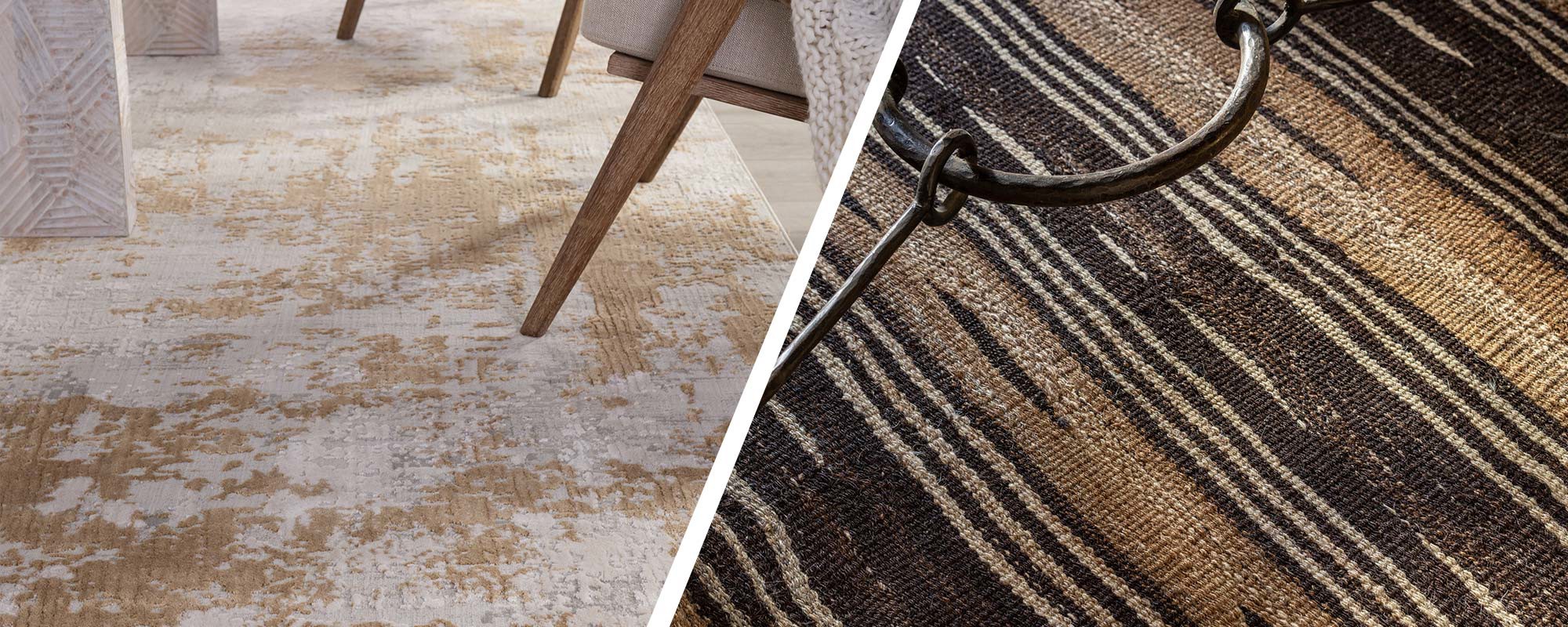
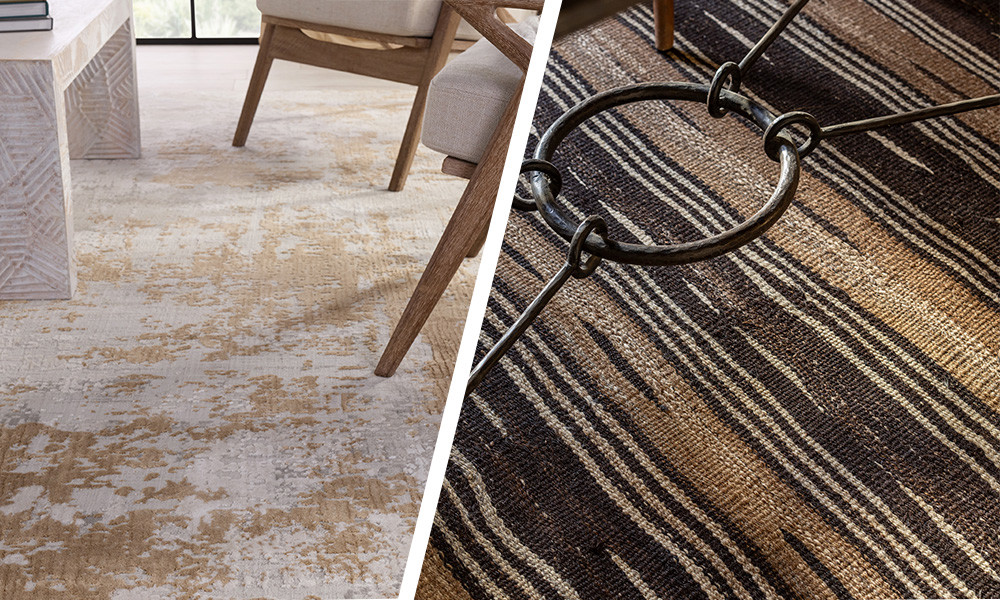
Choosing the right rug can transform any room, and when it comes to Scandinavian vs. Moroccan rugs, the decision depends on your style. Scandinavian rugs offer minimalism with neutral tones, while Moroccan rugs are bold, rich in symbolism, and full of intricate patterns. Learn about design features, materials, and placement tips to make the perfect choice for your home.
A rug can totally change the vibe of a room, whether you like clean lines or patterns. Two decorating philosophies have gone global - Scandinavian and Moroccan.
Scandinavian rugs are all about minimalism through subtle patterns and neutral colors. Whereas, Moroccan rugs tell stories through bold geometry and traditional symbols. The style you choose is more than just covering your floor - it’s defining your room.
Modern homes look good with handwoven Scandinavian rugs and vintage Moroccan pieces, each with its own magic. This article breaks down the key features of both to help you choose a rug for your space and your style.
Design Elements and Patterns
Knowing the specifics of each style helps you choose the right rug for your space. Scandinavian design is about clean lines, simple shapes, patterns, and sharp edges. These rugs bring subtle style to modern homes through triangles, squares, and stripes that create a sense of calm.
Moroccan rugs tell stories through their patterns. Each design element has a deep meaning. You’ll see these symbols throughout:
-
The eye motif (often triangles) to protect.
-
The Tree of Life represents fertility and abundance.
-
The hand symbol (khamsa) represents human creativity and power.
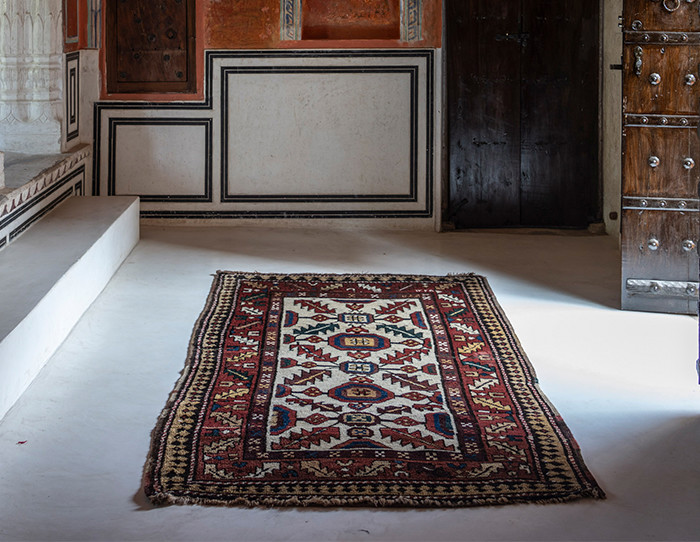
Scandinavian minimalism has clean lines, but Moroccan tribal motifs have bold geometry that adds character and life to any space. These designs often include ancient Berber symbols that date back to before 3000 BCE.
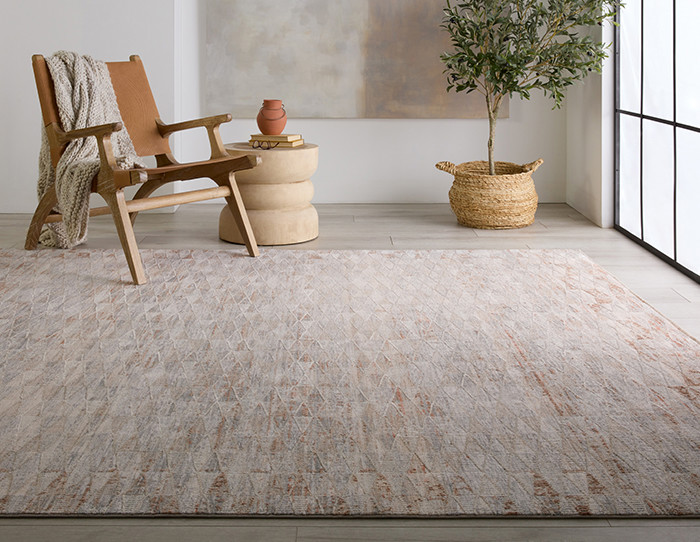
Each style creates a different mood in your home. Scandinavian rugs have:
| Scandinavian Colors | Moroccan Colors |
|---|---|
| Light neutrals | Vibrant reds |
| Soft pastels | Bold blues |
| Muted grays | Rich oranges |
| Gentle blues | Deep earth tones |
Your choice between the two will determine the visual feel of your room. With their light and muted color palettes, Scandinavian designs make rooms feel bright and airy. Moroccan rugs, with their bold colors and patterns, are focal points.
Material and Texture Comparison
Your rug’s craftsmanship reveals big differences in traditional techniques. Moroccan rugs come from ancient practices, with each piece made by hand by skilled craftsmen who have passed down their skills through generations. The Berber knot method gives your Moroccan rug its unique look and that thick, high-pile feel.
Traditional Weaving Techniques
Scandinavian rugs show the Ghiordes knotting in flat weaves that follow traditional weaving methods. Moroccan weavers use both horizontal and vertical looms and often weave without a design. Instead, they rely on their inherited skills and instincts.
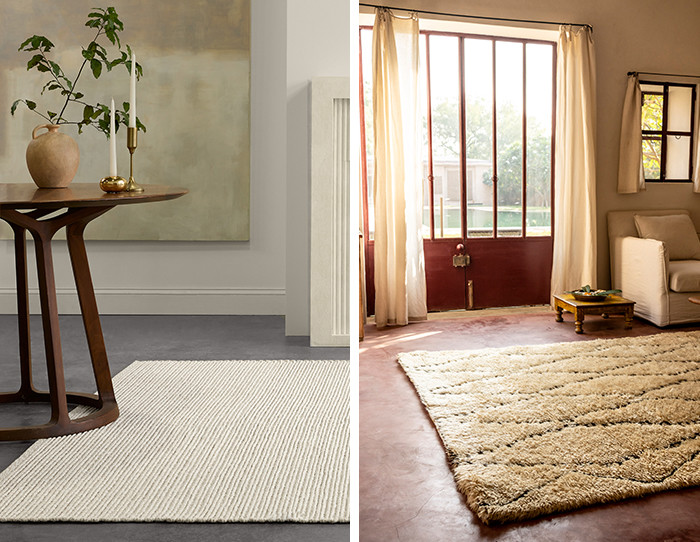
Natural Fibres and Durability
The materials in your rug will affect how long it lasts and looks:
-
Moroccan rugs use high-quality sheep wool, which makes them soft and long-lasting.
-
Scandinavian designs use natural materials like wool, linen, and cotton.
How do Pile Height and Texture Differ?
Pile height affects how your rug looks and is used. Low-pile rugs (less than ¼ inches) need less maintenance and can withstand more wear and tear, perfect for high-traffic areas. High-pile rugs (½ to ¾ inches) are super comfy but require more care.
| Texture Feature | Moroccan Style | Scandinavian Style |
| Pile Type | Often high-pile, plush | Typically flat-weave or low-pile |
| Material Blend | Wool with cotton base | Natural wool or cotton mix |
| Surface Feel | Rich, varied texture | Smooth, uniform surface |
How to Style Different Rooms With Moroccan Or Scandinavian Rugs?
Rugs can change the look of your living spaces by clever placement to define different areas. A big Moroccan rug anchors your seating area, making your living room warm and cozy. Your bedroom gets more luxurious and snuggly with a soft Moroccan bedroom rug under the bed.
Or you can place a scandinavian white rug in your kids room to make it more peaceful, calm and relaxing. These rugs and carpets enhance the space and the room’s ambiance in a completely unique way.
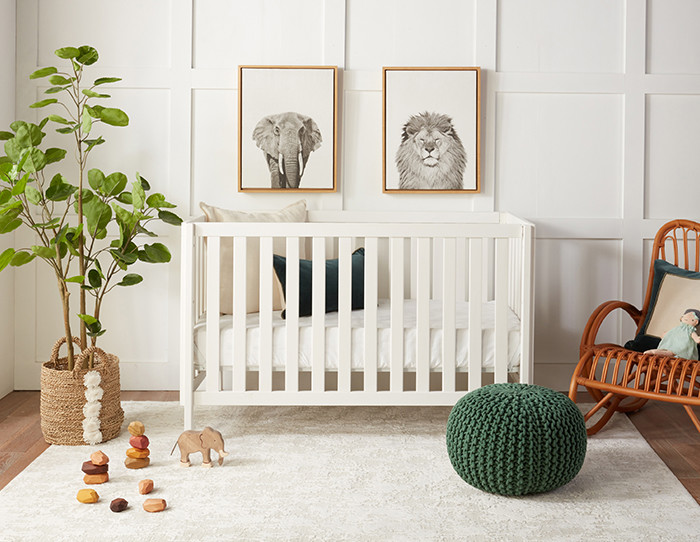
How to Place Rugs in the Living Room and Bedroom?
A statement piece like an 8x10 cm rug looks great in your living room with low furniture. Your bedroom might look better with smaller rugs on each side of the bed instead of one big one.
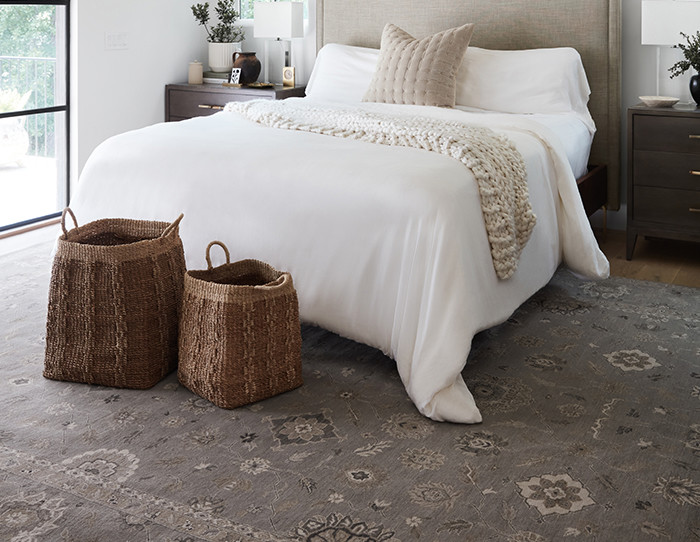
Dining Area and Entryway Solutions
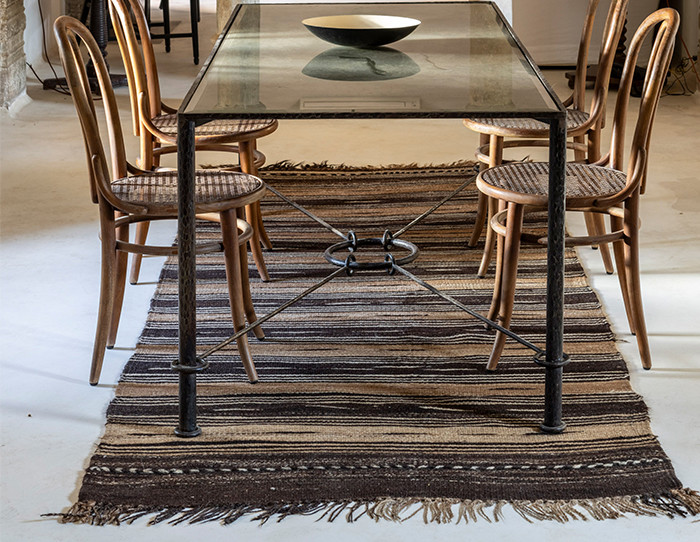
The dining room rug should go past the chair legs even when people pull it out. Here are some solutions:
-
Tough Moroccan rugs work well under dining tables and require little maintenance.
-
Runners make hallways more inviting.
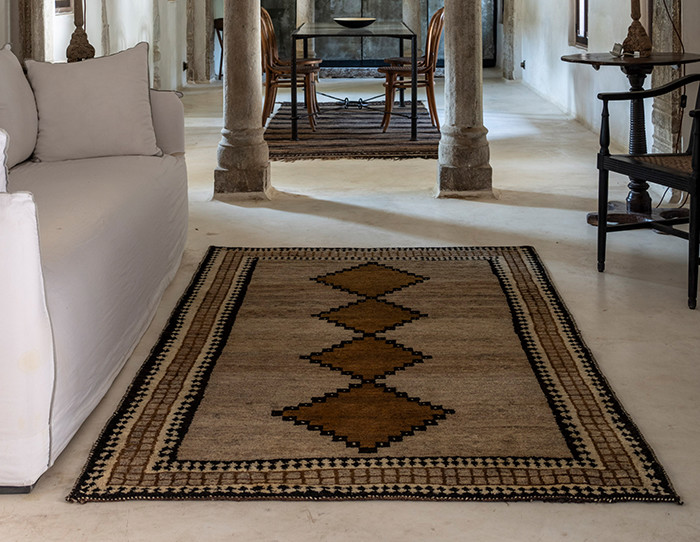
Combining Styles in Open Areas
Open spaces come alive when different rug styles are added, which creates visual interest. Start with an oversized rug, then add smaller ones to define different areas.
| Space Type | Recommended Style | Key Consideration |
| Living Area | Bold Moroccan | Anchor furniture pieces |
| Bedroom | Soft Scandinavian | Focus on comfort |
| Dining Room | Flat-weave | Durability first |
| Entryway | Runner style | Traffic resistance |
The floor underneath should be a natural border between rugs and carpets of different styles. This way, you won’t clutter your space.
Creating Modern Spaces
You need to know the characteristics of Scandinavian and Moroccan styles to combine them. Remember, your space should balance simplicity and detailed decor.
Balancing Traditional and Contemporary Elements
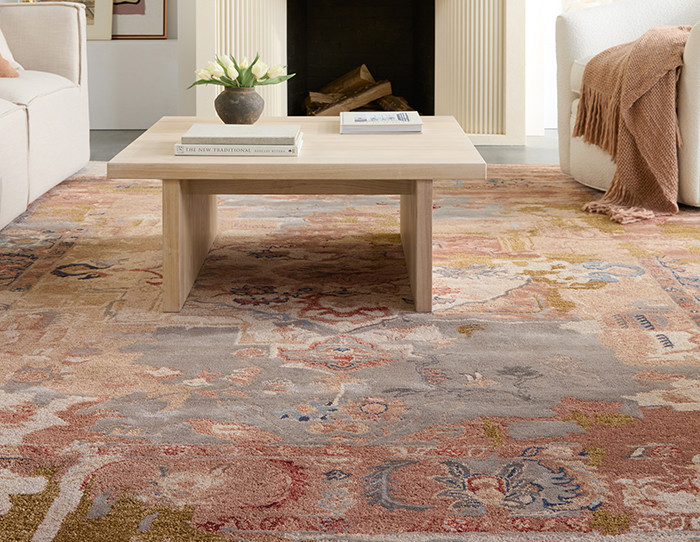
Traditional Moroccan elements add warmth through patterns and textures while keeping the space modern with placement. A neutral background with bold Moroccan fabrics creates visual interest. Space between furniture pieces is needed so that the room does not feel crowded.
Complementary Furniture Selection
Furniture plays a big role in tying these two styles together. Here’s how:
| Style Element | Modern Touch | Traditional Element |
| Seating | Low-profile sofas | Moroccan poufs |
| Tables | Glass surfaces | Wooden accents |
| Storage | Clean-lined units | Ornate cabinets |
Coordinating Lighting and Accessories
The rug looks different at different times of the day. Try:
-
Using multiple light sources to highlight rug patterns
-
Metal or glass lanterns for soft light
-
Hanging mirrors to bounce natural light
Remember, your accessories should match both styles without looking cluttered. Natural elements like indoor plants with geometric patterns are a refined look that honors both styles.
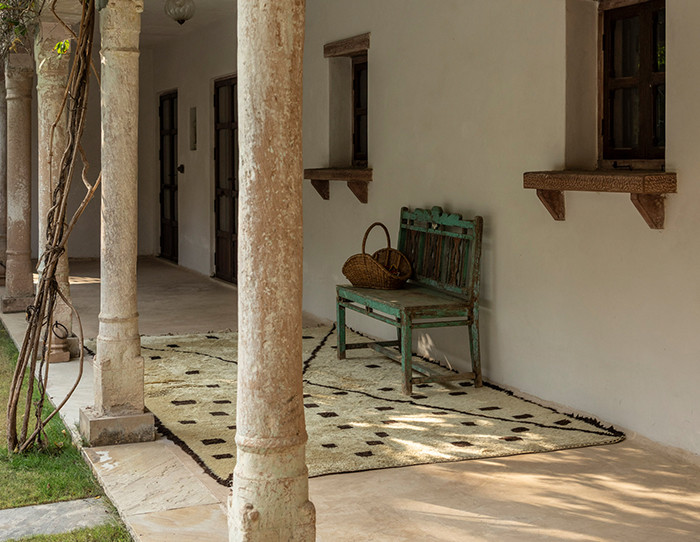
Comparing Moroccan & Scandinavian
| Feature | Scandinavian Rugs | Moroccan Rugs |
| Design Philosophy | Minimalist, clean lines | Bold, intricate patterns |
| Pattern Elements | Symmetrical patterns, geometric simplicity | Traditional symbols, tribal motifs, ancient Berber symbols |
| Color Palette | Light neutrals, soft pastels, muted grays, gentle blues | Rich reds, deep blues, warm oranges, natural earth tones |
| Weaving Technique | Ghiordes knotting process | Berber knot technique |
| Pile Type | Flat-weave or low-pile | High-pile, plush |
| Materials | Wool, linen, and cotton | Premium sheep wool with cotton foundation |
| Surface Texture | Smooth, even surface | Deep, varied texture |
| Maintenance | Simple upkeep (low pile) | Regular care needed (high pile) |
| Best Room Usage | Bedrooms (comfort-focused) | Living rooms (statement pieces) |
| Visual Impact | Brightens and opens spaces | Creates dramatic focal points |
| Pattern Design | Clean shapes, stripes | Cultural symbols (eye motif, tree of life, khamsa) |
Conclusion
Scandinavian and Moroccan rugs show two ways to beautiful spaces. Scandinavian designs are calm with simple patterns and neutral colors, while Moroccan rugs tell stories with deep symbolism and bold patterns.
Space needs and personal taste are key when choosing between these styles. Scandinavian rugs fit in modern homes that want understated elegance. They are easy to clean and have many styling options. Moroccan pieces are statement pieces that add warmth to new spaces through old-world designs.
Great work and lasting beauty make both styles shine. Simple lines of Scandinavian design or complex patterns of Moroccan tradition will transform any room. Your rug choice is a well-thought-out space that shows your style goals.
FAQs
What are the main differences between Scandinavian and Moroccan rugs?
Scandinavian rugs have simple designs with straight lines and neutral colors, while Moroccan rugs have bold patterns, bright colors, and cultural symbols. Scandinavian rugs have short piles and are smooth, while Moroccan rugs have thick piles and are soft.
How can I use Moroccan rugs in a modern home?
Use Moroccan rugs as statement pieces in living rooms or bedrooms. Put a big Moroccan rug under your seating area or bed to add warmth. Balance the bold patterns with plain furniture and add some modern elements to make it work.
Are Scandinavian or Moroccan rugs suitable for high-traffic areas?
Scandinavian rugs are good for busy areas. They have short fibers and tough materials. People can clean them. Moroccan rugs need more care. They feel nice but are better for quiet spaces.
How do I know if a Moroccan rug is real?
Real Moroccan rugs have uneven weaves, and the knots are a bit different in size and shape. Craftsmen make them by hand using old techniques, which means one-of-a-kind patterns and feels. The number of knots and good sheep wool also tell if it’s genuine.
Can I use Scandinavian and Moroccan rugs in the same room?
Yes, you can use Scandinavian and Moroccan rugs in the same room. Start with a neutral base and add Moroccan fabrics as highlights.


Pic Credits
Jaipur rugs / Abil Dase
Share
-
 Facebook
-
 Twitter
-
 Email
Email
Related Posts
-
15 July 2026
- ∙
-
8 Min Read
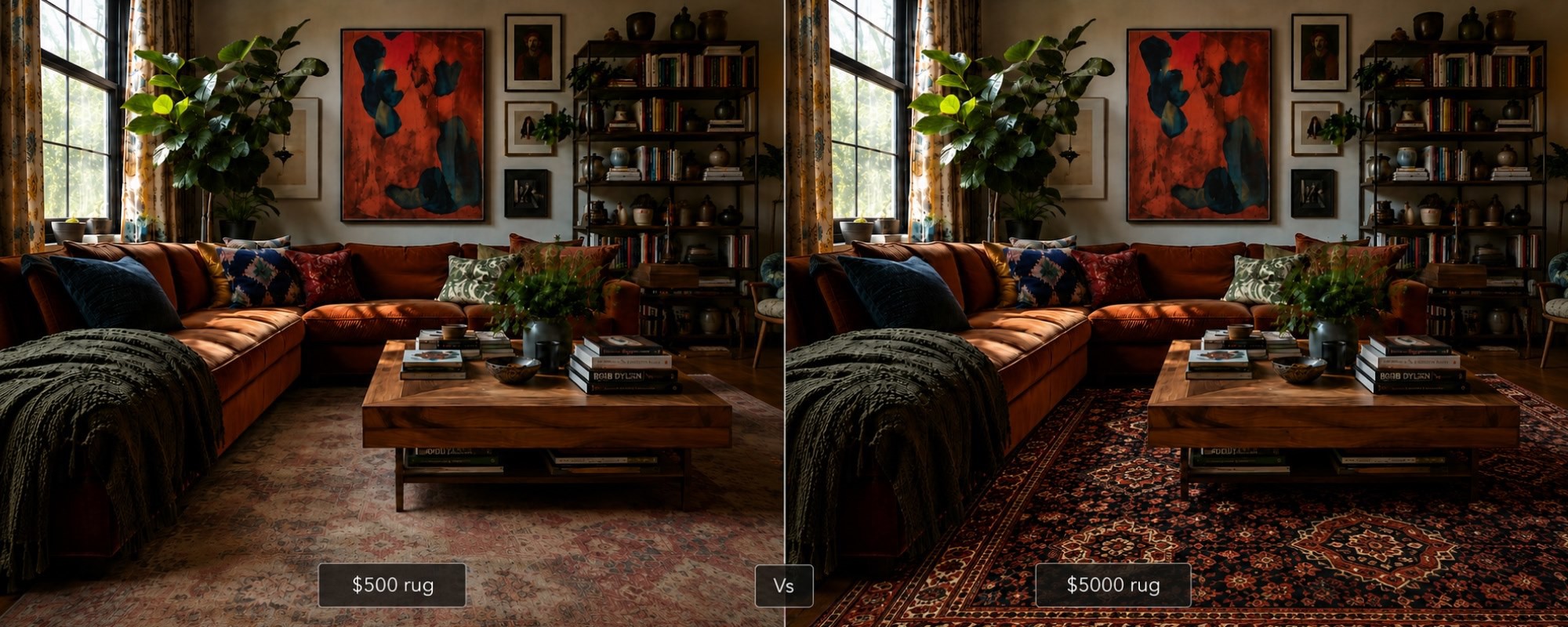
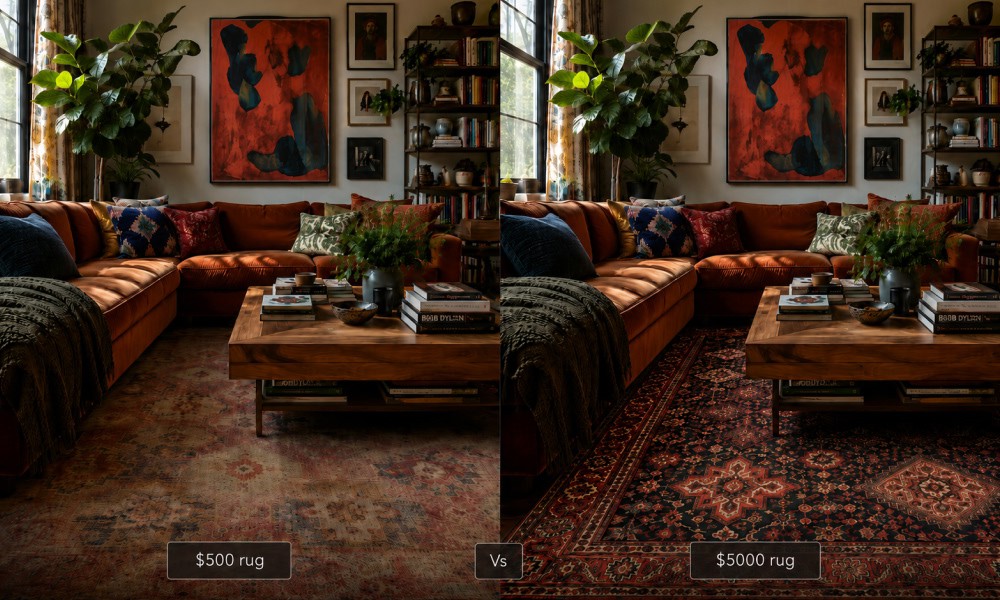
The $500 vs $5,000 Rug: An Honest Side-by-Side That No Brand Will Show You
Why do some rugs cost ten times more than others? This honest side-by-side looks at what actually separates a $500 rug from a $5,000 one: knot density, fiber quality, pile depth, and finishing. No brand bias, no marketing language. Just a clear breakdown to help you decide which one is worth it for your space and budget.
Read Article →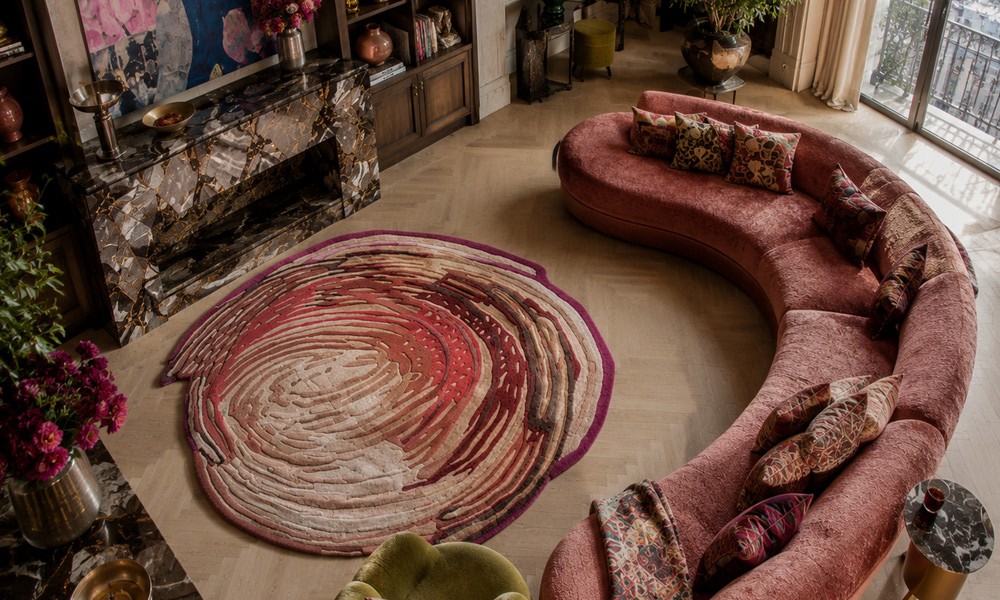
-
14 July 2026
- ∙
-
13 Min Read
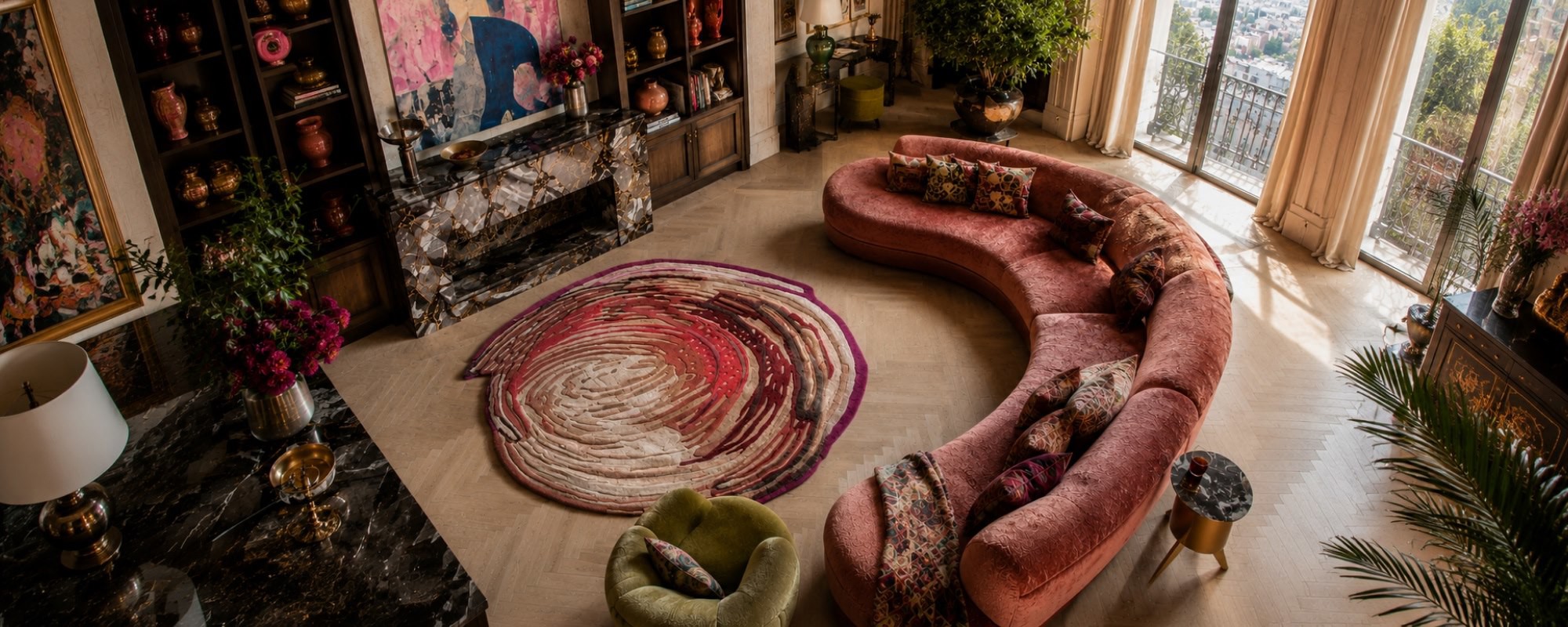
3D Rugs and Sculpted Pile: The Tactile Design Trend Redefining Floors in 2026
The rug used to finish a room. Now it starts one. 3D rugs and sculpted piles are bringing real depth and tactile texture to interiors, from hand knotted relief patterns to optical illusion designs that stop you mid-step. This is what the trend is, why it matters, and how to buy it well.
Read Article →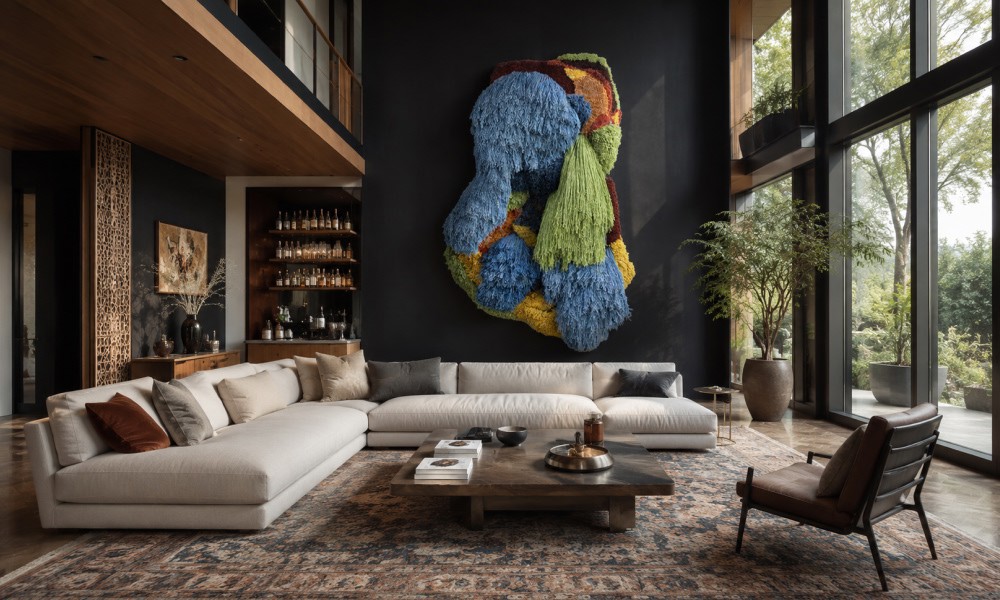
-
10 July 2026
- ∙
-
10 Min Read
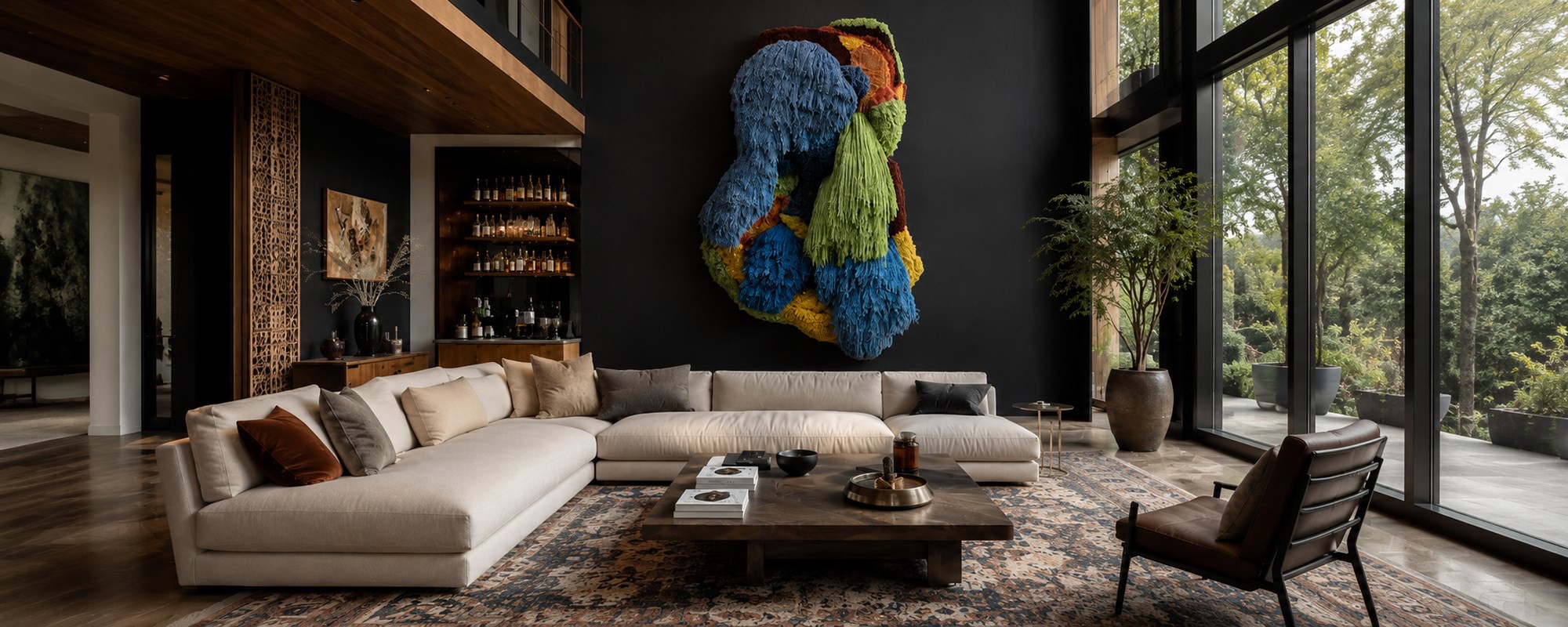
How to Pair Indian Wall Art with the Right Rug Pattern: A Room-by-Room Guide
Choosing the right rug to go with your Indian wall art does not have to be guesswork. This guide breaks it down room by room, from the living room to the bathroom and outdoor spaces. Learn how to match colors, patterns, and scale so your wall art and rug always feel like they belong together.
Read Article →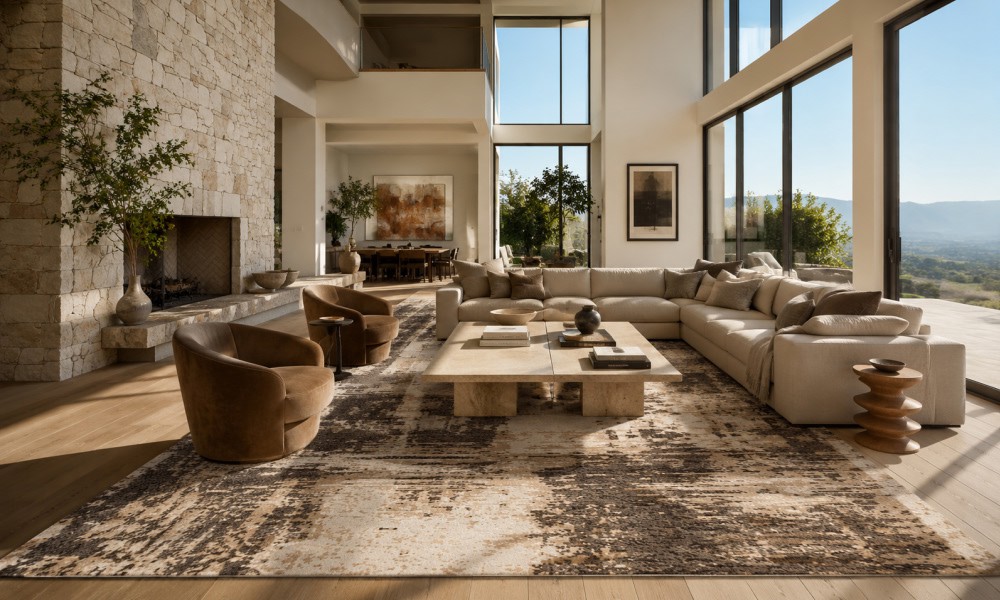
-
07 July 2026
- ∙
-
9 Min Read
How to Tell If a Rug Is Handmade: 7 Signs Experts Look For (Abrash Is One of Them)
Wondering how to know if a rug is handmade? Get an overview of 7 key characteristics that will help you identify if a rug is truly handmade and learn about its differences compared to machine-made rugs, and why they do not lose their value. Here is what to keep in mind when buying a handmade rug.
Read Article →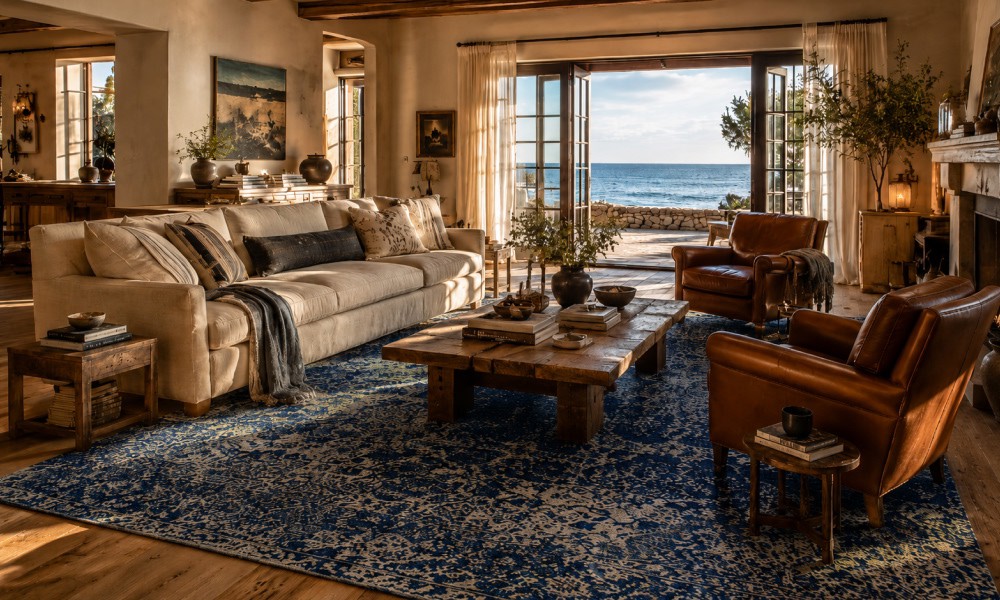
-
04 July 2026
- ∙
-
8 Min Read
Coastal Grandmother Is Evolving: The 2026 "Coastal Heritage" Aesthetic and the Rugs That Define It
The coastal grandmother design is progressing into something new and exciting by 2026. Coastal Heritage introduces texture, craftsmanship, and handmade elements to this popular design style. Here are the various rug types, colors, and decorating ideas to know about this classic coastal design trend.
Read Article →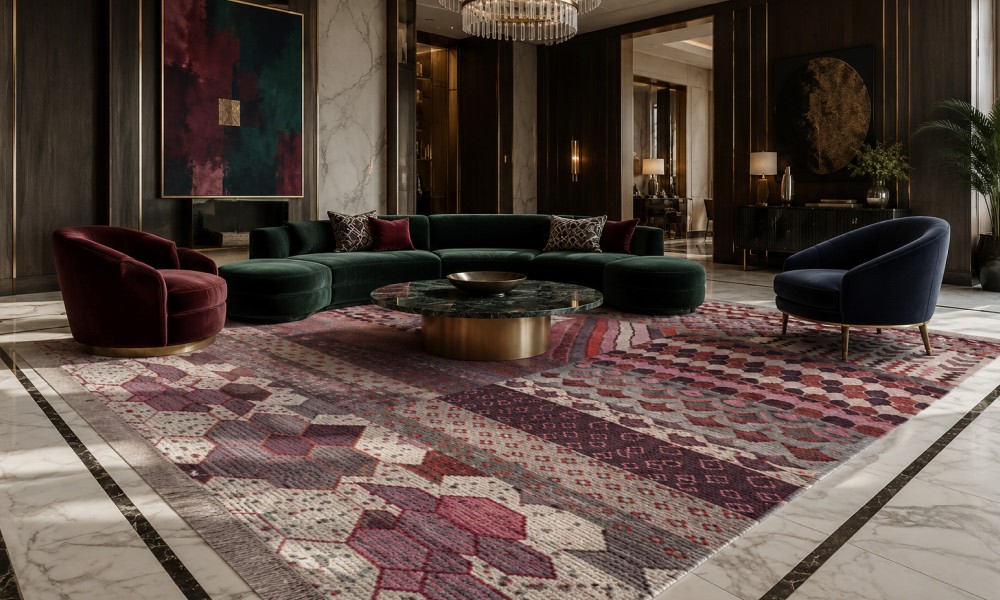
-
22 June 2026
- ∙
-
6 Min Read
Why Top Interior Designers are Switching to Indian Handmade Rugs
High-end interior designers have begun using handmade carpets from India in place of machine-made carpets to enhance their design portfolios and ensure product longevity. The following guide will help you understand why design professionals prefer Jaipur Rugs for creating customized, ethically produced wool-and-bamboo-silk carpet designs for luxurious homes.
Read Article →