You are on our International website. Please select your region to see content specific for your location





 Profile
 Orders
 Wishlist
 Change Password
 Logout


Latest Blogs
ideas and inspiration
5 Spots In Your Home That Must Have A Carpet
- 05 November 2022
- |
- 6 Min Read
- |
- By Jaipur Rugs


Wondering where to have a carpet in the home to adorn the underfoot? We show you five spaces where carpets sparkle the most
Rugs and carpets can instill texture, color, and pattern in any space. Area carpets and rugs (which cover a part of the room) are portable and easy-to-maintain options as compared to restrictive wall-to-wall carpeting. But where to put rugs in the house? Where do they work best? We’ve simplified this ordeal for you and collated five hot spots to display them with panache while maximizing functionality.
1. In the entryway or foyer
The entryway or the foyer is just the right spot for runner rugs. Rolling out a carpet in the entryway adds to a sense of a red-carpet welcome. They protect the flooring in this high-usage area and double as a landing spot to pat wet shoes dry or even catch dirt and dust, thus helping keep the rest of the home clean. Rugs and carpets help define and demarcate this space visually from the living room, especially if you don't have a well-defined foyer or vestibule. Coarse, easy-to-maintain fabrics like jute or cotton rugs are suggested for this area as they can absorb more dust.
Foyers come in all shapes and sizes. For a long, narrow foyer, standard runner rugs of usually 2x8 ft feet work but one can opt for a longer length if the hallway is longer. A 5x7 foot carpet placed horizontally could do the trick for wider hallways.
Tip: Place the runner rug or the carpet at least 10-15 inches from the wall over the length of the entryway. If the passageway is narrow, usually no other accessory besides the carpet is needed to decorate this area.

This hand knotted wool and bamboo silk creation called Chaos Theory by Kavi is the right
style statement for entryways.
2. In the living room
A living room gets an instant facelift once you bring in a rug. In fact, we would go on to say it’s a must-have accessory in a drawing room. Rugs spell luxury and comfort in living rooms.
link to photo.

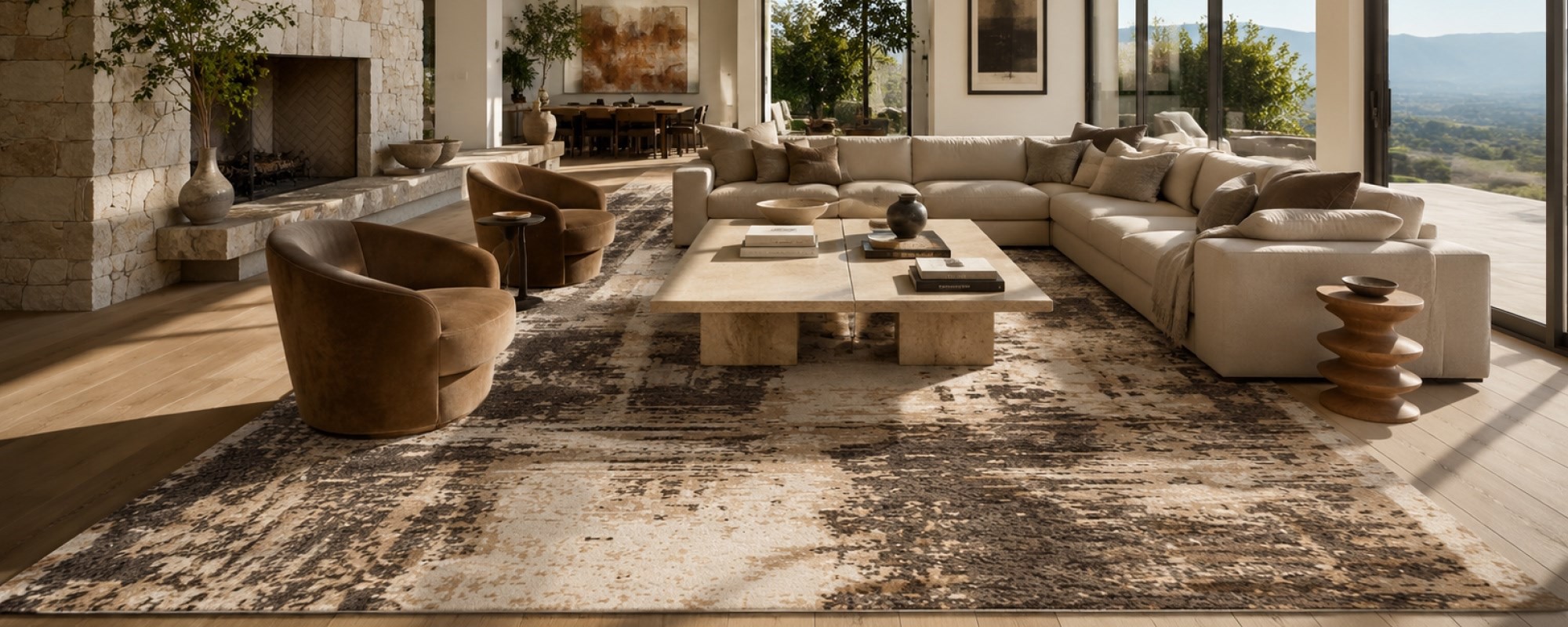
This modern, hand knotted carpet (Jaipur Wunderkammer) carpet is 50% viscose and 50% wool
and goes perfectly with contemporary and traditional decor.
But where to put the carpet in the living room? The furniture arrangement in the living room plays a critical role in the rug's placement. A popular option is to let the carpet or rug anchor the seating arrangement including the sofa, coffee table, armchairs, and side tables. In this arrangement, the front and back legs of the chairs and sofas stay on the rug, even when pushed back. Alternatively, one can keep the furniture's front legs on the carpet, which is a smart way to increase thoroughfare and maximize space between the furniture pieces. The arrangement gives the illusion of a larger living room and is suggested for compact spaces. For a small living room, a 5x8-sized rug is recommended, while an 8x10 is a better fit for a mid-sized one. Going for 9x13 or bigger for larger living rooms could do the trick.
Tip: Keep at least eight inches of space between the edge of your furniture and the edge of your rug so it doesn't seem you ran out of carpet.
Bonus tip: Sometimes, it pays to bend design rules. If you have a really small carpet you really adore, space it under the coffee table while the rest of the furniture sits on the floor.
3. Under the dining table
A rug framing the dining table adds to the culinary experience. The ideal placement for a dining room rug is right under the dining table. However, one should ensure it covers a considerable area. Design norms suggest having a 24-inch perimeter of extra carpet around the dining table for maximum aesthetic
impact. It also prevents the legs of the chairs from getting caught on the carpet edge.
Not providing ample carpet area might lead to wobbly chairs and thus ruin the dining experience. You can add about 60 cm onto each side of your dining table to get the precise rug size and then use these dimensions to buy the same. Ideal sizes for a 6-chair dining room table would be 8x10 ft. For an 8-seater, it would be 9x12 ft, and for a 10-seater, the carpet size should be 10x14 ft or more.
Tip: Round dining room rugs go great with circular dining tables.
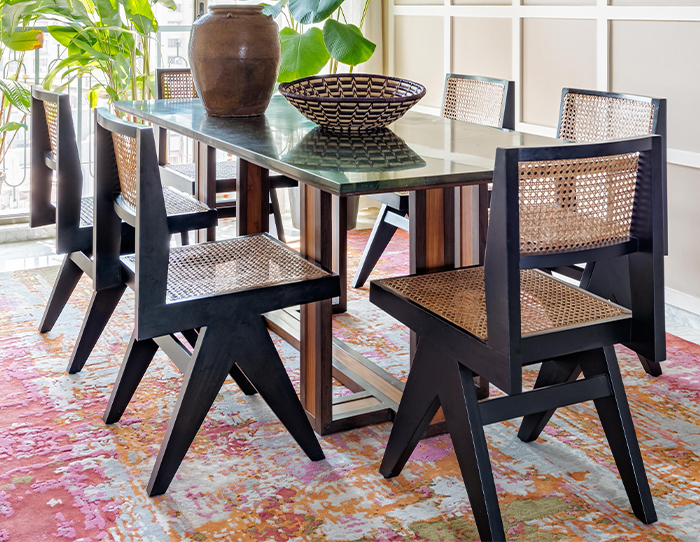
Made of jute & hemp, Anatolia is a perfectly stylish and sturdy piece for under a
round doing table.
4. In the bedroom
With so many placement options available, deciding where to put the rug in the bedroom can be a daunting task. The most popular spot is under the bed as we love the cushy feel when we put our feet down in the morning. If you use a smaller rug or carpet, place only half the rug under the bed or lay it perpendicular to the frame. Doing so brings symmetry and provides an illusion of more space in the bedroom.
A queen bed pairs well with 8x10 ft carpets. For a king-sized bed, a rug size of 9x12 ft is suggested, while a pair of 5x8 ft would suffice for two single beds. Another option is using two runners along the sides of the bed. One can also place a small rug at the foot of the bed, especially if you have a bed bench.

A flatware rug under the bed like this one can work wonders in the bedroom
5. In hallways, staircases & landings
Carpeting adds warmth to in-between areas, including the hallway, stairs, and landing spaces by layering color and texture. On the staircase, rugs can provide continuity between two different floors while in the hallway they can visually connect the rooms. Carpets also instill luxury in the underfoot, layering the flooring with a dose of glamour. Not to mention, they feel great when one walks barefoot on them.
Hallway carpet runners transform corridors and landing spaces into charming transit areas. For a narrow hallway, the carpet in the middle should leave 6-12 inches of space on both sides. Doing so makes the space look more spacious.
Stair carpets add friction to the stair treads and minimize the risks of falls. However, the runner or carpet must be heavy or have a rug pad to be well-settled on the steps, thus preventing any shifts under movement. One can place the carpet right in the center of the staircase (leaving a few inches on either side) or cover the entire length of each step.
One can use the same staircase runner carpet in the landing space between the stairs to give a sense of continuity.
Tip: A carpet too thick can be a potential safety hazard on the staircase. Select one with a pile height of 1/2 inch or less and carpet padding of 7/16 inch or less.
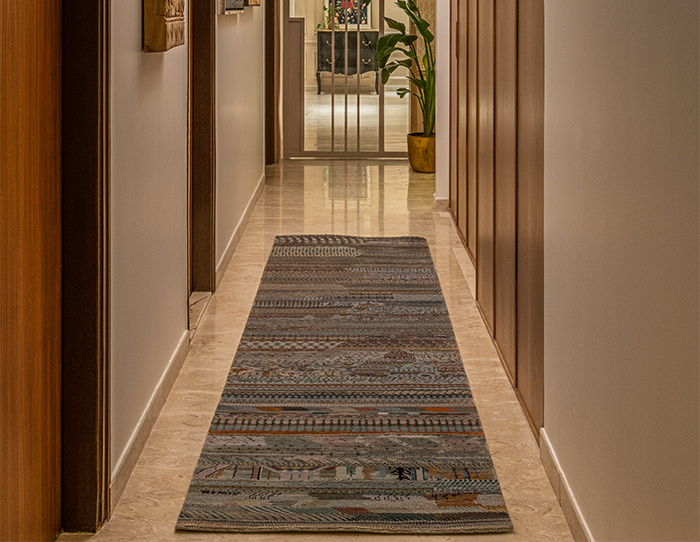
Take a look at a similar runner rug Gaon Se Sheher that will put you on good footing on a staircase.
Carpets and rugs amalgamate functionality and beauty. If you have an open-plan layout, pick patterns or colors that create a cohesive look while demarcating spaces. For example, you can have a common color scheme for all the areas and play with different shapes or sizes of carpets. Now that you know the best spots to roll out the carpet, go ahead and see which placement works the best for you.
Read more on rugs:


Pic Credits
Jaipur rugs / Abil Dase
Share
-
 Facebook
-
 Twitter
-
 Email
Email
Related Posts
-
15 July 2026
- ∙
-
8 Min Read
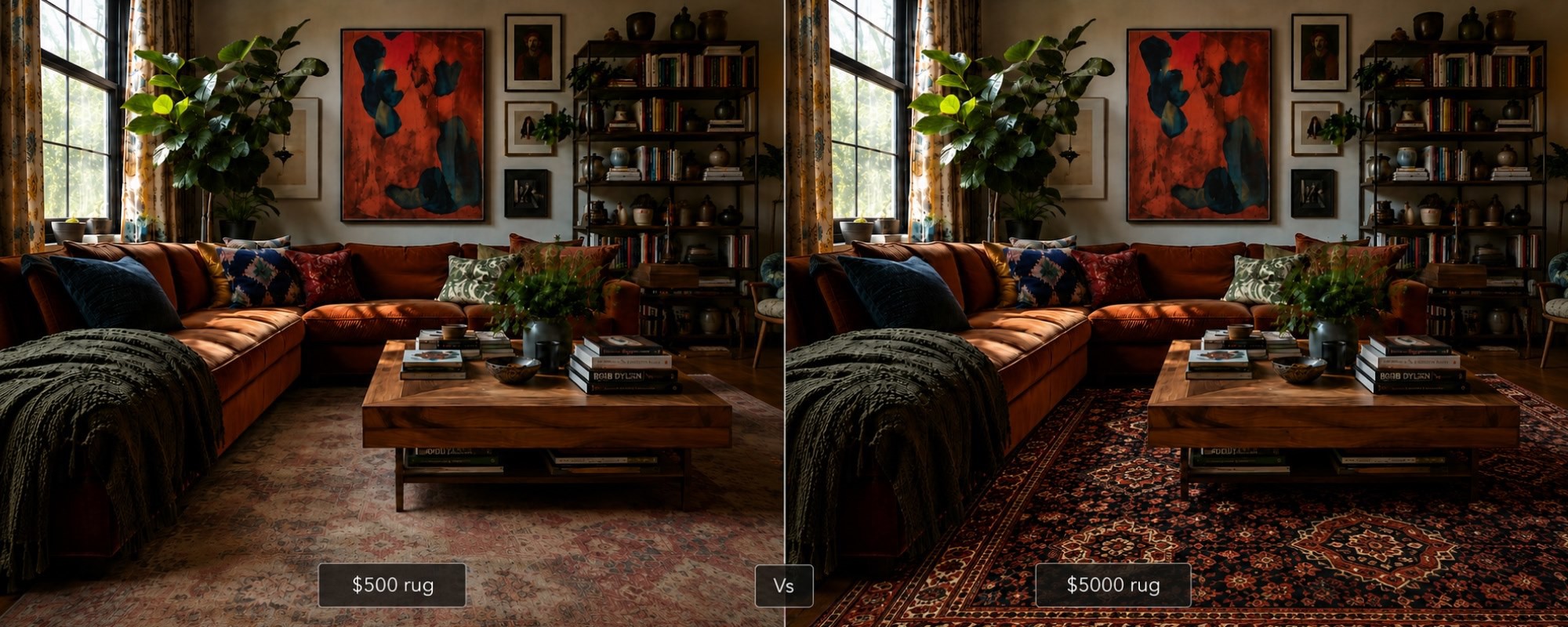
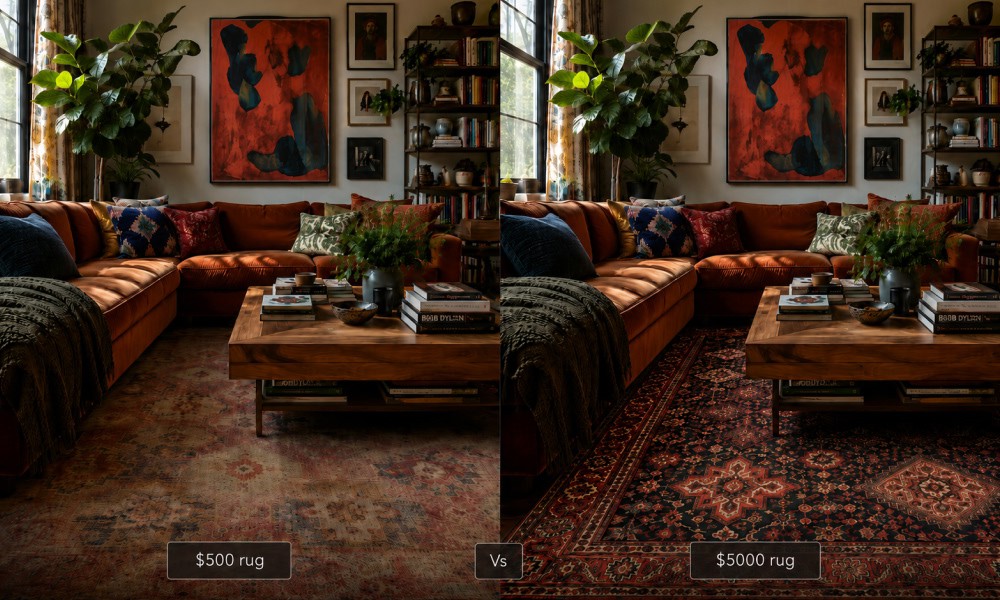
The $500 vs $5,000 Rug: An Honest Side-by-Side That No Brand Will Show You
Why do some rugs cost ten times more than others? This honest side-by-side looks at what actually separates a $500 rug from a $5,000 one: knot density, fiber quality, pile depth, and finishing. No brand bias, no marketing language. Just a clear breakdown to help you decide which one is worth it for your space and budget.
Read Article →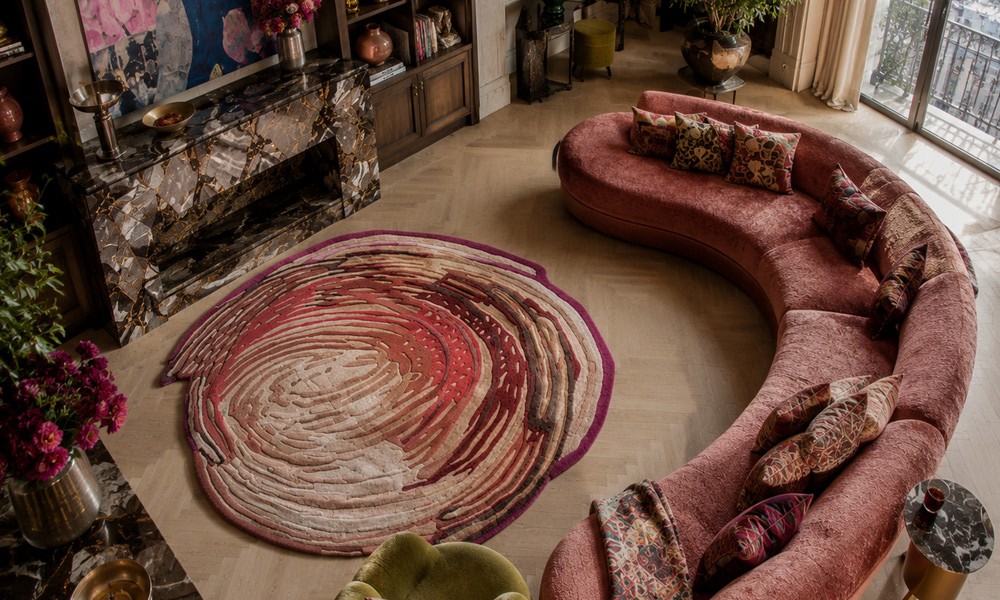
-
14 July 2026
- ∙
-
13 Min Read
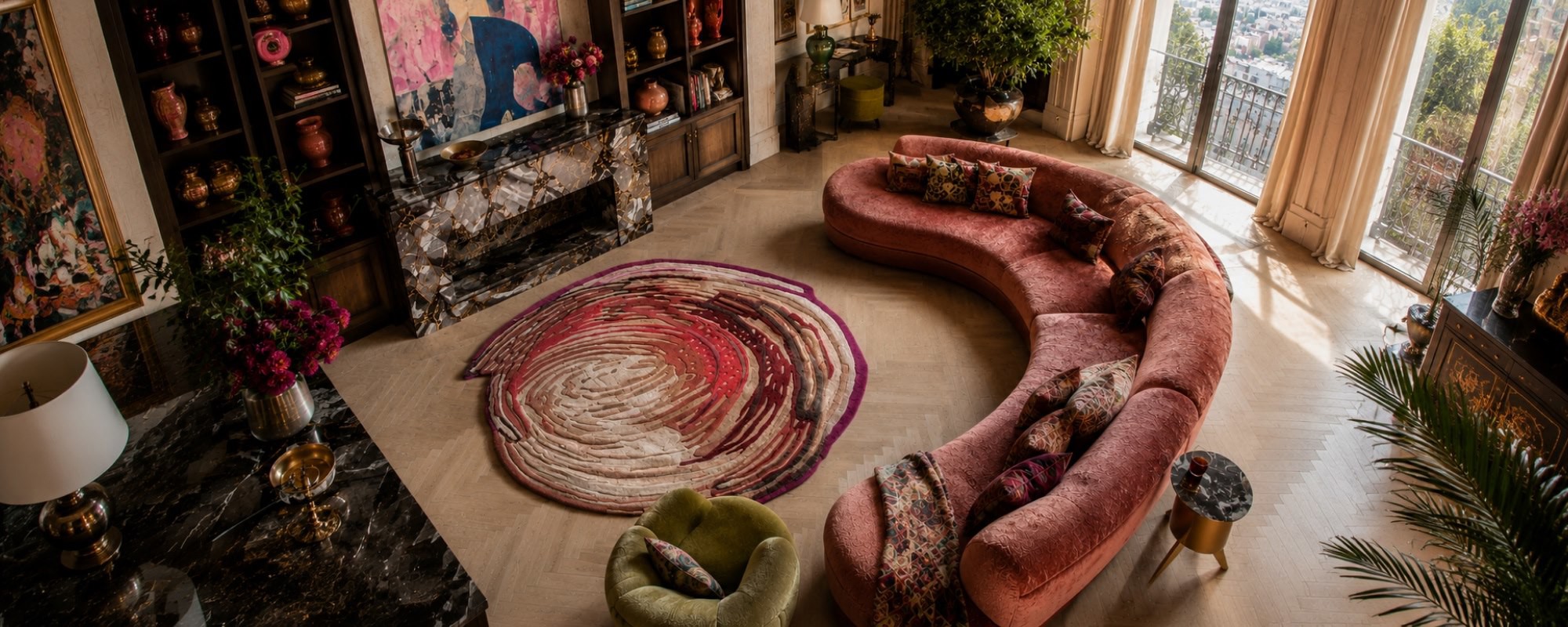
3D Rugs and Sculpted Pile: The Tactile Design Trend Redefining Floors in 2026
The rug used to finish a room. Now it starts one. 3D rugs and sculpted piles are bringing real depth and tactile texture to interiors, from hand knotted relief patterns to optical illusion designs that stop you mid-step. This is what the trend is, why it matters, and how to buy it well.
Read Article →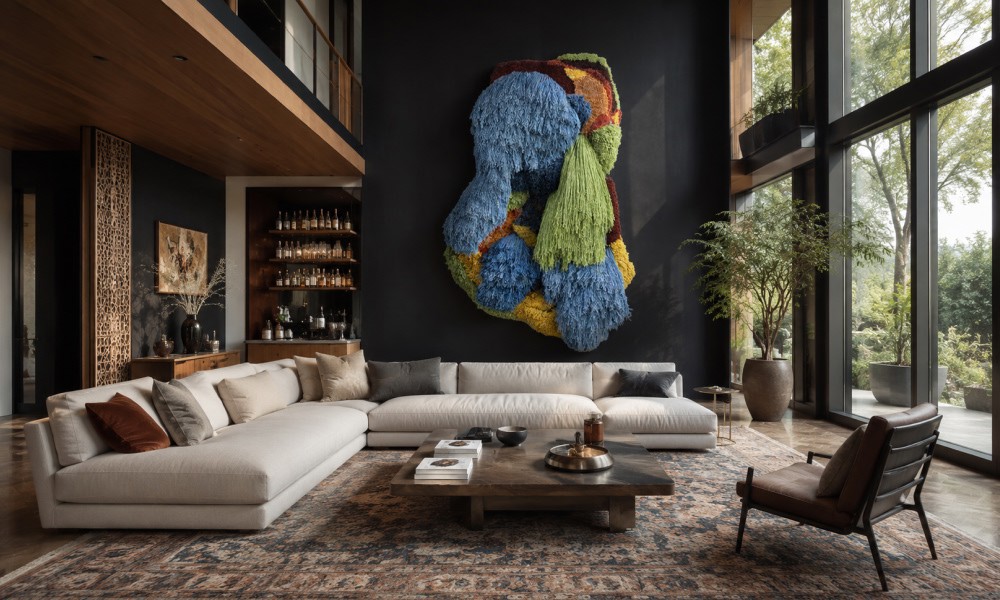
-
10 July 2026
- ∙
-
10 Min Read
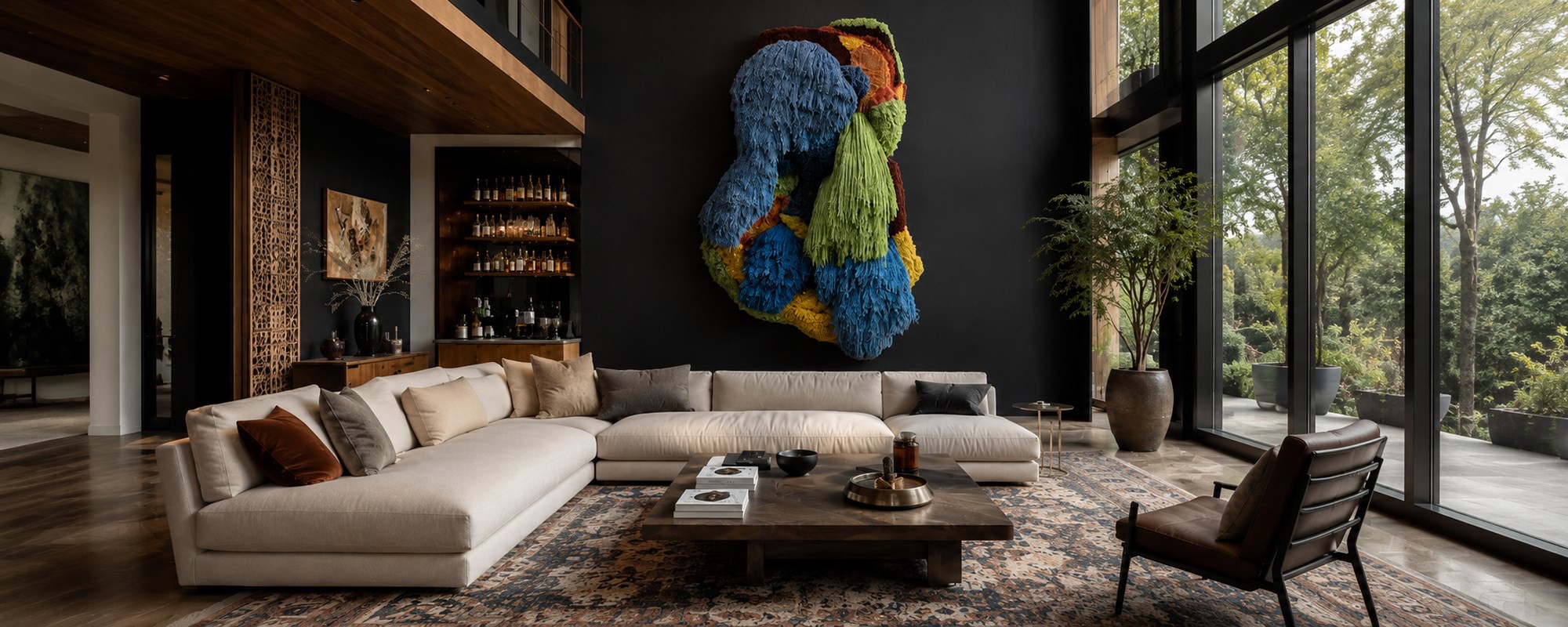
How to Pair Indian Wall Art with the Right Rug Pattern: A Room-by-Room Guide
Choosing the right rug to go with your Indian wall art does not have to be guesswork. This guide breaks it down room by room, from the living room to the bathroom and outdoor spaces. Learn how to match colors, patterns, and scale so your wall art and rug always feel like they belong together.
Read Article →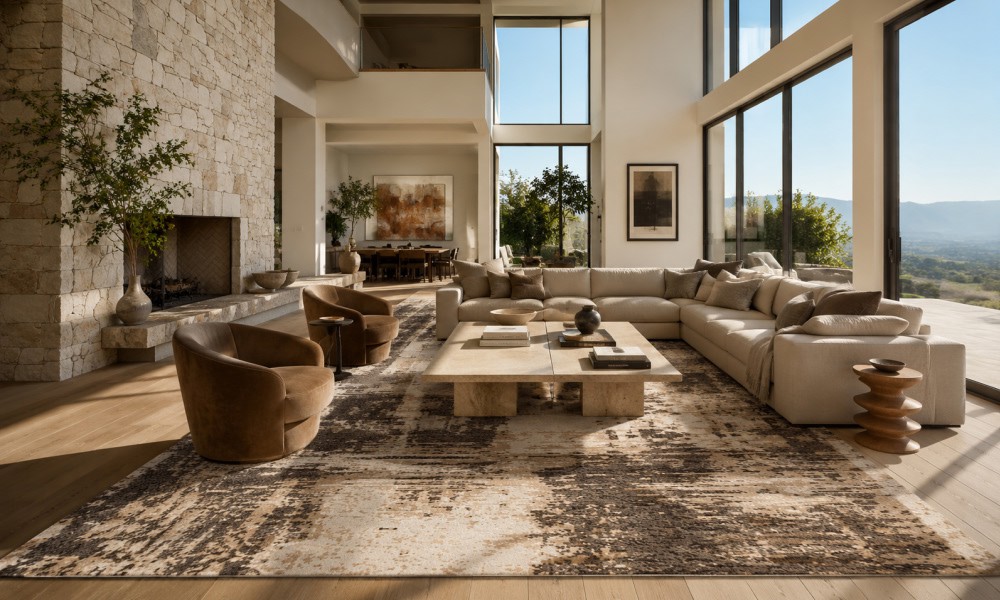
-
07 July 2026
- ∙
-
9 Min Read
How to Tell If a Rug Is Handmade: 7 Signs Experts Look For (Abrash Is One of Them)
Wondering how to know if a rug is handmade? Get an overview of 7 key characteristics that will help you identify if a rug is truly handmade and learn about its differences compared to machine-made rugs, and why they do not lose their value. Here is what to keep in mind when buying a handmade rug.
Read Article →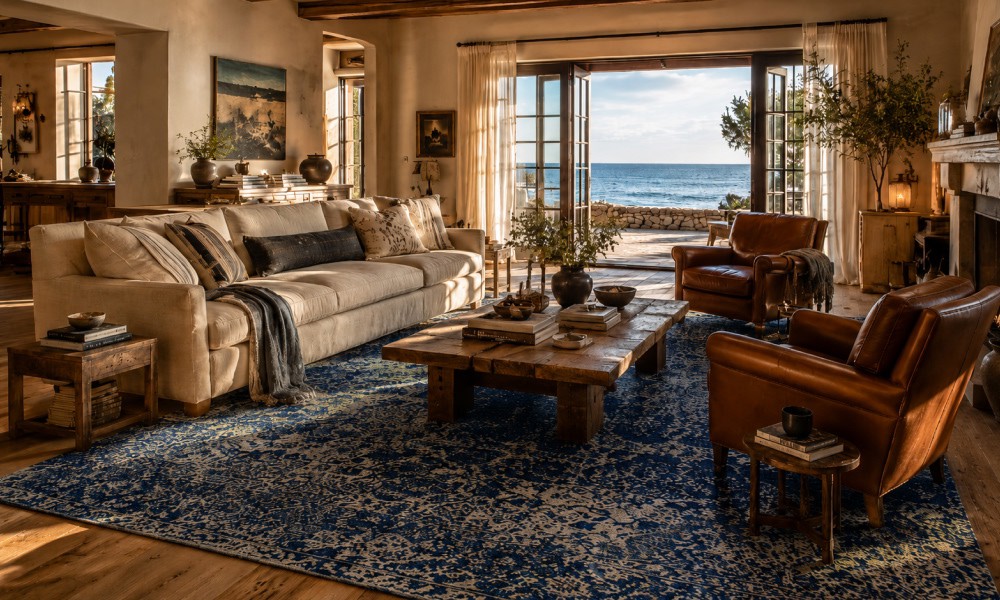
-
04 July 2026
- ∙
-
8 Min Read
Coastal Grandmother Is Evolving: The 2026 "Coastal Heritage" Aesthetic and the Rugs That Define It
The coastal grandmother design is progressing into something new and exciting by 2026. Coastal Heritage introduces texture, craftsmanship, and handmade elements to this popular design style. Here are the various rug types, colors, and decorating ideas to know about this classic coastal design trend.
Read Article →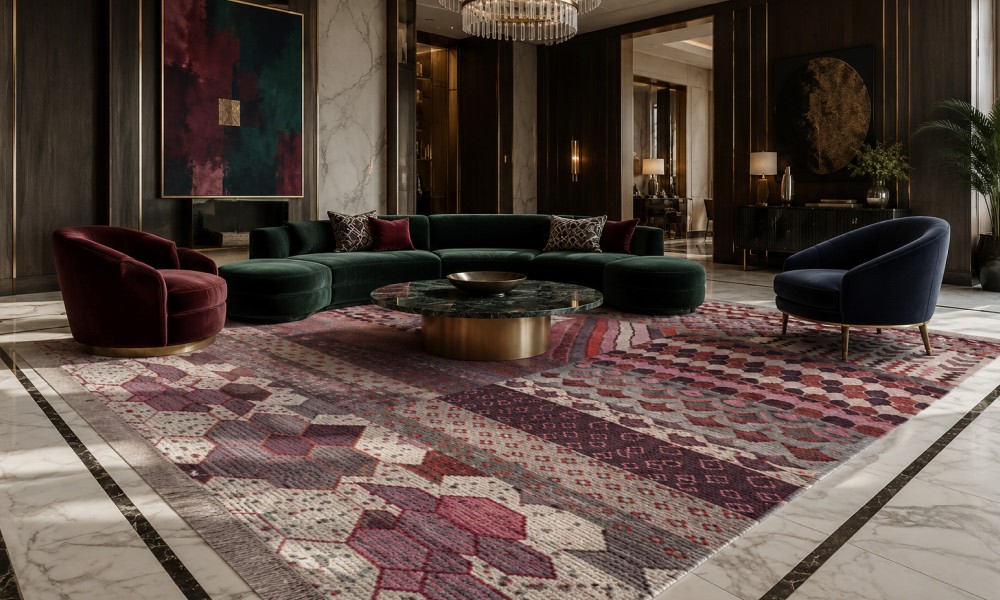
-
22 June 2026
- ∙
-
6 Min Read
Why Top Interior Designers are Switching to Indian Handmade Rugs
High-end interior designers have begun using handmade carpets from India in place of machine-made carpets to enhance their design portfolios and ensure product longevity. The following guide will help you understand why design professionals prefer Jaipur Rugs for creating customized, ethically produced wool-and-bamboo-silk carpet designs for luxurious homes.
Read Article →