You are on our International website. Please select your region to see content specific for your location





 Profile
 Orders
 Wishlist
 Change Password
 Logout


Latest Blogs
ideas and inspiration
Why 90s Décor Feels Fresh Again: The Ultimate Guide to Modern Retro Interiors
- 17 January 2026
- |
- 10 Min Read
- |
- By Jaipur Rugs
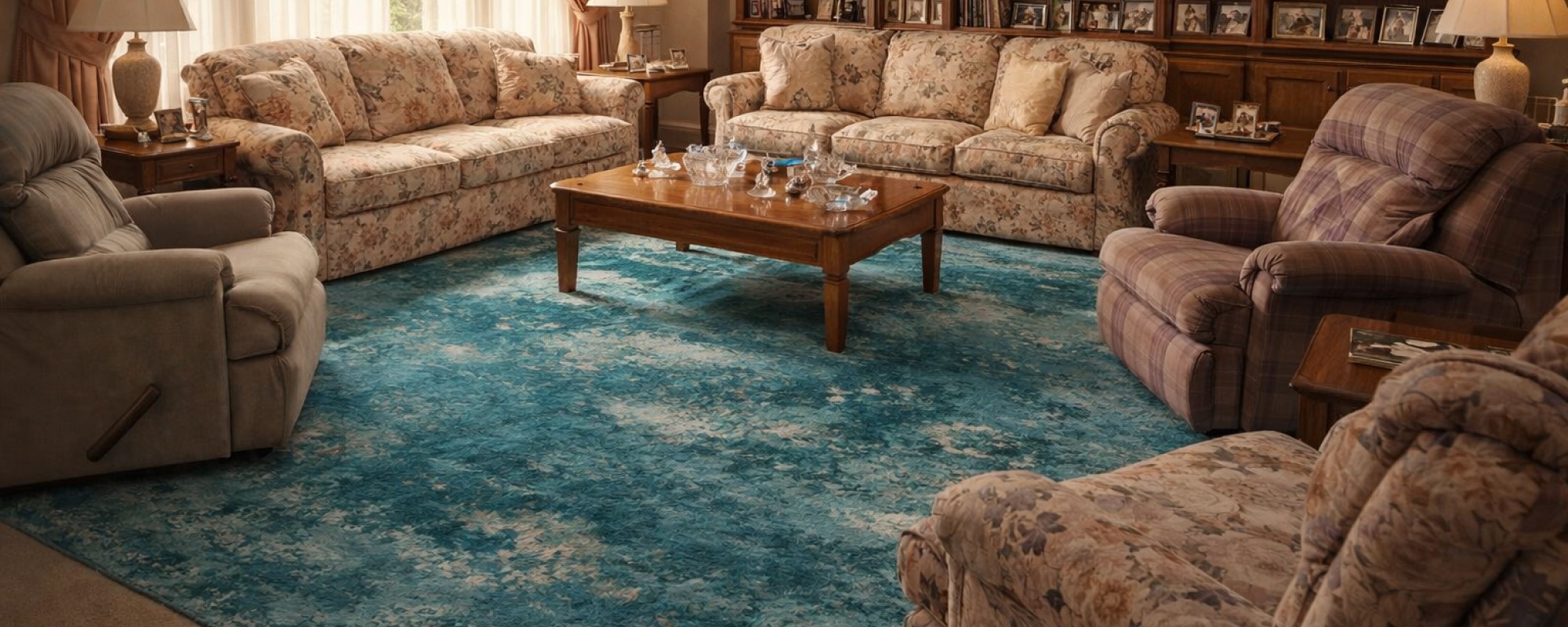
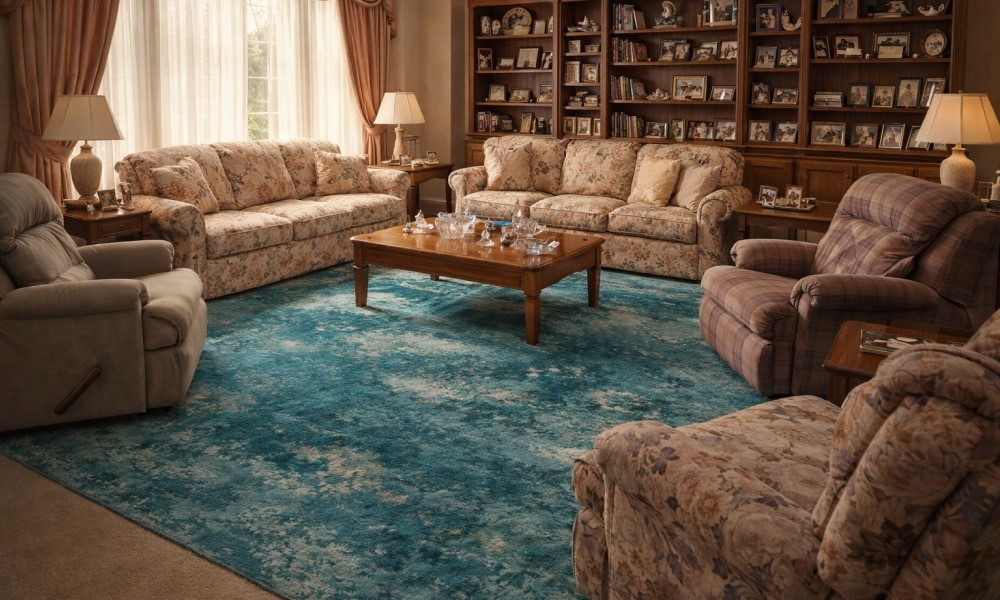
The sleek minimalism of the past decade is giving way to the cozy, eclectic charm of the 1990s. This guide explores why 90s interior design feels fresh today, highlighting the return of bold colors and plush comforts. Learn how to use hand-knotted rugs and retro home interiors to create a space that feels nostalgic yet modern.
Let’s be honest for a second. If we had told you five years ago that you would be actively seeking out hunter green paint and considering a chunky, overstuffed armchair, you probably would have laughed. We spent the last decade aggressively decluttering, painting everything “Greige,” and worshipping at the altar of mid-century modern minimalism. We wanted everything sleek, everything hidden, and everything digitized.
Yet, here we are.
The cultural pendulum is swinging back, and it is swinging hard. Weirdly enough, it has landed squarely in the decade of dial-up internet, Beanie Babies, and “Friends” apartments. Suddenly, 90s decor is no longer a punchline about bad taste. Instead, it is becoming the blueprint for how we want our homes to feel right now.
But why? Why on earth would we want to revisit an era known for inflatable furniture and an unsettling amount of plaid?
It is mind-boggling until you actually stop to look at what the 90s were trying to achieve. The revival is not about ironically adopting ugly things. It is about reclaiming a sense of comfort, personality, and playful optimism that got lost in the sleek, sterile “Instagram Home” aesthetic of the 2010s. The 90s interior design movement was about abundance and coziness, two things we are desperate for today.
Let’s dive deep into why this specific style is experiencing such a massive, surprisingly welcome resurgence.
The Comfort Correction: Escaping the “Gallery” Look
For a long time now, our homes have felt a bit like museums. You know the look. White walls, one perfectly placed fiddle-leaf fig, and furniture with spindly legs that looks great but isn’t exactly inviting you to nap on it. It was clean, it was organized, and frankly, it was a little bit exhausting to maintain.
The 90s were the antithesis of that high-pressure perfection. When you look back at genuine 90s interior design trends, the overwhelming theme was “lived-in.” It was the golden age of the “shabby chic” movement and the oversized sectional sofa. It was an era that prioritized physical comfort over visual austerity.
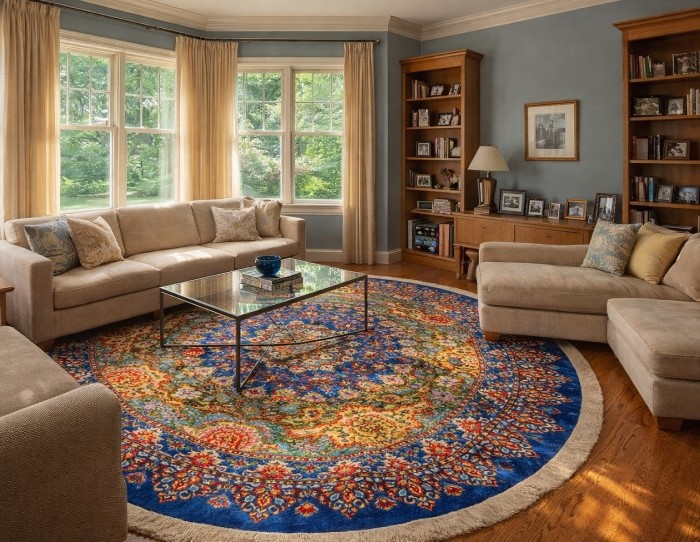
Today, we are collectively exhausted. The world feels fast and digital, so we want our homes to hug us back. We are gravitating toward physical softness. This is why we see the return of slipcovers, pine furniture, and softer lighting. The return of warmer wood tones is a direct reaction to years of stark minimalism. We are craving the coziness that interior design 90s style offered in spades.
The “Frasier” Effect: The Birth of Sophisticated Eclecticism
When people cringe at the memory of the 90s, they are usually picturing a teenager’s bedroom covered in neon posters or a basement full of inflatable chairs. But they are forgetting the other side of the coin, which was the sophisticated, urban aesthetic. Think about Frasier Crane’s Seattle apartment.
That apartment was a masterclass in what we now call “transitional” design, but at the time, it was cutting-edge 90s modern interior design. It blended expensive, sleek Italian furniture with African art, tribal textiles, and architectural statement pieces. It was curated, worldly, and layered.
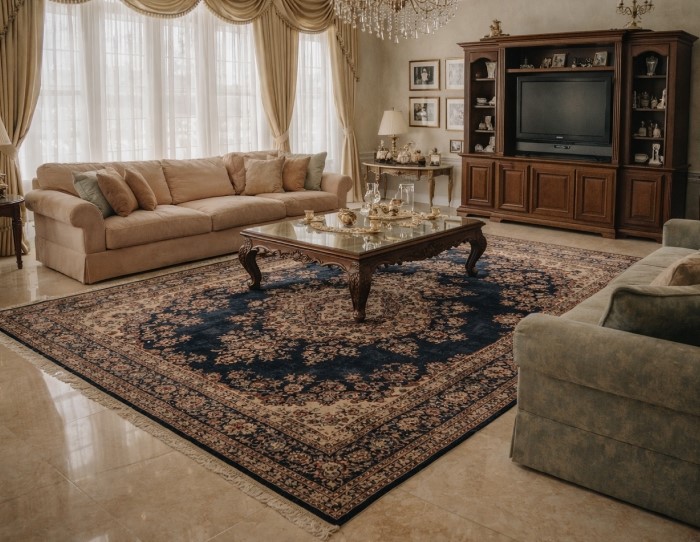
This is the aspect of the 90s that feels incredibly fresh today. We are moving away from buying entire “room sets” from a single catalogue because we want our homes to tell a story. We want a space that feels collected over time rather than purchased in a day. The 90s taught us that you could mix a sleek leather Eames chair with a chunky, rustic coffee table, and it actually worked. It is that brave mixing of eras and styles that defines retro home interiors today.
Color and Pattern: The Antidote to Sad Beige
If the 2010s were defined by fifty shades of grey, the 90s were defined by a fearless embrace of deep, saturated color. We are talking forest greens, navy blues, burgundy, and mustard yellows. It was a time when walls were rarely left white.
For years, we were told that color was “clutter” and that neutrals were the only way to make a space feel calm. The result was a whole lot of boring rooms. The current interest in retro interior design ideas is largely fueled by a desperate need for visual stimulation. We are bored with the blank slate.
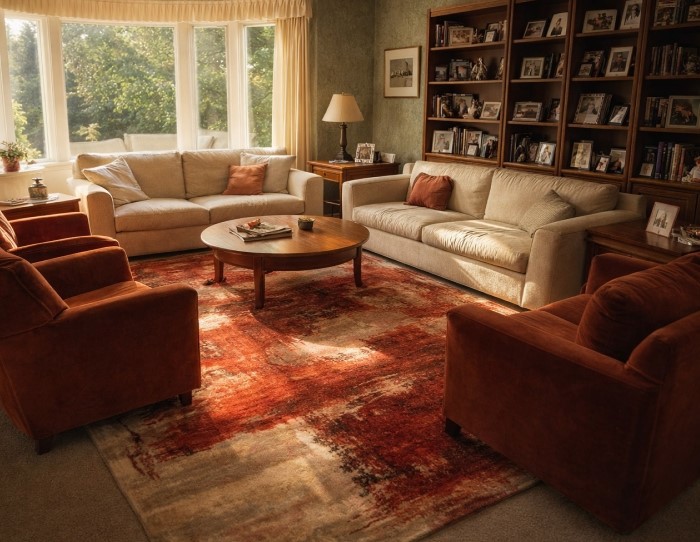
We are seeing this play out in a huge way in living spaces. Creating a retro interior design living room today does not mean sponge-painting every wall orange. It means using those deep, moody 90s colors as an anchor. It means not being afraid of a floral print or a bold stripe. The 90s did not take themselves too seriously, and that playfulness with pattern is a breath of fresh air in a design landscape that has taken itself very seriously for a long time.
The Return of “Prep” and Traditional Values
Another massive pillar of this revival is the return to traditionalism. In the 90s, brands like Ralph Lauren made it incredibly cool to have a home that looked like an English country manor, even if you lived in a suburb in Ohio.
This is where retro style interior design leans into the “Grandmillennial” trend we see today. It is about dark woods, tartans, brass accents, and library vibes. In the 90s, people wanted their homes to feel established and historic.
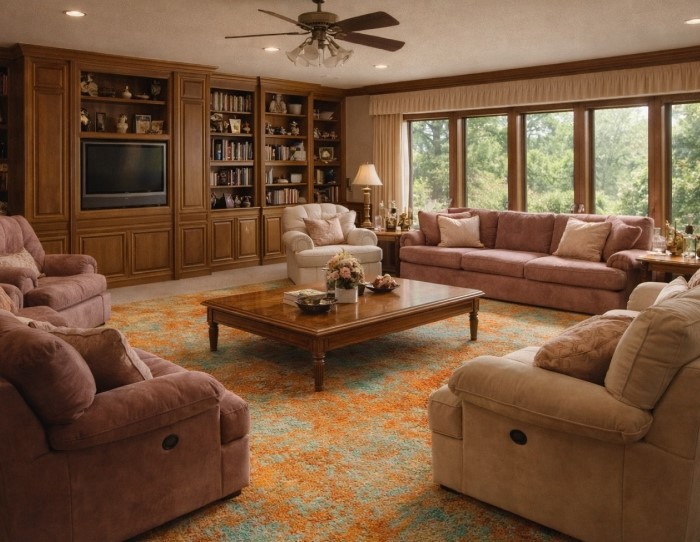
Today, we are seeing a resurgence of this through the use of wallpaper, wainscoting, and heavy drapery. We are looking for homes that feel permanent and sturdy. The disposable furniture culture of the last decade is losing its appeal. We want things that last, just like that solid oak dining table your parents bought in 1996 that is still standing strong today.
The Foundation: Grounding the Look with Rugs
You cannot talk about the 90s without talking about floor coverings. While wall-to-wall carpeting was huge then, today’s interpretation is more about using area rugs to define spaces and add that crucial layer of warmth. Because 90s-inspired aesthetics often involve bolder furniture choices, the floor needs to act as a stabilizing force.
This is where the quality of materials really matters in a modern context. In a room with a lot of 90s flavor, authentic hand-knotted rugs can provide a sense of history and artisan quality that elevates the whole look above mere kitsch. They offer that “collected” feel that was so essential to the sophisticated side of 90s design. These pieces are investments that anchor the eclectic furniture around them.
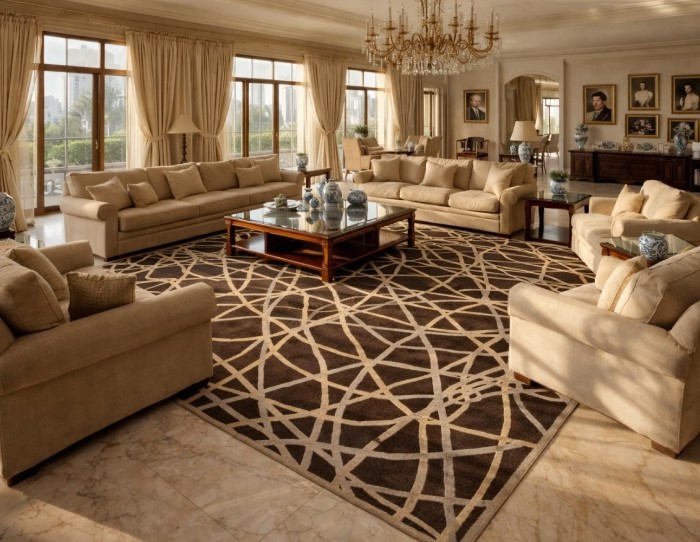
The 90s were obsessed with plushness. If you want that deep, luxurious feel underfoot that reminds you of 90s carpeting but in a stylish way, consider high-quality hand-tufted rugs for your living space. They bring immediate comfort and sound dampening, which is essential for creating that cozy sanctuary vibe that defined the era.
The key to mastering this look is balance. If your upholstery has a busy, retro pattern like a floral chintz or a plaid, you might want to ground the room with solid rugs in a complementary deep jewel tone. This keeps the room from looking too chaotic while maintaining the rich color story that makes the style work.
Conversely, if you are using those warmer, honey-toned woods popular in the 90s, textured neutral rugs can bridge the gap between retro and modern. Think of chunky wools or jutes that add organic texture without screaming for attention. This allows the furniture to take center stage.
The 90s were also weirdly obsessed with global influences, because of this, rich, patterned traditional rugs look incredibly right at home next to a velvet 90s-style sofa or a wicker accent chair. The intricate patterns of a Persian or Oushak-style rug add a layer of sophistication, preventing the room from feeling dated.
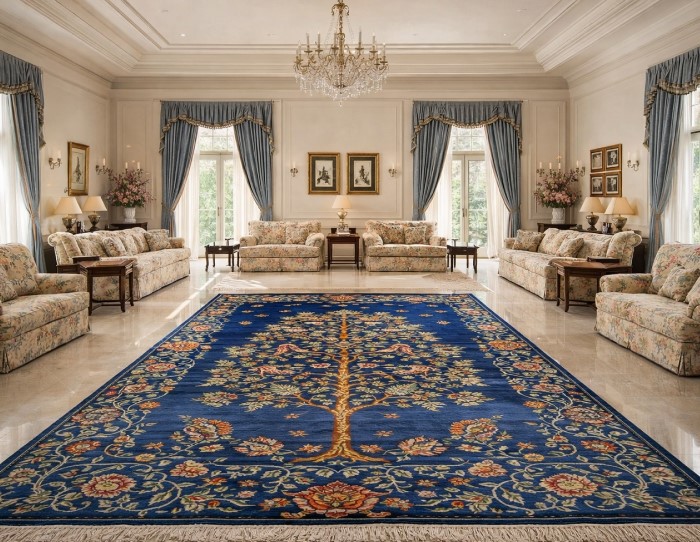
Furthermore, the 90s saw the rise of unique architectural spaces. We saw the boom of loft living and open-plan conversions, which sometimes require unique solutions. Do not rule out custom rugs to fit awkward spaces. It is a very 90s power move to tailor your environment perfectly to your specific layout.
And finally, for that sleek “Frasier” minimalist vibe, geometric modern rugs are the perfect nod to the era’s love of abstract art and Memphis Group influences. These add a sharp, graphic element that cuts through the coziness and adds a bit of edge.
The New “Modern Retro”
The goal of this revival is not to create a time capsule. Nobody wants their house to look exactly like the set of Full House. The secret sauce is creating modern retro interior design that functions for contemporary life.
It is about cherry-picking the best elements. We take the comfort, the warm colors, and the eclectic mix, and we filter them through a modern lens. It is pairing a vintage 90s chunky armchair with a sleek, contemporary side table.
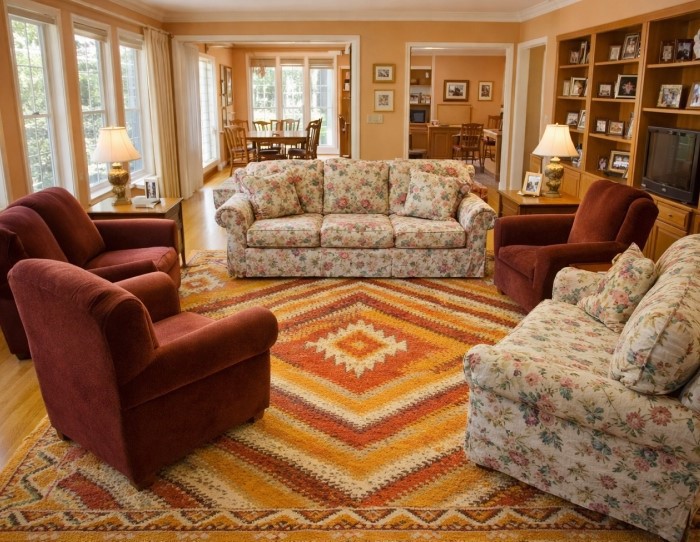
It is using hunter green paint, but in a matte finish rather than a glossy one.
These 90s inspired interiors feel fresh because they genuinely reflect how we want to live: comfortably, expressively, and with a healthy dose of nostalgia. We are tired of living in showrooms. We want to live in homes. So go ahead and buy that overstuffed sofa. Your inner 90s kid will thank you.
FAQs
What are the key elements of living room 90s interior design?
To master this look, focus on “visual weight” and layering. Key features include oversized, rolled-arm sofas in velvet or chenille, and light-toned wood furniture such as pine or honey oak. Incorporating large indoor plants, like a ficus tree, and built-in entertainment centers helps nail the aesthetic. The goal is to create a space that feels abundant and welcoming rather than sparse.
How can I use rugs to modernize the 90s look?
The 90s often relied on beige wall-to-wall carpeting, which can feel flat today. To modernize the vibe, use modern rugs with geometric patterns or interesting textures to break up the floor space. If you have original hardwood floors, layering neutral rugs over them provides that signature warmth without the maintenance of old-school carpeting.
Is the “shabby chic” trend from the 90s coming back?
Yes, it is a massive part of the current movement toward comfortable, lived-in homes. The 90s version focuses on slipcovered furniture and floral patterns that invite relaxation. You can ground these airy styles by using floral rugs, which add a sense of history and permanence to a room filled with light fabrics.
How do I choose the right rug for a colorful 90s-inspired room?
If you are embracing a bold 90s palette like forest green or navy blue, your rug should either anchor the color or provide a calm contrast. Solid rugs in a deep, matching tone create a sophisticated monochromatic look. If your furniture is neutral, hand-knotted rugs with intricate patterns can tie all your accent colors together beautifully.
Why are hand-made rugs better for this style than machine-made ones?
The 90s revival is a move away from disposable decor and fast furniture. Hand-tufted rugs and hand-knotted pieces offer a level of craftsmanship and durability that reflects the desire for a home that lasts for decades. These rugs have a tactile quality and physical depth that machine-made versions cannot replicate.
Can I get a rug that fits my specific 90s-style floor plan?
Many 90s homes featured unique architectural quirks, such as sunken living rooms or angled nooks. Because standard sizes do not always work in these layouts, custom rugs are an excellent option. This allows you to choose the exact dimensions to suit your furniture, ensuring the room feels cohesive and perfect.


Pic Credits
Jaipur rugs / Abil Dase
Share
-
 Facebook
-
 Twitter
-
 Email
Email
Related Posts
-
15 July 2026
- ∙
-
8 Min Read
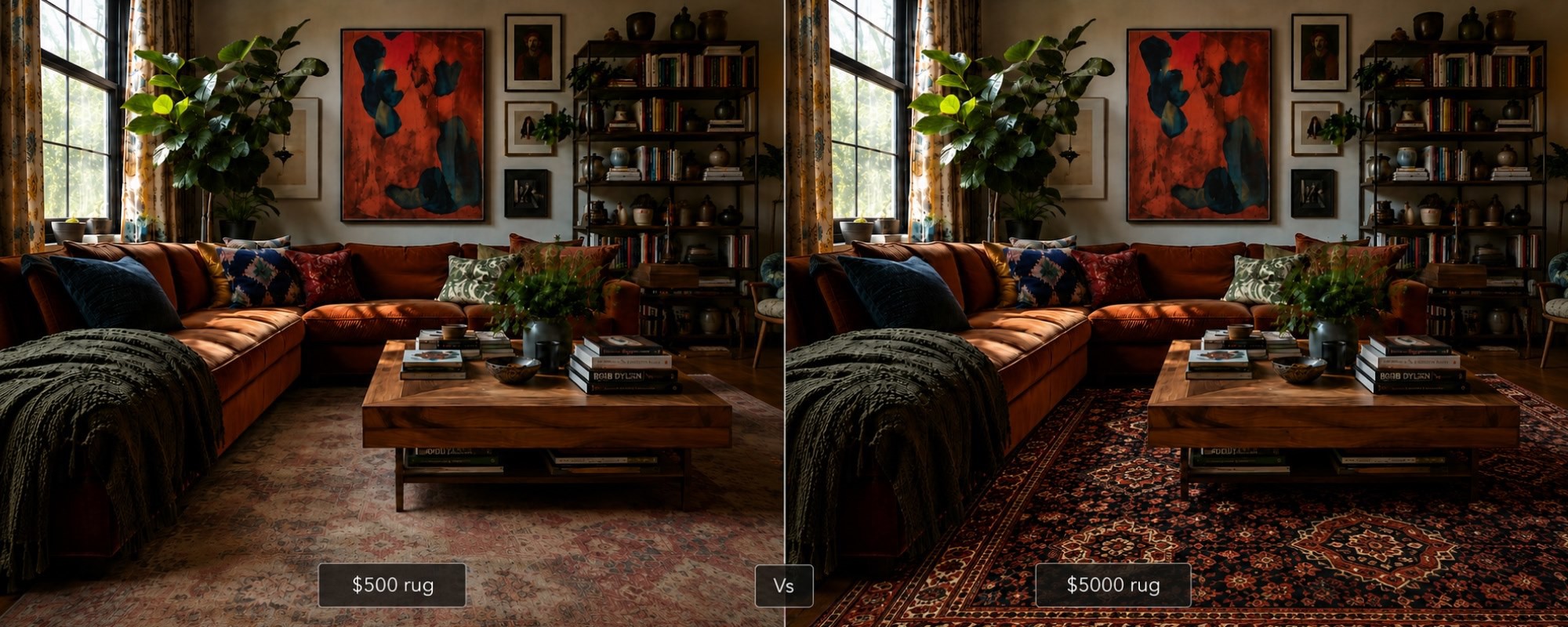
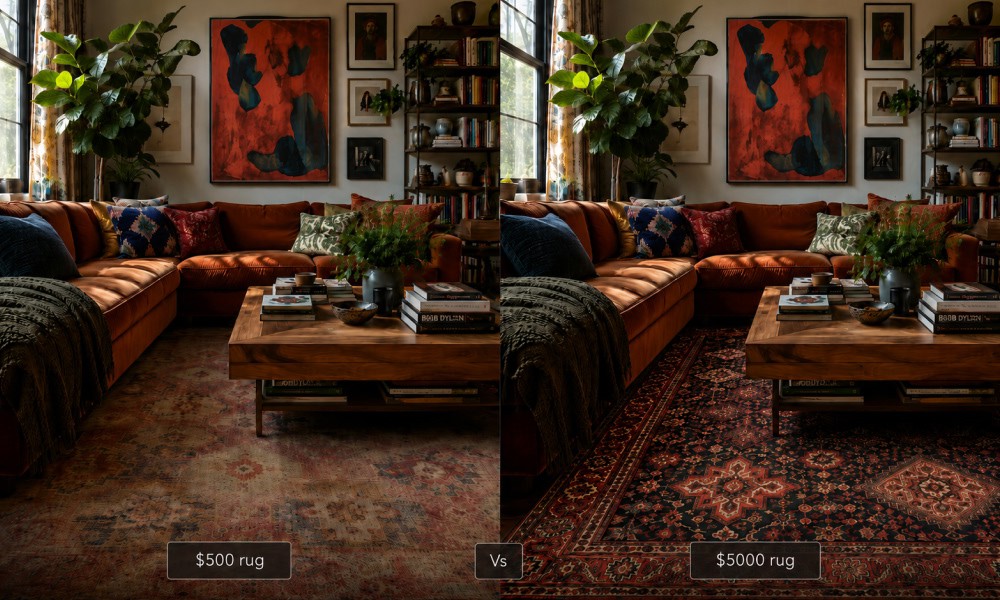
The $500 vs $5,000 Rug: An Honest Side-by-Side That No Brand Will Show You
Why do some rugs cost ten times more than others? This honest side-by-side looks at what actually separates a $500 rug from a $5,000 one: knot density, fiber quality, pile depth, and finishing. No brand bias, no marketing language. Just a clear breakdown to help you decide which one is worth it for your space and budget.
Read Article →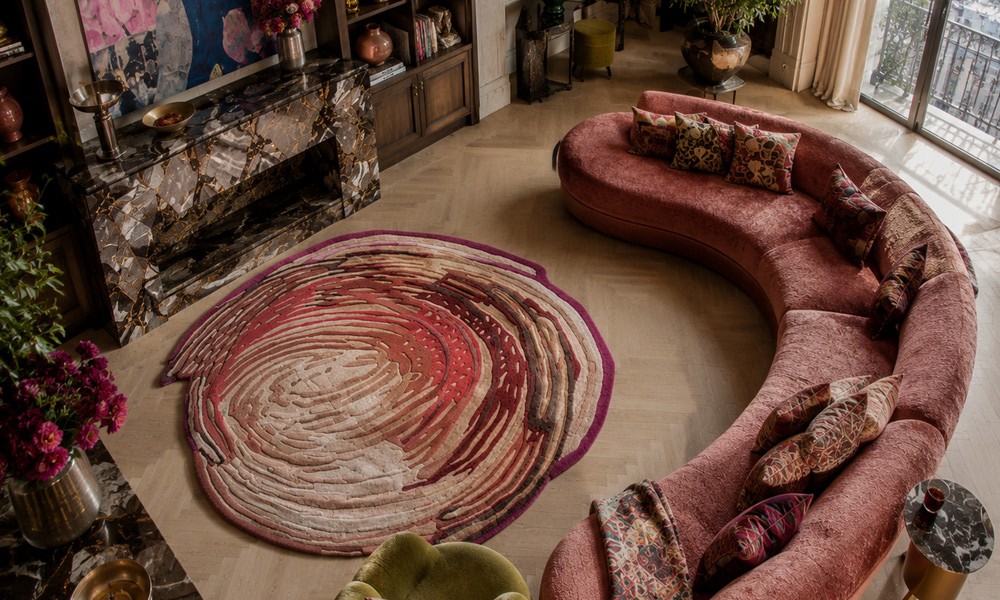
-
14 July 2026
- ∙
-
13 Min Read
3D Rugs and Sculpted Pile: The Tactile Design Trend Redefining Floors in 2026
The rug used to finish a room. Now it starts one. 3D rugs and sculpted piles are bringing real depth and tactile texture to interiors, from hand knotted relief patterns to optical illusion designs that stop you mid-step. This is what the trend is, why it matters, and how to buy it well.
Read Article →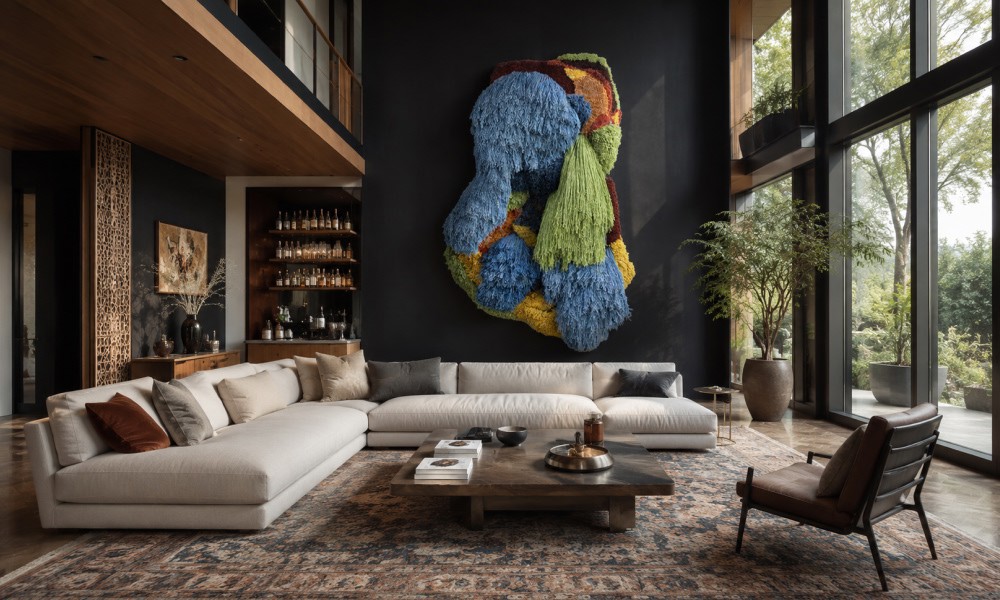
-
10 July 2026
- ∙
-
10 Min Read
How to Pair Indian Wall Art with the Right Rug Pattern: A Room-by-Room Guide
Choosing the right rug to go with your Indian wall art does not have to be guesswork. This guide breaks it down room by room, from the living room to the bathroom and outdoor spaces. Learn how to match colors, patterns, and scale so your wall art and rug always feel like they belong together.
Read Article →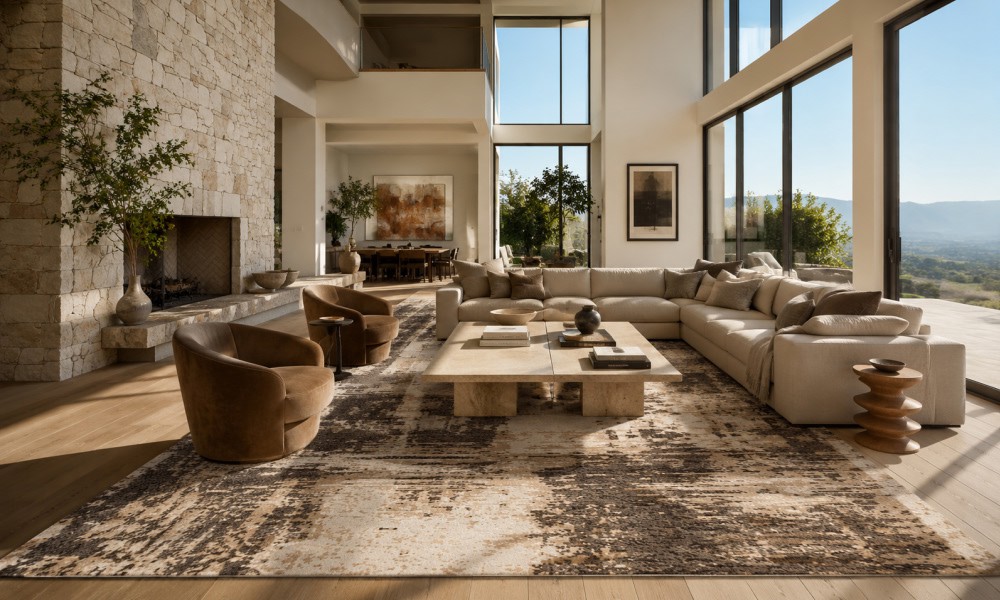
-
07 July 2026
- ∙
-
9 Min Read
How to Tell If a Rug Is Handmade: 7 Signs Experts Look For (Abrash Is One of Them)
Wondering how to know if a rug is handmade? Get an overview of 7 key characteristics that will help you identify if a rug is truly handmade and learn about its differences compared to machine-made rugs, and why they do not lose their value. Here is what to keep in mind when buying a handmade rug.
Read Article →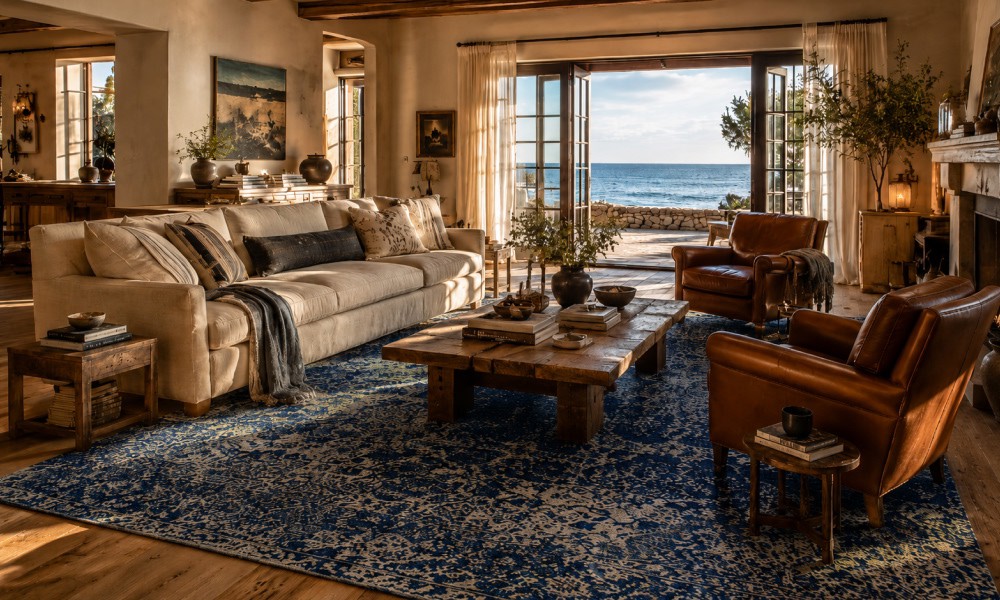
-
04 July 2026
- ∙
-
8 Min Read
Coastal Grandmother Is Evolving: The 2026 "Coastal Heritage" Aesthetic and the Rugs That Define It
The coastal grandmother design is progressing into something new and exciting by 2026. Coastal Heritage introduces texture, craftsmanship, and handmade elements to this popular design style. Here are the various rug types, colors, and decorating ideas to know about this classic coastal design trend.
Read Article →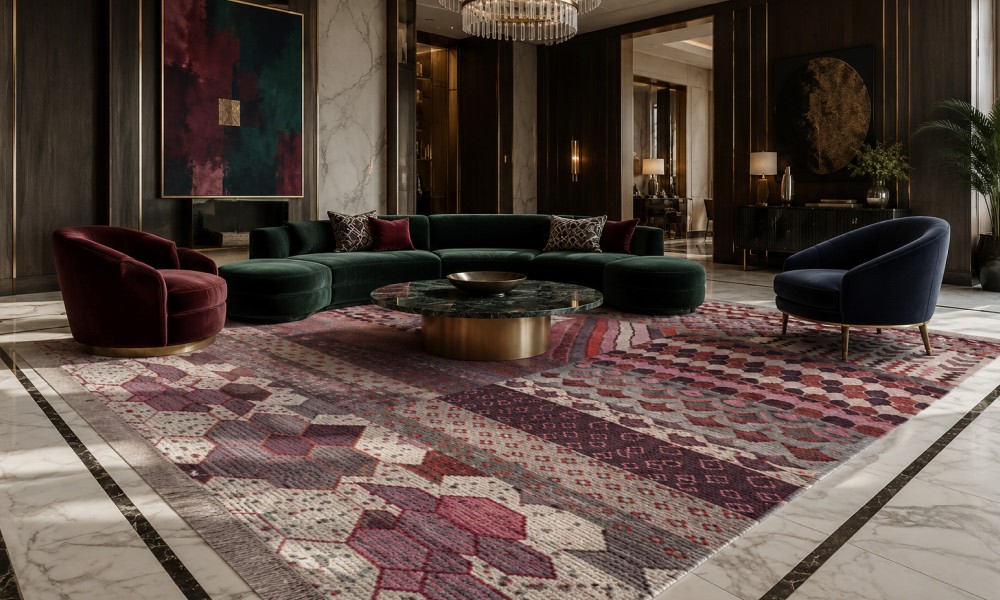
-
22 June 2026
- ∙
-
6 Min Read
Why Top Interior Designers are Switching to Indian Handmade Rugs
High-end interior designers have begun using handmade carpets from India in place of machine-made carpets to enhance their design portfolios and ensure product longevity. The following guide will help you understand why design professionals prefer Jaipur Rugs for creating customized, ethically produced wool-and-bamboo-silk carpet designs for luxurious homes.
Read Article →