You are on our International website. Please select your region to see content specific for your location





 Profile
 Orders
 Wishlist
 Change Password
 Logout


Latest Blogs

ideas and inspiration
Why Hand-Knotted Silk Rugs Are the Pinnacle of Luxury
- 09 February 2026
- |
- 9 Min Read
- |
- By Jaipur Rugs
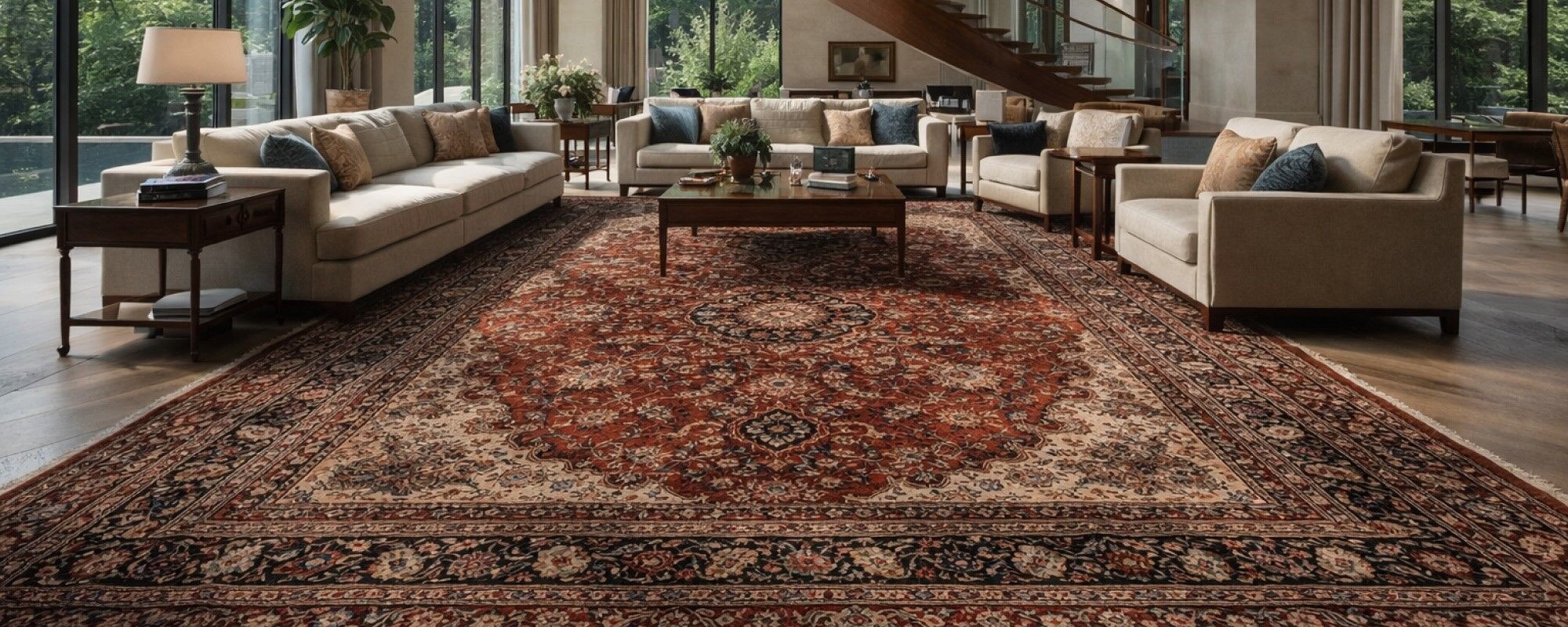
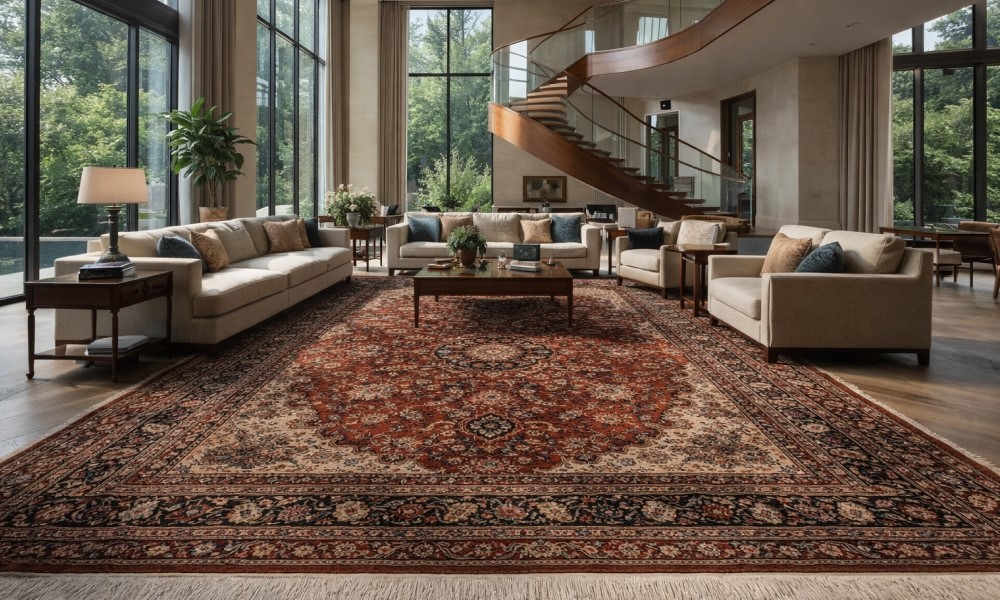
Are luxury silk rugs worth the price? We explore the craftsmanship behind hand-knotted silk rugs and why they outperform tufted alternatives. Learn about the benefits of silk, how to spot quality, and why these pieces remain the ultimate symbol of luxury for modern homes.
There is something undeniably special about walking into a room that just feels “right.” The lighting is perfect, the furniture is inviting, and the floor… well, it's usually where the magic happens. If you have ever stepped onto a surface that felt more like a cloud than a carpet, you have likely experienced the charm of hand-knotted silk rugs.
For centuries, these pieces have been more than just floor coverings. They are art. They are history. And in the world of interior design, they are widely considered the ultimate status symbol. But why? What makes them so different from everything else on the market?
If you are currently designing your dream home or just looking to elevate your living space, you might be wondering if luxury silk rugs are actually worth the hype. Let’s be honest, they aren’t cheap. But when you peel back the layers of craftsmanship, material quality, and sheer beauty, the reasoning becomes clear.
Here is a deep dive into why these rugs are the crown jewel of home decor, and why they might just be the best investment you make for your home.
It Starts with the Craftsmanship
To understand the value, you have to understand the process. We aren’t talking about something churned out by a machine in twenty minutes. We are talking about handmade rug quality that is becoming increasingly rare in our fast-paced world.
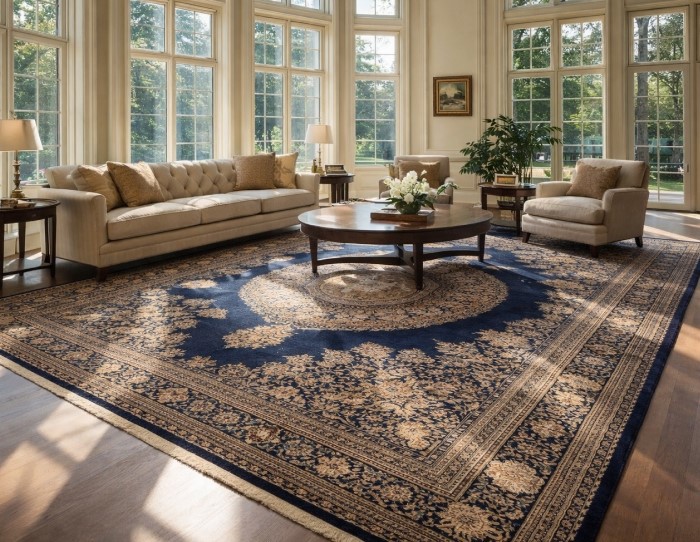
A single hand-knotted silk rug can take artisans months, sometimes even years, to complete. Each knot is tied by hand. Think about that for a second. Millions of tiny knots, individually secured by a human being who has likely spent decades mastering the skill. This intricate process is what gives the rug its durability and its incredibly detailed design.
This is the main difference between hand knotted rugs and other varieties. While other methods rely on glue or backing fabric to hold the pile together, a hand-knotted piece is structurally integral. The pile is the knot. This means it doesn’t just fall apart over time; it often gets better, settling into the space and developing a character that mass-produced items just can’t replicate.
The “Silk” Difference
When we talk about best silk area rugs, we are talking about a material that is in a league of its own. Silk is often misunderstood as fragile because it looks so delicate. It shimmers. It changes color depending on where you stand in the room. It feels incredibly soft underfoot.
But silk is actually one of the strongest natural fibers on the planet. Its tensile strength is remarkably high. So, while luxury hand-knotted rugs made of silk look like delicate paintings for your floor, they are tough enough to handle life.

The visual impact is where silk really shows off. Wool absorbs light, giving a matte, cozy look. Silk, on the other hand, reflects light. This gives the rug a dynamic quality. In the morning sunlight, the colors might look bright and vibrant. By candlelight at dinner, the same rug might look deep, moody, and rich. This ability to play with light is one of the key benefits of hand-knotted silk area rugs. It makes the room feel alive.
Comparing the Investment
A common question people ask is why hand-knotted silk rugs are worth the investment. It is a fair question. You can buy a rug for a fraction of the price at a big-box store.
However, mass-market rugs are essentially disposable. You buy them, they look okay for a year or two, they start to shed or curl at the corners, and then you throw them out and buy another one. Over a decade, you might buy three or four cheap rugs.
A hand-knotted silk rug is an heirloom. It is the kind of piece you pass down to your children. Because of their high knot count and silk quality, these rugs hold their value exceptionally well. In the art world, they are often treated as assets.
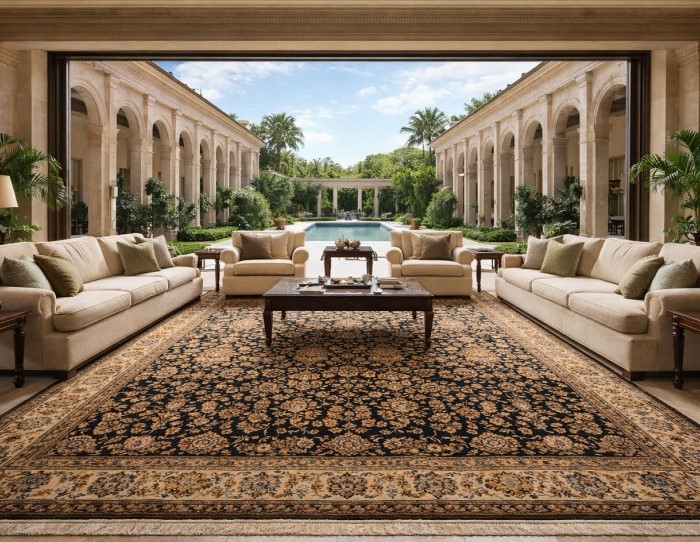
It is also important to distinguish these from hand tufted rugs. A tufted rug might look thick and plush, but the fibers are just punched into a canvas and glued. The glue eventually dries out, breaks down, and releases the fibers.
That is why they shed so much. With a hand-knotted silk piece, you are paying for longevity. You are buying something that is built to last for generations, not just for a season.
Styling Luxury Homes
Designers love hand-knotted silk rugs for luxury homes because they are incredibly versatile. They bridge the gap between classic elegance and modern minimalism.
If you have a room with neutral furniture, think cream sofas, glass tables, and light wood- a silk rug can be the anchor that ties it all together. It adds texture and color without being screamingly loud.

For those who want a specific look, custom rugs are becoming a popular route. Since hand-knotted pieces are made by artisans, you aren’t limited to what is in stock. You can dictate the pattern, the color palette, and the scale to fit your exact vision.
Size matters too. A common mistake is buying a rug that is too small, which makes the room feel disjointed (“the postage stamp effect”). In a grand living room or a formal dining area, you need real estate. You might look for specific dimensions like 270x300 cm rugs to ensure all your furniture legs sit comfortably on the pile, creating a cohesive “island” for your seating area.
Durability and Practicality
There is a myth that you can’t walk on silk rugs. People think they are museum pieces that should be hung on walls (which, to be fair, you absolutely can do). But they are meant to be used.
The density of the knots prevents dust and dirt from settling deeply into the rug's foundation. On a loose-weave rug, dirt sinks to the bottom and acts like sandpaper, wearing out the base fibers. On a high-quality silk rug, the dirt stays on the surface where it can be easily vacuumed away.
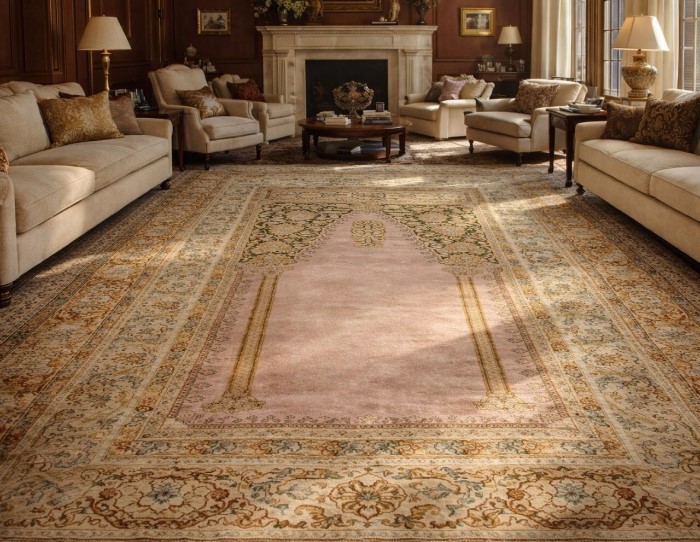
If you love the look of silk but are worried about high-traffic areas like hallways or family rooms with kids, you might consider blends. Wool and silk rugs offer a fantastic compromise. You get the sturdiness and “bounce” of wool, combined with the shimmering highlights of silk in the pattern details. It gives you that luxury look with a bit more rugged utility.
For a different kind of sheen that mimics silk at a different price point, you might also encounter Wool and bamboo silk rugs. These are gaining popularity for their sustainability and softness, offering a similar aesthetic vibe for modern homes.
Making a Statement with Scale
Nothing says luxury quite like scale. In spacious open-plan homes, oversized rugs are essential. A tiny rug gets lost in a big room. A massive hand-knotted silk rug, however, acts as a foundation. It defines the zone.

When you roll out a large silk rug, you are essentially painting the floor. The intricate floral motifs or geometric tribal patterns become a landscape for your furniture. Because silk takes dye so well, the colors in these large pieces are often more vibrant and nuanced than anything you will see in synthetic alternatives.
Taking Care of Your Masterpiece
Once you have made the investment, knowing how to care for hand-knotted silk rugs is crucial to keeping them looking pristine.
The good news is that it isn’t as scary as it sounds. You don’t need to treat it with kid gloves, but you do need to be sensible.
-
Vacuum Gently: Use a suction-only vacuum or turn off the beater bar. The rotating brush can pull on silk fibers, causing fuzziness over time.
-
Rotate It: Sunlight is powerful. If your rug sits near a window, rotate it every six months to ensure it fades evenly (all natural dyes will mellow over time, which is actually part of their charm).
-
Handle Spills Immediately: Silk is absorbent. If you spill wine or coffee, blot it instantly with a clean white cloth. Do not rub. Rubbing destroys the fiber structure.
-
Professional Cleaning: Do not attempt to steam-clean a silk rug yourself. Water temperature and pH levels are critical. Send it to a professional who specializes in fine, handmade textiles.
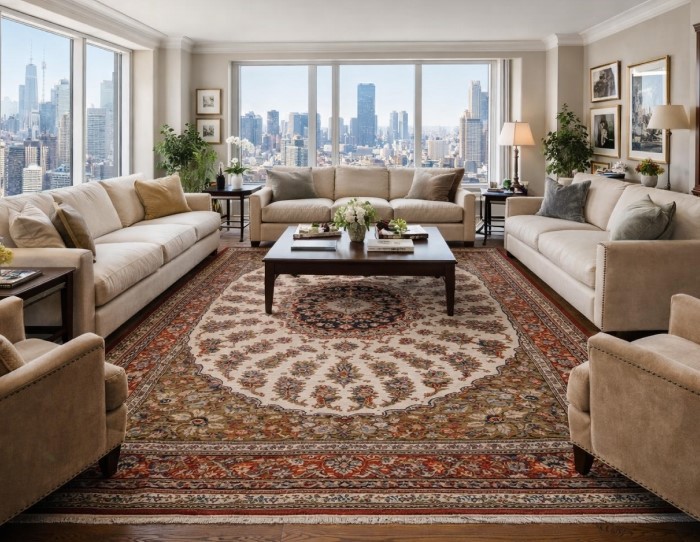
The Final Verdict
So, are they worth it?
If you view your home as a sanctuary and appreciate objects with a soul and a story, then the answer is yes. Why hand-knotted silk rugs are worth the investment ultimately comes down to the feeling they evoke. It is the feeling of luxury, of comfort, and of owning a piece of art that was crafted with intention.
Whether you are looking for a statement piece for your foyer or a soft landing for your bedroom, luxury rugs in silk offer a level of sophistication that is hard to beat. They transform houses into homes and rooms into experiences.
In a world full of fast furniture and temporary trends, choosing quality is a radical act. And when that quality comes in the form of thousands of hand-tied silk knots, the result is nothing short of spectacular.
FAQs
How can I tell if a silk rug is real or fake?
The quickest method is the “rub test.” Vigorously rub the pile with your hand; real silk will feel warm, while artificial silk (viscose/rayon) stays cool. Real silk also has a high tensile strength, whereas fake silk breaks easily when wet.
Do I need a rug pad for a hand-knotted silk rug?
Yes. Silk rugs are thinner and finer than wool. A high-quality felt or rubber pad prevents slipping, protects the rug's knots from hard floors, and extends the rug's life.
What is a good knot count for a silk rug?
Look for at least 500 Knots Per Square Inch (KPSI). Because silk is so fine, artisans can tie incredibly dense knots. The higher the count, the more detailed the design and the more durable the rug.
Do hand-knotted silk rugs shed?
No. Real silk is a continuous filament fiber that does not shed or pill. If your rug is shedding significantly, it is likely a blend or made of viscose/bamboo silk, not pure mulberry silk.
Which countries produce the best hand-knotted silk rugs?
Persian (Qum) rugs are the traditional gold standard. However, Indian (Kashmir) and Turkish (Hereke) silk rugs are also world-renowned for their exceptional quality and investment value.
What is the difference between Bamboo Silk and Real Silk?
Real silk is a natural protein fiber that is strong and long-lasting. Bamboo silk is a cellulose fiber (viscose) that mimics the look of silk but is less durable and harder to clean. Real silk is an asset; bamboo silk is decorative.
Why does my rug look light from one side and dark from the other?
This is due to “directional pile,” a hallmark of handmade quality. When you look “into” the nap, colors appear deep and rich. When you look “with” the nap, the silk reflects light, making the rug appear brighter and shinier.


Pic Credits
Jaipur rugs / Abil Dase
Share
-
 Facebook
-
 Twitter
-
 Email
Email
Related Posts
-
15 July 2026
- ∙
-
8 Min Read
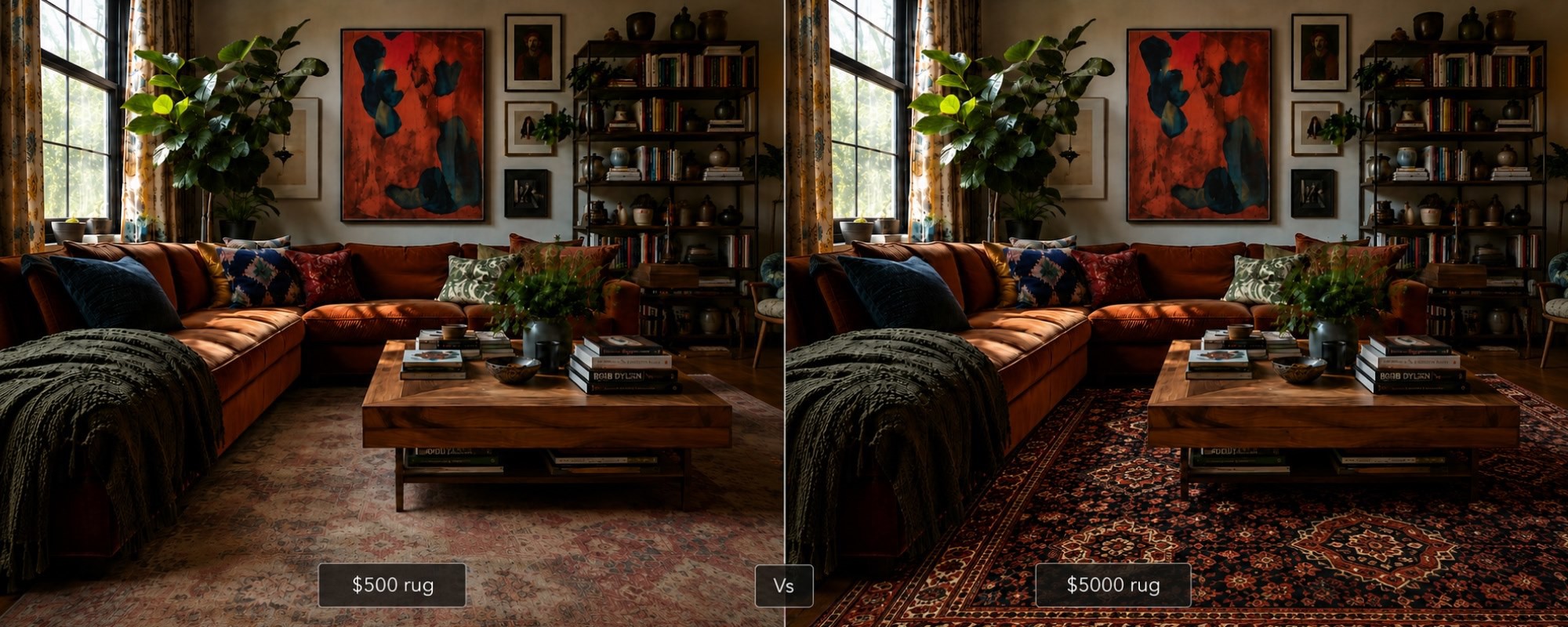
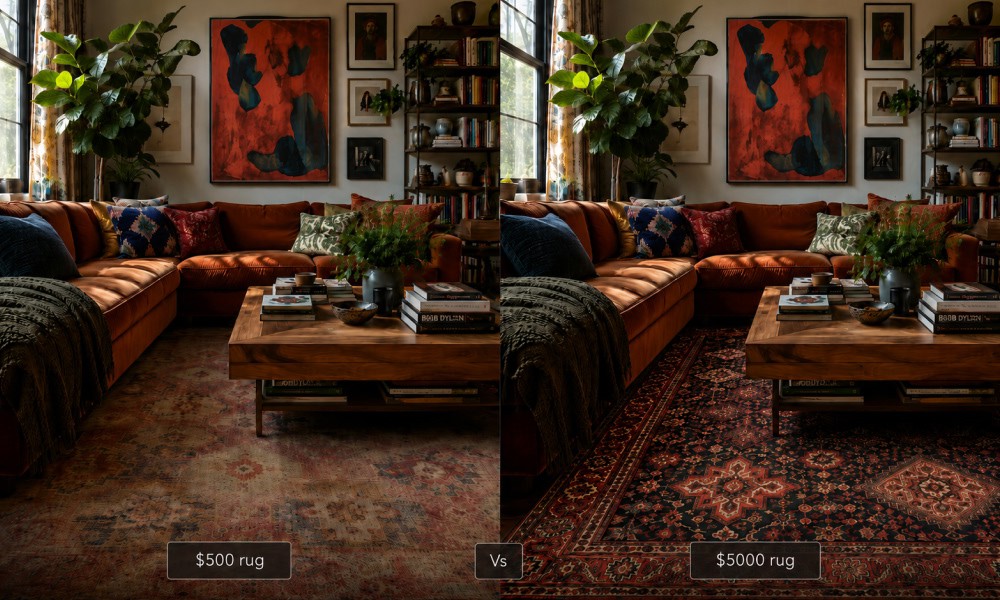
The $500 vs $5,000 Rug: An Honest Side-by-Side That No Brand Will Show You
Why do some rugs cost ten times more than others? This honest side-by-side looks at what actually separates a $500 rug from a $5,000 one: knot density, fiber quality, pile depth, and finishing. No brand bias, no marketing language. Just a clear breakdown to help you decide which one is worth it for your space and budget.
Read Article →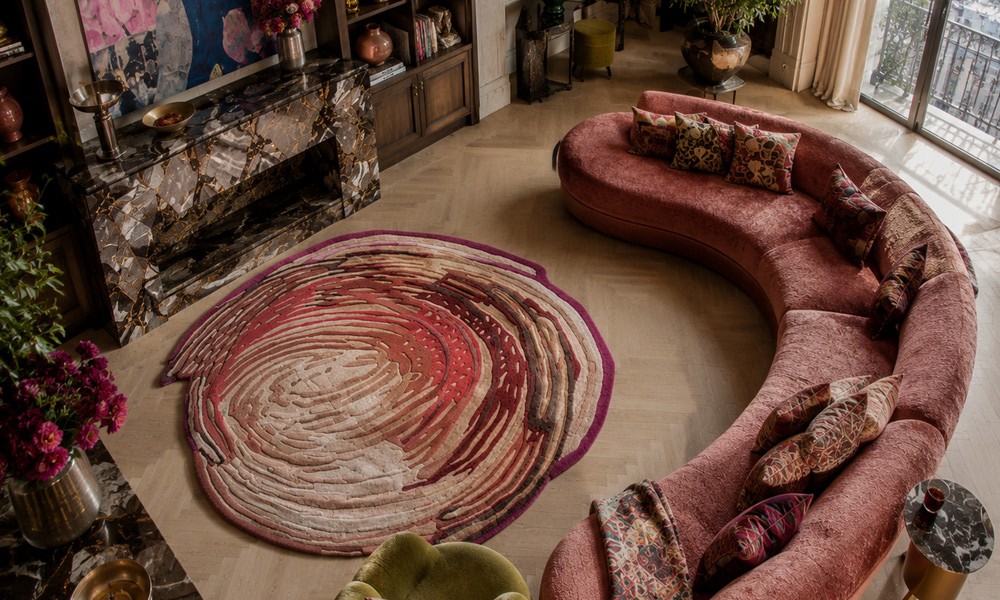
-
14 July 2026
- ∙
-
13 Min Read
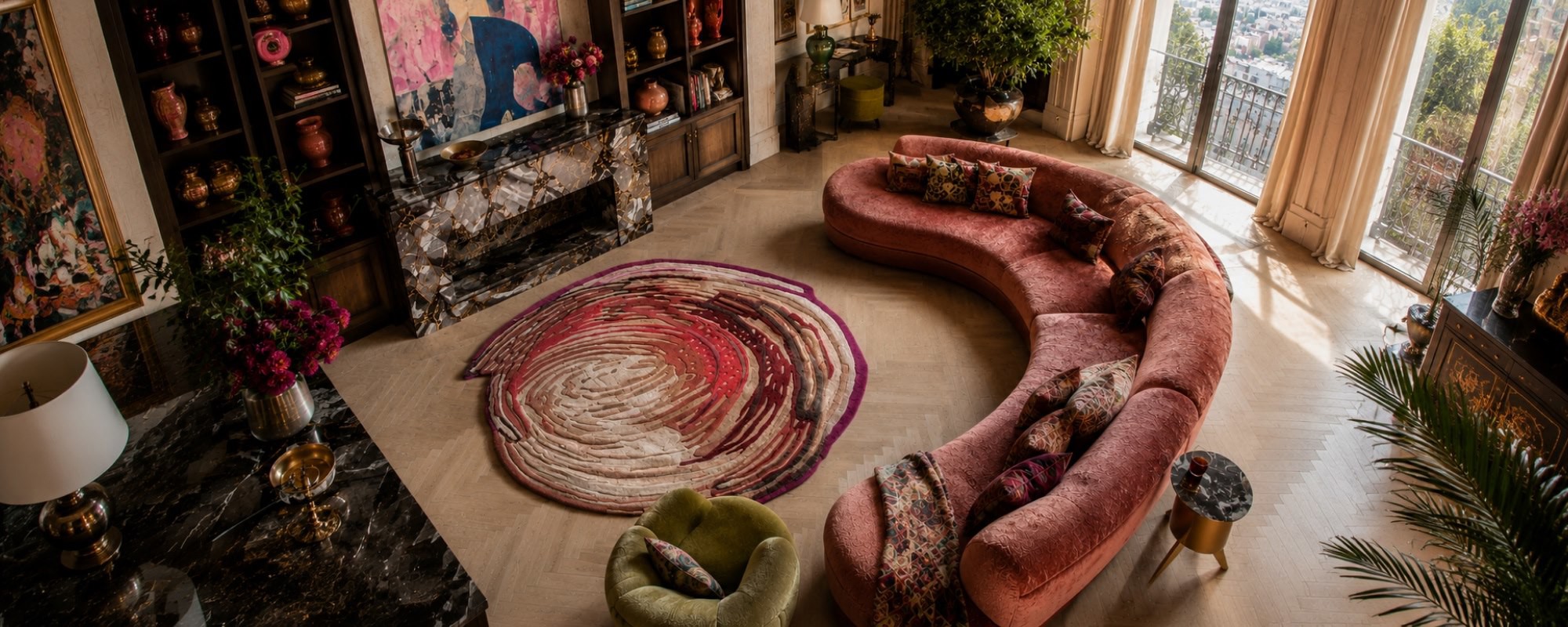
3D Rugs and Sculpted Pile: The Tactile Design Trend Redefining Floors in 2026
The rug used to finish a room. Now it starts one. 3D rugs and sculpted piles are bringing real depth and tactile texture to interiors, from hand knotted relief patterns to optical illusion designs that stop you mid-step. This is what the trend is, why it matters, and how to buy it well.
Read Article →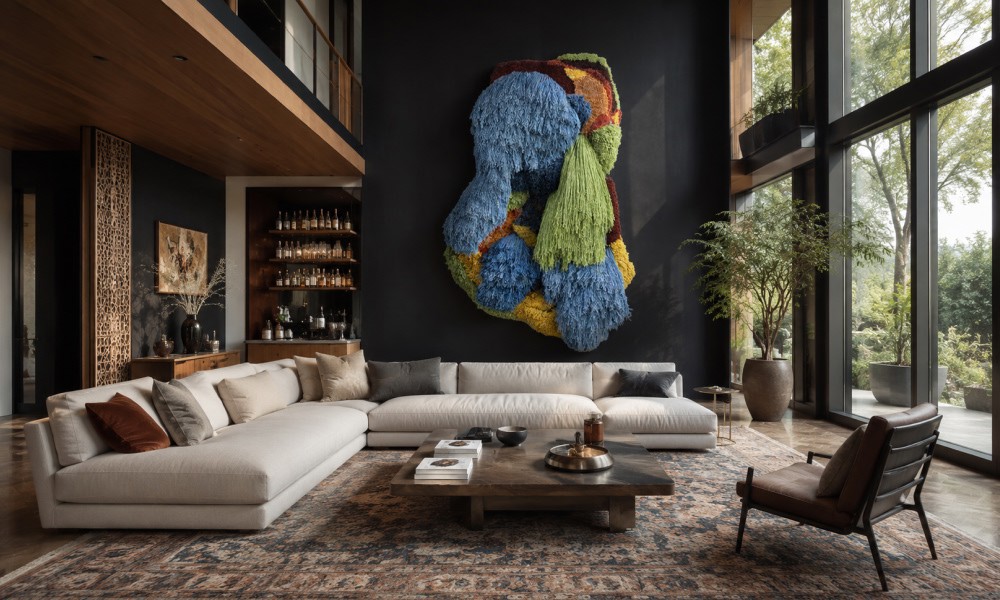
-
10 July 2026
- ∙
-
10 Min Read
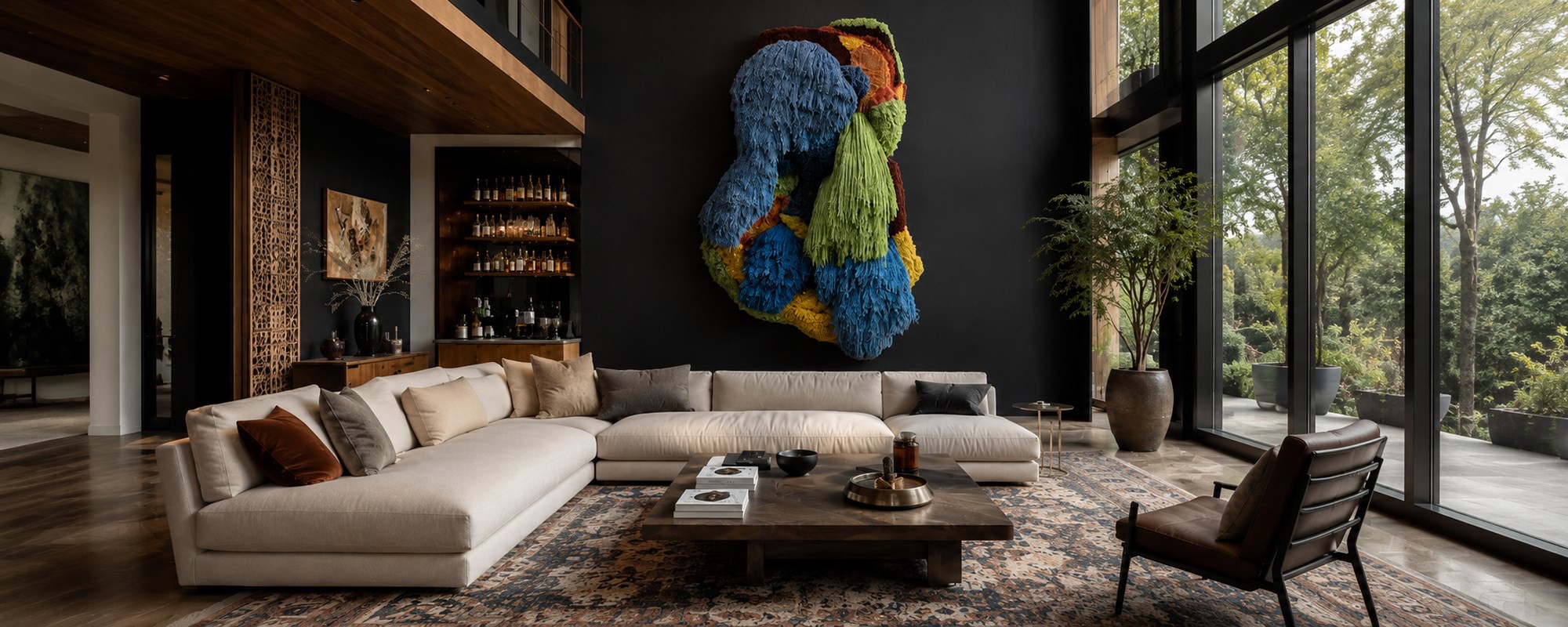
How to Pair Indian Wall Art with the Right Rug Pattern: A Room-by-Room Guide
Choosing the right rug to go with your Indian wall art does not have to be guesswork. This guide breaks it down room by room, from the living room to the bathroom and outdoor spaces. Learn how to match colors, patterns, and scale so your wall art and rug always feel like they belong together.
Read Article →
-
07 July 2026
- ∙
-
9 Min Read
How to Tell If a Rug Is Handmade: 7 Signs Experts Look For (Abrash Is One of Them)
Wondering how to know if a rug is handmade? Get an overview of 7 key characteristics that will help you identify if a rug is truly handmade and learn about its differences compared to machine-made rugs, and why they do not lose their value. Here is what to keep in mind when buying a handmade rug.
Read Article →
-
04 July 2026
- ∙
-
8 Min Read
Coastal Grandmother Is Evolving: The 2026 "Coastal Heritage" Aesthetic and the Rugs That Define It
The coastal grandmother design is progressing into something new and exciting by 2026. Coastal Heritage introduces texture, craftsmanship, and handmade elements to this popular design style. Here are the various rug types, colors, and decorating ideas to know about this classic coastal design trend.
Read Article →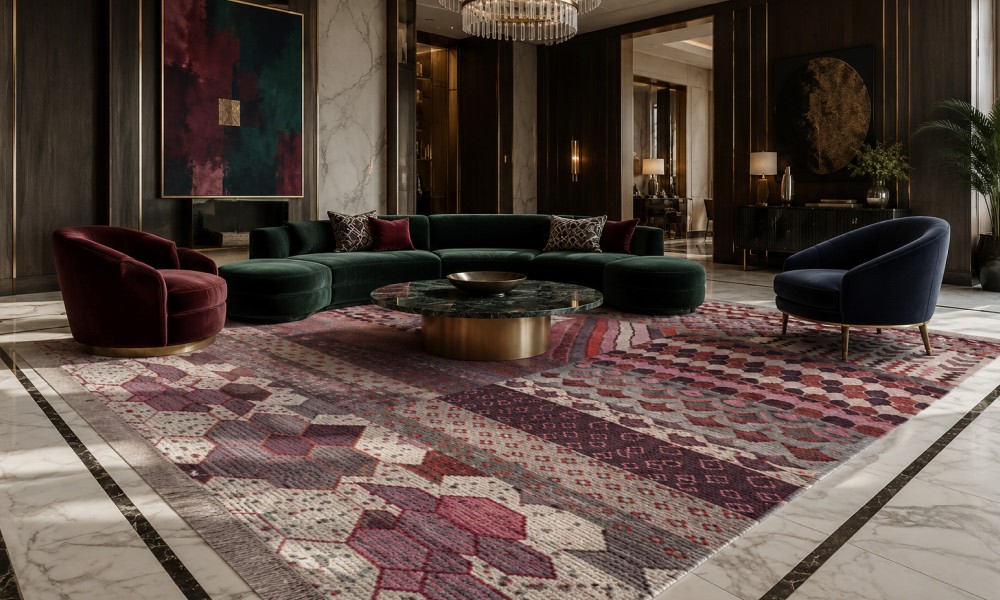
-
22 June 2026
- ∙
-
6 Min Read
Why Top Interior Designers are Switching to Indian Handmade Rugs
High-end interior designers have begun using handmade carpets from India in place of machine-made carpets to enhance their design portfolios and ensure product longevity. The following guide will help you understand why design professionals prefer Jaipur Rugs for creating customized, ethically produced wool-and-bamboo-silk carpet designs for luxurious homes.
Read Article →