You are on our International website. Please select your region to see content specific for your location




 Living Room
 Dining Room
 Bedroom
 Kids Room
 Outdoor
 Irregular
 Runner
 Hand Knotted
 Hand Tufted
 Hand Loom
 Flat Weaves
 Shag
 Modern
 Transitional
 Traditional
 Minimalist
 Bohemian
 Eclectic
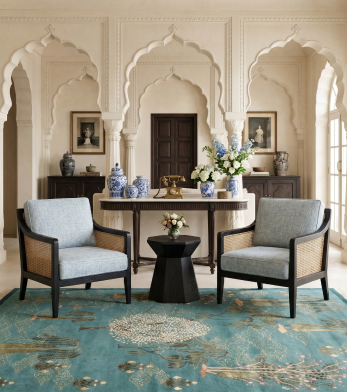 Maximalist
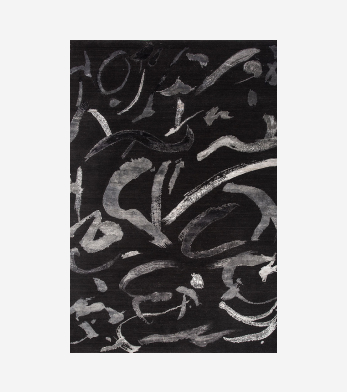 Monochromatic
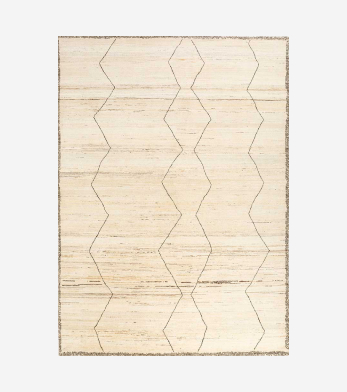 Neutrals
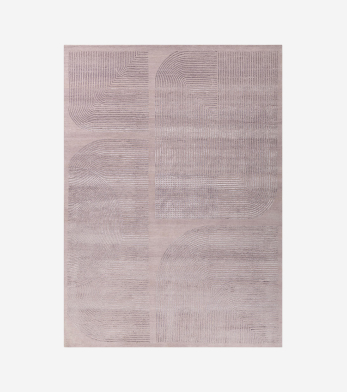 Pastels
 Vibrant
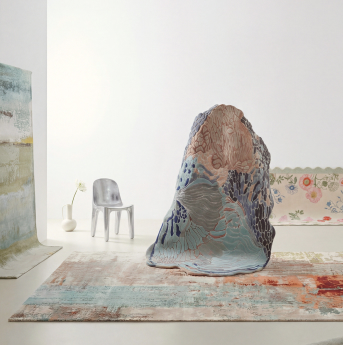
 Abstract
 Oriental
 Moroccan
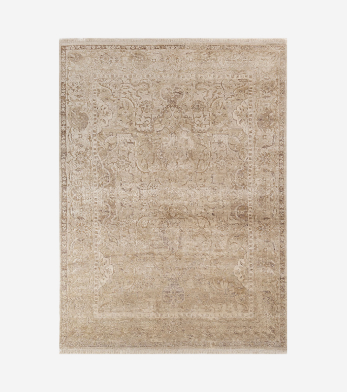 Distressed
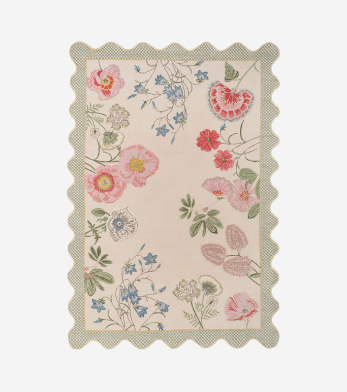 Floral
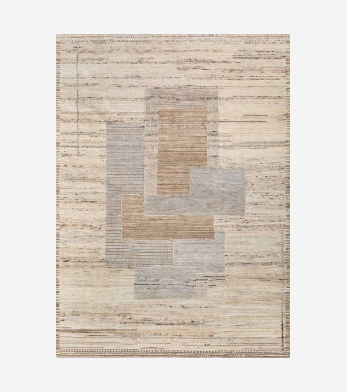 Geometric
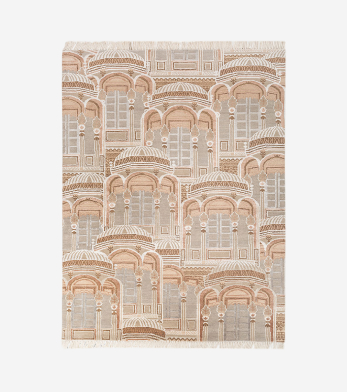 Graphic
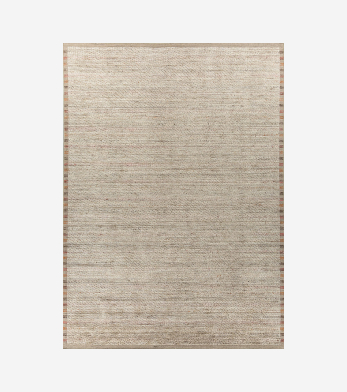 Solid
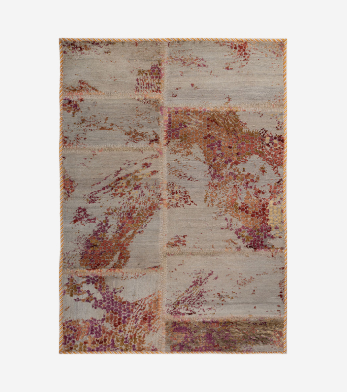 Patchwork
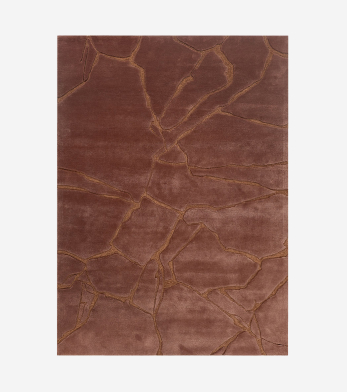 Genesis
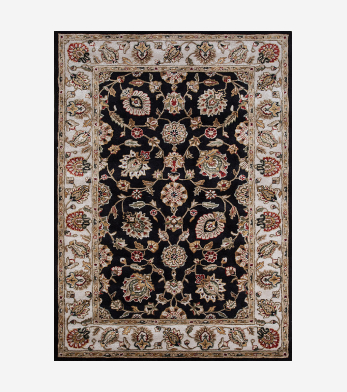 Kasbah
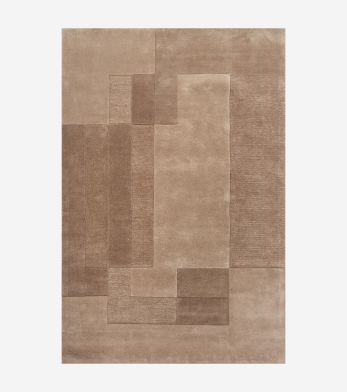 Cera
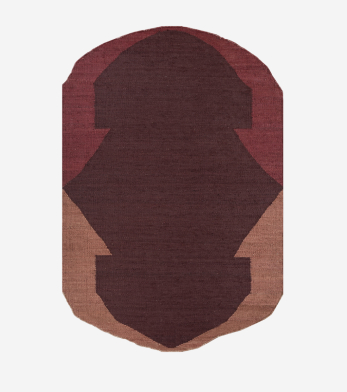 Daaira
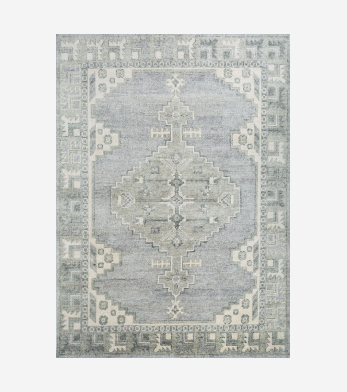 Savana
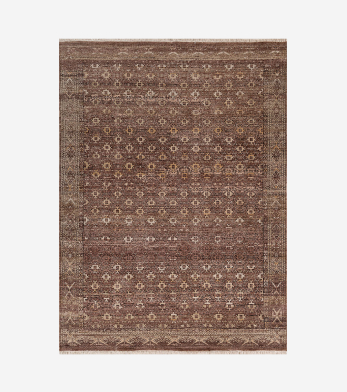 Someplace In Time
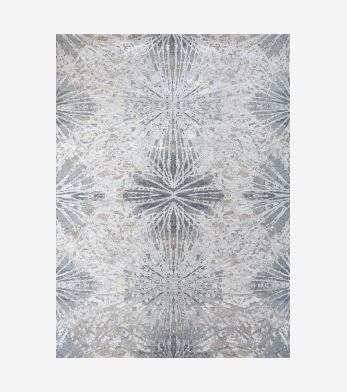 Chaos Theory By Kavi
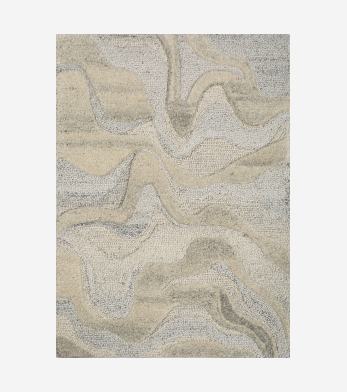 Pathways
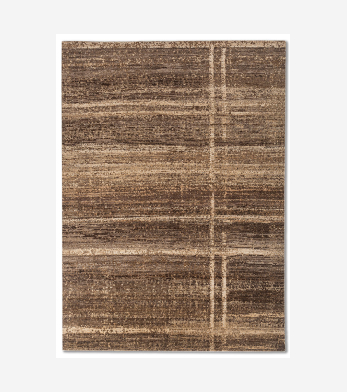 Manifest
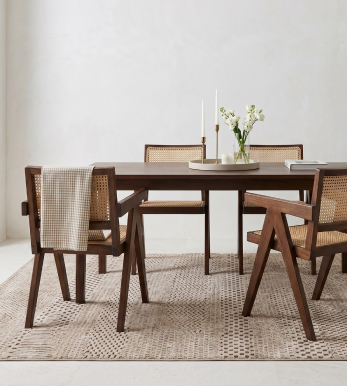
 Kengo Kuma
 VIMAR 1991
 Bodour Al Qasimi
 Richard Hutten
 Peter D'ascoli
 Vinita Chaitanya
 Tatiana De Nicolay
 Keith Pillow
 Kunaal Kyhaan Seolekar
 Pavitra Rajaram
 Ashiesh Shah
 Matteo Cibic
 Tania & Sandeep Khosla
 Gauri Khan
 Abin Chaudhuri
 Kavi
 Gabriel Hafner NEW
 Neeraj Patel
 Princess Pea
 Gurjeet Singh
 Lorenzo Vitturi
 Rug Warranty
 Stain Resistance
 Track Order
 The Founder
 The Company
 The Craft
 Sustainability
 Hospitality
 Retail
 Aviation
 Yacht
 Residential
 View all
 Stores
 My Account

 Trade
 Email Us
 Contact Us
 WhatsApp Chat
 Book Appointment
 Track Order


 Profile
 Orders
 Wishlist
 Change Password
 Logout


Latest Blogs
ideas and inspiration
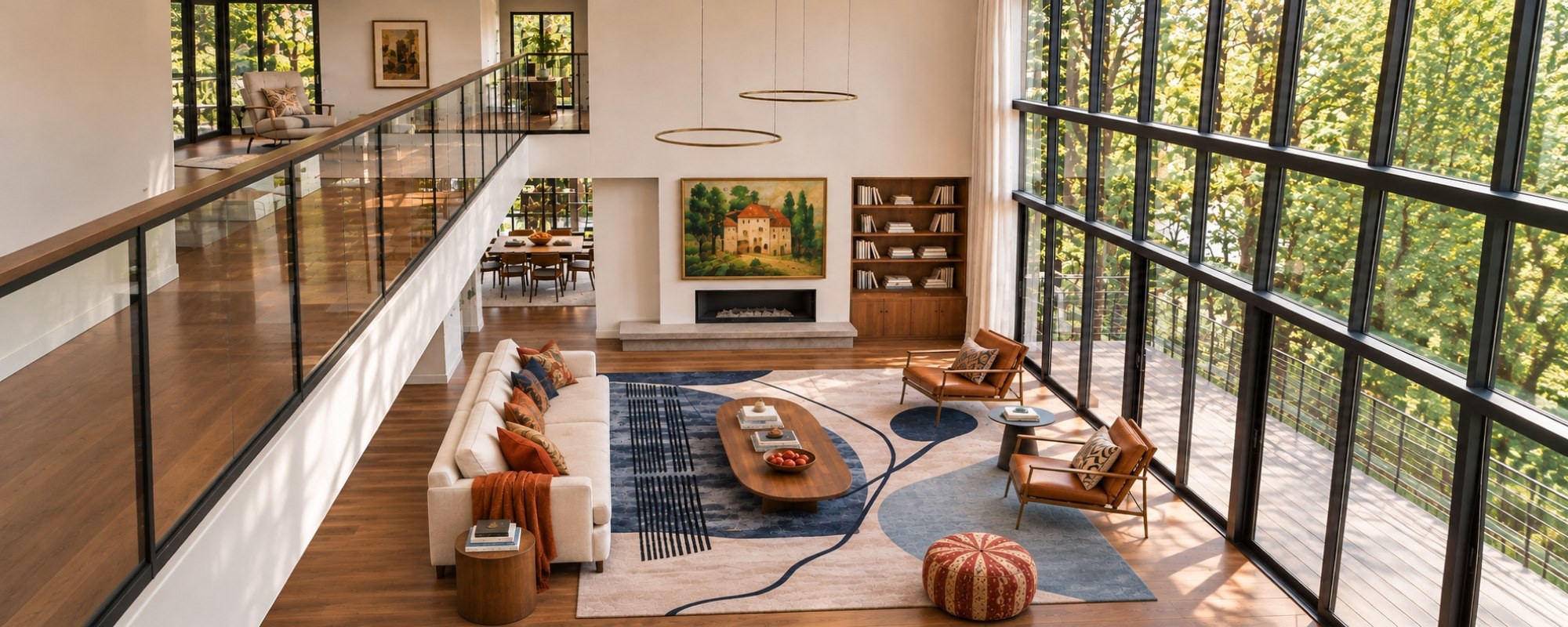
Living Room Rug Ideas That Actually Work (Sizing, Color, Placement)
- 25 August 2026
- |
- 12 Min Read
- |
- By Jaipur Rugs
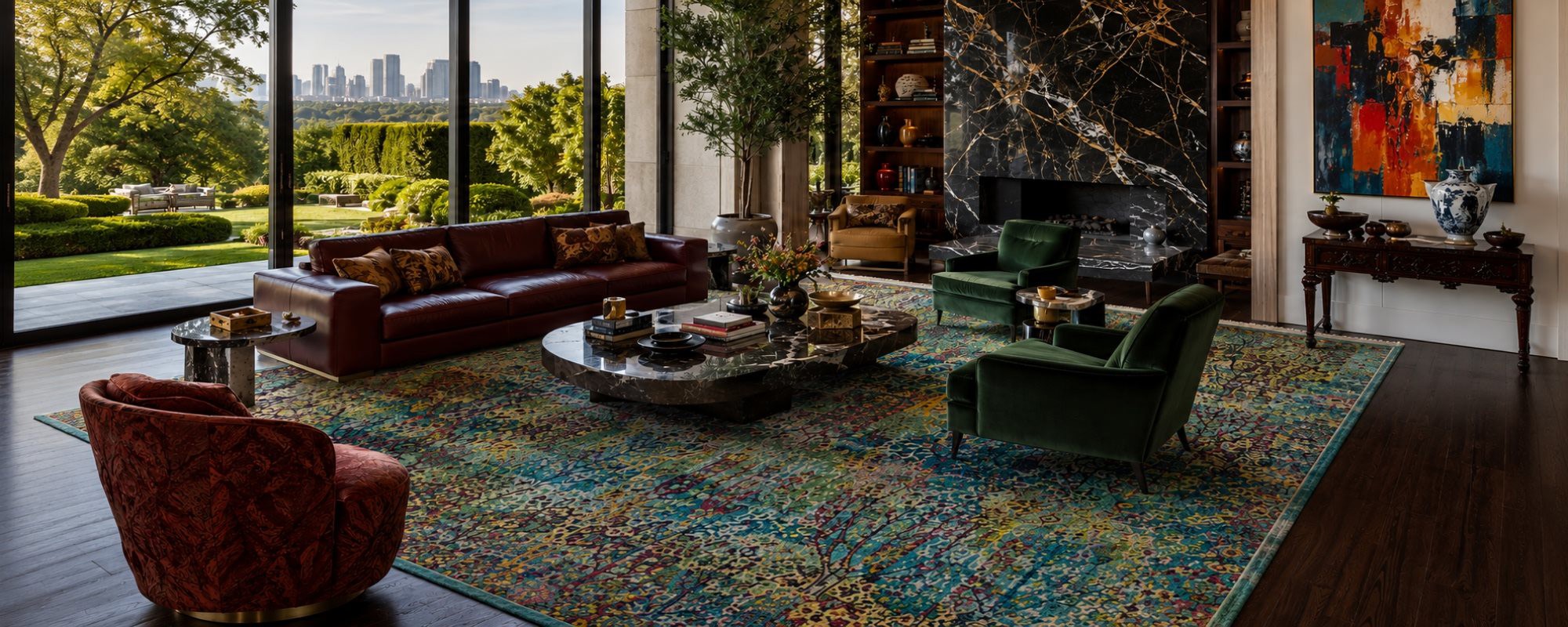
For most living rooms, an 8x10 rug is the right starting point. Step up to a 9x12 for larger or open-plan spaces. Place at least the front legs of your sofa and chairs on the rug. Wool is the best material for daily use. Match rug color to your existing palette. Size, material, and placement decided in that order.
Most people pick the rug last. That’s exactly why the room never feels finished.
The sofa is right. The lighting is considered. But people choose the rug in a hurry. Usually too small, usually the wrong color, usually after everything else is already in place. And then the room looks almost right. Just not quite.
A good living room rug doesn’t fill space. It creates it. It anchors your furniture, absorbs the sound of daily life, and quietly sets the tone for everything above it. Get it right, and you stop noticing the rug at all. The room just feels the way it's supposed to feel.
Here’s how to get it right.
Six Living Room Rug Ideas Worth Stealing
Before the rules, the ideas. Because that’s what makes a rug decision easier: seeing what works in a real room, not just reading specifications.
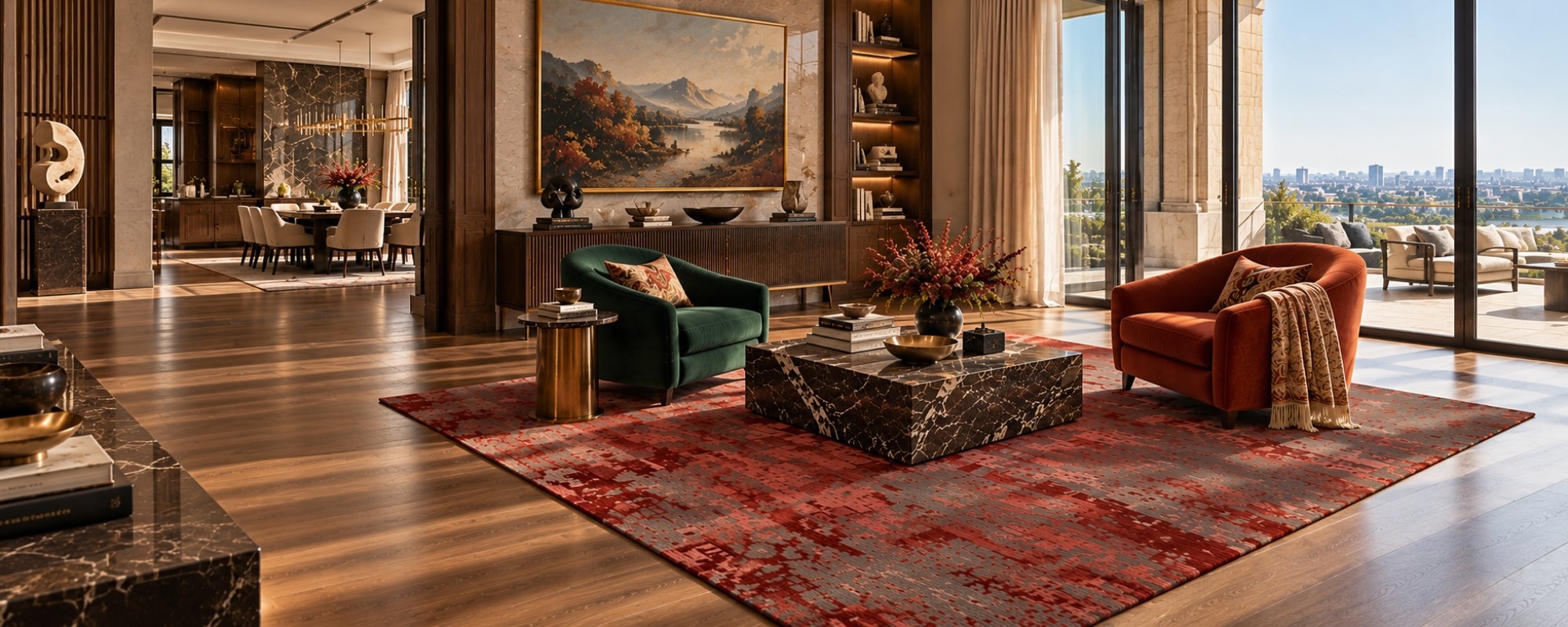
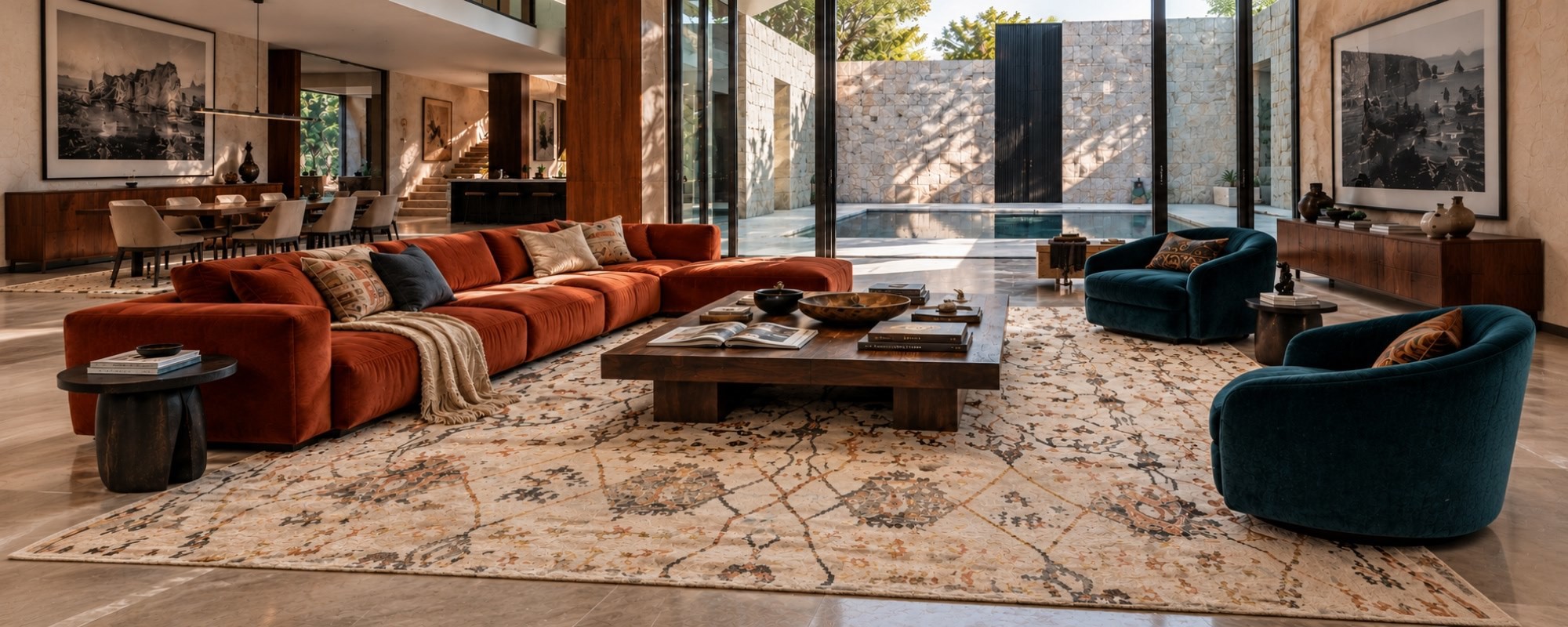
A large neutral rug that lets your furniture do the talking. An 8x10 or 9x12 in warm ivory, oatmeal, or stone. Works in almost any living room. Grounds the furniture without competing. Right call when your sofa has a strong color, or your curtains carry a print.
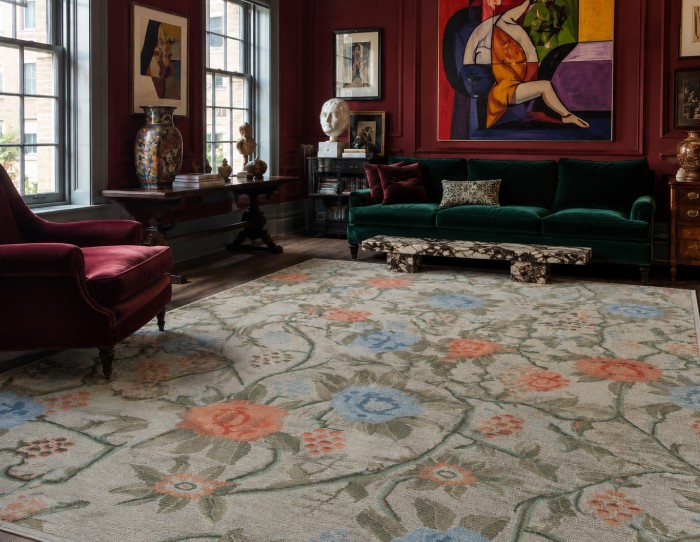
A hand-knotted wool rug with visible texture. Not a pattern. Texture. A high-low pile that changes how light falls across the floor. Works especially well in rooms that are otherwise flat: neutral walls, simple furniture, nothing especially interesting happening above the floor. The rug becomes an interesting thing.
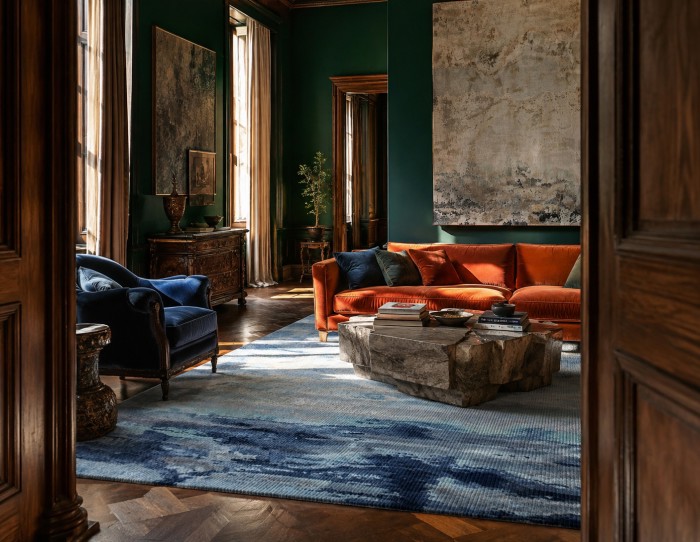
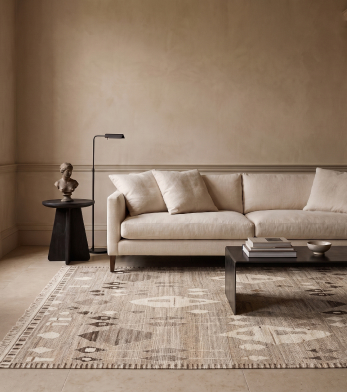
A geometric rug in a modern living room. Clean lines, structured repeat, two or three colors that tie back to something already in the room. Geometric rugs work particularly well in minimalist and contemporary spaces where you want order, not decoration.
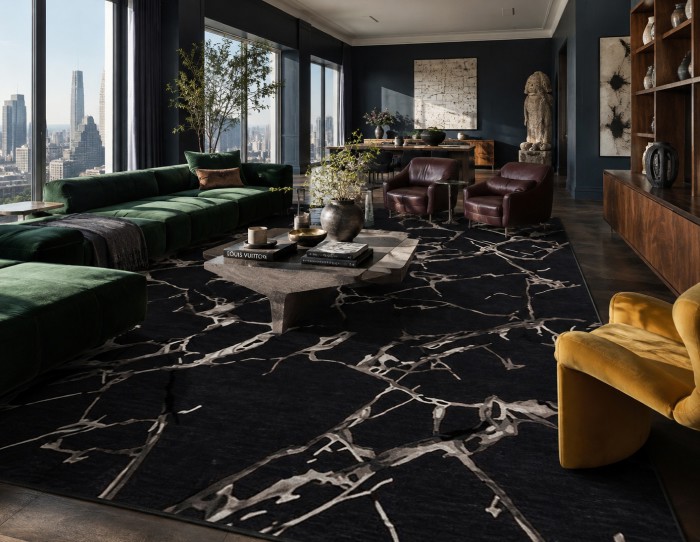
An abstract rug as the room’s focal point. If your seating is neutral and your walls are bare, an abstract living room rug is the fastest way to add personality. Bold, confident, and easier to live with than most people expect.
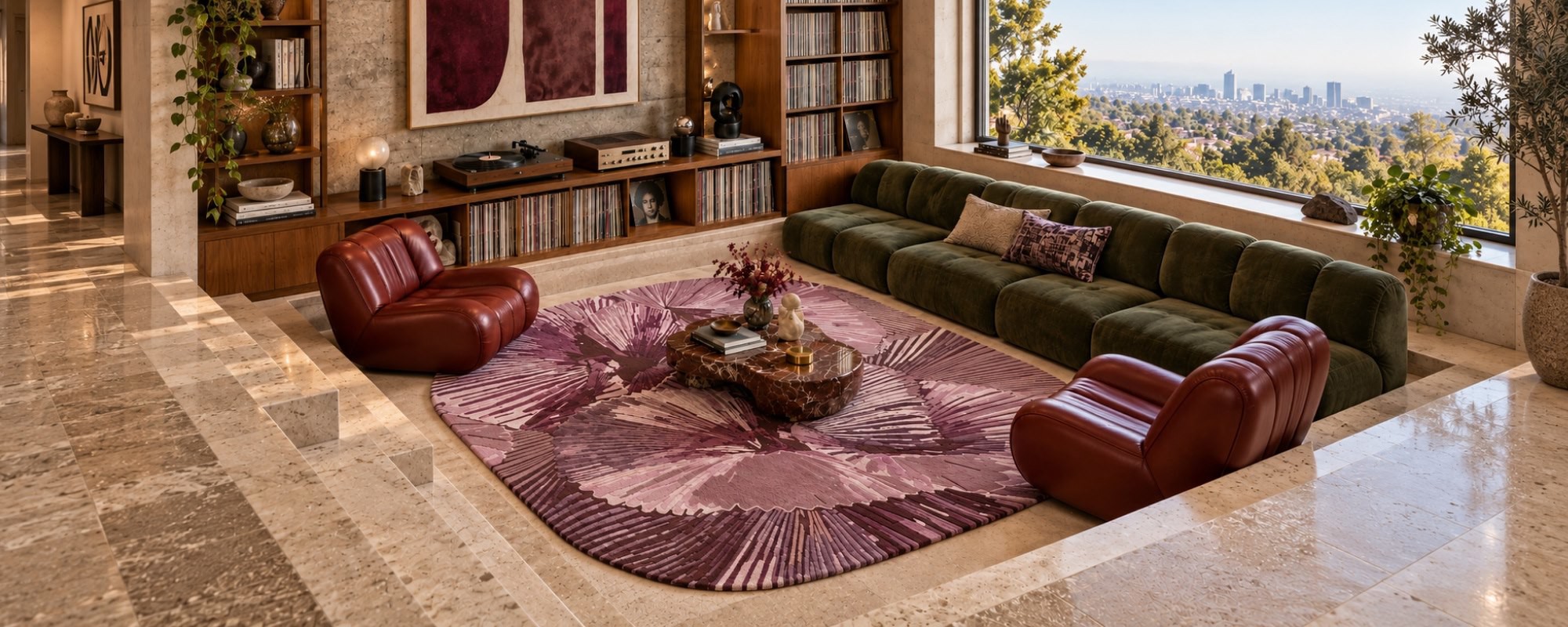
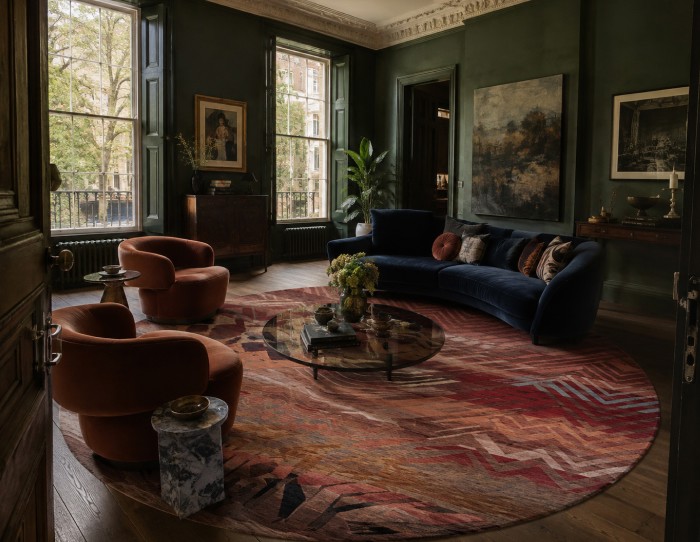
A round rug under a round coffee table. Designers have been doing this for years. A round rug in a room full of rectangular furniture softens the layout without requiring a single new purchase. It also makes the seating arrangement feel deliberate, not default.
Layered rugs for a lived-in, eclectic feel. A flat jute rug base, then a smaller hand-knotted piece centered on top. More depth, more personality, and the flexibility to swap the top layer as your taste evolves.
Now for the decisions that make any of these actually work.
What Size Rug Do You Actually Need for a Living Room?
For most living rooms, an 8x10 rug is the right starting point. For larger rooms or open-plan layouts, step up to a 9x12. Here’s how to choose the right size for your space.
The most common sizing mistake: going too small. A rug that only fits under the coffee table leaves your furniture floating. Nothing feels connected. The room reads as unfinished, even with expensive pieces.
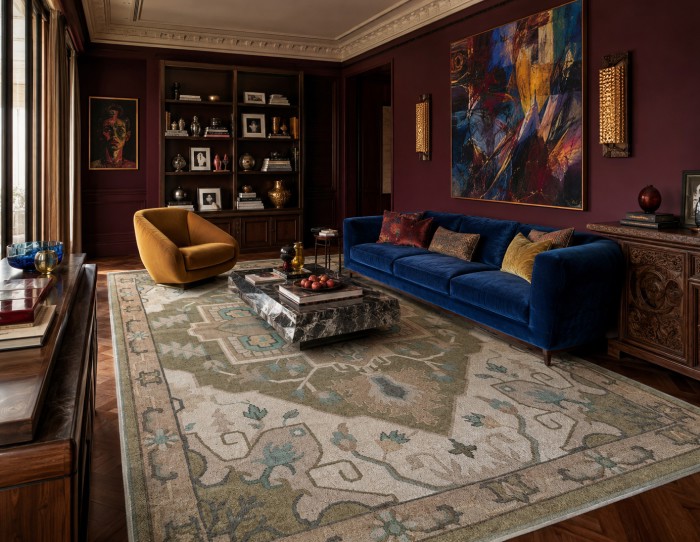
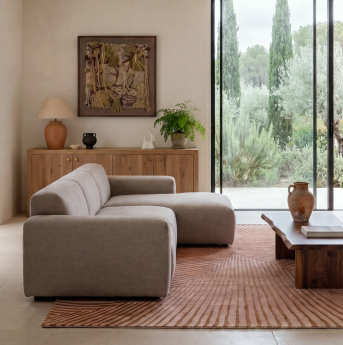
The rule that actually works: at minimum, the front legs of your sofa and all accent chairs should sit on the rug. That’s the baseline. If your room allows it, all four legs on the rug are even better. It creates a defined conversation zone, which is what a living room is for.
-
A 5x8 rug works in a compact living room where the seating is close together, and you’re not trying to fill a large floor. It’s the exception, not the starting point.
-
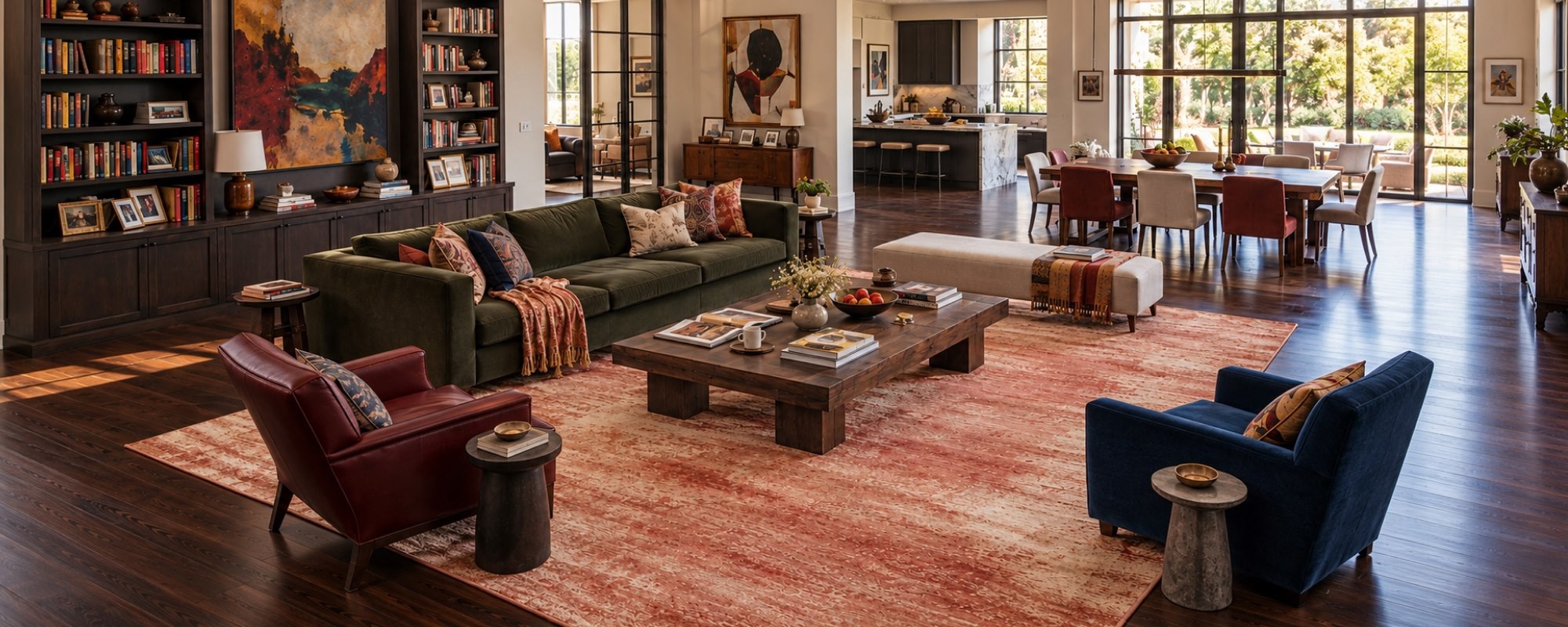
An 8x10 rug is the most common choice for a standard living room. It handles a three-seat sofa plus two accent chairs comfortably, with front legs on the rug and roughly 18 inches of bare floor visible along the walls. Browse 8x10 living room rugs if you’re already confident in size.
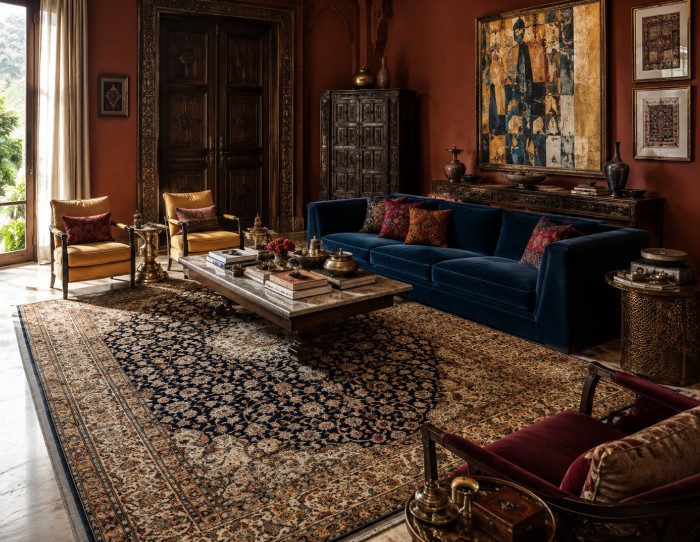
-
A 9x12 rug is right for larger rooms, open-plan layouts, or anywhere you want all furniture legs fully on the rug. A 9x12 in a 12x15 room leaves about 18 inches of floor on each side. That’s the sweet spot. Explore 9x12 rugs for living rooms here.
-
Oversized rugs (10x14 and beyond) work in very large rooms and in homes where the rug is meant to be a statement. They need space to breathe.
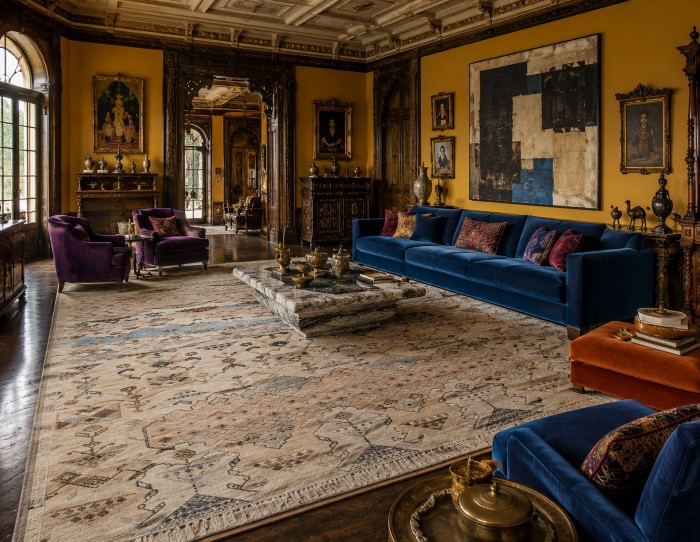
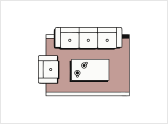
If you’re working with a sectional, the rules shift because the footprint is different. The rug size guide for living rooms with sectional sofas covers that configuration specifically.
Living Room Rug Placement: The Rules That Actually Matter
Sizing and placement go together. A well-sized rug in the wrong position still looks off.
-
For a standard rectangular living room: center the rug under the coffee table and pull it far enough that the front legs of your sofa and chairs rest on it. Leave consistent margins on all sides where the rug meets the walls. Uneven margins make the placement look accidental.
-
For floating furniture layouts, where your sofa sits in the middle of the room rather than against a wall, size up. The rug needs to contain the full seating arrangement, not just peek out from underneath it.
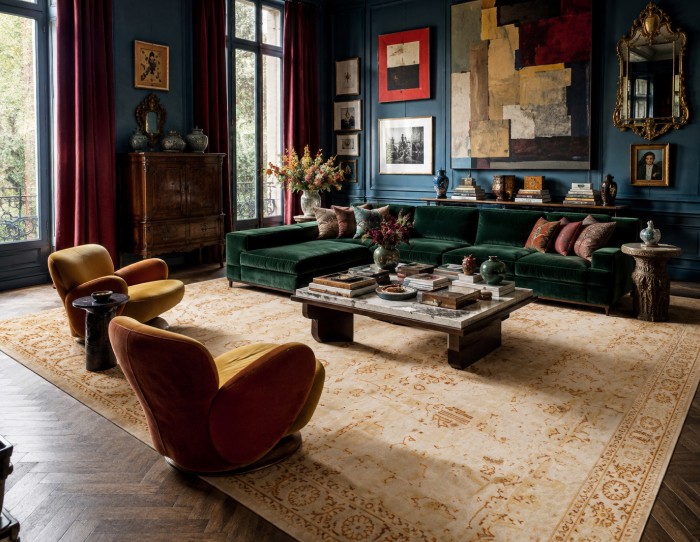
-
Open-plan living rooms need a rug large enough to define the seating zone as distinct from the dining or kitchen area. This is one of the few situations where going bigger than you think you need is almost always the right call.
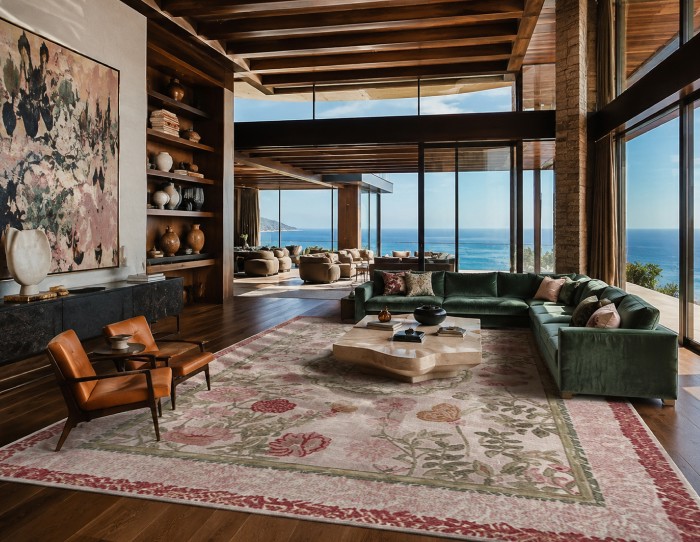
One thing that often gets overlooked: rug orientation matters. A rug placed horizontally in a narrow room makes the space feel wider. A vertically placed rug extends the perceived length. Small decision, real visual effect.
For more layouts and configurations, the room-by-room rug placement guide covers every common setup.
How to Choose the Best Rug Material for Your Living Room
For most living rooms, wool is the right material. For lower-traffic rooms where appearance matters more than durability, wool and bamboo silk are worth the step up. Here’s how to think through it.
Material is the decision most people make last. It should be one of the first. What the rug is made of determines how it feels underfoot, how long it lasts, and how much work it asks of you over time.
-
Wool is the best all-round material for most living rooms. It’s naturally durable, resilient under furniture weight, and soft without being delicate. Wool handles foot traffic well, resists crushing over time, and cleans up better than most synthetic options. If you have kids or pets, wool holds up. That’s just how it is. Shop wool living room rugs to see the full range.
-
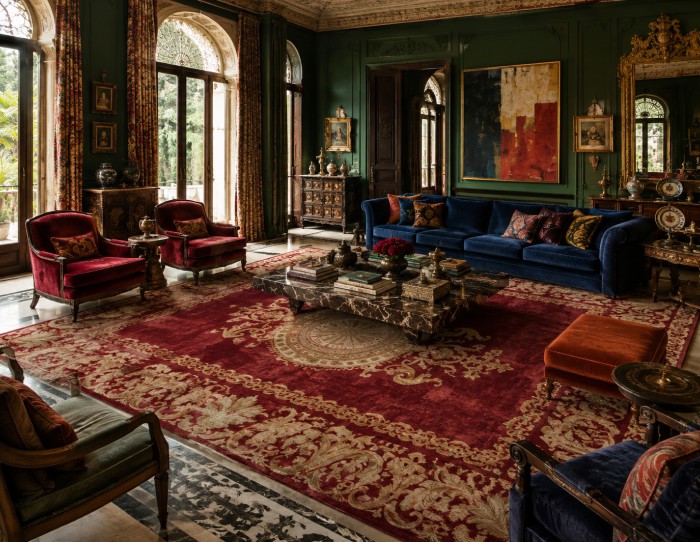
Wool and bamboo silk combinations are a step up in feel and visual richness. The bamboo silk adds a quiet sheen that catches light and gives the rug more depth. These work especially well in living rooms where the rug is meant to be noticed, not just functional.
-
Flatweave rugs (cotton and jute options included) are a good choice for high-traffic areas where easy cleaning matters more than underfoot softness. Jute adds natural texture and works well in earthy, relaxed interiors.
-
Viscose and bamboo silk rugs look extraordinary but need more care. They’re not right for heavy daily foot traffic, young children, or dogs. In a lower-traffic living room, layered over a natural fiber base rug, they’re remarkable.
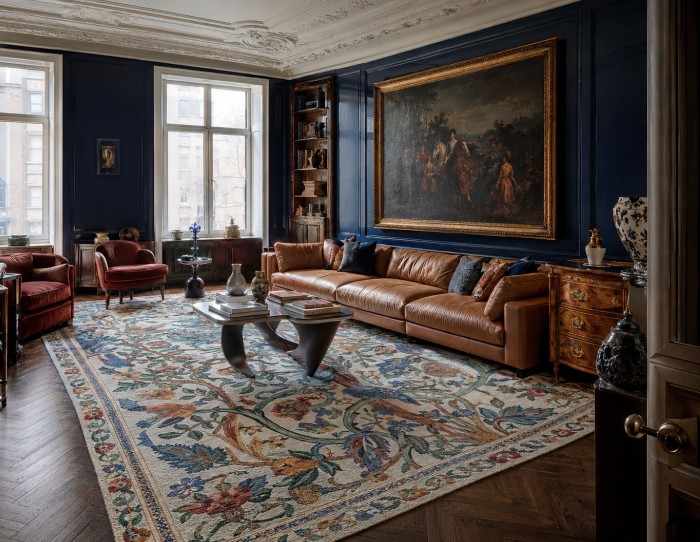
Match the material to how your living room actually gets used. Not how you’d like to imagine it.
Picking the Right Rug Color for Your Living Room
If your living room is neutral, the rug can carry color. If the room is already busy, go tonal or textured. That’s the principle. Everything else follows from it.
Start with what’s already in the room. Your sofa, curtains, walls, and floor tone are fixed. The rug needs to relate to them, not compete. This doesn’t mean neutral. It means intentional.
-
If your living room already has a lot of pattern, a solid or subtly textured rug gives the eye somewhere to rest. If the room is mostly neutral, the rug can afford to be bolder. An abstract rug or a piece with real color becomes the focal point. That’s fine, as long as it’s intentional.
-
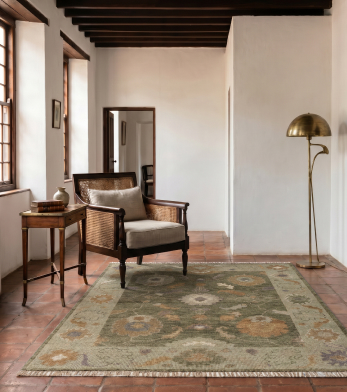
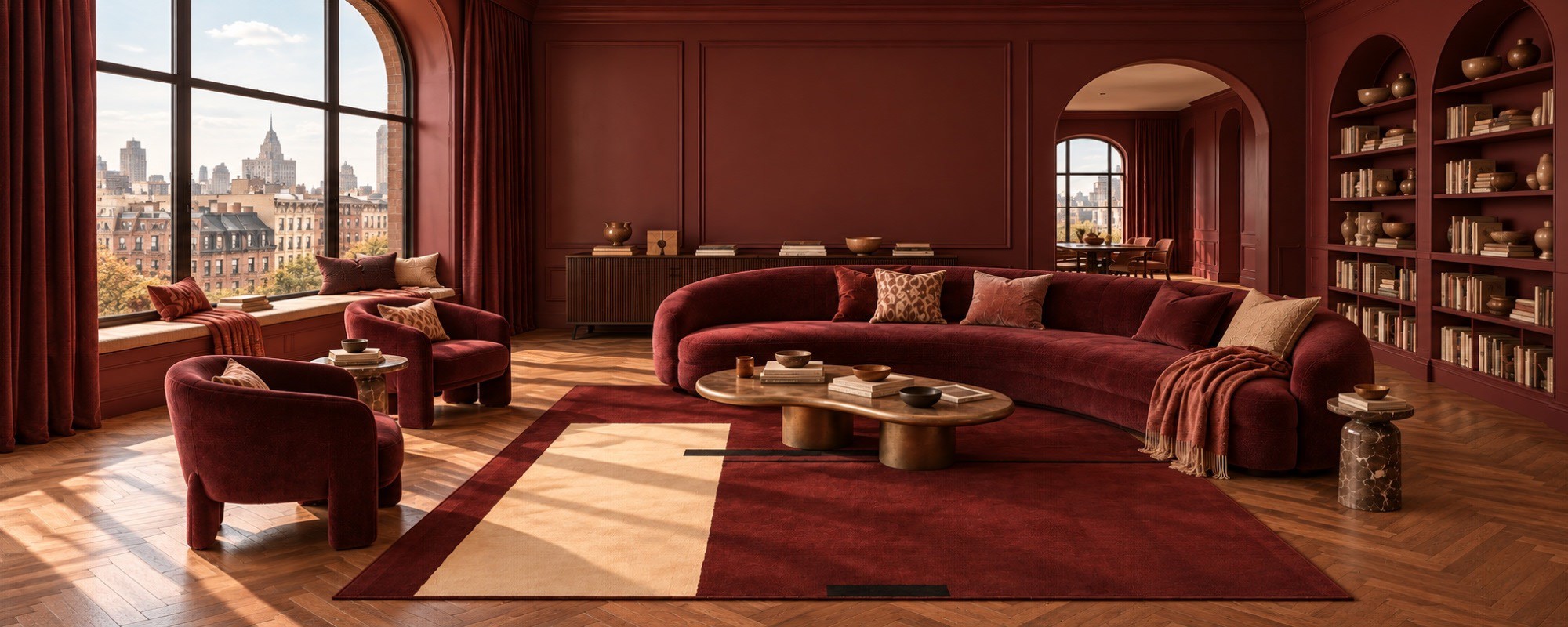
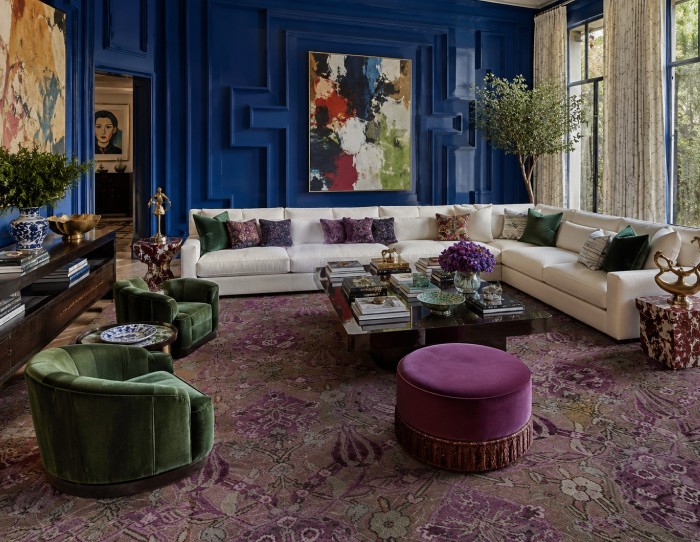
For rooms that feel cold or clinical, warm tones do more work than most people expect. Rugs in terracotta, rust, ochre, and warm ivory work well with wooden floors and earthy furniture tones.
-
Lighter rugs make small living rooms feel more open. Darker rugs bring a room in and create a more intimate, cocooning effect. Both are valid.
-
And if Vastu principles factor into your living room decisions, colors carry additional weight. The Vastu colours guide for living room rugs covers the directional and tonal considerations.
Living Room Rug Styles Worth Knowing Right Now
Trends are only useful if they connect to a decision you’re actually making. So here’s what’s genuinely relevant.
-
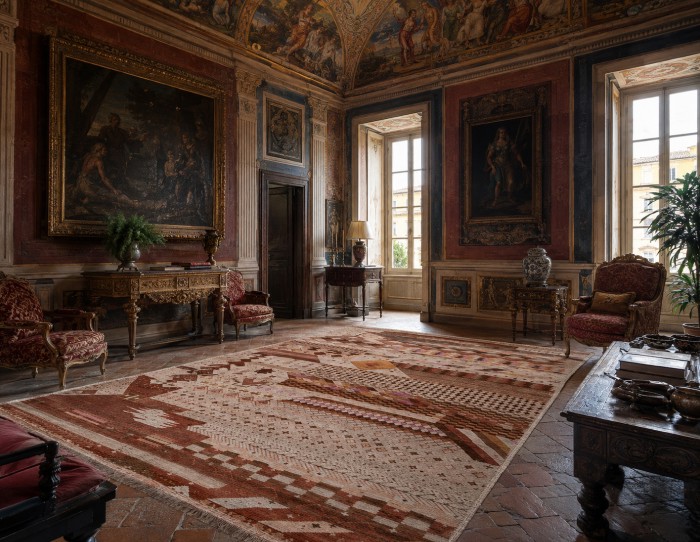
Textured rugs are outperforming flat patterns in living rooms. Not because flat patterns are out, but because texture does something a pattern can’t: it adds depth that shifts with light throughout the day. A hand-knotted rug with a high-low pile reads differently in the morning than it does in the evening. That’s a room that doesn’t get boring.
-
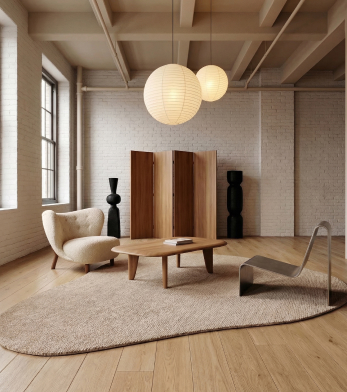
Organic shapes, including round rugs and irregular forms, are appearing in living rooms where rectangular furniture already dominates. A round rug under a round coffee table softens a room full of sharp edges and makes the layout feel more deliberate.
Quiet luxury is the dominant mood. Not subdued or boring, but calm. Rugs that look considered. Craftsmanship that reveals itself slowly, through pile depth, through the feel underfoot, through the way color shifts. This is where hand-knotted rugs have always been strongest.
The Manchaha Difference
Most rugs are designed in an office and woven in a workshop. The Manchaha collection works the other way around.
Each rug in the Manchaha line is designed entirely by the artisan who weaves it. No pattern sheet. No template. No instructions from a designer sitting elsewhere. The weaver chooses the colors, the motifs, the composition. What ends up on the loom is what they wanted to make.
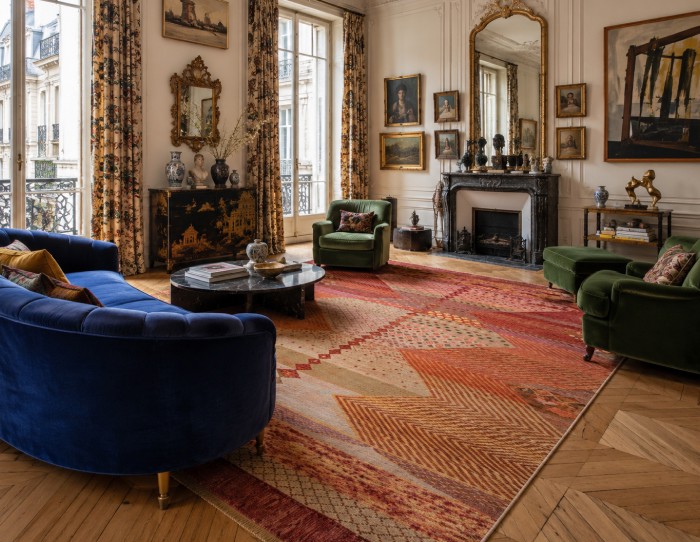
The result is something no machine and no trend-following process can replicate: a rug that carries an actual human perspective. Every Manchaha piece is one of a kind. Not as a marketing claim. As a fact.
For a living room, that matters. A room you spend every day in deserves something that wasn’t made to look like everything else. If that resonates, the Manchaha collection is worth exploring before you decide.
Where to Start
The right rug doesn’t have to be hard to find. It just has to fit the room you actually have.
Start with size. Get that right first. Then material, then color. The style decisions get easier once the fundamentals are locked in.
Browse living room rugs at Jaipur Rugs, or go straight to the 8x10 or 9x12 collections if you already know your size. If you’re still figuring it out, the rug size guide walks through every standard living room layout with specific recommendations.
Every rug in the collection is handmade. Most pass through more than 180 pairs of hands before they reach your floor. That’s not a figure of speech. It’s what makes them feel different the moment you step on them.
Frequently Asked Questions
What is the best rug for a living room?
The best rug for a living room depends on how you use the space. For most homes, a wool rug in an 8x10 or 9x12 size is the most practical choice. Wool is durable, soft, and holds up to regular foot traffic. For lower-traffic rooms, wool and bamboo silk combinations offer greater visual richness. Avoid delicate materials like viscose if your living room sees heavy daily use.
What size rug do I need for my living room?
For most standard living rooms, an 8x10 rug is the right starting point. Place the front legs of your sofa and chairs on the rug to connect the seating arrangement. For larger rooms or open-plan layouts, step up to a 9x12. Leave roughly 18 inches of bare floor between the rug edge and the walls for a balanced look.
How do I choose a rug color for my living room?
Start with your existing palette. Your sofa, curtains, and floor tone are already fixed. The rug needs to complement them. If the room is mostly neutral, the rug can introduce color. If there’s already a lot going on, a textured or tonal rug works better. Warm tones like terracotta and ochre add warmth to cool-toned rooms. Lighter colors open up a smaller space.
Should all furniture legs be on the rug?
Ideally yes. All four legs on the rug creates the most cohesive look and makes the seating area feel intentional. But in many rooms, only the front legs of sofas and chairs need to be on the rug. That still creates a connected layout. What you want to avoid is furniture sitting entirely off the rug, which makes the room feel unplanned.
Can you layer rugs in a living room?
Yes, and it works well when done with intention. Use a flat, neutral base rug (jute or a simple flatweave) and layer a smaller, more expressive piece on top, centered within the arrangement. Layering works especially well in eclectic interiors and in spaces where you want warmth without committing to one large patterned rug.


Pic Credits
Jaipur rugs / Abil Dase
Share
-
 Facebook
-
 Twitter
-
 Email
Related Posts
-
30 October 2026
- ∙
-
8 Min Read
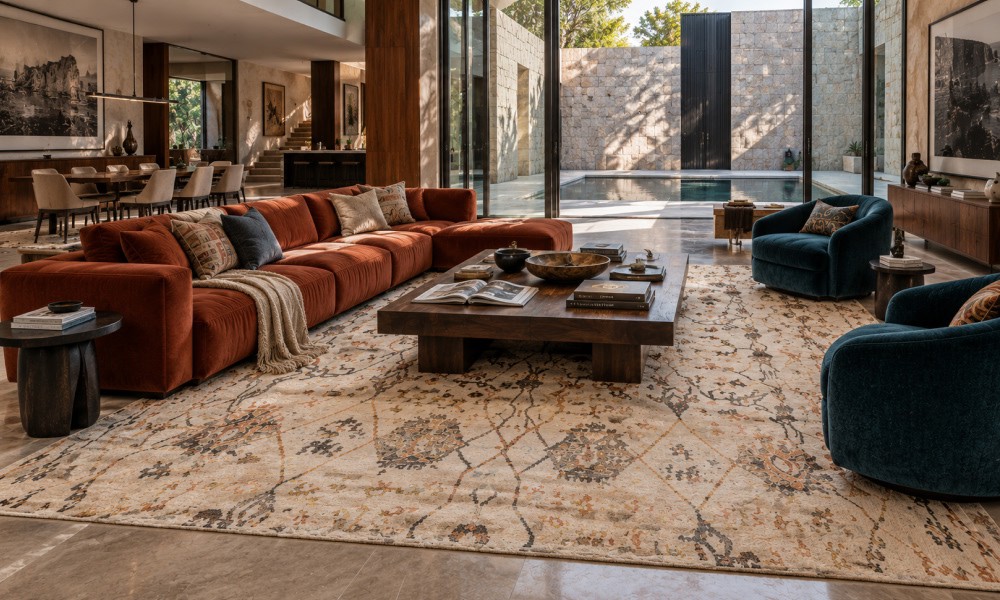
Formal Living Room Ideas That Start With the Rug
Learn how to choose the right rug for a formal living room, from selecting the correct size and placement to finding colours, patterns, and materials that suit your space. Explore traditional, transitional, and modern rug styles, along with tips on wool, silk, and hand-knotted rugs to create a living room that feels elegant, comfortable, and welcoming.
Read Article →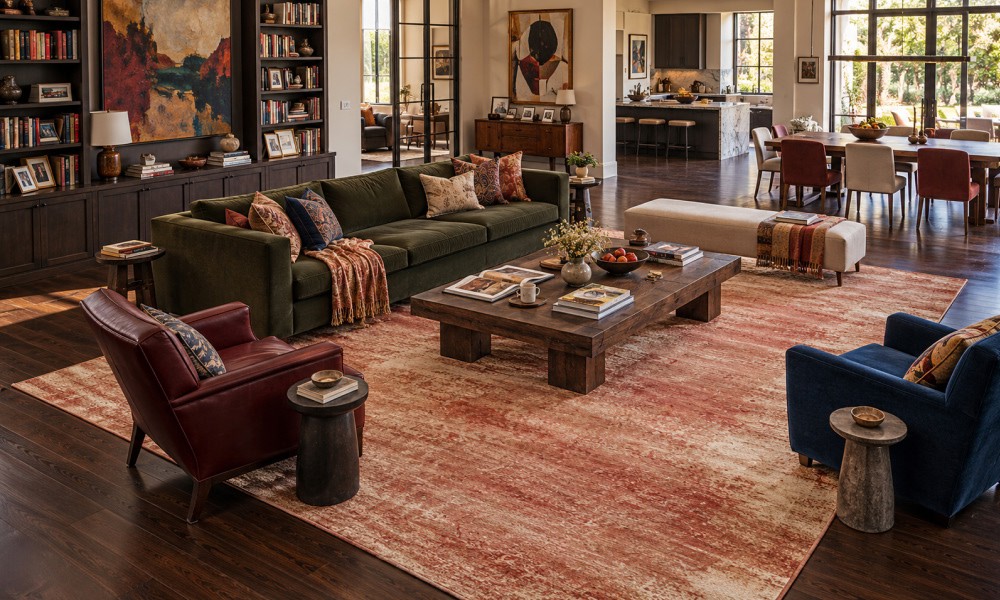
-
29 October 2026
- ∙
-
9 Min Read
Terracotta Rugs: How to Style 2026's Warmest Colour Trend
Terracotta rugs bring warmth, depth and earthy character to modern interiors. This guide explores the best colour pairings, from cream and sage green to dusty blue, along with styling ideas for living rooms and bedrooms. Learn how to choose the right rug size, compare traditional and contemporary designs, and understand why hand-knotted wool rugs offer lasting beauty and natural texture.
Read Article →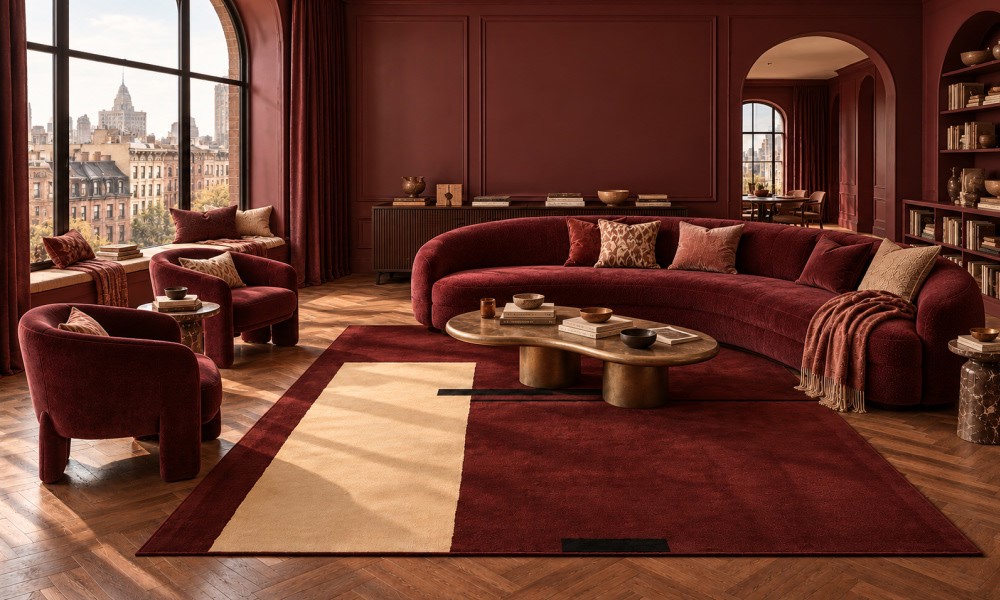
-
28 October 2026
- ∙
-
11 Min Read
Monochromatic Color Scheme: How to Design a One-Color Room That Never Feels Flat
A monochromatic color scheme uses different shades, tints and tones of one colour to create a cohesive interior. Learn how to style monochromatic living rooms, bedrooms and kitchens using colour, texture, furniture and rugs. Explore monochromatic colour scheme examples, understand the difference between monochromatic design and colour drenching, and find practical ideas for creating balanced, visually interesting spaces in modern homes.
Read Article →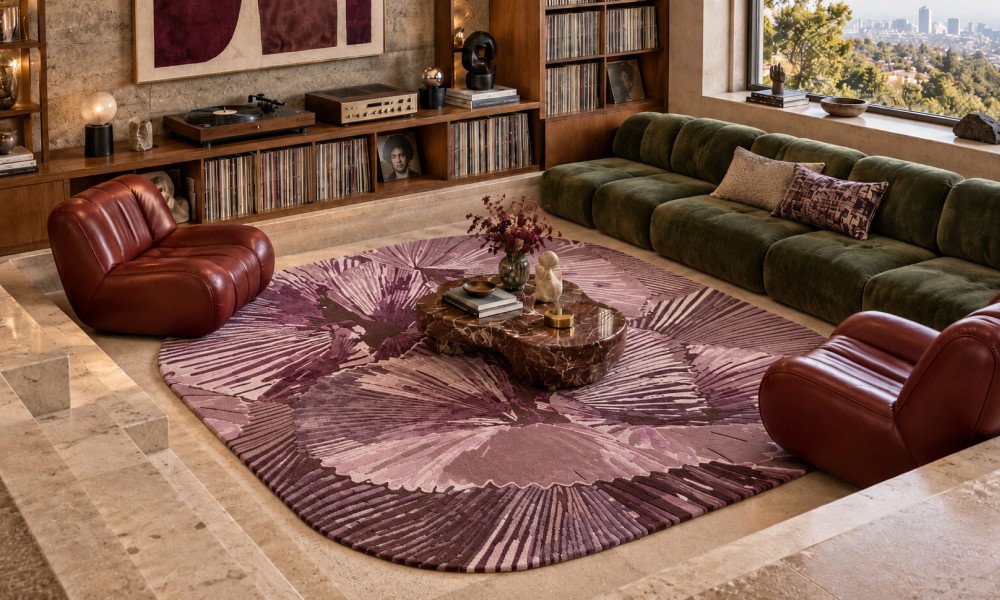
-
22 October 2026
- ∙
-
8 Min Read
Conversation Pits Are Back: How to Choose the Right Rug for a Sunken Living Room
Conversation pits are back, and the right rug makes or breaks them. This guide explains what a conversation pit is, how to get the look without a sunken floor, and which rug shapes suit pits. It covers sizing, low-pile safety near steps, hand-tufted versus hand-knotted options, custom shapes, and styling a 70s living room so it feels fresh, not dated.
Read Article →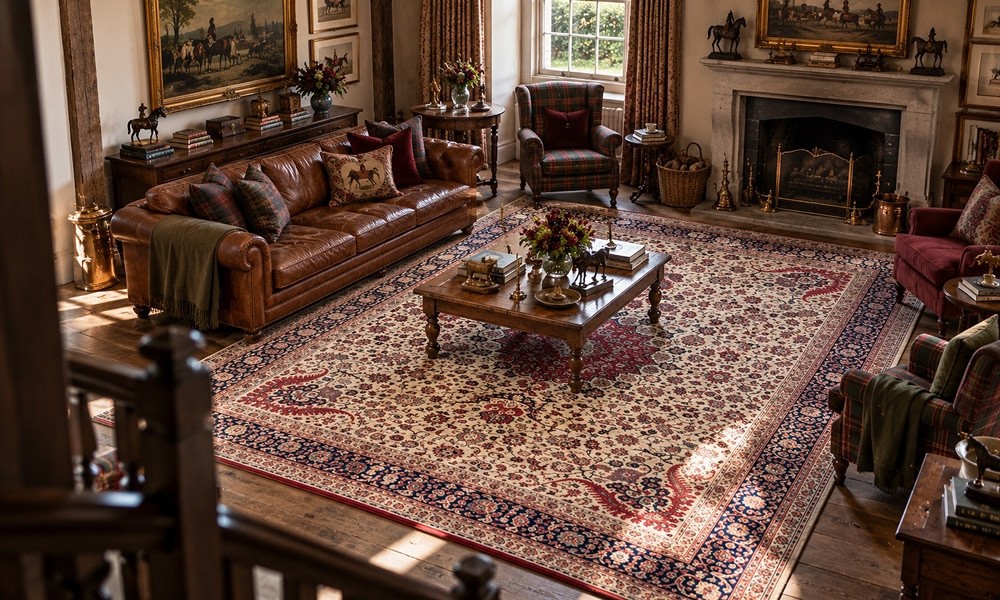
-
21 October 2026
- ∙
-
7 Min Read
Old Money Interiors: The Understated Rugs Behind the Look
Old money interiors look collected, not decorated, and the rug is often what makes them work. This guide covers the rugs that suit the style: hand-knotted wool, wool-silk, and antique-wash finishes. You’ll also find the muted colours that define it, room-by-room styling tips, how it differs from quiet luxury, and why heirloom craft matters for a home built to last.
Read Article →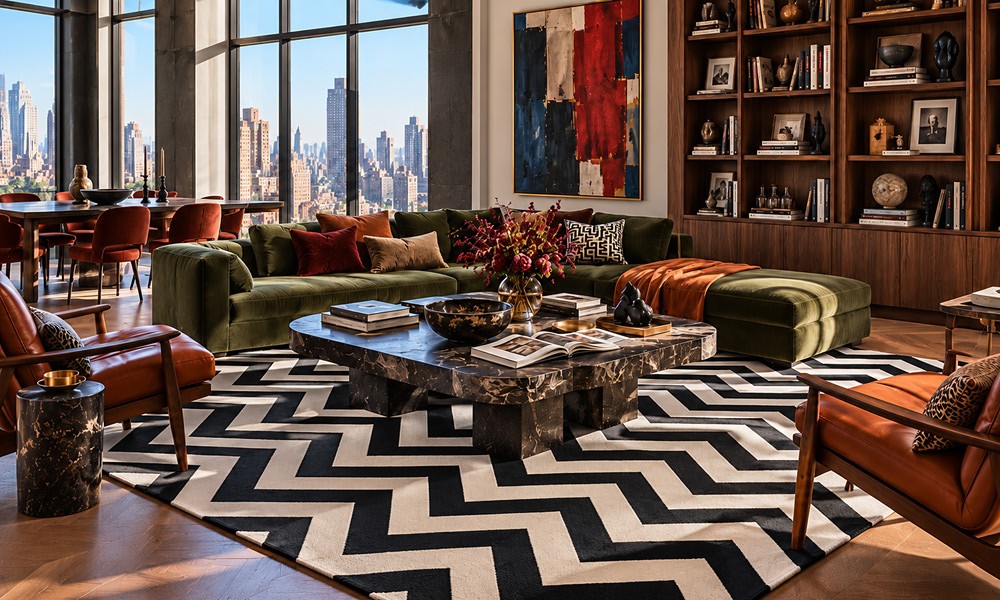
-
19 October 2026
- ∙
-
7 Min Read
Herringbone Rugs: A Designer Pattern for Timeless Rooms
Herringbone is one of the few rug patterns that never dates. This guide explains how herringbone differs from chevron, when to choose flatweave or hand-tufted, which pattern scale suits small and large rooms, and which direction the zigzag should run. It also covers room-by-room placement, pet-friendly choices, and simple weave-specific care, so your herringbone rug always looks designed.
Read Article →