You are on our International website. Please select your region to see content specific for your location




 Living Room
 Dining Room
 Bedroom
 Kids Room
 Outdoor
 Irregular
 Runner
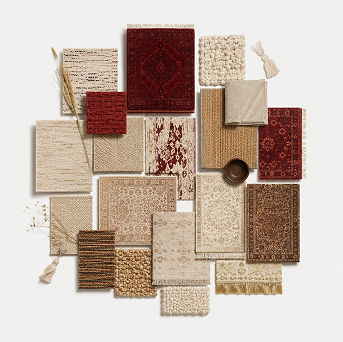
 Hand Knotted
 Hand Tufted
 Hand Loom
 Flat Weaves
 Shag
 Modern
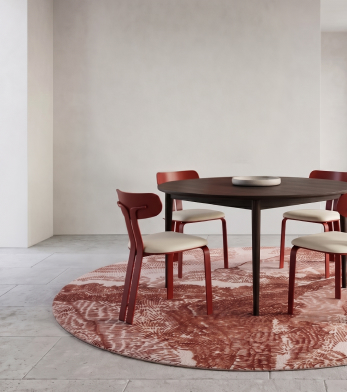 Transitional
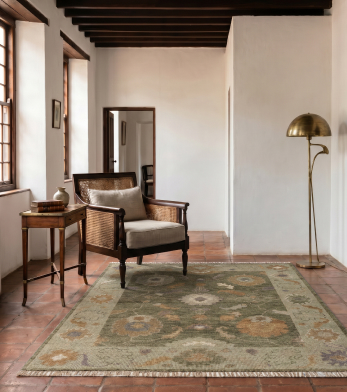 Traditional
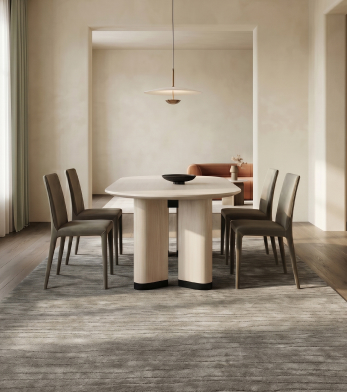 Minimalist
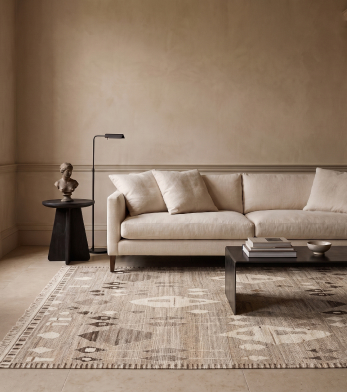 Bohemian
 Eclectic
 Maximalist
 Monochromatic
 Neutrals
 Pastels
 Vibrant
 Abstract
 Oriental
 Moroccan
 Distressed
 Floral
 Geometric
 Graphic
 Solid
 Patchwork
 Genesis
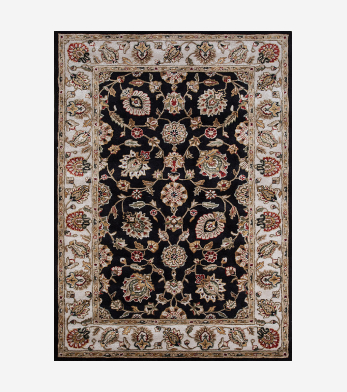 Kasbah
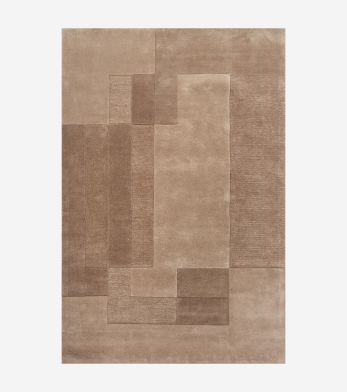 Cera
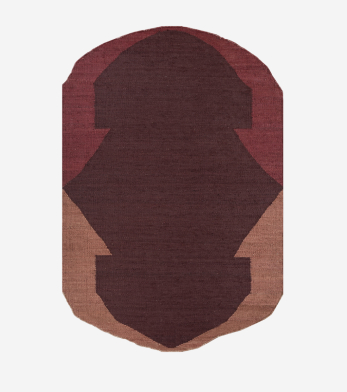 Daaira
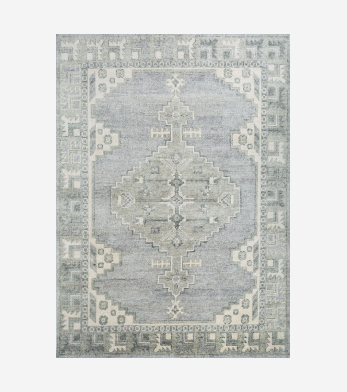 Savana
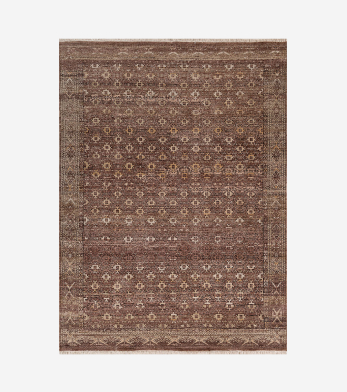 Someplace In Time
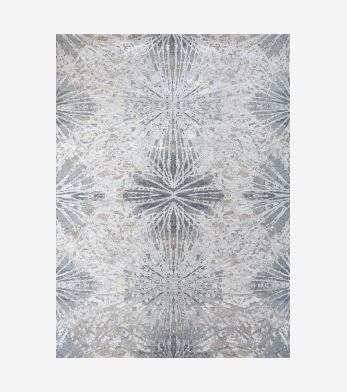 Chaos Theory By Kavi
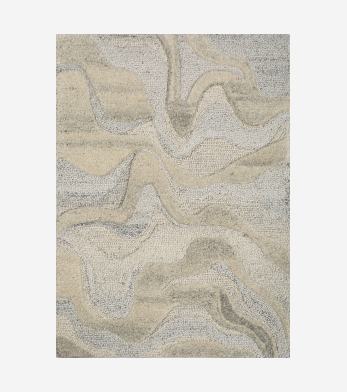 Pathways
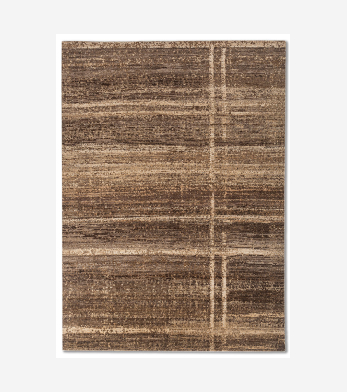 Manifest
 Kengo Kuma
 VIMAR 1991
 Bodour Al Qasimi
 Richard Hutten
 Peter D'ascoli
 Vinita Chaitanya
 Tatiana De Nicolay
 Keith Pillow
 Kunaal Kyhaan Seolekar
 Pavitra Rajaram
 Ashiesh Shah
 Matteo Cibic
 Tania & Sandeep Khosla
 Gauri Khan
 Abin Chaudhuri
 Kavi
 Gabriel Hafner NEW
 Neeraj Patel
 Princess Pea
 Gurjeet Singh
 Lorenzo Vitturi
 Rug Warranty
 Stain Resistance
 Track Order
 The Founder
 The Company
 The Craft
 Sustainability
 Hospitality
 Retail
 Aviation
 Yacht
 Residential
 View all
 Stores
 My Account

 Trade
 Email Us
 Contact Us
 WhatsApp Chat
 Book Appointment
 Track Order


 Profile
 Orders
 Wishlist
 Change Password
 Logout


Latest Blogs
ideas and inspiration
Conversation Pits Are Back: How to Choose the Right Rug for a Sunken Living Room
- 22 October 2026
- |
- 8 Min Read
- |
- By Jaipur Rugs
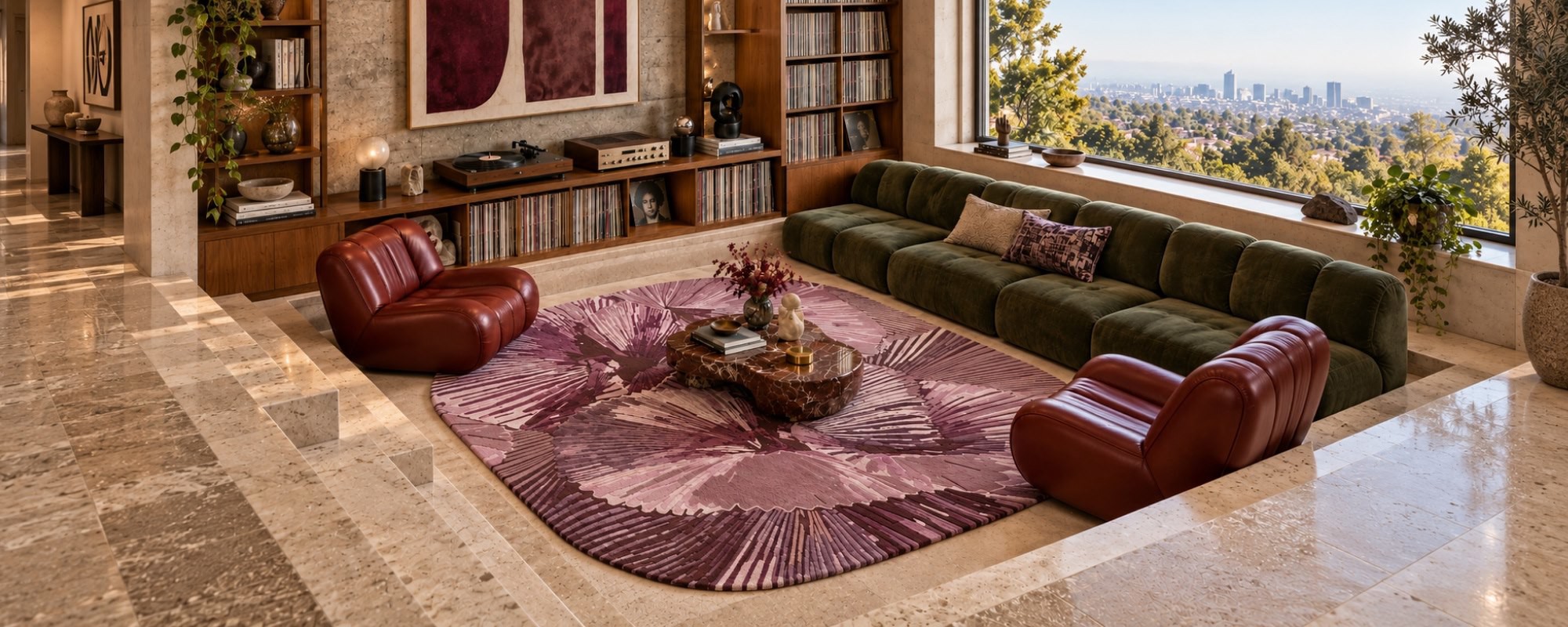
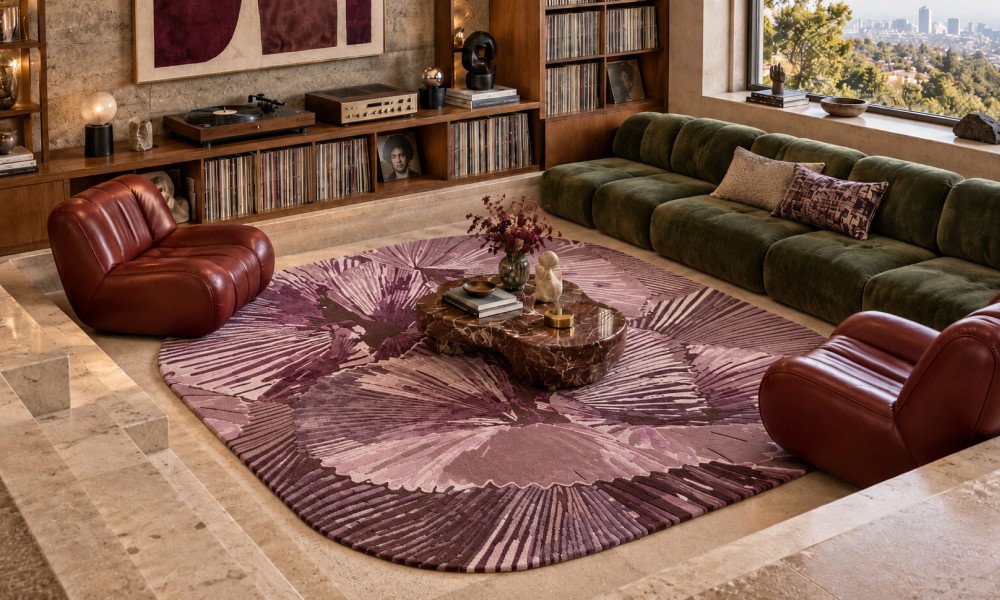
Conversation pits are back, and the right rug makes or breaks them. This guide explains what a conversation pit is, how to get the look without a sunken floor, and which rug shapes suit pits. It covers sizing, low-pile safety near steps, hand-tufted versus hand-knotted options, custom shapes, and styling a 70s living room so it feels fresh, not dated.
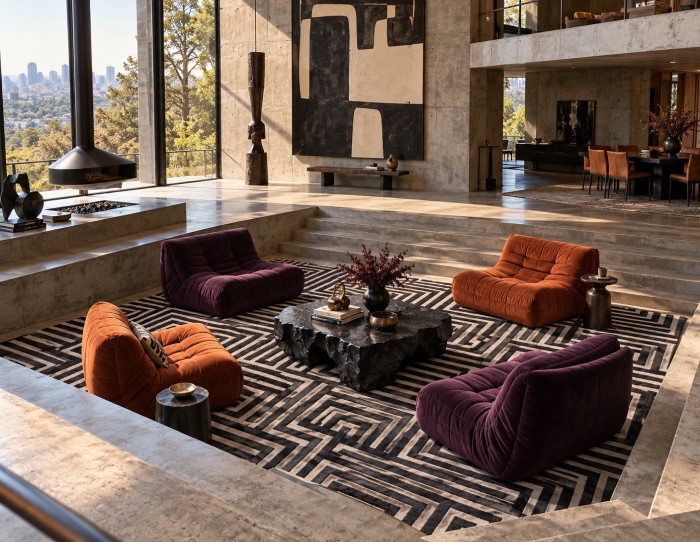
Some rooms make you sit up straight. A conversation pit does the opposite. You step down, sink into the cushions, and suddenly everyone is talking.
That's the whole point. A sunken seating area, wrapped in built-in sofas, made for long evenings and no phones. It's one of the most recognisable shapes of 1970s design. And it's quietly making a comeback.
But here's the part nobody talks about. The rug. Get it wrong, and the pit feels like a hole in the floor. Get it right, and it becomes the warmest spot in the house.
What Is a Conversation Pit?
A conversation pit is a seating area set lower than the rest of the floor, usually lined with built-in seating on three or four sides. It turns one big room into a room within a room.
They took off in the late 1950s. The best-known example is the Miller House in Columbus, Indiana, designed by Eero Saarinen with interiors by Alexander Girard. By the 1970s, the sunken lounge had spread into homes everywhere, often as part of split-level living.
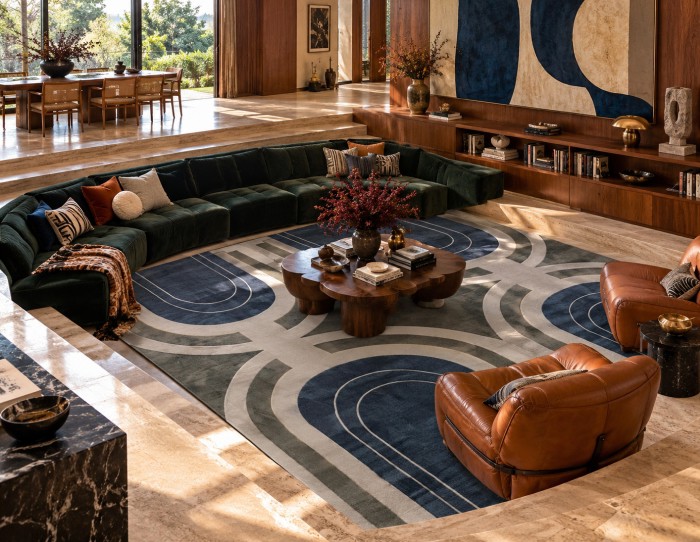
So why did they disappear? Mostly for practical reasons. People tripped on the steps. Kids and pets turned them into play zones. And cleaning wall-to-wall carpet in a hole in the floor wasn't anyone's idea of fun.
Are Conversation Pits Coming Back?
Yes, but in a softer, more liveable form. Designers are pairing them with curved seating, natural textures and calmer colours, and dropping the slippery steps where they can.
The appeal makes sense. Open-plan homes can feel like one big echo. A modern conversation pit gives you a corner that feels held, a space designed for people rather than screens.
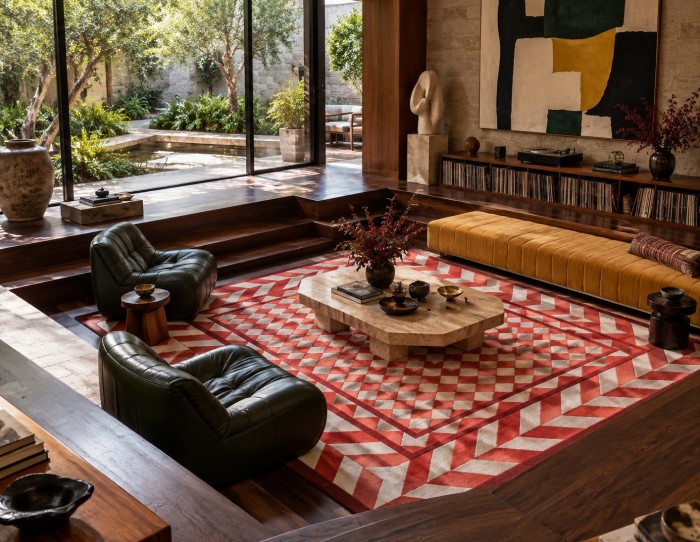
And not everyone is digging up their floors, which brings us to the bigger trend.
How to Get the Conversation Pit Look Without a Sunken Floor
You don't need a sunken living room to get the feeling. A low modular sofa arranged in a U-shape or a closed square does most of the work. Honestly, that's what most people searching for a conversation pit couch are really after.
On a flat floor, the rug becomes the floor of the pit. It defines the zone the same way a step down would. So go big. Every piece of seating should have at least its front legs on the rug, ideally all four.
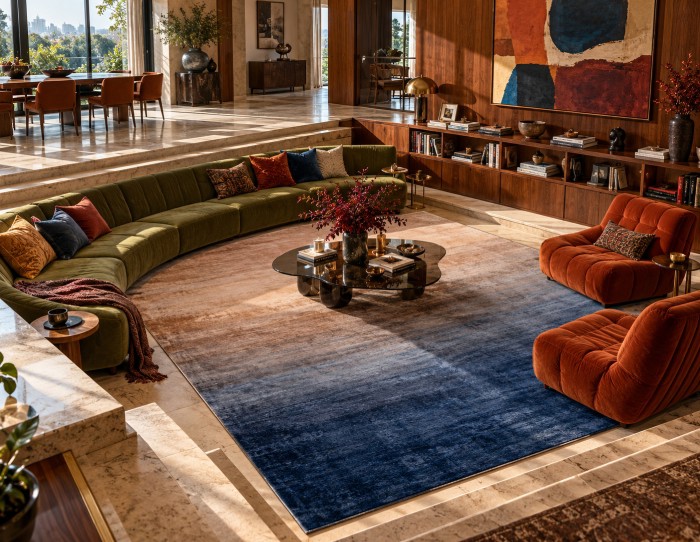
For a U-shaped layout around 10 by 12 feet, a 9x12 rug usually works. Bigger setups often need oversized rugs to pull everything together.
If you're unsure, this guide on rug size for a sectional sofa walks you through it.
What Shape Rug Fits a Conversation Pit?
The right rug follows the shape of the pit itself. Round pits want round rugs. Square or rectangular pits want square or rectangular rugs. Anything else leaves awkward gaps in the corners.
Round rugs for living room pits are having a real moment. They soften all those straight lines of built-in seating, and the eye reads a circle as a gathering point. A round wool rug in the centre feels like the campfire everyone sits around.
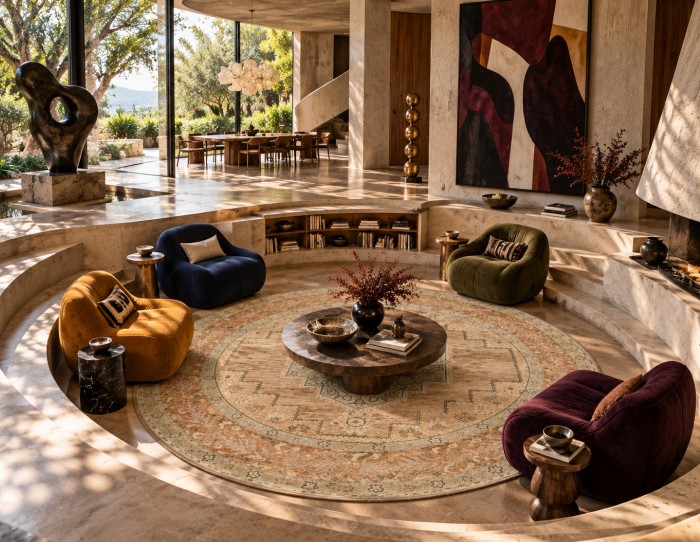
Got a long pit with curved seating? An oval rug follows the curve without fighting it.
And if your pit is L-shaped, angled or just plain odd, that's where custom shaped rugs earn their place.
An irregular shaped rug cut to the exact footprint looks built-in, because it practically is.
There are more ideas in our guide to rugs for odd-shaped rooms.
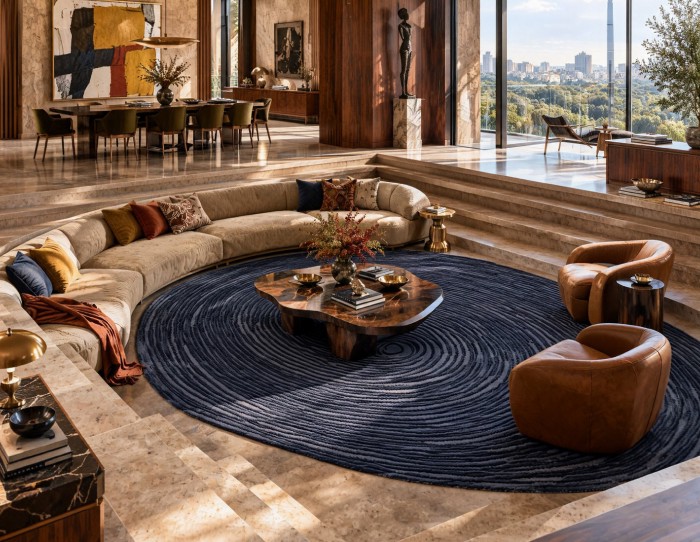
What Size Rug for a Sunken Living Room?
Measure the pit floor only, not the seating. Then leave 4 to 6 inches on every side. That gap stops the rug curling up against the built-ins and keeps the step edge easy to see.
Here's a quick reference for round pits:
| Pit floor diameter | Pit floor diameter |
| About 10 ft | 9 ft round rug |
| About 11 to 12 ft | 10 ft round rug |
| About 13 to 14 ft | 12 ft round rug |
Go bigger than that, and you're shopping for a large round rug, where standard sizes run out fast. Not sure how to measure a circle properly?
Here's how to measure a round rug without second-guessing yourself.
But here's the truth. Pits are rarely standard. Built-ins vary, steps vary, and being two inches off looks like a mistake.
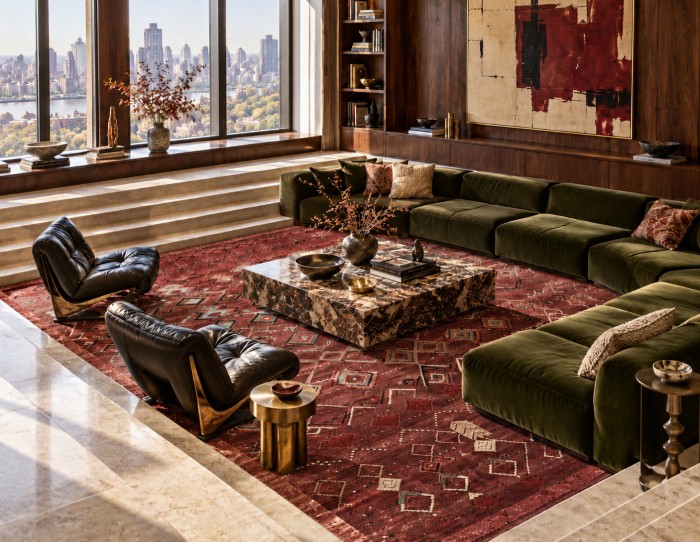
That's why so many pit owners go for custom-size rugs. You give the measurements, and the rug is made to fit. Jaipur Rugs makes custom area rugs to exact dimensions, so there's no compromise and no visible gaps.
Low Pile or Shag? Getting the Pile Height Right
Pick a low pile rug for any sunken space. A short, dense pile keeps the step edge crisp and visible. That matters more than you'd think once the lights are low and the evening is long.
We get the temptation, though. The original 70s pits were often covered in wall-to-wall shag. And a shag rug still feels wonderful underfoot. But the thick, loose pile hides edges and can catch a heel on the way down.
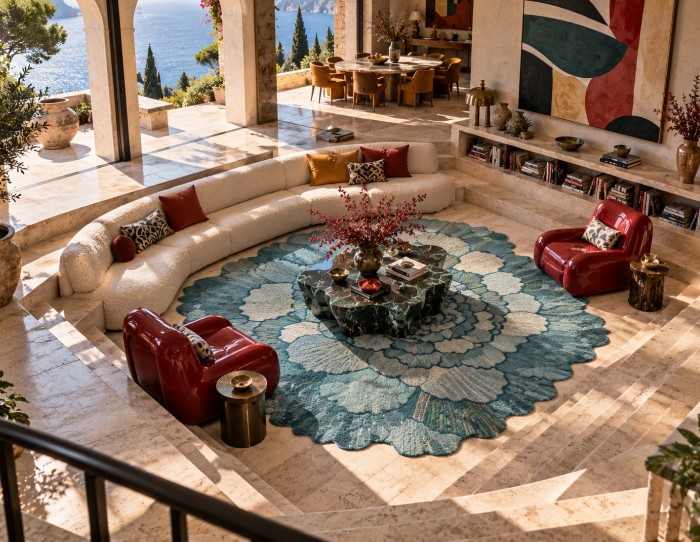
The happy middle? Keep the pile low near the steps and bring the softness in with cushions, throws, and a plush wool.
For exact measurements, our cheat sheet for the right pile height breaks it down room by room.
Hand-Tufted or Hand-Knotted for a Conversation Pit?
For most pits, a handtufted wool rug is the smart choice. It's dense and soft to sit on, and it adapts easily to round and custom shapes. A pit is a sitting room, not a hallway, so the foot traffic is gentle.
Want something your grandchildren will fight over? A hand knotted rug is the statement piece. Every knot is tied by hand, which can take months, and the result lasts for decades. In a pit, where the rug is the centre of attention, that craft really shows.
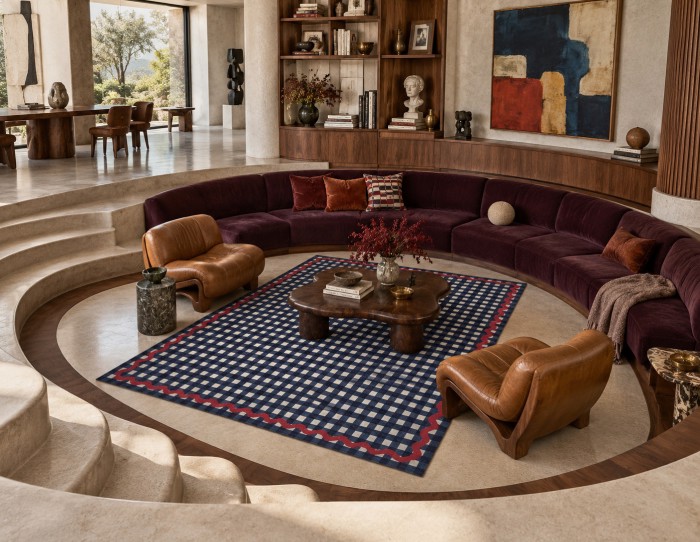
At Jaipur Rugs, each piece passes through around 180 pairs of hands. Our 40,000+ artisans across 600 villages in India have been weaving since 1978. When you sink into the cushions and look down, that's what you're looking at.
Still deciding? Here's a clear breakdown of hand-knotted vs hand-tufted rugs.
Styling a 70s Living Room Without Making It a Costume
The trick with a 70s living room is to borrow the mood, not the whole decade. Warm tones, low furniture, soft curves. Skip the mustard-and-brown overload.
Retro round rugs with loose geometric or abstract patterns nod to the era without shouting. Prefer something quieter? Modern round rugs in ivory, sand, or rust keep the pit feeling fresh.
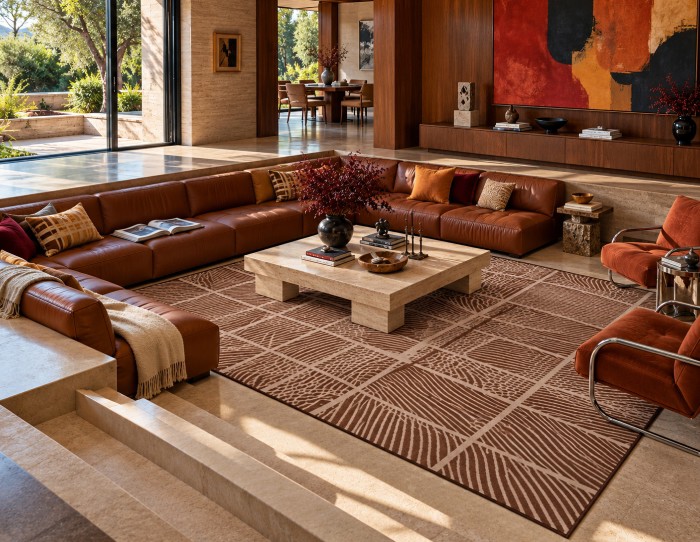
If your pit sits beside wood panelling or a classic lounge chair, a mid-century modern rug ties it all together. Clean lines, warm wool, nothing fussy. Our Aakar collection, with its structured geometric designs, sits right in that space.
And if you want the full throwback? Choose a 70s rug in burnt orange or olive, then calm everything else down. One retro rug is a statement. A room full of them is a theme park.
Final Thoughts
Start with a tape measure, not a catalogue. Measure the pit floor, note its shape, and think about how you'll use the space. Lounging, hosting, or both.
Then treat the rug as the foundation of the room, not the finishing touch. In a pit, it's the one thing everyone sees, touches, and sits closest to.
Browse our round rugs for a ready-made fit. Or share your measurements, and we'll help you find a rug that looks like it was always meant to be there.
FAQs
What shape rug fits a conversation pit?
The best rug matches the pit's own shape. Round pits suit round rugs, square pits suit square rugs, and L-shaped or angled pits suit custom-shaped rugs cut to the floor's footprint. Matching the shape avoids gaps in the corners and makes the rug look built-in.
How do you put a rug in a sunken living room?
Measure the sunken floor only, then leave 4 to 6 inches between the rug and the base of the seating on every side. Use a non-slip rug pad and a low pile so the step edge stays visible. The rug should sit flat and never ride up the steps.
What size rug for a recessed lounge?
Take 8 to 12 inches off the floor's width and length, or its diameter. For a round pit about 12 feet across, a 10 ft round rug usually fits. Recessed lounges rarely match standard sizes, so a custom rug is often the cleanest answer.
When were conversation pits popular?
Conversation pits were most popular from the late 1950s to the late 1970s. The Miller House in Columbus, Indiana, designed by Eero Saarinen, made them famous. They faded in the 1980s because of tripping risks, cleaning hassles, and changing tastes.
How do you build a conversation pit?
A true sunken pit means lowering part of the floor, which needs a structural engineer, permits, and a serious budget. Most people now build the effect instead. Arrange low modular seating in a U or square around a large rug. It's faster, cheaper, and easy to change later.


Pic Credits
Jaipur rugs / Abil Dase
Share
-
 Facebook
-
 Twitter
-
 Email
Related Posts
-
30 October 2026
- ∙
-
8 Min Read
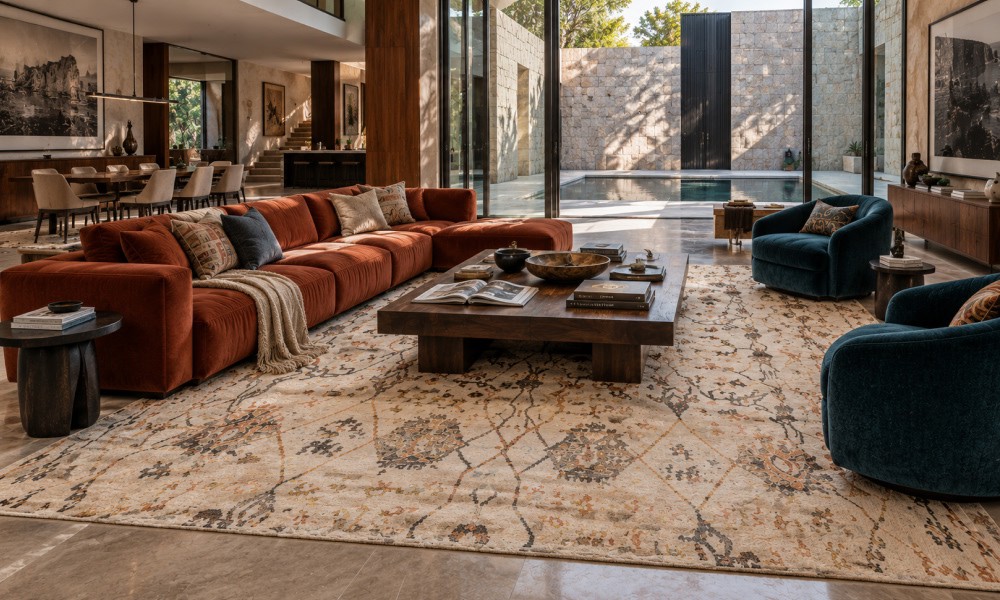
Formal Living Room Ideas That Start With the Rug
Learn how to choose the right rug for a formal living room, from selecting the correct size and placement to finding colours, patterns, and materials that suit your space. Explore traditional, transitional, and modern rug styles, along with tips on wool, silk, and hand-knotted rugs to create a living room that feels elegant, comfortable, and welcoming.
Read Article →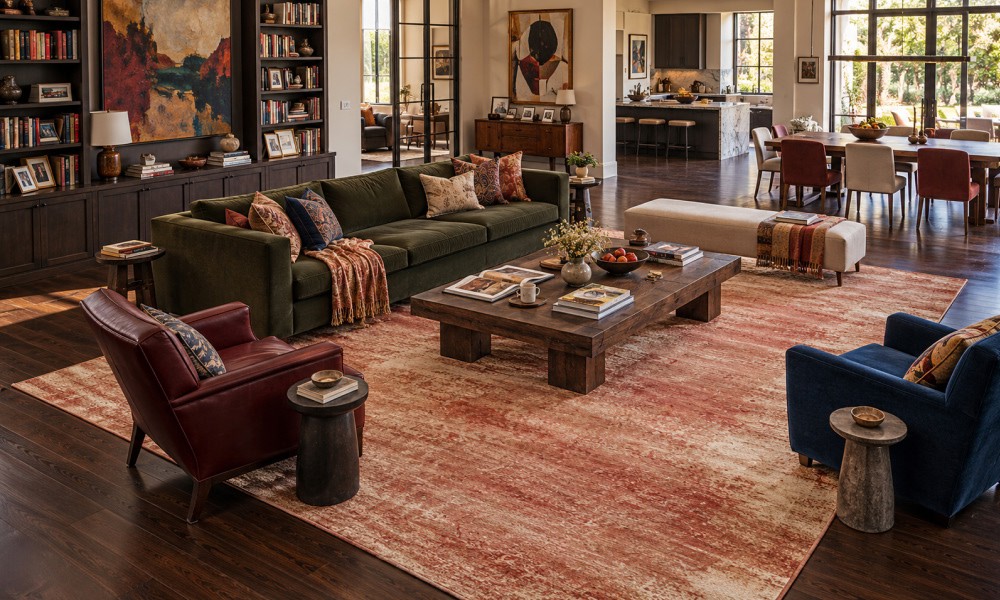
-
29 October 2026
- ∙
-
9 Min Read
Terracotta Rugs: How to Style 2026's Warmest Colour Trend
Terracotta rugs bring warmth, depth and earthy character to modern interiors. This guide explores the best colour pairings, from cream and sage green to dusty blue, along with styling ideas for living rooms and bedrooms. Learn how to choose the right rug size, compare traditional and contemporary designs, and understand why hand-knotted wool rugs offer lasting beauty and natural texture.
Read Article →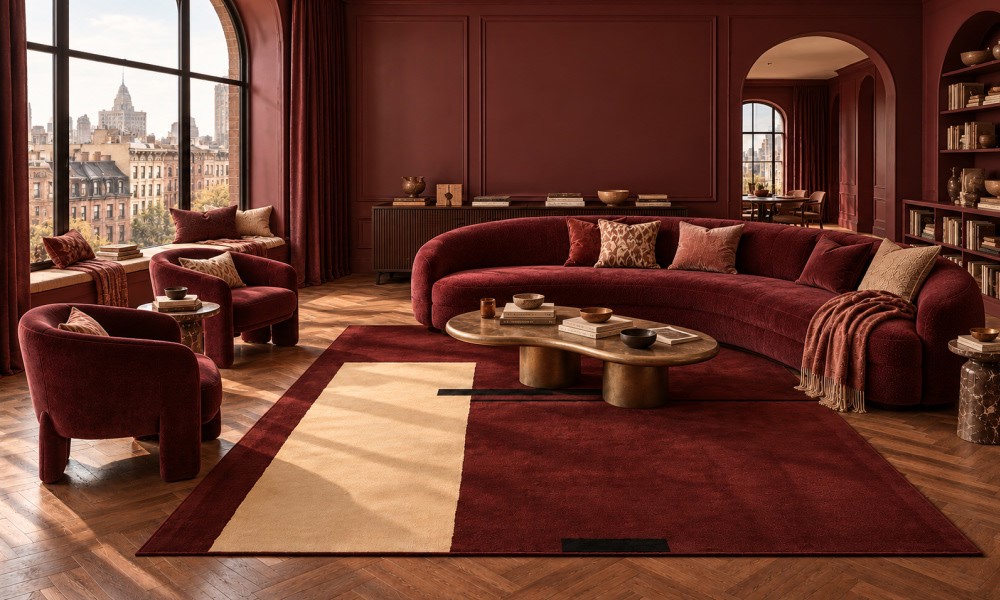
-
28 October 2026
- ∙
-
11 Min Read
Monochromatic Color Scheme: How to Design a One-Color Room That Never Feels Flat
A monochromatic color scheme uses different shades, tints and tones of one colour to create a cohesive interior. Learn how to style monochromatic living rooms, bedrooms and kitchens using colour, texture, furniture and rugs. Explore monochromatic colour scheme examples, understand the difference between monochromatic design and colour drenching, and find practical ideas for creating balanced, visually interesting spaces in modern homes.
Read Article →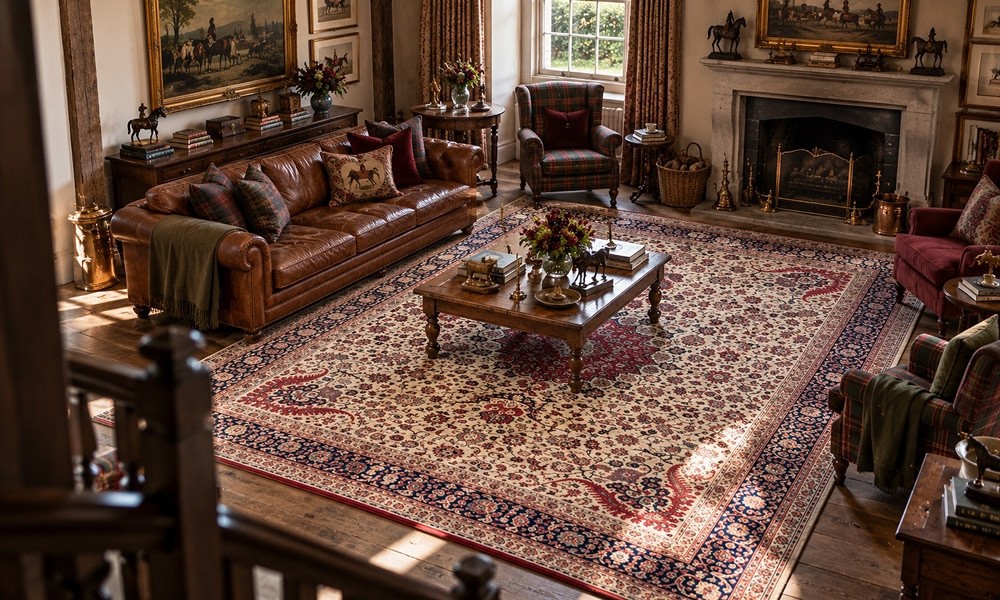
-
21 October 2026
- ∙
-
7 Min Read
Old Money Interiors: The Understated Rugs Behind the Look
Old money interiors look collected, not decorated, and the rug is often what makes them work. This guide covers the rugs that suit the style: hand-knotted wool, wool-silk, and antique-wash finishes. You’ll also find the muted colours that define it, room-by-room styling tips, how it differs from quiet luxury, and why heirloom craft matters for a home built to last.
Read Article →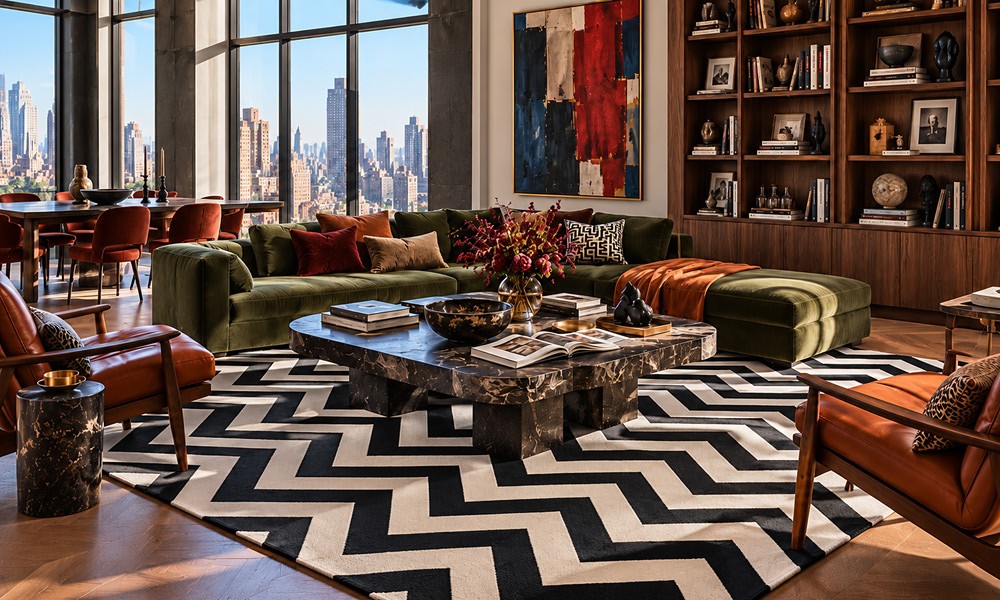
-
19 October 2026
- ∙
-
7 Min Read
Herringbone Rugs: A Designer Pattern for Timeless Rooms
Herringbone is one of the few rug patterns that never dates. This guide explains how herringbone differs from chevron, when to choose flatweave or hand-tufted, which pattern scale suits small and large rooms, and which direction the zigzag should run. It also covers room-by-room placement, pet-friendly choices, and simple weave-specific care, so your herringbone rug always looks designed.
Read Article →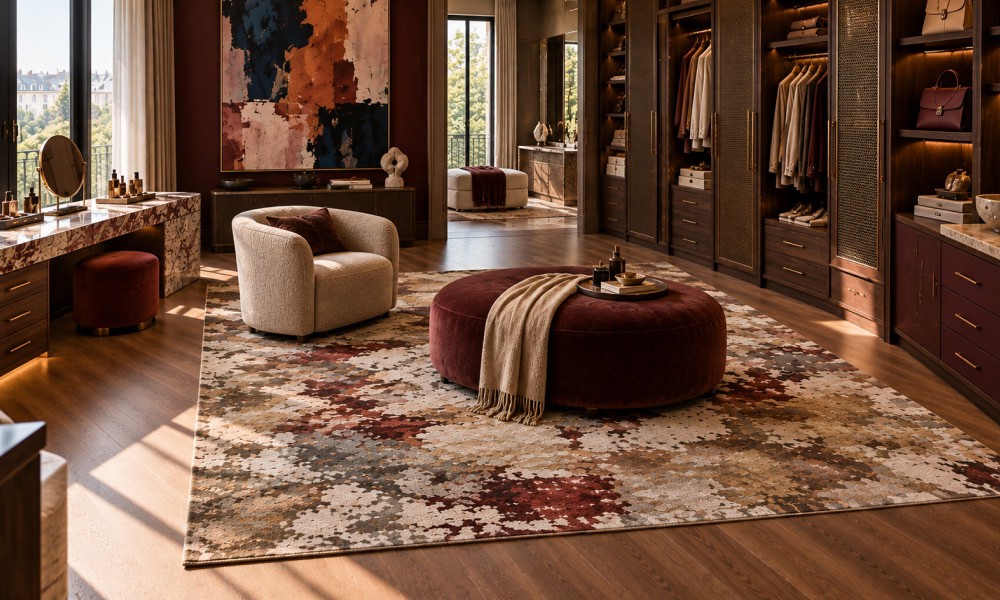
-
16 October 2026
- ∙
-
8 Min Read
Walk-In Wardrobes and Dressing Rooms: Rugs for the Most Personal Room
A dressing room is the most personal room in the house, yet its floor is often forgotten. This dressing room design guide explains how to choose a soft rug for a walk-in wardrobe: wool or wool-silk materials, hand-tufted versus hand-knotted construction, the right size around fitted storage, colours that suit your joinery, and simple care tips that keep it looking luxurious.
Read Article →