You are on our International website. Please select your region to see content specific for your location




 Living Room
 Dining Room
 Bedroom
 Kids Room
 Outdoor
 Irregular
 Runner
 Hand Knotted
 Hand Tufted
 Hand Loom
 Flat Weaves
 Shag
 Modern
 Transitional
 Traditional
 Minimalist
 Bohemian
 Eclectic
 Maximalist
 Monochromatic
 Neutrals
 Pastels
 Vibrant
 Abstract
 Oriental
 Moroccan
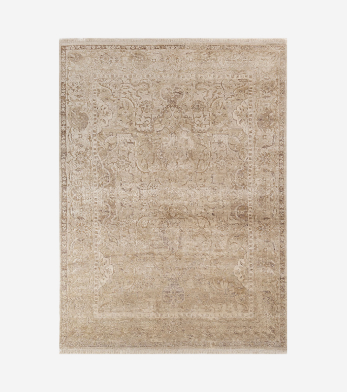 Distressed
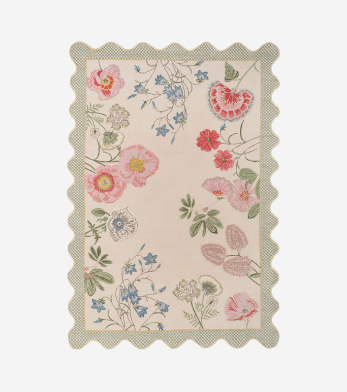 Floral
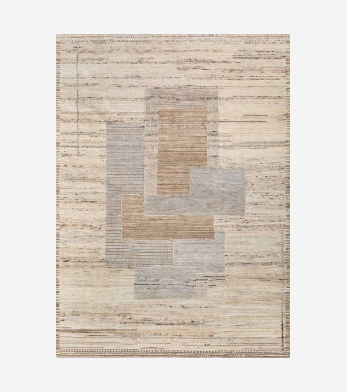 Geometric
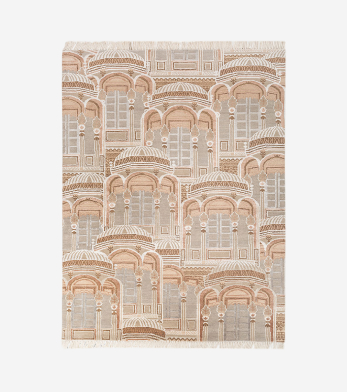 Graphic
 Solid
 Patchwork
 Genesis
 Kasbah
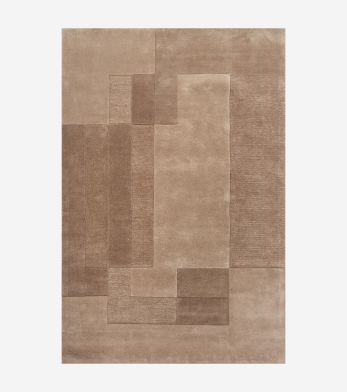 Cera
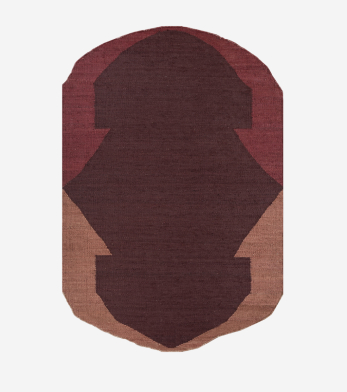 Daaira
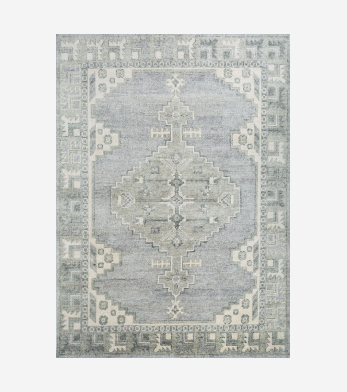 Savana
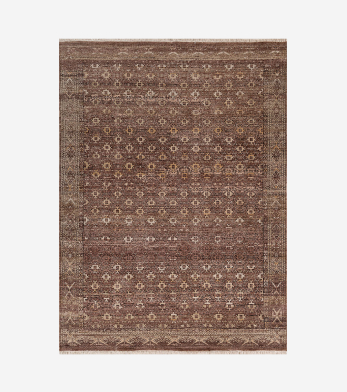 Someplace In Time
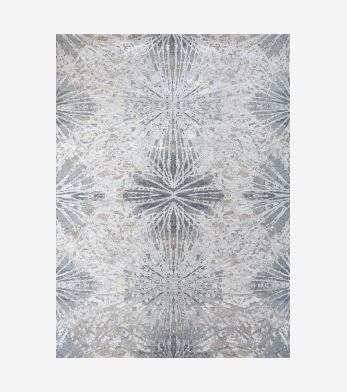 Chaos Theory By Kavi
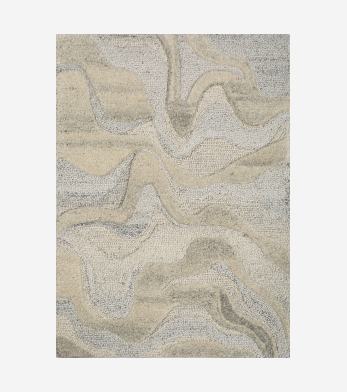 Pathways
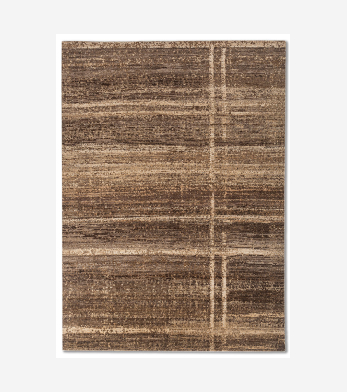 Manifest
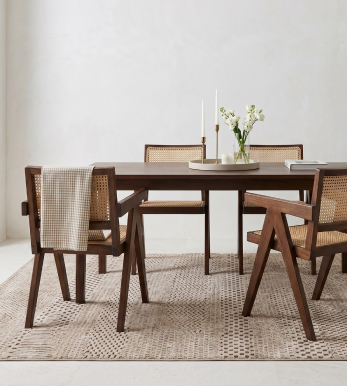
 Kengo Kuma
 VIMAR 1991
 Bodour Al Qasimi
 Richard Hutten
 Peter D'ascoli
 Vinita Chaitanya
 Tatiana De Nicolay
 Keith Pillow
 Kunaal Kyhaan Seolekar
 Pavitra Rajaram
 Ashiesh Shah
 Matteo Cibic
 Tania & Sandeep Khosla
 Gauri Khan
 Abin Chaudhuri
 Kavi
 Gabriel Hafner NEW
 Neeraj Patel
 Princess Pea
 Gurjeet Singh
 Lorenzo Vitturi
 Rug Warranty
 Stain Resistance
 Track Order
 The Founder
 The Company
 The Craft
 Sustainability
 Hospitality
 Retail
 Aviation
 Yacht
 Residential
 View all
 Stores
 My Account

 Trade
 Email Us
 Contact Us
 WhatsApp Chat
 Book Appointment
 Track Order


 Profile
 Orders
 Wishlist
 Change Password
 Logout


Latest Blogs
ideas and inspiration
Herringbone Rugs: A Designer Pattern for Timeless Rooms
- 19 October 2026
- |
- 7 Min Read
- |
- By Jaipur Rugs
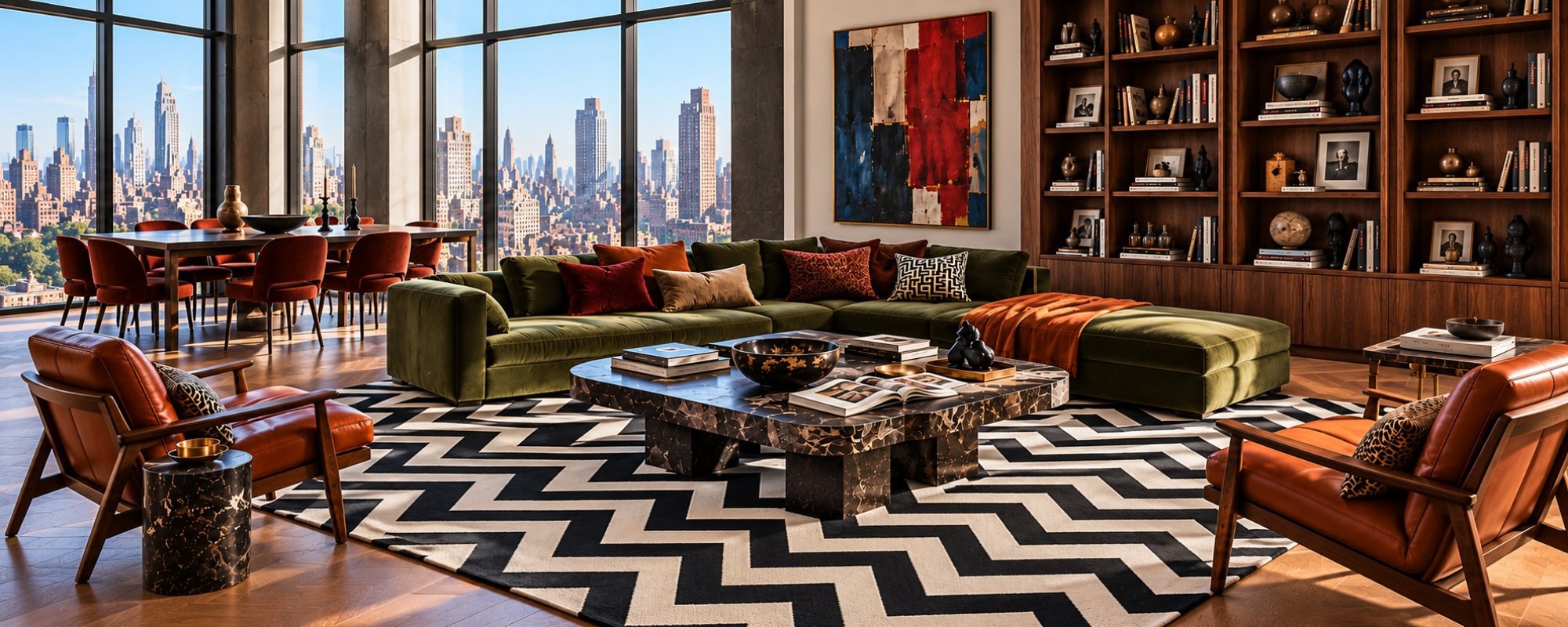
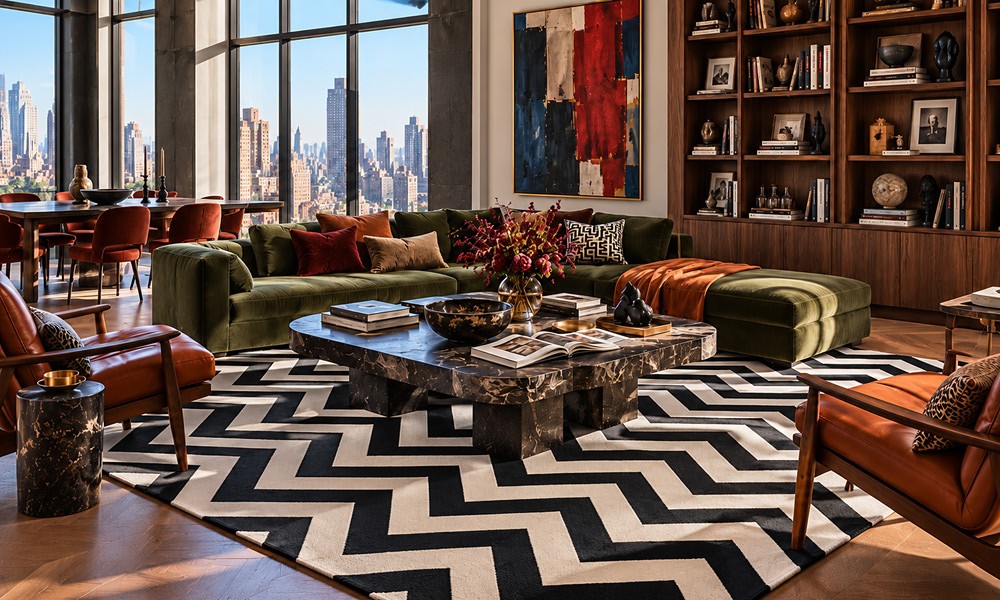
Herringbone is one of the few rug patterns that never dates. This guide explains how herringbone differs from chevron, when to choose flatweave or hand-tufted, which pattern scale suits small and large rooms, and which direction the zigzag should run. It also covers room-by-room placement, pet-friendly choices, and simple weave-specific care, so your herringbone rug always looks designed.
Some patterns date a room the moment they arrive. Herringbone never has.
It’s been on Roman roads, in the parquet of Parisian apartments and on the tweed jacket your grandfather wore. A herringbone rug brings that same quiet confidence to the floor. It adds movement without noise, and structure without feeling stiff.
But the pattern only works if the scale, weave and direction suit the room. Get those three right, and it looks designed. Get them wrong, and it looks busy.
What makes a Herringbone Rug different from Chevron?
Herringbone is made of short rectangles set at an angle, meeting in a staggered, broken zigzag. Chevron pieces are cut so they meet in a clean, sharp point.
That small difference changes the mood. Chevron feels graphic and energetic. Herringbone feels softer and more tailored, because the offset joins break the line just enough.
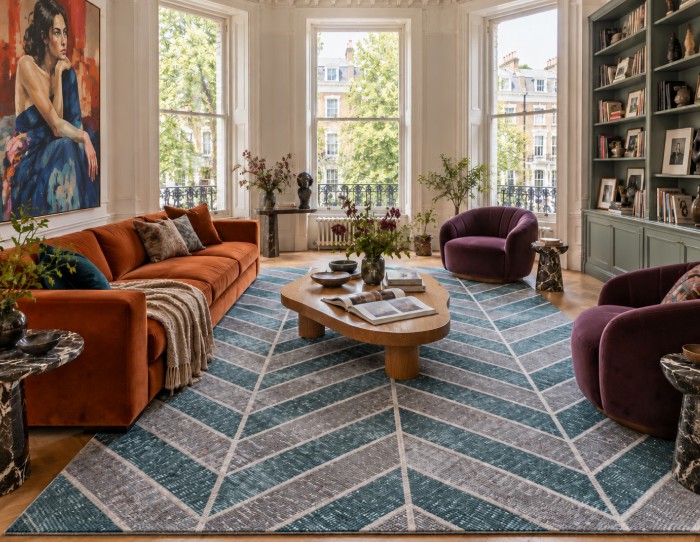
There’s another reason designers reach for it. Herringbone is a weave before it’s a print: a broken twill, the same structure behind herringbone tweed. So on a rug, the pattern often lives in the texture itself, which is why it keeps showing up among this year’s trending rug patterns.
Is a Herringbone rug Flatweave or Tufted?
Both. And the choice changes the look more than the colour does.
Flatweave and Handloom herringbone
On a handloom, the herringbone forms as the weaver interlaces the yarn. There’s no pile, just a tight, flat surface where pattern and texture are one and the same. Flat weave rugs sit low, clear doors easily, and suit a relaxed, tailored room.
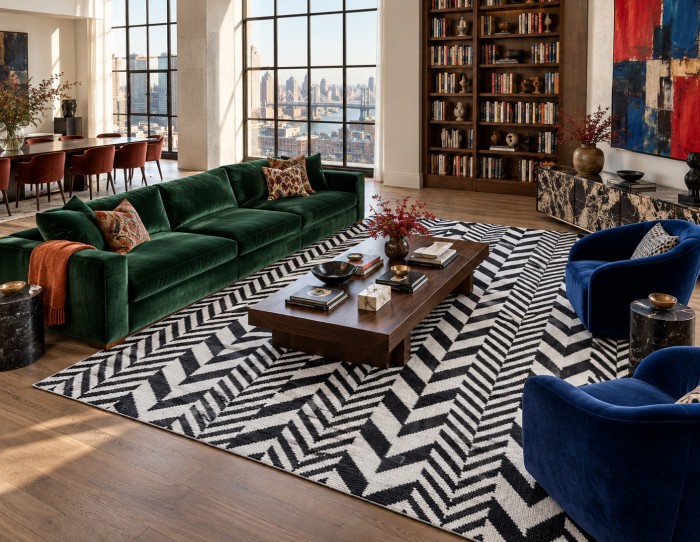
Many are reversible, which doubles their life. The trade-off is cushioning. A flatweave feels firm underfoot, so add a good rug pad if comfort matters.
Hand-tufted herringbone
Hand-tufted rugs build the pattern from the pile. Makers either switch yarn colours or carve the pile at different heights, so the zigzag stands out in relief. You get softness and depth, and the pattern reads clearly from across the room.
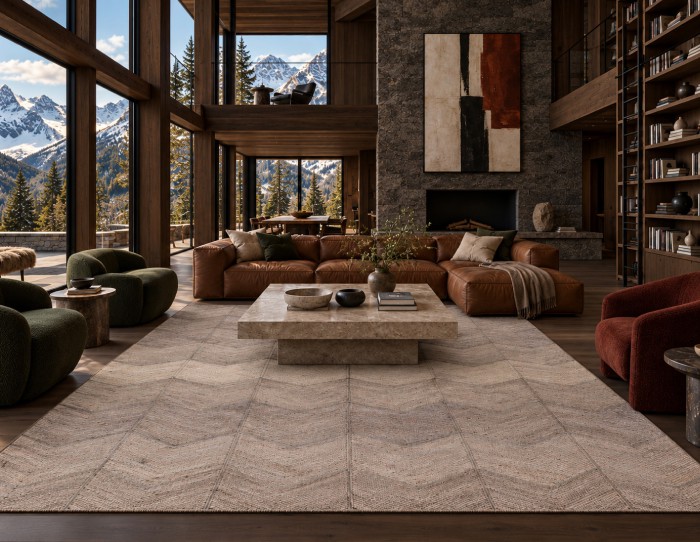
Choose tufted for living rooms and bedrooms where you walk barefoot or sit on the floor. Choose flatweave for dining rooms, hallways, and anywhere chairs move a lot. Our guide to rug weave types explains how each construction is made.
What scale of Herringbone suits a small room?
In a small room, go either very fine or large and low-contrast. The middle ground, a medium zigzag in two strong colours, is what makes tight spaces feel busy.
A fine herringbone reads as texture from a few steps back. It adds interest without chopping up the floor. A large, tonal herringbone does the opposite trick: fewer lines across the floor make the room feel wider.
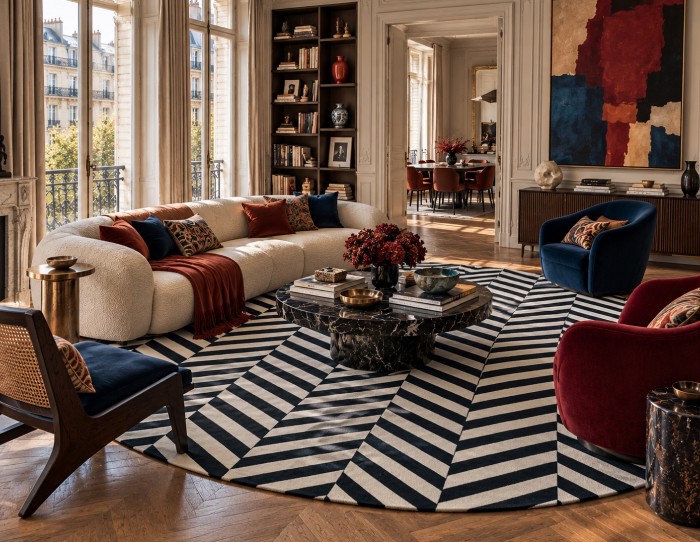
Herringbone scale: rule of thumb
| Fine | Under 3 cm (about 1 in) | Small rooms, layered looks, busy furniture |
| Medium | 5 to 10 cm (2 to 4 in) | Mid-sized living rooms and bedrooms, in low contrast |
| Large | 15 cm (6 in) or more |
Open-plan spaces, 9x12 rugs and up, pared-back furniture |
Contrast matters as much as scale. Ivory on oatmeal is calm at any size. Black on white is a statement at any size, so give it a room with little else competing.
Which way should a Herringbone rug point?
Pattern direction quietly changes how a room feels. Designers think about it with parquet, and the same logic applies to rugs.
Run the zigzag along the length of a space and the eye travels with it. That’s why a herringbone runner rug works so well in a hallway. It pulls you toward the far end and makes a short corridor feel longer.
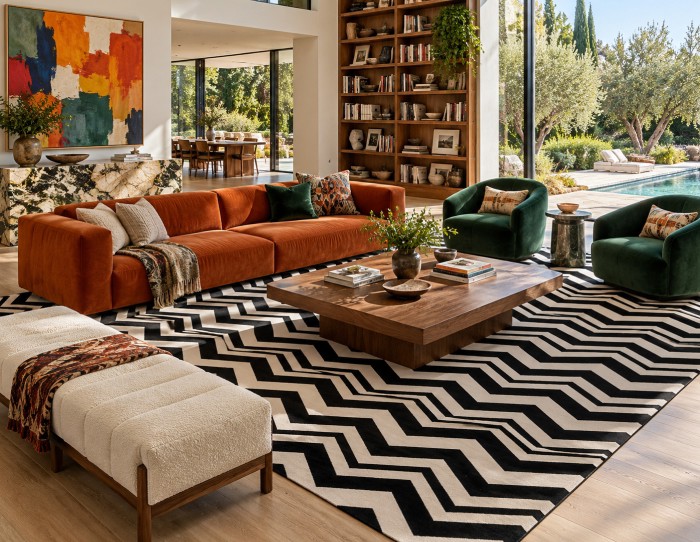
Turn the pattern across a narrow room, and it does the opposite, visually widening it. In a square room, line the zigzag up with the main sightline from the door. The pattern then looks deliberate the moment you walk in.
One more check. A herringbone rug on a herringbone wood floor can work, but only when the scales clearly differ. Same scale, same direction, and the two start to fight.
Where should a Herringbone rug go?
Living room. This is where the pattern earns its “timeless” label. A neutral herringbone sits happily under a modern sofa, a leather armchair or an antique sideboard. An 8x10 hand-tufted piece in soft greige is the safe, smart choice.
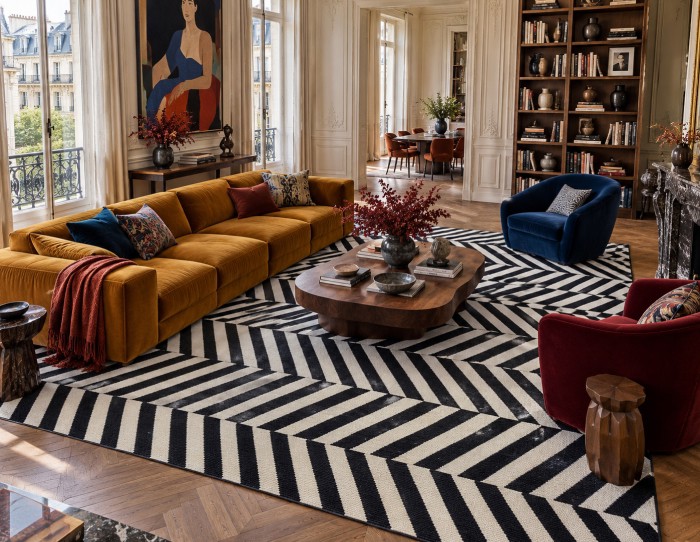
Dining room. Go flatweave. Chairs slide easily, crumbs don’t sink into the pile, and the pattern still adds depth under the table.
Hallway and entryway. A runner pointed down the length. Darker tones or a mixed-yarn colourway will hide everyday dirt.
Bedroom. A soft, tufted herringbone on a large scale feels restful. Keep the contrast low so the room stays calm.
Study. A fine herringbone pairs naturally with bookshelves, leather and timber. It has that library-meets-tailoring feel.
Not sure how it’ll sit with what you already own? Our guide to rug patterns that match your furniture style helps you pair them.
Are Herringbone rugs good for pets and high-traffic areas?
Yes, with the right construction. Herringbone’s broken lines are forgiving. They hide paw prints, stray hair, and everyday wear far better than a solid rug.
Watch the pile, though. Loop piles can catch claws and pull. A dense flatweave or a cut-pile hand-tufted rug is the safer bet for homes with dogs and cats.
Caring for herringbone by weave
Hand-tufted wool sheds a little in the first few months. That’s loose fibre from production, not the rug wearing out, and regular vacuuming clears it.
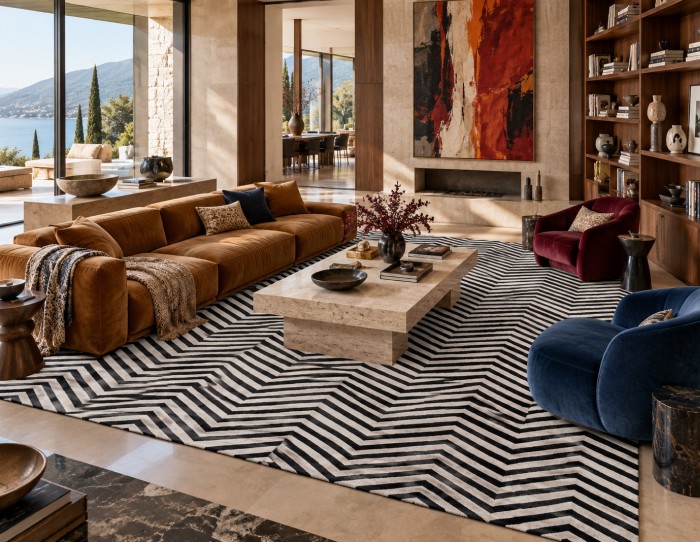
Flatweaves don’t shed, but fine grit can work through the weave. Vacuum both sides now and then, and rotate the rug every six months so it wears evenly.
The Craft Behind the Pattern
A pattern this precise depends on the hands that make it. Jaipur Rugs has worked with weaving communities since 1978 and now partners with more than 40,000 artisans across 600 villages in India. Every rug passes through around 180 pairs of hands before it reaches a home.
On a handloom, herringbone takes patience. One misjudged pass, and the zigzag drifts. That steadiness is what you’re seeing when the pattern runs clean from edge to edge.
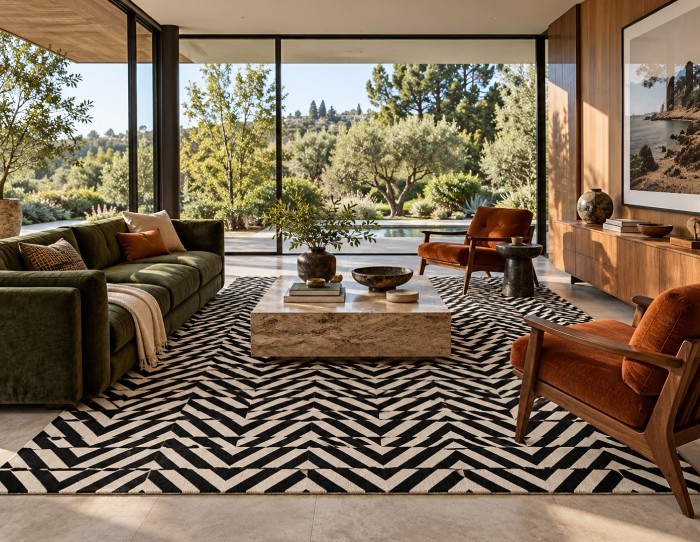
Where to start
Look at the room and ask one question: should the pattern whisper or speak? Whisper means fine scale, tonal colours, maybe a flatweave. Speak means larger scale and stronger contrast.
Then decide the direction before you order. It’s the detail most people forget, and the one that makes a herringbone rug look like a designer chose it.
FAQs
Where should a herringbone rug go?
A herringbone rug works best in living rooms, hallways, dining rooms, and studies. In hallways, run it lengthwise to make the space feel longer. In living rooms, a neutral herringbone suits both modern and traditional furniture. Flatweave versions are ideal under dining tables because chairs slide easily.
Is a herringbone rug flatweave or tufted?
Herringbone rugs come in both. Flatweave and handloom versions form the pattern through the weave itself, giving a flat, textured surface. Hand-tufted versions create the zigzag through pile height or colour, so they feel softer, and the pattern reads more clearly. Choose by how the room is used.
What scale of herringbone suits a small room?
A small room suits either a fine herringbone or a large-scale pattern in low contrast. Fine patterns read as texture, while large tonal ones make the floor feel wider. Avoid medium-scale, high-contrast herringbone, which looks busy in tight spaces.
What is the difference between herringbone and chevron?
Herringbone uses rectangles that meet in a staggered, broken zigzag. Chevron uses pieces cut at an angle so they meet in a clean point. Herringbone feels softer and more tailored, while chevron feels bolder and more graphic.
Is a herringbone rug timeless?
Yes. Herringbone has appeared in architecture, flooring and tailoring for centuries, and it rarely follows trend cycles. In neutral tones, a herringbone rug moves easily between modern, transitional and traditional rooms.


Pic Credits
Jaipur rugs / Abil Dase
Share
-
 Facebook
-
 Twitter
-
 Email
Related Posts
-
30 October 2026
- ∙
-
8 Min Read
Formal Living Room Ideas That Start With the Rug
Learn how to choose the right rug for a formal living room, from selecting the correct size and placement to finding colours, patterns, and materials that suit your space. Explore traditional, transitional, and modern rug styles, along with tips on wool, silk, and hand-knotted rugs to create a living room that feels elegant, comfortable, and welcoming.
Read Article →
-
29 October 2026
- ∙
-
9 Min Read
Terracotta Rugs: How to Style 2026's Warmest Colour Trend
Terracotta rugs bring warmth, depth and earthy character to modern interiors. This guide explores the best colour pairings, from cream and sage green to dusty blue, along with styling ideas for living rooms and bedrooms. Learn how to choose the right rug size, compare traditional and contemporary designs, and understand why hand-knotted wool rugs offer lasting beauty and natural texture.
Read Article →
-
28 October 2026
- ∙
-
11 Min Read
Monochromatic Color Scheme: How to Design a One-Color Room That Never Feels Flat
A monochromatic color scheme uses different shades, tints and tones of one colour to create a cohesive interior. Learn how to style monochromatic living rooms, bedrooms and kitchens using colour, texture, furniture and rugs. Explore monochromatic colour scheme examples, understand the difference between monochromatic design and colour drenching, and find practical ideas for creating balanced, visually interesting spaces in modern homes.
Read Article →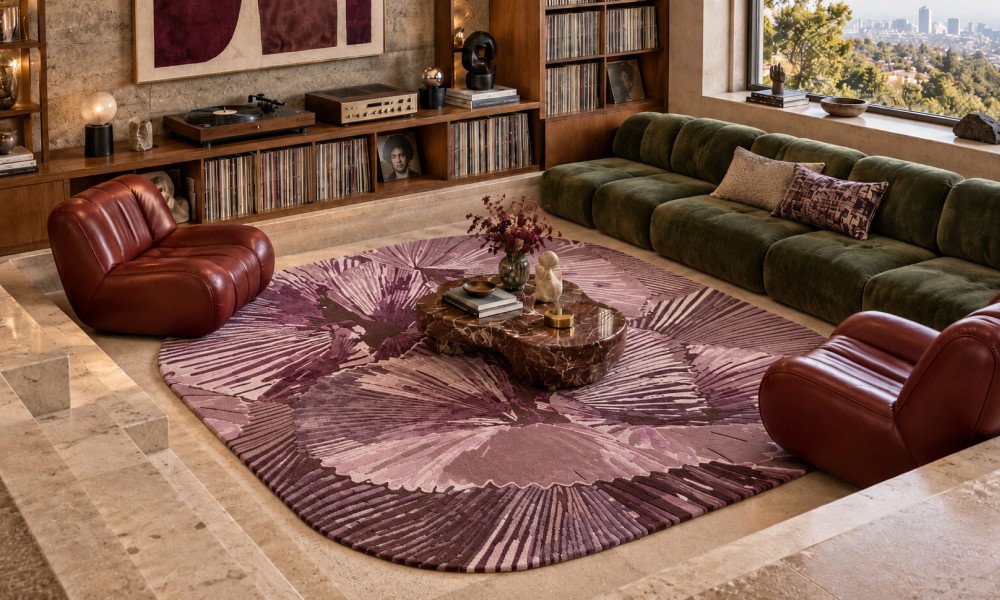
-
22 October 2026
- ∙
-
8 Min Read
Conversation Pits Are Back: How to Choose the Right Rug for a Sunken Living Room
Conversation pits are back, and the right rug makes or breaks them. This guide explains what a conversation pit is, how to get the look without a sunken floor, and which rug shapes suit pits. It covers sizing, low-pile safety near steps, hand-tufted versus hand-knotted options, custom shapes, and styling a 70s living room so it feels fresh, not dated.
Read Article →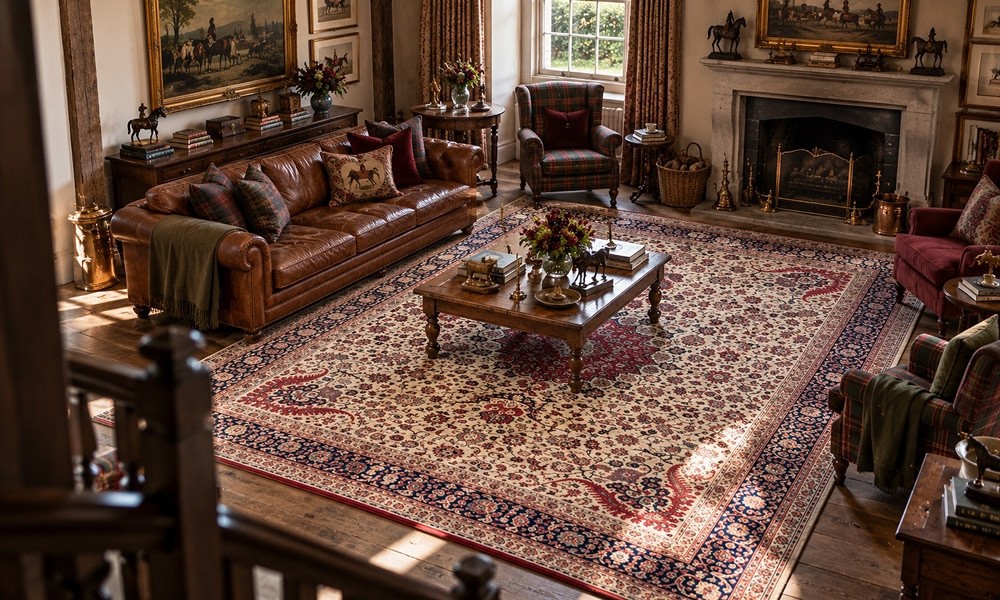
-
21 October 2026
- ∙
-
7 Min Read
Old Money Interiors: The Understated Rugs Behind the Look
Old money interiors look collected, not decorated, and the rug is often what makes them work. This guide covers the rugs that suit the style: hand-knotted wool, wool-silk, and antique-wash finishes. You’ll also find the muted colours that define it, room-by-room styling tips, how it differs from quiet luxury, and why heirloom craft matters for a home built to last.
Read Article →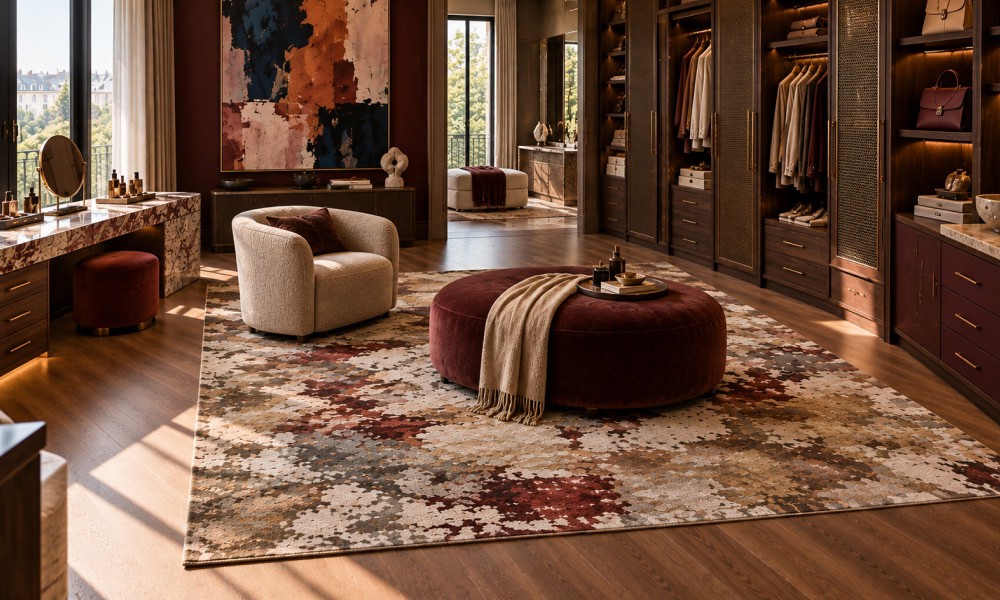
-
16 October 2026
- ∙
-
8 Min Read
Walk-In Wardrobes and Dressing Rooms: Rugs for the Most Personal Room
A dressing room is the most personal room in the house, yet its floor is often forgotten. This dressing room design guide explains how to choose a soft rug for a walk-in wardrobe: wool or wool-silk materials, hand-tufted versus hand-knotted construction, the right size around fitted storage, colours that suit your joinery, and simple care tips that keep it looking luxurious.
Read Article →