You are on our International website. Please select your region to see content specific for your location





 Profile
 Orders
 Wishlist
 Change Password
 Logout


LATEST BLOGS
The New Minimalism Isn't About Owning Less. It's About Needing Less Visual Explanation
- 07 April 2025
- 6 Min Read
- By Jaipur Rugs
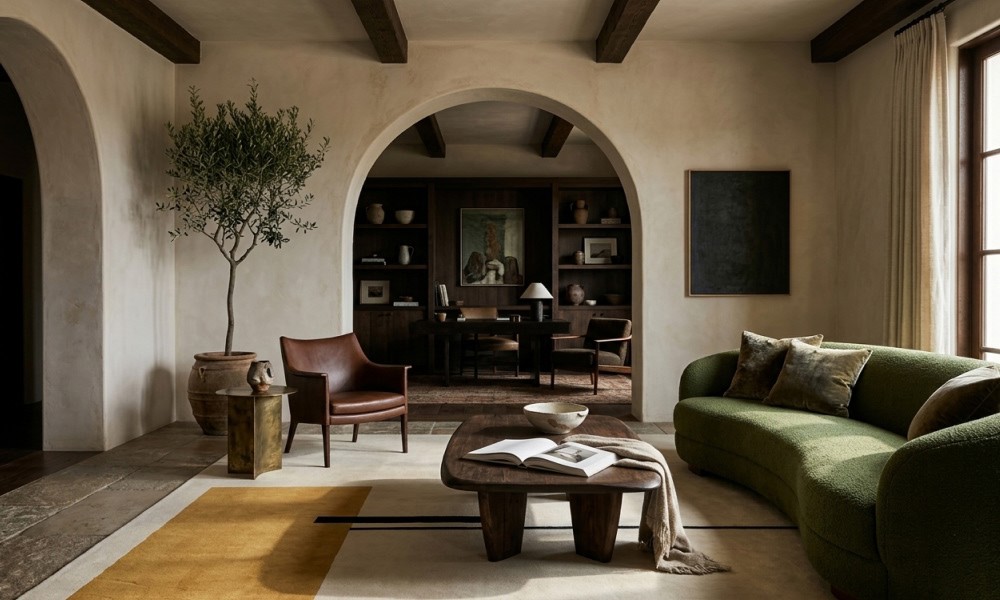
The biggest lie minimalist decor ever sold was that less automatically looks better. It doesn't. Some of the emptiest rooms feel lifeless, while some of the most memorable minimalist homes contain layers of texture, craft, color, and personality. The difference comes down to one overlooked design principle, and it's probably the reason your minimalist room still doesn't feel the way designer homes do.
A strange thing has happened to minimalism.
The aesthetic that once became famous for empty countertops, stark white rooms, and furniture that looked better in photographs than in real life is being rewritten. Not abandoned. Rewritten.
In 2026, the most compelling minimalist homes are not the emptiest ones. They're often filled with books, collected objects, textured materials, handmade pieces, and evidence of actual living. Yet they still feel calmer than many homes with half as much stuff.
That shift explains why minimalist decor, modern minimalist home design, and Japandi interior design continue to resonate, even as homeowners grow increasingly tired of trend cycles. The appeal is no longer about deprivation. It's about clarity.
The new minimalist home doesn't ask, "How little can I own?"
It asks, "How much visual noise can I remove without removing personality?"
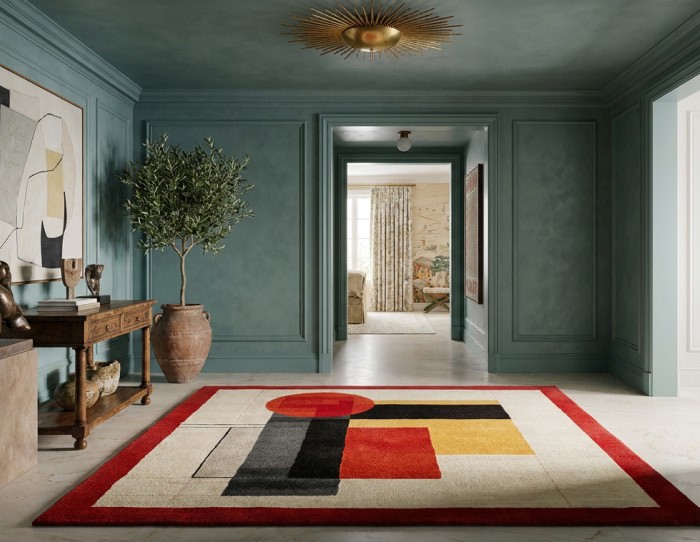
Why Pinterest Minimalism Started Feeling Like a Showroom?
For years, minimalist interiors were often interpreted as a formula.
White walls.
Neutral furniture.
Hidden storage.
Almost nothing on display.
The problem was that many of these spaces looked complete but rarely looked inhabited.
As social media accelerated design trends, homes increasingly became visual performances. Every season introduced a new aesthetic, a new must-have accessory, a new color story, and a new reason to replace something that was perfectly functional.
Eventually, many homeowners reached the same conclusion.
The problem wasn't clutter.
The problem was constant visual consumption.
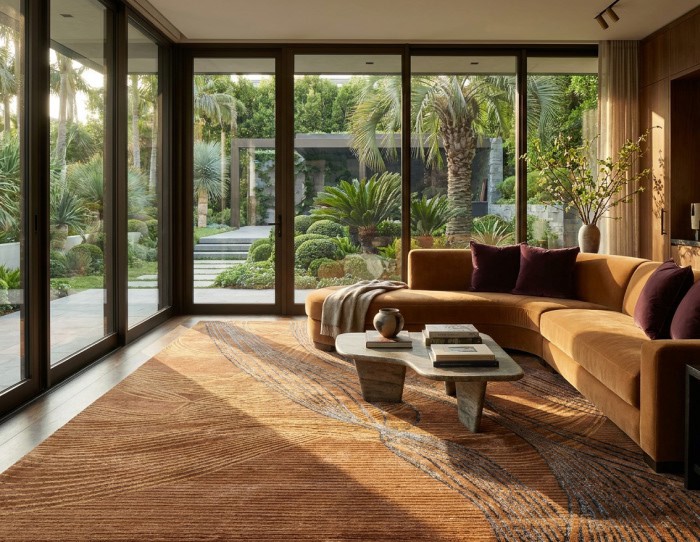
The Most Successful Minimalist Homes Are Surprisingly Layered
One of the biggest misconceptions about minimalist home decor is that every surface should remain empty.
In reality, many of today's most admired minimalist interiors contain significant visual richness.
What they avoid is fragmentation.
A room can contain:
-
Books
-
Ceramics
-
Textiles
-
Plants
-
Collected objects
and still feel minimalist.
The difference lies in cohesion.
When materials, colors, and proportions work together, the room feels composed rather than crowded.
What most designers miss in minimalism is not the absence of objects. It is the absence of competition between objects.
A room becomes exhausting when every item tries to become the center of attention.
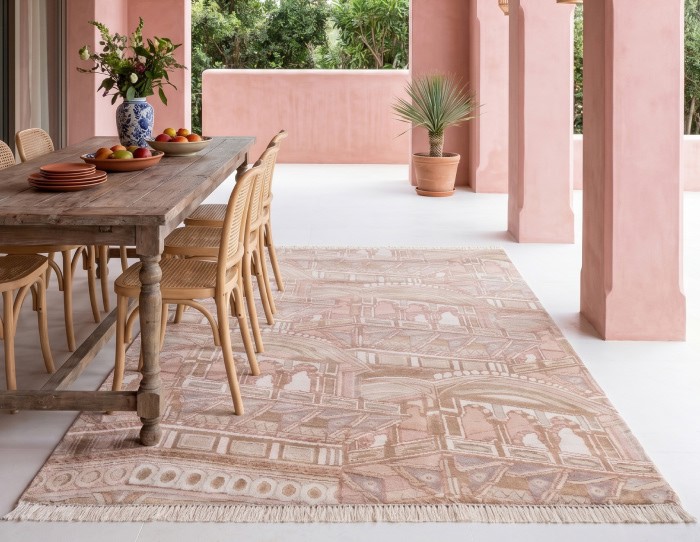
Why Texture Is Replacing Decoration?
Look closely at contemporary minimalist interiors, and a pattern emerges.
Designers are relying less on accessories and more on materiality.
Texture is becoming the decoration.
Instead of filling rooms with visual accents, people are investing in elements that contribute depth through touch, craftsmanship, and natural variation.
This explains the continued popularity of:
-
Wool
-
Linen
-
Natural wood
-
Stone
-
Hand crafted decor
These materials create sensory interest without creating visual chaos.
A plaster wall often contributes more character than a shelf filled with decorative objects.
A handwoven textile often contributes more personality than five trendy accessories purchased in the same month.
The strongest minimalist interiors rarely feel empty. They feel layered in ways that reveal themselves gradually rather than all at once.
That distinction creates longevity.
Why Japandi Became a Foundation Instead of a Trend?
A few years ago, Japandi interior design dominated design conversations.
Today, it remains influential, but its role has changed.
Rather than acting as a trend, it has become part of the design vocabulary.
Its lasting contribution was never a specific furniture style.
It was a philosophy.
The movement encouraged people and even designers to value:
-
Craftsmanship
-
Natural materials
-
Functionality
-
Restraint
-
Intentional living
Many contemporary minimalist homes still borrow these principles, even when the final aesthetic looks very different from classic Japandi spaces.
The result is a more human version of minimalism.
Less rigid.
Less performative.
More adaptable.
Why Minimalist Rooms Often Begin With a Rug, Not Furniture?
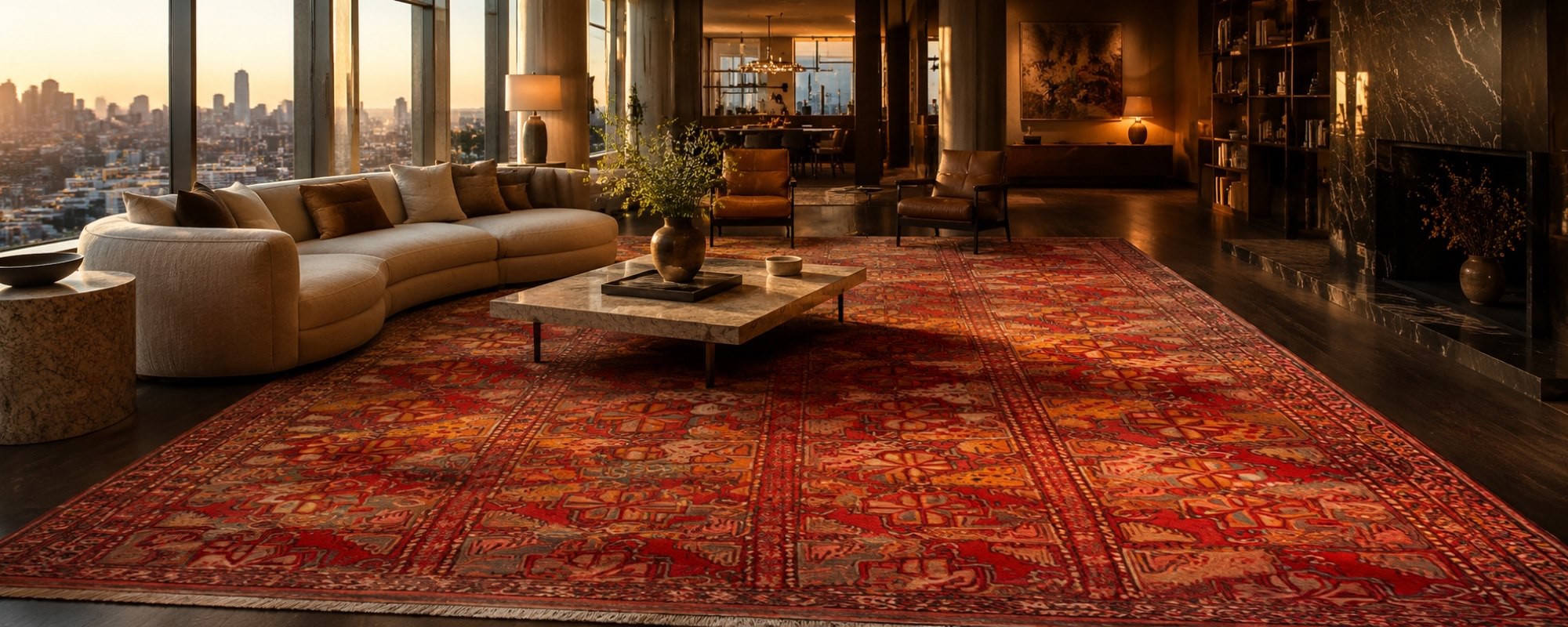
Minimalism's biggest misunderstanding is that it removes things from rooms. In reality, it simply changed where visual interest lives. As shelves become less crowded and accessories become more selective, rugs are increasingly carrying the personality, texture, and atmosphere that dozens of smaller objects once provided.
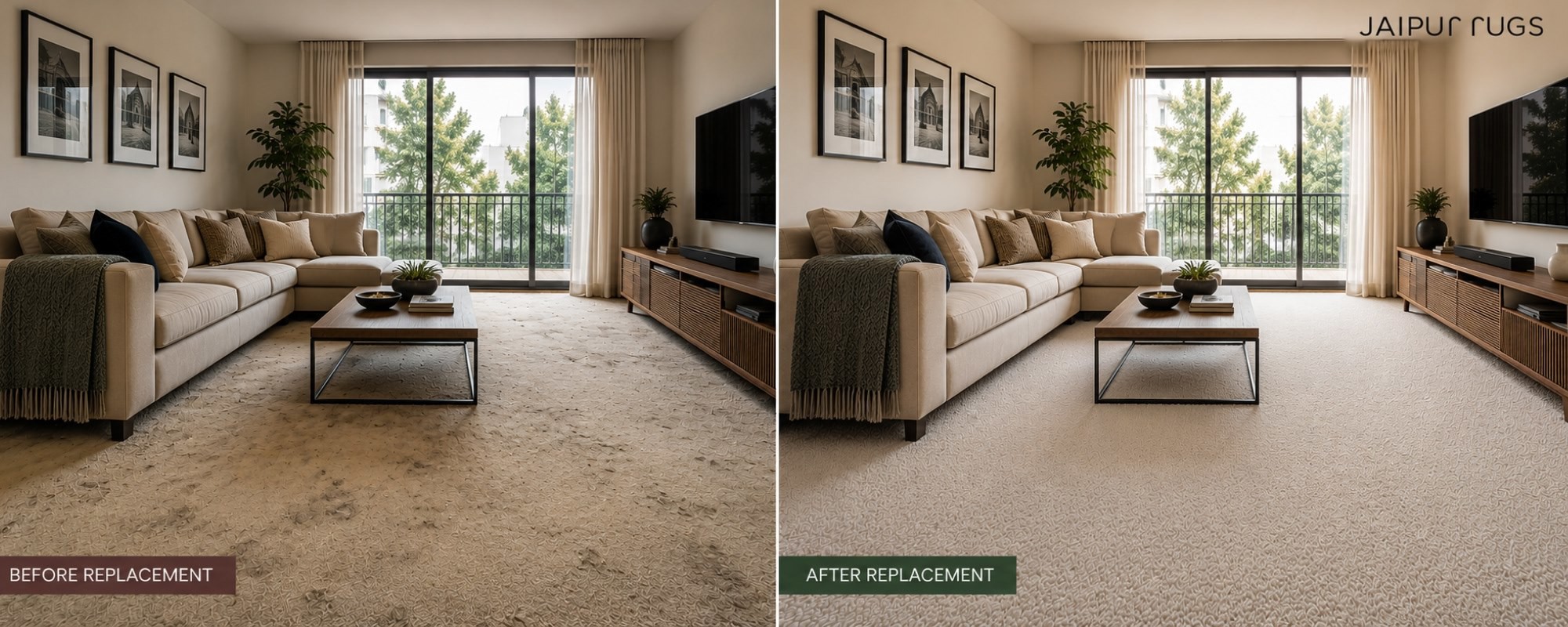
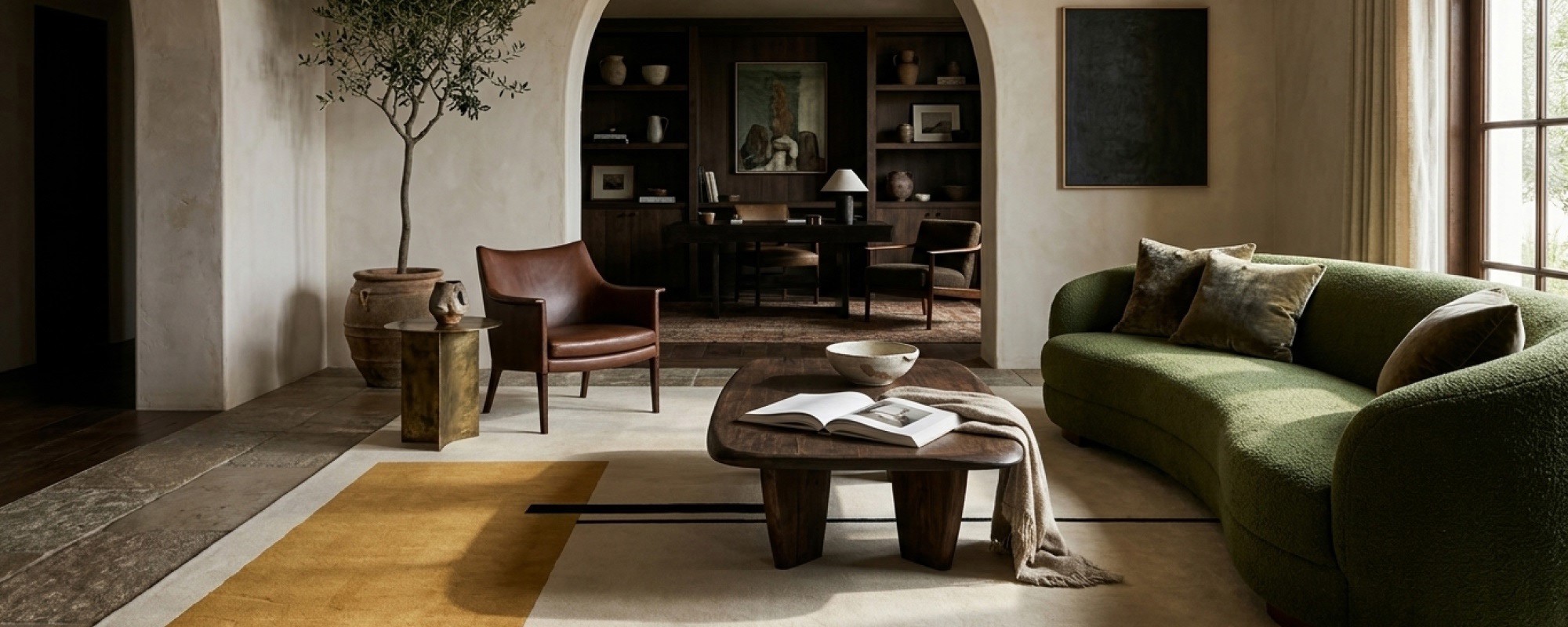
Solid rugs work when the architecture deserves attention. Instead of competing with furniture, artwork, and finishes, they create a visual pause that allows everything else to breathe.
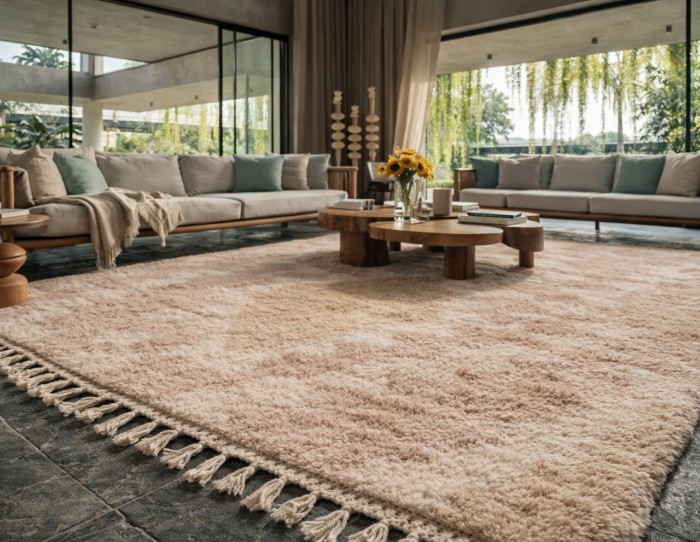
Wool rugs have become increasingly relevant because modern minimalism is moving away from visual stimulation and toward sensory experience. People may not consciously notice them, but they immediately notice how the room feels.
Jute rugs appeal to homeowners who want material honesty rather than decoration. Their attraction comes less from design and more from the fact that they look exactly like what they are.
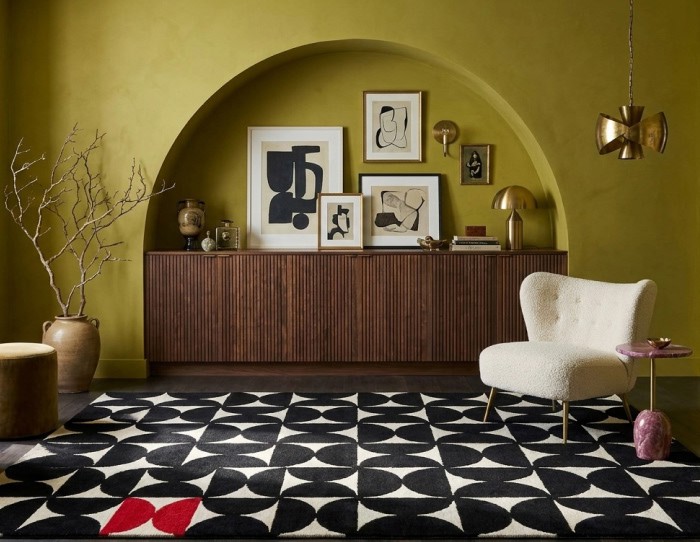
Geometric rugs are often used when a minimalist room risks becoming too relaxed. They introduce order, direction, and architectural energy without adding clutter.
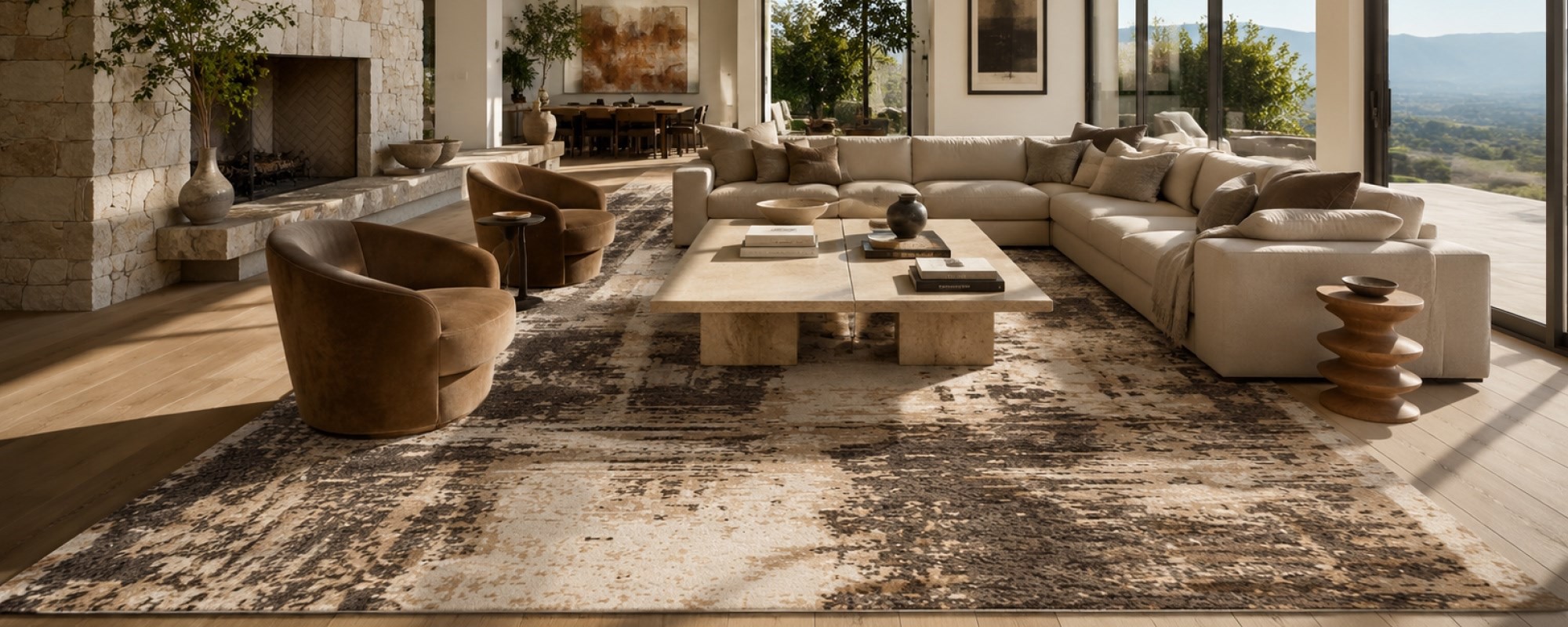
Abstract rugs solve a growing design challenge: how to introduce personality without filling a room with accessories. One large abstract rug can often replace multiple decorative moments.
Tribal rugs continue appearing in highly edited interiors because they introduce something many minimalist spaces lack: history. Their patterns carry a sense of place and craft that newer designs sometimes struggle to replicate.
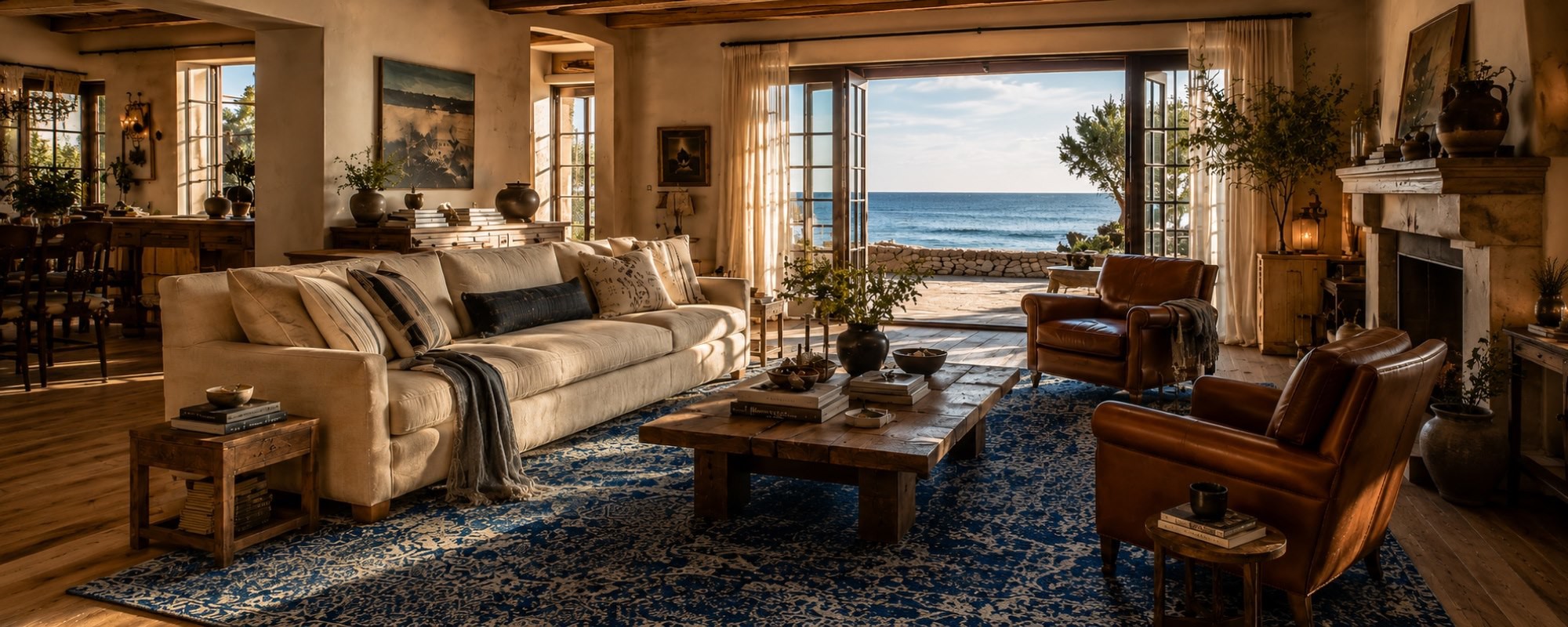
Blue rugs and green carpets are increasingly being used as alternatives to predictable neutrals, bringing depth to a room without demanding constant attention.
The real shift? Minimalist rooms are becoming less decorated but more atmospheric. And increasingly, the designer rug is doing much of that work alone.
Summing Up...
The next chapter of minimalism is not about subtraction.
It is about discernment.
The homes people remember are rarely the ones with the most decoration. Nor are they the ones with the least.
They are the ones where every element feels connected to a larger atmosphere.
A wool rug grounding a living room.
A handmade piece carrying evidence of the person who made it.
A bedroom that prioritizes comfort over performance.
A home that no longer feels obligated to explain itself through endless objects.
Perhaps that is where minimalism has finally matured.
Not into emptiness.
Into confidence.
A confidence that allows a room to say more with texture, craftsmanship, and intention than it ever could with decoration alone.
We will be back with another exciting blog soon!
Till then, stay tuned and explore Jaipur Rugs.
FAQs
What Is a Minimalist Interior Design Style?
Minimalist interior design focuses on simplicity, clean lines, neutral colors, and functional furnishings with minimal ornamentation.
What Are the Principles of Minimalist Interior Design?
Key principles include simplicity, functionality, clean lines, a monochromatic palette, open spaces, and intentional design choices.
Is Minimalism Still Trending?
Yes! In 2025, minimalism is evolving with warmer neutrals, sustainable materials, and cozy minimal styling gaining popularity.
How Do I Make My Room Minimalist?
Declutter, choose functional furniture, stick to a neutral color palette, and add only essential decor with clean, simple lines.
What Is Minimalist Design Style?
It’s a design approach emphasizing “less is more” by using minimal elements to create a calm, organized, and visually clean space.
What Does a Minimalist Room Look Like?
A minimalist room feels airy and uncluttered, with neutral colors, sleek furniture, and just a few well-chosen decorative pieces.
What Is the Opposite of a Minimalist Bedroom?
A maximalist bedroom—rich in color, layered textures, bold patterns, and abundant decor.
What Is Minimalism in Interior Design?
It’s a fashion design philosophy that promotes living with less to create peaceful, purposeful, and uncluttered interiors.
What Is the Style of Minimalism?
Minimalism is a sleek, restrained style that values space, light, and essential design elements over decorative excess.
What Is Minimalist Decorating Style?
It’s about decorating with intention—using fewer, high-quality pieces to create a serene and uncluttered home.
How to Decorate Your Home as a Minimalist?
Stick to a neutral palette, choose multi-functional furniture, reduce visual clutter, and focus on quality over quantity.
What Are the Colors for Minimalist Decor?
White, beige, soft grays, black, and earthy neutrals are classic choices, with subtle pops of muted tones for warmth.
What Is the Rule of Minimalist Design?
The golden rule: Less is more. Every item should serve a purpose or bring joy—nothing extra, nothing overwhelming.


Pic Credits
Jaipur rugs / Abil Dase
Share
-
 Facebook
-
 Twitter
-
 Email
Email
Related posts
-
28 April 2026
-
4 Min Read
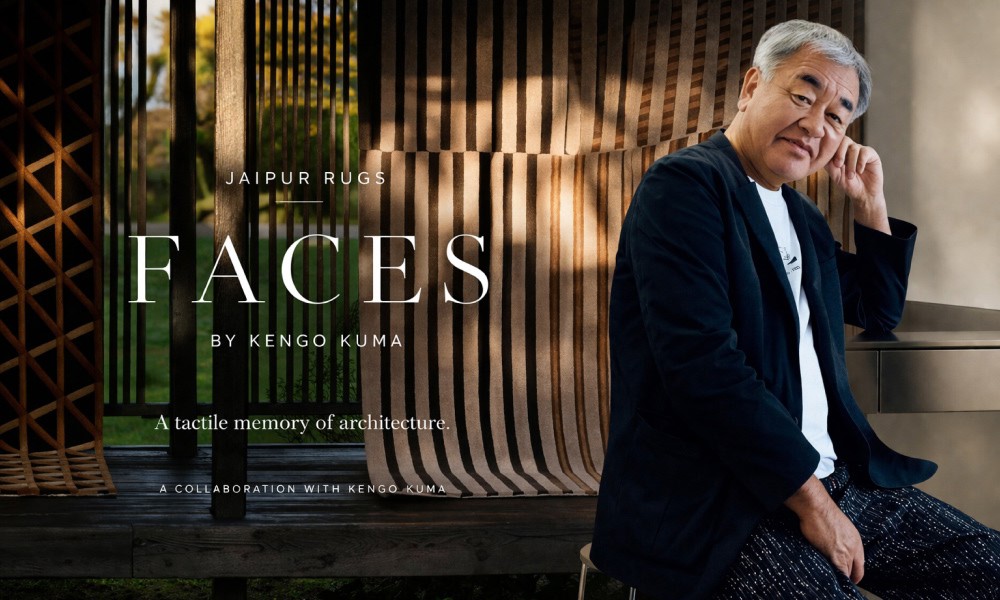
FACES by Kengo Kuma x Jaipur Rugs: A Tactile Memory of Architecture
Most luxury rugs fill a space. This collection questions it. FACES by Kengo Kuma isn’t about pattern or palette; it’s about how a room behaves. Light shifts differently. Surfaces feel quieter. Space suddenly has intent. If you think you have seen designer rugs before, you haven’t seen them like this.
Read More >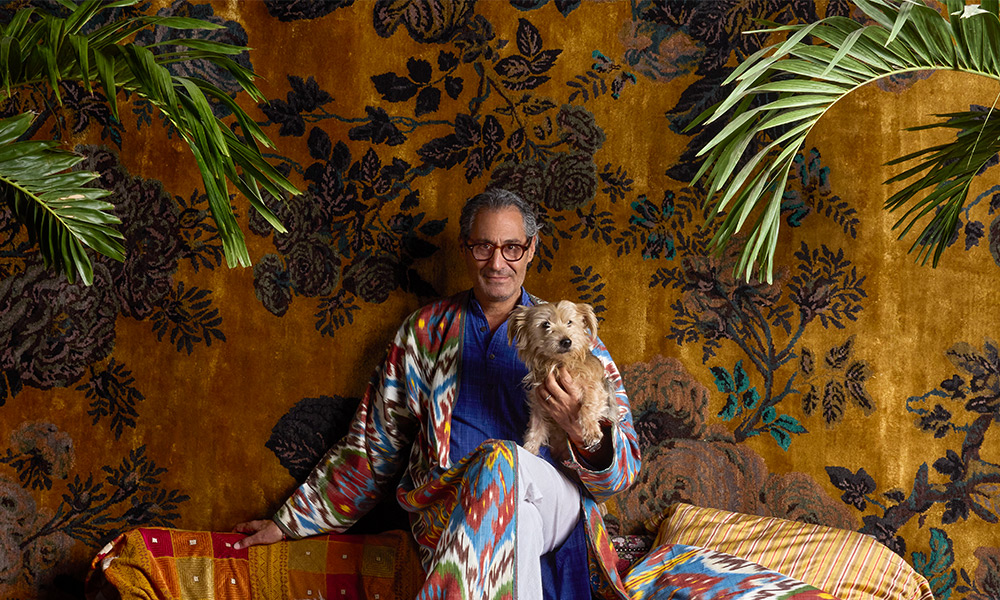
-
19 February 2025
-
4 Min Read
Gilded Age: A New Collection of Designer Rugs by Peter D’Ascoli
A New York-based Designer with an insatiable curiosity, Peter D’Ascoli explores the world of decorative arts with an in-depth research for over four decades to bring a bespoke collection of handcrafted rugs, Gilded Age. The handcrafted rugs in collaboration with the excellence of the Jaipur Rugs artisans brings to attention his mastery as a textile designer.
Read More >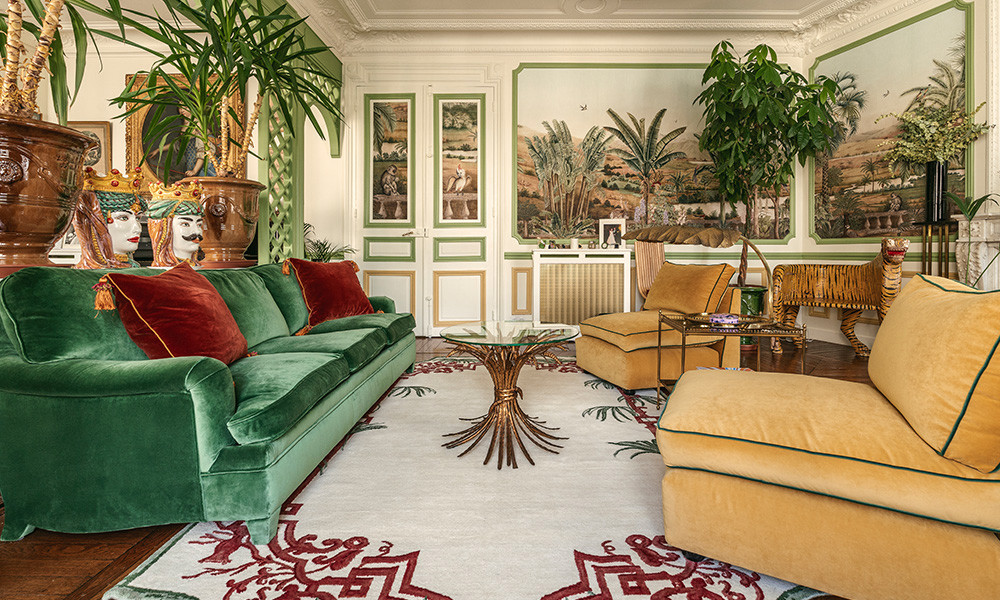
-
05 December 2024
-
3 Min Read
Jardins du Monde: Designer Rug Collection Launch by Tatiana de Nicolay
A globetrotter, watercolor illustrator and an interior designing enthusiast, Tatiana de Nicolay brings her collection of designer hand-knotted rugs reimagined as landscapes, taking the reader’s imagination a walk through Jardins du Monde- translated as Gardens of the World.
Read More >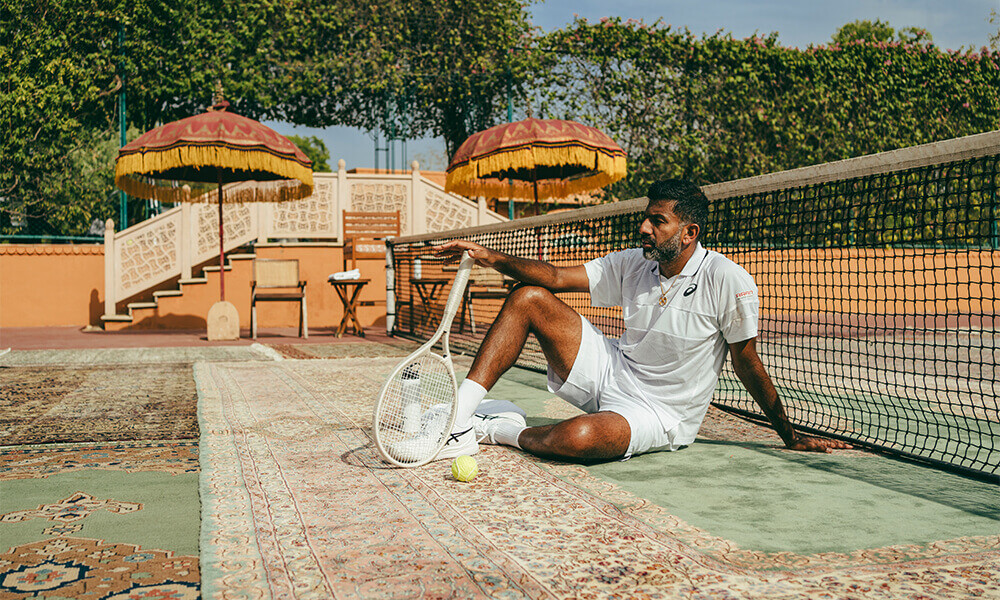
-
01 July 2024
-
3 Min Read
Bring Wimbledon Elegance Home with Our Green Rugs
Embrace the allure of green rugs and carpets. Echoing lush hues and timeless charm, these antique designs add a sophisticated touch to any room. Perfect for tennis enthusiasts and stylish interiors.
Read More >
-
31 May 2024
-
4 Min Read
Terra Rugs: An Ode to Earthy Elegance in Biophilic Design
From emotional resonance to earthy elegance to historical significance, you will find all of it and much more in one of our most cherished collections of Terra rugs. Through this blog, tread softly through the journey of the timeless hue—the emotional connection it sets, its historic appeal, versatility, and how seamlessly you can imbibe its natural flair in your living spaces.
Read More >
-
23 May 2024
-
4 Min Read
Jaipur Rugs: The royal backdrop for the Heeramandi Grandeur
Heeramandi: Beyond the performances, dive deeper—the antique rugs hold captivating stories. Explore Jaipur Rugs' Aalam collection, handcrafted masterpieces reflecting the series' grandeur. Unveil history, one rug at a time.
Read More >