You are on our International website. Please select your region to see content specific for your location





 Profile
 Orders
 Wishlist
 Change Password
 Logout


LATEST BLOGS
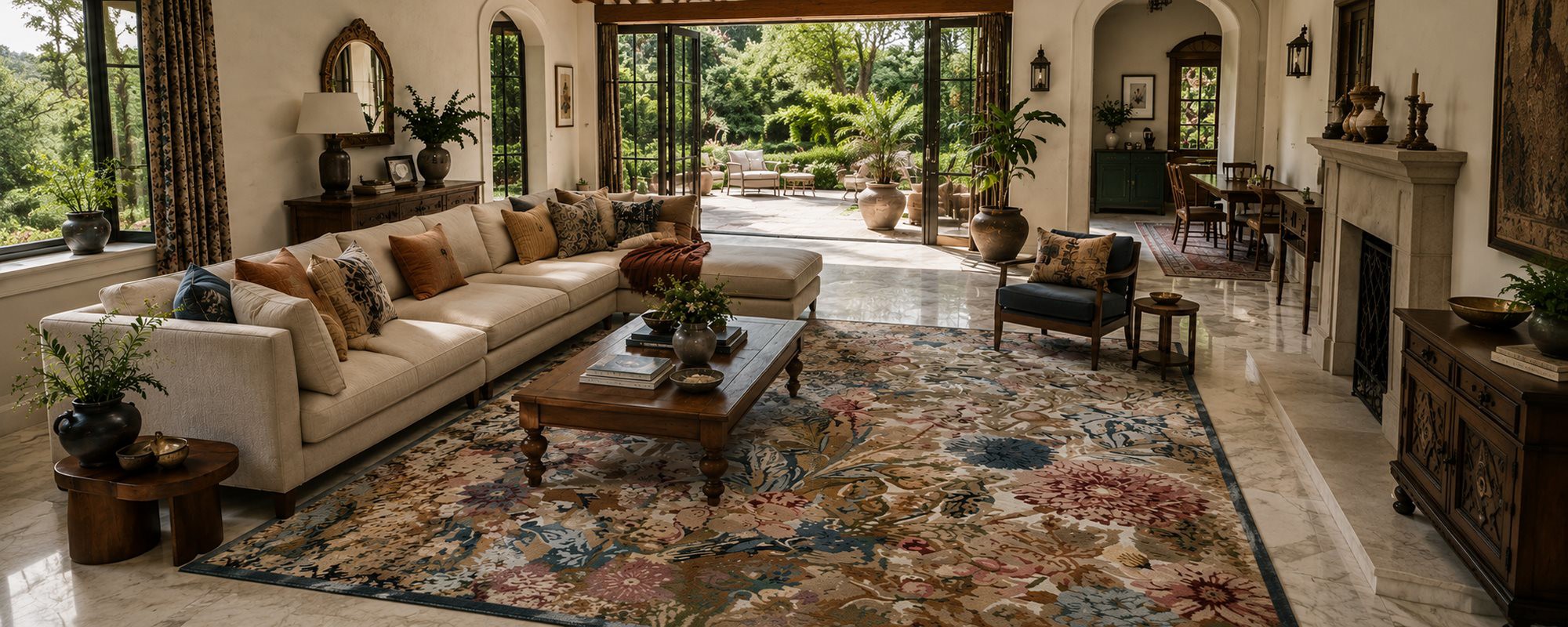
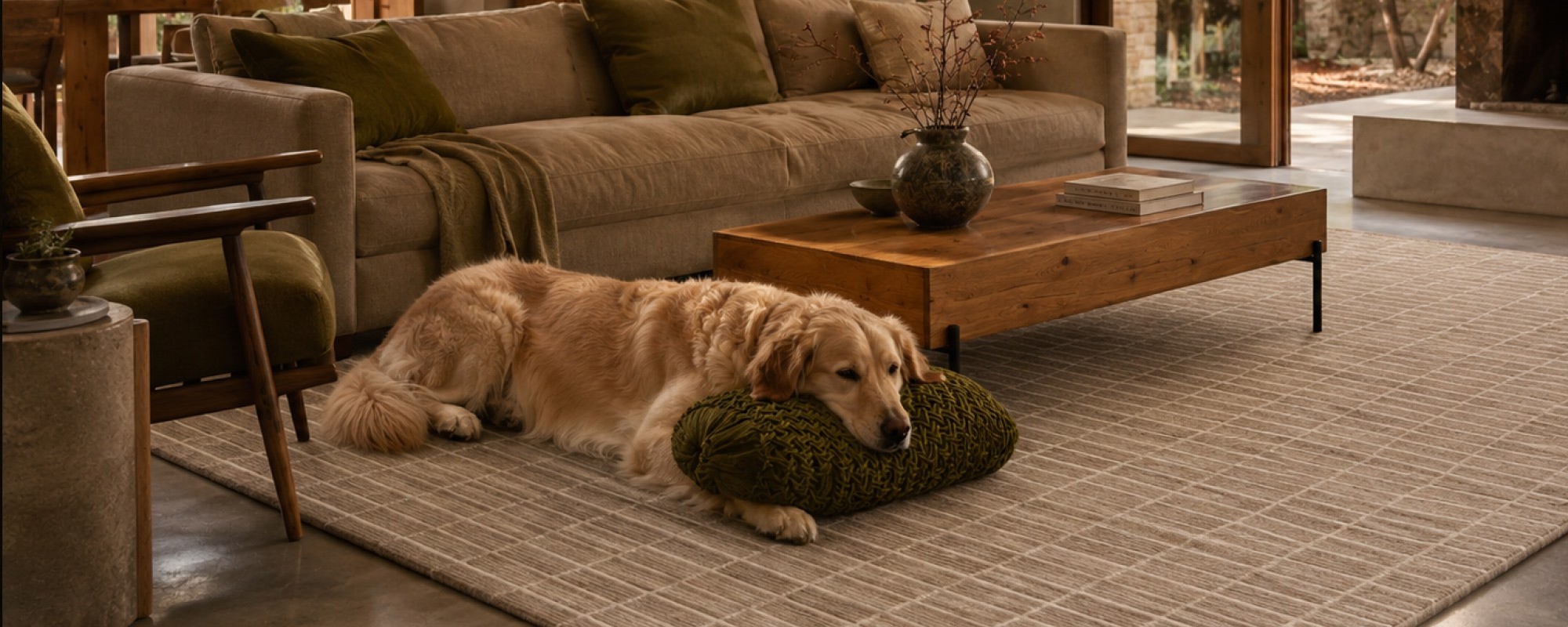
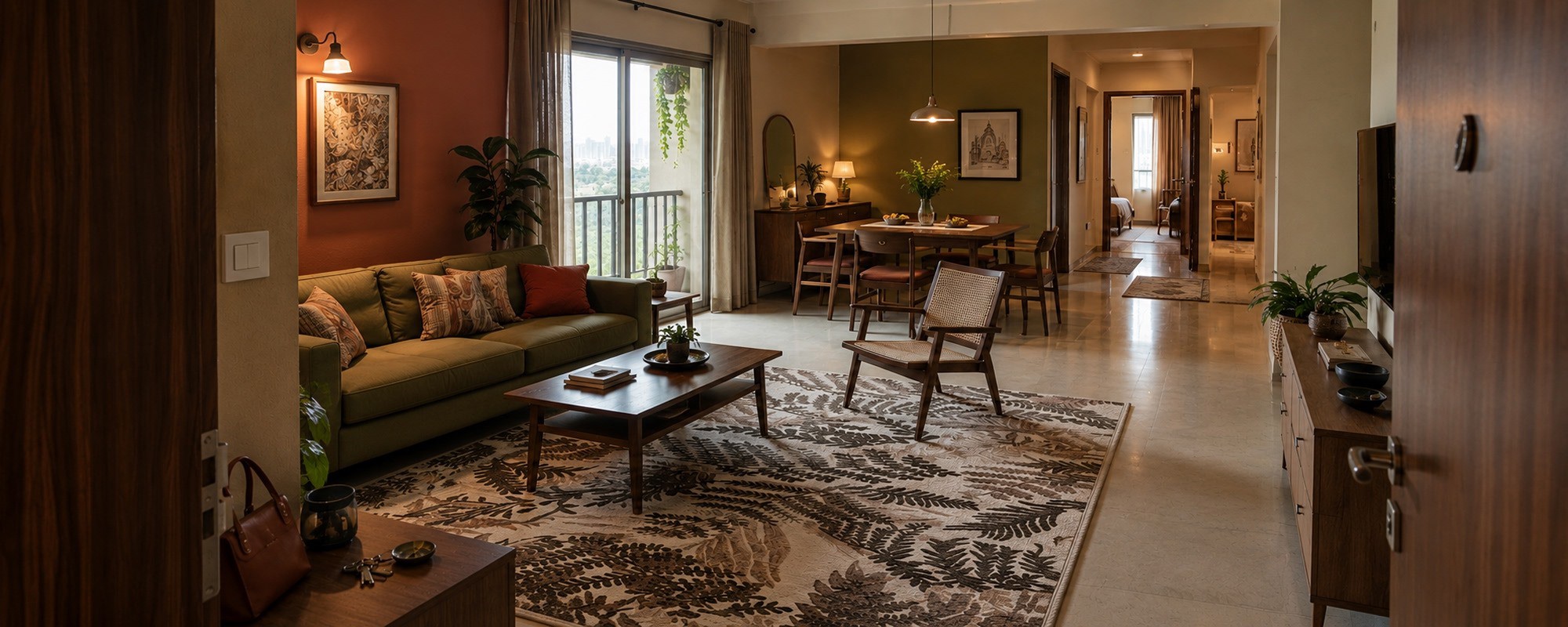
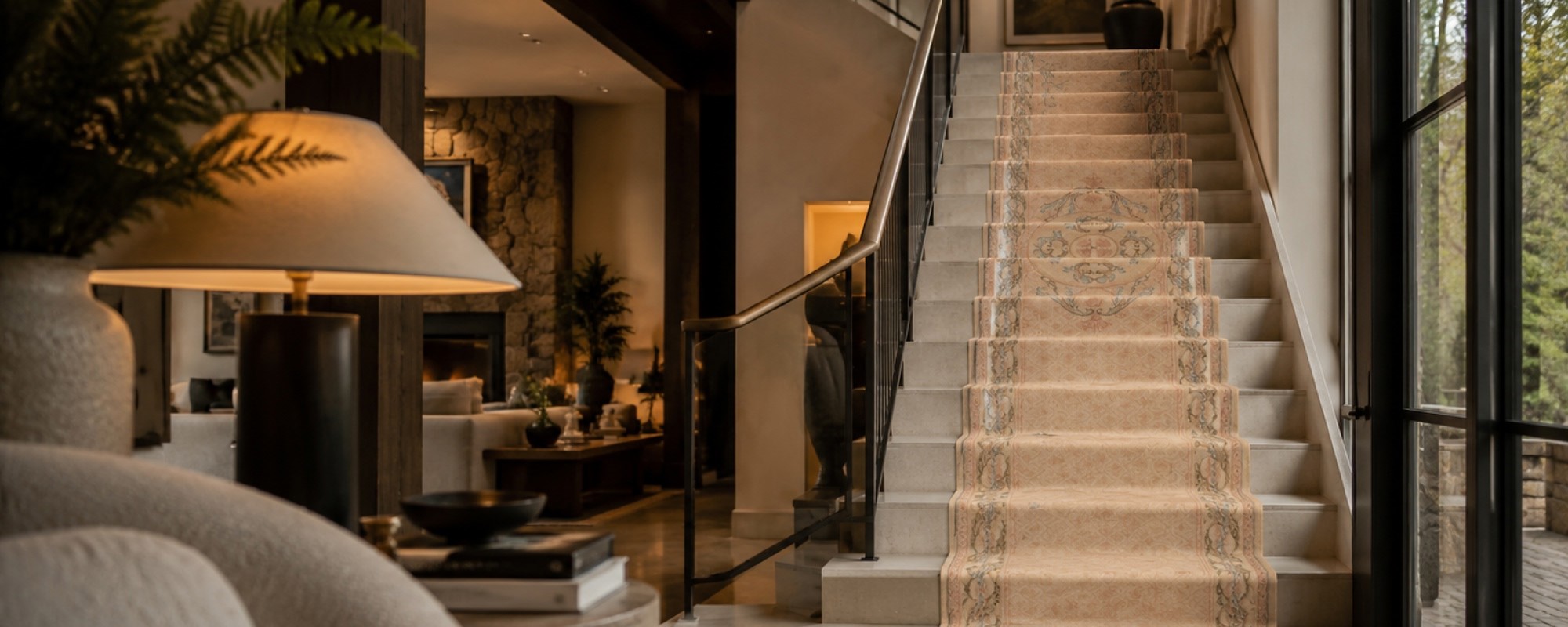
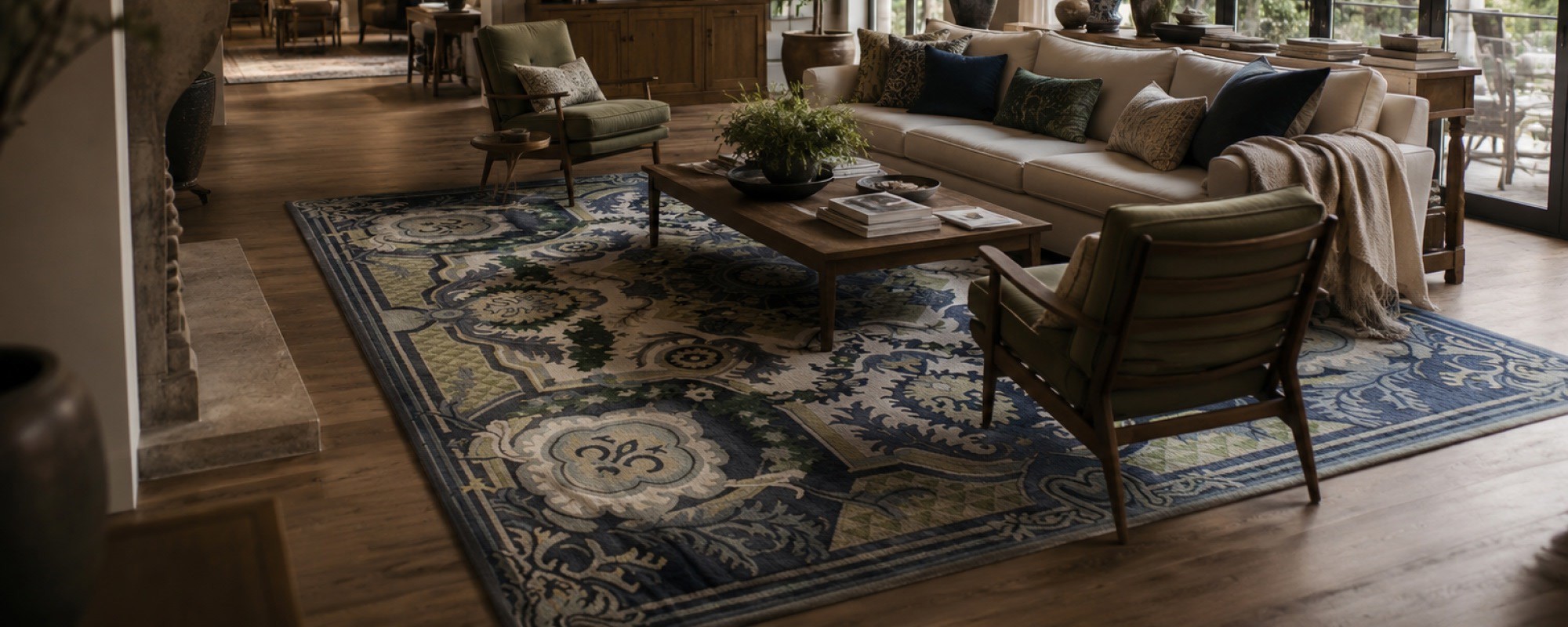
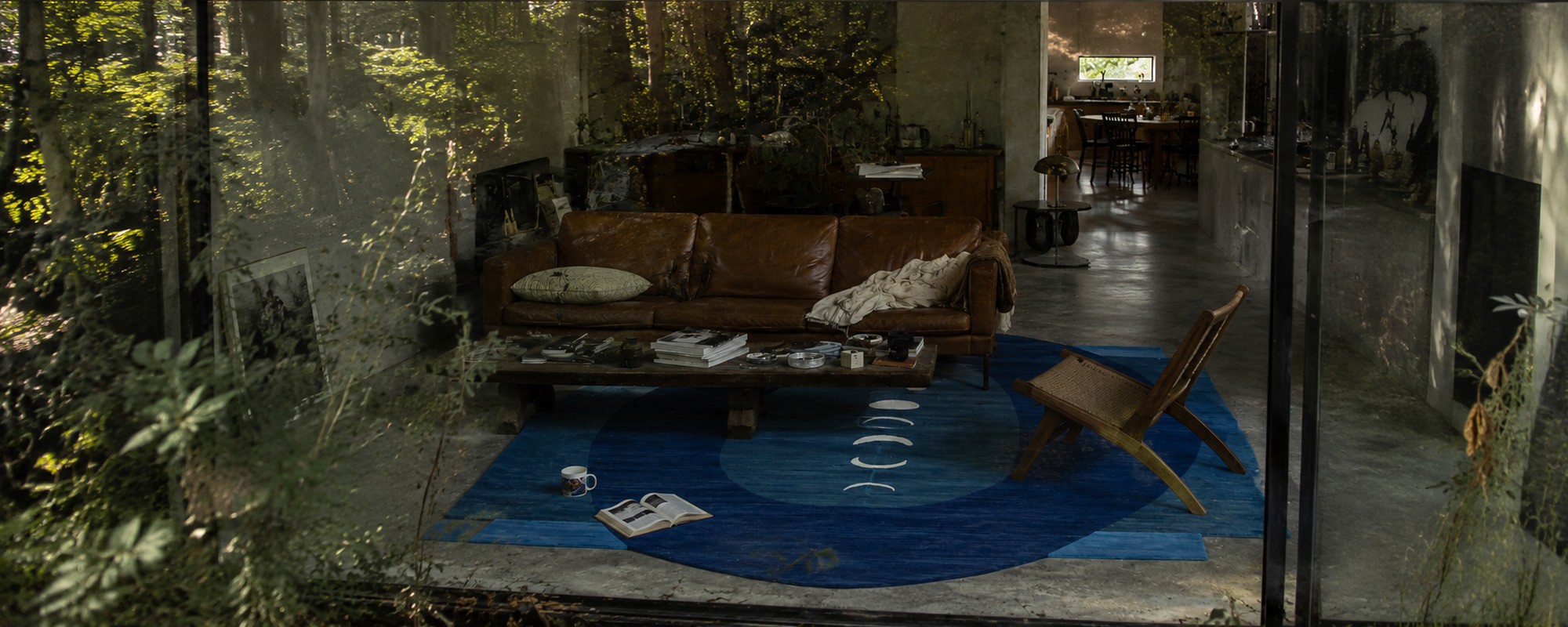
FACES by Kengo Kuma x Jaipur Rugs: A Tactile Memory of Architecture
- 28 April 2026
- 4 Min Read
- By Jaipur Rugs
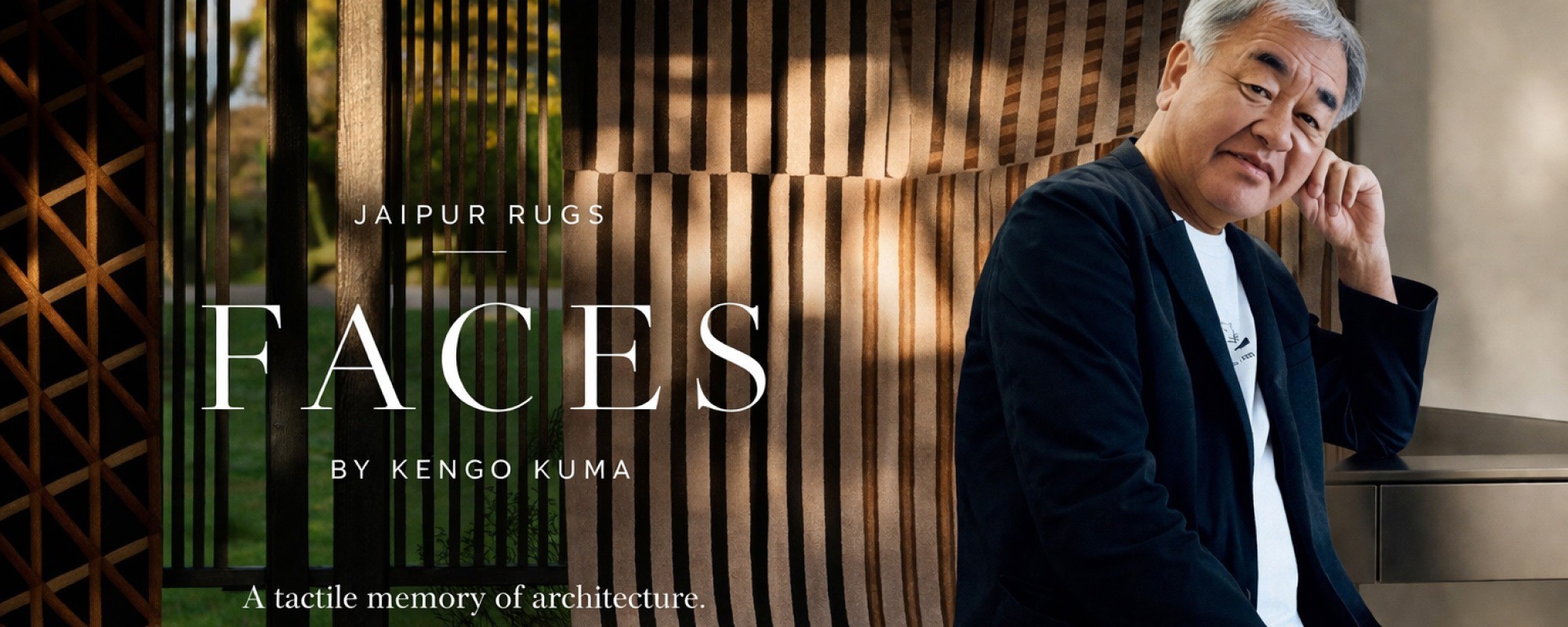
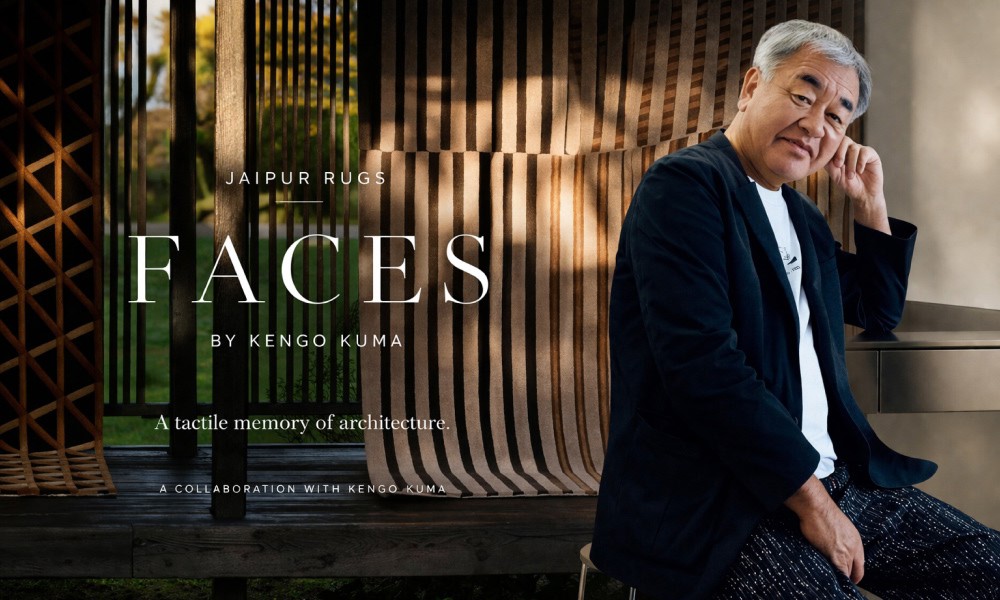
Most luxury rugs fill a space. This collection questions it. FACES by Kengo Kuma isn’t about pattern or palette; it’s about how a room behaves. Light shifts differently. Surfaces feel quieter. Space suddenly has intent. If you think you have seen designer rugs before, you haven’t seen them like this.
There is a particular kind of luxury that does not announce itself.
It doesn’t gleam, it doesn’t overwhelm, it lingers. It breathes. It reveals itself slowly, almost reluctantly.
FACES, the collaboration between Kengo Kuma and Jaipur Rugs, belongs to this rarer category: a rug collection that speaks in whispers, yet resonates with remarkable depth.
Kuma has long been celebrated for his ability to dissolve architecture into its surroundings; his buildings are not objects imposed upon nature, but porous systems that filter light, air, and time.
With the FACES rug collection, this philosophy is translated into textile form, not as a literal reproduction of his buildings, but as what Kuma himself describes as a “tactile memory” of them.
The result is a collection that feels less like decor and more like atmosphere.
Each rug in the series draws from one of Kuma’s architectural explorations, yet avoids the obvious. The Suntory Museum of Art in Tokyo, for instance, is not recreated; it is felt.
Its layered wooden lattice, designed to soften daylight, becomes a rhythm of lines and intervals in the Sukima and Bokashi pieces from this rug collection. Here, the Japanese concept of “ma”—the space between—takes center stage. The handmade rugs do not simply occupy a room; they shape the silence within it.
What FACES does next is subtle but decisive—it names each rug not after what it is, but after what it does. Each piece becomes less of an object, more of a behaviour. Let's unravel them all.
Sukima
With Sukima, the attention moves away from what is present and settles, almost unexpectedly, on what is not. The idea of the “gap”—so central to Kuma’s thinking—becomes something you start to notice, not intellectually, but spatially. The designer rug doesn’t assert a pattern as much as it introduces intervals, allowing light, shadow, and surrounding elements to complete the composition. It feels less designed, more calibrated, like something that understands the room before it occupies it.
Kigumi
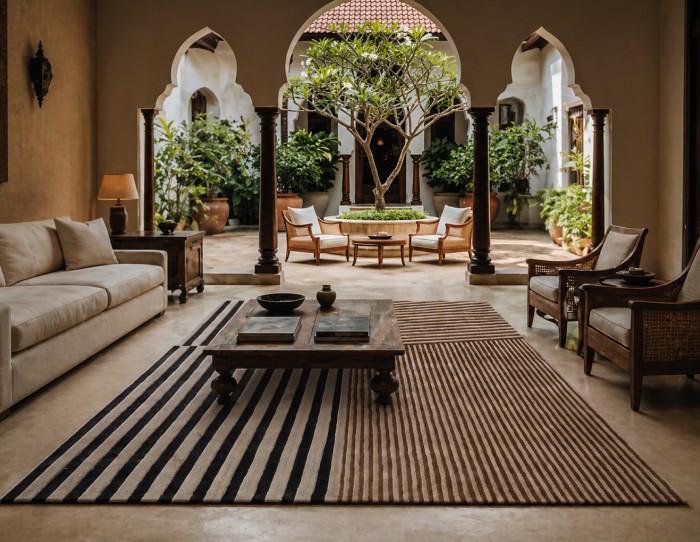
Kigumi carries the memory of construction, but without its density. The reference to joinery is there, but it’s softened, almost diffused, into something that reads as rhythm rather than system. You sense order, but it doesn’t press itself forward. Instead, it sits calmly within the space, holding things together in a way that feels intuitive rather than engineered, an architecture that has let go of its edges.
Kasane
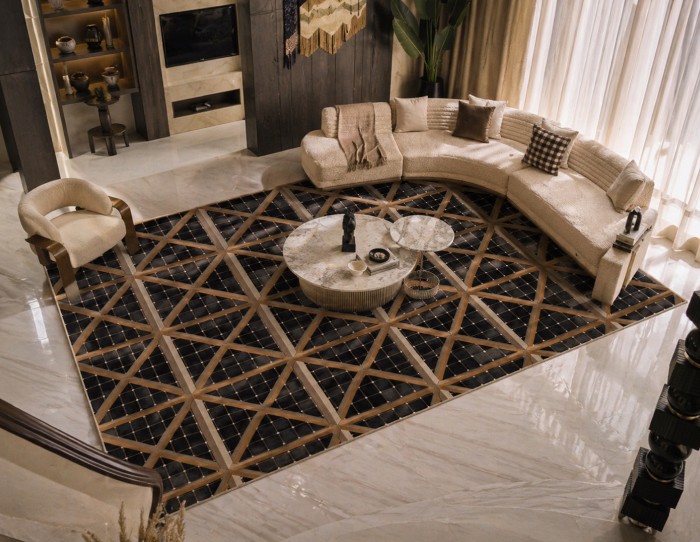
Kasane handmade modern rug doesn’t build drama through contrast; it builds it through patience. Its layering is gradual, almost atmospheric, revealing itself differently depending on how the light moves, how the day shifts. There is no single moment of impact, only a slow deepening. It’s the kind of handcrafted piece from this rug collection that doesn’t ask to be noticed immediately, but becomes more present the longer you live with it.
Chirashi
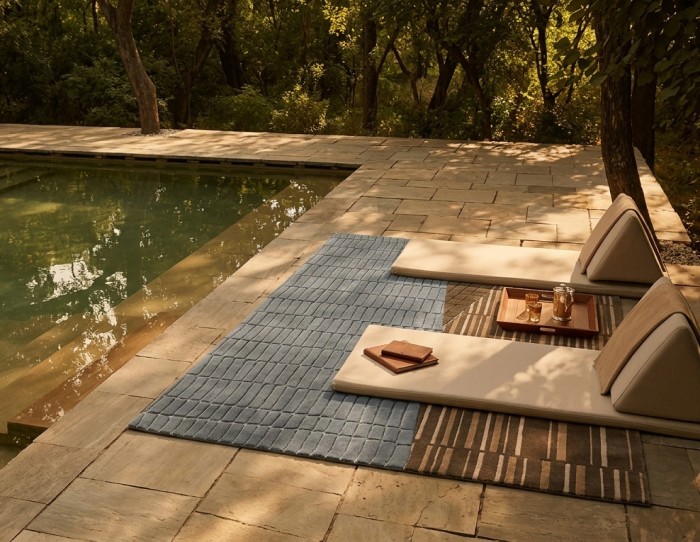
With Chirashi, the composition loosens, but never entirely lets go. There is a sense of scattering, elements placed with a lightness that feels instinctive, but beneath that, a clear control. It mirrors Kengo Kuma’s ability to let irregularity exist without turning it into disorder. In a room, it introduces movement, but not noise; variation, without disruption.
Bokashi
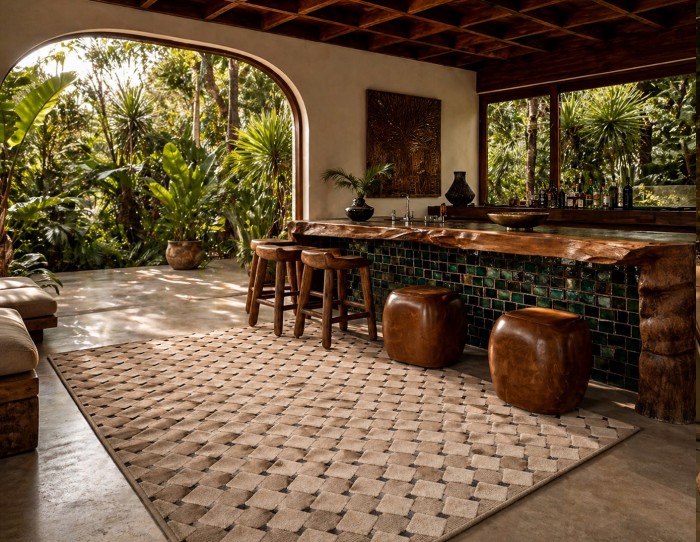
Bokashi is perhaps the closest the collection comes to disappearance. Edges soften, tones dissolve, and what remains is less a pattern and more a condition. It doesn’t define space in any obvious way; it alters how the space is read. Light settles differently. Surfaces feel quieter. It’s a subtle shift, but a decisive one.
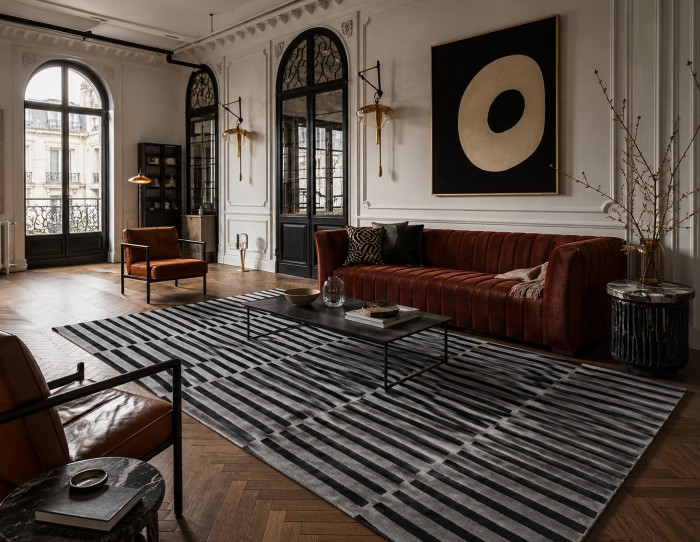
What ties these pieces together is not a shared visual identity, but a shared restraint, one that Jaipur Rugs translates with remarkable sensitivity through handcraft.
The irregularities are not corrected; they are allowed. The surfaces are not perfected; they are resolved.
And in that, our FACES rug collection holds its ground, not as a collection that demands attention, but as one that changes how attention works.
Summing Up..
To live with a piece from FACES is to experience architecture not as structure, but as sensation. It is to walk across light, to sit within shadow, to feel space rather than simply see it.
And in that sense, the collection achieves something rare: it transforms the floor beneath us into something profoundly thoughtful, an architecture you don’t just inhabit, but touch.
An area rug that reshapes how your space feels, every single day.
Explore the FACES collection in its full spectrum, where every shade, every shift, reveals something new.
We will be back with another blog soon.
Till then, stay tuned and explore Jaipur Rugs!


Pic Credits
Jaipur rugs / Abil Dase
Share
-
 Facebook
-
 Twitter
-
 Email
Email
Related posts
-
05 June 2026
-
7 Min Read
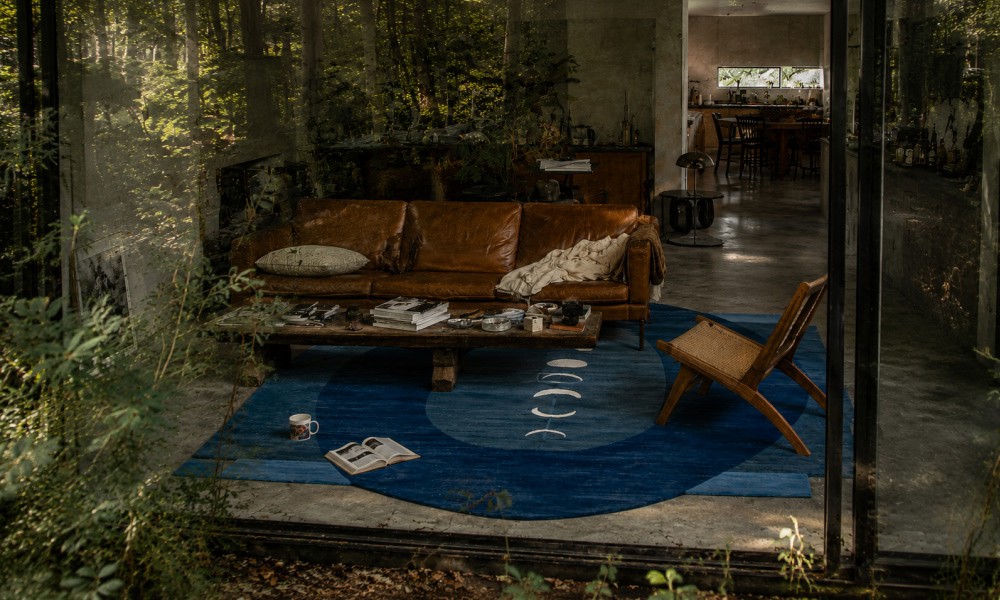
Best Rug for a Brown Leather Sofa: The Complete Colour Guide
Styling a brown leather couch requires balancing its heavy visual weight with the perfect floor covering. This guide explores how crisp neutrals brighten dark leather, cool blues and greens provide elegant contrast, and traditional patterns tie a room together. Learn to identify your sofa’s undertones and choose a rug that makes your living space feel balanced, open, and cohesive.
Read More >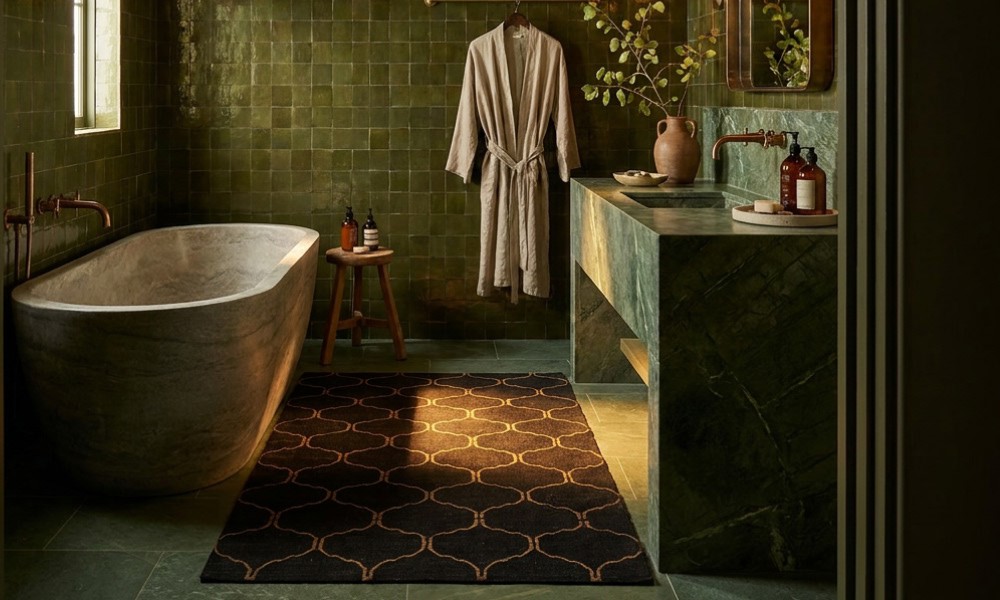
-
02 June 2026
-
6 Min Read
What Color Bathroom Rug Goes With Green Walls? Best Pairings for Every Shade
Most people think a green bathroom succeeds or fails because of the shade of green they choose. Designers know better. The real difference usually appears at floor level. That's why two bathrooms with identical walls can feel completely different. One feels finished. The other feels like something is missing. More often than not, the answer comes down to the rug and the contrast it creates.
Read More >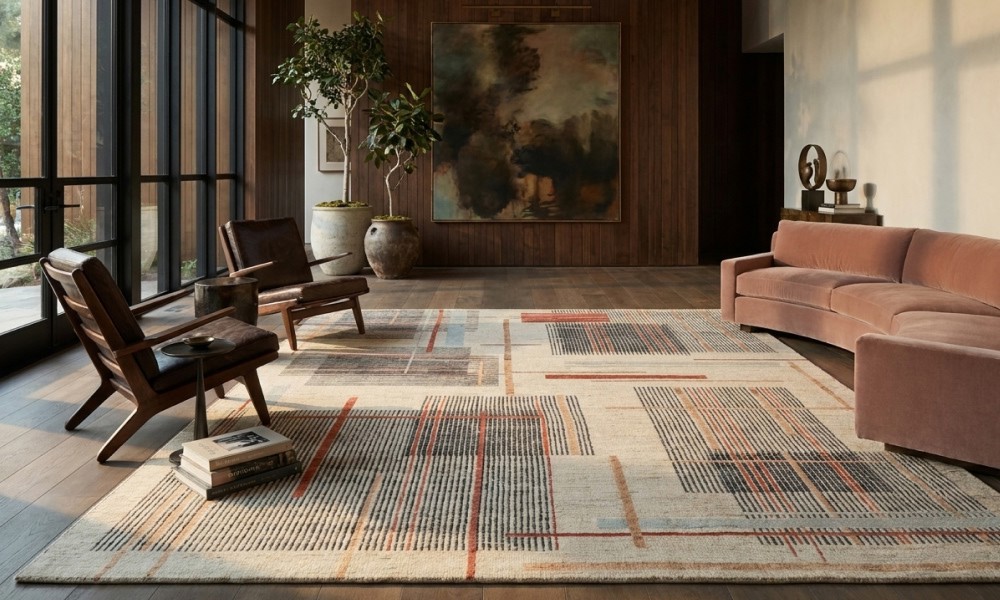
-
31 May 2026
-
4 Min Read
The End Of Sterile Minimalism: Meet The Blythe Collection
The most interesting interiors right now aren't becoming more decorated. They are becoming more distinctive. The Blythe Rug Collection captures that shift through architectural geometry, abstract compositions, and richly textured, hand knotted wool rugs that resist the sameness that dominates modern interiors. Read more to see how the Blythe collection offers a glimpse into where contemporary design is already heading.
Read More >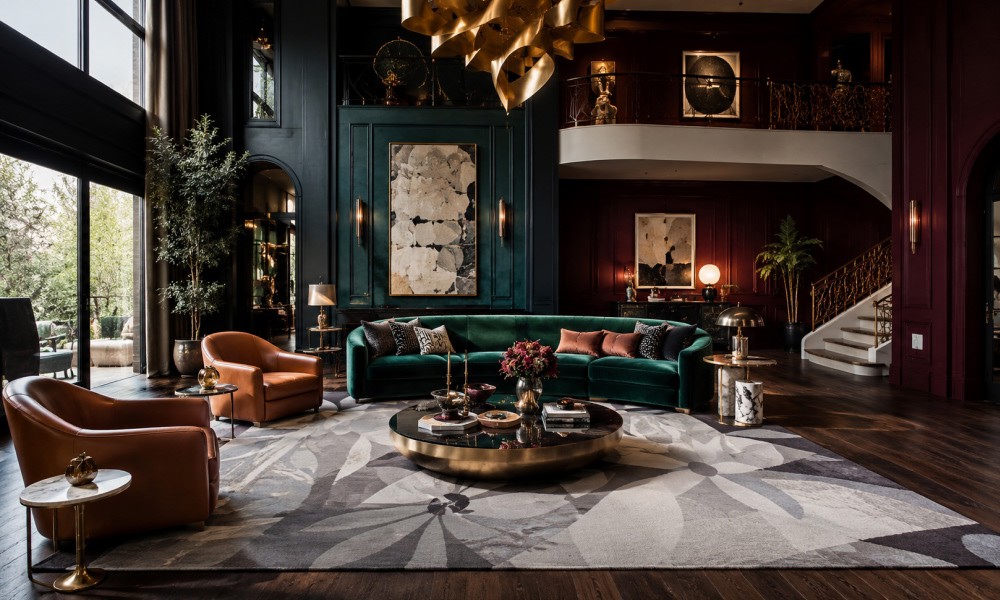
-
30 May 2026
-
8 Min Read
Not All Wool Is the Same: The Rug Buyer's Guide to New Zealand, Merino, Himalayan, and Hand-Spun Wool
Choosing the right floor covering requires understanding your material's origin. While New Zealand fibers offer a pristine, vibrant canvas for modern spaces, Merino provides unmatched barefoot softness. For high-traffic areas, lanolin-rich Himalayan and resilient hand-spun Afghan wools offer the ultimate heirloom durability. Explore how these distinct textures transform your interior layout.
Read More >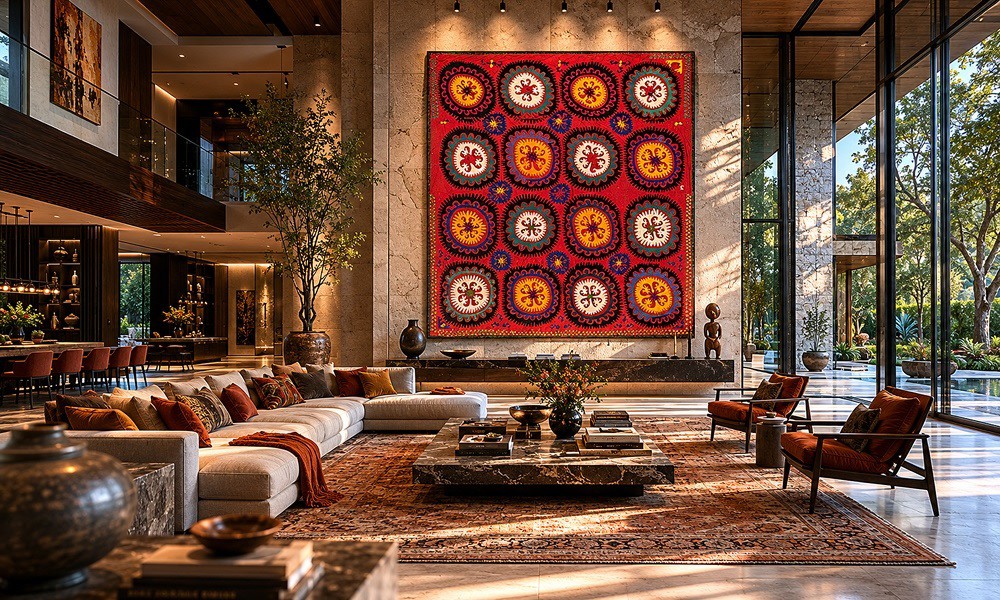
-
23 May 2026
-
7 Min Read
Suzani Fabrics 2026: Hand-Embroidered Patterns & Trends for Luxury Interiors
Hand-embroidered suzani fabrics are leading the 2026 luxury heritage revival. This guide defines traditional Uzbek motifs and offers expert styling tips for bohemian maximalism and eclectic decor. Learn to balance these bold, tactile tapestries by grounding your space with high-quality, textured wool rugs that seamlessly blend global craftsmanship with modern, sophisticated interior design.
Read More >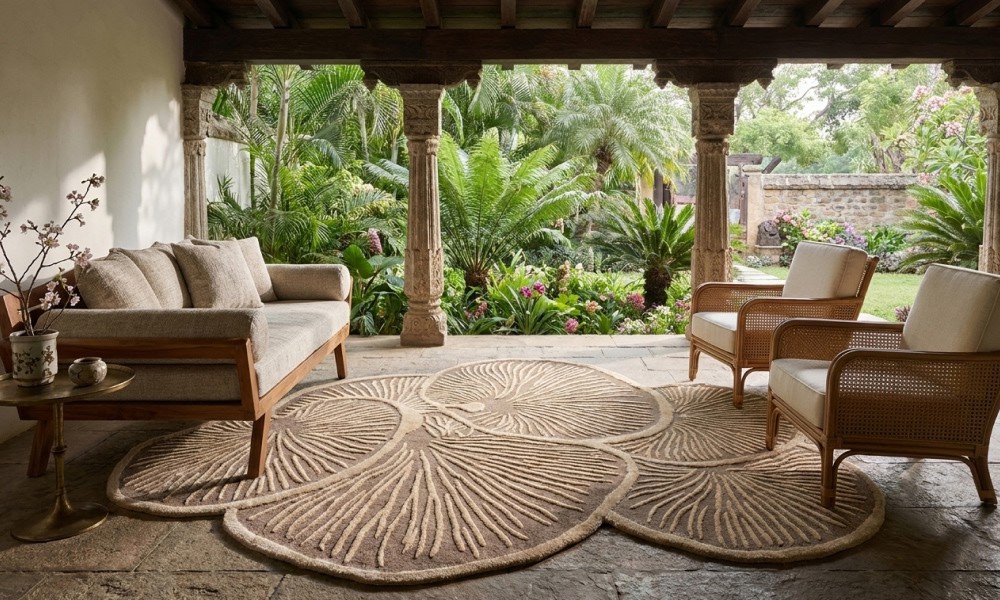
-
26 May 2026
-
6 Min Read
How Wabi Sabi Style Embraces Imperfection Like Never Before?
Perfect interiors are starting to feel like showroom screenshots with no pulse. Wabi sabi interrupts that perfection spiral with imperfect handmade rugs, uneven textures, faded surfaces, and rooms that feel beautifully unresolved. As modern interiors become visually exhausting, this Japanese design ethos is making rawness, irregularity, and human imperfection magnetic again. Keep reading before your home starts looking painfully overfinished.
Read More >