You are on our International website. Please select your region to see content specific for your location





 Profile
 Orders
 Wishlist
 Change Password
 Logout


Latest Blogs

ideas and inspiration
What Is Japandi? All You Need To Know About This Organic Style
- 27 June 2024
- |
- 4 Min Read
- |
- By Jaipur Rugs
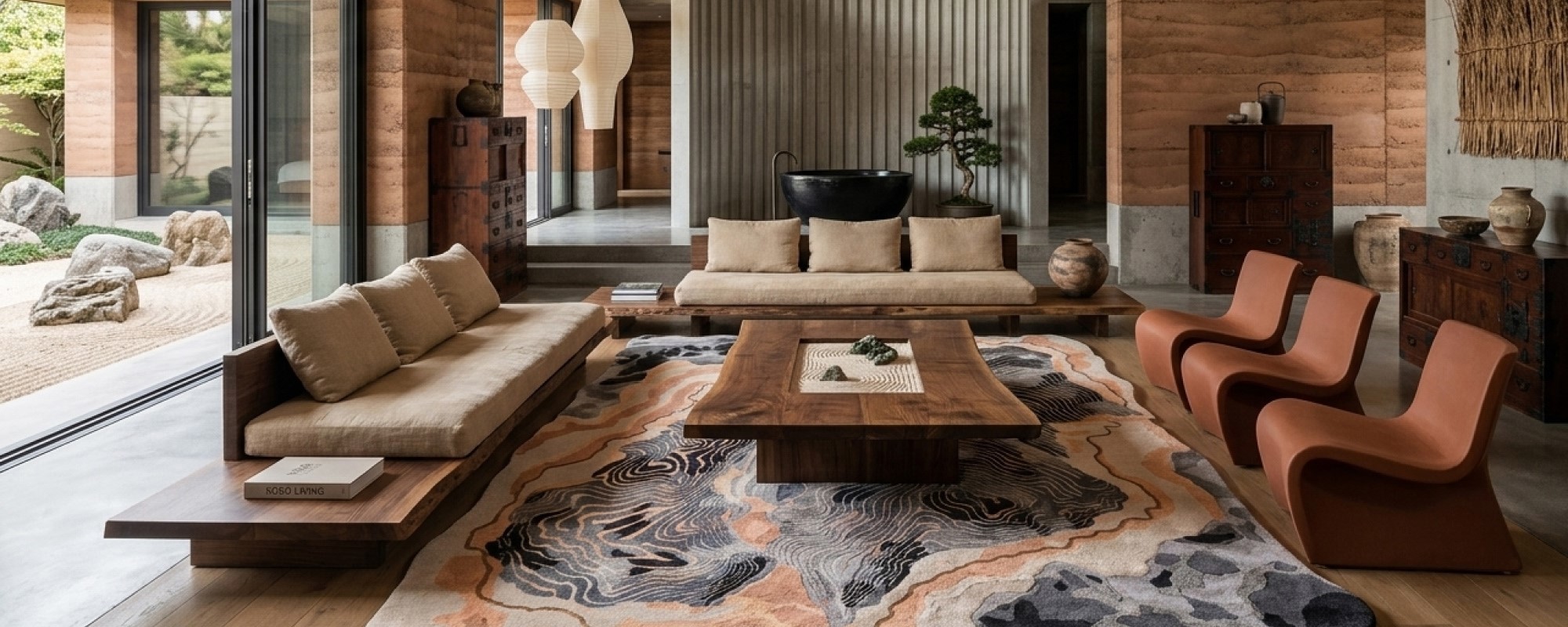
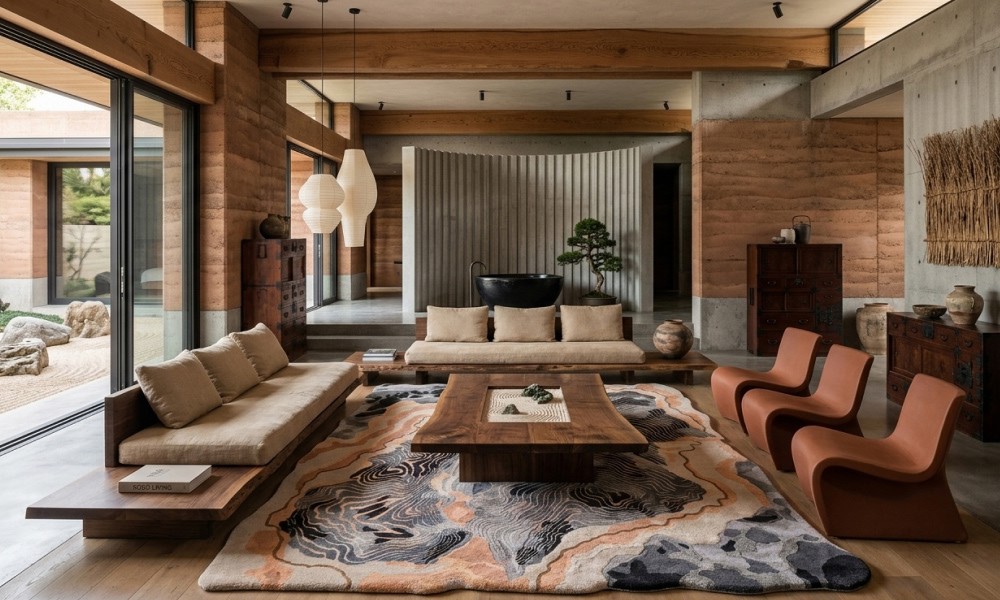
There’s a reason your space doesn’t feel right, even after adding more to it. Japandi interior design flips that logic. It removes what doesn’t work and keeps only what does. No guesswork, no excess, just clear, intentional design. That’s why Japandi interior design is taking over this year. But what exactly is Japandi style, and why does it work so well? Scroll down to know it all!
Japandi is no longer a niche whisper from design corners; it’s a full-blown takeover. In 2025–2026, global search interest in Japandi has surged by over 120%, Pinterest saves for Japandi interior design are spiking season after season, and luxury homes are trading excess for intention.
This is not minimalism 2.0. This is a cultural handshake with rules.
At its core, Japandi style blends Japanese restraint with Scandinavian practicality. It prioritizes function, material honesty, and spatial clarity. It avoids visual noise. And yes, it’s far more disciplined than your average Pinterest board suggests.
What Is Japandi Style? (Definition + Cultural Origin)
Japandi style is a hybrid design philosophy combining Japanese minimalism and Scandinavian functionality, rooted in craftsmanship, utility, and intentional living.
Here’s why this actually works:
-
Japanese design emphasizes restraint, asymmetry, and respect for natural materials, while Scandinavian design focuses on usability, comfort, and climate-conscious living.
-
The shared philosophy of “less but better” allows Japandi interior design to feel cohesive rather than conflicted, despite cultural differences.
-
Both cultures historically value craftsmanship, which explains the rise of handmade furniture and artisanal Japandi modern rugs in modern homes.
-
Japandi is influenced by concepts like wabi-sabi (Japan) and hygge (Scandinavia), but it strips both down to their most practical expressions.
Unlike Western minimalism, Japandi style does not aim for emptiness; it aims for balance between utility and visual calm.
Key Elements That Define Japandi Style Interiors
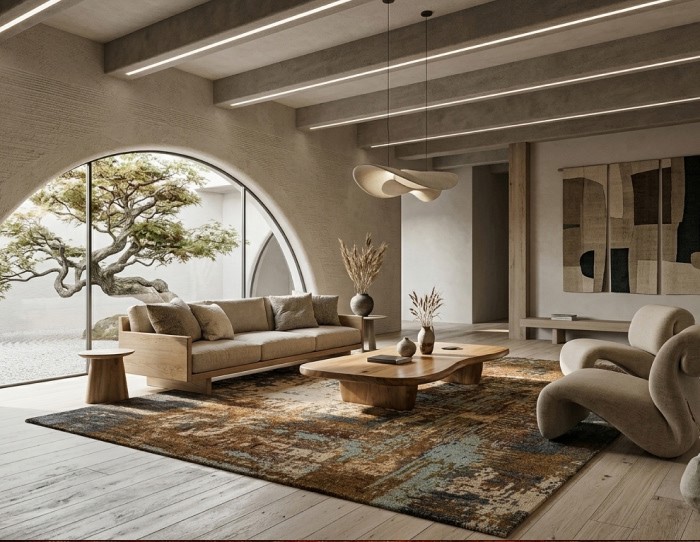
Japandi style interiors are defined by muted palettes, functional furniture, natural textures, and deliberate negative space.
Here’s where people usually get it wrong:
-
Color palettes stay grounded in earthy neutrals like beige rugs, ash, taupe, and charcoal, avoiding stark contrasts or overly bright tones.
-
Furniture is low-profile, with clean silhouettes and zero ornamental excess, often crafted from oak, walnut, or bamboo.
-
Texture plays a critical role; linen, raw wood, stone, and ceramics replace visual clutter with tactile depth.
-
Storage is integrated and concealed, ensuring that Japandi interior design never looks chaotic or overfilled.
-
Lighting is soft and diffused, often using paper or fabric shades, which complements the understated tone of the space.
Japandi Rugs: The Most Underrated Hero of This Trend
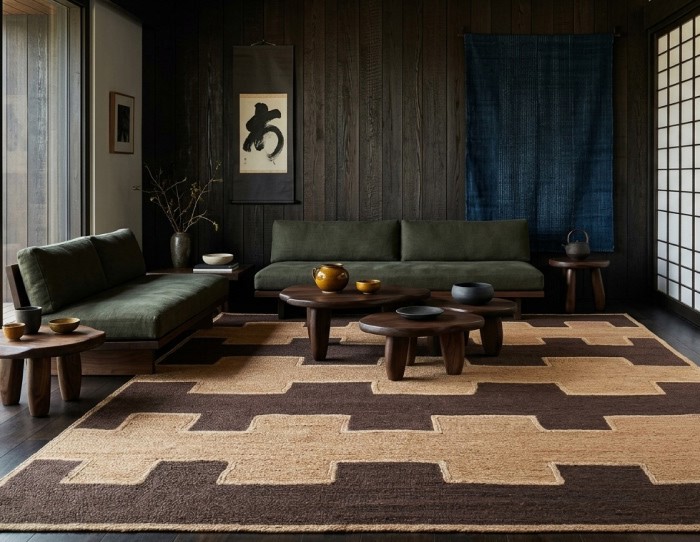
Japandi-style handmade rugs anchor the space with warmth, structure, and texture without disrupting the room's visual discipline
.
Here’s what most people overlook:
-
A well-chosen Japandi-style abstract rug defines spatial zones, especially in open-plan layouts where walls are minimal or absent.
-
Flatweave and handwoven textures dominate Japandi rugs, avoiding high-pile or overly plush finishes that feel visually heavy.
-
Neutral tones with subtle patterns or irregular rug shapes align better with Japandi style rugs than bold geometric prints.
-
Natural fibers like wool, jute, and cotton rugs are preferred, making each Japanese rug feel grounded and tactile.
-
Placement matters more than size; a slightly imperfectly aligned rug often feels more authentic than a perfectly centered one.
How To Actually Pull Off Japandi Style Without Making It Look Boring?
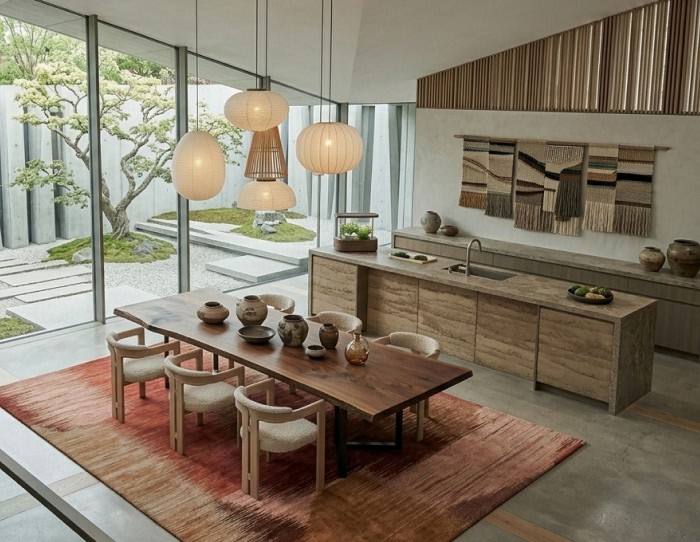
Japandi style works when restraint is balanced with intention, not when everything looks stripped of personality.
This is where most homes fail:
-
Avoid over-minimizing; a room without contrast or variation can feel lifeless rather than intentional.
-
Mix materials strategically, pairing smooth wood with coarse textiles or matte ceramics, to prevent visual flatness.
-
Introduce one or two statement pieces, like a sculptural chair or a distinct Japandi rug, to break uniformity.
-
Use asymmetry subtly; off-center decor or uneven spacing can make a Japandi interior design feel more organic.
-
Personalization is allowed, but it must be edited; every object in a Japandi style home should justify its presence.
Japandi is not for the indecisive. It demands editing, restraint, and a willingness to let go of visual excess. But here’s the real twist: the homes that commit to japandi rarely look dated, because they were never chasing trends to begin with.
This isn’t about owning less. It’s about choosing better.
Summing Up..
Japandi isn’t here to play nice with your clutter. It walks in, scans your space, and silently asks, “Do you really need all this?” Suddenly, that loud decor feels like bad decisions with receipts.
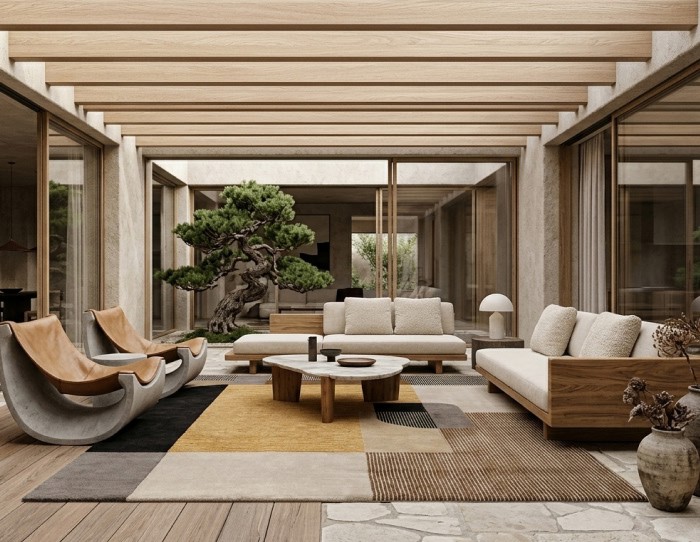
One Japandi rug, one clean line, one intentional choice, and the whole room shifts from chaos to control.
Dangerous part? You’ll start craving less and liking it.
We will be back with another blog soon.
Till then, stay tuned and explore Jaipur Rugs!
FAQs
What is Japandi Style?
Japandi style is a fusion of Japanese minimalism and Scandinavian coziness. It features clean lines, functional furniture, natural materials like wood, stone, bamboo, and a neutral color palette that creates a relaxing yet energizing ambiance.
Why is the Japandi Style So Popular?
-
Here are the reasons why Japandi Style is roaring on all trend lists:
-
Simplicity & "Less is More" Approach
-
Relaxing Neutral Colors and Natural Materials
-
Offers Functional Beauty through its Versatility
-
Promotes Sustainability
What are The Rules of Japandi?
-
Minimalism: Keep spaces uncluttered & functional.
-
Natural Materials: Use wood, bamboo, & stone.
-
Neutral Colors: Stick to beige, white, gray, and soft pastels.
-
Quality: Choose high-quality, durable items.
-
Balance: Combine clean lines with cozy textures.
-
Greenery: Add indoor plants for freshness.
-
Imperfection: Embrace wabi-sabi, the beauty of imperfections.
What does Japandi Symbolize?
Japandi symbolizes a harmonious blend of Japanese visual softness and Scandinavian coziness. It represents simplicity, functionality, and the beauty of natural materials and imperfections, reflecting a balanced, mindful approach to living.


Pic Credits
Jaipur rugs / Abil Dase
Share
-
 Facebook
-
 Twitter
-
 Email
Email
Related Posts
-
15 July 2026
- ∙
-
8 Min Read
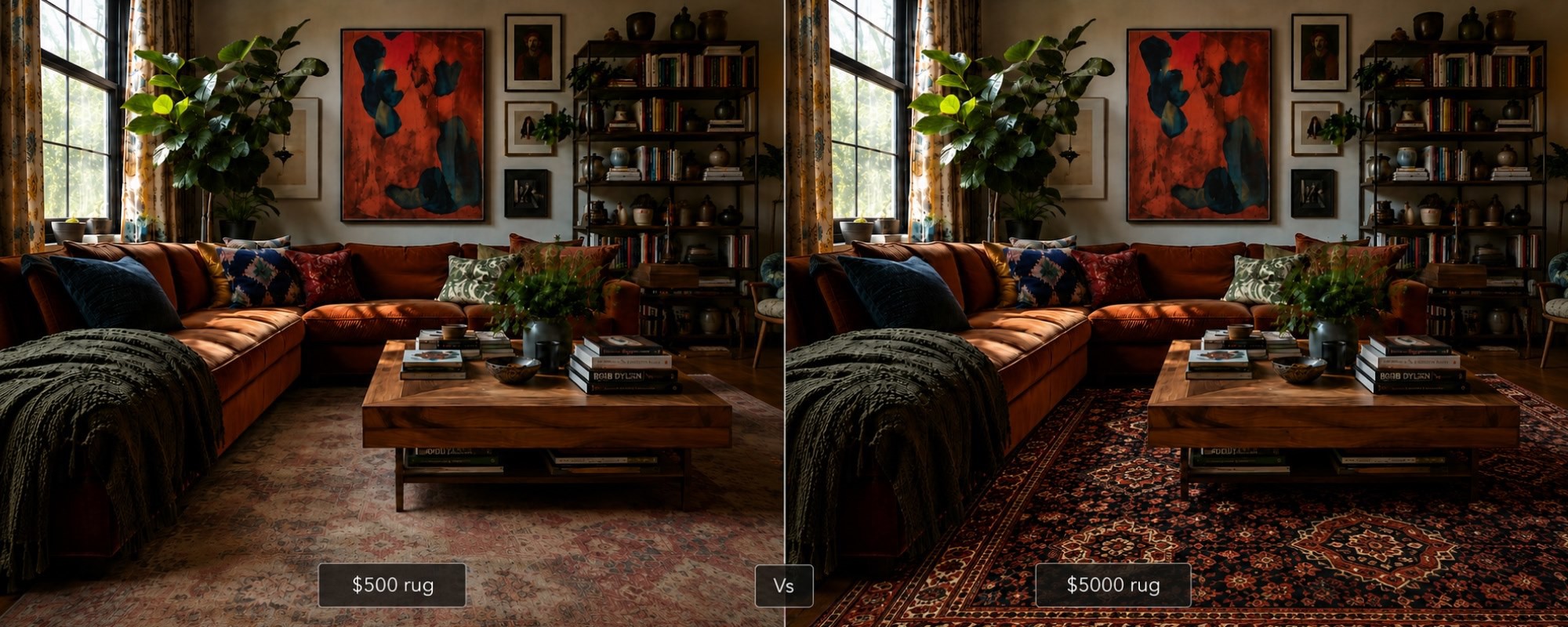
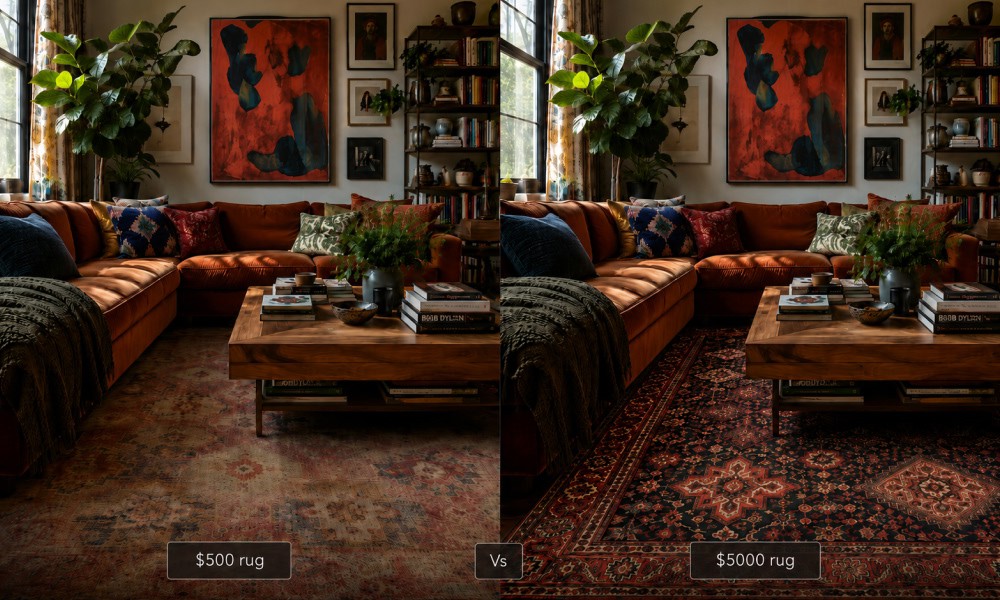
The $500 vs $5,000 Rug: An Honest Side-by-Side That No Brand Will Show You
Why do some rugs cost ten times more than others? This honest side-by-side looks at what actually separates a $500 rug from a $5,000 one: knot density, fiber quality, pile depth, and finishing. No brand bias, no marketing language. Just a clear breakdown to help you decide which one is worth it for your space and budget.
Read Article →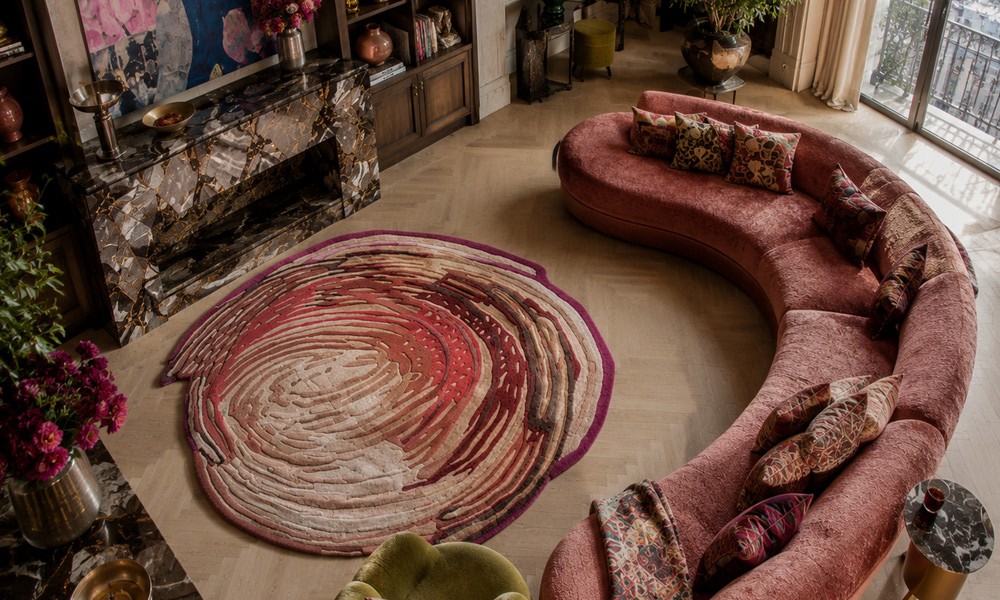
-
14 July 2026
- ∙
-
13 Min Read
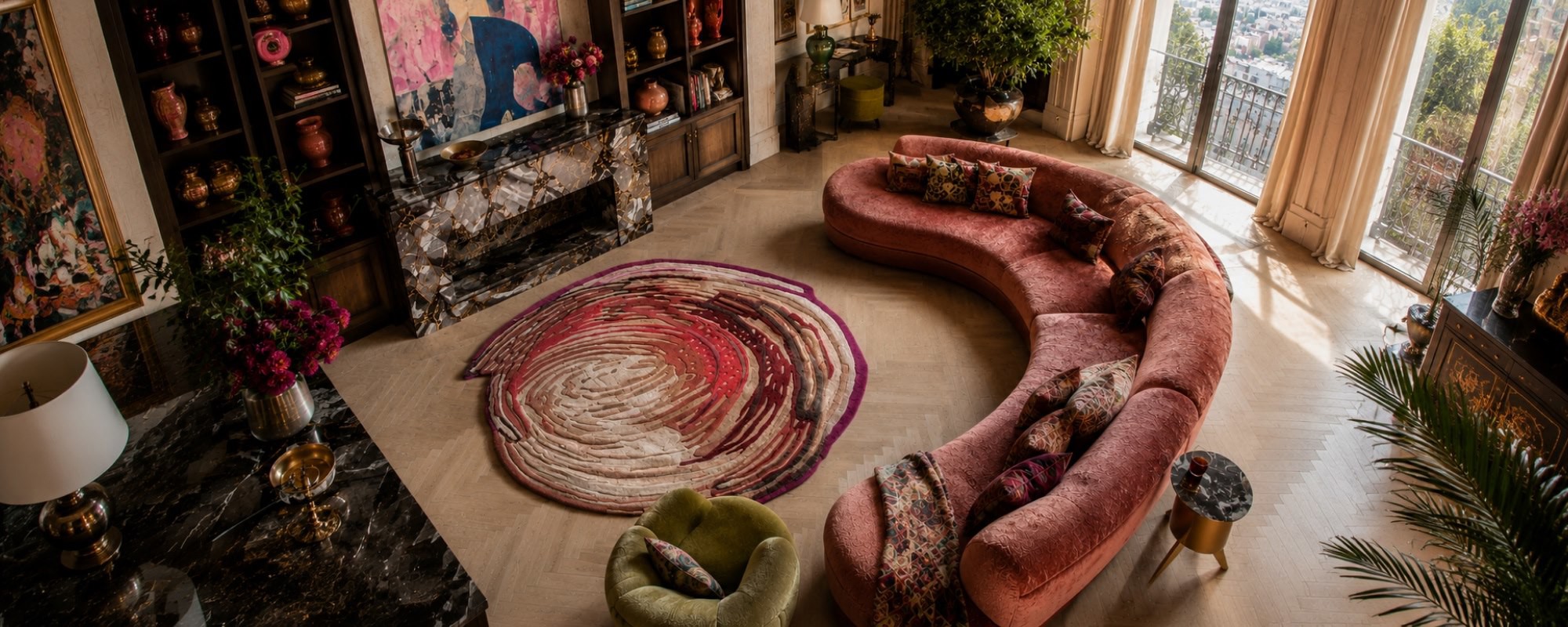
3D Rugs and Sculpted Pile: The Tactile Design Trend Redefining Floors in 2026
The rug used to finish a room. Now it starts one. 3D rugs and sculpted piles are bringing real depth and tactile texture to interiors, from hand knotted relief patterns to optical illusion designs that stop you mid-step. This is what the trend is, why it matters, and how to buy it well.
Read Article →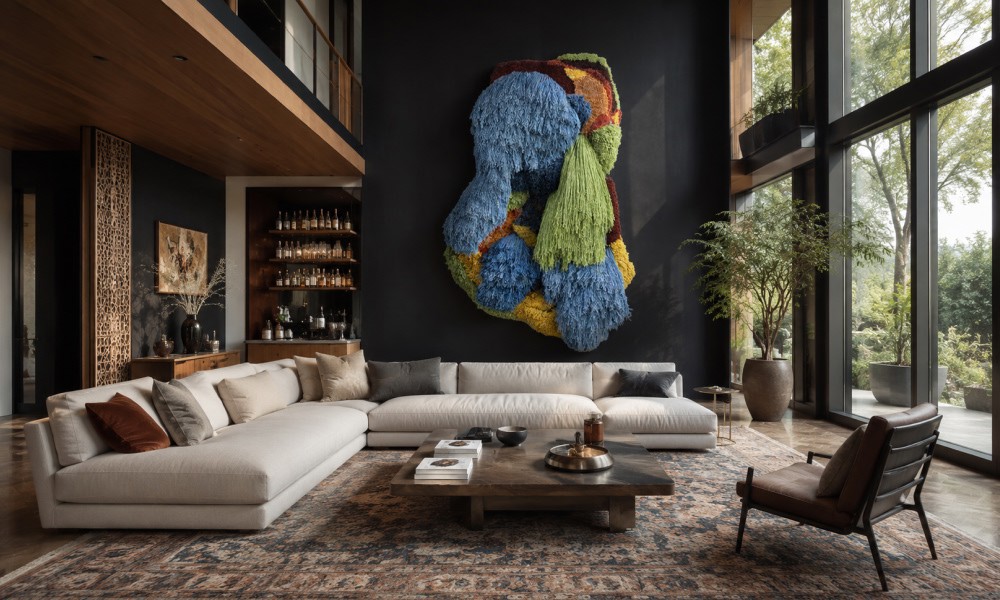
-
10 July 2026
- ∙
-
10 Min Read
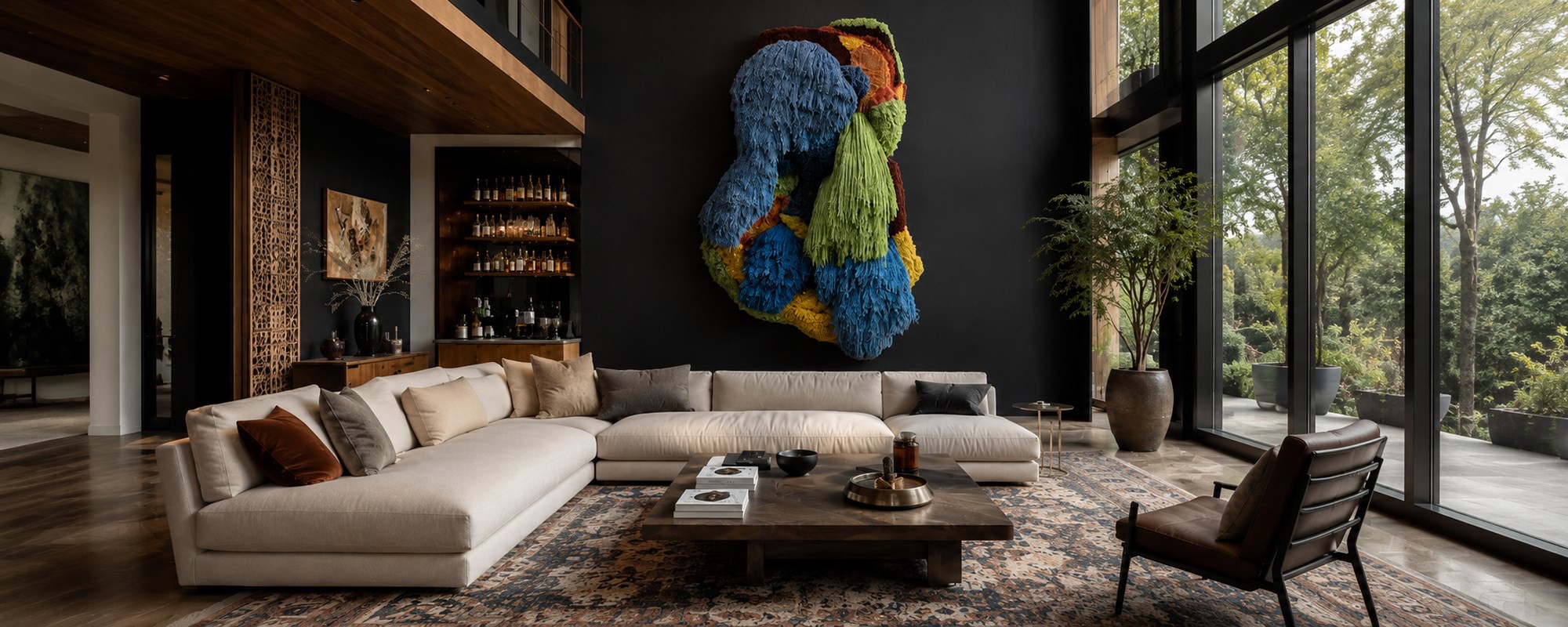
How to Pair Indian Wall Art with the Right Rug Pattern: A Room-by-Room Guide
Choosing the right rug to go with your Indian wall art does not have to be guesswork. This guide breaks it down room by room, from the living room to the bathroom and outdoor spaces. Learn how to match colors, patterns, and scale so your wall art and rug always feel like they belong together.
Read Article →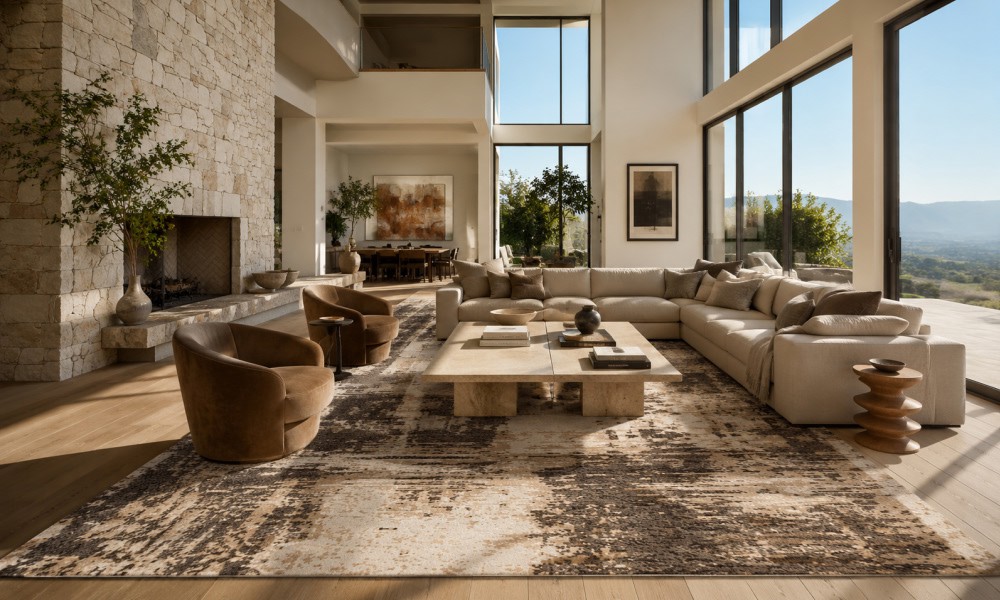
-
07 July 2026
- ∙
-
9 Min Read
How to Tell If a Rug Is Handmade: 7 Signs Experts Look For (Abrash Is One of Them)
Wondering how to know if a rug is handmade? Get an overview of 7 key characteristics that will help you identify if a rug is truly handmade and learn about its differences compared to machine-made rugs, and why they do not lose their value. Here is what to keep in mind when buying a handmade rug.
Read Article →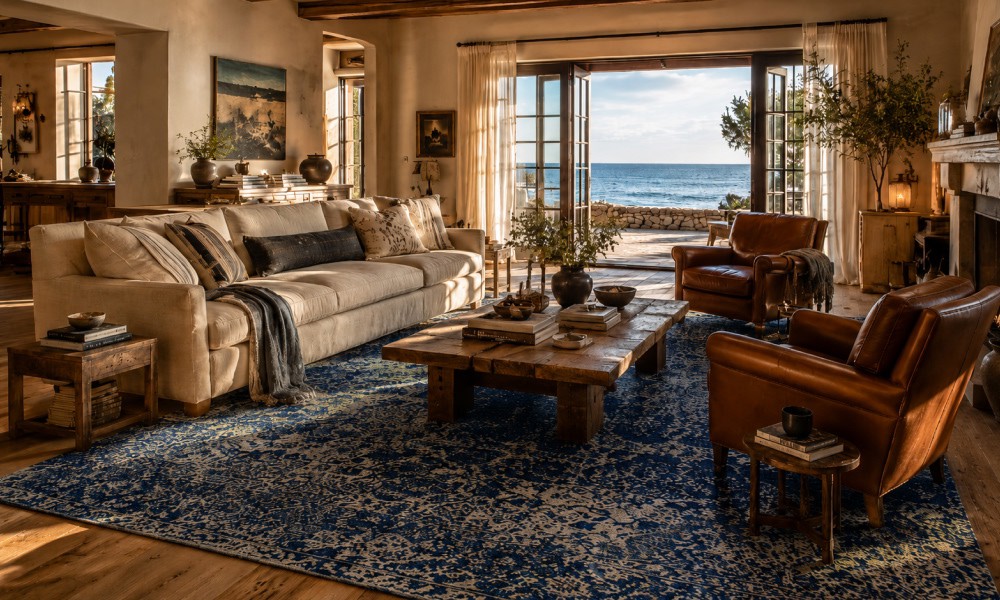
-
04 July 2026
- ∙
-
8 Min Read
Coastal Grandmother Is Evolving: The 2026 "Coastal Heritage" Aesthetic and the Rugs That Define It
The coastal grandmother design is progressing into something new and exciting by 2026. Coastal Heritage introduces texture, craftsmanship, and handmade elements to this popular design style. Here are the various rug types, colors, and decorating ideas to know about this classic coastal design trend.
Read Article →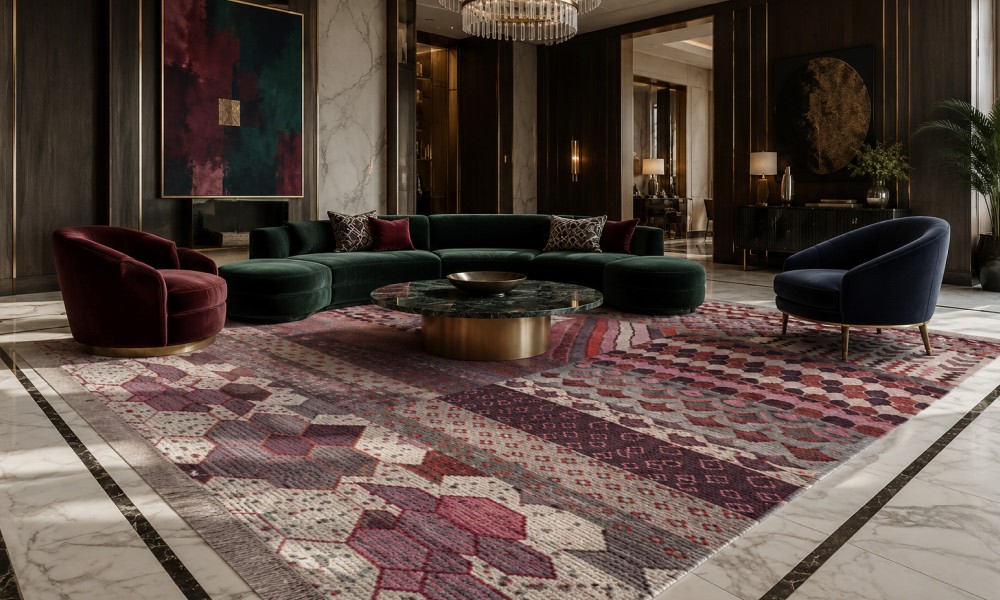
-
22 June 2026
- ∙
-
6 Min Read
Why Top Interior Designers are Switching to Indian Handmade Rugs
High-end interior designers have begun using handmade carpets from India in place of machine-made carpets to enhance their design portfolios and ensure product longevity. The following guide will help you understand why design professionals prefer Jaipur Rugs for creating customized, ethically produced wool-and-bamboo-silk carpet designs for luxurious homes.
Read Article →