You are on our International website. Please select your region to see content specific for your location





 Profile
 Orders
 Wishlist
 Change Password
 Logout


Latest Blogs
ideas and inspiration
Still Treating Cushions Like Accessories? That’s the Mistake
- 05 May 2026
- |
- 4 Min Read
- |
- By Jaipur Rugs
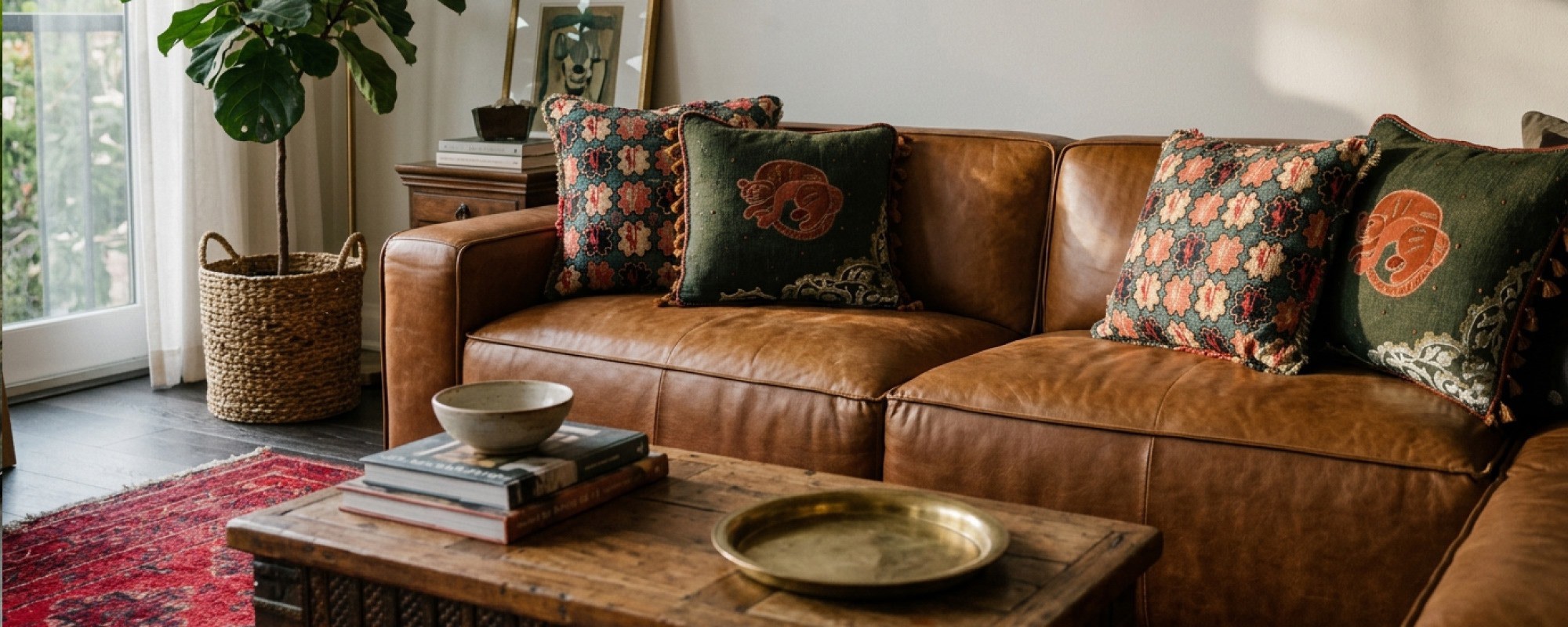
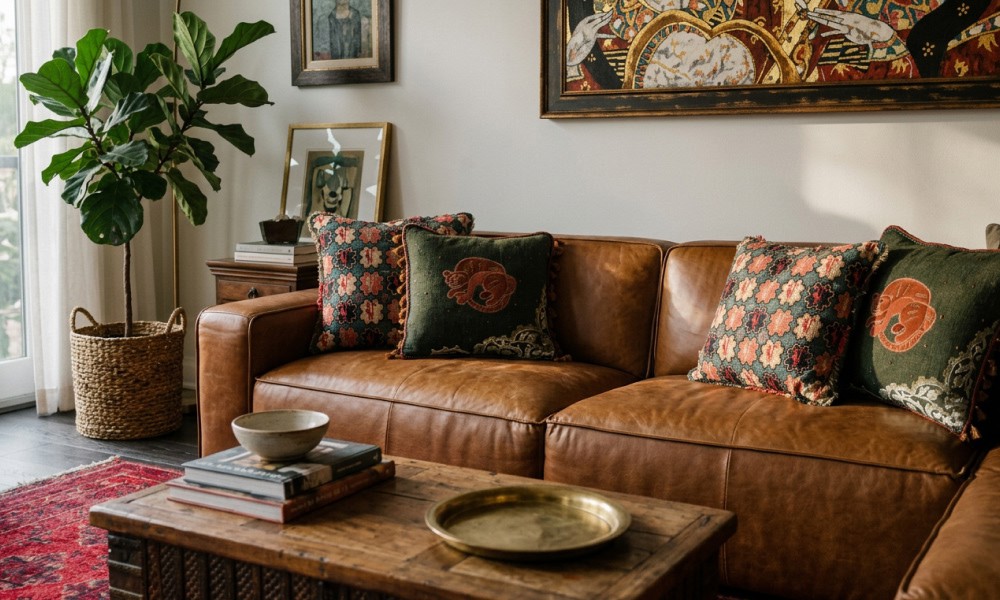
Most people still treat cushions like decorative extras. That outdated habit is why so many well-designed homes feel flat in real life. A new design shift is quietly replacing visual-only styling with tactile living, and once you notice it, you’ll never look at decor pillows or handmade cushions the same way again.
Most people buy a cushion the same way they buy a candle, a vase, or a random decor object during a weekend impulse spiral. Nice color. Decent texture. Toss it on the sofa. Done. That logic is exactly where the room starts losing.
A cushion was never meant to be background filler. It changes how a seat feels, how a room functions, and how a person physically settles into a space. Most content treats cushions like visual toppings. That’s decorating from a screenshot, not from real life.
Here’s the mistake.
Cushions Were Never Accessories. We Just Misused Them.
A handmade cushion is one of the few objects in a home that directly interacts with the body.
Unlike wall art or side tables, it changes posture, pressure, and movement. It affects how long someone stays seated, how supported their lower back feels, and whether a sofa feels inviting or vaguely hostile.
This is what most content ignores.
-
Cushions serve three real functions:
-
Physical support for posture and comfort.
-
Visual rhythm that breaks flat furniture surfaces.
-
Emotional softening of hard-edged interiors.
That means cushions are not decorative extras. They are functional home accents disguised as styling objects, just like handmade rugs.
A sofa without cushions often feels incomplete, not because it looks empty, but because the body subconsciously reads it as less adaptable.
This is why even a beautiful couch can feel wrong.
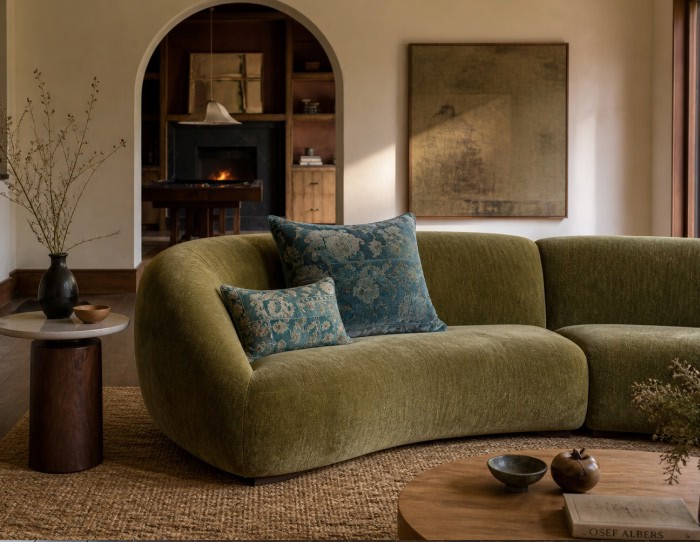
Why Most Cushion Styling Advice Fails Instantly?
Search results are crowded with the same formula:
Use odd numbers
Mix colors
Match one shade to the designer rug
Layer big and small pillows
None of this is technically wrong. It’s just incomplete.
The problem is that styling advice usually focuses only on what cushions look like from across the room.
But homes are not mood boards.
They are sensory environments.
A room can have perfectly styled decor pillows and still feel stiff, over-arranged, or weirdly untouchable.
Why?
Because styling is often reduced to visual symmetry while ignoring tactile contrast.
Good cushions balance:
-
Fill density
-
Surface texture
-
Edge structure
-
Compression response
A linen pillow with a loose fill creates a different experience from a structured cotton cushion with firmer support.
Visually similar. Physically opposite.
This is where it breaks.
When every pillow is chosen solely for its appearance, the sofa becomes a showroom piece rather than a usable space.
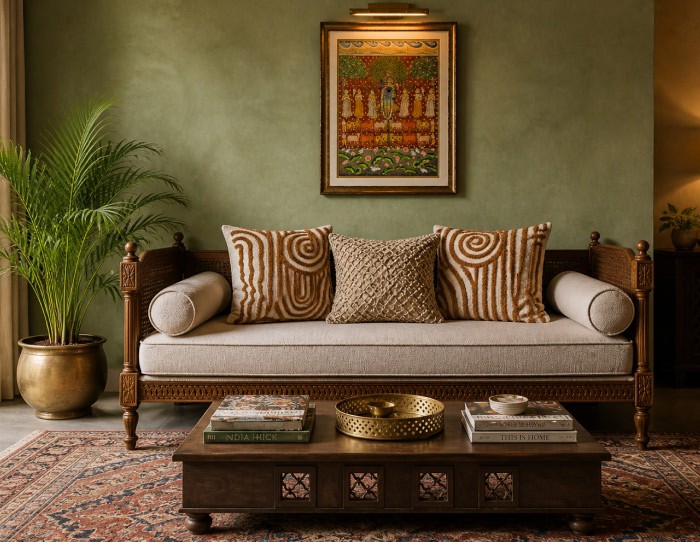
Handmade Cushions Are Not Decor. They’re Identity Signals.
A machine-made pillow can complete a color palette.
A handmade cushion does something more powerful.
It introduces evidence of human choice.
Texture variation, embroidery irregularity, handwoven detail, artisanal stitching, and natural material shifts create what mass production usually removes: character.
This matters more than people realize.
Homes increasingly look visually similar because algorithm-led shopping encourages predictable design repetition.
Same boucle. Same beige. Same geometric pillow stack.
Handmade cushions interrupt that pattern.
They signal:
-
Material awareness.
-
Preference beyond trends.
-
Cultural and craft appreciation.
A more intentional relationship with space.
In other words, they work as statement decor pieces without needing to scream for attention.
A handmade cushion says more about taste than an expensive lamp ever could.
That’s the part most of you underestimate.
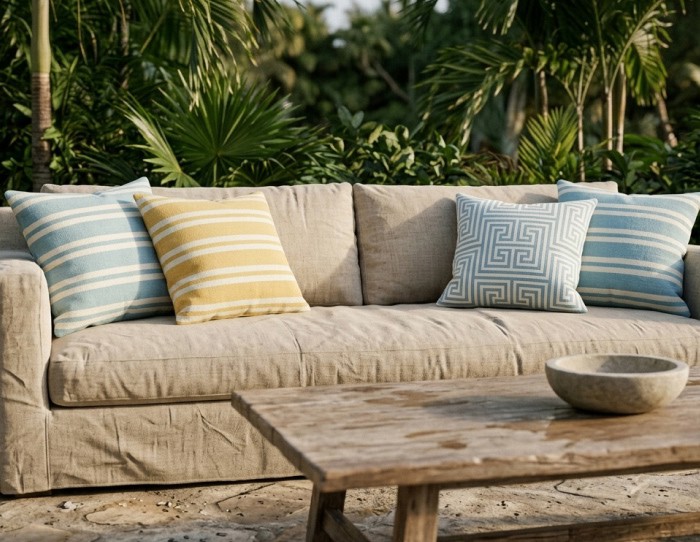
If Your Sofa Feels Off, This Is Probably Why
A sofa can be expensive, large, and aesthetically correct and still feel emotionally flat. Usually, the issue is not the sofa.
It’s the cushion logic.
Most people either under-style or over-style. Under-styled sofas feel cold and rigid. Over-styled sofas become obstacle courses full of decorative objects nobody wants to move.
The solution is not adding more pillows. It is improving cushion function.
Ask:
-
Does this cushion support an actual seating behavior?
-
Does it create tactile contrast?
-
Does it improve how someone settles into the couch?
This introduces a more intelligent way to think about throw pillows for couch layouts.
Not as decoration clusters. As micro comfort systems.
One lumbar pillow changes reading posture. One softer side cushion improves lounging. One textured accent increases tactile depth.
These are small interventions with disproportionate impact.
Think of cushions as micro recovery zones inside shared living spaces.
Suddenly, the whole set makes more sense.
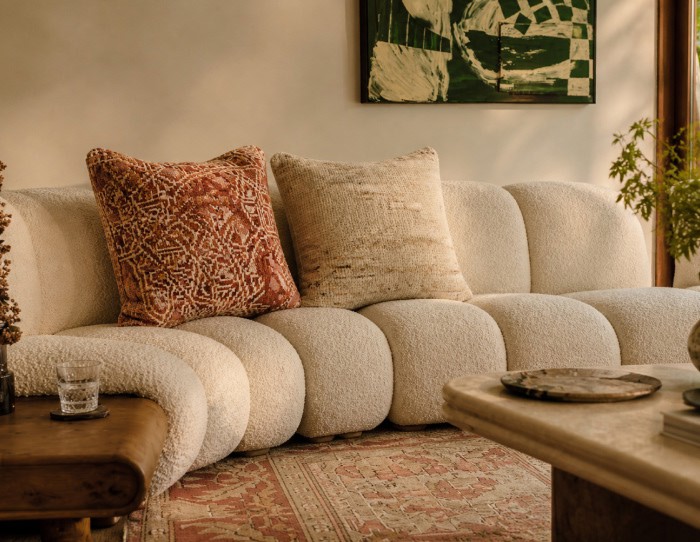
What Interior Designers Are Doing Differently in 2026?
Design thinking is shifting away from purely visual spaces.
2026 interiors are increasingly built around lived sensation.
Not just how a room photographs. How it feels at 8 PM after a long day.
This is changing how designers approach how to style cushions on a couch.
Instead of styling by symmetry alone, designers now prioritize:
-
varied texture families
-
flexible layering
-
ergonomic placement
-
movement-friendly arrangements
This is called layered textile styling.
The goal is not perfection.
The goal is adaptive comfort with visual intelligence.
A slightly asymmetrical cushion arrangement can actually improve comfort perception because the room feels less rigid and more usable.That sounds minor, but it changes everything.
Visual imbalance can sometimes increase emotional ease.
Counterintuitive. Very real.
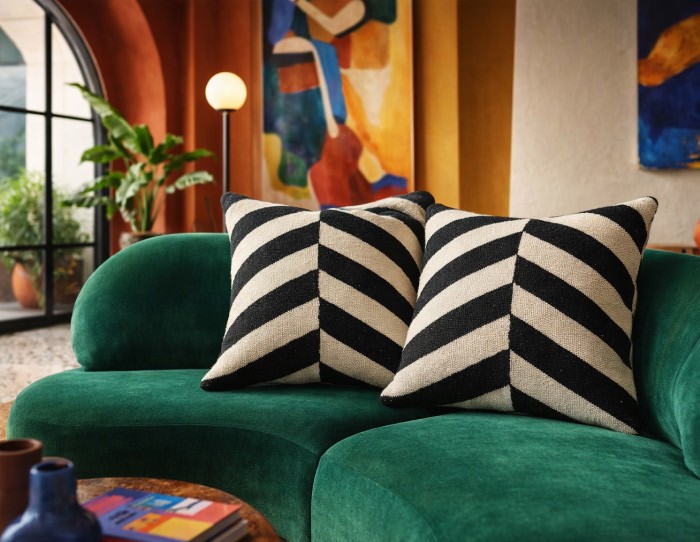
Summing Up..
Beautiful rooms are easy to photograph and surprisingly hard to live in. That’s the flaw.
Design is moving beyond visual perfection toward spaces that invite touch, pause, and presence.
This is where handmade cushions change the game.
They soften structure, add material depth, and make a room feel intentionally lived in, not just staged.
If your home looks complete but still lacks soul, start with what people actually reach for first.
Better cushions. Better living.
We will be back with another blog soon.
Till then, stay tuned and explore Jaipur Rugs!
FAQs
What is a cushion used for in home decor?
A cushion is used to improve both comfort and visual balance in furniture styling. It supports posture, softens hard surfaces, introduces texture, and helps furniture feel more functional and inviting.
Why are handmade cushions better than regular cushions?
Handmade cushions often offer richer texture, material variation, and craft detail that mass-produced options lack. They also create stronger visual individuality and often feel more intentional within styled spaces.
How many decor pillows should go on a sofa?
The ideal number depends on sofa size, but most standard sofas work well with 3 to 5 decor pillows. The goal is balance and usability, not maximum volume.
Are cushions worth investing in?
Yes. Cushions are relatively low-cost objects with high functional impact. They influence comfort, posture, styling flexibility, and tactile experience more than many traditional decor accessories.


Pic Credits
Jaipur rugs / Abil Dase
Share
-
 Facebook
-
 Twitter
-
 Email
Email
Related Posts
-
15 July 2026
- ∙
-
8 Min Read
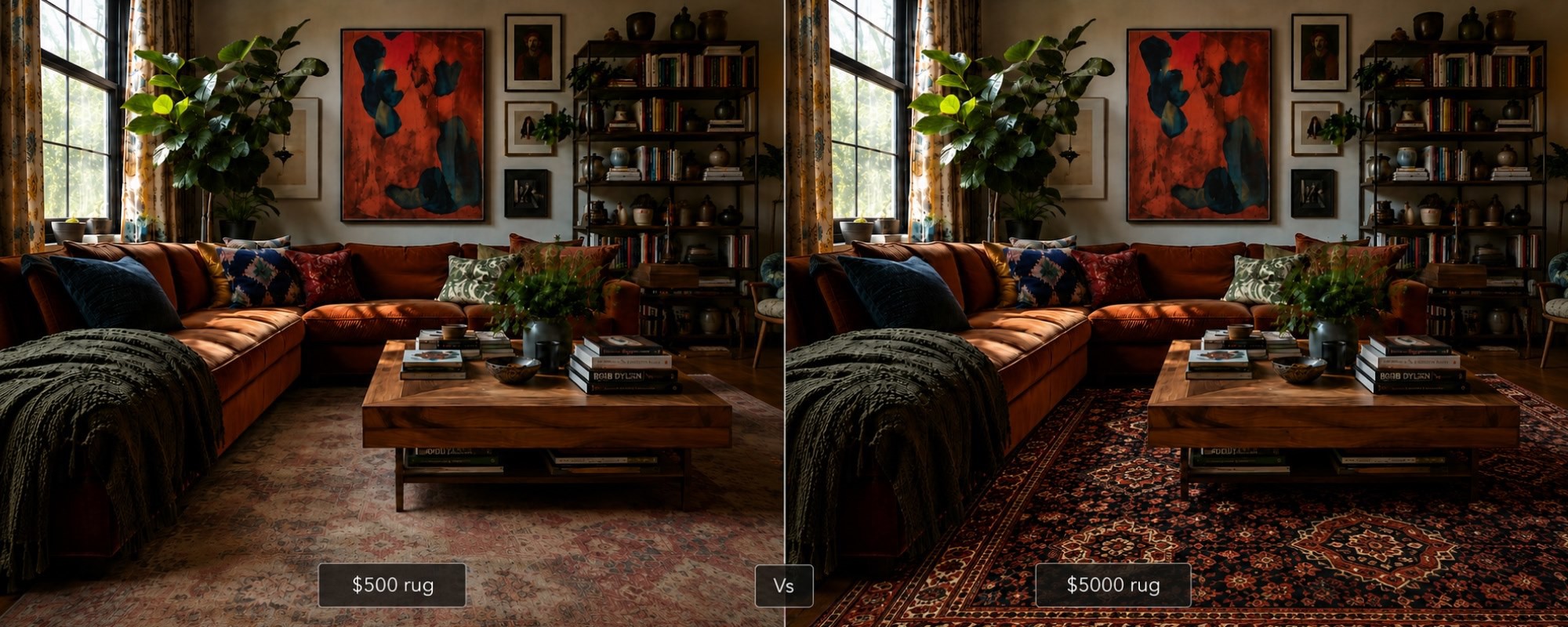
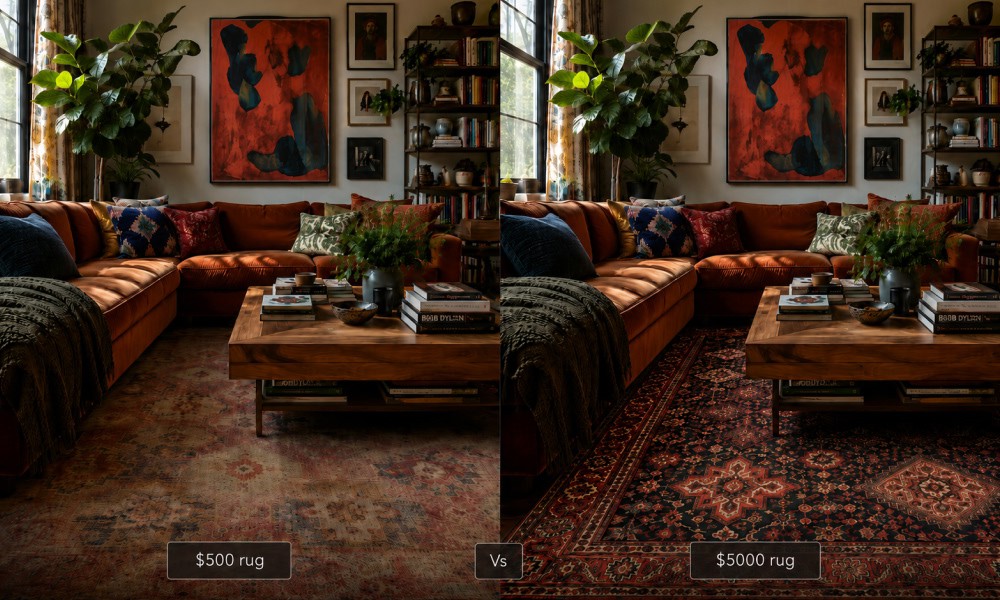
The $500 vs $5,000 Rug: An Honest Side-by-Side That No Brand Will Show You
Why do some rugs cost ten times more than others? This honest side-by-side looks at what actually separates a $500 rug from a $5,000 one: knot density, fiber quality, pile depth, and finishing. No brand bias, no marketing language. Just a clear breakdown to help you decide which one is worth it for your space and budget.
Read Article →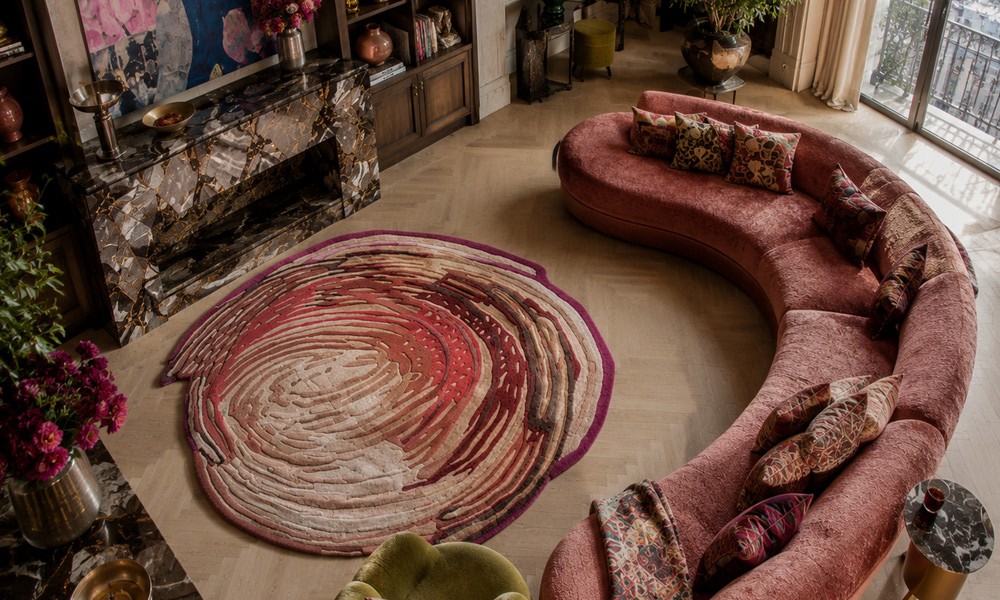
-
14 July 2026
- ∙
-
13 Min Read
3D Rugs and Sculpted Pile: The Tactile Design Trend Redefining Floors in 2026
The rug used to finish a room. Now it starts one. 3D rugs and sculpted piles are bringing real depth and tactile texture to interiors, from hand knotted relief patterns to optical illusion designs that stop you mid-step. This is what the trend is, why it matters, and how to buy it well.
Read Article →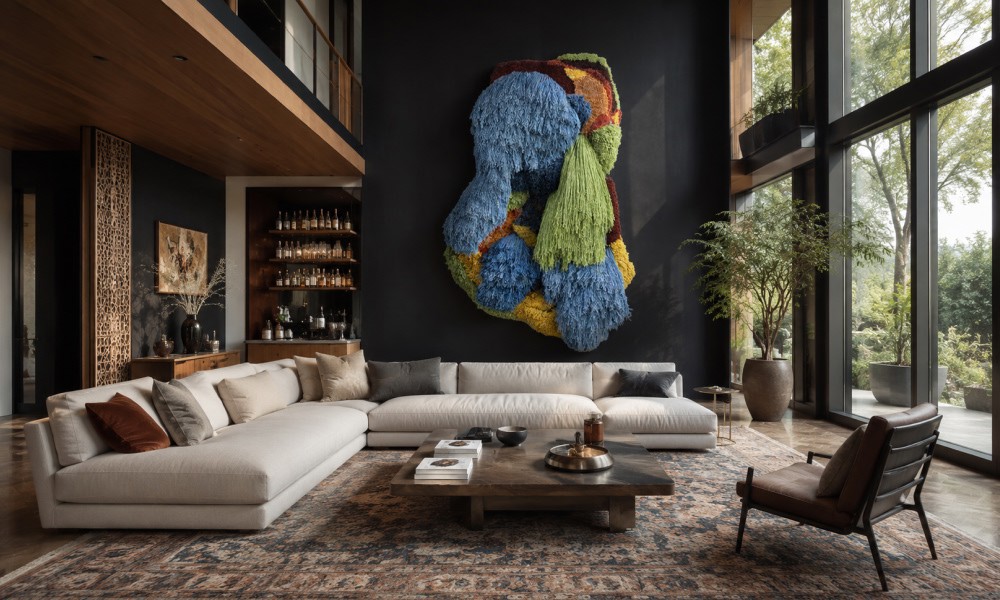
-
10 July 2026
- ∙
-
10 Min Read
How to Pair Indian Wall Art with the Right Rug Pattern: A Room-by-Room Guide
Choosing the right rug to go with your Indian wall art does not have to be guesswork. This guide breaks it down room by room, from the living room to the bathroom and outdoor spaces. Learn how to match colors, patterns, and scale so your wall art and rug always feel like they belong together.
Read Article →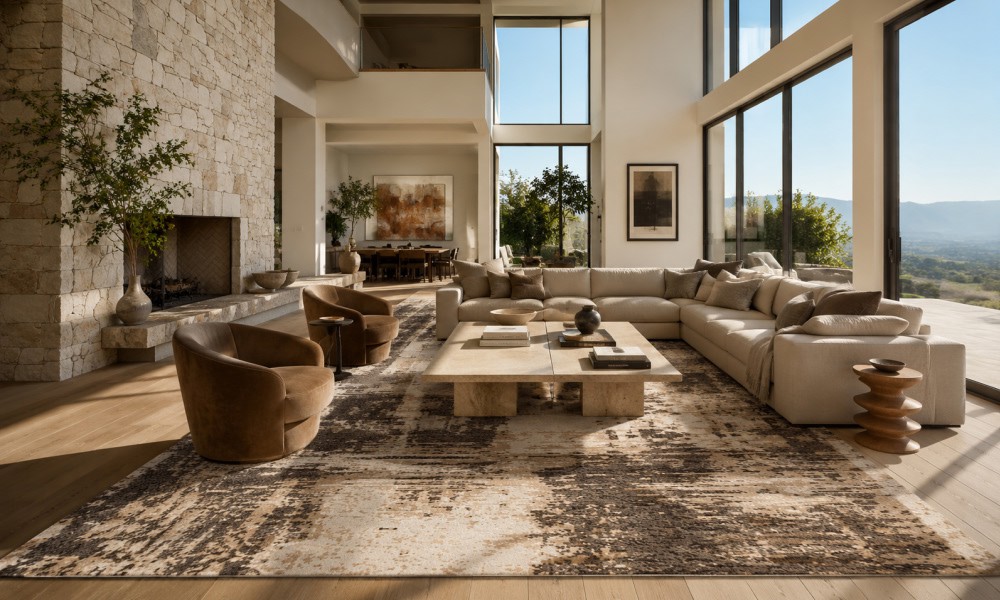
-
07 July 2026
- ∙
-
9 Min Read
How to Tell If a Rug Is Handmade: 7 Signs Experts Look For (Abrash Is One of Them)
Wondering how to know if a rug is handmade? Get an overview of 7 key characteristics that will help you identify if a rug is truly handmade and learn about its differences compared to machine-made rugs, and why they do not lose their value. Here is what to keep in mind when buying a handmade rug.
Read Article →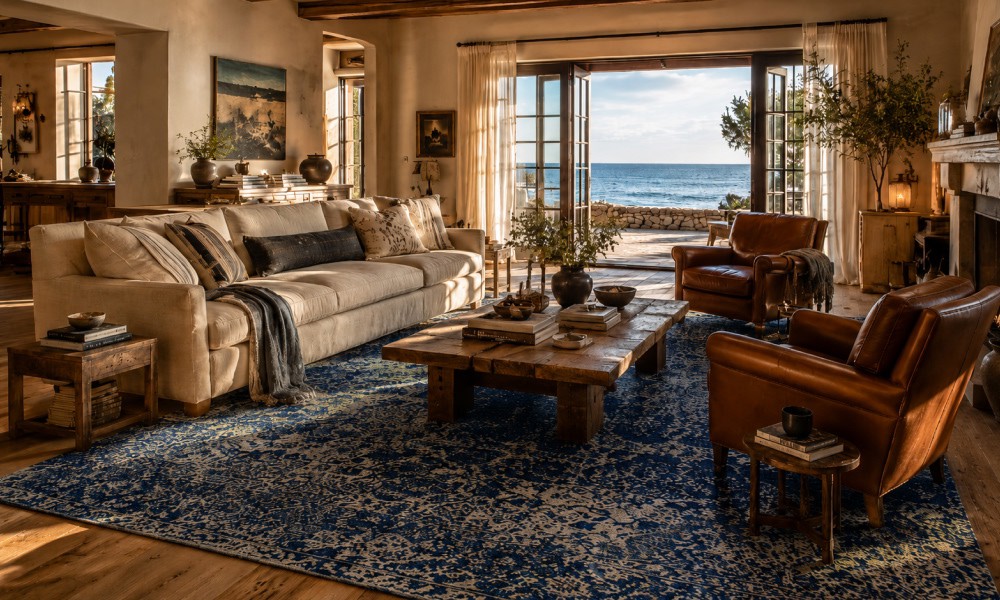
-
04 July 2026
- ∙
-
8 Min Read
Coastal Grandmother Is Evolving: The 2026 "Coastal Heritage" Aesthetic and the Rugs That Define It
The coastal grandmother design is progressing into something new and exciting by 2026. Coastal Heritage introduces texture, craftsmanship, and handmade elements to this popular design style. Here are the various rug types, colors, and decorating ideas to know about this classic coastal design trend.
Read Article →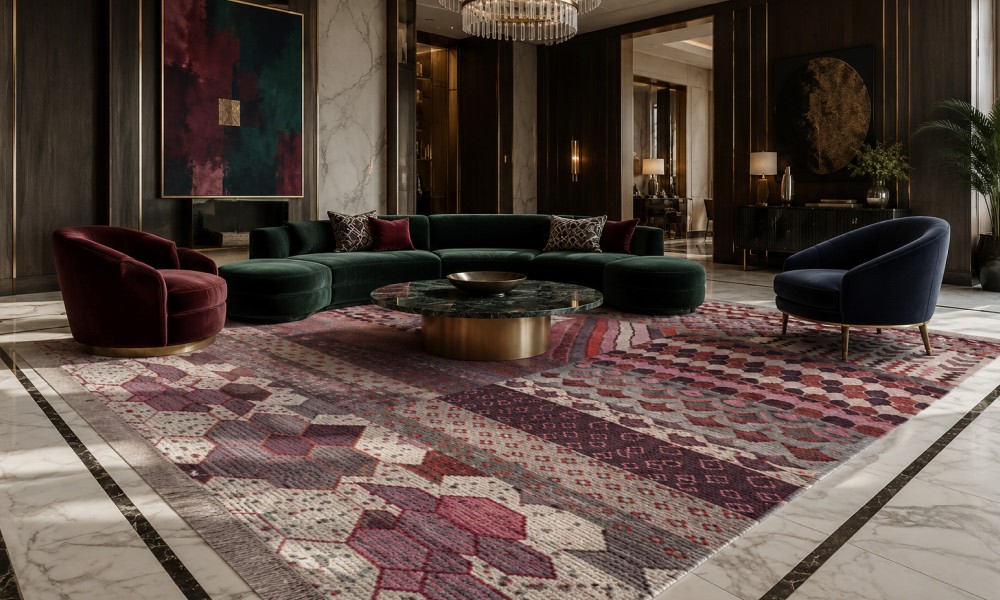
-
22 June 2026
- ∙
-
6 Min Read
Why Top Interior Designers are Switching to Indian Handmade Rugs
High-end interior designers have begun using handmade carpets from India in place of machine-made carpets to enhance their design portfolios and ensure product longevity. The following guide will help you understand why design professionals prefer Jaipur Rugs for creating customized, ethically produced wool-and-bamboo-silk carpet designs for luxurious homes.
Read Article →