You are on our International website. Please select your region to see content specific for your location





 Profile
 Orders
 Wishlist
 Change Password
 Logout


Latest Blogs
ideas and inspiration
The House Without Windows: Can It Actually Work? Design Logic Explained
- 05 May 2026
- |
- 4 Min Read
- |
- By Jaipur Rugs
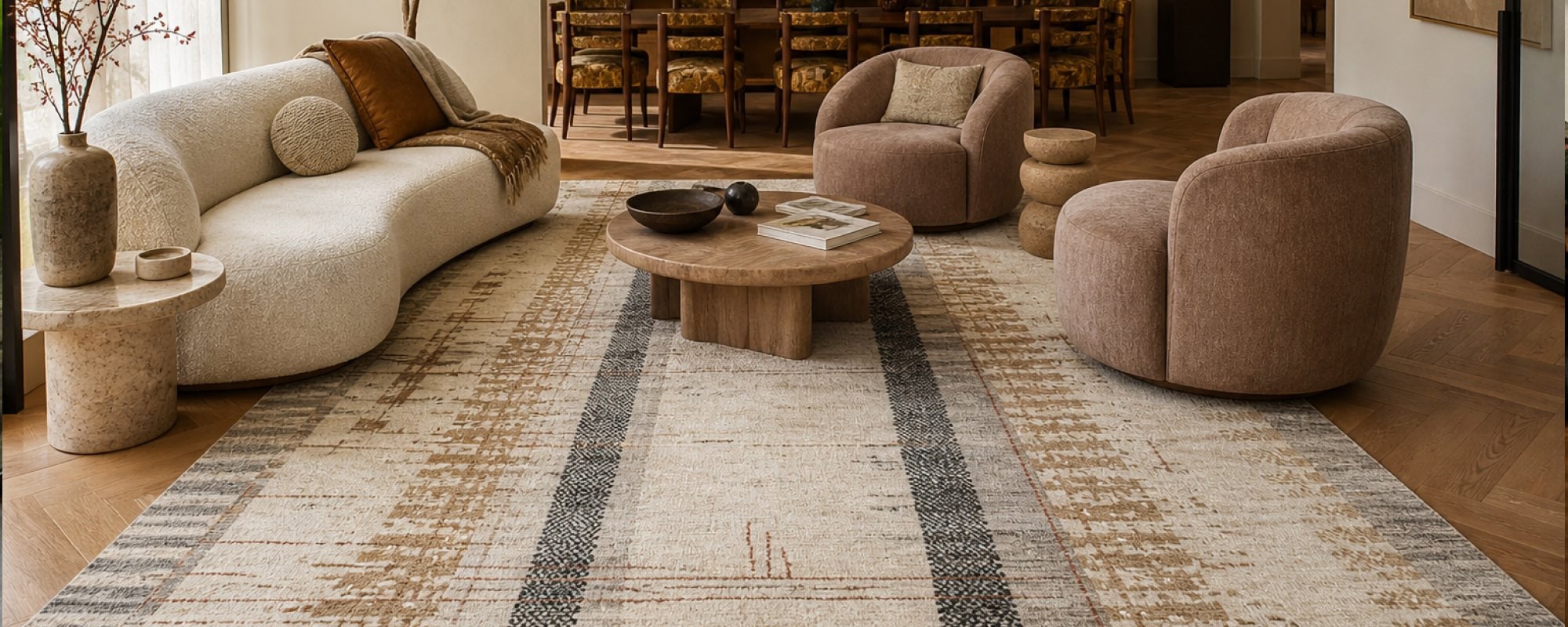
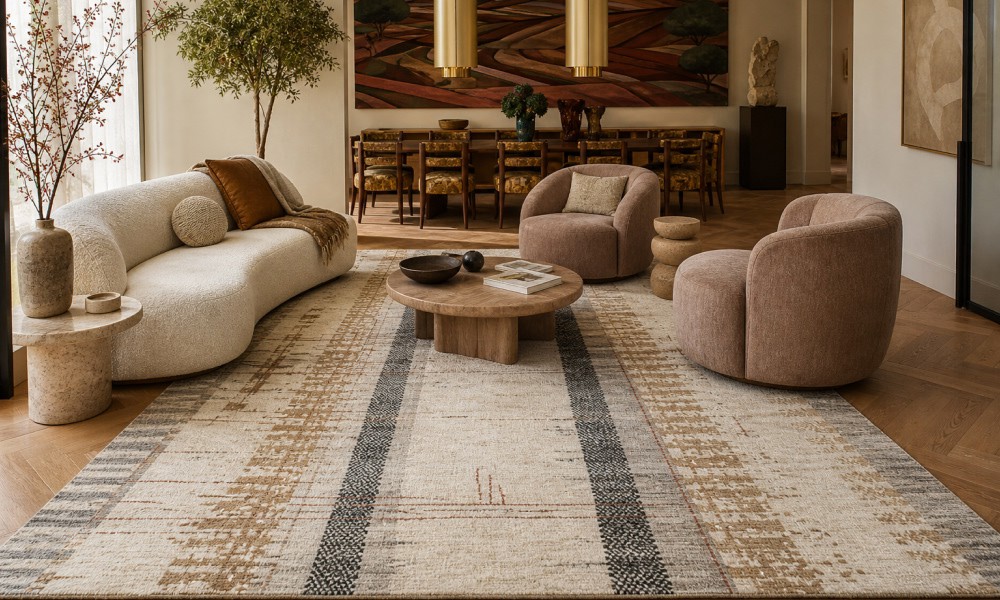
A house without windows sounds like something no sane person would choose, until you understand why some designers are deliberately removing them. This isn’t about living in a sealed box. It’s about privacy, controlled light, sensory comfort, and a design logic most homes accidentally ignore. The idea sounds wrong, right until it doesn’t. Keep reading to know more!
A house without windows sounds like a design crime scene.
No daylight, no breeze, no outside view. On paper, it feels like architecture having a bad day. But in 2026, the idea is being re-examined, not as a sealed bunker, but as a highly controlled living environment where light, privacy, temperature, and mood are intentionally designed rather than left to chance.
This is where it shifts.
The modern version of the house without windows is not about removing livability. It’s about questioning whether windows are always the best tool for comfort.
Why No Windows Sounds Like a Bad Idea (At First)
Humans are conditioned to associate windows with survival.
They provide:
-
daylight
-
ventilation
-
orientation
-
psychological relief
Take them away, and the brain immediately jumps to three concerns:
-
Will it feel claustrophobic?
-
How does fresh air enter?
-
Is artificial lighting enough?
These are valid concerns. A house without windows fails instantly if it ignores airflow, brightness, and spatial balance.
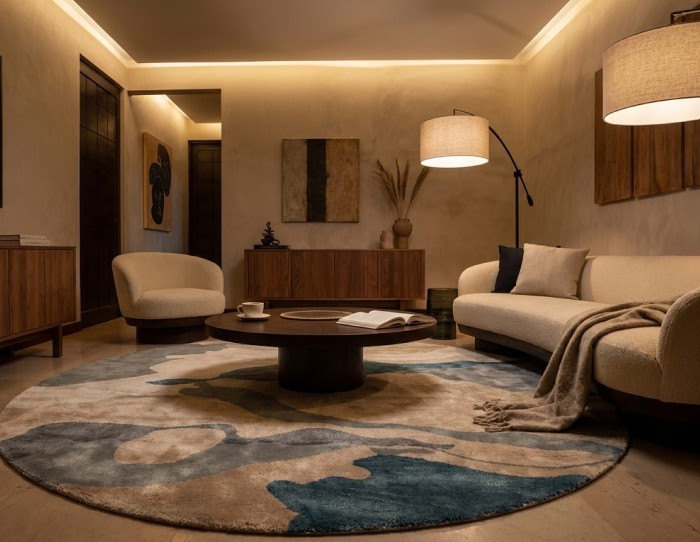
How Do You Get Light in a House Without Windows?
Light in a windowless home doesn’t come from one heroic source trying to do all the work. Instead, brightness is distributed through multiple systems that replicate what windows normally provide, just with more control and consistency.
This is where design becomes less about openings and more about orchestration. Key solutions include:
-
Skylights to pull daylight from above for more even illumination.
-
Internal courtyards that channel natural light into surrounding rooms.
-
Reflective materials like mirrors, polished surfaces, silk rugs, and viscose carpets bounce light deeper into the space.
-
Indirect LEDs that eliminate harsh glare and create ambient brightness.
-
Layered ceiling lighting to build depth, visual balance, and brightness zones throughout the day.
A house without windows only works when light is treated as a system, not a single fixture. The goal isn’t just brightness, but visual comfort, rhythm, and spatial clarity.
This Isn’t New. It Just Looks New.
The idea feels radical only because modern housing has normalized perimeter windows.
Historically, inward-facing architecture is ancient.
Examples include:
-
desert homes with enclosed courtyards
-
riad layouts in North Africa
-
fortress-style homes prioritizing climate control
-
monastic buildings with inward circulation
These layouts were responses to harsh sunlight, heat, privacy concerns, and security.
In extreme climates, fewer external openings often improved thermal comfort. A windowless facade wasn’t an aesthetic rebellion. It was practical engineering.
This is where it shifts.
What looks futuristic is often recycled intelligence wearing cleaner clothes.
Why Silk Rugs & Viscose Carpets Change Low-Light Interiors?
Low-light interiors often struggle with one invisible problem: surfaces can start absorbing more brightness than they return, making a room feel heavier and visually compressed. This is where material choice becomes surprisingly strategic.
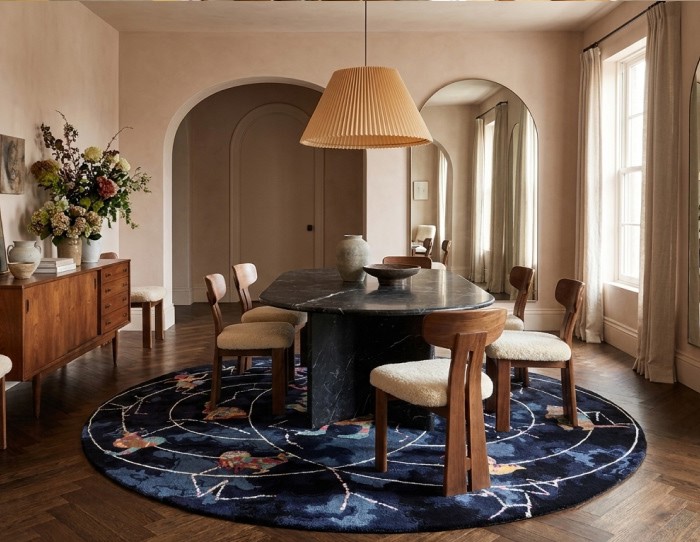
Silk rugs and viscose carpets help manipulate how light behaves inside a space, making dim rooms feel more visually active and dimensional. Here’s why they work:
-
Reflective fibers bounce available light across the surface instead of absorbing it completely.
-
Directional sheen creates subtle shifts in tone and texture as viewing angles change.
-
Visual depth makes floors feel less flat and adds dimension to the room.
-
Light amplification effect helps indirect lighting appear more distributed and balanced.
Silk rugs and viscose carpets do not replace natural light, but they improve how existing light travels through a room.
In low-light interiors, that reflective quality can make a space feel brighter, more layered, and less visually static.
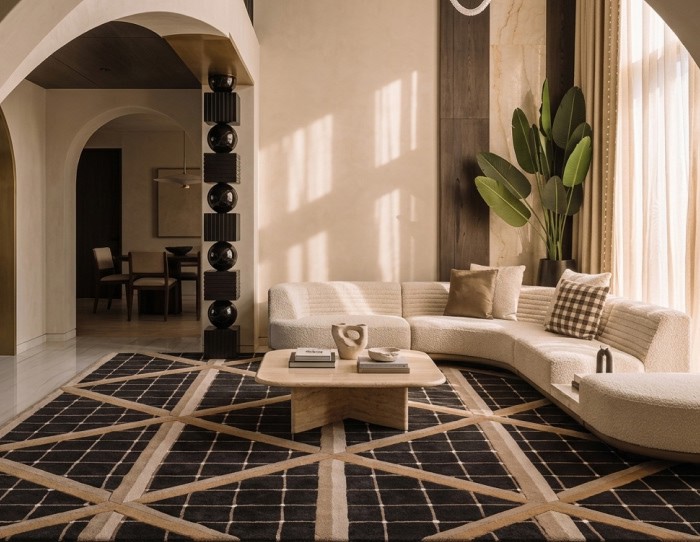
Interior Design Styles That Fit This Concept
Not all interior design styles support a window-limited environment.
Best fits:
-
minimalist interiors
-
monastic design
-
Japandi-inspired spaces
-
brutalist-inspired softness
-
gallery-style interiors
These interior decorating styles rely on restraint, material contrast, and controlled composition.
They don’t depend heavily on outdoor views for identity.
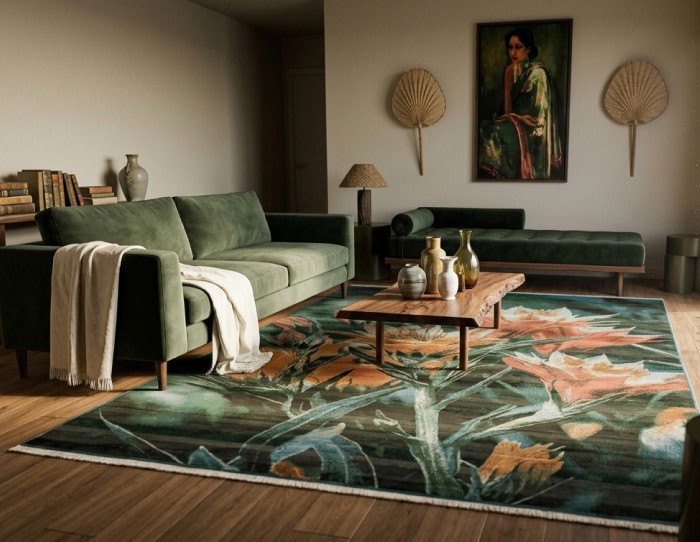
Poor fits:
-
farmhouse styles
-
maximalist floral interiors
-
highly ornamented traditional layouts
These styles often rely on daylight play and external connection.
The concept only works when style and architecture stop fighting each other.
Summing Up..
A house without windows sounds like bad architecture until you realize windows were never the point; function was. Replace them intelligently with light wells, airflow systems, reflective materials, and layered illumination, and the concept stops feeling absurd.
It becomes a study in control, privacy, and sensory precision.
Not every home should attempt it, but done right, a windowless space can feel less restrictive than badly designed openness.
We will be back with another blog soon.
Till then, stay tuned and explore Jaipur Rugs!
FAQs
Can a house be built without windows?
Yes, but not as a completely sealed box. A house without windows must include alternative systems such as skylights, internal courtyards, ventilation ducts, and mechanical air circulation to remain livable and code-compliant.
Is a windowless home safe?
A windowless home can be safe if it has proper ventilation, emergency exits, fire compliance measures, and controlled lighting systems. Safety depends on engineering, not just the presence or absence of windows.
How do you get light in a house without windows?
Light is introduced through skylights, courtyards, light wells, reflective materials like silk & viscose, ceiling systems, and indirect LEDs. The goal is even brightness distribution instead of depending on side-wall openings.
Why use silk rugs in low light interiors?
A silk rug reflects light across its fiber surface, adding movement and brightness variation. In low-light rooms, this prevents visual flatness and improves perceived dimensionality without increasing actual illumination.


Pic Credits
Jaipur rugs / Abil Dase
Share
-
 Facebook
-
 Twitter
-
 Email
Email
Related Posts
-
15 July 2026
- ∙
-
8 Min Read
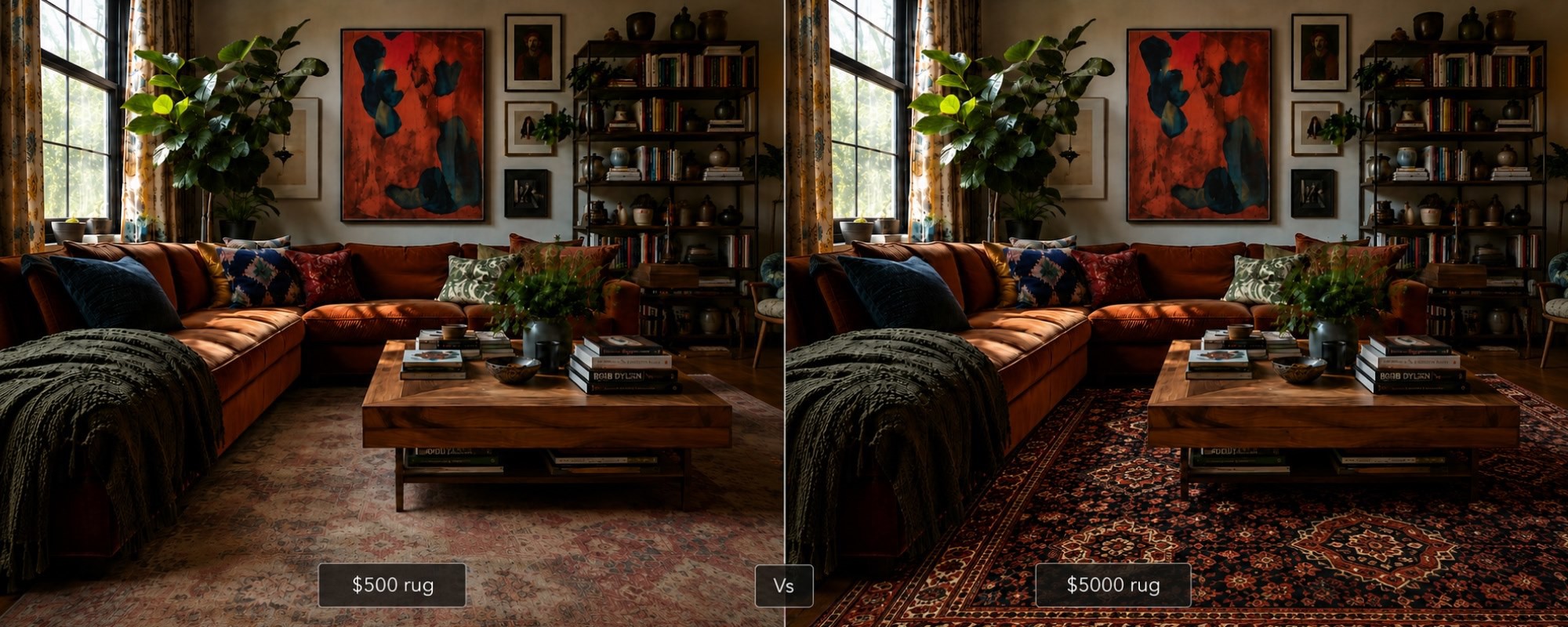
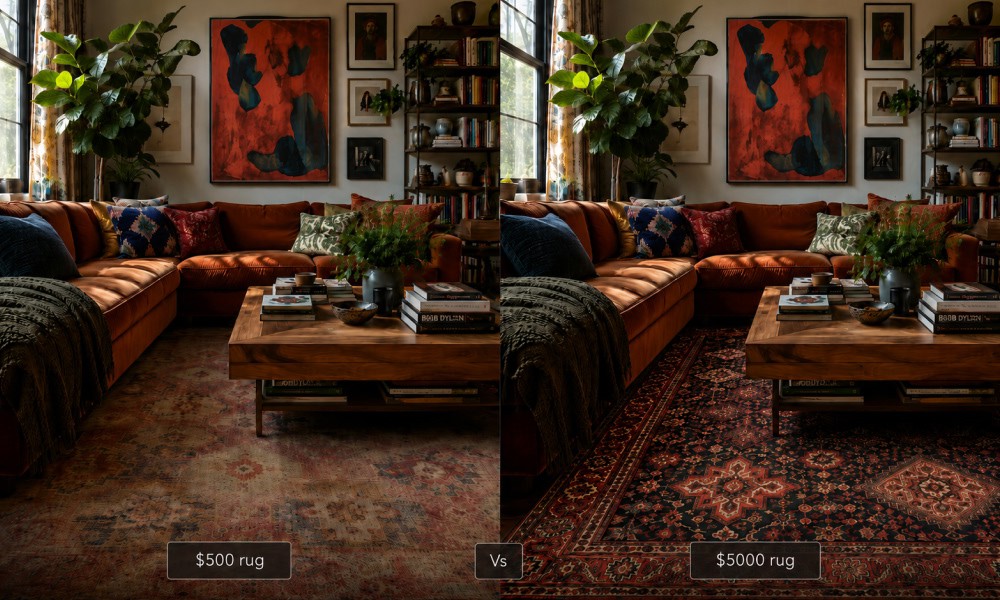
The $500 vs $5,000 Rug: An Honest Side-by-Side That No Brand Will Show You
Why do some rugs cost ten times more than others? This honest side-by-side looks at what actually separates a $500 rug from a $5,000 one: knot density, fiber quality, pile depth, and finishing. No brand bias, no marketing language. Just a clear breakdown to help you decide which one is worth it for your space and budget.
Read Article →
-
14 July 2026
- ∙
-
13 Min Read
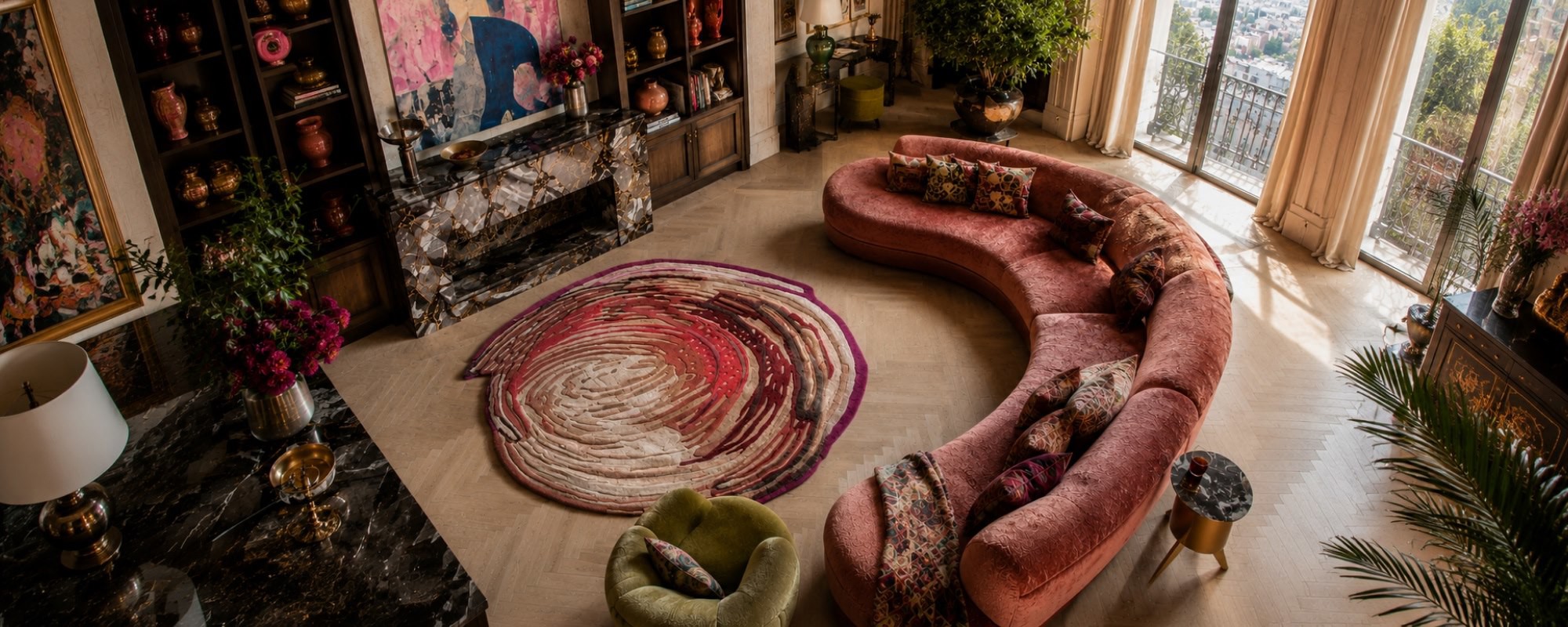
3D Rugs and Sculpted Pile: The Tactile Design Trend Redefining Floors in 2026
The rug used to finish a room. Now it starts one. 3D rugs and sculpted piles are bringing real depth and tactile texture to interiors, from hand knotted relief patterns to optical illusion designs that stop you mid-step. This is what the trend is, why it matters, and how to buy it well.
Read Article →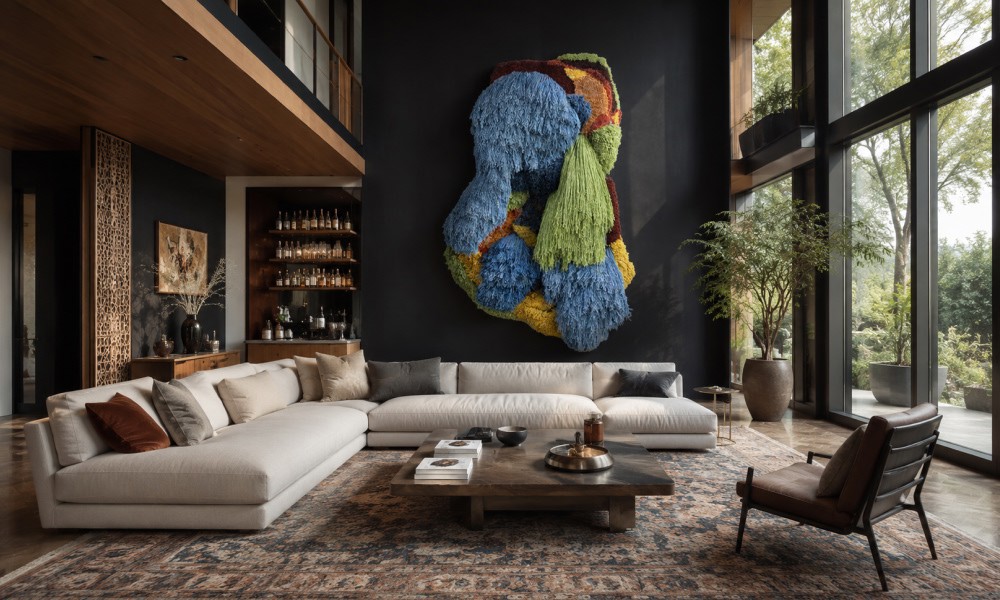
-
10 July 2026
- ∙
-
10 Min Read
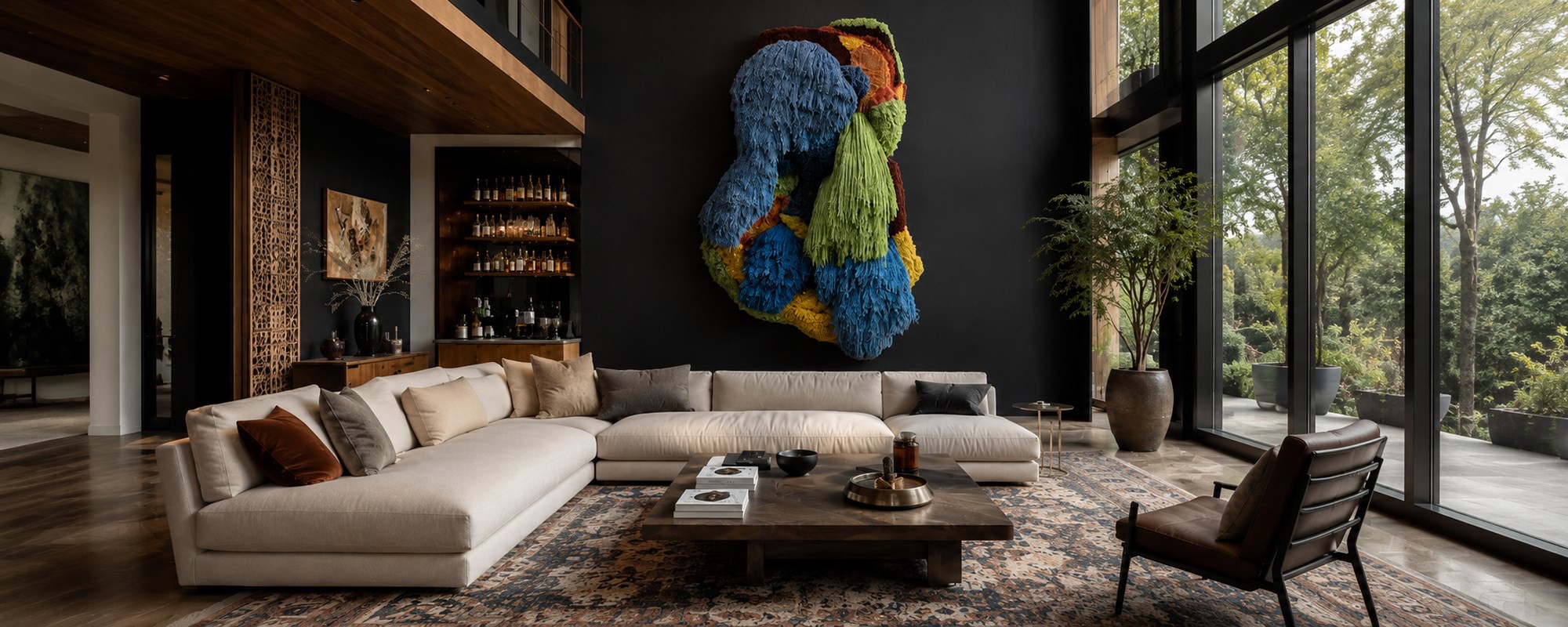
How to Pair Indian Wall Art with the Right Rug Pattern: A Room-by-Room Guide
Choosing the right rug to go with your Indian wall art does not have to be guesswork. This guide breaks it down room by room, from the living room to the bathroom and outdoor spaces. Learn how to match colors, patterns, and scale so your wall art and rug always feel like they belong together.
Read Article →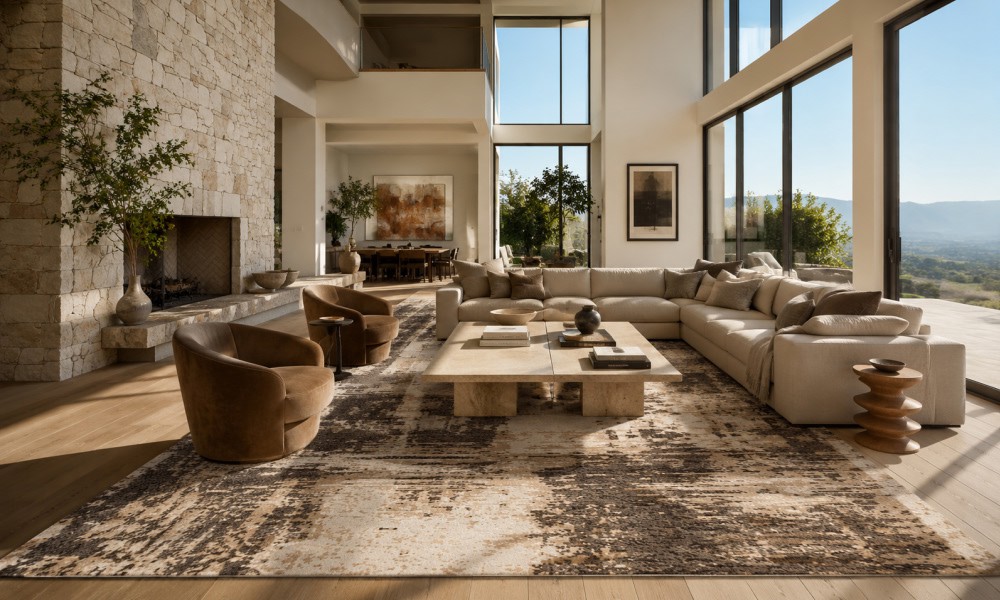
-
07 July 2026
- ∙
-
9 Min Read
How to Tell If a Rug Is Handmade: 7 Signs Experts Look For (Abrash Is One of Them)
Wondering how to know if a rug is handmade? Get an overview of 7 key characteristics that will help you identify if a rug is truly handmade and learn about its differences compared to machine-made rugs, and why they do not lose their value. Here is what to keep in mind when buying a handmade rug.
Read Article →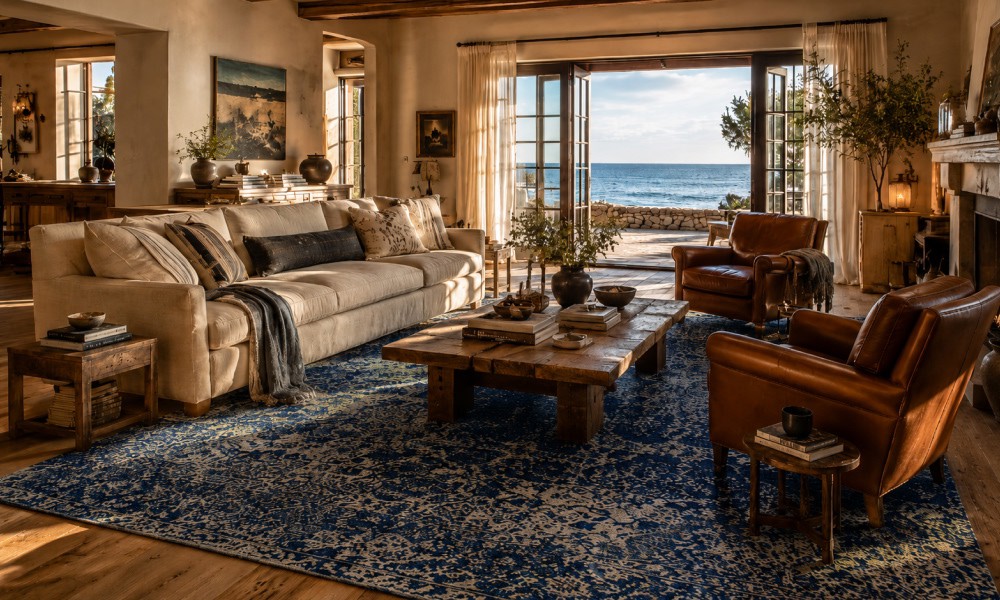
-
04 July 2026
- ∙
-
8 Min Read
Coastal Grandmother Is Evolving: The 2026 "Coastal Heritage" Aesthetic and the Rugs That Define It
The coastal grandmother design is progressing into something new and exciting by 2026. Coastal Heritage introduces texture, craftsmanship, and handmade elements to this popular design style. Here are the various rug types, colors, and decorating ideas to know about this classic coastal design trend.
Read Article →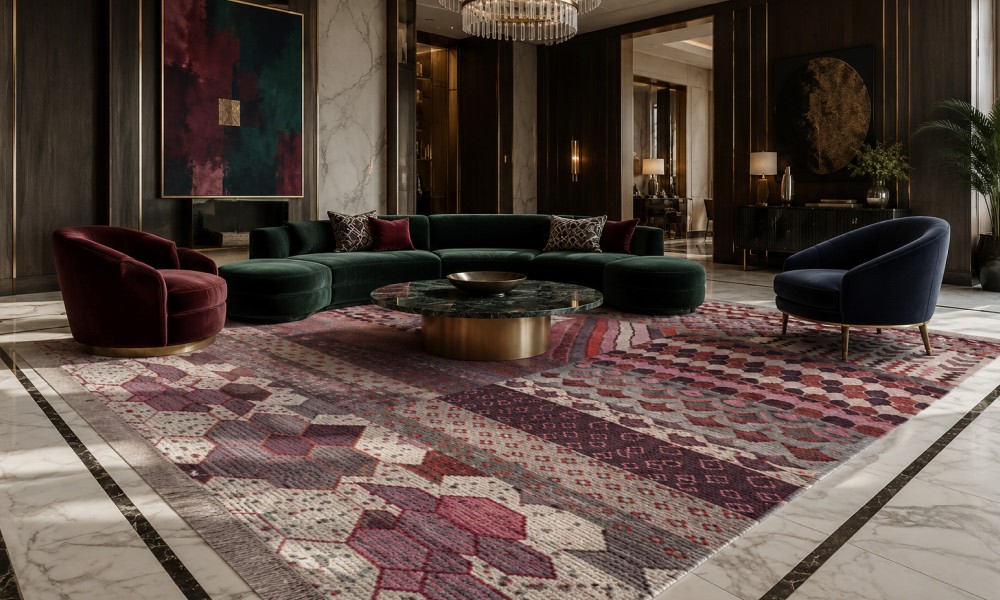
-
22 June 2026
- ∙
-
6 Min Read
Why Top Interior Designers are Switching to Indian Handmade Rugs
High-end interior designers have begun using handmade carpets from India in place of machine-made carpets to enhance their design portfolios and ensure product longevity. The following guide will help you understand why design professionals prefer Jaipur Rugs for creating customized, ethically produced wool-and-bamboo-silk carpet designs for luxurious homes.
Read Article →