You are on our International website. Please select your region to see content specific for your location





 Profile
 Orders
 Wishlist
 Change Password
 Logout


Latest Blogs






rug 101
How to Clean a Carpet the Right Way (Step-by-Step Guide)
- 10 May 2018
- |
- 6 Min Read
- |
- By Jaipur Rugs
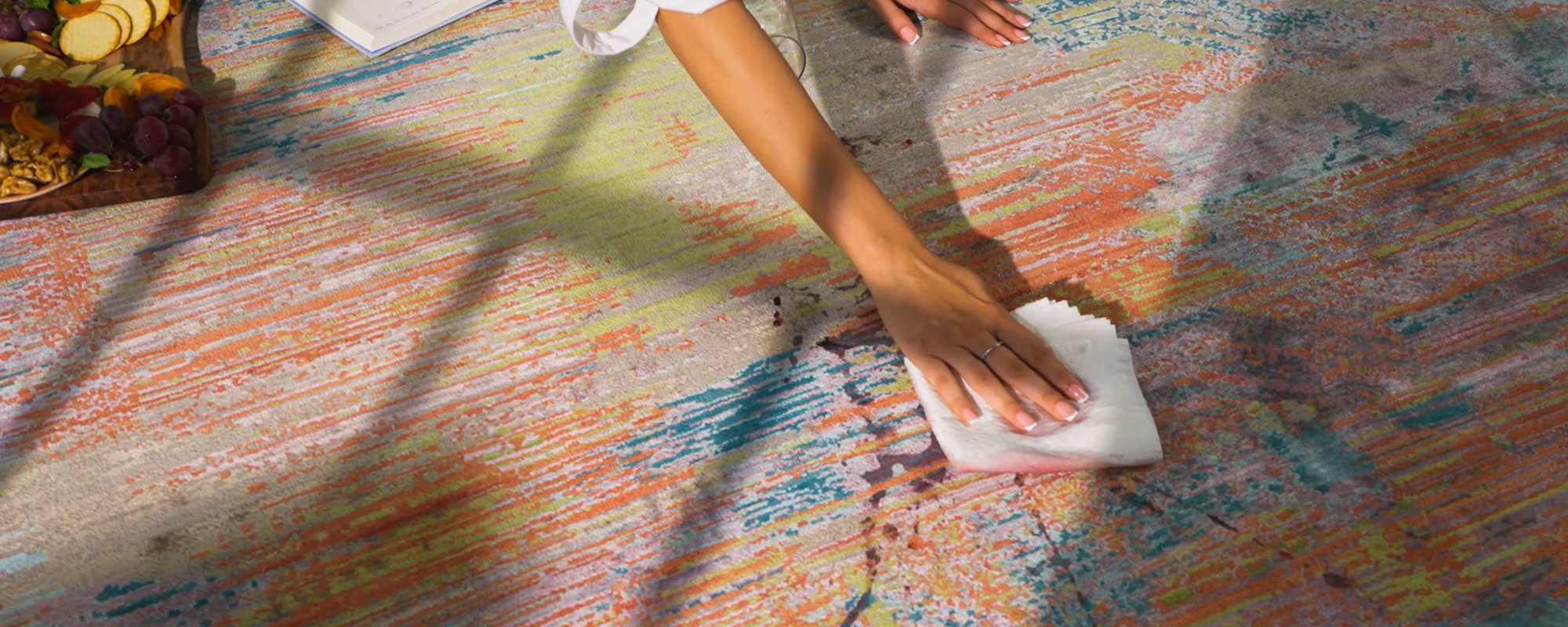
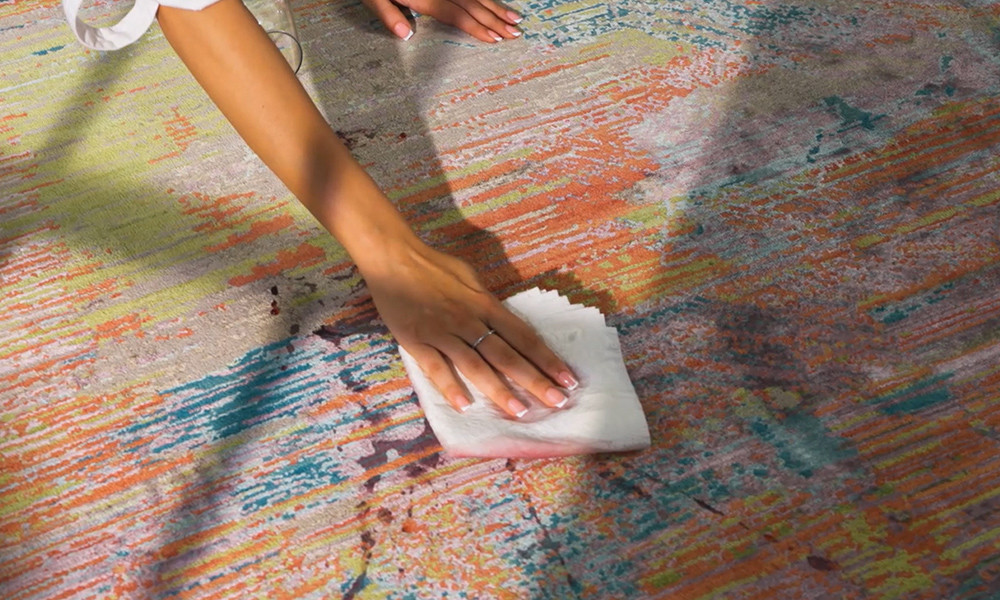
Most people clean a stain and make it permanent. Not because they didn't act fast enough. Because they used hot water, rubbed instead of blotted, or grabbed the wrong product in a panic. Every stain type behaves differently. Every carpet fiber has a breaking point. And every mistake has a specific cause. This carpet cleaning guide covers all of it, the right way!
Most carpet stains are survivable. Yet most of us get it wrong.
The dirty truth: carpets don't get ruined by what lands on them. They get ruined in the next ten minutes by rubbing, the wrong product, or too much water. This guide fixes that. Every stain type, every fiber, every mistake, broken down so you clean smarter, not harder.
How to Clean a Carpet (Quick Answer Most People Need)
The correct way to clean an area carpet is simple: blot the stain, use the right cleaner for the stain type, and dry the area completely.
Everything else is just doing these three steps properly.
Follow this exact order:
-
Remove any solid material before adding liquid. If you pour water over solids, such as food or vomit, you spread contamination deeper into the handmade carpet.
-
Blot the stain using a clean white cloth. Press down and lift straight up. This pulls the stain out instead of pushing it deeper.
-
Apply the correct cleaning solution based on the stain type. Different stains react differently, so using the wrong cleaner often makes the stain permanent.
-
Blot again and rinse lightly with cold water. This removes any leftover cleaning residue that would otherwise attract more dirt.
-
Dry the area completely and as quickly as possible. Moisture trapped in the carpet can lead to odor, bacteria, and long-term damage.
How to Clean Carpet Stains Based on What Caused Them?
The type of stain matters more than how long it has been there.
Using the right method late works better than using the wrong method immediately.
Liquid Stains (Coffee, Wine, Juice, Soda)
Liquid stains spread quickly and move below the surface, which is why they often reappear after cleaning.
-
Blot the stain immediately to remove as much liquid as possible. The faster you act, the less the liquid spreads into deeper layers.
-
Use only cold water during cleaning. Heat can permanently set stains like coffee, tea, or wine.
-
Apply a mild cleaning solution in small amounts. Adding too much liquid can cause the stain to spread further.
-
Blot repeatedly instead of scrubbing. Scrubbing spreads the stain across clean fibers.
-
Rinse lightly and press dry using a towel. This removes residue and prevents re-soiling.
Oil and Grease Stains (Butter, Makeup, Lotion)
Grease stains do not spread like liquids, but they stick to fibers and attract dirt over time.
-
Remove any solid residue before cleaning. This prevents grease from pushing deeper into the carpet.
-
Use an absorbent material, such as baking soda, to lift surface oil. This step reduces the amount of grease that needs to be cleaned with liquid.
-
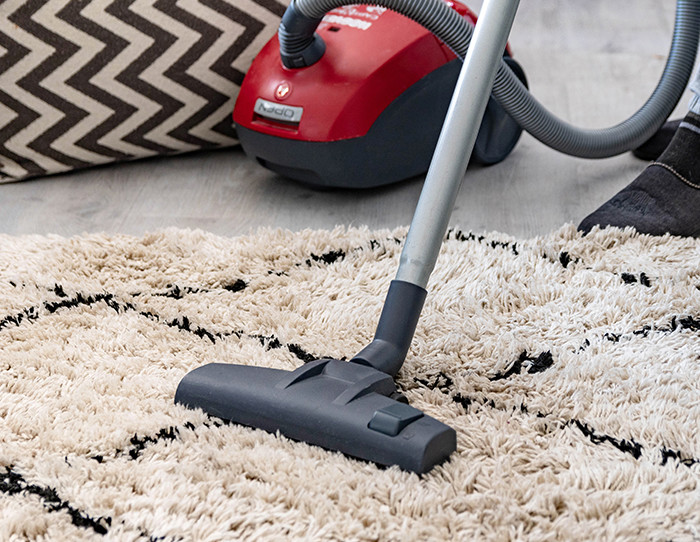
Vacuum the area completely before applying any cleaner. Leaving powder behind reduces cleaning effectiveness.
-
Apply a small amount of dish soap to break down grease. Soap is necessary because water alone cannot remove oil.
-
Blot, rinse lightly, and dry completely. Proper drying prevents the stain from returning.
Protein Stains (Urine, Vomit, Blood, Milk)
Protein stains bond to carpet fibers and become permanent if exposed to heat.
-
Remove solids and blot immediately without rubbing. This prevents the stain from spreading further.
-
Use cold water to dilute the stain before applying the cleaner. Heat can lock protein stains into the fibers.
-
Apply an enzyme cleaner designed for organic stains. These cleaners break down the source of the stain instead of masking it.
-
Allow the cleaner to sit for a moment before blotting. Enzymes need time to work effectively.
-
Rinse lightly and dry the area completely. Proper drying prevents odor and bacteria buildup.
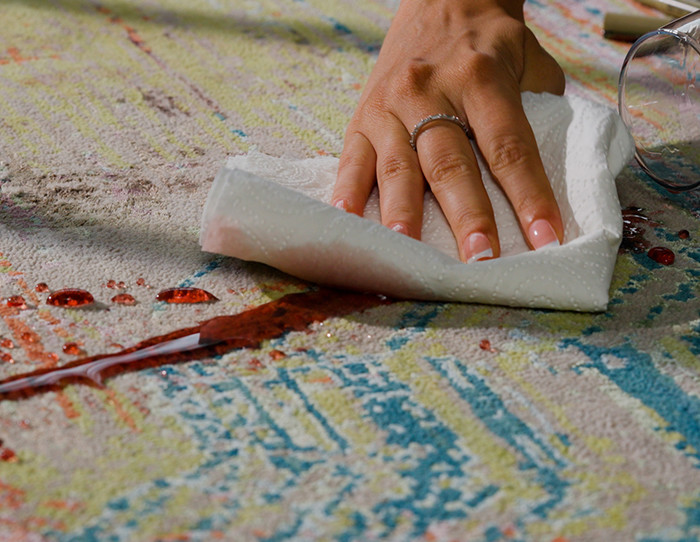
Common Carpet Cleaning Mistakes & What They Actually Do
Most designer carpet damage happens during cleaning, not from the stain itself.
-
Rubbing a stain spreads it deeper into the carpet fibers. This makes it harder to remove and is often permanent.
-
Using too much water traps moisture inside the carpet. This leads to odor, mold, and long-term damage.
-
Using the wrong cleaner fails to remove the stain properly. In some cases, it can also damage the fibers.
-
Cleaning wet mud spreads the stain further. Mud should always be allowed to dry before cleaning.
-
Leaving cleaning residue attracts more dirt. Soap left behind creates a sticky surface.
-
Using colored cloths can transfer dye onto the carpet. Always use white cloths to avoid staining.
-
Masking odor does not remove the source of the problem. If the smell persists, the contamination remains.
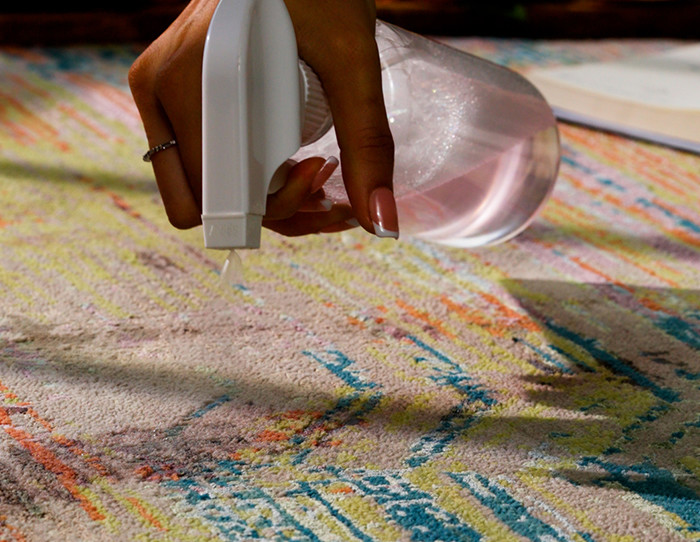
When NOT to Clean Your Carpet?
Cleaning is not always the right solution. In some situations, it makes the problem worse.
-
When dealing with dry dirt or mud, vacuum first. Adding water too early spreads the stain deeper.
-
When the modern carpet is already damp, allow it to dry completely. Additional moisture increases the risk of mold.
-
When the stain type is unknown, avoid using heat. Heat can permanently set certain stains.
-
When cleaning natural fiber carpets without proper knowledge. Incorrect methods can cause irreversible damage.
-
When odor remains after repeated cleaning attempts, the problem is likely deeper than the surface.
-
When there is a musty smell without a visible stain, this indicates a moisture issue, not a surface stain.
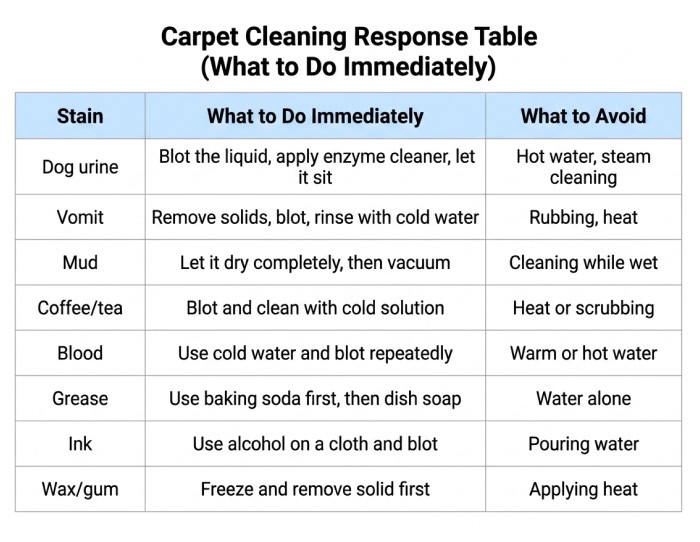
Carpet Cleaning in One Look (Save This Before Your Next Spill)
If you remember nothing else, remember this. The stain does not cause most living room carpet damage, but a wrong response in the first few minutes can.
-
Always blot, never rub, because rubbing spreads the stain deeper into the fibers.
-
Always match the cleaner to the stain type, because the wrong solution can set or worsen it.
-
Always use minimal water, as excess moisture can get trapped beneath and cause odor or mold.
-
Always avoid heat unless you are certain, as it can permanently set stains in the carpet.
-
Always remove solids and dry dirt before adding liquid, as moisture can spread contamination further.
-
Always dry the carpet thoroughly after cleaning, as hidden moisture can cause long-term damage.
This is the entire system. Every mistake people make breaks one of these rules.
FAQ
How Do I Clean a Carpet at Home?
The correct way to clean a carpet at home is to remove solids first, blot the stain with a clean white cloth, apply the right cleaner for the stain type, rinse lightly with cold water, and dry the area completely. Using minimal water and avoiding rubbing prevents damage and re-soiling.
What Is the Best Way to Clean Carpet Stains?
The best way to clean carpet stains is to blot the stain immediately, use a cleaner that matches the stain type, avoid heat, and dry the area fully. Acting quickly helps, but using the correct method matters more than speed.
Can I Use Baking Soda to Clean Carpet?
Yes, baking soda can be used to clean carpets, especially for absorbing odors and lifting surface grease. It should be applied dry, left for 15–30 minutes, and then vacuumed thoroughly. It is effective as a pre-treatment but does not replace deep cleaning for stains.
Does Steam Cleaning Damage Carpets?
Steam cleaning does not damage carpets when used correctly, but it can cause problems if used on the wrong stain type or with excessive moisture. Heat can set protein stains like urine or blood, and over-wetting can lead to mold or odor in the carpet backing.
How Often Should Carpets Be Cleaned?
Carpets should be vacuumed weekly in high-traffic areas and deep cleaned every 6–12 months. Homes with pets, children, or heavy use may require more frequent cleaning to prevent buildup of dirt and bacteria.


Pic Credits
Jaipur rugs / Abil Dase
Share
-
 Facebook
-
 Twitter
-
 Email
Email
Related Posts
-
30 June 2026
- ∙
-
7 Min Read
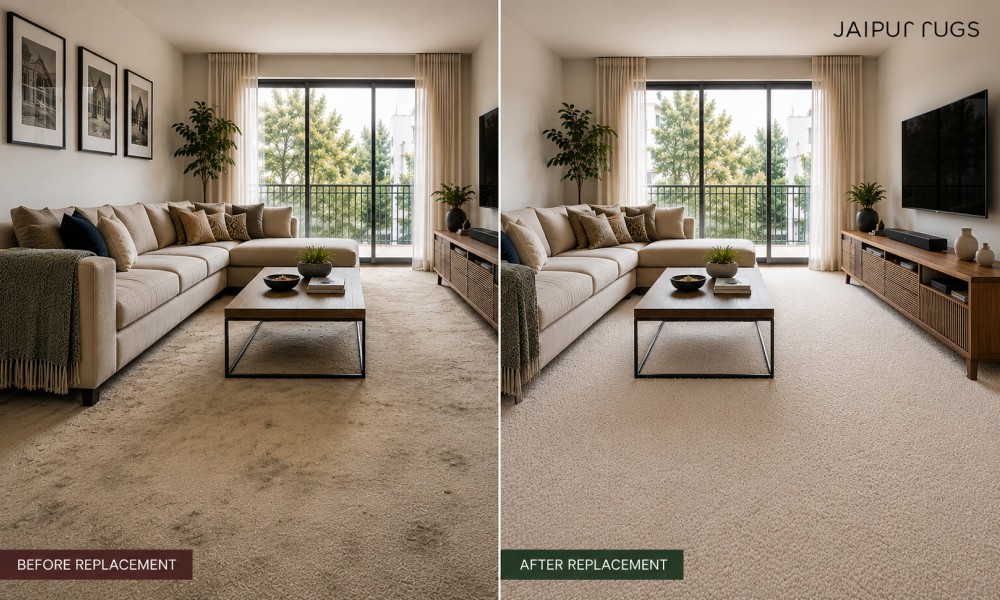
Carpet Replacement: Everything You Need to Know Before You Buy
Wondering if it's time to replace your carpet? This guide breaks down how long carpet really lasts, what affects replacement cost, and the warning signs like mold, smell, and wear you shouldn't ignore. It also compares carpet, hardwood, and area rugs, helping you pick the right flooring for your home, your budget, and your family's health.
Read Article →
-
23 December 2024
- ∙
-
7 Min Read
Why Are Jaipur Rugs' Best-Selling Carpets A Must-Have For Every Home?
Jaipur Rugs' best-selling carpets offer a perfect blend of timeless beauty and luxurious craftsmanship. Hand-knotted with precision, each rug showcases unique designs that elevate any space. From traditional to modern styles, these rugs are crafted to enhance your home’s decor with lasting elegance. Discover the perfect rug to add warmth and style to your living room, bedroom, or hallway.
Read Article →
-
28 February 2026
- ∙
-
6 Min Read
Carpet Pile Height Guide: Measurements, Charts & Best Choices
Choosing carpet without understanding pile height is like buying shoes without checking size. One wrong inch can ruin comfort, cleaning, and durability for years. Low, medium, high, they are not just labels. They change how your room feels and functions. Before you spend a single dollar, read this entire guide. It will change how you choose a designer rug or handmade carpet.
Read Article →
-
27 February 2026
- ∙
-
6 Min Read
The Ultimate Rug Pad Guide: How to Choose the Best Rug Pad?
Most people spend thousands on designer handmade rugs and ignore what sits underneath. The best rug pad controls comfort, grip, noise, insulation, and even floor safety. Thickness, material, and placement all matter more than you think. If you choose wrong, you shorten your rug’s life. Read this complete guide before you buy anything.
Read Article →
-
08 December 2025
- ∙
-
8 Min Read
Understanding and Fixing Carpet Buckling: A Complete Guide That Actually Helps
Carpet buckling appears as waves, ripples, or bumps and is usually caused by moisture, humidity, dragging furniture, or poor installation. The guide explains why carpets wrinkle, how to flatten carpets, and when restretching is needed. It also covers common mistakes, prevention tips, and how different rugs and rug pads affect carpet stability. Perfect for homeowners looking for clear solutions.
Read Article →
-
06 December 2025
- ∙
-
6 Min Read
6 Easy Tips To Clean Carpet at Home Without Professional Help
Tired of seeing your carpet look tired? We have got 6 cleaning tips that actually work, no professionals required. Whether it’s day-to-day messes or deep stains, these simple hacks will have your rug looking fresh again. Want to know the easiest way to keep it spotless? Let’s get into it.
Read Article →