You are on our International website. Please select your region to see content specific for your location





 Profile
 Orders
 Wishlist
 Change Password
 Logout


Latest Blogs
ideas and inspiration
Step-by-Step Guide: How to Plan Your Room Layout Like a Pro
- 27 March 2025
- |
- 9 Min Read
- |
- By Jaipur Rugs
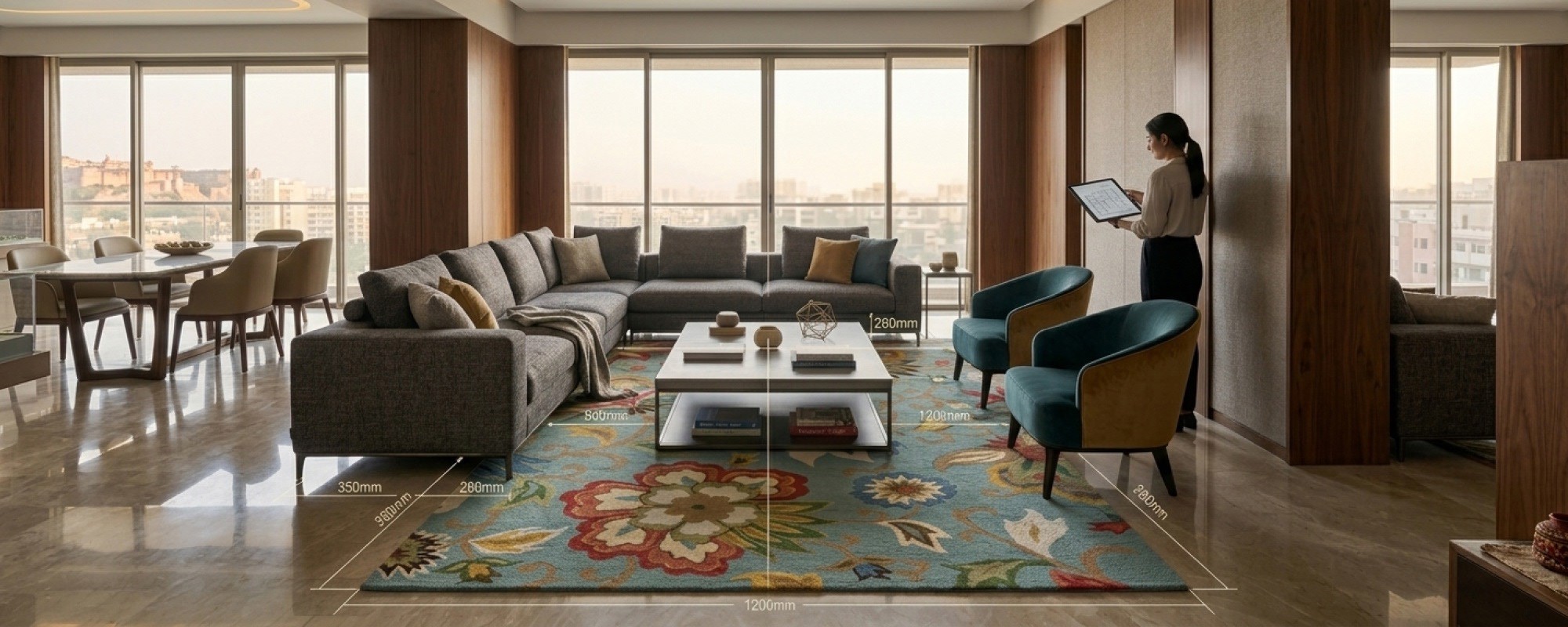
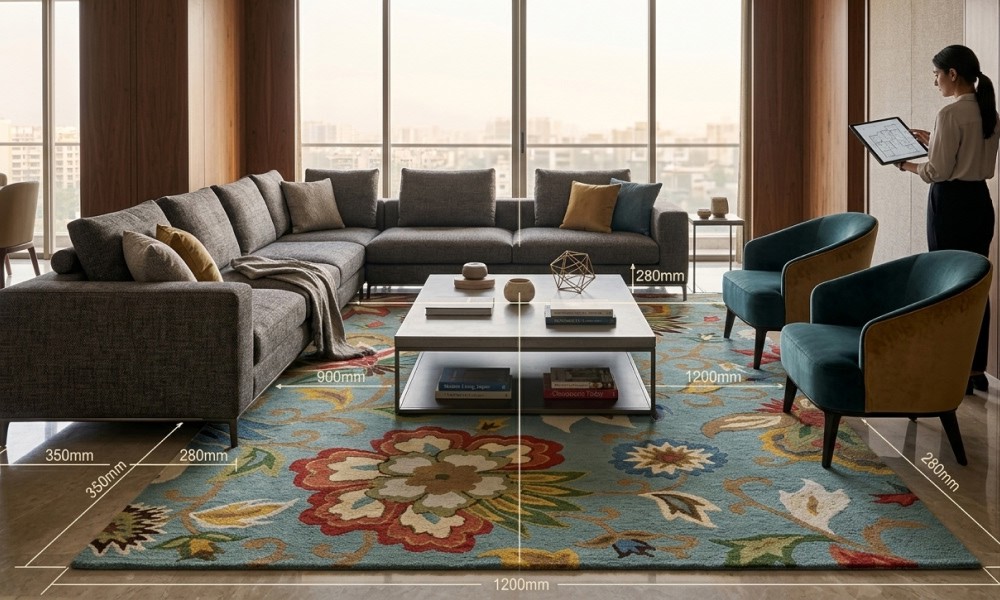
Learn to design your space with intention using this professional guide to room layout planning. From defining a focal point to mastering rug placement and traffic flow, we cover the essential steps to transform any room. Whether you're optimizing a small apartment or a large open floor plan, these expert tips ensure a functional, balanced, and beautiful home.
Ever walked into a room and thought, something feels…off? Maybe the sofa blocks the natural walkway, or the coffee table is just an inch too far to reach comfortably. A well-planned room isn’t just about aesthetic appeal; it’s about flow, function, and making every inch work for your lifestyle.
The good news? You don’t need an interior design degree to nail your room design layout. From zoning like a pro to furniture placement hacks that maximize square footage, this room design guide will help you create a space that is both beautiful and effortlessly functional. If you are ready to ditch the guesswork and learn how to decorate a room from scratch, let’s dive into the professional process.
Mapping Your Dream Room: The Blueprint Phase
Before moving a single heavy chair, you must become your own cartographer. Attempting to plan a room layout without precise measurements is like trying to solve a puzzle with missing pieces.
The Art of the Sketch
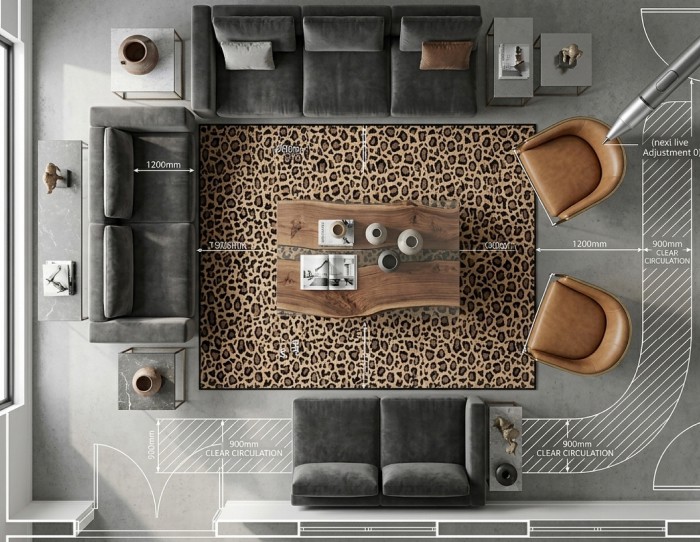
Grab a tape measure and a notepad. Measure the length and width of the room, but don’t stop there. Note the position of windows, door swings, electrical outlets, and radiators. These are your “fixed” elements that dictate where furniture simply cannot go. In floor plan design, these constraints are actually your best friends because they narrow down the infinite possibilities.
Digital or Analog?
Whether you prefer sketching on graph paper or using a digital room setup app, creating a bird’s-eye view is your secret weapon. For small rooms, every inch matters. Mapping it out allows you to visualize negative space, the empty areas that prevent a room from feeling cluttered. This phase is crucial for interior space planning, ensuring that your furniture doesn’t just “fit,” but breathes.
Defining Purpose: How Function Shapes Form
Why do some rooms feel like a sanctuary while others feel like a jumbled mess? It’s all about intention. Before you start looking at furniture arrangement ideas, ask yourself:
What is the primary activity in this space?
Form Follows Function
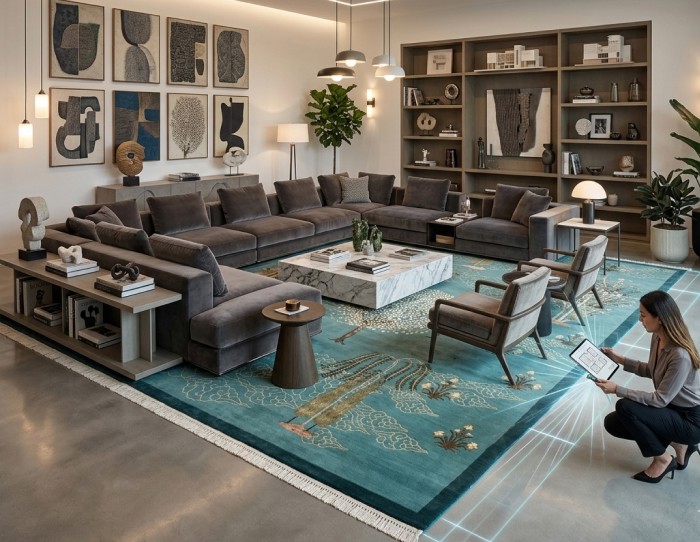
Your living space has a job to do. Is it a cozy reading nook, a high-energy playroom, or a formal area for entertaining? Identifying the room’s primary purpose is the “secret sauce” to successful room arrangement. If the room needs to serve multiple roles, such as a home office tucked into a bedroom, you’ll need to master the art of zoning.
The Multi-Tasking Maven
For multifunctional spaces, use visual cues to separate activities. A sleek room divider or a strategically placed hand-knotted rug can create “walls” without actually blocking light. This creates a psychological shift as you move from one zone to another, making a single room feel like a suite of curated experiences.
The Golden Rules of Furniture Placement
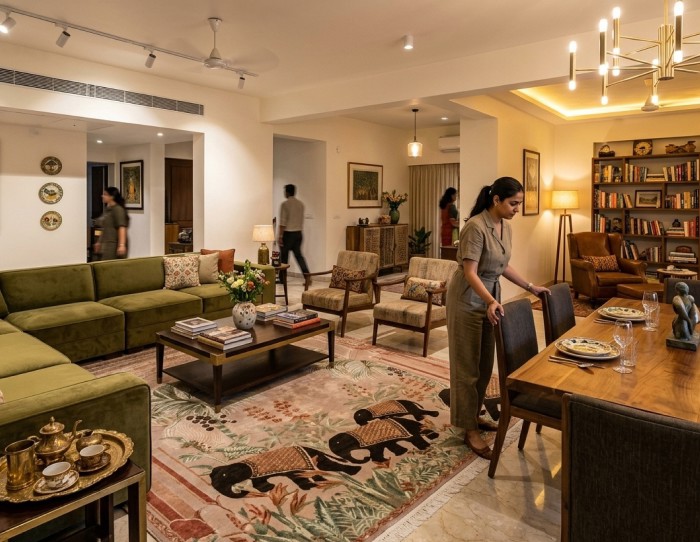
Now comes the “Furniture Tetris” phase. This is where your room arrangement strategy either succeeds or stalls.
Create a Focal Point
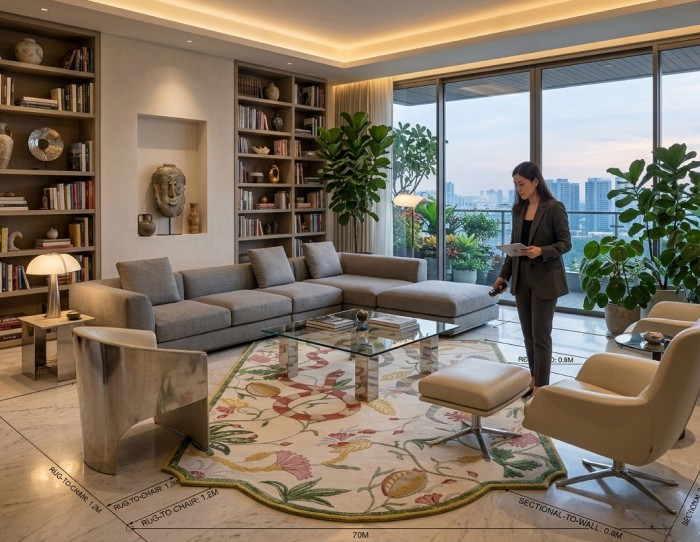
Every room needs a star. A focal point in interior design is the first thing your eyes land on when you enter. It could be a fireplace, a large window with a view, or a stunning piece of art. Once identified, orient your seating toward it. This creates a sense of order and makes the room set up feel intentional rather than accidental.
Prioritize Traffic Flow
One of the most important furniture placement tips is to avoid creating an obstacle course. You should be able to glide through the room gracefully. Aim for pathways that are at least 30 to 36 inches wide. If you’re working with living room layout ideas with sectional sofa units, ensure the “L” shape doesn’t cut off the entrance or trap people in a corner. When pondering how to arrange furniture in a living room, always prioritize the natural path from the door to the primary seating.
Rug Science: The Anchor of Your Layout
A common mistake in interior design is choosing a rug that is too small. A rug acts as the “island” that holds your furniture together. Without it, your chairs and tables look like they are floating aimlessly on the floor.
Choosing the Right Size
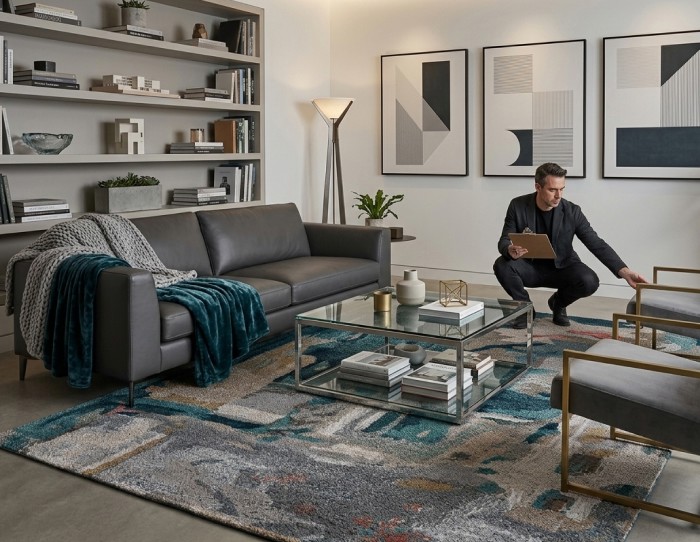
If you are wondering how to choose the right rug size, remember the “all legs on” rule. In a living room, at least the front legs of all seating should rest on the rug. For those seeking a rug size for dining room settings, the rug should be large enough that when chairs are pulled out, the back legs stay on the rug. This usually requires a rug that is 24-30 inches larger than the table on all sides.
Layering and Texture
If you already have a carpeted room or a neutral base, you can layer rugs in a room to add depth. Placing a smaller, intricate hand-tufted rug over a larger, rustic jute base adds a professional, editorial touch. Following an area rug placement guide helps ensure that your layers don’t become a tripping hazard but rather a textural masterpiece.
Lighting Design: Illuminating Your Layout
Lighting is the often-overlooked hero of room design layout. It sets the mood and highlights the hard work you put into your floor plan.
The Three Layers of Light
-
Ambient: The general overhead light that illuminates the whole space.
-
Task: Focused light for reading, cooking, or working.
-
Accent: Used to highlight architectural features, art, or your favorite modern rugs.
By layering these, you avoid the “cave” effect and can change the room’s vibe with the flick of a switch. Integrating smart bulbs into your room setup allows for ultimate control over the warmth and intensity of each layer.
How to Make a Small Room Look Bigger
If you are working with limited square footage, interior design tips for beginners often focus on optical illusions.
-
Go Vertical: Use tall bookshelves and floor-to-ceiling curtains to draw the eye upward, making the room feel loftier.
-
Reflective Surfaces: Mirrors are the oldest trick in the book for a reason—they double the visual depth of a room layout instantly.
-
Leggy Furniture: Furniture with visible legs feels “lighter” than pieces that sit flush on the floor, allowing light and sightlines to pass under them.
The Art of Accessorizing with Intent
Accessories are the “witty comebacks” of your room. They provide the personality that makes a house a home.
Textural Contrast
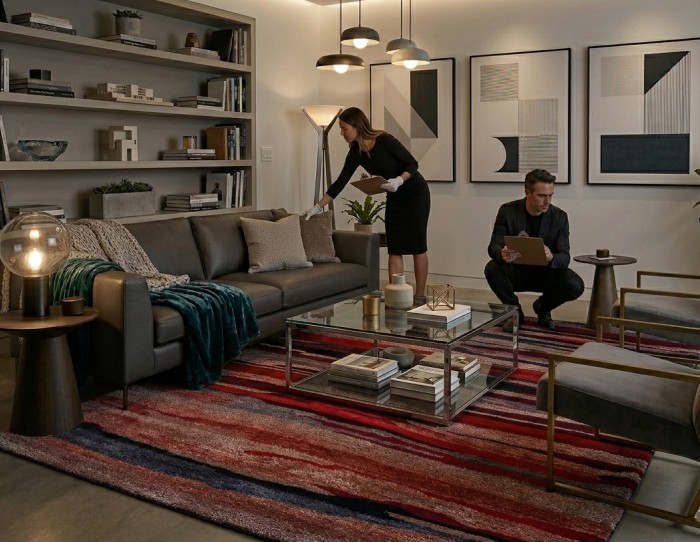
Your room setup should be a tactile adventure. Pair the sleekness of a glass coffee table with the plush texture of hand-knotted rugs. This contrast prevents a room from feeling flat or one-dimensional.
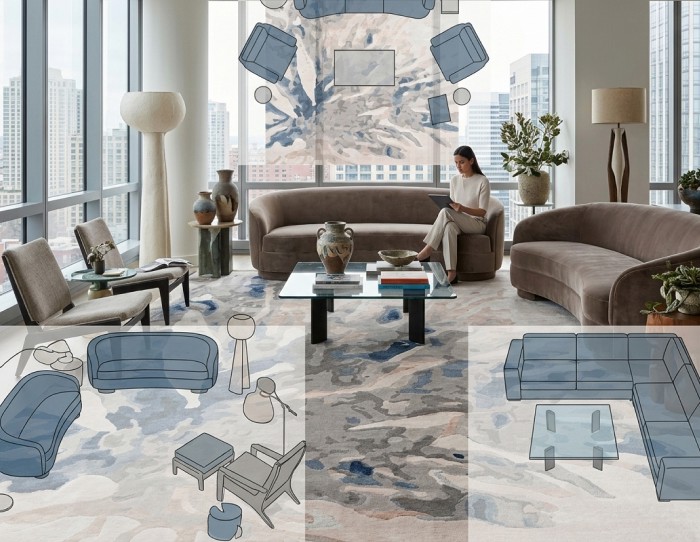
The Rule of Odds
When styling shelves or tables, group items in odd numbers—three or five. This is a classic modern minimalist room design technique that feels more natural and less “staged” to the human eye. Whether you are using vintage books or round rugs to soften a corner, the rule of odds adds a touch of curated whimsy.
Mastering Different Aesthetics
Your layout should reflect your personal style while adhering to the principles of interior space planning.
-
Open Floor Plan Layout Ideas: Use different area rug placement guide techniques to define the “living” vs. “dining” areas without using physical walls.
-
Modern Minimalist: Focus on high-quality materials, such as custom rugs, and leave plenty of “white space” on your floor to let the architecture shine.
-
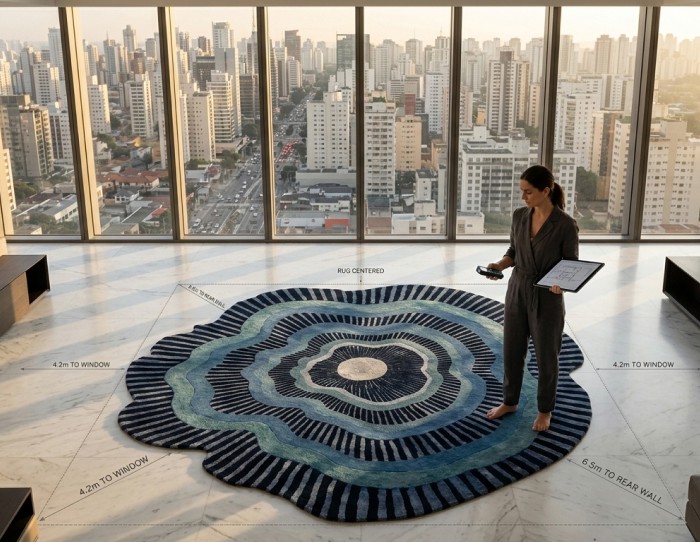
Eclectic & Transitional: Don’t be afraid of irregular rugs or bold shapes to break up the symmetry of a standard rectangular room. Transitional rugs are perfect for blending old-world charm with contemporary furniture.
Technical Specs: Beyond the Basics
To plan like a pro, you need to understand the technical side of your materials. For example, if you have high-traffic areas, hand-knotted rugs are preferred for their durability, while traditional rugs can offer a timeless elegance to a formal study. If you want something unique to your floor plan, custom rugs let you specify exact dimensions down to the centimeter.
Common Mistakes to Avoid
Even the pros can stumble. Here is how to keep your room layout on track:
-
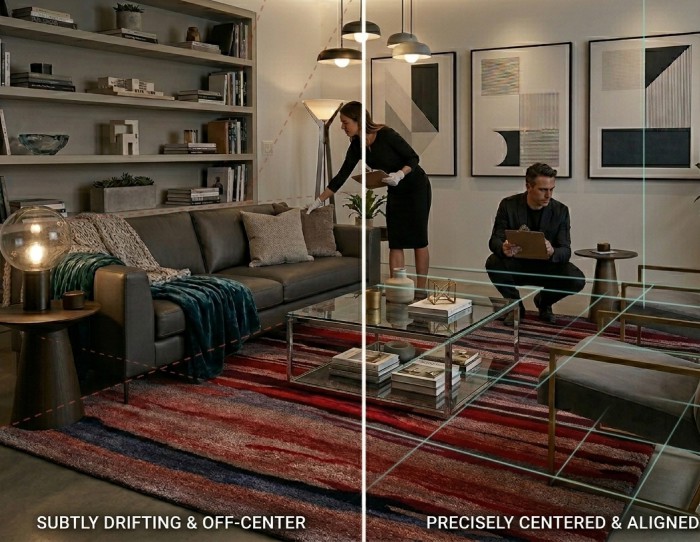
Pushing Everything Against Walls: In large rooms, “floating” the furniture in the center creates a more intimate and professional look.
-
Ignoring the “View”: Always consider what you see when sitting down. Is it a beautiful window or the back of a hallway door?
-
Scale Disparity: Mixing a tiny rug with a massive sofa makes the room look unbalanced. Always refer back to a professional area rug placement guide.
Summing Up
You have officially graduated from “layout rookie” to “design deity.” Planning a room layout is an iterative process. Don’t be afraid to live in space for a few days and move things around until they feel “just right.”
Whether you are figuring out how to arrange furniture in a living room or simply refreshing your current room setup, the goal is a space that supports your life. Embrace your inner design diva, experiment fearlessly, and remember that the best homes tell a story.
Stay tuned for more design insights, and in the meantime, explore the exquisite collections at Jaipur Rugs to find the perfect foundation for your next project! From hand-tufted rugs to modern rugs, the right piece is waiting to anchor your perfect layout.
Frequently Asked Questions
How do I choose a layout for a long, narrow living room?
The best strategy for "bowling alley" rooms is to break the space into zones. Instead of one long seating area, create two distinct functional spots like a main conversation area and a small reading nook or workspace using two separate modern rugs to define the boundaries.
Where should I place a rug in a bedroom with a king-sized bed?
For a balanced look, place a large hand-knotted rug horizontally under the bed. It should start about 12 inches from the nightstands and extend at least 18–24 inches beyond the sides and foot of the bed, ensuring you have a soft place for your feet to land every morning.
Can I put a rug over carpet?
Absolutely! Layering rugs over wall-to-wall carpeting is a great way to add color, texture, and zone a specific area. To prevent the top rug from bunching or shifting, use a specialized "carpet-to-carpet" rug pad or choose a heavier, denser option like hand-tufted rugs.
Should furniture be centered in a room?
Not necessarily. While symmetry feels formal, centering furniture often creates "dead space" around the edges. Instead, center your layout around your focal point in interior design (like a fireplace or window). In large rooms, "floating" furniture away from the walls actually makes the space feel more high-end and intimate.
How much space should be between a coffee table and a sofa?
For optimal comfort and legroom, aim for 14 to 18 inches between your coffee table and the edge of the sofa. This distance is close enough to reach your drink but far enough to walk through without shimmying.
What is the best rug shape for an entryway?
It depends on the architecture, but runners are the gold standard for long hallways, while round rugs or irregular rugs work beautifully in square or grand foyers to soften the sharp angles of the walls and doors.


Pic Credits
Jaipur rugs / Abil Dase
Share
-
 Facebook
-
 Twitter
-
 Email
Email
Related Posts
-
15 July 2026
- ∙
-
8 Min Read
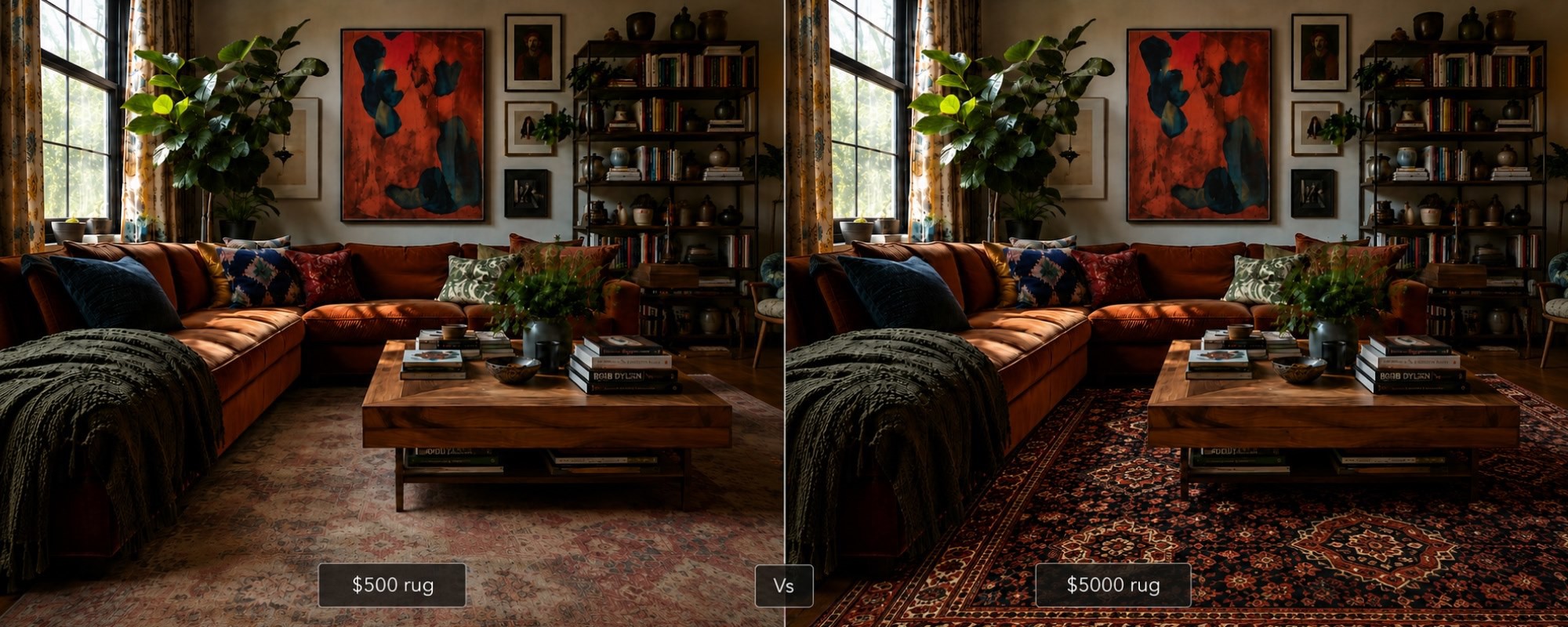
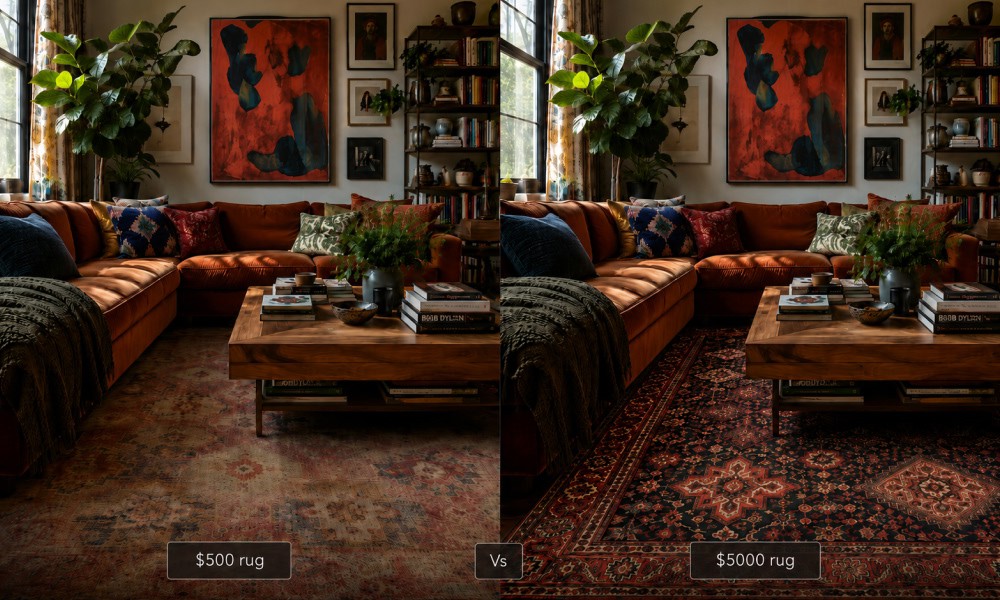
The $500 vs $5,000 Rug: An Honest Side-by-Side That No Brand Will Show You
Why do some rugs cost ten times more than others? This honest side-by-side looks at what actually separates a $500 rug from a $5,000 one: knot density, fiber quality, pile depth, and finishing. No brand bias, no marketing language. Just a clear breakdown to help you decide which one is worth it for your space and budget.
Read Article →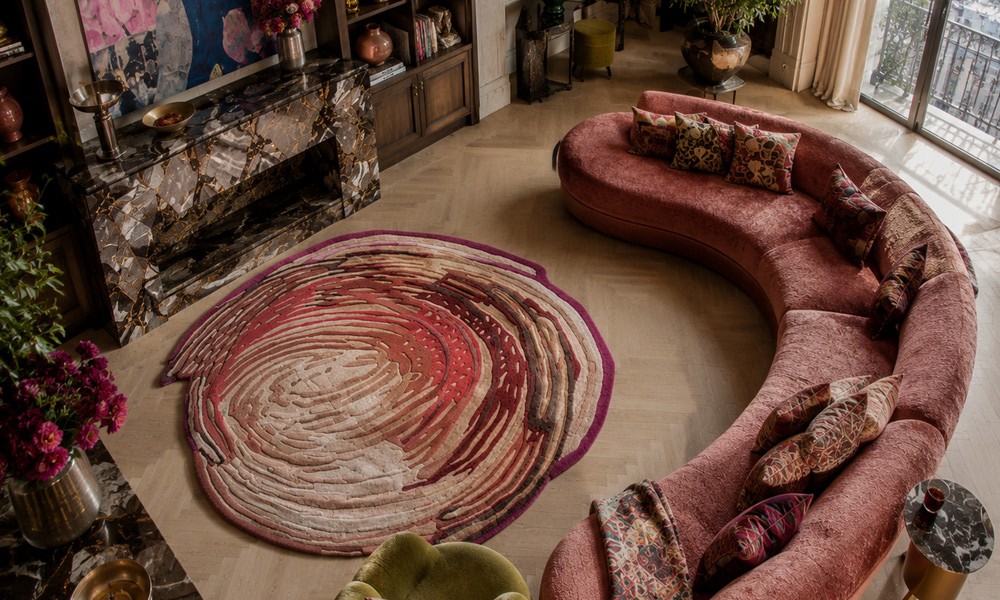
-
14 July 2026
- ∙
-
13 Min Read
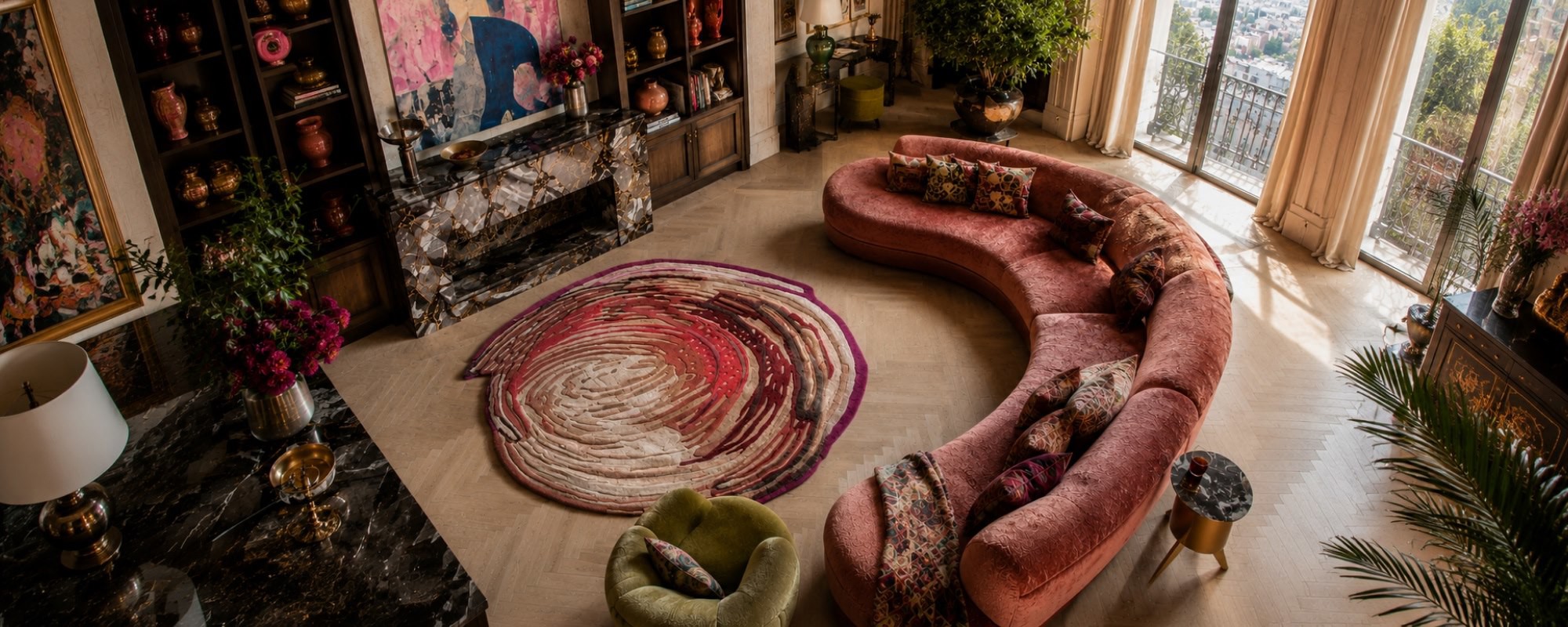
3D Rugs and Sculpted Pile: The Tactile Design Trend Redefining Floors in 2026
The rug used to finish a room. Now it starts one. 3D rugs and sculpted piles are bringing real depth and tactile texture to interiors, from hand knotted relief patterns to optical illusion designs that stop you mid-step. This is what the trend is, why it matters, and how to buy it well.
Read Article →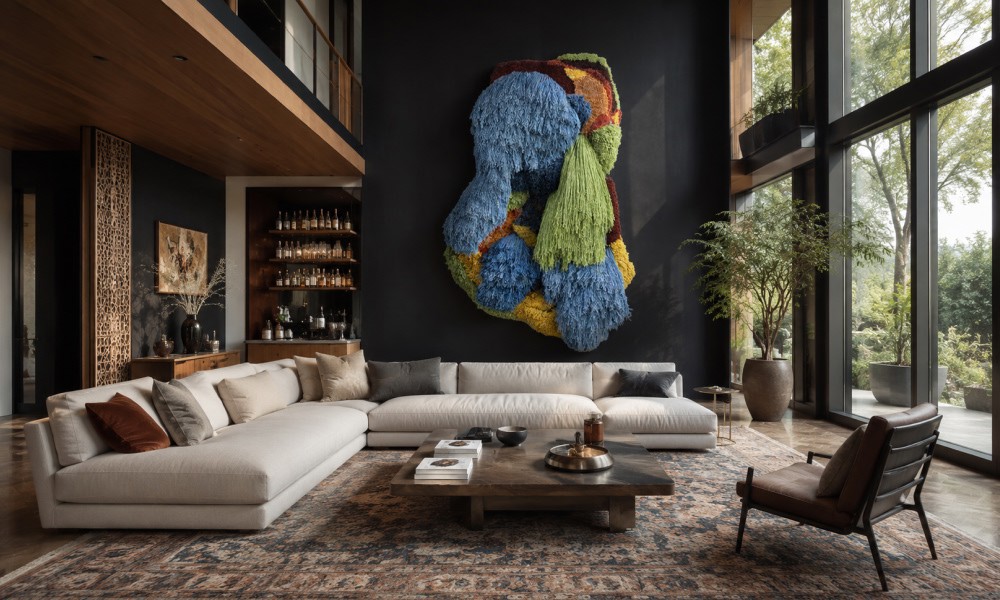
-
10 July 2026
- ∙
-
10 Min Read
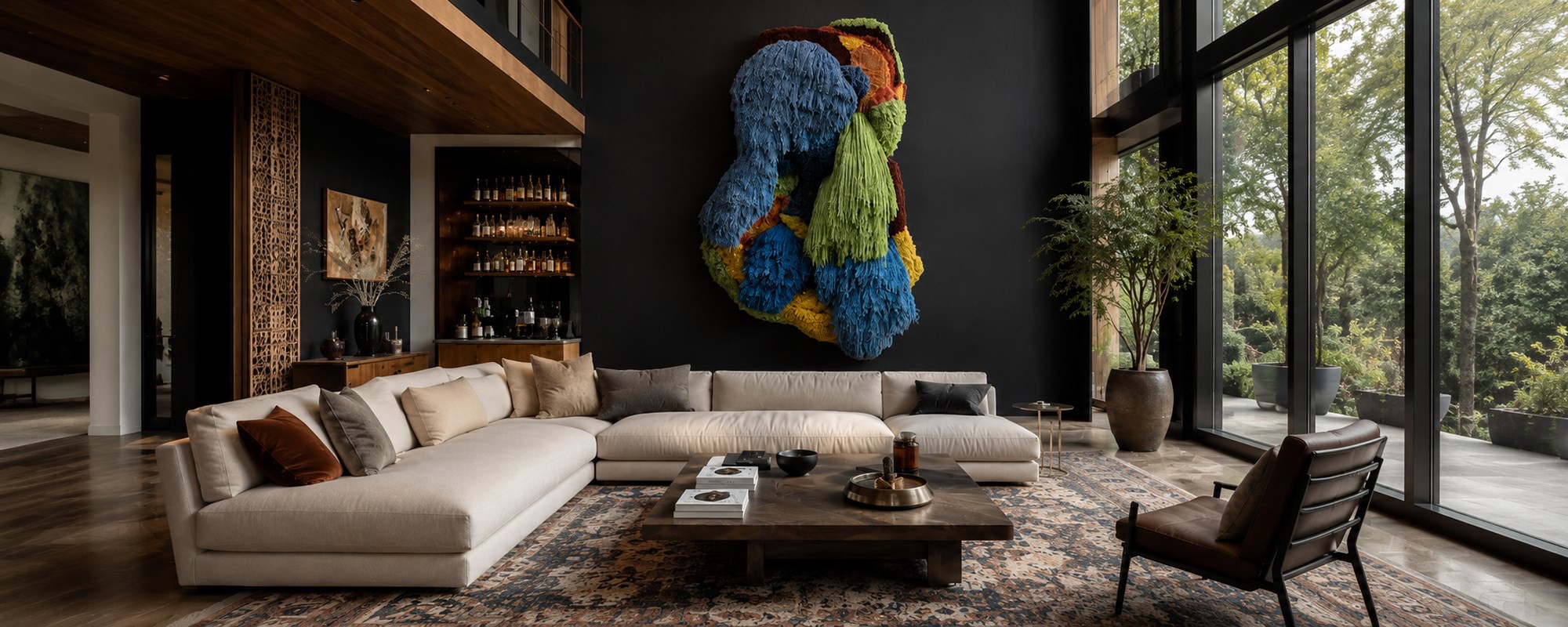
How to Pair Indian Wall Art with the Right Rug Pattern: A Room-by-Room Guide
Choosing the right rug to go with your Indian wall art does not have to be guesswork. This guide breaks it down room by room, from the living room to the bathroom and outdoor spaces. Learn how to match colors, patterns, and scale so your wall art and rug always feel like they belong together.
Read Article →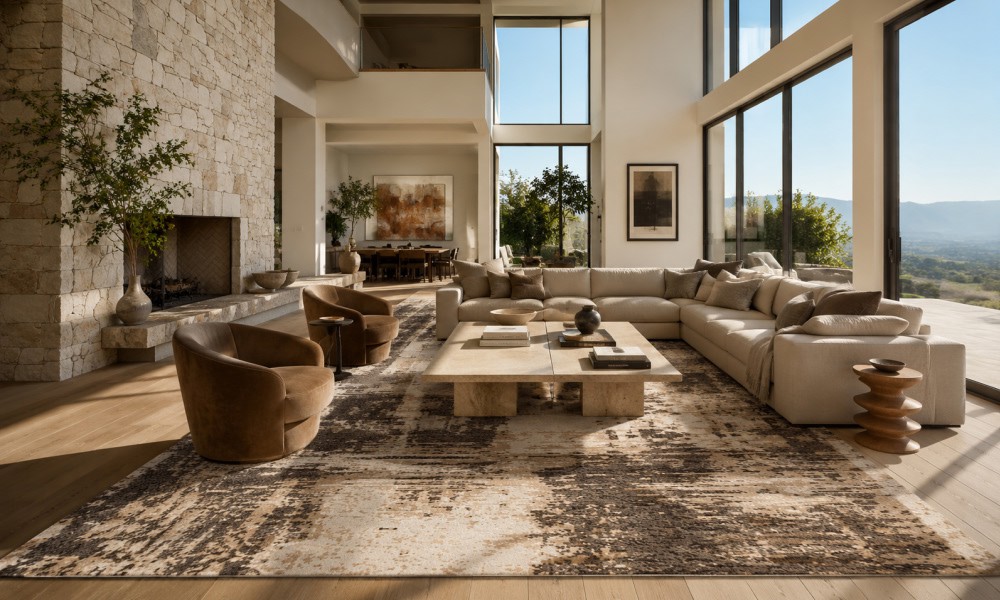
-
07 July 2026
- ∙
-
9 Min Read
How to Tell If a Rug Is Handmade: 7 Signs Experts Look For (Abrash Is One of Them)
Wondering how to know if a rug is handmade? Get an overview of 7 key characteristics that will help you identify if a rug is truly handmade and learn about its differences compared to machine-made rugs, and why they do not lose their value. Here is what to keep in mind when buying a handmade rug.
Read Article →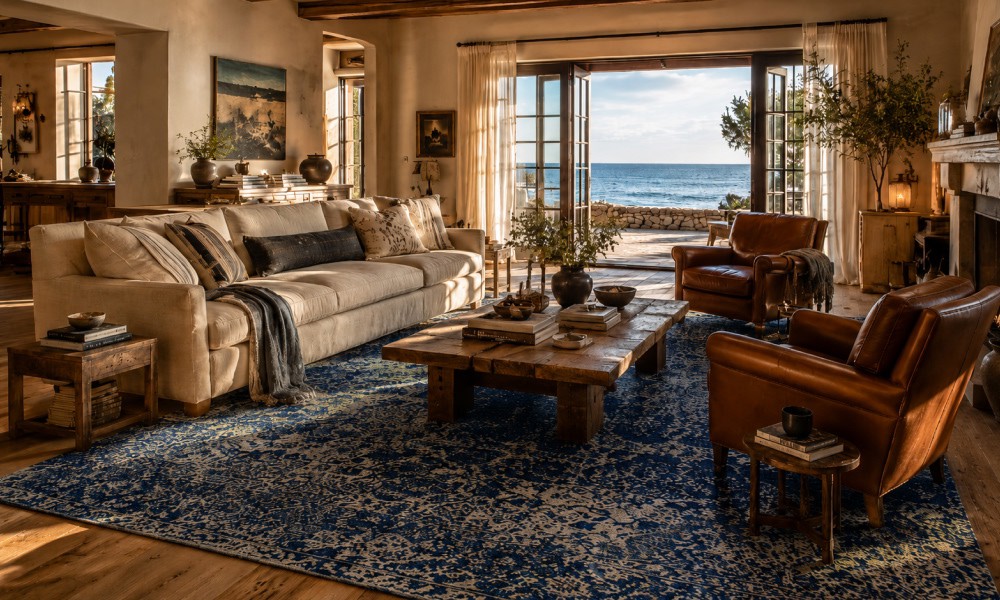
-
04 July 2026
- ∙
-
8 Min Read
Coastal Grandmother Is Evolving: The 2026 "Coastal Heritage" Aesthetic and the Rugs That Define It
The coastal grandmother design is progressing into something new and exciting by 2026. Coastal Heritage introduces texture, craftsmanship, and handmade elements to this popular design style. Here are the various rug types, colors, and decorating ideas to know about this classic coastal design trend.
Read Article →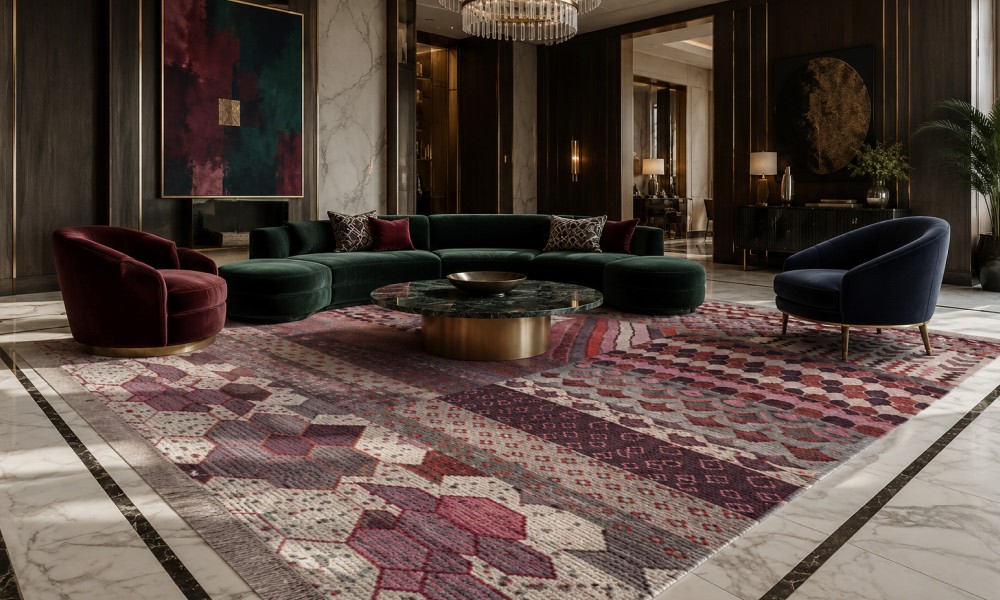
-
22 June 2026
- ∙
-
6 Min Read
Why Top Interior Designers are Switching to Indian Handmade Rugs
High-end interior designers have begun using handmade carpets from India in place of machine-made carpets to enhance their design portfolios and ensure product longevity. The following guide will help you understand why design professionals prefer Jaipur Rugs for creating customized, ethically produced wool-and-bamboo-silk carpet designs for luxurious homes.
Read Article →