You are on our International website. Please select your region to see content specific for your location





 Profile
 Orders
 Wishlist
 Change Password
 Logout


Latest Blogs
ideas and inspiration
Japandi Interior Design: Where East Meets West Interiors in Perfect Harmony
- 22 March 2025
- |
- 7 Min Read
- |
- By Jaipur Rugs
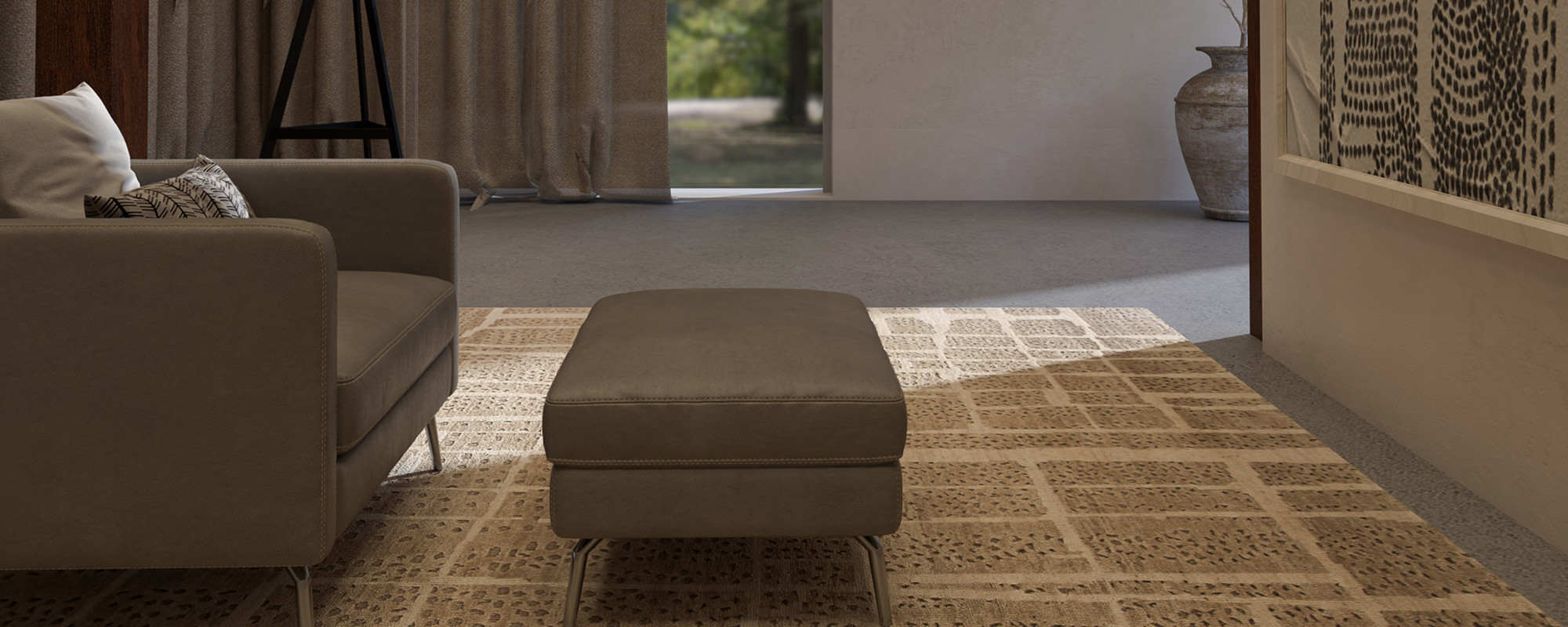
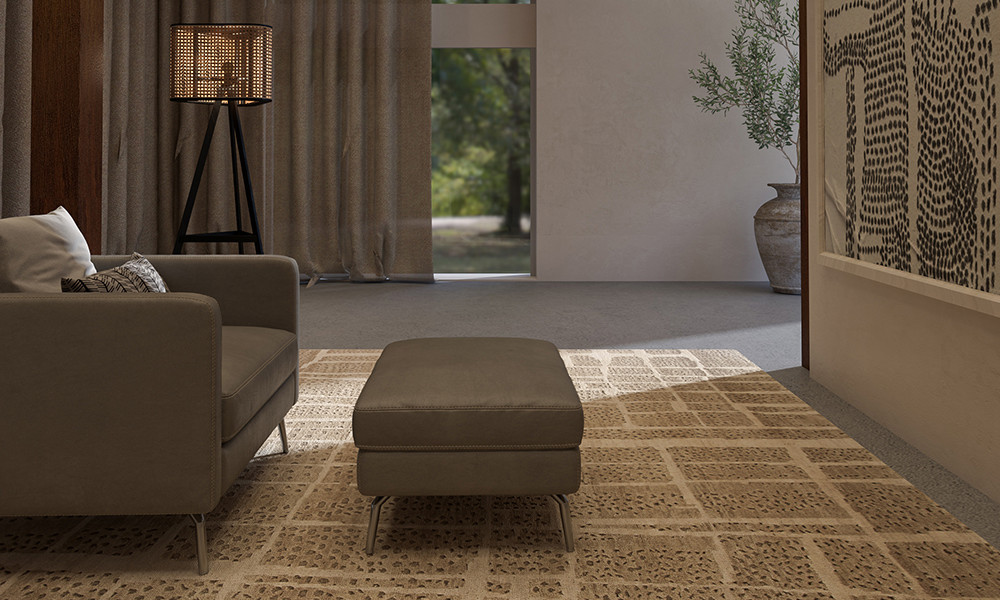
Japandi's interior style fuses Japanese-inspired minimalism with Scandinavian coziness. The design is all about functionality, natural materials, and a serene, uncluttered space. The Japandi style features neutral tones, low-level furniture, and nature-inspired accents, which are ideal for establishing serene spaces. Discover how to apply this stunning combination of East and West in your home.
Japandi interior design is the hottest trend in home decor. With its roots in Japanese interior design and Scandinavian style, this style is all about functionality, simplicity, and warmth.
In this post, we will explore what is Japandi style, its features, how to implement it in your home, and why it has captured the hearts of interior lovers worldwide.
What is Japandi style?
The Japandi style merges two powerful aesthetics: Japanese minimalism and Scandinavian coziness. Both Japanese interior design and Scandinavian decor emphasize simplicity, functional beauty, and the importance of natural elements, but they achieve this balance in slightly different ways.
Japanese interiors focus on quiet elegance, calm, and the beauty of nature. Japanese inspired interior design often includes traditional elements like shoji screens, tatami mats, low-profile furniture, and a neutral color palette. It celebrates space, creating an atmosphere where every item feels intentional.
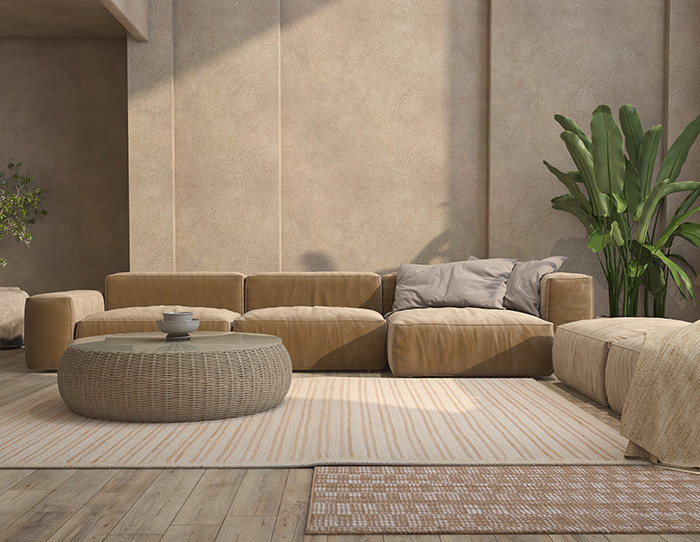
On the other hand, Scandinavian design is known for light, airy spaces, clean lines, and natural materials like wood, linen, and wool. Combining the two creates a hybrid aesthetic: Japandi. It marries the sleekness of Japanese decor with the warmth of Scandinavian interiors, resulting in a space that feels both calm and cozy, sophisticated and accessible.
Japandi Interior Design Style Features
Japandi's interior design style is all about peace, simplicity, and mindfulness. Here are the key features of Japandi aesthetic:
Natural Materials
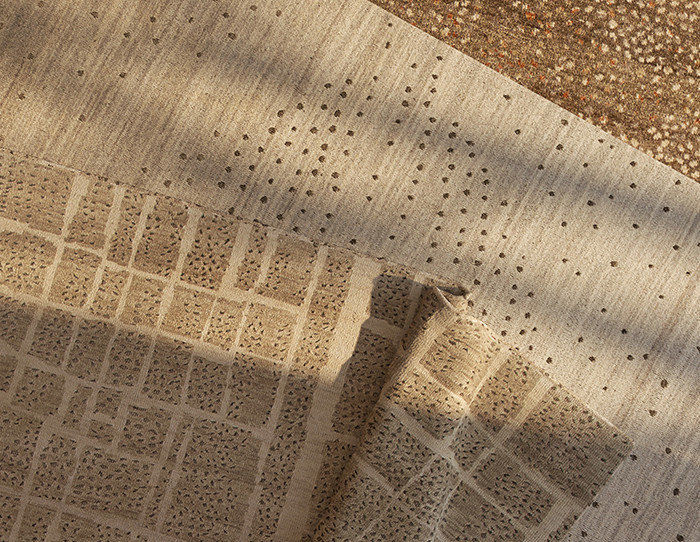
Both Japandi architecture and design emphasize the use of natural materials. This includes wood, stone, bamboo, and linen, often used in furniture, flooring, and accents. Adding handmade rugs, wool rugs, or silk rugs with natural fibers is a great way to add texture and warmth to your Japandi space. Natural materials promote calmness and connect us to nature, which both cultures value.
Minimalist Approach
The main feature of a Japandi style interior is simplicity. Clutter-free spaces, clean lines, and an organized layout are the hallmarks of this style. Furniture is often low-profile and multi-functional, functional without overwhelming the space.
Neutral Color Palette
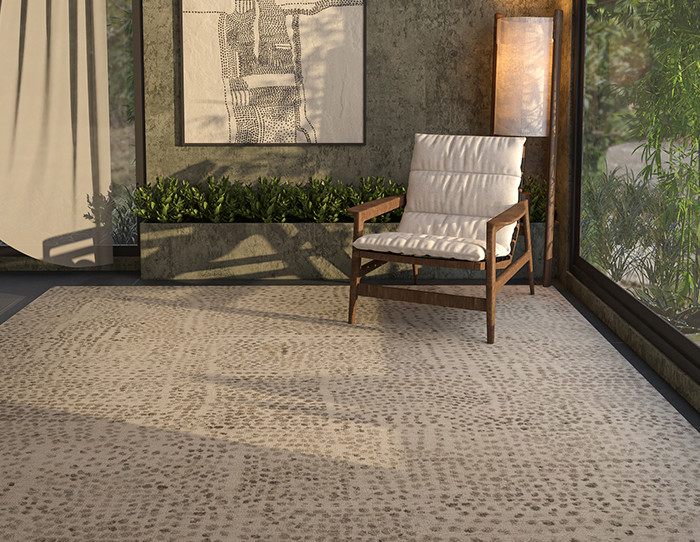
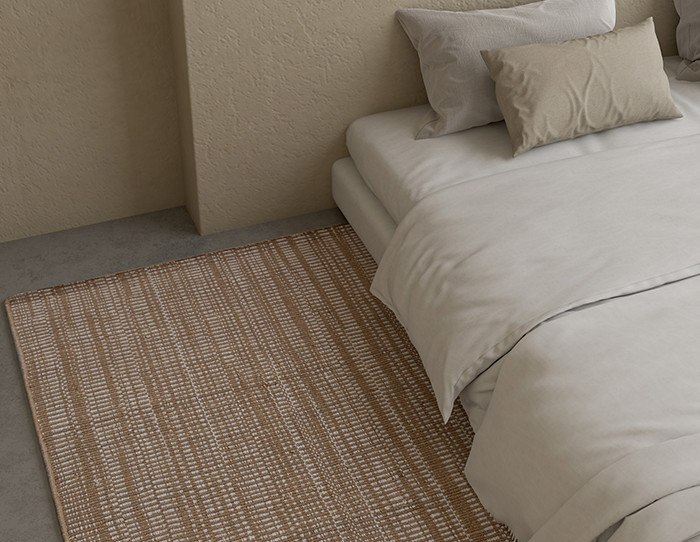
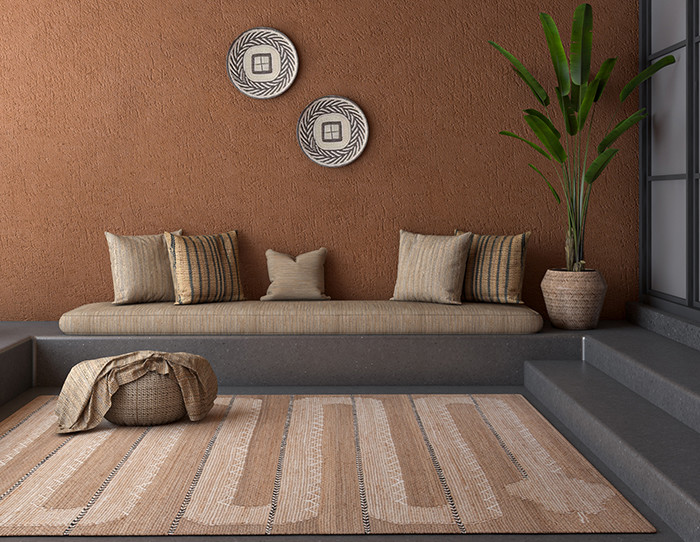
In Japandi's interior design, the color palette is neutral, beige, taupe, grey, and muted greens. These colors promote calmness and create an atmosphere of serenity. Pops of color can come from plants, artwork, or textiles like cotton rugs or bamboo silk rugs.
Functional Furniture
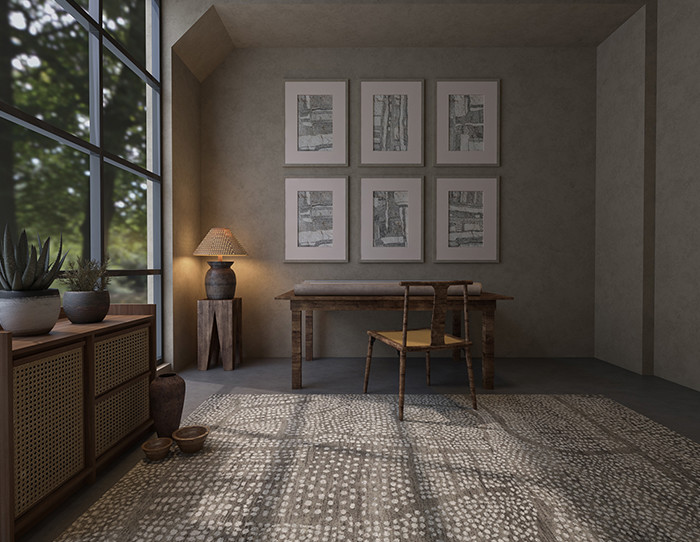
Furniture in Japandi design is simple, functional, and comfortable. Think low-sitting wooden chairs, minimalist desks, and storage pieces that blend into the space. A good piece of modern or traditional rugs can add warmth and elegance without losing the minimalist feel.
Nature Inspired Elements
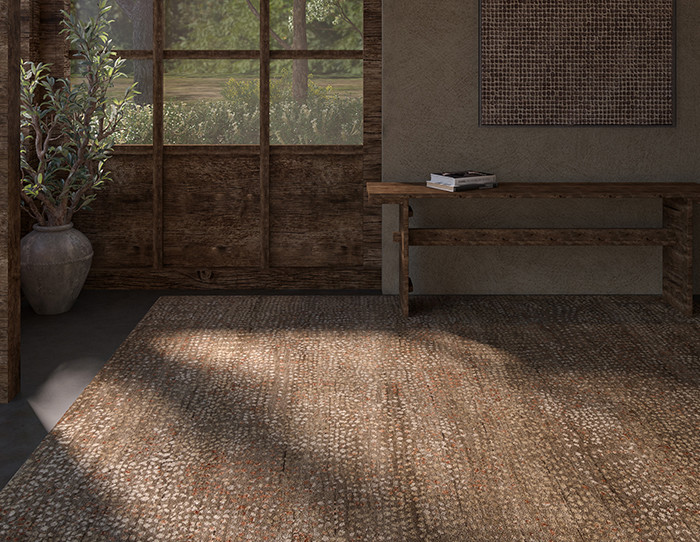
Plants are a big part of Japandi home design. Large potted plants or small bonsai trees create a calm atmosphere, while rugs for the bedroom or living room add textural interest. Natural light is also key—big windows connect indoor and outdoor spaces, a big part of Japanese and Scandinavian homes.
The Popularity of Japandi Design on Social Media
If you've been following interior design on Instagram, Pinterest, or Reddit, you've probably seen the word "Japandi." This style has exploded because it's so peaceful and minimalist.
These platforms allow designers, enthusiasts, and homeowners to share their spaces, inspiration, and tips on how to achieve the perfect Japandi aesthetic.
On Pinterest, boards dedicated to Japandi design are filled with visual inspiration from cozy living rooms to serene bedrooms. Instagram influencers showcase how to merge modern design with Japanese interior design in their own homes, often using the hashtag #JapandiStyle or #JapandiAesthetic to help others discover this trend.
On Reddit, there's a community of home decor enthusiasts in subreddits like r/InteriorDesign, where users share their Japandi home-style projects and ask for advice. The engagement on these platforms helps people see the Japandi style in action, real-life examples of how this beautiful, peaceful design philosophy can transform any space.
Whether you're redoing your living room or designing a whole new space, Japandi interior design is the perfect combination of Japanese-inspired design and Scandinavian comfort.
How to Incorporate Japandi Style in Your Home
If you want to have Japandi in your home, you first have to embrace simplicity and functionality. Here are a few tips for Japandi in your living spaces.
Neutral Tones
Start with a neutral base for your walls, flooring, and bigger furniture pieces. Soft whites, greys, muted greens, and browns are perfect for the peaceful atmosphere of Japandi design. You can mix these neutral tones with natural textures like wood floors or linen curtains.
Low Profile Furniture
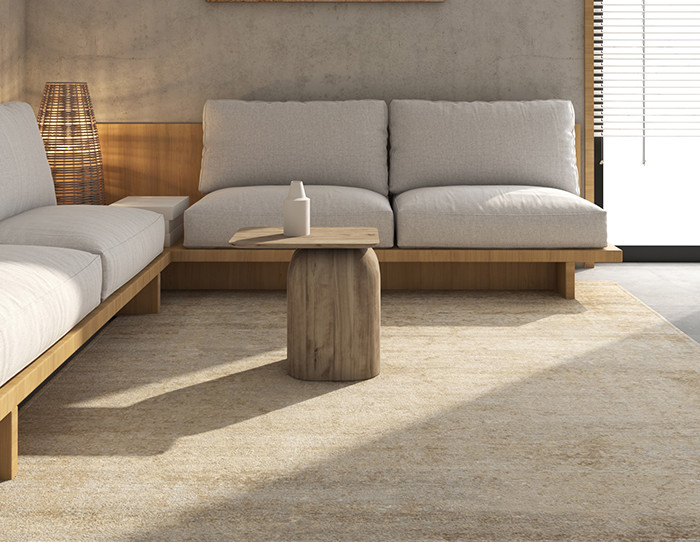
Furniture in a Japandi-style interior is low to the ground, like low-profile sofas, coffee tables, and seating arrangements. This keeps the room open, airy, and comfortable. Look for pieces that form and function, like a multipurpose sofa or sleek side tables.
Natural Materials
Natural materials are a big part of Japandi design. For warmth, choose wood furniture pieces, hand-tufted carpets, or wool rugs. Add elements like bamboo, stone, and linen. If you want to add a bit of luxury, bamboo silk rugs or viscose rugs can add a subtle sheen and texture to the space.
Statement Lighting
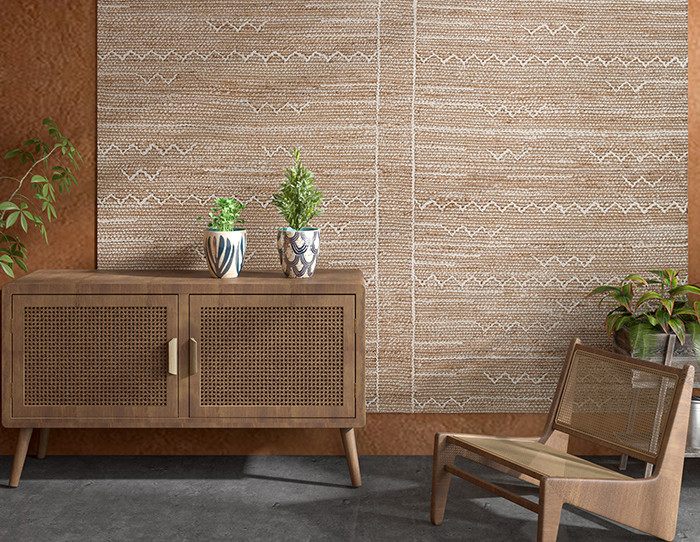
Lighting plays a big role in both Japanese-inspired interior design and Scandinavian spaces. Consider pendant lights, floor lamps with natural wooden finishes, or even paper lanterns for a soft glow. Avoid harsh, bright lighting and go for lights that create a peaceful ambiance.
Thoughtful Decor Pieces
While a Japandi style home is minimalist, thoughtful decor pieces are important. Keep decorative pieces to a minimum, but choose pieces that have meaning or beauty. A well-placed vase, bonsai tree, or even a unique dining room rug can add personality without overwhelming the space.
Why do Interior Design Magazines Love Japandi Interior Design?
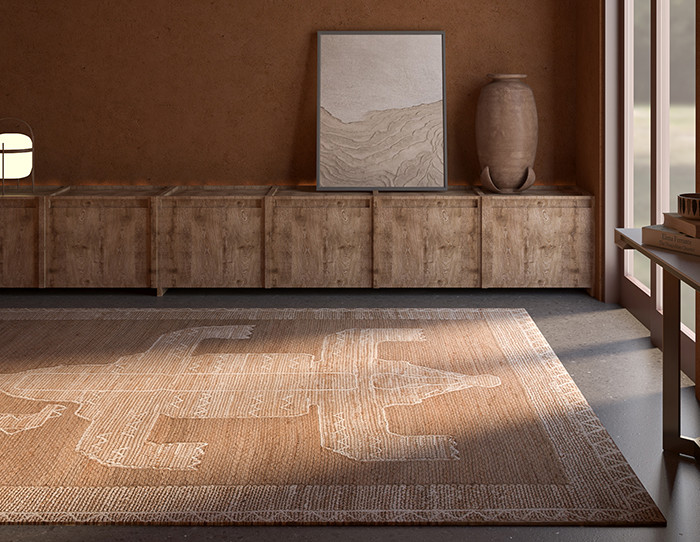
Japandi is a hot trend in interior design, and many interior design magazines are featuring it. They highlight Japandi style interiors as a beautiful combination of minimalism and function. The style is a beautiful blend of Japanese interior design elegance and Scandinavian coziness. It's perfect for peaceful and practical spaces.
These magazines focus on how Japandi design uses natural materials like wood, bamboo, and stone—elements that promote calm and connection to nature. Japandi home style is all about functional furniture that serves a purpose without compromising beauty. That's what makes the style so appealing to those who want to create spaces that feel serene, clutter-free, and reflective of modern life's need for tranquility and mindfulness.
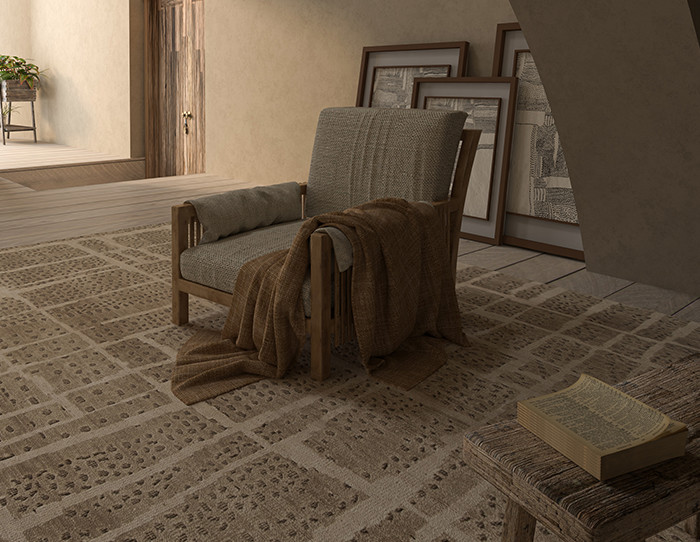
Combining simple yet impactful elements, Japandi's interior design creates a calm environment, a perfect retreat from the chaos of everyday life. High-quality craftsmanship and natural materials make it a favorite among those who love sustainable living and spaces that promote calm and balance.
Conclusion
Japandi interior design is here to stay. It's the perfect combination of Japanese minimalism and Scandinavian coziness. Whether you love natural materials, neutral tones, or functional furniture, the Japandi style brings calm and balance to any modern home.
By embracing this style, you can turn your space into a peaceful retreat where simplicity reigns and beauty is in the details. Remember, whether you're styling your living room with a hand-knotted rug, setting up a kids room rug, or choosing the perfect modern rug for your bedroom, Japandi is in.
Embrace the Japandi aesthetic today and make a home that's as peaceful as it is beautiful.
FAQs:
What is the Japandi style?
Japandi style combines the simplicity and minimalism of Japanese interior design with the warmth and functionality of Scandinavian decor. It focuses on natural materials, neutral colors, and clutter-free spaces, creating a tranquil, balanced environment.
How do I get Japandi style in my home?
To get a Japandi style in your home, use low-profile furniture, natural materials like wood and bamboo, and neutral colors. Add wool rugs, handmade rugs, or bamboo silk rugs for texture, and keep it clean and clutter-free for serenity.
What are the elements of Japandi design?
Japandi design features natural materials, minimalist furniture, neutral colors, and functional spaces. It also has nature-inspired elements like plants and natural light.
Is the Japanese style good for small spaces?
Yes, Japandi interior design is perfect for small spaces. Minimalism, functional furniture, and neutral colors make the room feel larger and more open while keeping it clutter-free and peaceful.
What are the Japandi decor pieces I should have?
Low-profile furniture, natural wood elements, hand-knotted rugs, modern rugs, and plants like bonsais will create a functional and serene space connected to nature.


Pic Credits
Jaipur rugs / Abil Dase
Share
-
 Facebook
-
 Twitter
-
 Email
Email
Related Posts
-
15 July 2026
- ∙
-
8 Min Read
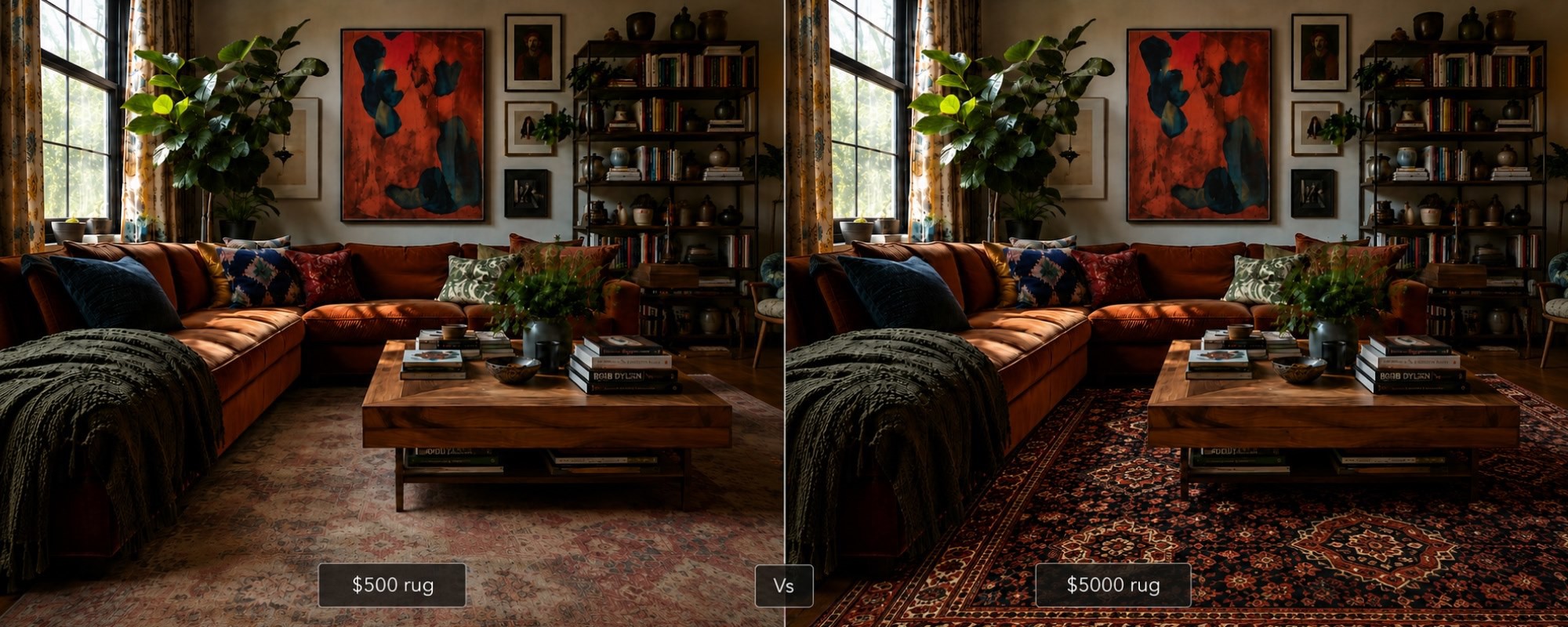
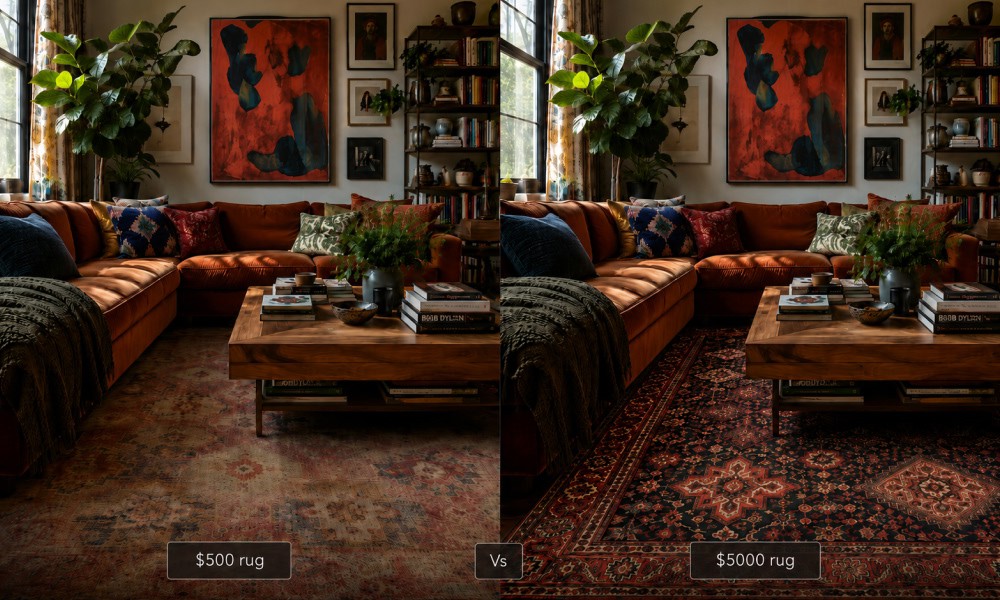
The $500 vs $5,000 Rug: An Honest Side-by-Side That No Brand Will Show You
Why do some rugs cost ten times more than others? This honest side-by-side looks at what actually separates a $500 rug from a $5,000 one: knot density, fiber quality, pile depth, and finishing. No brand bias, no marketing language. Just a clear breakdown to help you decide which one is worth it for your space and budget.
Read Article →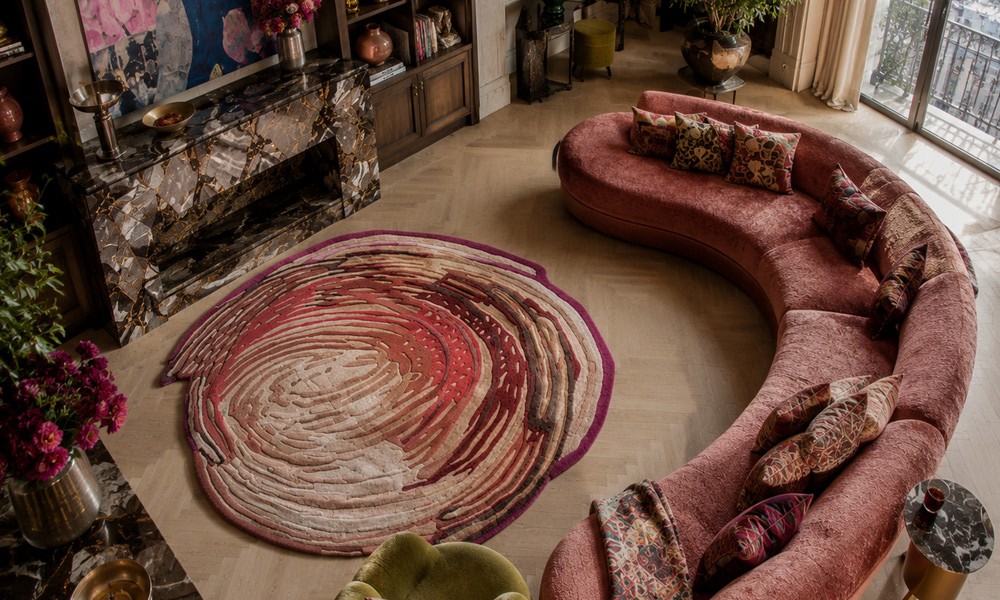
-
14 July 2026
- ∙
-
13 Min Read
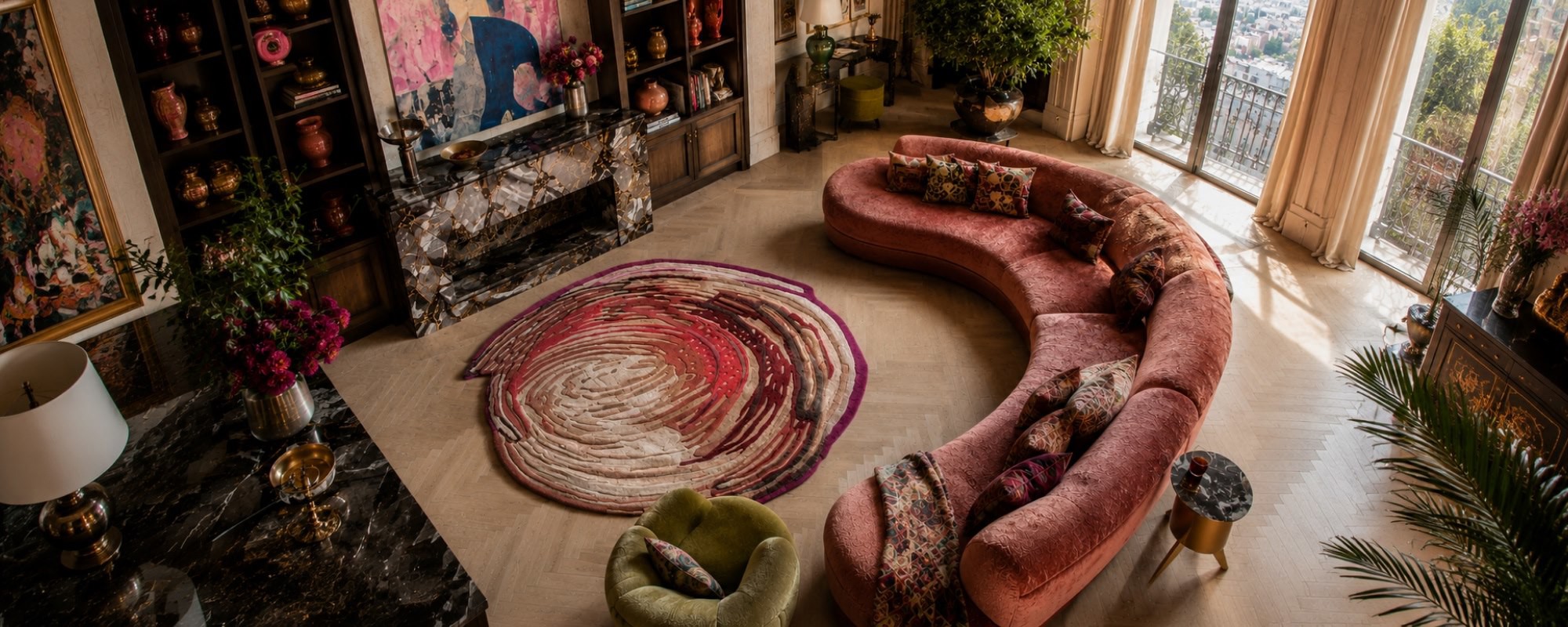
3D Rugs and Sculpted Pile: The Tactile Design Trend Redefining Floors in 2026
The rug used to finish a room. Now it starts one. 3D rugs and sculpted piles are bringing real depth and tactile texture to interiors, from hand knotted relief patterns to optical illusion designs that stop you mid-step. This is what the trend is, why it matters, and how to buy it well.
Read Article →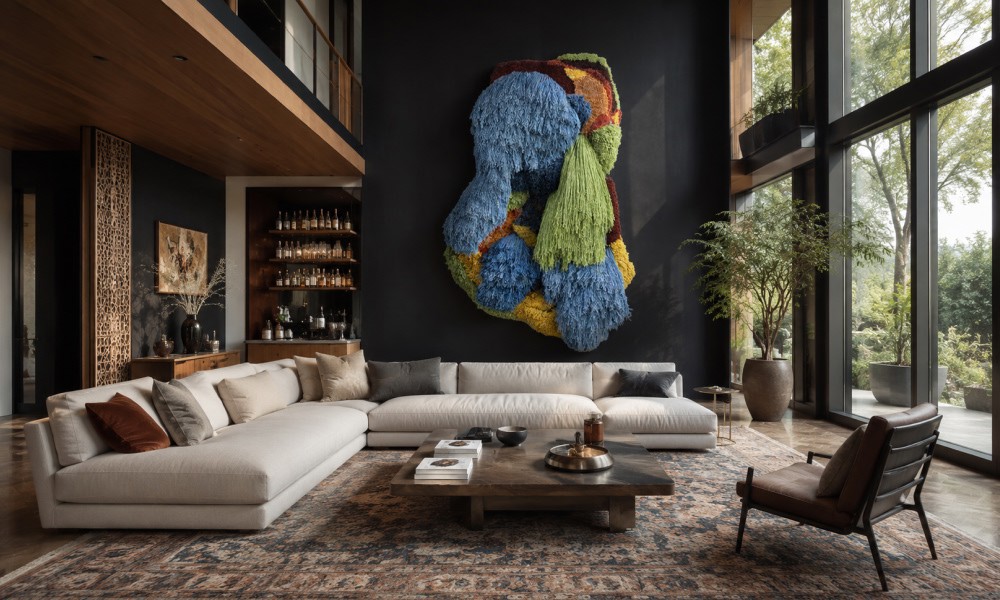
-
10 July 2026
- ∙
-
10 Min Read
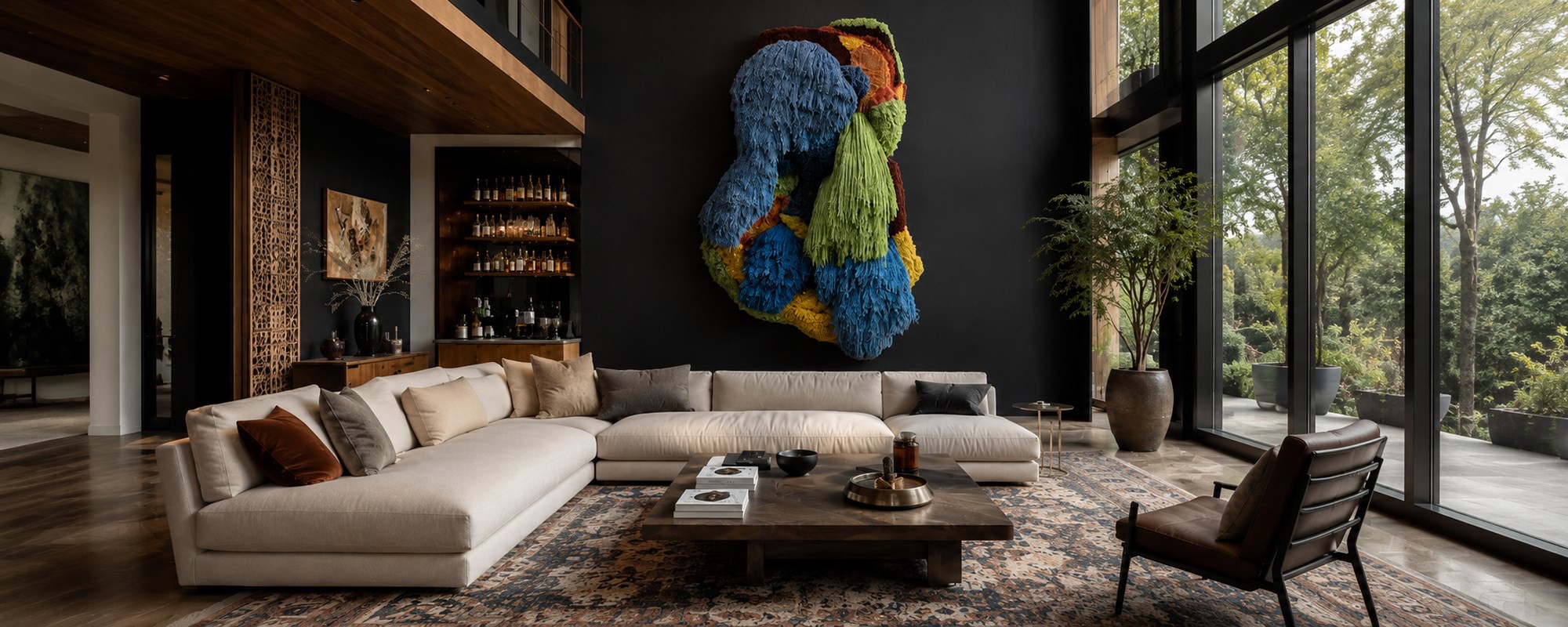
How to Pair Indian Wall Art with the Right Rug Pattern: A Room-by-Room Guide
Choosing the right rug to go with your Indian wall art does not have to be guesswork. This guide breaks it down room by room, from the living room to the bathroom and outdoor spaces. Learn how to match colors, patterns, and scale so your wall art and rug always feel like they belong together.
Read Article →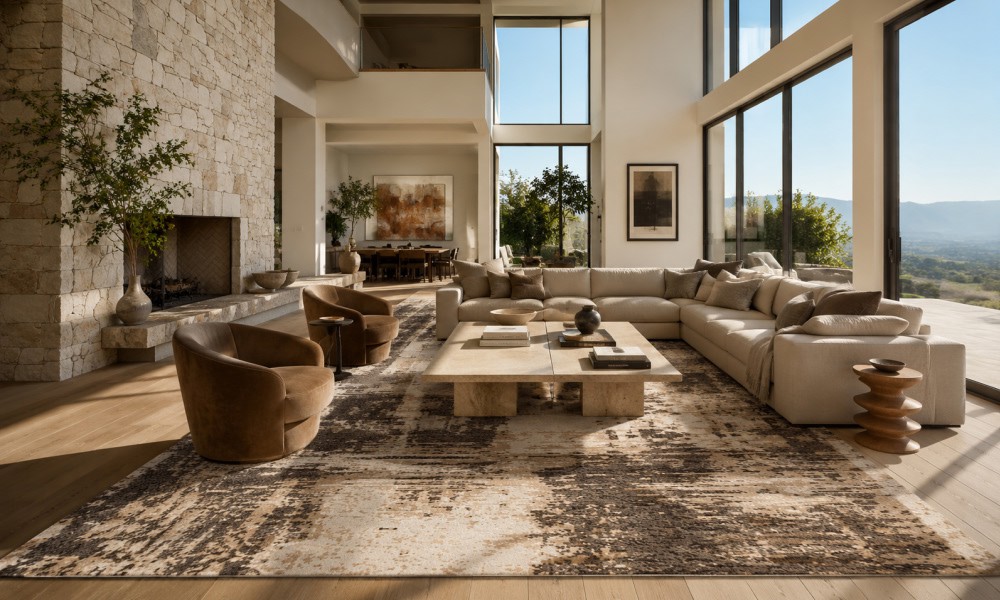
-
07 July 2026
- ∙
-
9 Min Read
How to Tell If a Rug Is Handmade: 7 Signs Experts Look For (Abrash Is One of Them)
Wondering how to know if a rug is handmade? Get an overview of 7 key characteristics that will help you identify if a rug is truly handmade and learn about its differences compared to machine-made rugs, and why they do not lose their value. Here is what to keep in mind when buying a handmade rug.
Read Article →
-
04 July 2026
- ∙
-
8 Min Read
Coastal Grandmother Is Evolving: The 2026 "Coastal Heritage" Aesthetic and the Rugs That Define It
The coastal grandmother design is progressing into something new and exciting by 2026. Coastal Heritage introduces texture, craftsmanship, and handmade elements to this popular design style. Here are the various rug types, colors, and decorating ideas to know about this classic coastal design trend.
Read Article →
-
22 June 2026
- ∙
-
6 Min Read
Why Top Interior Designers are Switching to Indian Handmade Rugs
High-end interior designers have begun using handmade carpets from India in place of machine-made carpets to enhance their design portfolios and ensure product longevity. The following guide will help you understand why design professionals prefer Jaipur Rugs for creating customized, ethically produced wool-and-bamboo-silk carpet designs for luxurious homes.
Read Article →