You are on our International website. Please select your region to see content specific for your location





 Profile
 Orders
 Wishlist
 Change Password
 Logout


Latest Blogs
ideas and inspiration
Japandi Maximalism: Inside Japandi’s Boldest Evolution Yet
- 12 March 2026
- |
- 6 Min Read
- |
- By Jaipur Rugs
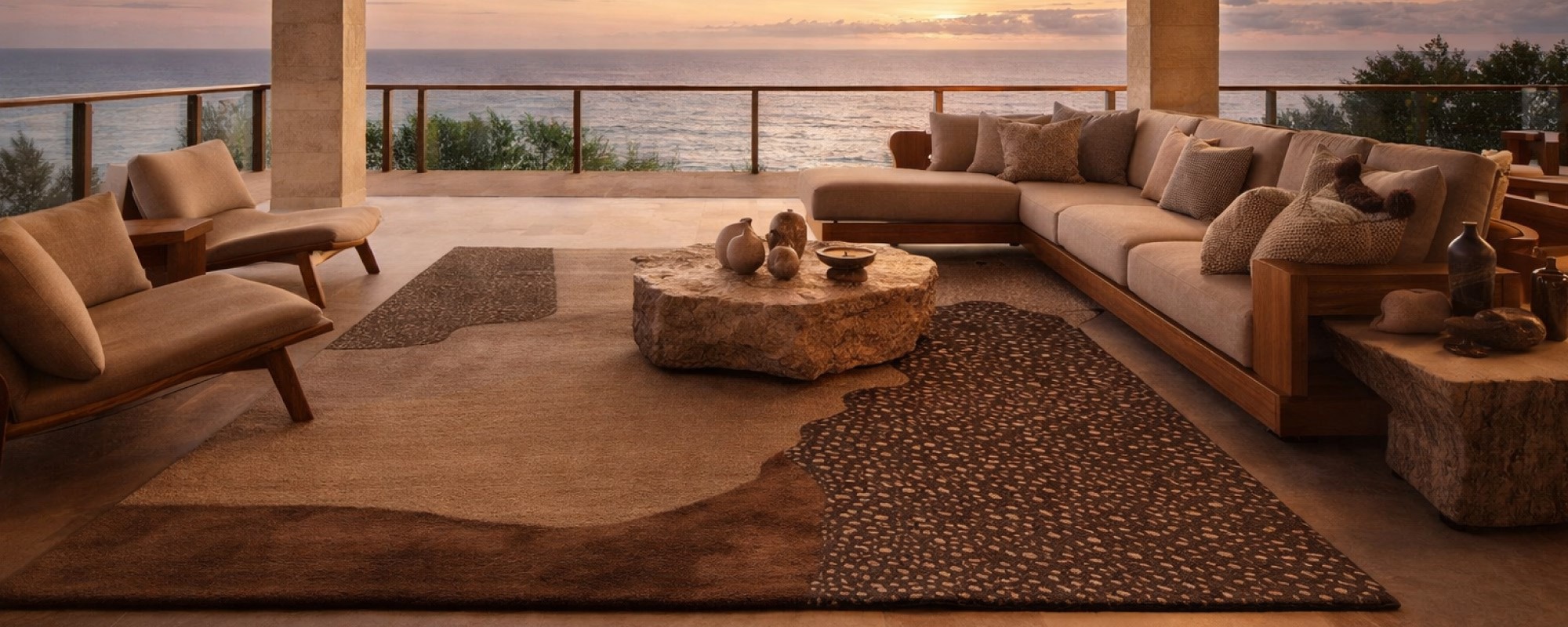
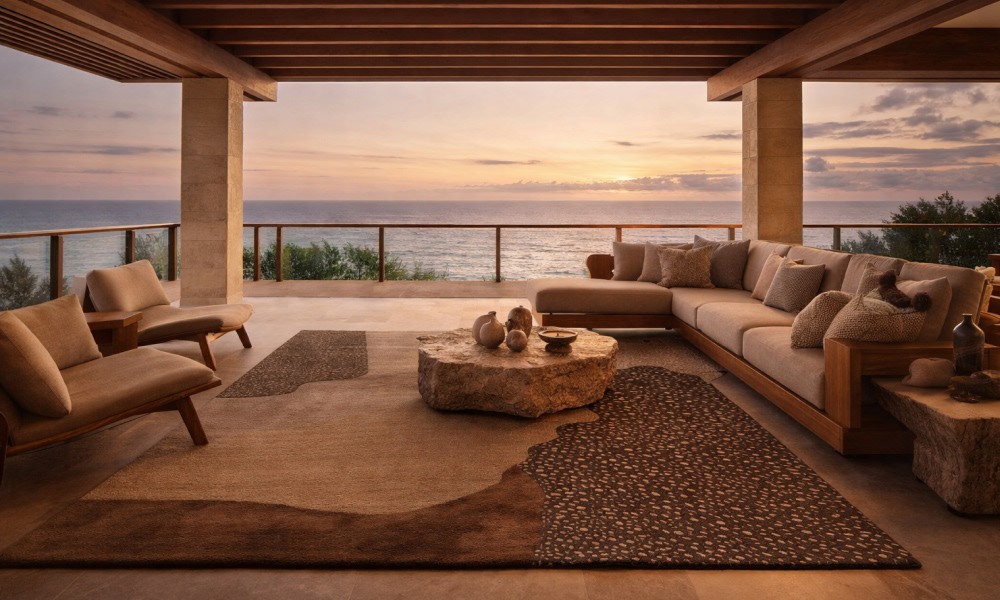
Japandi once meant calm, minimal rooms, pale woods, and carefully edited spaces. Now the experts are rewriting the rules this year. Japandi Maximalism introduces deeper tones, layered textures, sculptural furniture, and statement textured rugs that reshape how rooms feel. Curious why this design shift is suddenly everywhere in interiors? This blog breaks down the philosophy, the styling secrets, and why the Japandi style is becoming far more interesting.
A decade ago, Japandi appeared in interiors as a quiet alliance between Japanese restraint and Scandinavian practicality. If you’ve ever wondered what is Japandi or what is Japandi style, the answer lies in a shared cultural preference for calm spaces built from natural materials and honest craftsmanship.
Today, however, designers are rewriting that formula.
The new chapter is Japandi Maximalism, where layered textures, deeper tones, and expressive objects coexist with the clarity of Japandi interior design. At the center of this shift sits an unexpected protagonist: the rug. From Japanese minimalist rugs to tactile Scandinavian area rugs, floor textiles are quietly defining the next phase of Japandi decor.
What Is Japandi? Understanding the Japanese-Scandinavian Design Philosophy
Japandi is a hybrid design approach that merges Japanese aesthetics with Scandinavian living culture. If you search what is Japandi style, you will often see references to minimal interiors, natural materials, and functional furniture rooted in both traditions. The movement draws on Japanese wabi-sabi philosophy and Scandinavian domestic pragmatism.
The deeper story reveals how these cultures share design DNA:
-
Japandi style emerged from the shared values of Japanese wabi-sabi philosophy and Scandinavian everyday practicality, both of which prioritize natural materials, thoughtful craftsmanship, and calm domestic environments.
-
Historically, Japanese interiors favored low furniture and textural surfaces, which is why minimalist Japanese rug traditions often feature subtle weaves rather than bold patterning.
-
Scandinavian homes contributed functional comfort to the equation, which explains the rise of Scandinavian design, handmade rugs made from wool, and designed for everyday living.
-
When combined, Japanese Scandinavian design created interiors where furniture, ceramics, and Scandinavian area rugs feel intentional rather than decorative.
-
This balance between restraint and usability is the reason Japandi interior design became globally influential in the late 2010s.
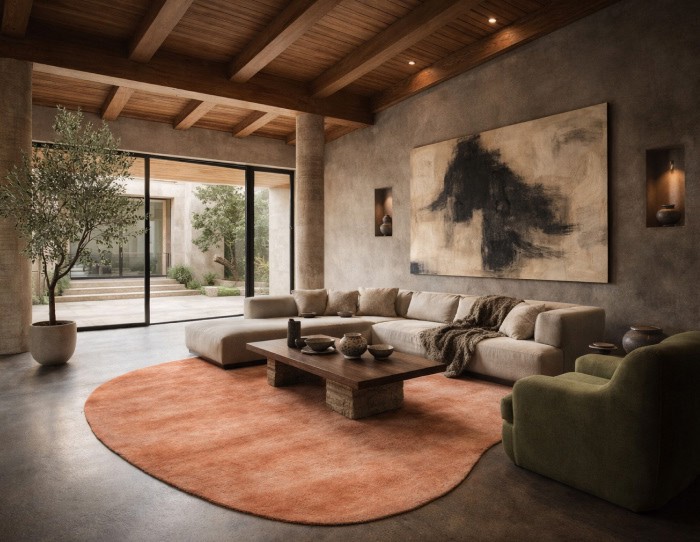
Why Japandi Interiors Are Expanding Beyond Minimalism?
At its peak, Japandi interiors became synonymous with strict minimalism. Pale wood furniture, neutral walls, and sparse decor dominated Pinterest boards and design magazines alike. But recent lifestyle shifts are changing how people interpret Japandi decor.
Designers are now moving beyond austerity toward layered calm & color.
Here are more reasons to justify why this year, Japandi Maximalism is one of the core aesthetics to embrace:
-
During the pandemic years, homes evolved into workspaces, social hubs, and personal retreats, which encouraged a softer interpretation of Japandi living room layouts.
-
Designers noticed that strictly minimal spaces often felt emotionally distant, leading to a warmer version of modern Japandi with more texture and material depth.
-
The Japandi bedroom is increasingly styled with layered textiles, including wool throws and low-pile flatweave rugs that soften the architecture of the room.
-
Rather than removing objects, contemporary Japandi decor focuses on fewer but more expressive pieces that reveal craftsmanship and material honesty.
This shift reflects a broader global trend; people still want clarity in interiors, but they also want spaces that welcome.
What Japandi Maximalism Actually Means?
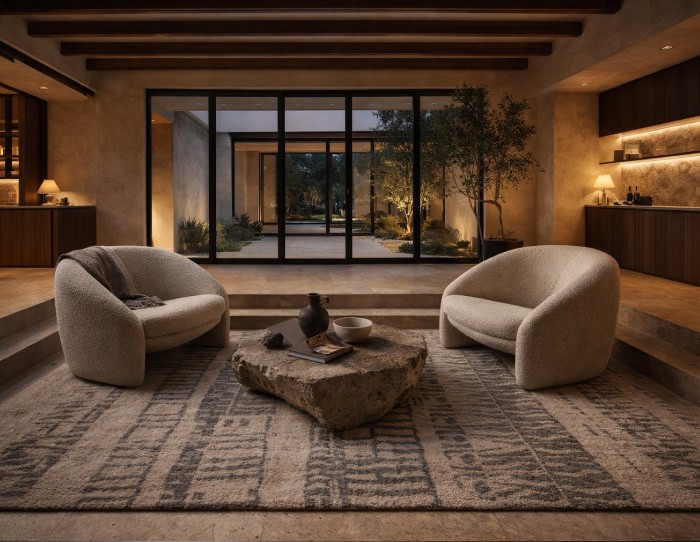
The phrase Japandi Maximalism may sound contradictory, yet designers use it to describe the aesthetic’s current evolution. Instead of strict minimalism, Japandi interior design now embraces layered materials, deeper palettes, and expressive forms while maintaining spatial calm.
Understanding this concept requires looking beyond the name:
-
Japandi Maximalism replaces visual emptiness with intentional layering, where ceramics, wood furniture, and designer rugs create depth without overwhelming the space.
-
In contemporary Japandi style, earthy tones such as clay, charcoal, and moss are appearing alongside traditional neutral palettes.
-
Sculptural furniture pieces are increasingly paired with textural Japandi carpet styles that anchor rooms visually.
-
Rather than a single statement piece, designers now use multiple Japandi rugs and modern carpets to create zones within open-plan interiors.
This approach reflects a broader cultural shift where homes prioritize sensory experience and craftsmanship rather than strict visual restraint.
How Designers Are Styling Japandi Maximilism?
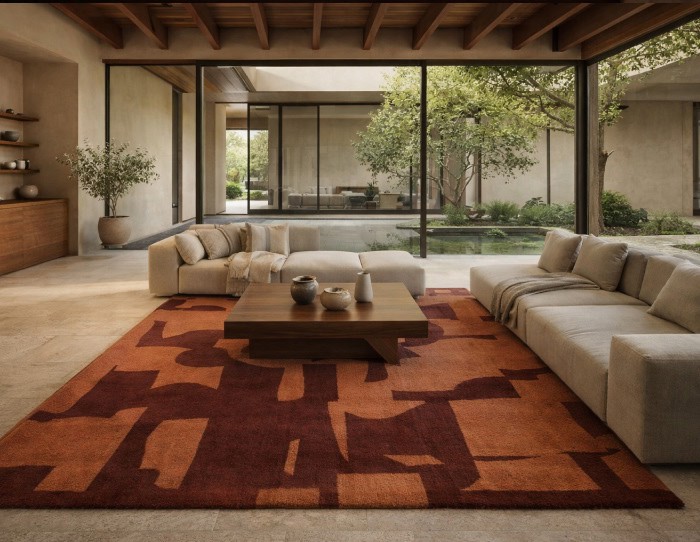
Experts styling Japandi Maximalism are not abandoning minimalism. They are editing it. The clean spatial discipline of Japandi interior design remains intact, but the surfaces are richer, the materials more expressive, and the rooms feel noticeably more lived-in. In other words, the architecture stays calm while the textures get interesting.
Here is how this next phase of Japandi style is actually being applied inside real homes:
-
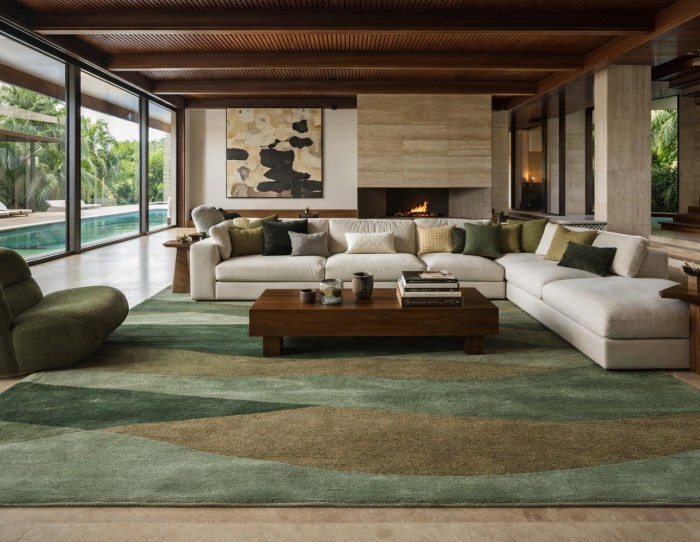
In a contemporary Japandi living room, designers often begin with a neutral rug or a soothing abstract round rug that anchors low-profile seating while allowing wood furniture and ceramics to layer visually above it.
-
Instead of a single floor textile, stylists now experiment with multiple Japandi rugs or runners to divide open spaces into reading areas, conversation zones, and relaxed lounging corners.
-
The Japandi bedroom is increasingly styled with textured jute rugs or soft wool rugs placed beside the bed, adding tactile comfort without disturbing the room’s calm composition.
-
Designers are introducing deeper earth pigments like clay, ink black, and moss green into walls and textiles, creating interiors that feel grounded yet consistent with Japandi decor.
-
Sculptural furniture pieces, handmade pottery, and woven lighting are often paired with Japandi style abstract rugs to create subtle visual layering without turning the space chaotic.
-
A well-placed Scandinavian transitional rug is frequently used beneath dining tables or seating arrangements to soften the geometry of wooden floors and guide the layout of the room.
In practice, Japandi Maximalism feels less like a dramatic reinvention and more like a confident evolution. The rooms still respect restraint, but they now allow craft, texture, and thoughtfully chosen objects to take up space.
Summing Up..
Design trends rarely move in straight lines. Japandi began as the answer to visual overload, offering calm spaces shaped by Japanese philosophy and Scandinavian domestic culture. Yet interiors evolve alongside the people living in them.
Japandi Maximalism represents that evolution: a movement where texture, craft, and layered textiles reenter the conversation without abandoning the clarity that made Japandi style compelling in the first place.
If current design signals are any indication, Japandi’s next chapter will not be quieter.
It will be richer, deeper, and far more textural.
We will be back with another blog soon.
Till then, stay tuned and explore Jaipur Rugs!
FAQs
What Is Japandi?
Japandi is a hybrid interior design style that combines Japanese minimalism with Scandinavian functionality. It focuses on natural materials, simple furniture, neutral color palettes, and intentional living. The style merges Japanese concepts like wabi-sabi with Scandinavian practicality to create calm, uncluttered spaces built around craftsmanship and everyday usability.
What Is Japandi Maximalism Style?
Japandi Maximalism is the modern evolution of Japandi interiors. Instead of strict minimalism, it introduces layered textures, deeper earthy colors, and expressive craftsmanship while maintaining Japandi’s calm structure. The style combines ceramics, textiles, wood furniture, and rugs to create visual depth without overcrowding the space.
What Is the Japandi Maximalism Color Palette?
The Japandi Maximalism color palette expands classic Japandi neutrals with deeper natural tones. Common colors include clay, charcoal, moss green, walnut brown, terracotta, and stone gray, layered over base shades like warm white, sand, and beige. The palette is inspired by natural materials and earthy landscapes.
What Is Japandi Design?
Japandi design is an interior design approach that merges Japanese aesthetics with Scandinavian design principles. It emphasizes simplicity, functional furniture, natural materials, and uncluttered layouts. Japandi interiors typically feature wood textures, handcrafted decor, neutral tones, and carefully selected objects that balance practicality with visual calm.
What Is Japandi Maximalism Decor?
Japandi Maximalism decor refers to a layered styling approach within Japandi interiors. Instead of sparse minimal decor, designers incorporate handmade textured rugs, ceramics, woven textiles, sculptural lighting, and natural wood furniture to create depth while maintaining the calm composition associated with Japandi design.


Pic Credits
Jaipur rugs / Abil Dase
Share
-
 Facebook
-
 Twitter
-
 Email
Email
Related Posts
-
15 July 2026
- ∙
-
8 Min Read
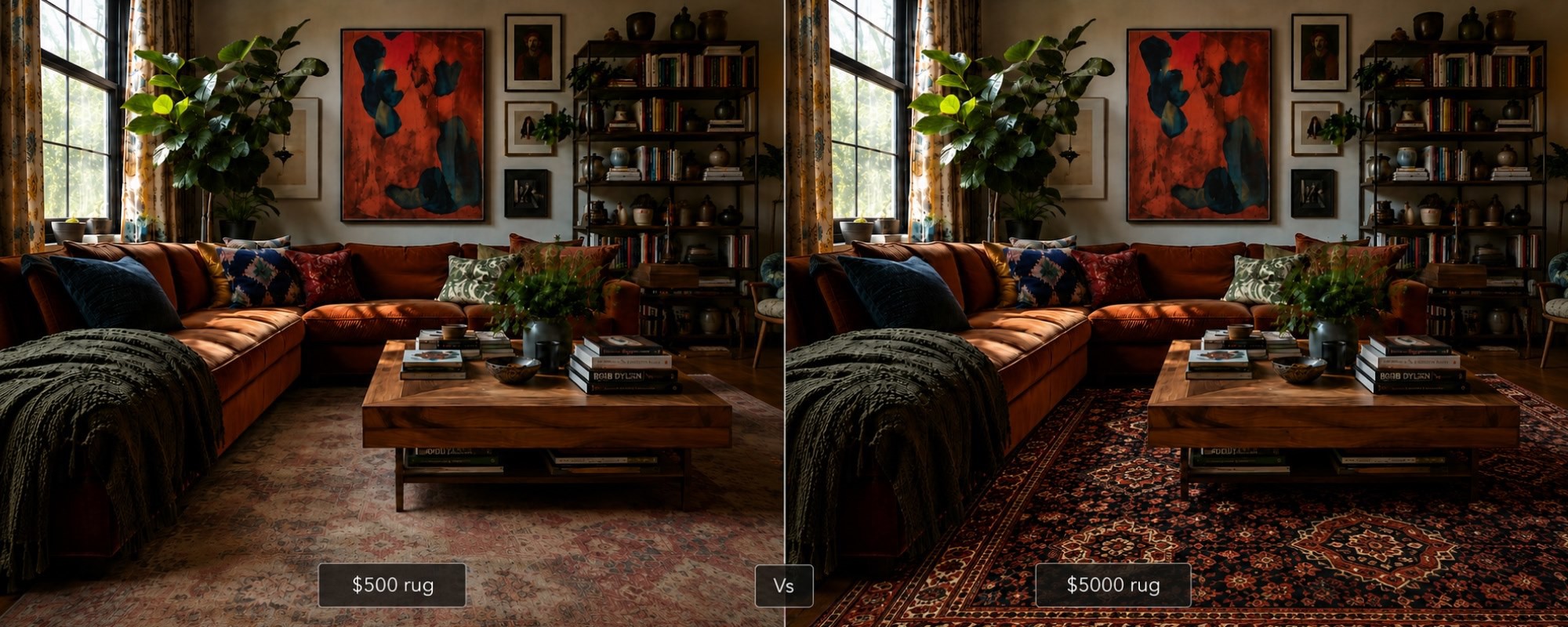
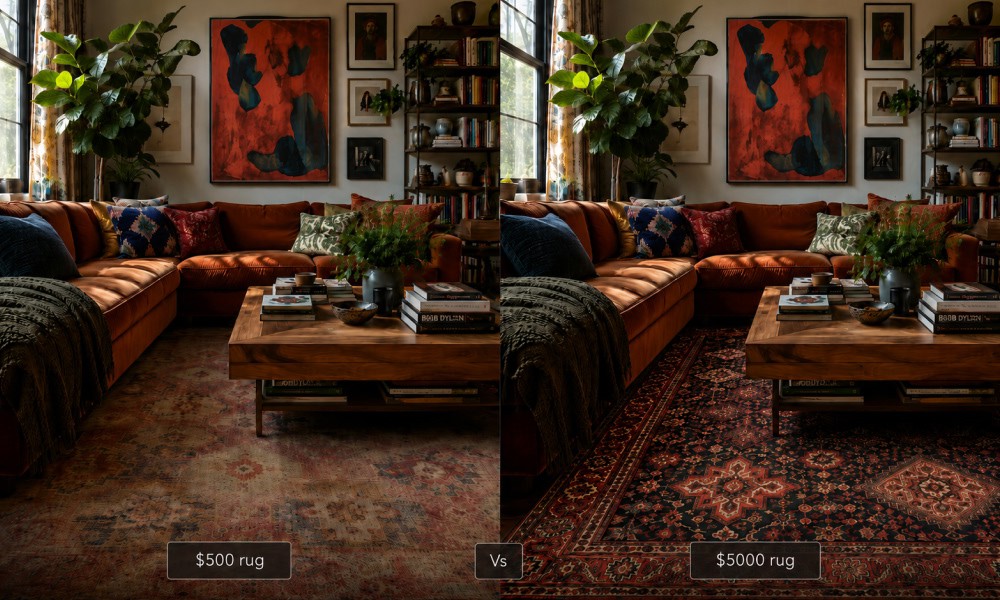
The $500 vs $5,000 Rug: An Honest Side-by-Side That No Brand Will Show You
Why do some rugs cost ten times more than others? This honest side-by-side looks at what actually separates a $500 rug from a $5,000 one: knot density, fiber quality, pile depth, and finishing. No brand bias, no marketing language. Just a clear breakdown to help you decide which one is worth it for your space and budget.
Read Article →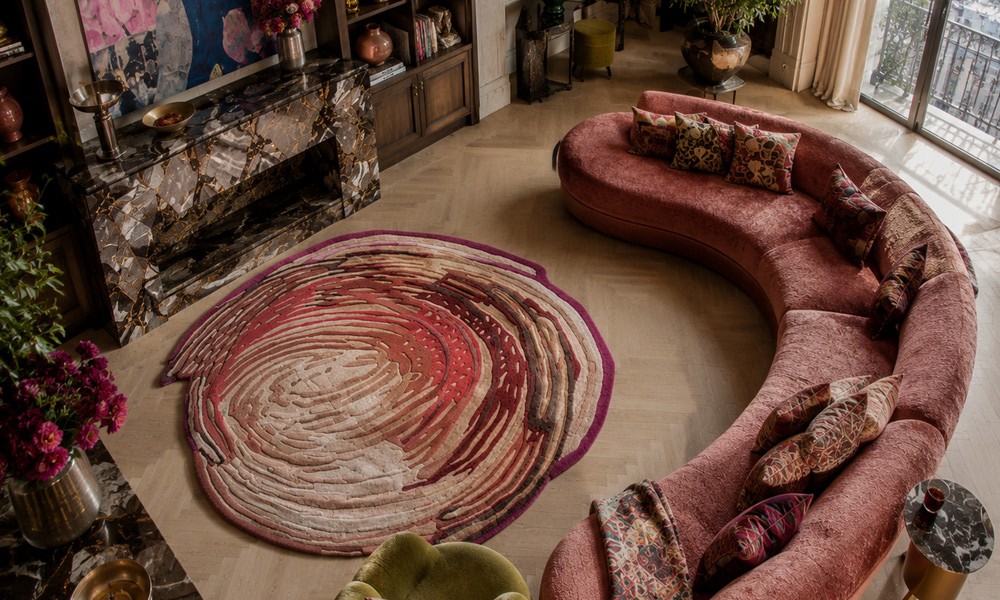
-
14 July 2026
- ∙
-
13 Min Read
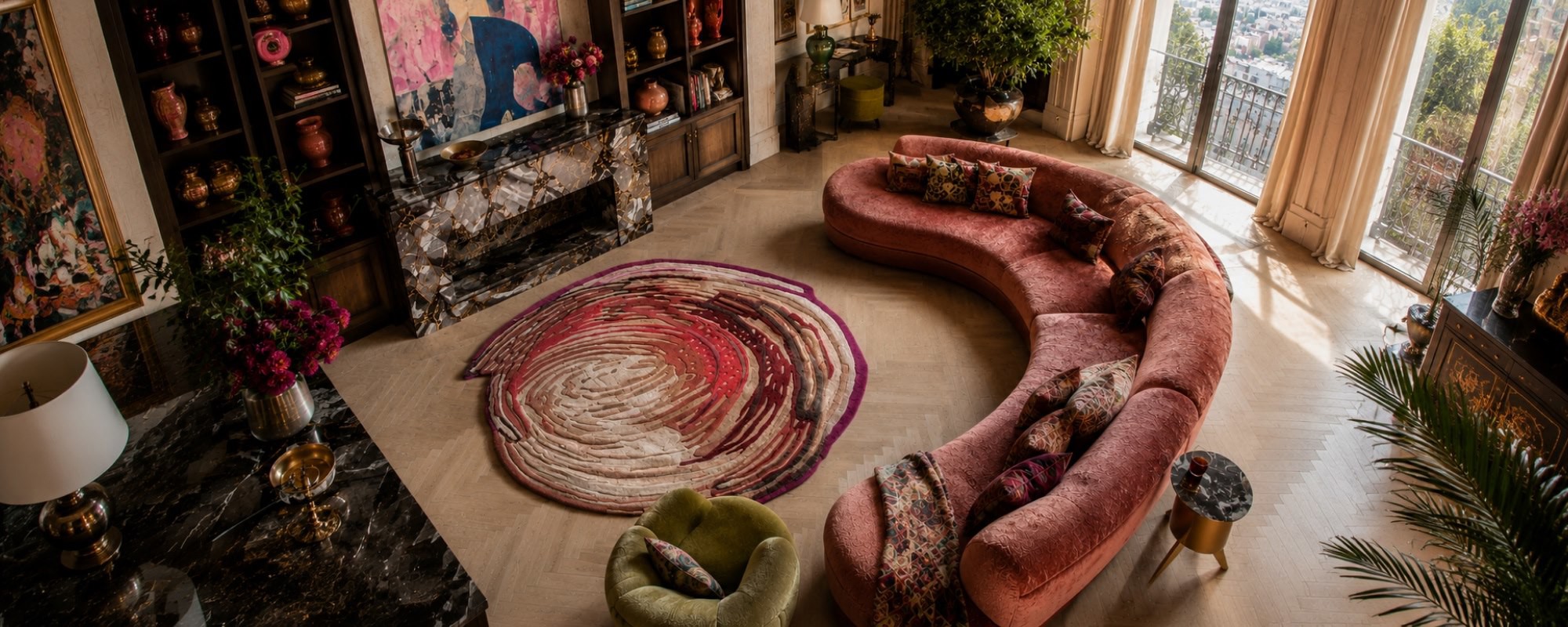
3D Rugs and Sculpted Pile: The Tactile Design Trend Redefining Floors in 2026
The rug used to finish a room. Now it starts one. 3D rugs and sculpted piles are bringing real depth and tactile texture to interiors, from hand knotted relief patterns to optical illusion designs that stop you mid-step. This is what the trend is, why it matters, and how to buy it well.
Read Article →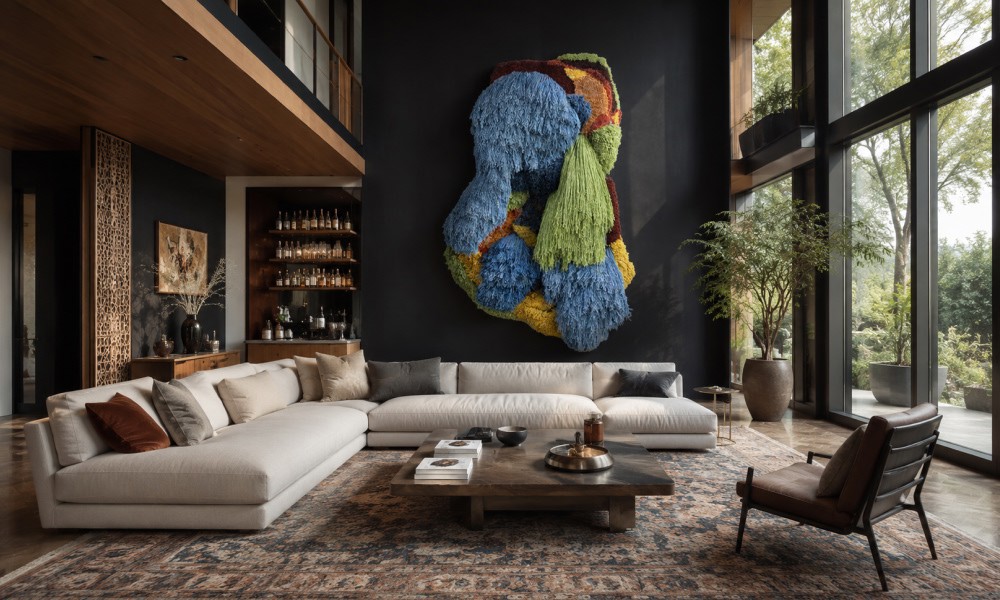
-
10 July 2026
- ∙
-
10 Min Read
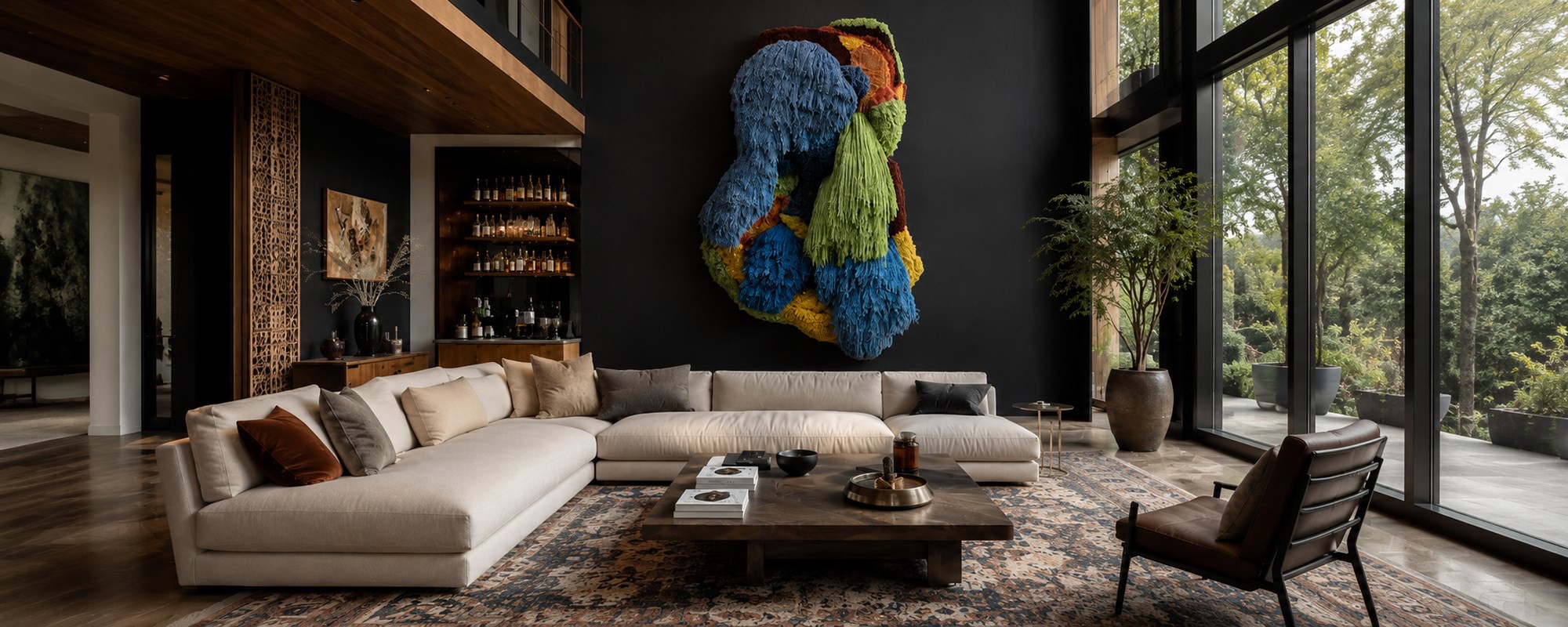
How to Pair Indian Wall Art with the Right Rug Pattern: A Room-by-Room Guide
Choosing the right rug to go with your Indian wall art does not have to be guesswork. This guide breaks it down room by room, from the living room to the bathroom and outdoor spaces. Learn how to match colors, patterns, and scale so your wall art and rug always feel like they belong together.
Read Article →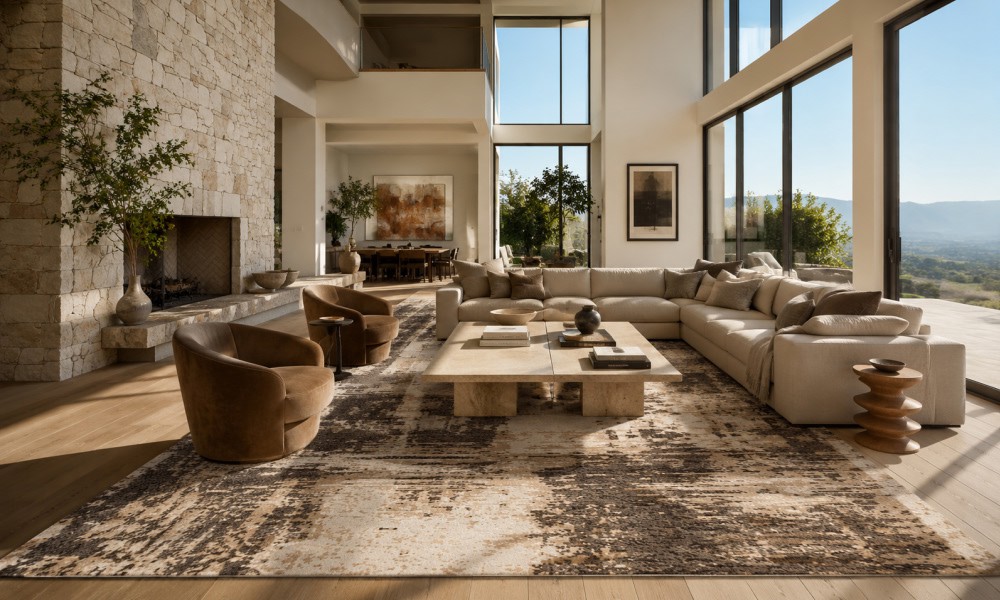
-
07 July 2026
- ∙
-
9 Min Read
How to Tell If a Rug Is Handmade: 7 Signs Experts Look For (Abrash Is One of Them)
Wondering how to know if a rug is handmade? Get an overview of 7 key characteristics that will help you identify if a rug is truly handmade and learn about its differences compared to machine-made rugs, and why they do not lose their value. Here is what to keep in mind when buying a handmade rug.
Read Article →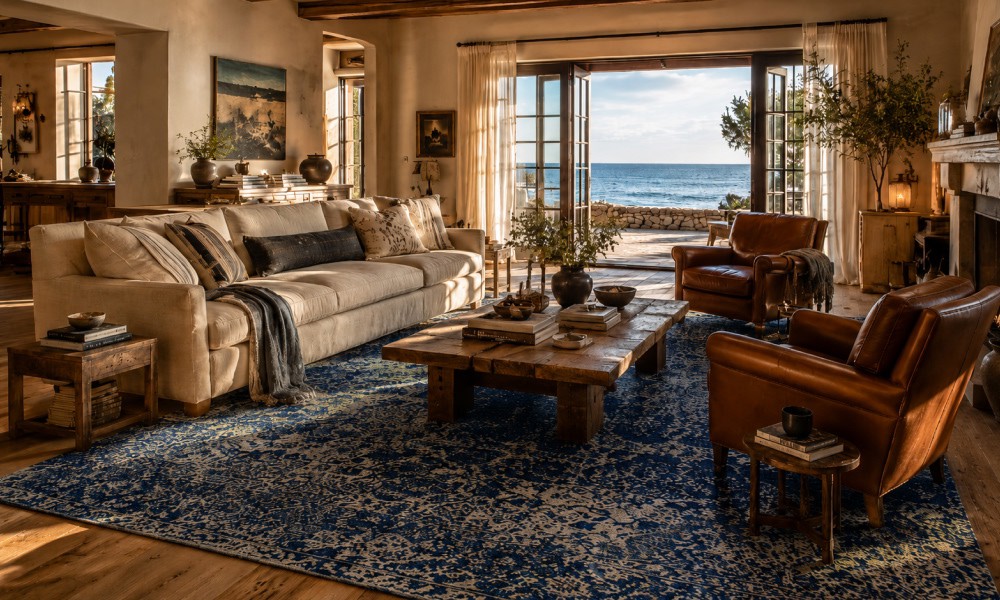
-
04 July 2026
- ∙
-
8 Min Read
Coastal Grandmother Is Evolving: The 2026 "Coastal Heritage" Aesthetic and the Rugs That Define It
The coastal grandmother design is progressing into something new and exciting by 2026. Coastal Heritage introduces texture, craftsmanship, and handmade elements to this popular design style. Here are the various rug types, colors, and decorating ideas to know about this classic coastal design trend.
Read Article →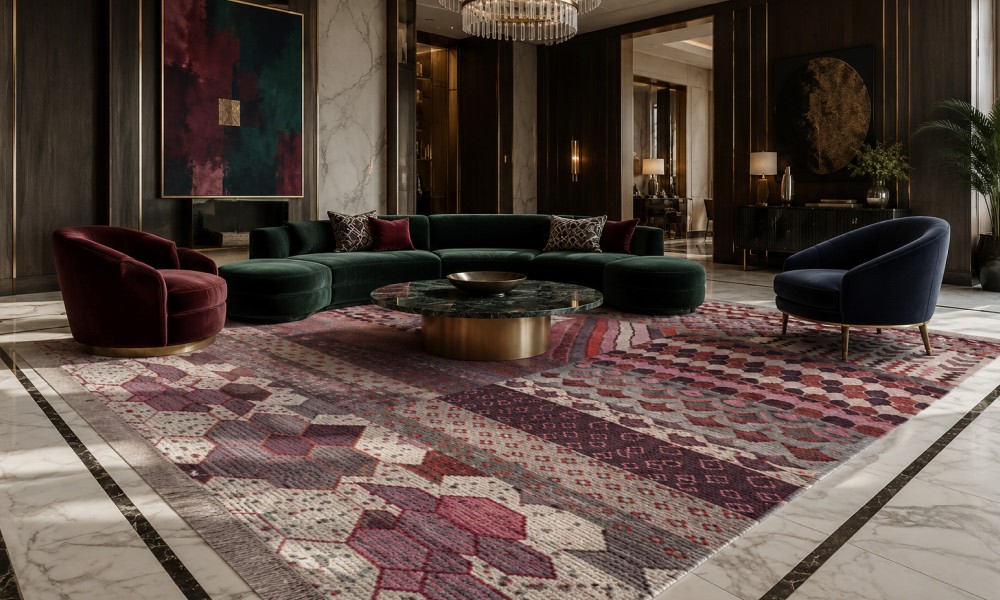
-
22 June 2026
- ∙
-
6 Min Read
Why Top Interior Designers are Switching to Indian Handmade Rugs
High-end interior designers have begun using handmade carpets from India in place of machine-made carpets to enhance their design portfolios and ensure product longevity. The following guide will help you understand why design professionals prefer Jaipur Rugs for creating customized, ethically produced wool-and-bamboo-silk carpet designs for luxurious homes.
Read Article →