You are on our International website. Please select your region to see content specific for your location





 Profile
 Orders
 Wishlist
 Change Password
 Logout


Latest Blogs

ideas and inspiration
How to Repair Common Rug Damages: Rug Fringe, Snags & Fading
- 07 March 2026
- |
- 5 Min Read
- |
- By Jaipur Rugs
One loose thread. A thinning fringe. A faded patch near the window. Most rugs don’t fail suddenly; they unravel slowly. The surprising part? Many area rugs that look beyond saving can actually be repaired. From fringe restoration to fixing snags and faded wool, this guide reveals what rug repair professionals really do and when you can fix the problem yourself. Read the full guide before you even think about replacing your designer rug.
Most designer rugs don’t fall apart dramatically. They fade quietly near the window. A fringe thread disappears after vacuuming. A tiny snag appears where the coffee table gets dragged every weekend. Before long, the rug looks tired even though the weave underneath is still strong.
This is where rug repair becomes invaluable. Whether it’s an Oriental rug or a delicate Persian rug, professional restoration focuses on repairing damaged fibers, stabilizing the weave, and preserving the craftsmanship of the rug. Done correctly, rug repair can extend the life of a handmade rug by decades.
What Rug Repair Actually Means and Why Rugs Fail Over Time?
Rug repair refers to restoring structural damage in a rug’s fibers, fringe, or woven foundation. In professional repair of an area rug, technicians stabilize the rug’s warp and weft threads so the pile does not continue unraveling.
Here’s why rugs fail and how carpet rug repair works in practice:
-
Handmade rugs rely on warp and weft threads for stability. These internal threads form the skeleton of the rug. When they weaken from wear or age, area rug repair becomes necessary to prevent holes or fiber loss.
-
Foot traffic slowly breaks down wool fibers. Hallways and living rooms often require wool rug repair because constant pressure loosens the knots.
-
Fringe threads carry structural stress. When these threads fray, rug fringe repair or oriental rug fringe repair is required to stop the rug from unraveling.
-
Sunlight damages natural dyes and fibers. Many Persian rug repair projects involve restoring wool fibers weakened by years of UV exposure.
-
Improper cleaning can damage the weave. Harsh detergents strip oils from wool rug, which is a common reason homeowners search for area rug repair near me.
How Rug Fringe Damage Happens and How Experts Fix It?
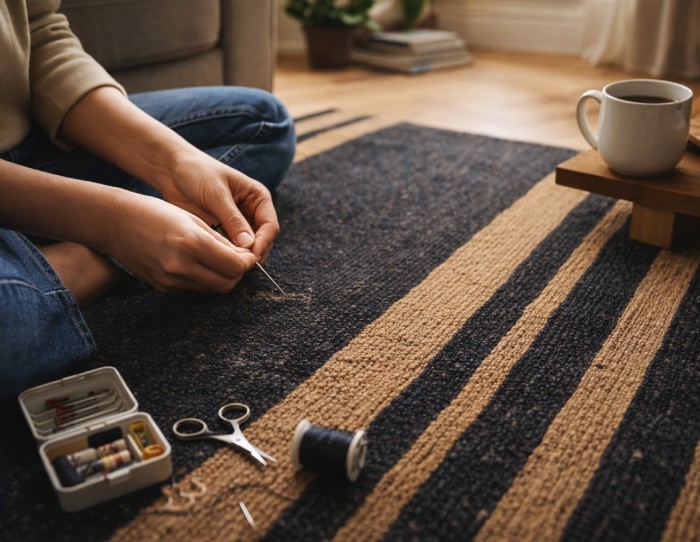
Fringe damage is the most common issue seen in area rug repair workshops. Many people think fringe is decorative, but in handwoven rugs, it is actually the exposed end of the warp threads that hold the rug together.
Here’s why fringe damage occurs and how rug fringe repair specialists restore it:
-
Vacuum rollers often pull fringe threads loose. This is the leading cause of oriental rug fringe repair and Persian rug repair.
-
Broken fringe exposes the rug’s structural threads. When those threads weaken, antique rug fringe repair may be needed to stabilize the edge.
-
Professionals rebuild fringe by re-knotting threads. In many oriental rug repair cases, new fibers are carefully attached to the original warp structure.
-
Edge binding may replace severely damaged fringe. This protects the rug if recreating fringe is not possible.
-
Color matching is critical for antique rugs. During antique rug repair, replacement threads are dyed to match the rug’s aged fibers.
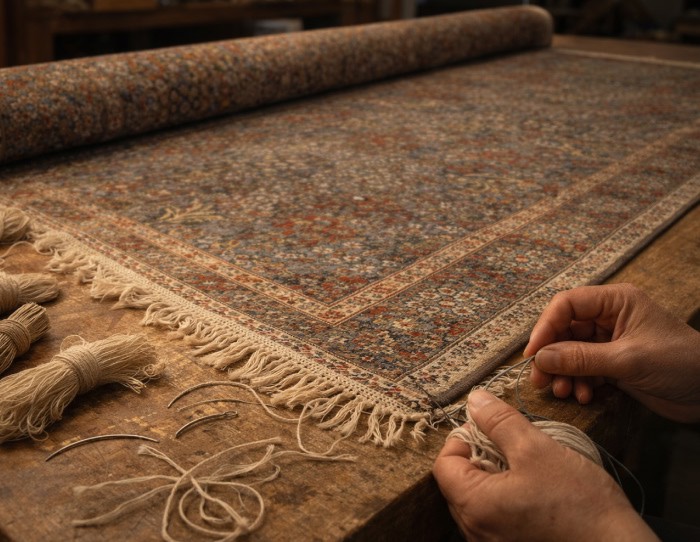
Snags & Loose Fibers: The Hidden Causes Behind Rug Damage
Snags often begin with a single loose thread, but they can quickly turn into larger structural damage. Early carpet rug repair prevents these small problems from spreading.
Here’s what usually causes snags and how area rug repair specialists fix them:
-
Furniture movement can pull fibers from the weave. Dragging chairs across rugs frequently leads to snags requiring rug repair.
-
Pet claws can loosen knots. Repeated scratching can create fiber gaps that require rug repair.
-
Loose fibers should never be cut. In professional area rug repair, technicians reinsert the thread into the knot structure.
-
Small tears must be stabilized early. Many area rug repair near me service requests involve reinforcing backing threads before reweaving fibers.
Color Fading, Wool Breakdown & Antique Rug Restoration
Fading not only affects appearance. When dyes fade unevenly, the wool fibers beneath them may also weaken, requiring wool rug repair or antique rug repair.
Here’s how professionals restore damaged rugs:
-
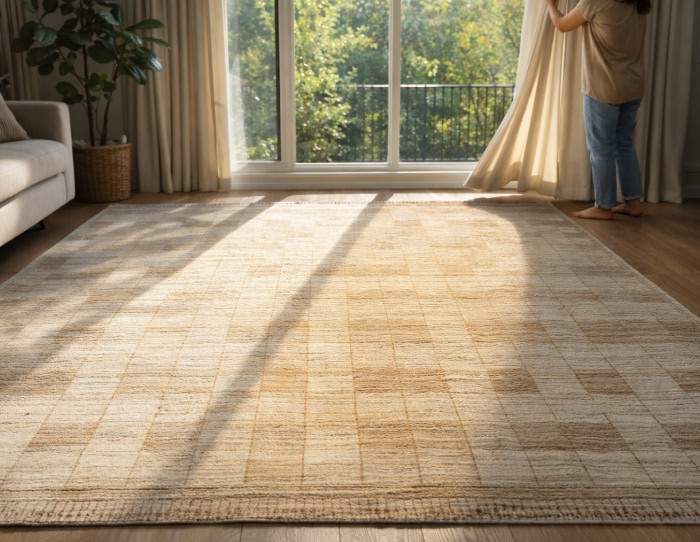
Sunlight is the main cause of rug fading. UV rays slowly break down natural dyes used in oriental rug and Persian rug repair projects.
-
Dye correction restores color balance. Skilled technicians performing antique rug repair sometimes rebalance faded areas using carefully matched dyes.
-
Wool fibers weaken with age. In these cases, wool rug repair reinforces the knots rather than simply adding surface fibers.
-
Historic rugs require specialized restoration. During antique rug repair, experts replicate original weaving techniques.
-
Improper washing can strip dyes. This is another common reason people search for area rug repair near me after cleaning mistakes.
When DIY Rug Repair Works vs When Professionals Are Essential?
Minor damage of any modern rug can sometimes be handled at home, but structural repairs require professional expertise. Knowing the difference prevents costly mistakes.
Here’s when DIY rug repair works and when professionals should step in:
-
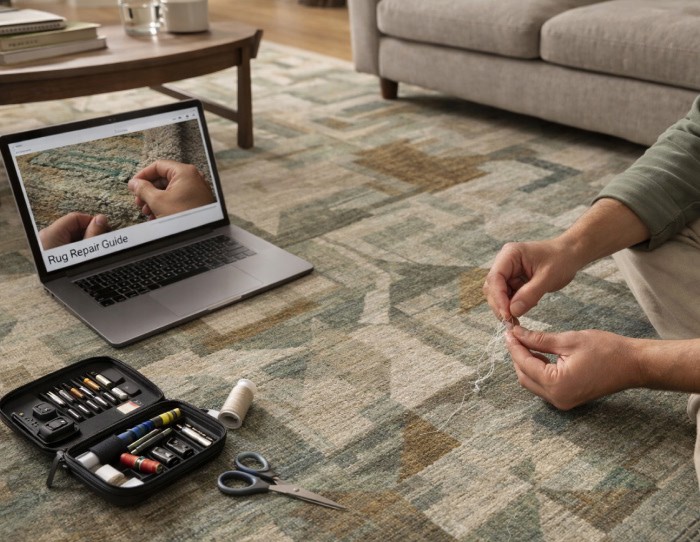
Small loose fibers can sometimes be tucked back into the weave. A blunt needle may help reposition the thread temporarily.
-
Fringe trimming can prevent minor tangling. However, serious damage requires professional rug fringe repair.
-
Adhesives should be used carefully. While rug repair glue works for some machine made rugs, handmade rugs should never rely on glue-based fixes.
-
Handwoven rugs require expert restoration. Oriental rug repair, Persian rug repair, and antique rug repair involve recreating original knot patterns.
-
Professional repair costs vary widely. Basic area rug repair may cost $50–$300, while detailed antique rug repair can exceed $1000, depending on complexity.
Summing Up..
Authentic handmade rugs collect the history of a room. They absorb footsteps, sunlight, coffee spills, and years of daily life. When damage appears, replacing the designer rug might seem easier. But rug repair preserves something far more valuable: the craftsmanship woven into every knot.
In a world increasingly focused on sustainability and preserving handmade work, choosing rug repair keeps these woven stories alive rather than discarding them.
And sometimes, the difference between a handmade rug that lasts five years and one that lasts fifty is simply repairing the damage early.
We will be back with another blog soon.
Till then, stay tuned and explore Jaipur Rugs!
FAQs
Can rug fringe be repaired?
Yes. Professional rug fringe repair involves re-knotting warp threads or binding the edge to prevent unraveling.
What glue is used in rug repair?
Specialized textile adhesive known as rug repair glue may be used for machine-made rugs, but handmade rugs rely on weaving techniques.
Can antique rugs be restored?
Yes. Skilled antique rug repair specialists reweave missing knots and stabilize fragile fibers to preserve the rug.
How much does rug repair cost?
Simple area rug repair, such as fringe stabilization, may cost $50–$300, while complex Oriental or Persian rug repair may cost several hundred dollars.
How long does rug repair take?
Minor repairs may take a few hours, while detailed antique rug repair can take days, depending on the weaving complexity.


Pic Credits
Jaipur rugs / Abil Dase
Share
-
 Facebook
-
 Twitter
-
 Email
Email
Related Posts
-
15 July 2026
- ∙
-
8 Min Read
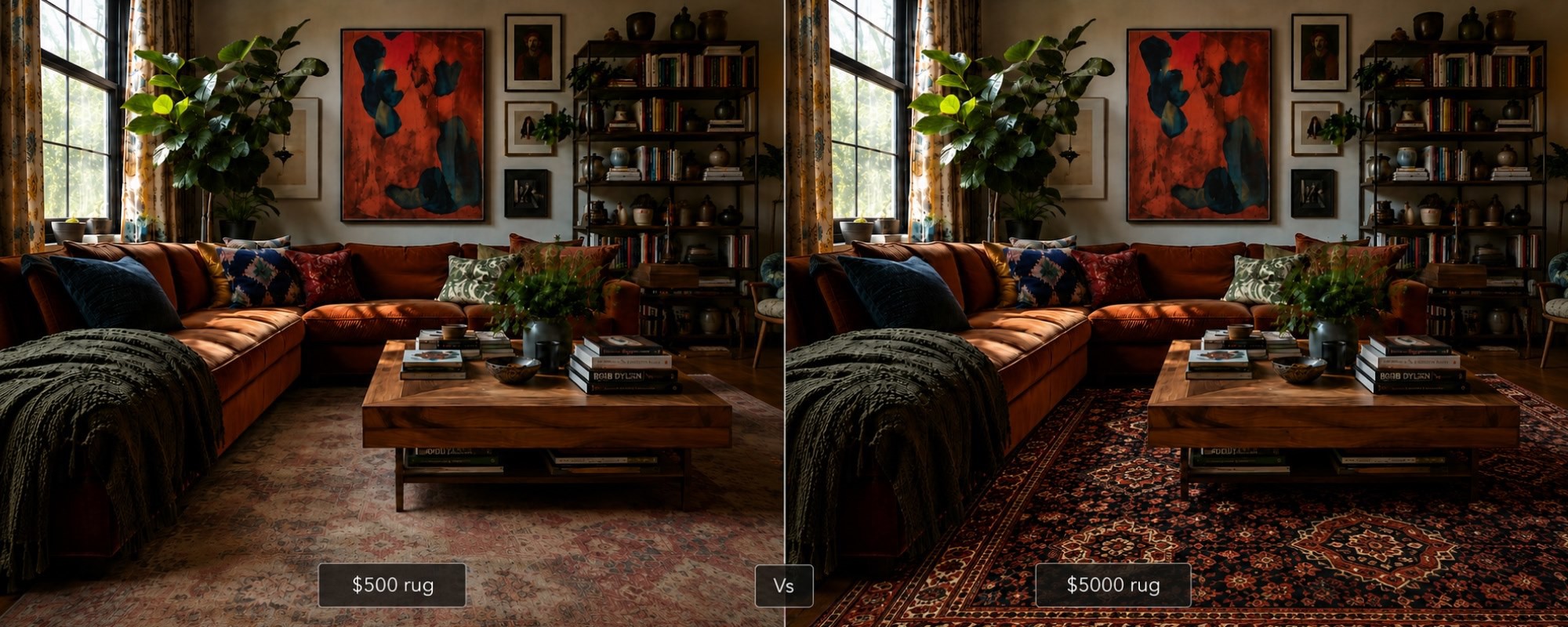
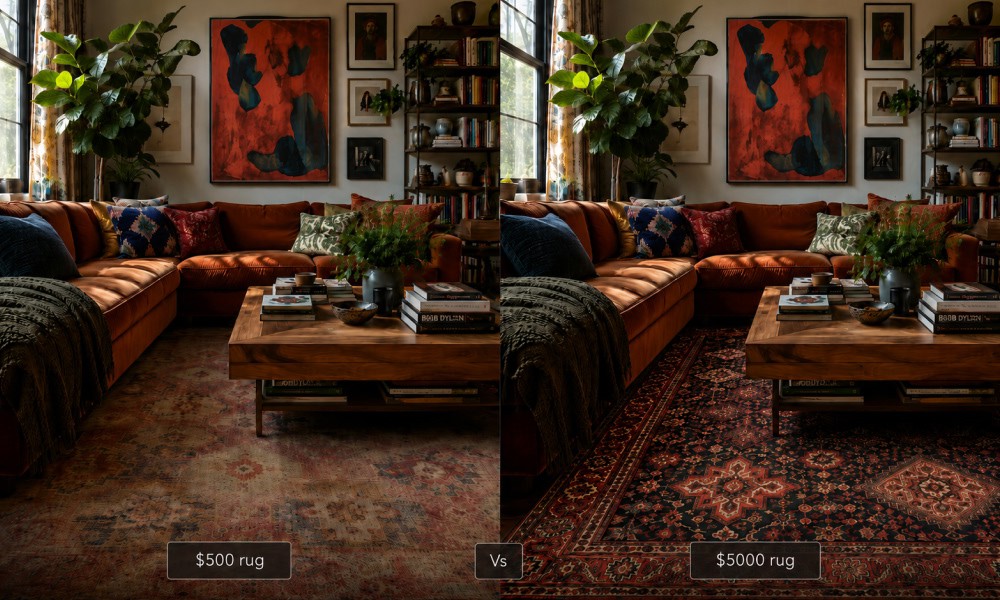
The $500 vs $5,000 Rug: An Honest Side-by-Side That No Brand Will Show You
Why do some rugs cost ten times more than others? This honest side-by-side looks at what actually separates a $500 rug from a $5,000 one: knot density, fiber quality, pile depth, and finishing. No brand bias, no marketing language. Just a clear breakdown to help you decide which one is worth it for your space and budget.
Read Article →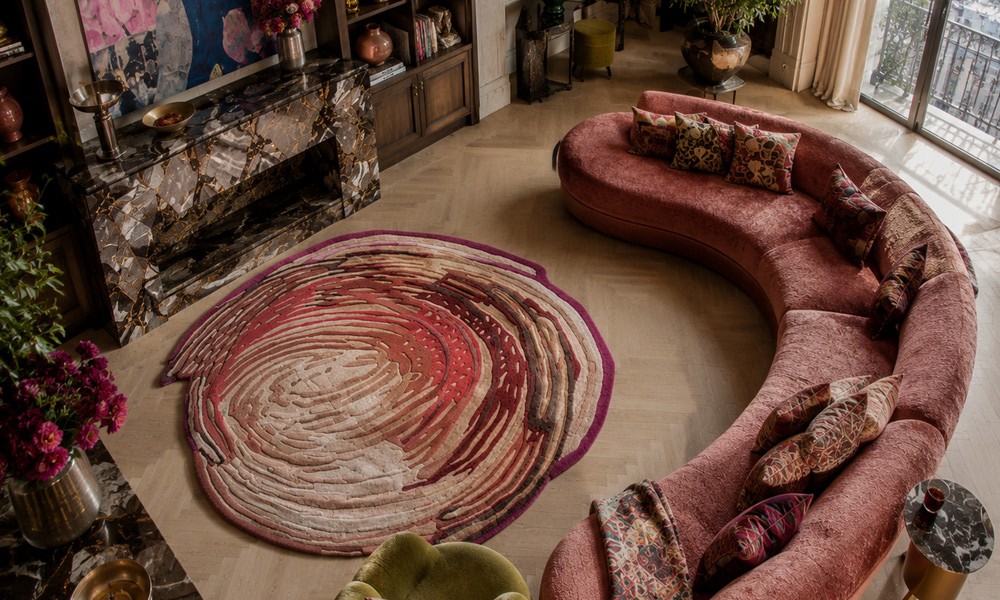
-
14 July 2026
- ∙
-
13 Min Read
3D Rugs and Sculpted Pile: The Tactile Design Trend Redefining Floors in 2026
The rug used to finish a room. Now it starts one. 3D rugs and sculpted piles are bringing real depth and tactile texture to interiors, from hand knotted relief patterns to optical illusion designs that stop you mid-step. This is what the trend is, why it matters, and how to buy it well.
Read Article →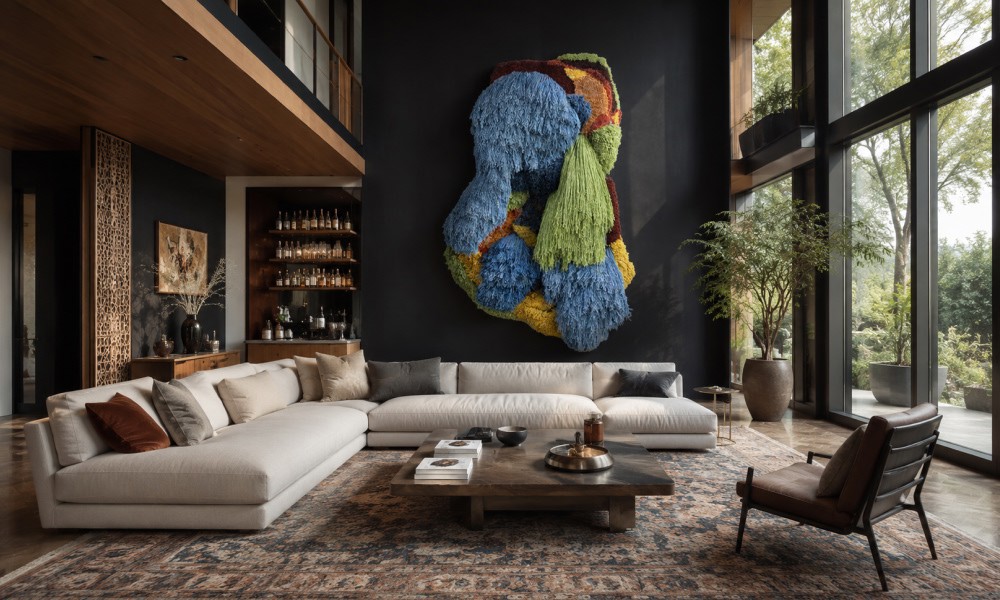
-
10 July 2026
- ∙
-
10 Min Read
How to Pair Indian Wall Art with the Right Rug Pattern: A Room-by-Room Guide
Choosing the right rug to go with your Indian wall art does not have to be guesswork. This guide breaks it down room by room, from the living room to the bathroom and outdoor spaces. Learn how to match colors, patterns, and scale so your wall art and rug always feel like they belong together.
Read Article →
-
07 July 2026
- ∙
-
9 Min Read
How to Tell If a Rug Is Handmade: 7 Signs Experts Look For (Abrash Is One of Them)
Wondering how to know if a rug is handmade? Get an overview of 7 key characteristics that will help you identify if a rug is truly handmade and learn about its differences compared to machine-made rugs, and why they do not lose their value. Here is what to keep in mind when buying a handmade rug.
Read Article →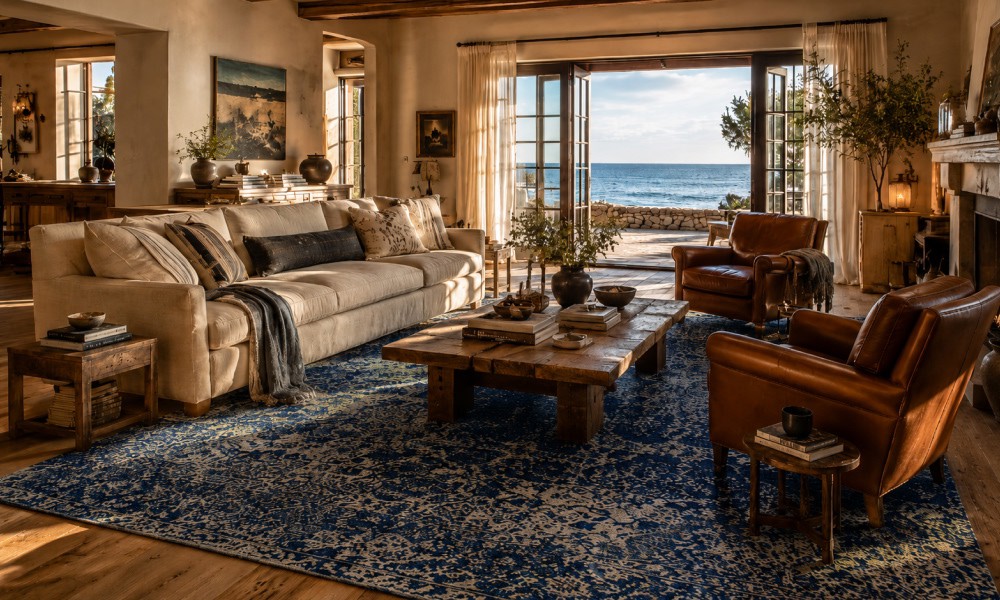
-
04 July 2026
- ∙
-
8 Min Read
Coastal Grandmother Is Evolving: The 2026 "Coastal Heritage" Aesthetic and the Rugs That Define It
The coastal grandmother design is progressing into something new and exciting by 2026. Coastal Heritage introduces texture, craftsmanship, and handmade elements to this popular design style. Here are the various rug types, colors, and decorating ideas to know about this classic coastal design trend.
Read Article →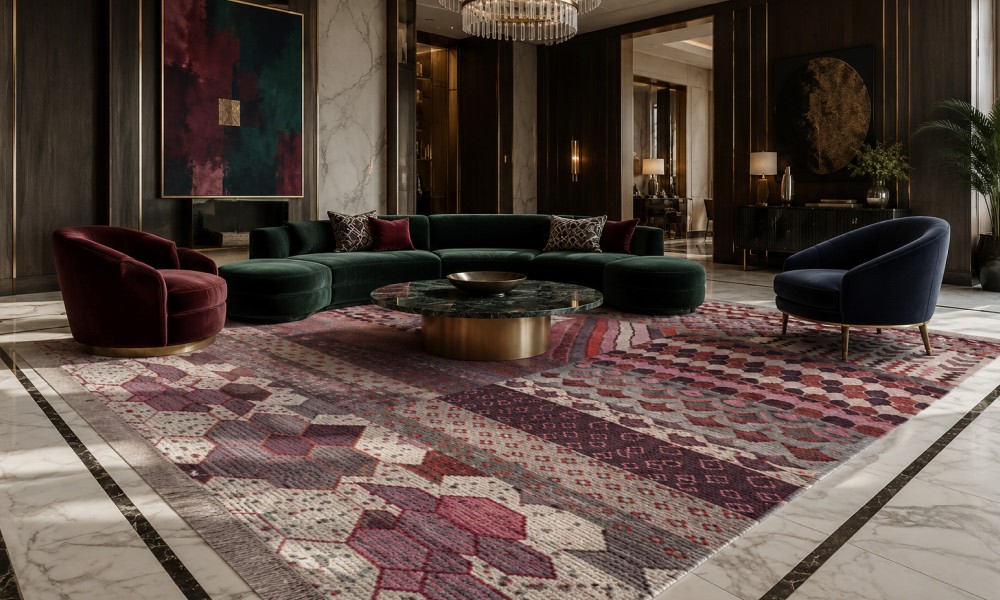
-
22 June 2026
- ∙
-
6 Min Read
Why Top Interior Designers are Switching to Indian Handmade Rugs
High-end interior designers have begun using handmade carpets from India in place of machine-made carpets to enhance their design portfolios and ensure product longevity. The following guide will help you understand why design professionals prefer Jaipur Rugs for creating customized, ethically produced wool-and-bamboo-silk carpet designs for luxurious homes.
Read Article →