You are on our International website. Please select your region to see content specific for your location





 Profile
 Orders
 Wishlist
 Change Password
 Logout


Latest Blogs
ideas and inspiration
Shrinathji Pichwai Painting: Cultural Significance and Home Placement Rules
- 28 May 2026
- |
- 8 Min Read
- |
- By Jaipur Rugs
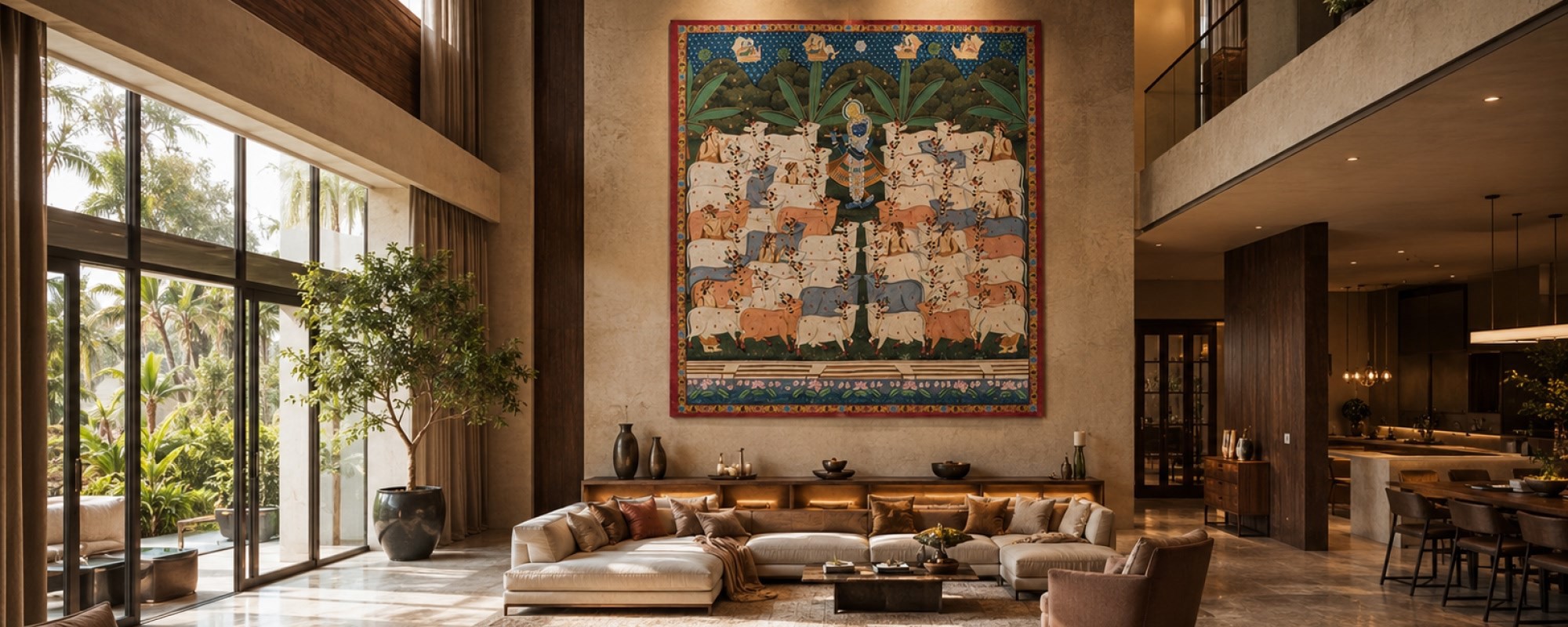
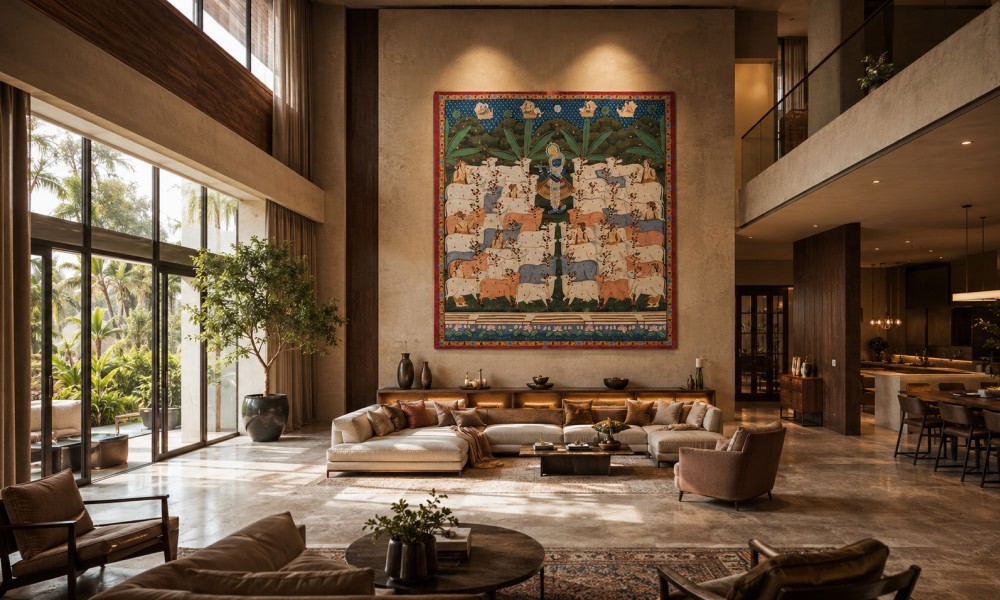
Pichwai is a 400-year-old art style from Rajasthan, India. Originally made as large fabric backdrops for temples, these paintings show beautiful stories of Lord Krishna along with cows and lotus flowers. This guide explains the meaning behind these traditional designs and shares simple rules to place them respectfully in your modern home alongside luxury rugs.
There is a unique magic in spaces that balance modern luxury with timeless storytelling. When designing a home, we often look for elements that do more than occupy visual space; we look for pieces that carry a soul.
If you are seeking an heirloom that infuses your home with spiritual depth and vibrant flair, look no further than the traditional art of Rajasthan. Specifically, a handcrafted shrinathji pichwai painting offers a stunning bridge between centuries-old devotion and contemporary interior design.
Whether draped gracefully over a console table, paired beautifully with hand-woven rugs and carpets, or integrated as a focal wall art masterpiece, this art form transforms your living space into a gallery of cultural pride. Let us dive deep into the world of this sacred art tradition, its profound symbolism, and how you can style it elegantly and respectfully in your modern home.
What is Pichwai Painting? Origin and Artistry
To truly appreciate these masterpieces, we must first understand the historical roots of the craft. If you have ever wondered what is pichwai painting, the answer lies in its literal meaning. The word pichwai is derived from the Sanskrit words pichh (meaning 'back') and wai (meaning 'hanging').
Dating back to the 17th century, these large, intricate paintings, from Nathdwara, near Udaipur in Rajasthan, India, were originally created to serve as grand, sacred backdrops for the idol of Lord Shreenathji (a unique, seven-year-old manifestation of Lord Krishna) in temple shrines.

Every authentic pichwai painting is a labor of intense devotion and remarkable craftsmanship. Traditionally hand-painted on starched layers of handwoven cotton fabric, the process begins with an artist sketching a detailed composition using charcoal.
Once the skeleton of the pichwai design is laid out, natural pigments sourced from indigo, saffron, lapis lazuli, and even real gold leaf are painstakingly applied. The detailing is so breathtakingly microscopic that master artisans frequently use brushes made from a single strand of squirrel hair to define the deities' expressions.

The Iconography: Decoding the Sacred Motifs
Every single element woven or painted into a shrinathji pichwai has a specific theological meaning. These are not mere decorative patterns; they are visual narrations of cosmic love, protection, and joy.
The Sacred Cows
The pichwai cow painting is perhaps one of the most recognizable and beloved variations of this art form. Representing Surabhi (the wish-fulfilling cows of Vrindavan) and Lord Krishna’s childhood as a cowherd (Gopala), these gently rendered animals feature heavily in temple backdrops. Often adorned with handprints, jewelry, and ornate blankets, they symbolize abundance, peace, and deep spiritual devotion.

The Eternal Lotus
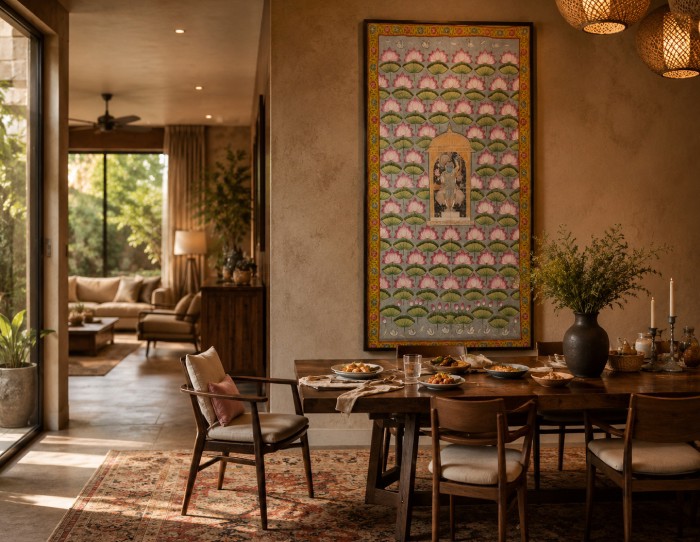
The lotus pichwai painting captures the serene beauty of the Yamuna River’s blooming waters. In Indian philosophy, the lotus represents purity and detachment, rising gracefully above mud without being stained by it. A backdrop filled with repeating lotus motifs immediately brings a sense of calm and spiritual cleansing to an environment.
Shrinathji and Seasonal Celebrations
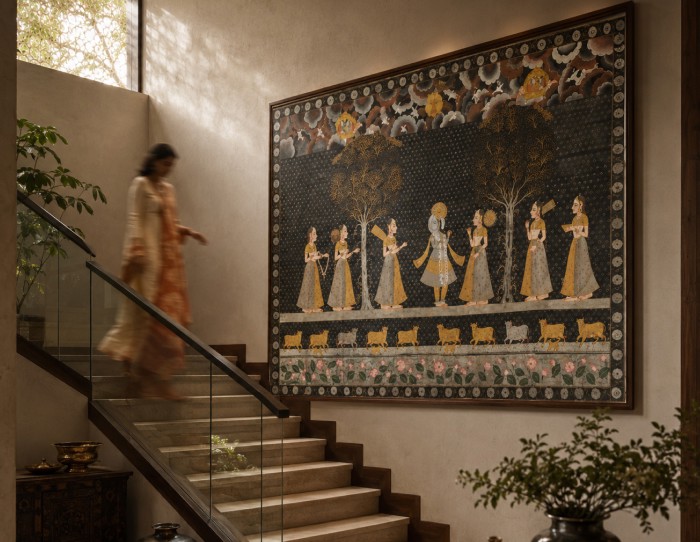
The central figure of shrinathji pichwai art depicts the deity with his left arm raised, holding up Mount Govardhan to shield his village from fierce storms. Different paintings are custom-tailored to mark specific festivals and changing seasons, such as Sharad Purnima (autumn full moon), Annakut (the mountain of food offering), or Janmashtami (Krishna’s birth). Bold red or bright yellow borders frame the entire scene, locking in and isolating the divine energy of the piece.
The Modern Transition: Pichwai in Contemporary Decors
While traditional pieces are preserved as priceless gallery treasures, the art form has evolved into stunning new media. Interior decorators and home enthusiasts are now embracing modern pichwai paintings that utilize a softer color palette, minimal gold leaf, or scaled-down motifs to better suit urban apartments.
Beyond the brush and canvas, the beauty of this regional style has beautifully transitioned into luxury textiles. Designers are utilizing high-quality pichwai print fabric to create breathtaking custom upholstery, festive table runners, and plush accent cushions.
This versatility allows you to introduce the elegance of pichwai fabric into your home in a subtle way. For instance, pairing a minimalist sofa upholstered in muted pichwai art motifs alongside rich, texturized suzani fabrics creates a layered, globally traveled design aesthetic that tells a sophisticated visual story.
Styling Pichwai: Creating Harmonies with Luxury Floor Coverings
When displaying large-scale art, balance is everything. Because a pichwai wall art hanging is inherently rich in color, texture, and intricate details, the surrounding floor elements should be carefully chosen to ground the room.
A natural design partner for an elaborate wall hanging is a premium, high-quality floor covering. If your room features a vibrant tapestry portraying Krishna under a canopy of trees, consider laying down classic hand-knotted rugs beneath the central seating arrangement. The fine craftsmanship of a hand-knotted piece echoes the artisan dedication of the painting on the wall, instantly elevating the room’s luxury index.
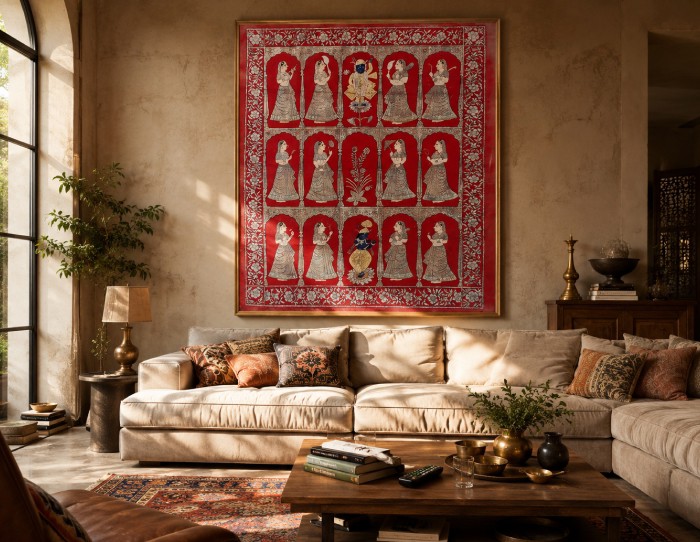
If your aesthetic leans more contemporary, you can experiment with plush hand-tufted rugs that feature abstract or neutral patterns. The geometric or solid base of a modern tufted carpet prevents the room from feeling overwhelmingly old-fashioned, giving your pichwai cow painting a crisp, updated context to shine in.
For irregularly shaped entryways or unique architectural layouts, ordering custom rugs that echo the exact border hues of your wall installation creates an intentional, curated flow through the house.
How to Place Your Pichwai Art with Reverence
Because Shrinathji images carry centuries of sacred worship and spiritual significance, incorporating them into home decor requires a thoughtful balance of aesthetics and cultural respect. Here are foundational guidelines to ensure your placement remains reverent:
-
Elevate the Art: Always place your hanging at an elevated height. Avoid hanging a piece where someone’s feet might directly point toward the image of the deity while sitting or resting.
-
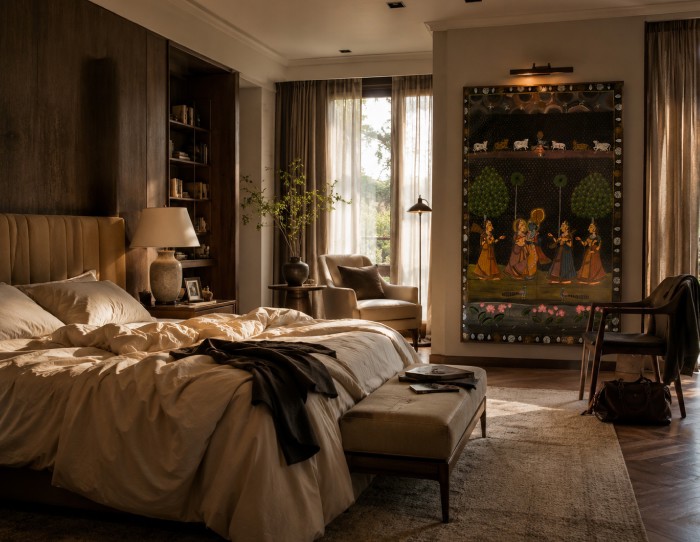
Optimal Placement Zones: The ideal places for sacred iconography are your prayer room (Pooja room), formal living room, foyer, or dining area. Avoid hanging depictions of deities in bathrooms, basement storage areas, or master bedrooms directly facing the bed.

-
Treat it as a Focal Wall Installation: Treat a large fabric tapestry as a formal wall installation. Secure it evenly using premium wooden dowels or have it safely sealed behind gallery-grade, non-reflective glass to shield the delicate natural pigments from moisture and dust.
-
Complementary Accents: Surround the zone with respectful, natural elements. Place traditional brass lamps below it, or gracefully drape fine cashmere throws over adjacent seating to enhance the overall warmth and comfort of the area.

Bring the Craftsmanship of India Home
Investing in a traditional fabric hanging or a canvas painting is far more than a simple decor purchase; it is a conscious choice to become a custodian of India’s ageless art traditions. It stands as an elegant testament to your impeccable taste, love for intricate detailing, and deep-rooted cultural pride.
Whether you choose to accent a reading corner with a small lotus pichwai painting, build a majestic focal feature using a premium textile tapestry, or layer your space with cozy rugs and carpets, this historic art style brings unmatched soul and spiritual resonance into your life.
Explore the intersection of fine craftsmanship and divine history. Browse our premium collections and discover the perfect handcrafted additions for your home, only from Jaipur Rugs.
Frequently Asked Questions
What does the word "Pichwai" mean?
The word pichwai comes from the Sanskrit words pichh (back) and wai (hanging). It literally translates to "that which hangs at the back," a reference to its original purpose as a grand textile backdrop for the deity Shrinathji in Nathdwara temples.
What do cows symbolize in a Pichwai painting?
In a pichwai cow painting, cows symbolize abundance, peace, and pure devotion (bhakti). They represent the sacred, wish-fulfilling cows of Vrindavan and celebrate Lord Krishna’s childhood stories as Gopala, the divine cowherd.
Where should a Shrinathji Pichwai be placed at home?
Place a shrinathji pichwai painting on an elevated East or North-East wall in your prayer room, living room, or foyer. For cultural reverence, avoid hanging direct images of deities in bedrooms, bathrooms, or near the floor.
Can I display a lotus Pichwai painting in any room?
Yes. A lotus pichwai painting focusing entirely on nature and floral motifs is highly versatile. It can be placed in living rooms, dining spaces, or bedrooms to invite a sense of calmness and purity without the strict placement rules of a religious deity.
What is the difference between traditional and modern Pichwai?
Traditional pieces are large-scale temple backdrops made with natural mineral pigments and real gold leaf. In contrast, modern pichwai paintings feature smaller sizes, softer color palettes, and contemporary formats such as canvas panels or pichwai print fabric, tailored for urban home decor.


Pic Credits
Jaipur rugs / Abil Dase
Share
-
 Facebook
-
 Twitter
-
 Email
Email
Related Posts
-
15 July 2026
- ∙
-
8 Min Read
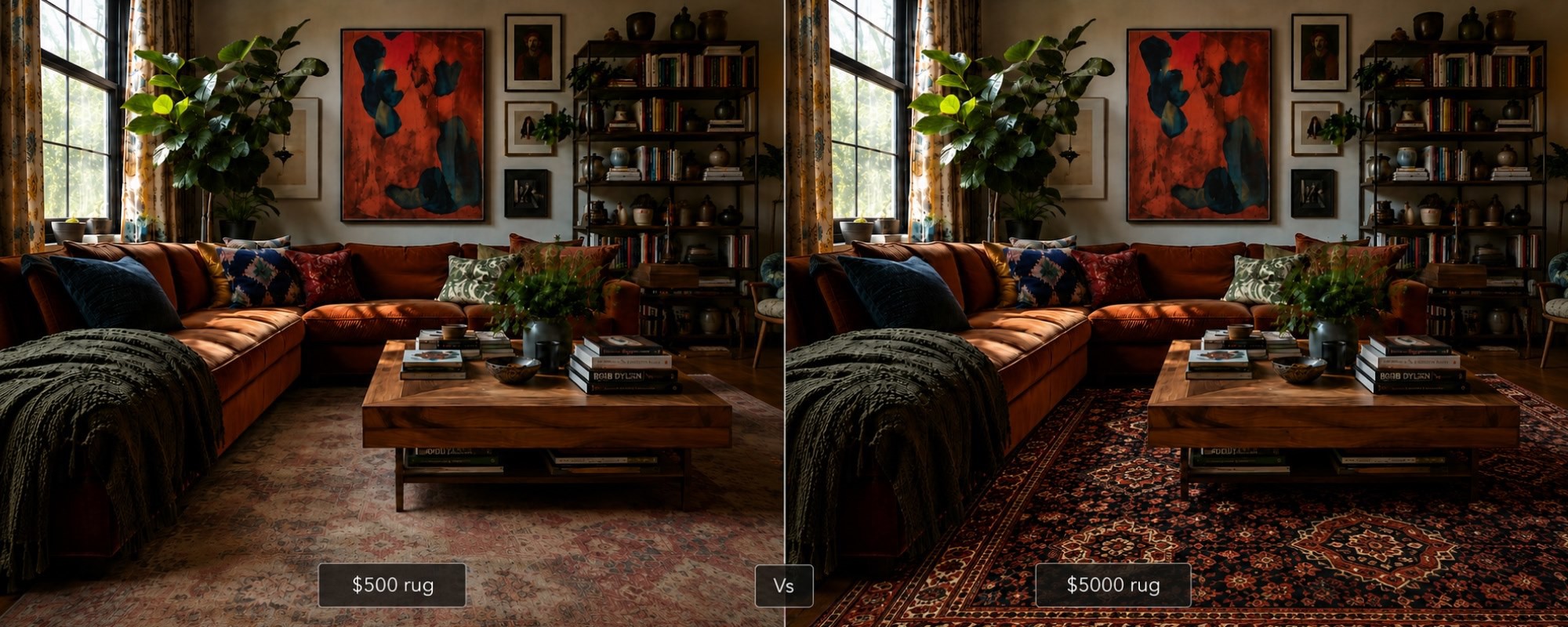
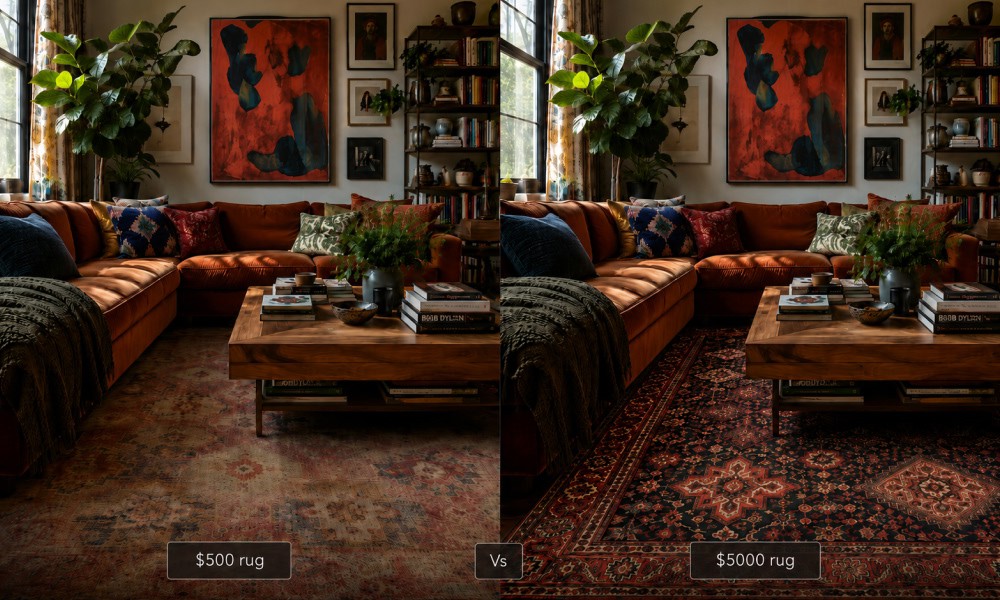
The $500 vs $5,000 Rug: An Honest Side-by-Side That No Brand Will Show You
Why do some rugs cost ten times more than others? This honest side-by-side looks at what actually separates a $500 rug from a $5,000 one: knot density, fiber quality, pile depth, and finishing. No brand bias, no marketing language. Just a clear breakdown to help you decide which one is worth it for your space and budget.
Read Article →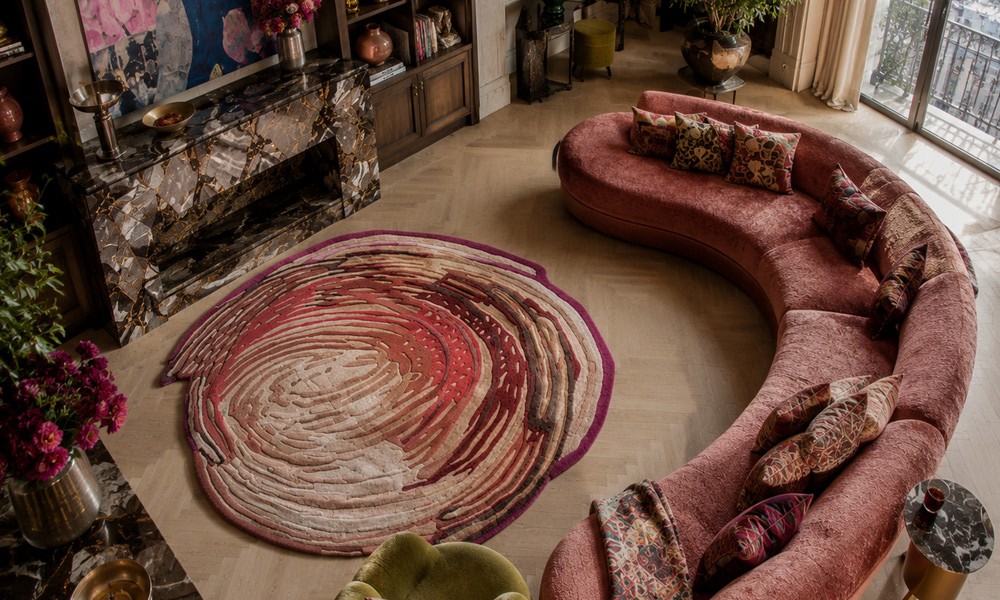
-
14 July 2026
- ∙
-
13 Min Read
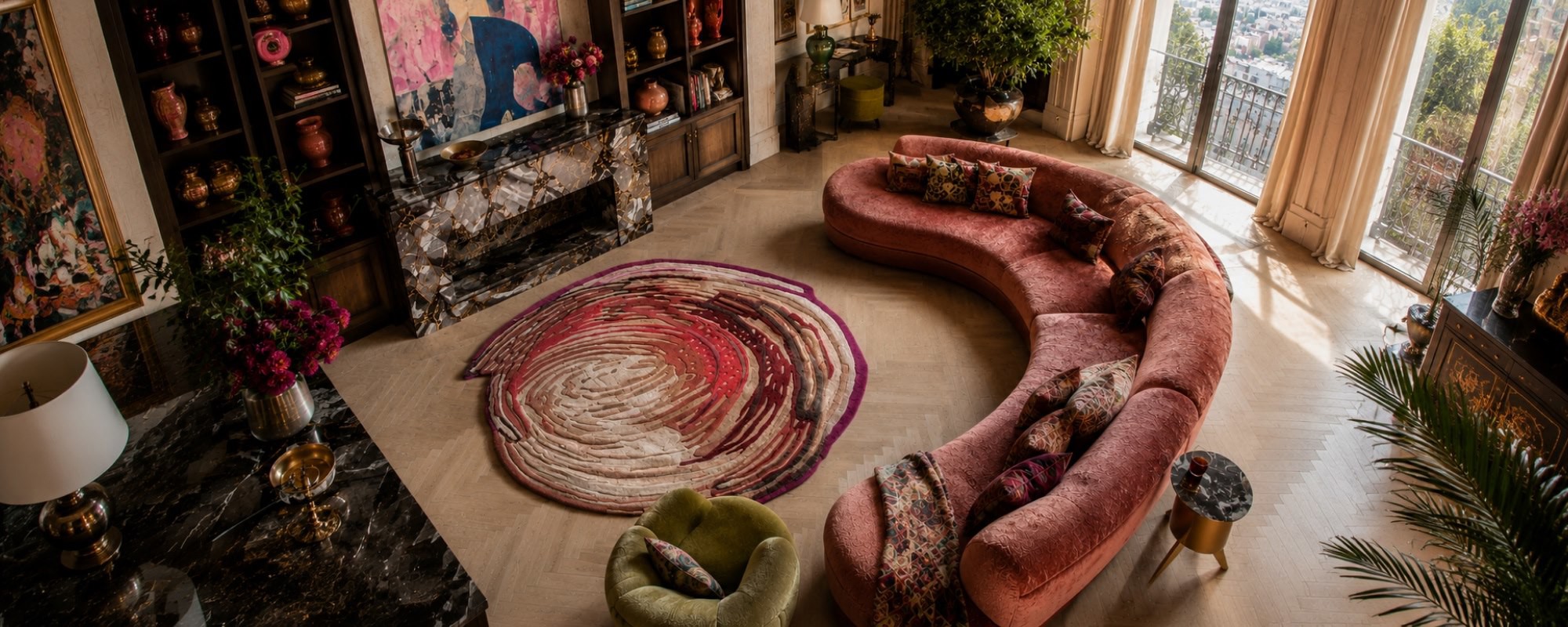
3D Rugs and Sculpted Pile: The Tactile Design Trend Redefining Floors in 2026
The rug used to finish a room. Now it starts one. 3D rugs and sculpted piles are bringing real depth and tactile texture to interiors, from hand knotted relief patterns to optical illusion designs that stop you mid-step. This is what the trend is, why it matters, and how to buy it well.
Read Article →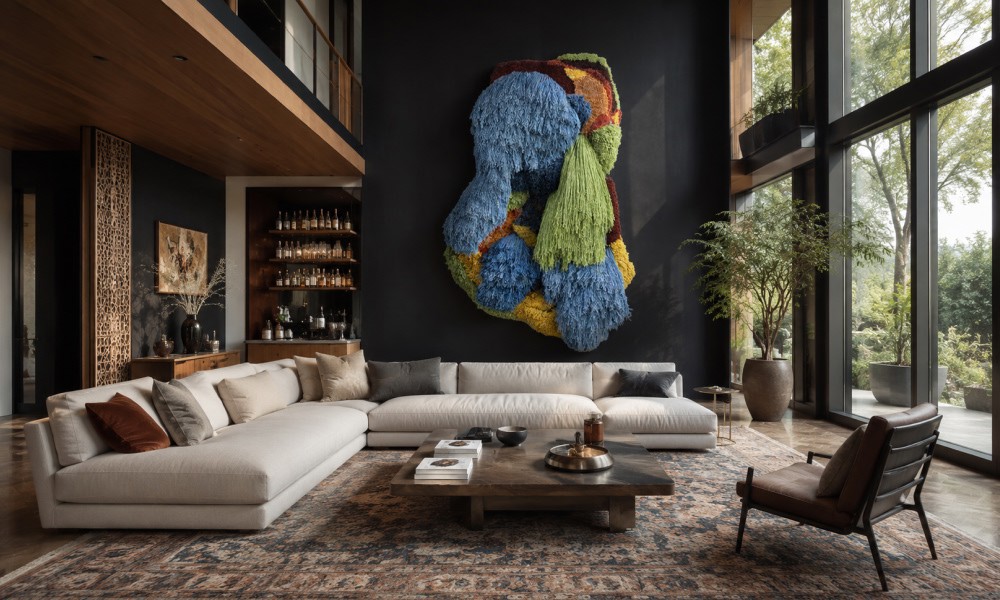
-
10 July 2026
- ∙
-
10 Min Read
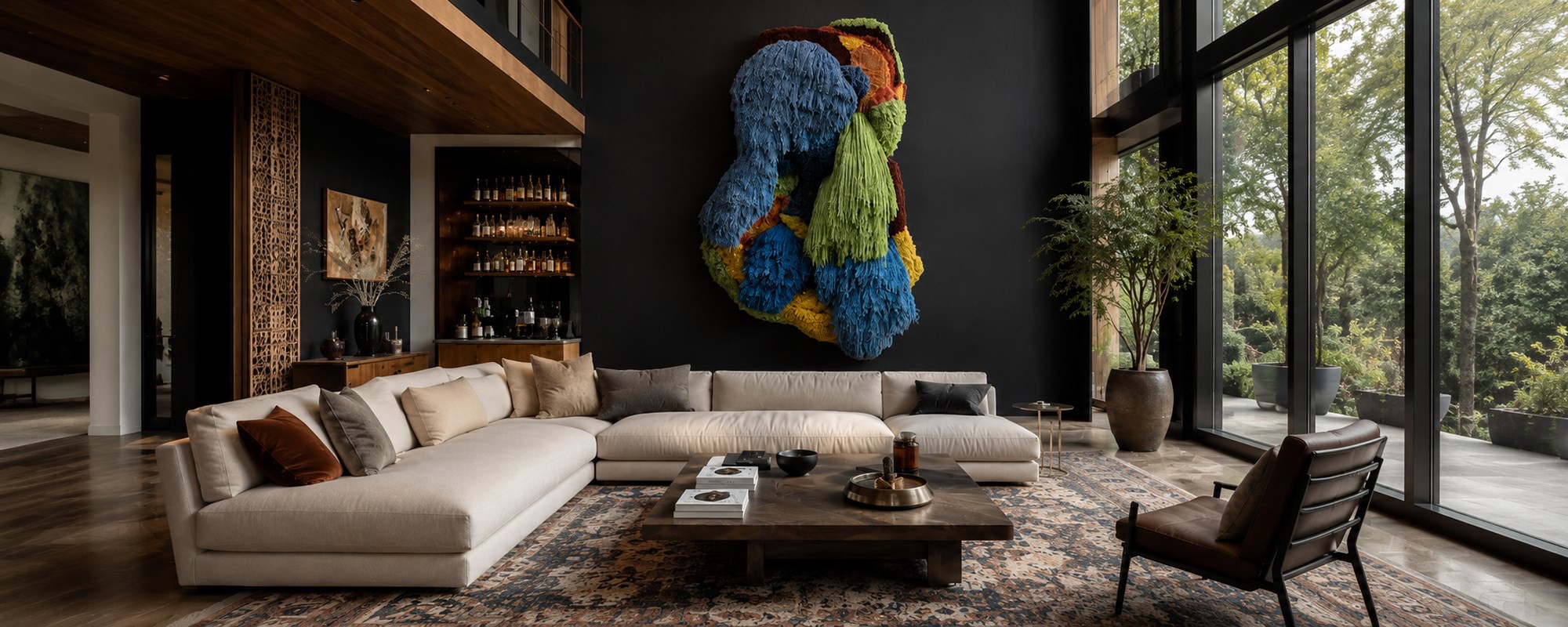
How to Pair Indian Wall Art with the Right Rug Pattern: A Room-by-Room Guide
Choosing the right rug to go with your Indian wall art does not have to be guesswork. This guide breaks it down room by room, from the living room to the bathroom and outdoor spaces. Learn how to match colors, patterns, and scale so your wall art and rug always feel like they belong together.
Read Article →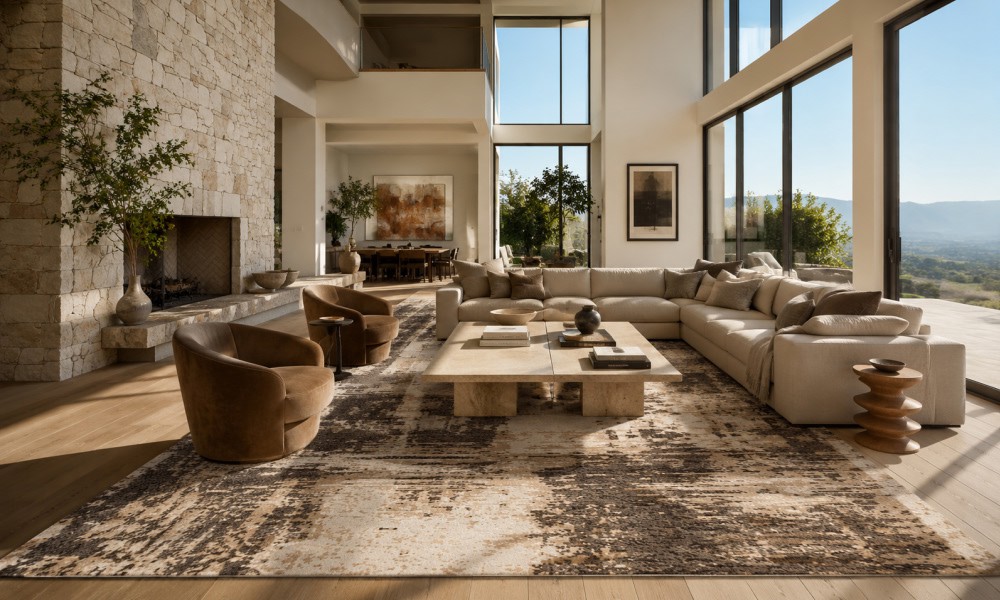
-
07 July 2026
- ∙
-
9 Min Read
How to Tell If a Rug Is Handmade: 7 Signs Experts Look For (Abrash Is One of Them)
Wondering how to know if a rug is handmade? Get an overview of 7 key characteristics that will help you identify if a rug is truly handmade and learn about its differences compared to machine-made rugs, and why they do not lose their value. Here is what to keep in mind when buying a handmade rug.
Read Article →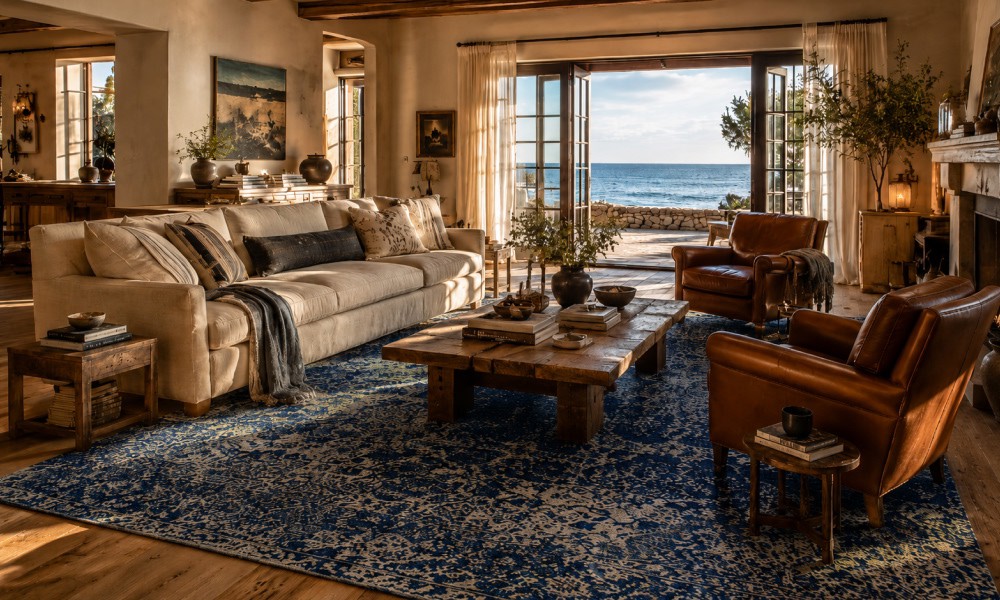
-
04 July 2026
- ∙
-
8 Min Read
Coastal Grandmother Is Evolving: The 2026 "Coastal Heritage" Aesthetic and the Rugs That Define It
The coastal grandmother design is progressing into something new and exciting by 2026. Coastal Heritage introduces texture, craftsmanship, and handmade elements to this popular design style. Here are the various rug types, colors, and decorating ideas to know about this classic coastal design trend.
Read Article →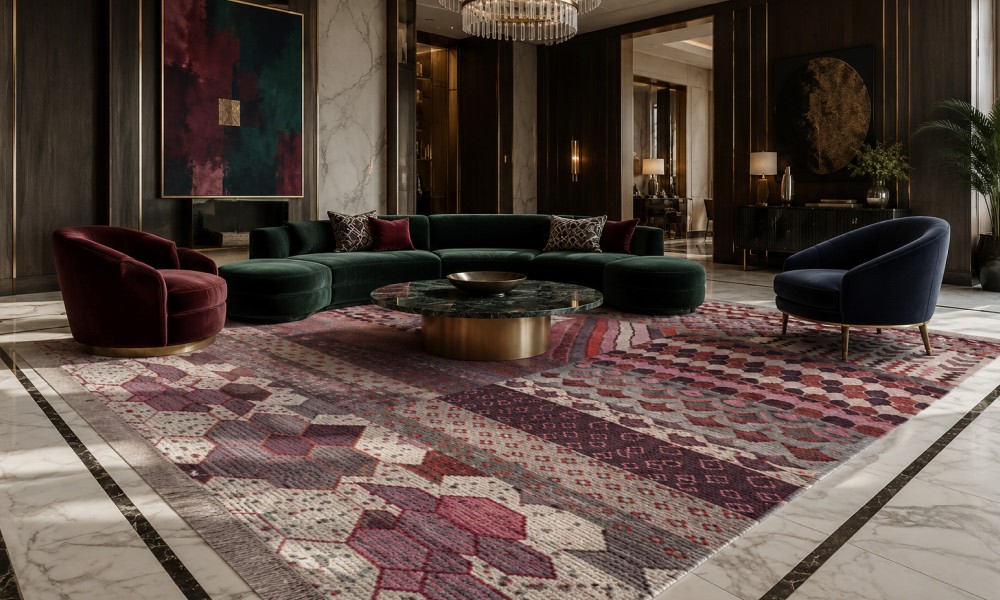
-
22 June 2026
- ∙
-
6 Min Read
Why Top Interior Designers are Switching to Indian Handmade Rugs
High-end interior designers have begun using handmade carpets from India in place of machine-made carpets to enhance their design portfolios and ensure product longevity. The following guide will help you understand why design professionals prefer Jaipur Rugs for creating customized, ethically produced wool-and-bamboo-silk carpet designs for luxurious homes.
Read Article →