You are on our International website. Please select your region to see content specific for your location





 Profile
 Orders
 Wishlist
 Change Password
 Logout


Latest Blogs
ideas and inspiration
The Most Luxuriously Soft Rug Materials in 2026
- 12 November 2024
- |
- 5 Min Read
- |
- By Jaipur Rugs
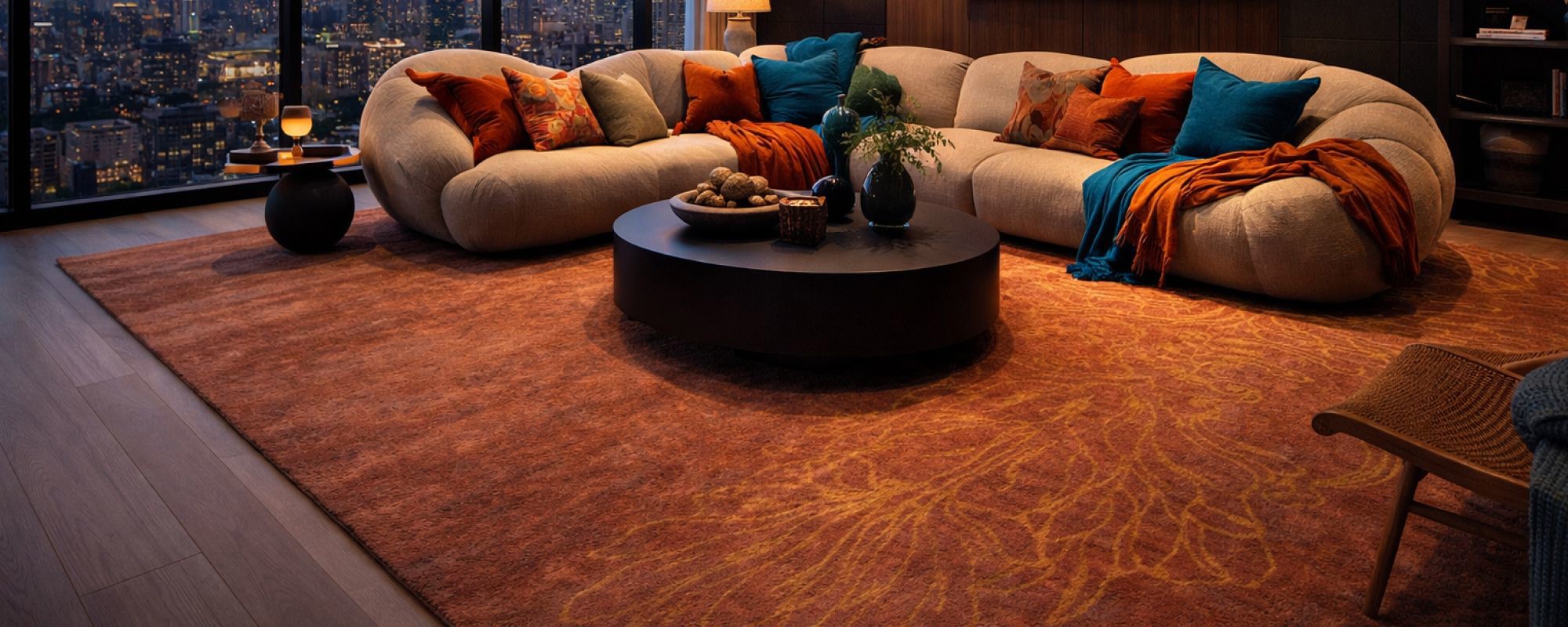
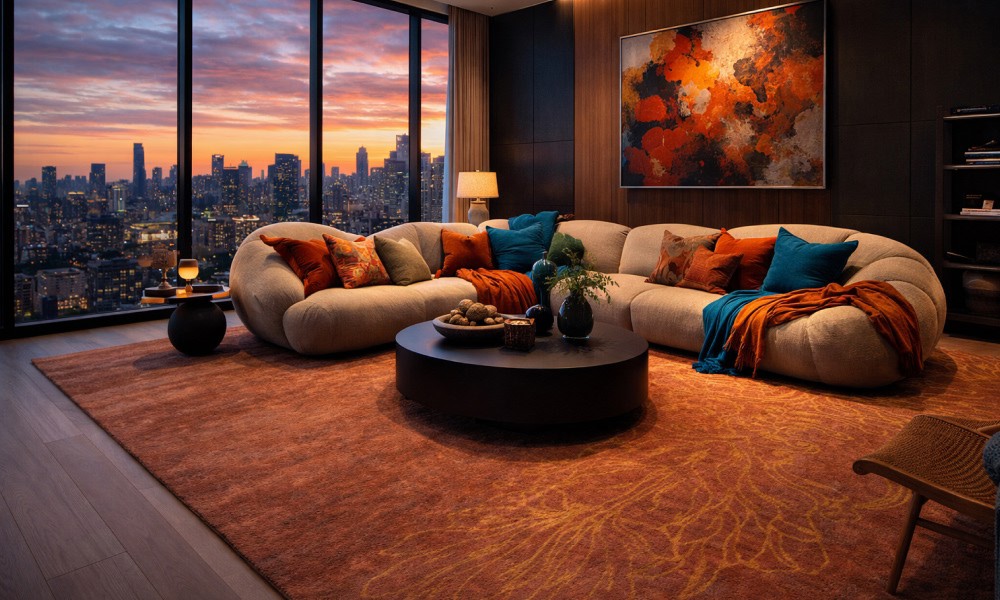
In 2026, the softest rugs are defined by fiber, not fantasy. Fine New Zealand wool, premium silk, afghan wool-infused blends, and next-gen plant fibers are now the benchmark for underfoot comfort. These softest rug materials are chosen for how they compress, recover, and age under daily use, revealing why softness has become a measurable design decision rather than a decorative preference. Keep on reading to know it all!
In 2026, the conversation about rugs is no longer just about pattern or size; it’s about sensory comfort as an architectural material. Contemporary interiors are embracing softness not as a luxury add-on but as a functional design imperative, a way to shape acoustics, invite pause, and calibrate emotional tone within living spaces. The year’s most coveted rug materials are defined by how they interact with body and light, how they age with use, and how they align with broader shifts in wellness-focused homes, texture-driven minimalism, and tactile luxury.
This guide breaks down the most luxuriously soft rug materials in 2026, explaining not just what feels good underfoot but why these choices matter in the way we live, move, and rest in our homes.
What Is the Softest Rug Material for Modern Homes?
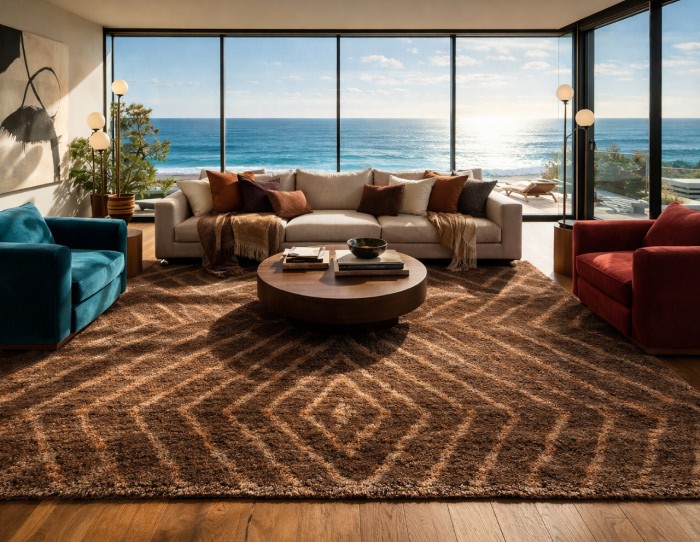
Wool remains the benchmark for soft rug materials in 2026 because it delivers lasting softness without compromising resilience. While other fibers may feel softer at first touch, true comfort depends on how a rug performs under daily use, foot traffic, and the passage of time.
Here’s how the most common rug materials compare when softness, durability, and real-life performance are considered together:
-
Wool: Naturally elastic and insulating, wool rugs offer a plush, spring-backed feel that recovers quickly, making it the most dependable choice for everyday softness.
-
Silk: Exceptionally smooth and refined, silk Persian rugs provide unmatched tactile luxury but are better suited to low-traffic spaces due to their delicate structure.
-
Cotton blends: Soft and breathable underfoot, cotton carpets deliver casual comfort but compress faster and lack long-term resilience.
-
Synthetic fibers: Designed to imitate softness, synthetics like viscose rugs feel pleasant but struggle to maintain texture and integrity over time.
Why the Rug Material Matters More Than Design in 2026
In 2026, rug material matters more than design because it determines how a space behaves acoustically, physically, and emotionally long after visual novelty fades.
Design trends move fast. Materials don’t. As interiors shift toward sensory restraint and lived-in realism, designers are prioritizing how a rug responds to pressure, sound, climate, and time. A visually striking modern rug loses relevance the moment it pills, flattens, or amplifies noise. Material choice, on the other hand, continues to influence daily experience in ways patterns never can.
Here’s what material selection controls in modern interiors, beyond surface appearance:
-
Underfoot response: Fibers like wool and high-grade natural blends compress and recover, supporting the body rather than collapsing under movement.
-
Acoustic behavior: Dense, soft materials reduce echo and footfall noise, a growing priority in open-plan and apartment living.
-
Thermal regulation: Natural fibers adapt to temperature shifts, remaining neutral rather than reactive across seasons.
-
Aging pattern: Quality materials develop character through use, while poor fibers degrade visually and texturally within months.
-
Maintenance reality: Material dictates how a handmade rug handles friction, cleaning, and daily exposure, far more than surface design ever could.
In 2026 interiors, visual identity is increasingly stable, while physical comfort is where experimentation happens. This is why designers now start with fiber, not pattern. The living room rug is no longer judged at first glance, but after years of contact.
That’s the quiet shift redefining how area rugs and carpets are chosen right now.
Softest Rugs for Living Rooms vs Bedrooms: What Changes?
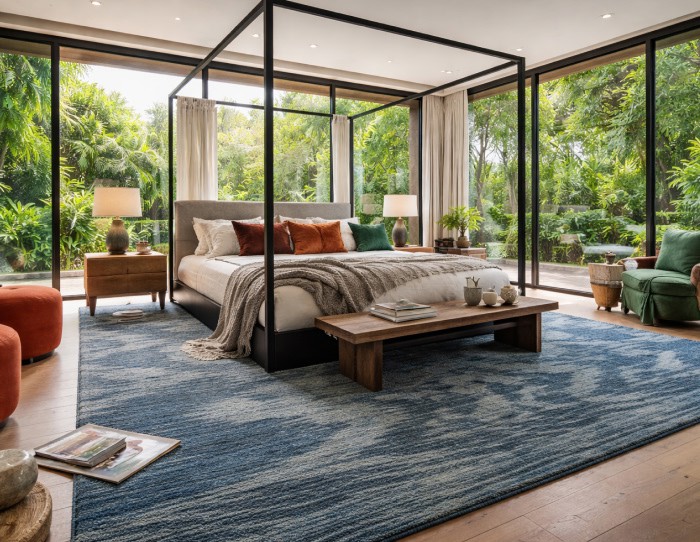
The softest rug materials for your living room and bedroom differ based on the needs of each space. While softness is important in both, practicality plays a larger role in the living room.
-
Living rooms: Wool’s durability and soft texture make it an excellent choice for living rooms, where the rug will face heavy use. High-pile afghan wool rugs provide comfort without sacrificing durability.
-
Bedrooms: For a truly indulgent experience, silk or shaggy hand knotted rugs can transform a bedroom into an unforgettable retreat. These materials provide the softest feel underfoot and create a serene environment.
Your choice will depend on the room’s function: living rooms need a durable soft rug, while bedrooms can indulge in luxury softness.
High Pile vs Low Pile Rugs: Which Actually Feels Softer Underfoot?
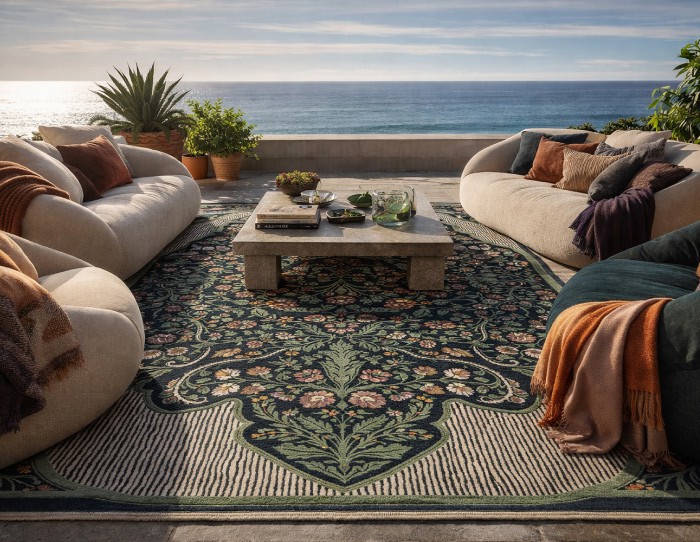
Pile height significantly impacts how a handmade rug feels. Higher piles offer an unmatched softness, while lower piles focus on durability and easy maintenance.
-
High-pile rugs: These designer rugs offer luxurious softness underfoot, providing a plush feel in bedrooms or low-traffic areas.
-
Low-pile rugs: While less soft, low-pile flatweave rugs are more durable, easier to clean, and better for high-traffic areas.
For a truly soft feel underfoot, high-pile rugs are superior. However, low-pile rugs are the practical choice when durability is paramount.
Summing Up...
Choosing the softest rug material is about enhancing your everyday experience at home. Whether you opt for the resilience of wool, the luxurious smoothness of silk, or a blend of fibers that balances softness and durability, the right handmade rug can create a comfortable, welcoming atmosphere that improves the functionality of your space. With the materials we’ve outlined here, you can confidently select the perfect rug to suit both your comfort needs and lifestyle.
We will be back with another blog soon.
Till then, stay tuned and explore Jaipur Rugs!
FAQs
What is the softest rug material?
Fine-grade wool is widely recognized as the softest rug material. Its natural elasticity allows fibers to compress underfoot and rebound quickly, maintaining a plush feel even after daily use, while silk and other smoother fibers lose resilience faster.
Why do some rugs feel soft at first but harden later?
Some rugs feel soft initially due to loose pile or surface finishing, but over time, low fiber recovery and repeated foot traffic cause the fibers to flatten. This makes the rug feel firmer and less comfortable despite its initial softness.
Are silk rugs softer than wool rugs?
Silk rugs feel smoother to the touch but are not functionally softer than wool. Silk compresses under weight and wears down quickly, whereas wool maintains its bounce and softness even under repeated use and high traffic.
Which rug materials stay soft in high-traffic areas?
High-quality wool stands out in high-traffic areas. Its natural crimp and recovery allow the fibers to maintain cushioning and texture, making it far more resilient than silk, cotton, or many synthetic alternatives in spaces with constant use.
Are hand knotted rugs softer than flatweave rugs?
Yes. Hand knotted rugs typically feel softer because they allow higher pile density and tighter fiber control. Flatweave rugs prioritize structure and durability, resulting in a firmer texture that lacks the plush softness of hand-knotted pieces.
Does rug softness affect acoustics and comfort?
Absolutely. Denser, softer rugs absorb sound and reduce floor vibration. This improves overall room comfort while also subtly enhancing the feel of the space underfoot, making both large and small rooms feel more balanced and pleasant.


Pic Credits
Jaipur rugs / Abil Dase
Share
-
 Facebook
-
 Twitter
-
 Email
Email
Related Posts
-
15 July 2026
- ∙
-
8 Min Read
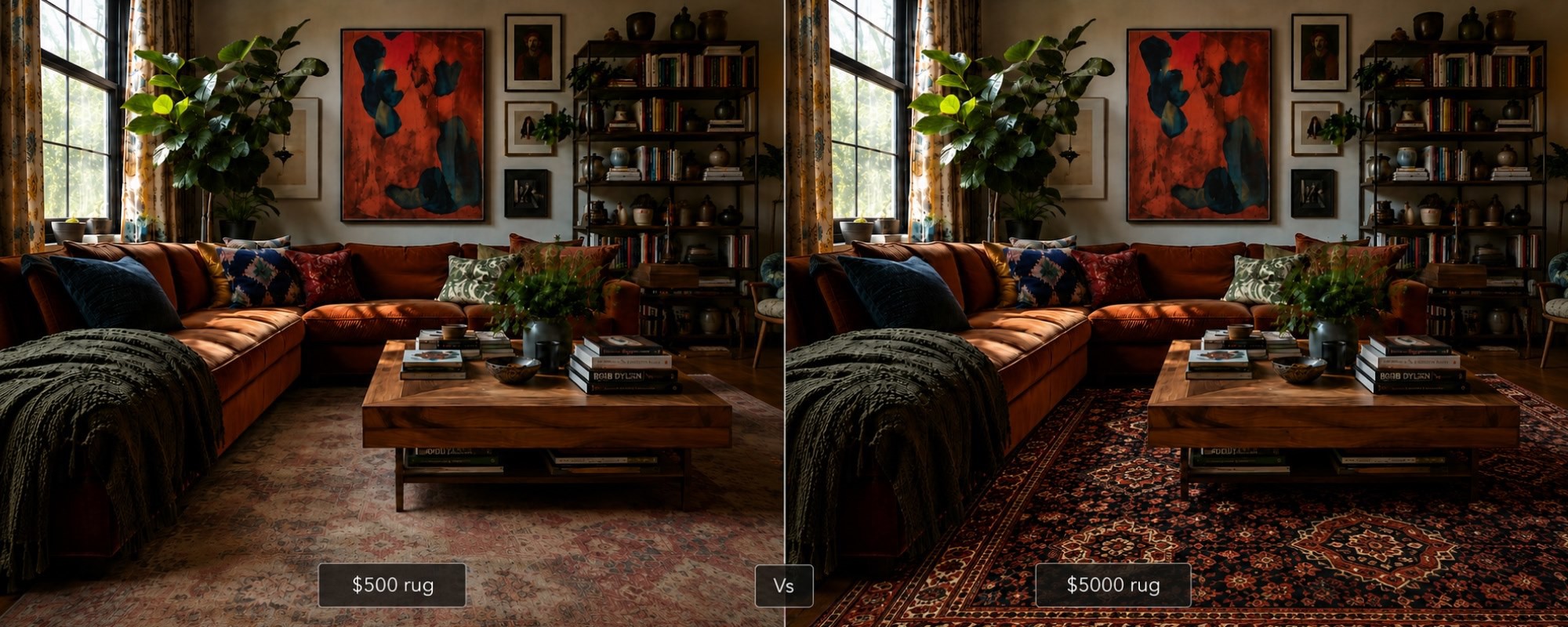
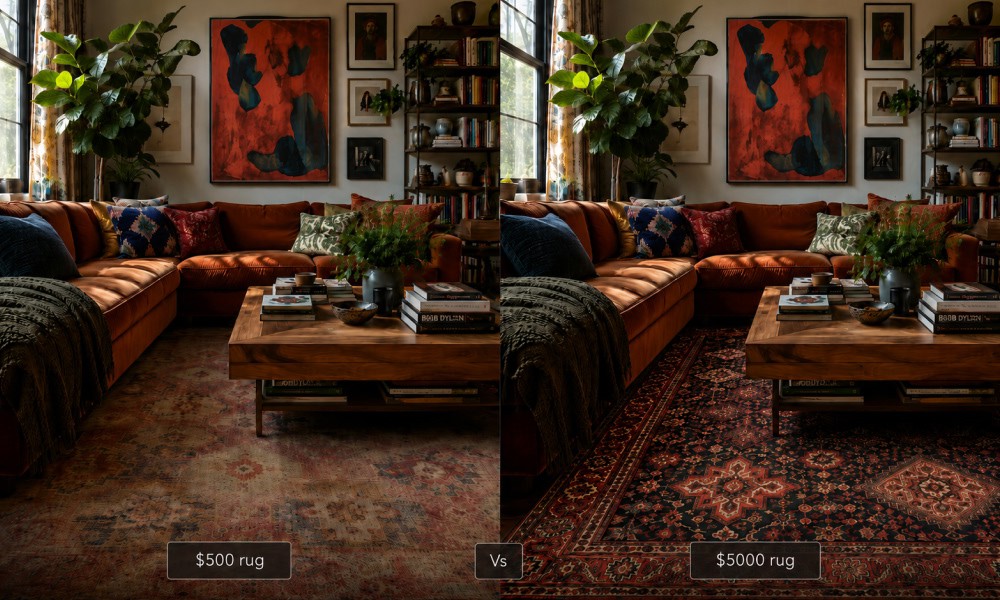
The $500 vs $5,000 Rug: An Honest Side-by-Side That No Brand Will Show You
Why do some rugs cost ten times more than others? This honest side-by-side looks at what actually separates a $500 rug from a $5,000 one: knot density, fiber quality, pile depth, and finishing. No brand bias, no marketing language. Just a clear breakdown to help you decide which one is worth it for your space and budget.
Read Article →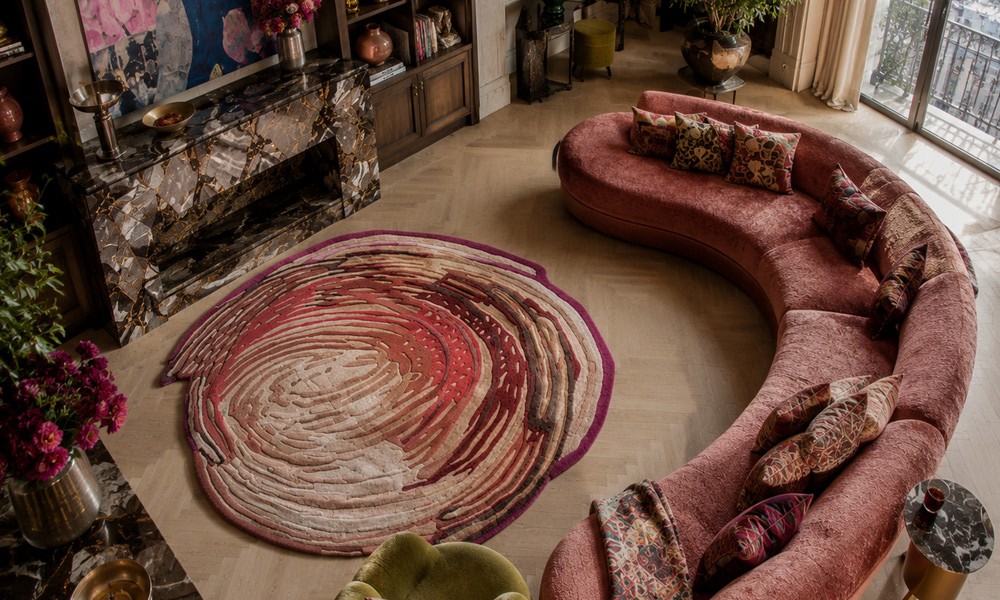
-
14 July 2026
- ∙
-
13 Min Read
3D Rugs and Sculpted Pile: The Tactile Design Trend Redefining Floors in 2026
The rug used to finish a room. Now it starts one. 3D rugs and sculpted piles are bringing real depth and tactile texture to interiors, from hand knotted relief patterns to optical illusion designs that stop you mid-step. This is what the trend is, why it matters, and how to buy it well.
Read Article →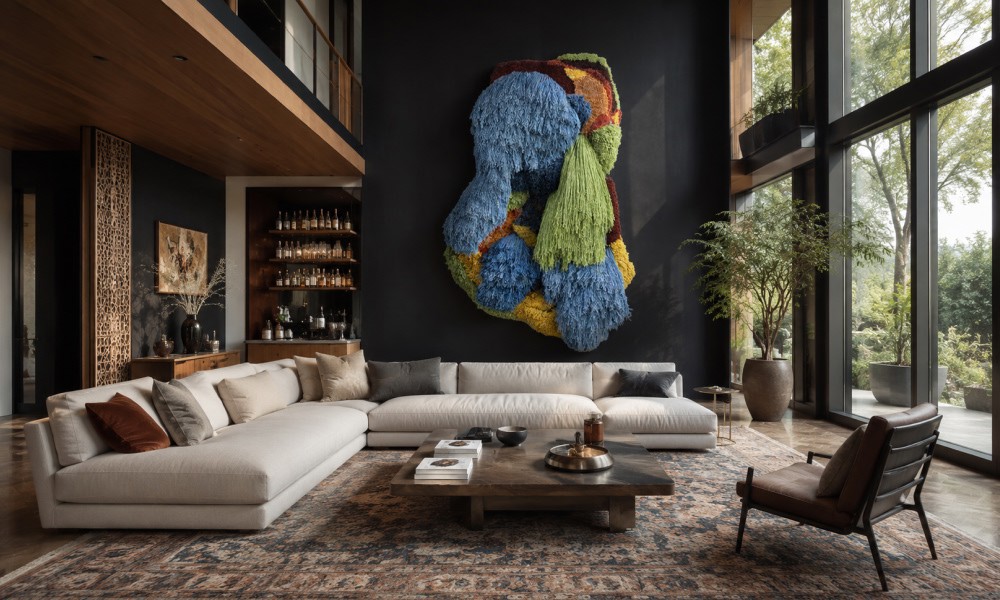
-
10 July 2026
- ∙
-
10 Min Read
How to Pair Indian Wall Art with the Right Rug Pattern: A Room-by-Room Guide
Choosing the right rug to go with your Indian wall art does not have to be guesswork. This guide breaks it down room by room, from the living room to the bathroom and outdoor spaces. Learn how to match colors, patterns, and scale so your wall art and rug always feel like they belong together.
Read Article →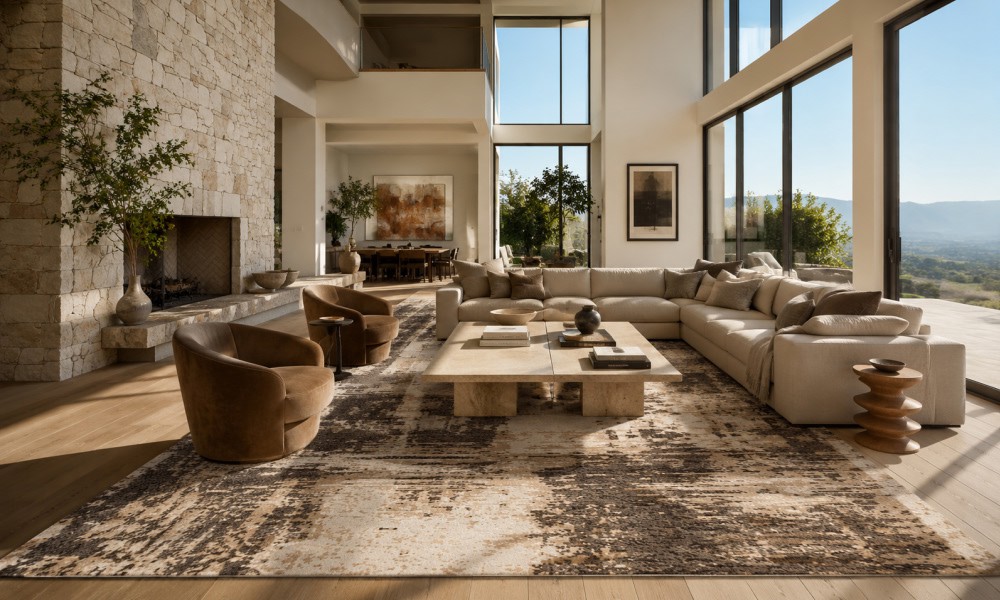
-
07 July 2026
- ∙
-
9 Min Read
How to Tell If a Rug Is Handmade: 7 Signs Experts Look For (Abrash Is One of Them)
Wondering how to know if a rug is handmade? Get an overview of 7 key characteristics that will help you identify if a rug is truly handmade and learn about its differences compared to machine-made rugs, and why they do not lose their value. Here is what to keep in mind when buying a handmade rug.
Read Article →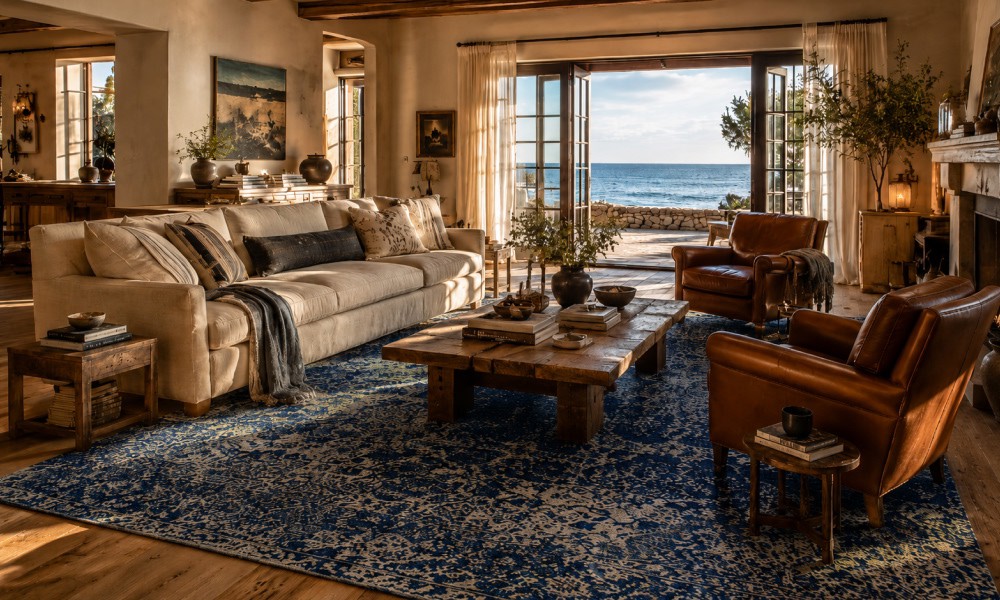
-
04 July 2026
- ∙
-
8 Min Read
Coastal Grandmother Is Evolving: The 2026 "Coastal Heritage" Aesthetic and the Rugs That Define It
The coastal grandmother design is progressing into something new and exciting by 2026. Coastal Heritage introduces texture, craftsmanship, and handmade elements to this popular design style. Here are the various rug types, colors, and decorating ideas to know about this classic coastal design trend.
Read Article →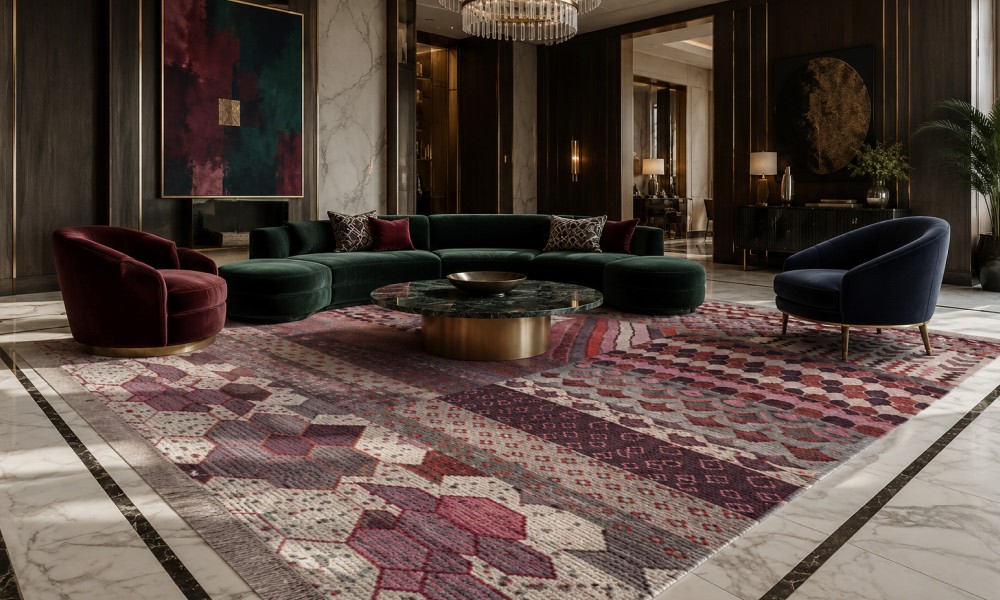
-
22 June 2026
- ∙
-
6 Min Read
Why Top Interior Designers are Switching to Indian Handmade Rugs
High-end interior designers have begun using handmade carpets from India in place of machine-made carpets to enhance their design portfolios and ensure product longevity. The following guide will help you understand why design professionals prefer Jaipur Rugs for creating customized, ethically produced wool-and-bamboo-silk carpet designs for luxurious homes.
Read Article →