You are on our International website. Please select your region to see content specific for your location





 Profile
 Orders
 Wishlist
 Change Password
 Logout


Latest Blogs
ideas and inspiration
How to Layer Rugs? Latest Layering Rug Ideas You Can't Miss!
- 04 July 2020
- |
- 4 Min Read
- |
- By Jaipur Rugs
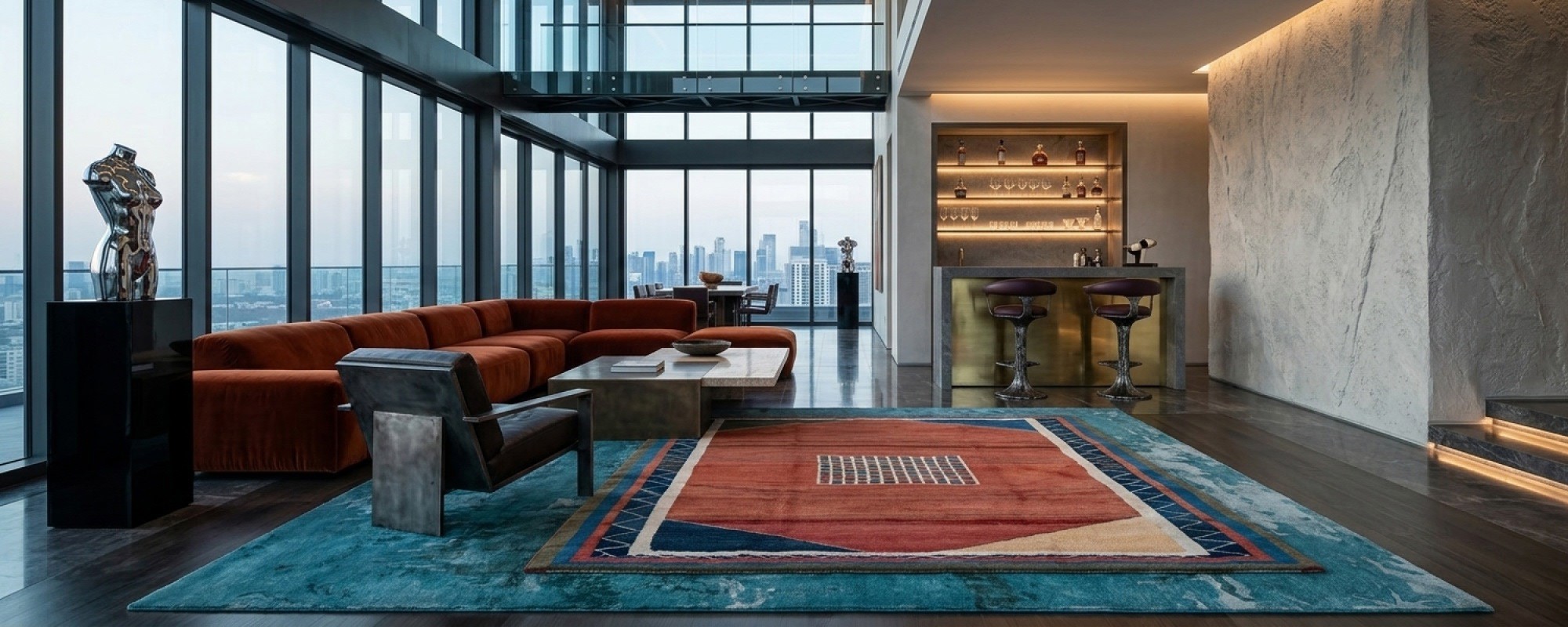
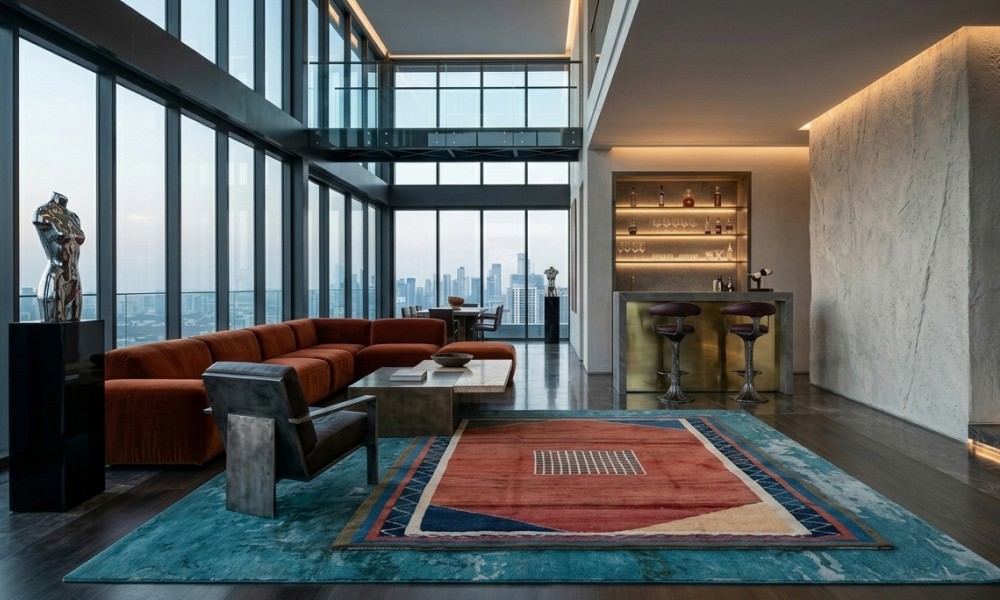
You’ve seen it. That casually styled home that looks expensive without trying. Nothing flashy. Nothing loud. Yet everything feels intentional. The secret is underfoot. Experts are layering rugs to create depth, define spaces, and make rooms feel styled rather than staged. Once you notice it, you’ll see the pattern everywhere. This guide decodes the entire trick.
The Floor Is Doing More Talking Than the Walls.
A single rug in a large room often looks stranded. A small rug in a busy room looks apologetic. And a perfectly centered rug can make a space feel staged rather than lived in.
That’s why designers are doubling up.
Layering rugs changes how a room reads. It builds visual weight where furniture floats, softens echo-heavy spaces, and creates clear zones without adding walls. More importantly, it makes a room feel assembled with intent instead of filled as an afterthought.
Most people buy a designer handmade rug and stop there.
Designers don’t.
They build the floor in layers.
Why Designers Layer Rugs Instead of Relying on One
Using one designer abstract rug is easy. Making it work hard is not. Layering rugs solves layout problems that a single piece cannot.
Layered rugs offer you more than you think:
-
It anchors scattered furniture in oversized living rooms.
-
It creates activity zones in open layouts without physical dividers.
-
It reduces sound bounce in rooms with hard flooring.
-
It adds surface variation, preventing spaces from feeling flat.
-
It allows seasonal updates without replacing the primary rug.
One designer rug decorates.
Layered rugs organize.
That distinction changes how a room functions.
How to Layer Rugs Properly Without Making the Room Look Cluttered?
There is a clear difference between intentional layering and visual mess. The structure underneath decides the outcome.
Follow these practical rules:
-
The base area rug should be noticeably larger to visually ground the setup.
-
Neutral rugs or low-pattern base prevent competition with the top layer.
-
The top rug should sit under key furniture pieces, not float randomly.
-
Leave visible borders of the base rug to create a framed composition.
-
If both rugs have patterns, one must be visually quieter.
Think in terms of hierarchy.
One rug supports. The other leads.
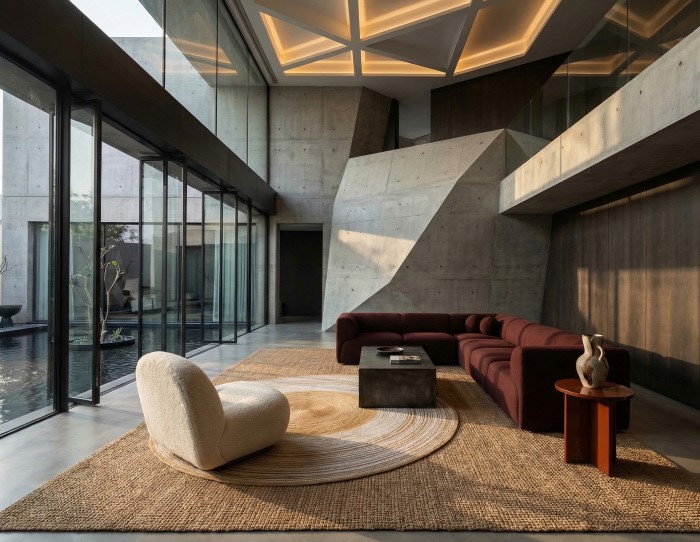
The Rug Layering Styles Designers Are Using Right Now
Safe coordination has given way to controlled contrast. Rooms now feel collected rather than matched.
Popular approaches include:
-
Natural fiber rug base paired with faded vintage styles for contrast.
-
Oversized neutral foundations layered with graphic rug patterns for depth.
-
Subtle tone-on-tone layering using different textures within one palette.
-
Minimal bases topped with expressive statement hand knotted rugs.
-
Flatwoven rugs paired with thicker piles for surface variation.
Studied contrast looks intentional.
Perfect matching looks cautious.
Homes are leaning toward character.
Layering Rugs by Room: What Actually Works?
Every room handles movement differently. Rug placement must respect that.
Living Room
-
Use a large rug base that connects all seating.
-
Add a smaller rug under the center table to define the main interaction zone.
-
Works especially well in open layouts where furniture floats.
Bedroom
-
Place a wide base rug beneath the lower two-thirds of the bed.
-
Layer a smaller textured rug at the foot for tactile contrast.
-
Helps visually anchor large beds.
Dining Room
-
The base rug must extend beyond the chair's movement range.
-
Avoid thick upper layers that destabilize furniture.
-
Subtle layering works best here.
Entryway
-
Pair a durable foundation rug with a patterned accent layer.
-
Defines the threshold without overcrowding narrow spaces.
Studio Layouts
-
Use rug layers to signal separate zones within a single room.
-
Prevents the space from feeling visually fragmented.
Layering should support movement patterns, not interrupt them.
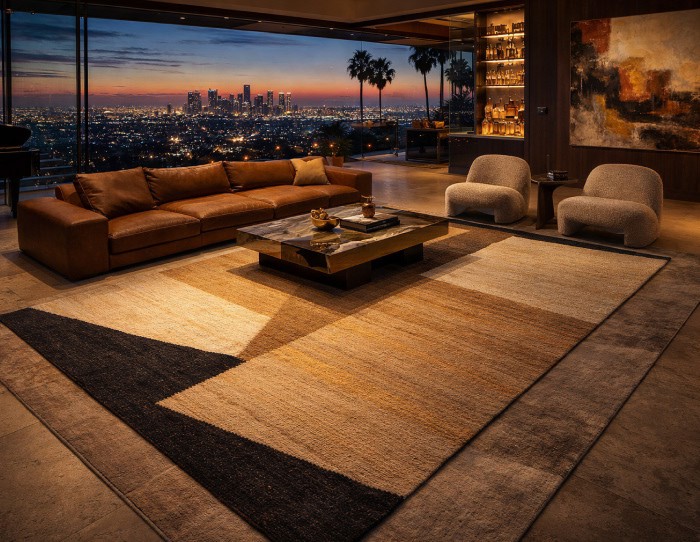
Best Material Pairings for Rug Layering
Material contrast carries the entire composition. Without it, layers blur together.
Reliable combinations include:
-
Natural jute foundations paired with wool rugs for grip and comfort
-
Flatwoven cotton rugs layered with dense pile rugs for surface contrast
-
Low-profile wool rugs topped with hide rugs for sharper visual breaks
-
Textured handwoven bases layered with vintage rug pieces for character depth.
-
Weather-resistant outdoor rugs layered with patterned flatweaves for patios.
Natural fiber bases stabilize the structure.
Top layers introduce visual interest.
The balance prevents bulkiness.
Mistakes That Make Rug Layering Look Accidental
Even expensive hand tufted rugs can look poorly placed if proportions are ignored.
Avoid these errors:
-
Using rugs of nearly identical size, which creates visual confusion.
-
Floating rugs without anchoring them to furniture.
-
Pairing multiple loud patterns that compete for focus.
-
Overlapping thick rugs that create uneven walking surfaces.
-
Ignoring palette harmony between layers.
If the eye doesn’t know where to settle, the layout fails.
Clarity beats excess.
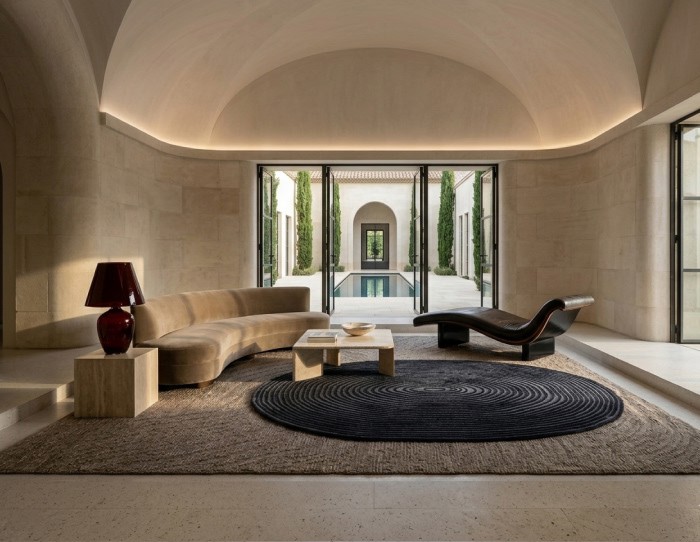
Smart Layering Tricks for Smaller Spaces
Compact rooms benefit from layering when proportions are controlled carefully.
Design-aware techniques include:
-
Angling a top rug slightly to disrupt rigid room lines.
-
Using lighter base rugs to visually open the floor area.
-
Partially layering one rug corner instead of full overlaps.
-
Placing runners over larger rugs to extend perceived room length.
-
Creating mini-zones through subtle layering shifts.
Layering in small rooms should feel deliberate, not crowded.
Precision matters more than quantity.
Summing Up..
Layering rugs is less about decoration and more about spatial logic. It connects furniture, softens acoustics, and introduces surface contrast that single rugs cannot achieve alone.
When proportions, placement, and materials align, layered rugs make a room feel structured rather than scattered.
Floors stop being passive surfaces.
They start carrying visual weight.
We will be back with another exciting blog soon!
Till then, stay tuned and explore Jaipur Rugs.


Pic Credits
Jaipur rugs / Abil Dase
Share
-
 Facebook
-
 Twitter
-
 Email
Email
Related Posts
-
15 July 2026
- ∙
-
8 Min Read
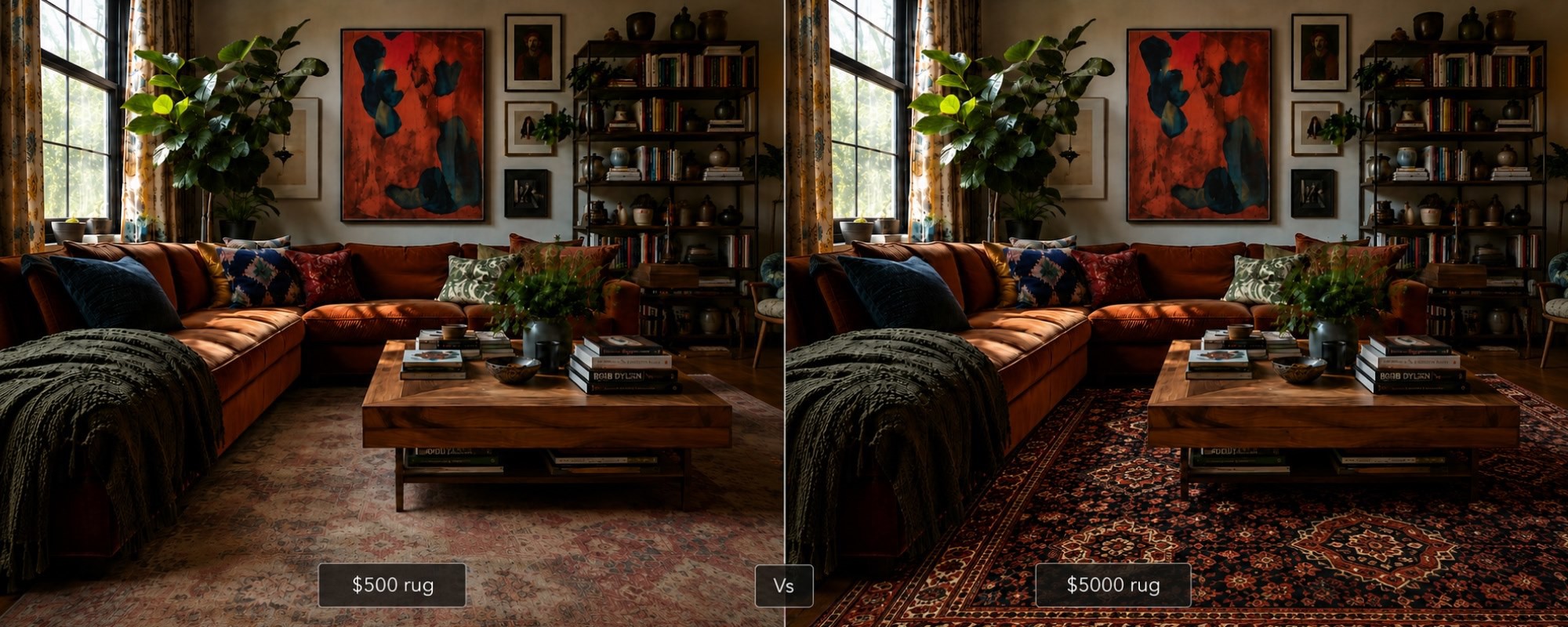
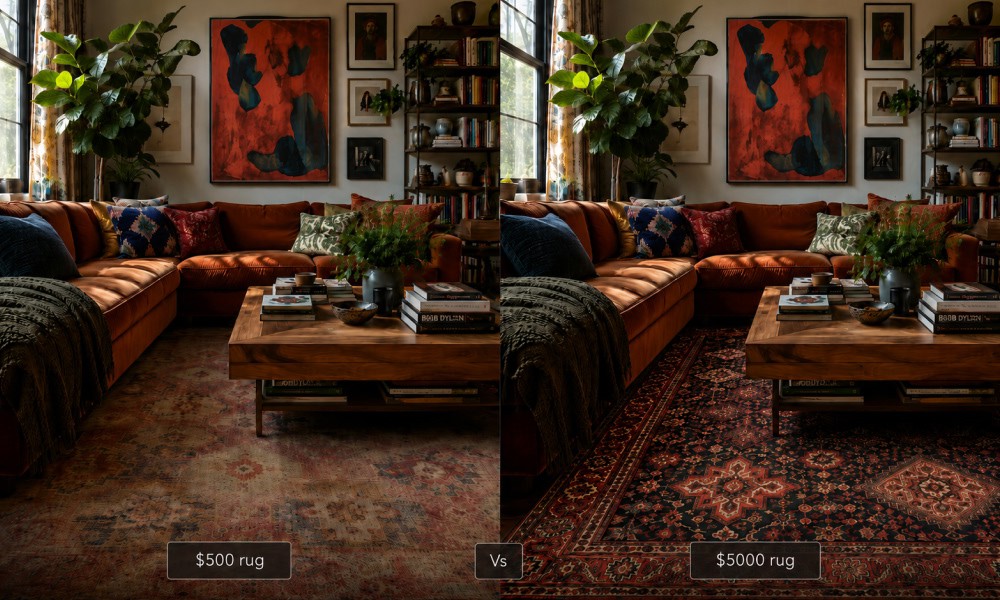
The $500 vs $5,000 Rug: An Honest Side-by-Side That No Brand Will Show You
Why do some rugs cost ten times more than others? This honest side-by-side looks at what actually separates a $500 rug from a $5,000 one: knot density, fiber quality, pile depth, and finishing. No brand bias, no marketing language. Just a clear breakdown to help you decide which one is worth it for your space and budget.
Read Article →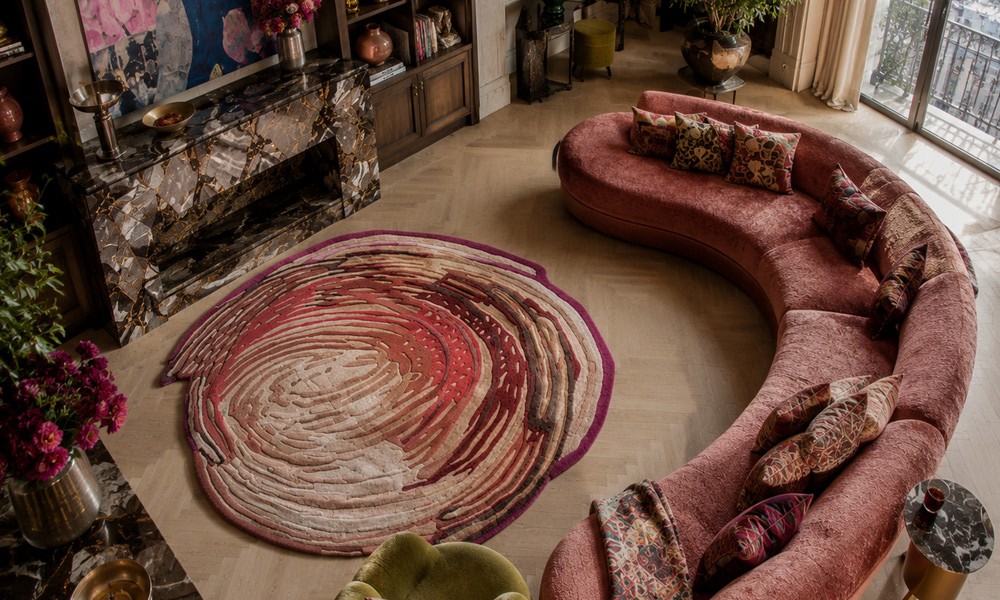
-
14 July 2026
- ∙
-
13 Min Read
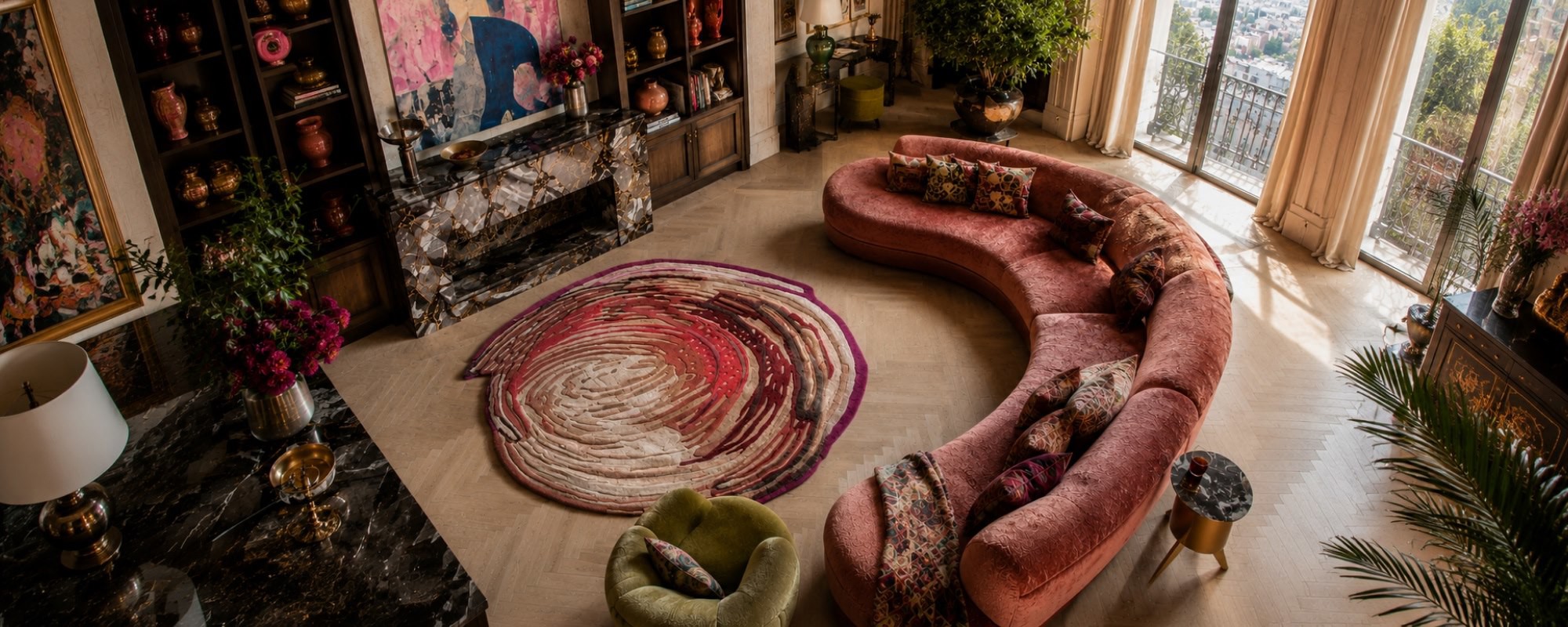
3D Rugs and Sculpted Pile: The Tactile Design Trend Redefining Floors in 2026
The rug used to finish a room. Now it starts one. 3D rugs and sculpted piles are bringing real depth and tactile texture to interiors, from hand knotted relief patterns to optical illusion designs that stop you mid-step. This is what the trend is, why it matters, and how to buy it well.
Read Article →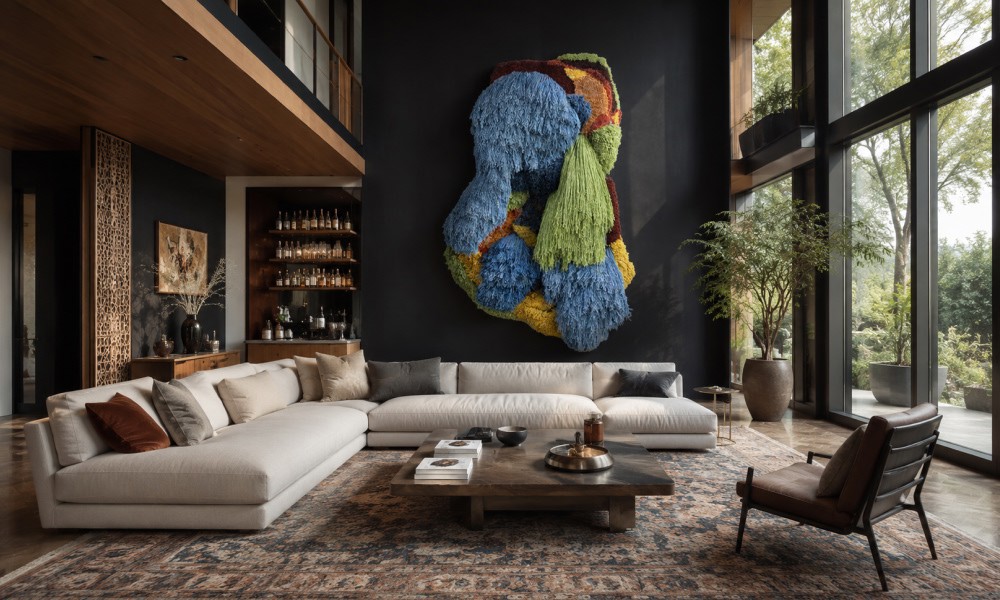
-
10 July 2026
- ∙
-
10 Min Read
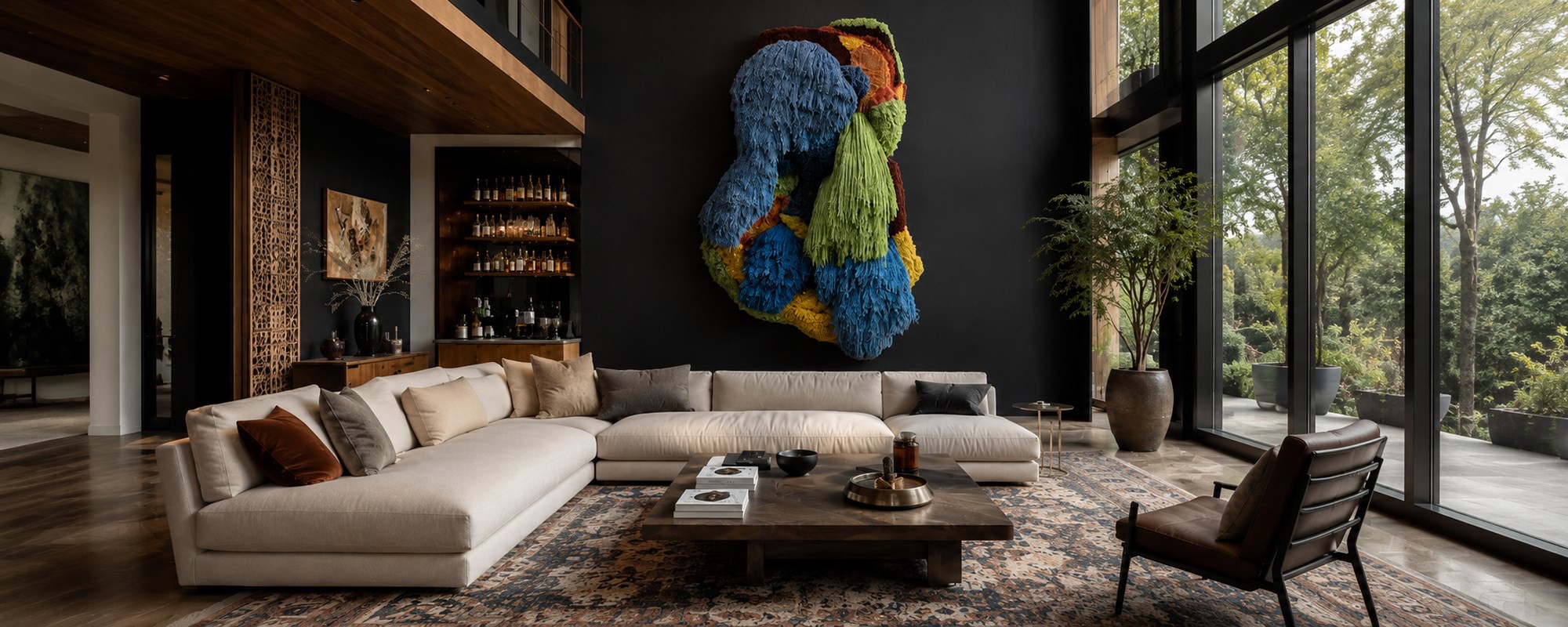
How to Pair Indian Wall Art with the Right Rug Pattern: A Room-by-Room Guide
Choosing the right rug to go with your Indian wall art does not have to be guesswork. This guide breaks it down room by room, from the living room to the bathroom and outdoor spaces. Learn how to match colors, patterns, and scale so your wall art and rug always feel like they belong together.
Read Article →
-
07 July 2026
- ∙
-
9 Min Read
How to Tell If a Rug Is Handmade: 7 Signs Experts Look For (Abrash Is One of Them)
Wondering how to know if a rug is handmade? Get an overview of 7 key characteristics that will help you identify if a rug is truly handmade and learn about its differences compared to machine-made rugs, and why they do not lose their value. Here is what to keep in mind when buying a handmade rug.
Read Article →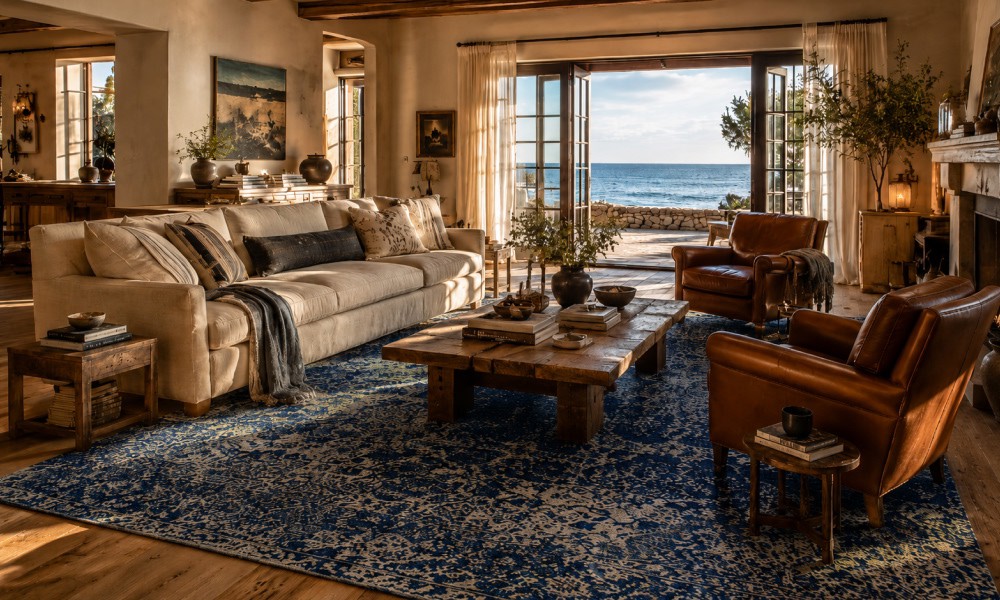
-
04 July 2026
- ∙
-
8 Min Read
Coastal Grandmother Is Evolving: The 2026 "Coastal Heritage" Aesthetic and the Rugs That Define It
The coastal grandmother design is progressing into something new and exciting by 2026. Coastal Heritage introduces texture, craftsmanship, and handmade elements to this popular design style. Here are the various rug types, colors, and decorating ideas to know about this classic coastal design trend.
Read Article →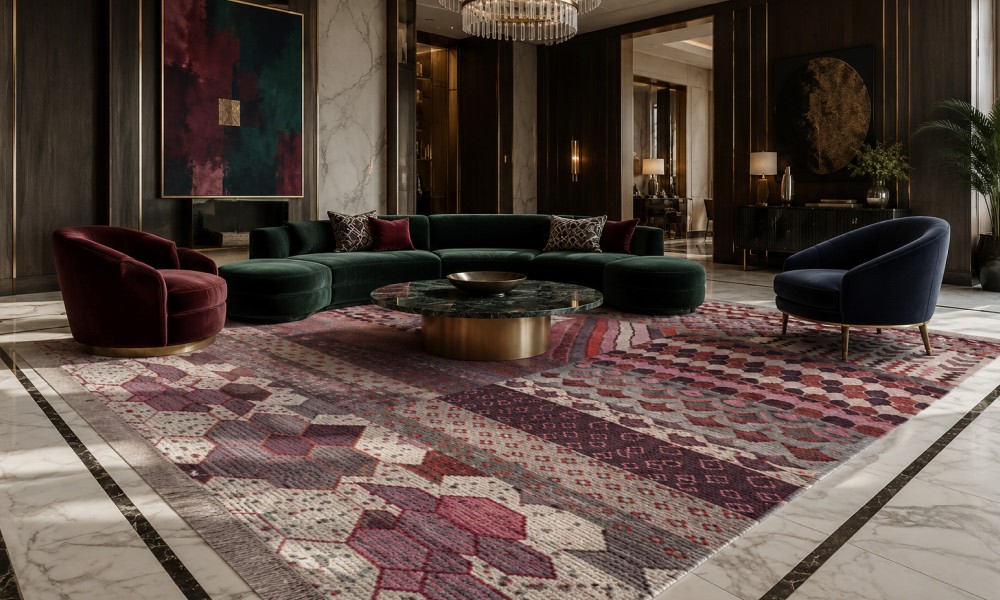
-
22 June 2026
- ∙
-
6 Min Read
Why Top Interior Designers are Switching to Indian Handmade Rugs
High-end interior designers have begun using handmade carpets from India in place of machine-made carpets to enhance their design portfolios and ensure product longevity. The following guide will help you understand why design professionals prefer Jaipur Rugs for creating customized, ethically produced wool-and-bamboo-silk carpet designs for luxurious homes.
Read Article →