You are on our International website. Please select your region to see content specific for your location





 Profile
 Orders
 Wishlist
 Change Password
 Logout


Latest Blogs
ideas and inspiration
Can Area Rugs Really Protect Hardwood Floors? Here’s How
- 12 November 2020
- |
- 5 Min Read
- |
- By Jaipur Rugs
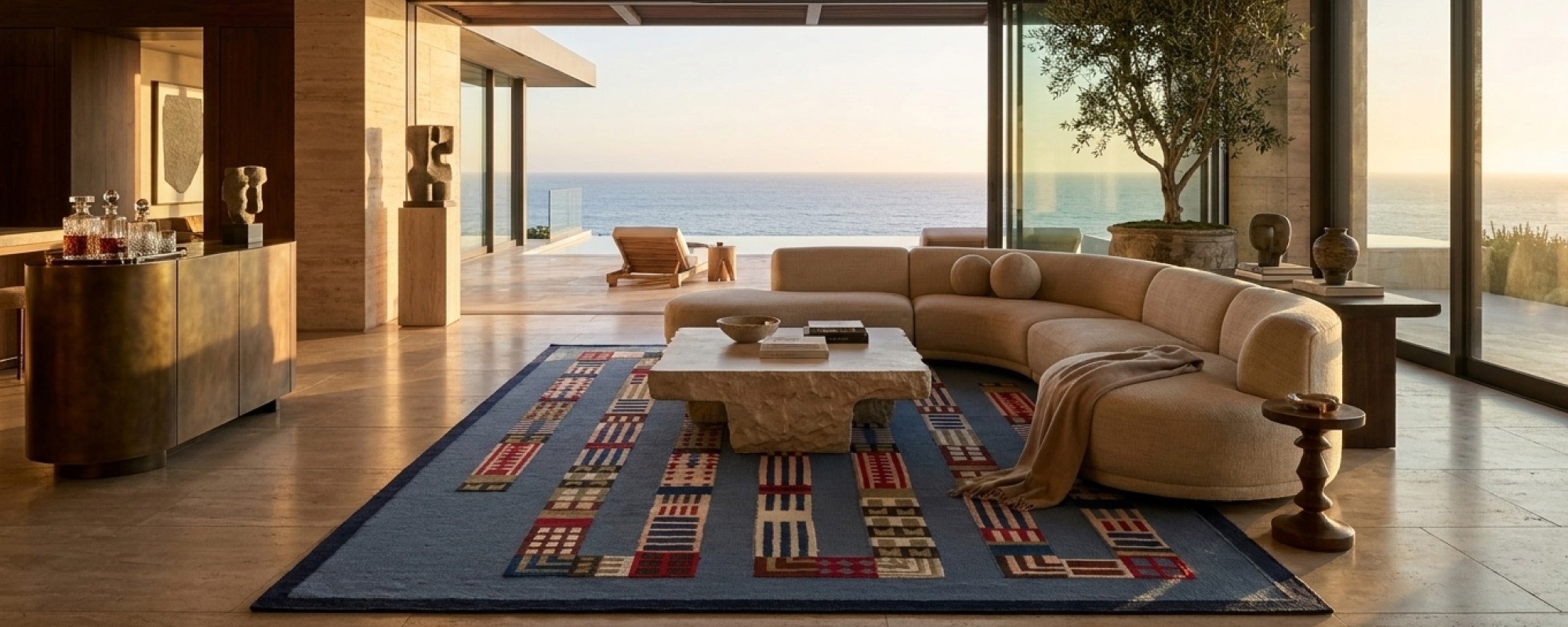

Most hardwood floors don’t get damaged overnight; they wear down through small daily habits people rarely notice. From sliding furniture to trapped grit under rugs, the damage builds quietly over time. The good news? The right area rugs can help interrupt that wear cycle. Here’s how to choose rugs that actually protect your floors.
Hardwood floors rarely get damaged in one dramatic moment. It usually starts with things so ordinary they barely register: shoes carrying fine grit from outside, dining chairs scraping the same route twice a day, office chairs carving subtle circles into the finish, or a rug shifting just enough to trap debris underneath.
That’s why learning how to protect hardwood floors is less about reacting to scratches after they appear and more about preventing the quiet daily habits that slowly wear them down.
The right area rugs for hardwood floors, paired with a safe rug pad for hardwood floors, can reduce friction, absorb pressure, and protect your floors from the kind of damage people usually notice far too late.
Why Do Hardwood Floors Scratch So Easily Even When You’re Careful?
Most hardwood floor scratches come from repeated friction, trapped debris, and furniture movement, not dramatic impact.
Key Causes of Hidden Floor Damage
-
dirt particles grinding into the finish coatings
-
shoe friction near entryways
-
pet claw pivoting in corners
-
rolling office chairs
-
dining chair drag patterns
-
moisture exposure near doors
-
UV discoloration from window light
Even clean-looking floors can hold grit fine enough to cause micro-abrasions that slowly dull the polyurethane finish. Hardwood floors wear from repetition, not chaos.
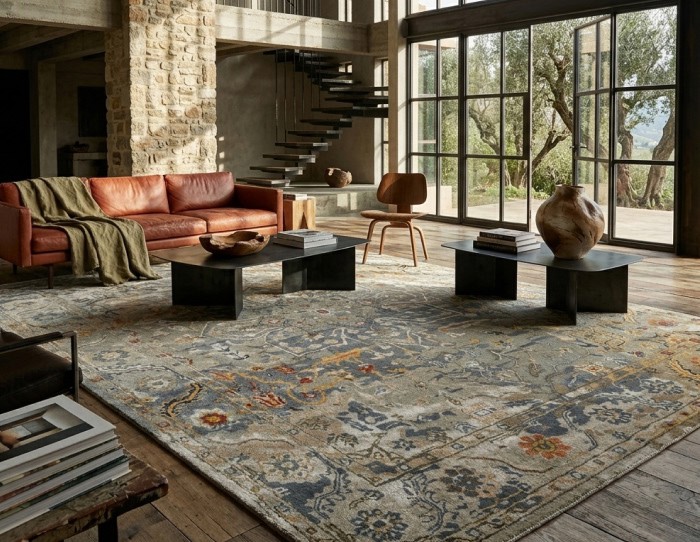
Are Area Rugs Actually Good for Hardwood Floors?
Yes, when chosen correctly, handmade rugs reduce friction, absorb pressure, and prevent surface wear.
How Rugs Protect Floors
-
reduce shoe-to-floor friction
-
soften chair movement
-
protect against dropped objects
-
shield UV-sensitive sections
-
minimize abrasion in high-traffic zones
Best Rug Placements
-
under dining tables
-
hallway runners
-
under desks
-
bedside placement
-
living room seating zones
Using lightweight modern rugs without grip causes movement underneath, which can create scratches anyway.
Tiny chaos engine. A rug protects only if it stays still.
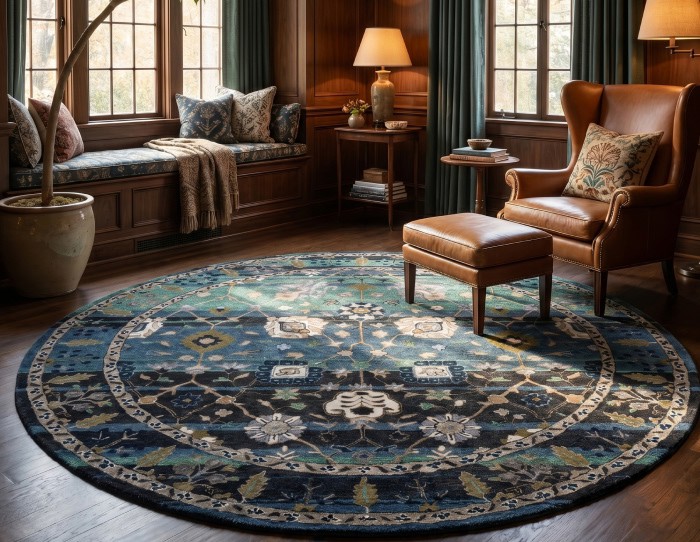
What Type of Rug Is Best for Hardwood Floors?
Not all rugs protect hardwood floors equally. The safest options are usually low-pile, breathable rugs with stable construction, since they reduce friction, stay flatter under furniture, and are less likely to trap moisture or debris underneath.
Best Rugs for Hardwood Floors
-
Wool rugs for natural durability, stain resistance, and breathability.
-
Hand knotted rugs for dense structure, stability, and lower movement risk.
-
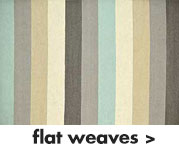
Flatweaves for low-profile coverage in high-traffic zones.
-
Jute rugs in low-moisture spaces where texture matters more than softness.
-
Cotton rugs for lightweight areas with lighter foot traffic.
Better Rug Features to Look For
Breathable natural fiber rugs
Low pile for smoother furniture movement
Dense weave that resists bunching
Stable edges to reduce corner curling
No PVC backing or harsh synthetic coatings
Avoid These Rug Types
-
plastic-backed rugs that can trap moisture
-
cheap synthetic latex backing that may react with floor finishes
-
rough abrasive undersides that create hidden scratches over time
The best rugs for hardwood floors aren’t always the softest or thickest. They’re the ones that stay put, breathe well, and create less friction over time.
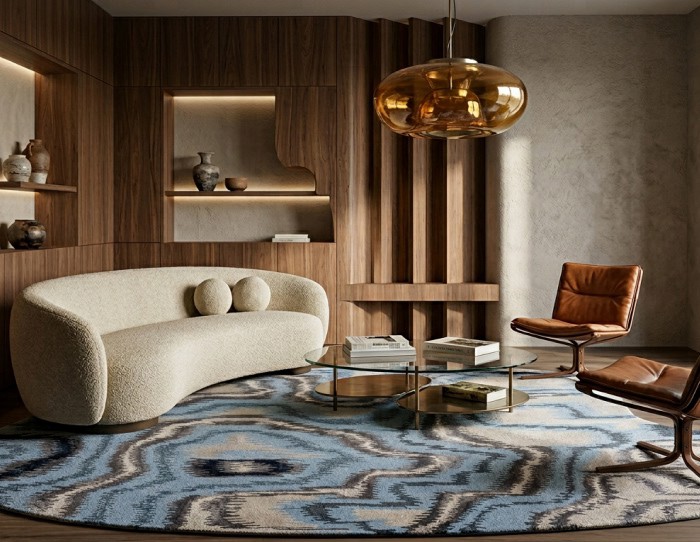
What Is the Best Rug Pad for Hardwood Floors?
Choosing the right rug pad matters just as much as choosing the rug itself, especially on hardwood floors, where the wrong material can quietly cause scratches, discoloration, or trapped moisture damage. In most cases, a felt and rubber rug pad offers the safest balance of grip, cushioning, and breathability.
-
Felt and rubber rug pads are often the best choice for hardwood floors because they combine soft cushioning with enough grip to keep rugs from sliding or bunching.
-
Natural rubber rug pads work well because they create traction without using harsh materials that may damage floor finishes over time.
-
Natural latex rubber bases are generally considered safer than synthetic alternatives, especially for long-term floor compatibility.
-
A good rug pad helps prevent slipping, reduces compression stress from furniture, improves airflow beneath the rug, and creates a protective barrier between the rug and floor finish.
-
PVC rug backing, vinyl pads, and synthetic latex pads with chemical adhesives are best avoided, as they can trap moisture, discolor hardwood floors, or stick to the finish.
-
Cheap rug pads often fail faster because they break down over time, harden, crumble, or leave residue underneath the rug.
-
A rug pad should always be slightly smaller than the rug itself, so the edges stay hidden and the rug lies flatter without corner curling or edge lift.
Takeaway: The best rug pad for hardwood floors is one that grips securely, stays breathable, and protects your floors without quietly creating damage underneath.
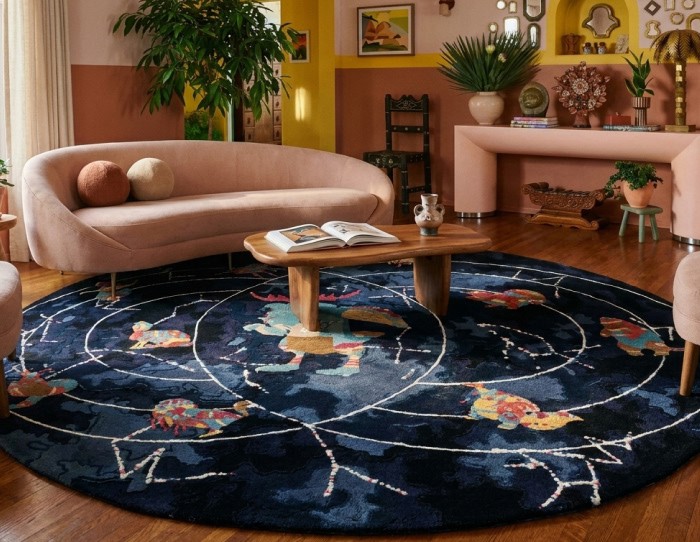
Summing Up..
Protecting hardwood floors is rarely about one big fix, but a series of smarter everyday choices. The right handmade designer rugs, paired with floor-safe rug pads and mindful placement, help reduce scratches, friction, fading, and pressure damage over time.
Because hardwood floors don’t usually fail dramatically, they simply reflect the habits your home repeats daily.
We will be back with another blog soon.
Till then, stay tuned and explore Jaipur Rugs!
FAQs
How Do You Stop Rugs Slipping on Wooden Floors?
Use a non-slip rug pad for hardwood floors, ideally made from felt and natural rubber. It grips the floor without damaging the finish, prevents bunching, and adds cushioning. Avoid cheap PVC or synthetic rubber pads, which can stain wood or leave residue over time.
How to Protect Hardwood Floors from Furniture Scratches?
Add felt pads under chair and table legs, avoid dragging heavy furniture, and place area rugs in high-contact zones like dining rooms and workspaces. For rolling chairs, use a protective mat or rug pad to reduce repeated friction that gradually wears down the floor finish.
How to Protect Hardwood Floors?
Protect hardwood floors by combining area rugs, quality rug pads, felt furniture protectors, and regular cleaning. Most scratches come from trapped dirt and repeated friction, not major impacts, so vacuum often, wipe spills quickly, and keep high-traffic areas covered to reduce long-term wear.
Do rugs ruin hardwood floors?
Not usually. Damage typically comes from poor rug backing, moisture trapping, or rug movement.
What is the safest rug pad for hardwood floors?
A felt and rubber rug pad made with natural rubber is usually safest.
How do I stop rugs from scratching hardwood floors?
Use a non-slip rug pad for wood floors and vacuum beneath rugs regularly.
Should you put rugs on hardwood floors?
Yes. Area rugs reduce friction, UV exposure, and repetitive wear in high-traffic zones.


Pic Credits
Jaipur rugs / Abil Dase
Share
-
 Facebook
-
 Twitter
-
 Email
Email
Related Posts
-
15 July 2026
- ∙
-
8 Min Read
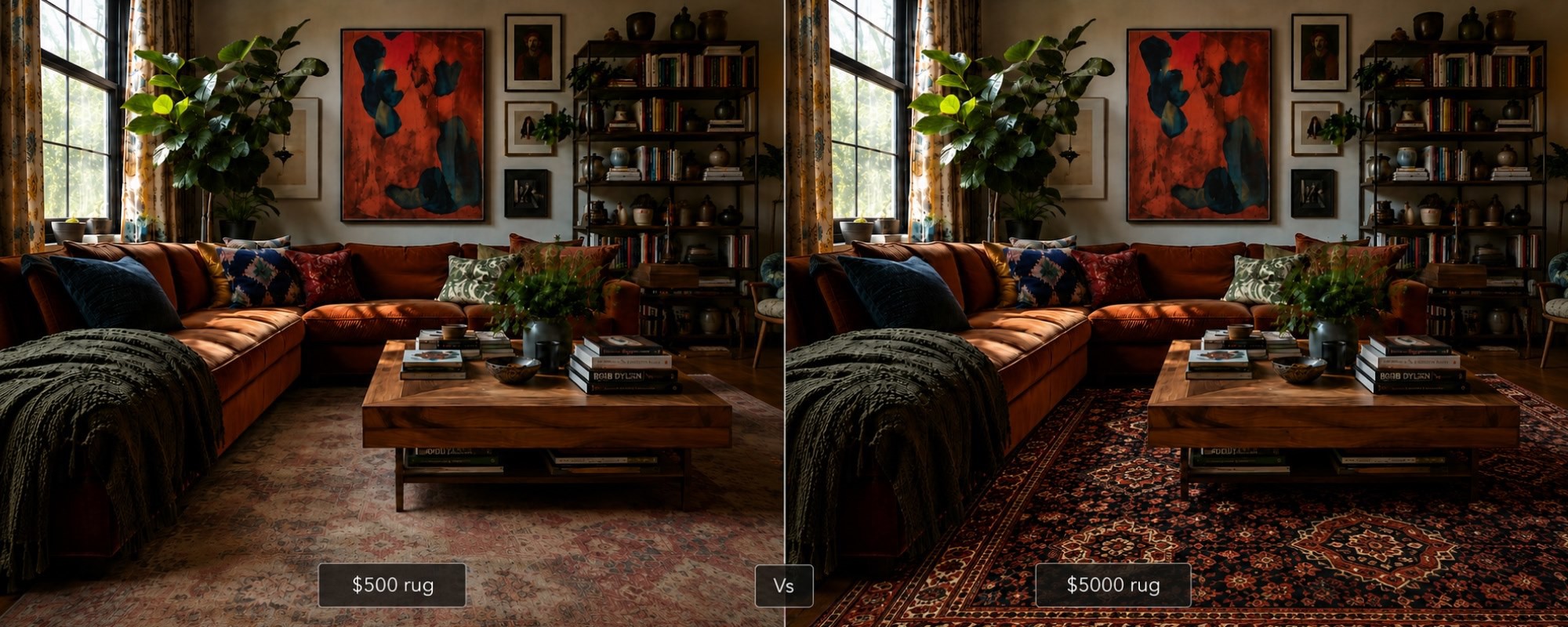
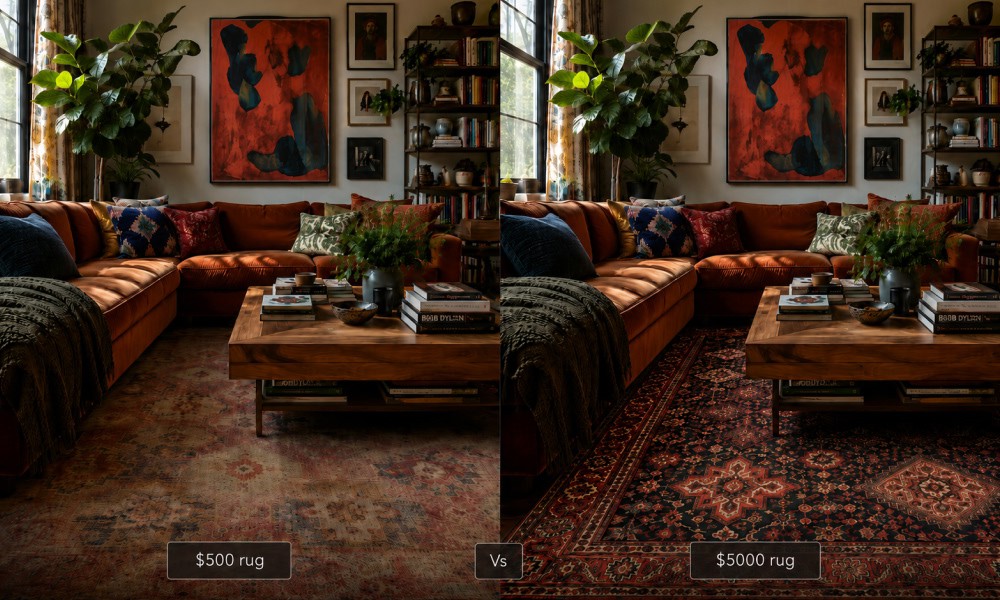
The $500 vs $5,000 Rug: An Honest Side-by-Side That No Brand Will Show You
Why do some rugs cost ten times more than others? This honest side-by-side looks at what actually separates a $500 rug from a $5,000 one: knot density, fiber quality, pile depth, and finishing. No brand bias, no marketing language. Just a clear breakdown to help you decide which one is worth it for your space and budget.
Read Article →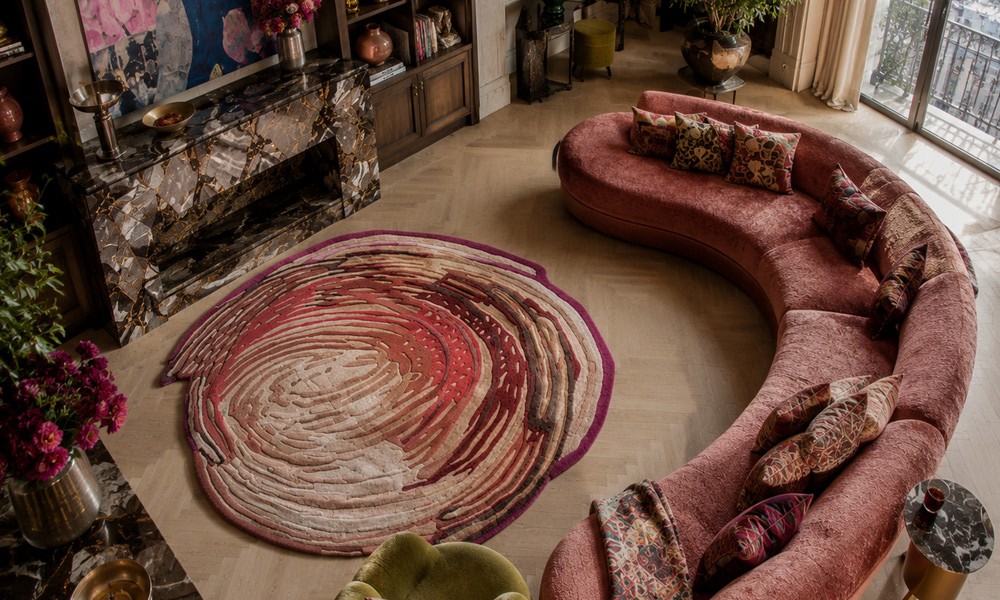
-
14 July 2026
- ∙
-
13 Min Read
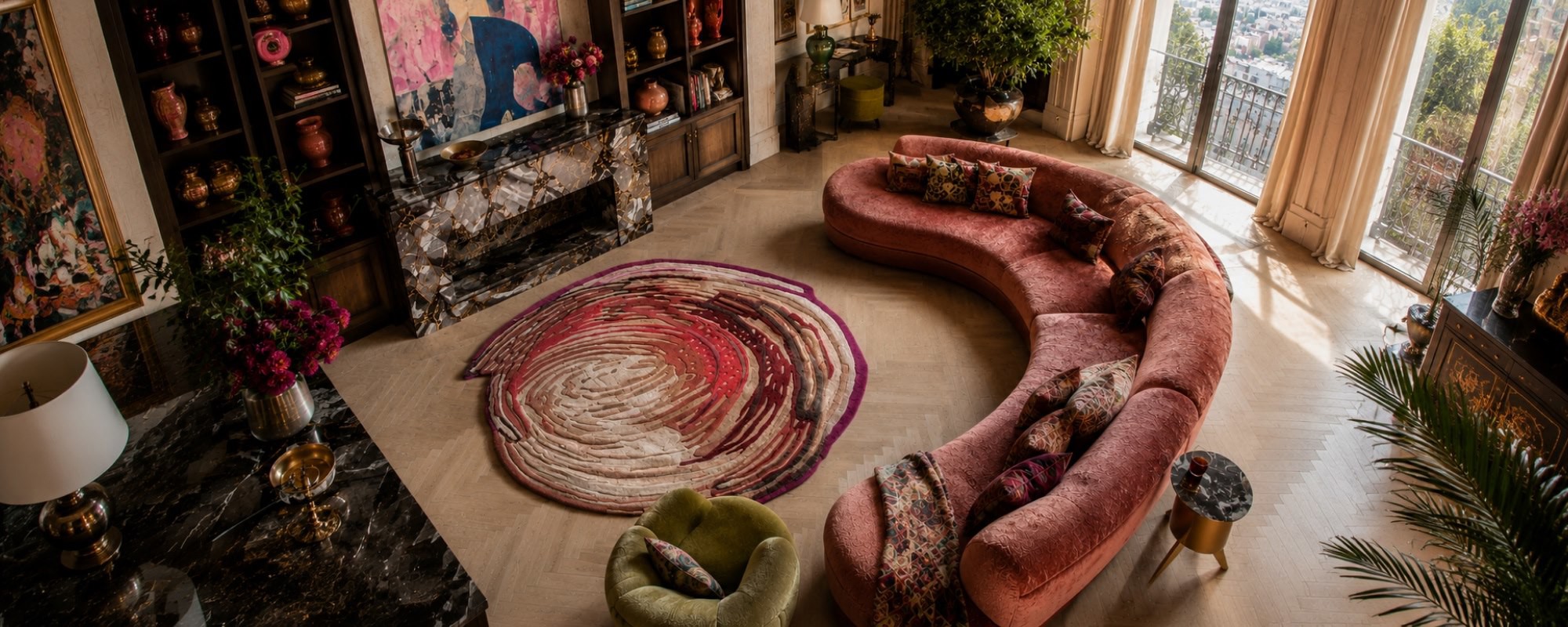
3D Rugs and Sculpted Pile: The Tactile Design Trend Redefining Floors in 2026
The rug used to finish a room. Now it starts one. 3D rugs and sculpted piles are bringing real depth and tactile texture to interiors, from hand knotted relief patterns to optical illusion designs that stop you mid-step. This is what the trend is, why it matters, and how to buy it well.
Read Article →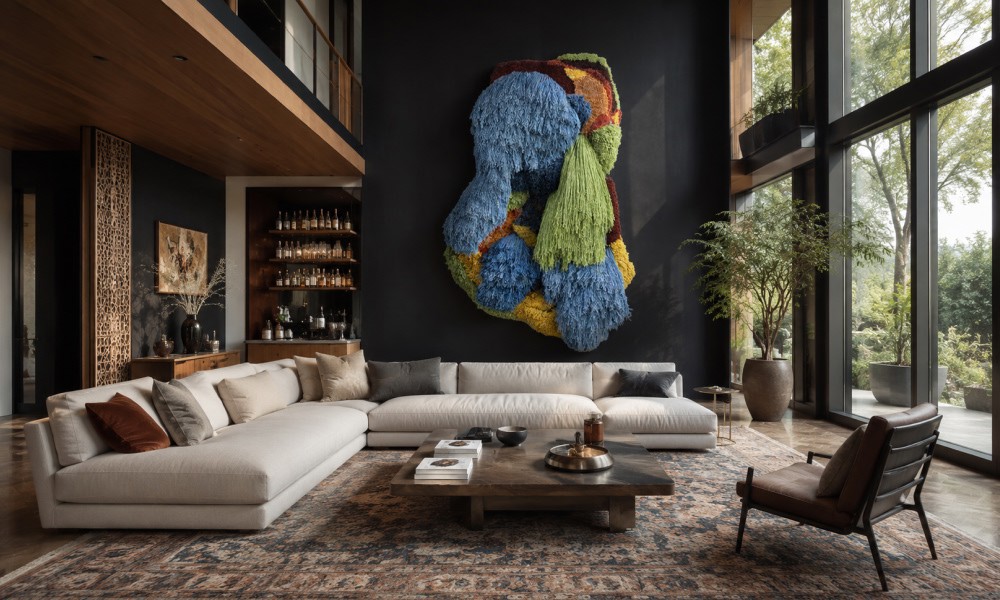
-
10 July 2026
- ∙
-
10 Min Read
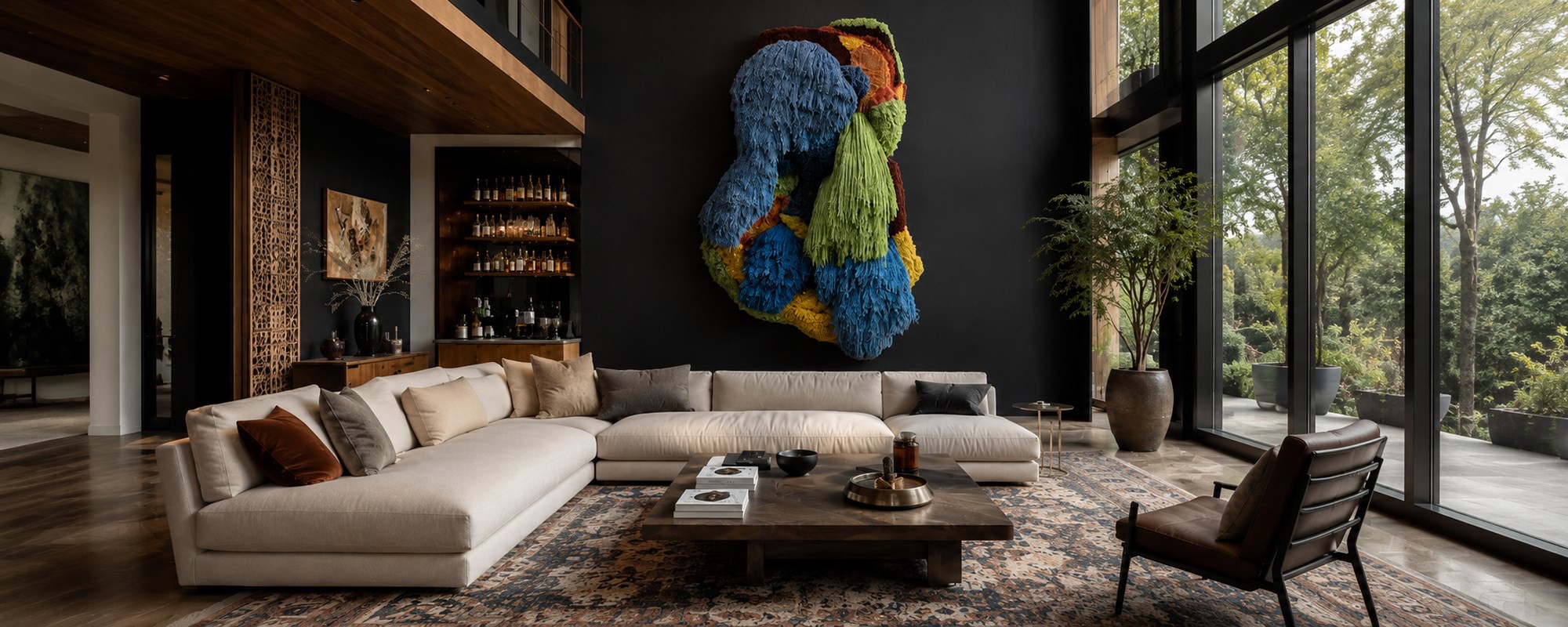
How to Pair Indian Wall Art with the Right Rug Pattern: A Room-by-Room Guide
Choosing the right rug to go with your Indian wall art does not have to be guesswork. This guide breaks it down room by room, from the living room to the bathroom and outdoor spaces. Learn how to match colors, patterns, and scale so your wall art and rug always feel like they belong together.
Read Article →
-
07 July 2026
- ∙
-
9 Min Read
How to Tell If a Rug Is Handmade: 7 Signs Experts Look For (Abrash Is One of Them)
Wondering how to know if a rug is handmade? Get an overview of 7 key characteristics that will help you identify if a rug is truly handmade and learn about its differences compared to machine-made rugs, and why they do not lose their value. Here is what to keep in mind when buying a handmade rug.
Read Article →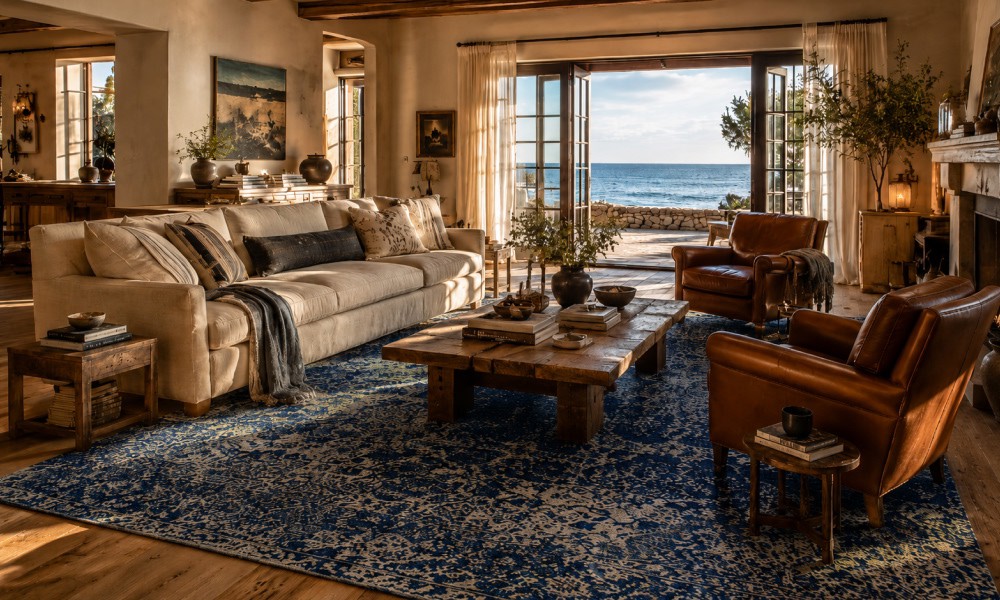
-
04 July 2026
- ∙
-
8 Min Read
Coastal Grandmother Is Evolving: The 2026 "Coastal Heritage" Aesthetic and the Rugs That Define It
The coastal grandmother design is progressing into something new and exciting by 2026. Coastal Heritage introduces texture, craftsmanship, and handmade elements to this popular design style. Here are the various rug types, colors, and decorating ideas to know about this classic coastal design trend.
Read Article →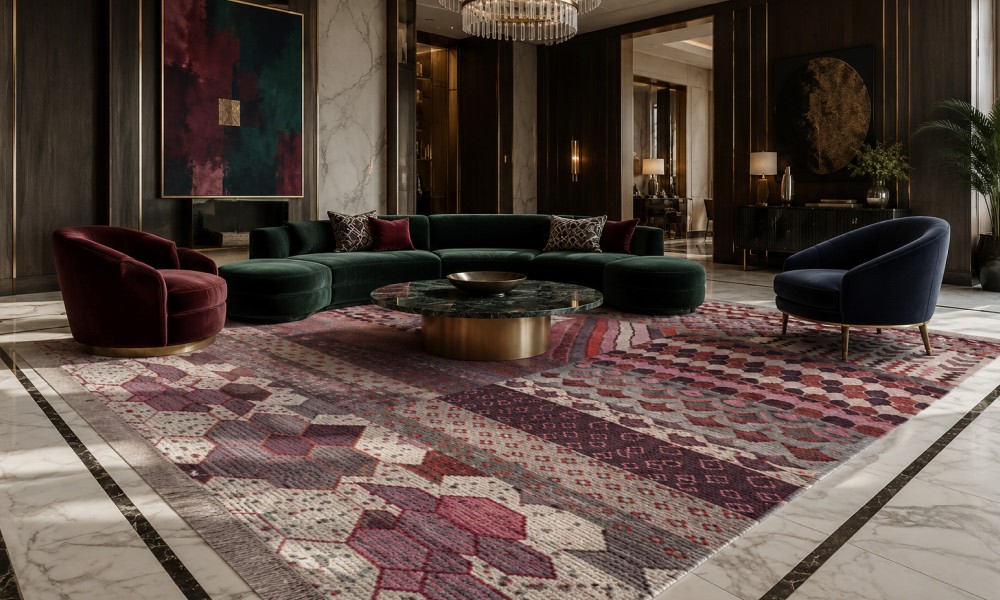
-
22 June 2026
- ∙
-
6 Min Read
Why Top Interior Designers are Switching to Indian Handmade Rugs
High-end interior designers have begun using handmade carpets from India in place of machine-made carpets to enhance their design portfolios and ensure product longevity. The following guide will help you understand why design professionals prefer Jaipur Rugs for creating customized, ethically produced wool-and-bamboo-silk carpet designs for luxurious homes.
Read Article →