You are on our International website. Please select your region to see content specific for your location





 Profile
 Orders
 Wishlist
 Change Password
 Logout


Latest Blogs
ideas and inspiration
What Is A Dhurrie? The Smartest Rug Choice for Rented Homes
- 24 March 2026
- |
- 4 Min Read
- |
- By Jaipur Rugs
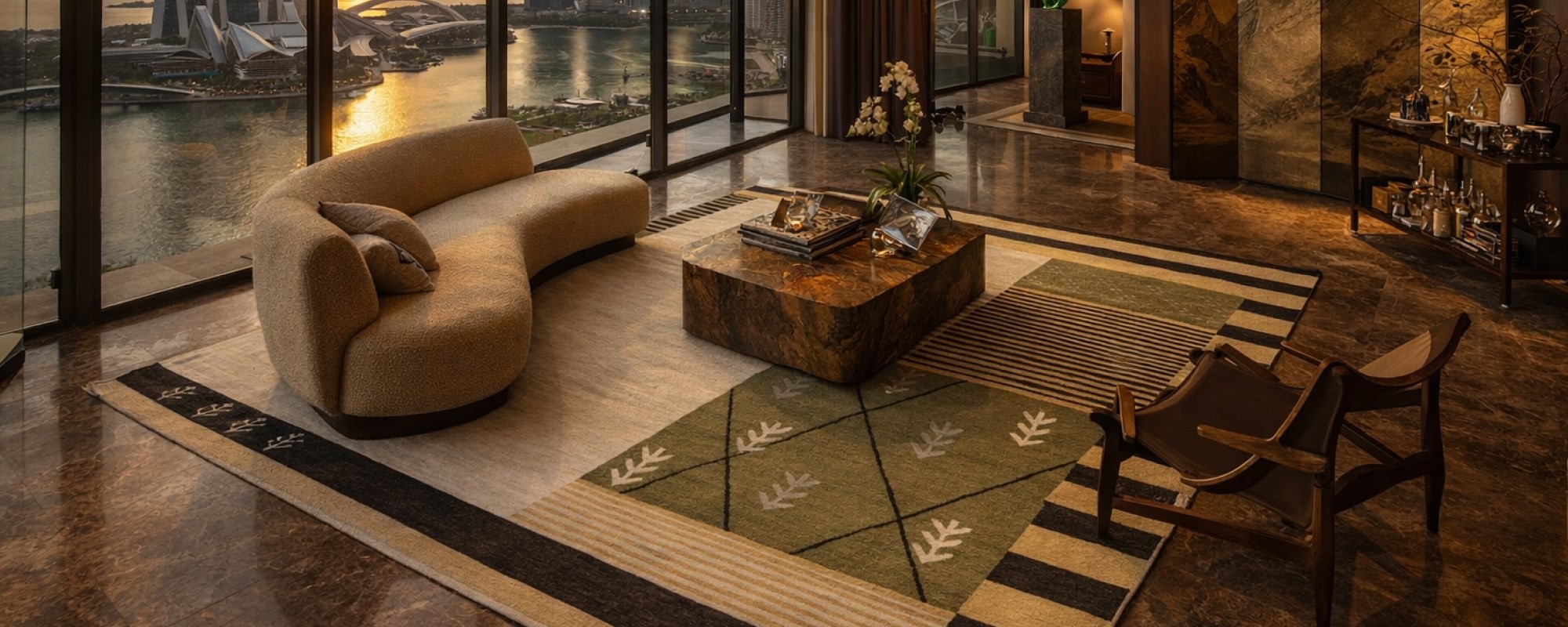
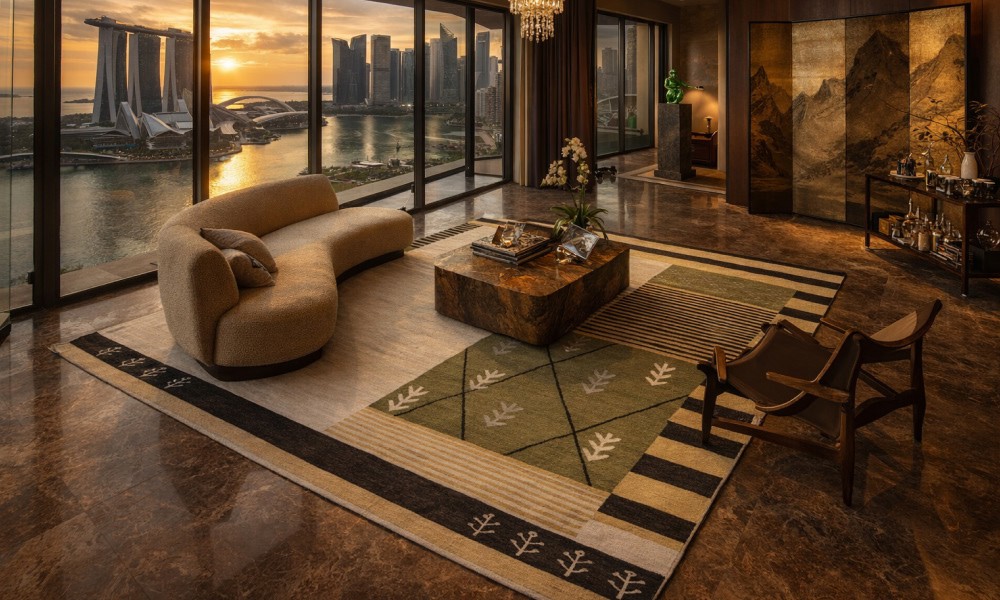
Packing up a home is stressful enough without dragging heavy décor along. That bulky designer rug you love quickly becomes a moving-day regret. Enter dhurries. Lightweight, foldable, durable, and effortlessly stylish, they adapt to compact rentals and shifting layouts without drama. If your home changes as fast as your life, this rug choice makes far more sense.
You finally make a rental home feel like yours. Art goes up. Cushions multiply. Lighting gets dramatic. Then the lease ends, and reality laughs in cardboard boxes.
Heavy decor becomes baggage. Massive furniture becomes a negotiation. And that thick hand knotted rug you loved? A rolled-up liability that weighs more than your suitcase.
This is where the dhurrie enters quietly.
A dhurrie is not trying to impress with bulk. It is a clever flatweave rug designed for people who live lightly, move often, and refuse to decorate like they’re settling forever. The dhurrie rug folds, travels, adapts, and survives chaos without demanding commitment.
For renters building personality without permanent decisions, dhurries act like design passports.
Turns out, the smartest designer rug isn’t the heaviest one.
Heavy Rugs Are a Commitment. Dhurries Keep Things Flexible.
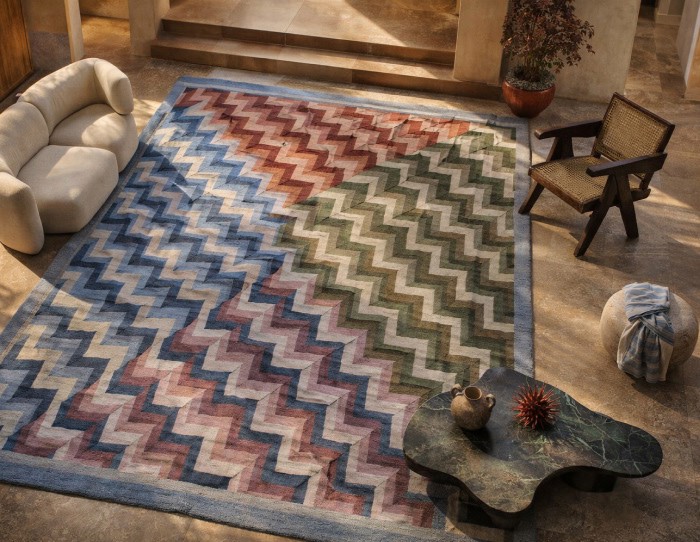
A dhurrie is a traditional Indian flatweave rug made without pile, created by interlacing warp and weft threads. Unlike thick carpets, a dhurrie rug lies flat, feels lightweight, and is often crafted from cotton, wool, or other natural fiber rug materials.
Because a flatweave dhurrie rug has no raised fibers, it stays thin, foldable, and highly portable.
Here’s why this matters in rented homes:
-
A dhurrie modern rug is lightweight enough to fold and carry, unlike bulky rugs that require professional movers.
-
Dhurries fit easily into car trunks, making shifting apartments far less dramatic.
-
A flatweave rug like a dhurrie can be folded without damage, while thick rugs must be rolled and stored carefully.
-
A dhurrie rug adapts to changing layouts, working in living rooms, bedrooms, or even balconies.
-
A flatweave dhurrie rug keeps visual weight low, which helps small rental spaces look open instead of crowded.
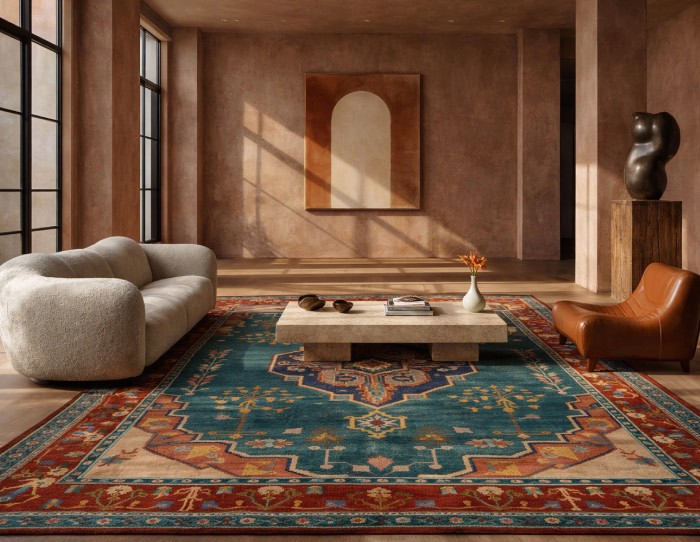
Plush Rugs Feel Nice. Dhurries Work Harder.
A dhurrie rug is designed for function-first homes where people walk in with shoes, drag chairs casually, and rearrange furniture without ceremony. The tight weave of a flatweave rug resists dust traps and handles friction better than high-pile options.
Most dhurries are also reversible, meaning both sides can be used.
The reason dhurries outperform most plush wool rugs:
-
A dhurrie is easy to shake, vacuum, or spot clean because debris sits on the surface of the flatweave rug.
-
Reversible dhurries double lifespan, making them budget-friendly for renters who avoid frequent replacements.
-
A flatweave dhurrie rug handles high-traffic zones like living rooms and entryways without flattening.
-
Many dhurries use cotton or wool, making them breathable, natural fiber rug choices for warm climates.
-
A dhurrie rug dries faster than thick handmade carpets, reducing odor and moisture buildup.
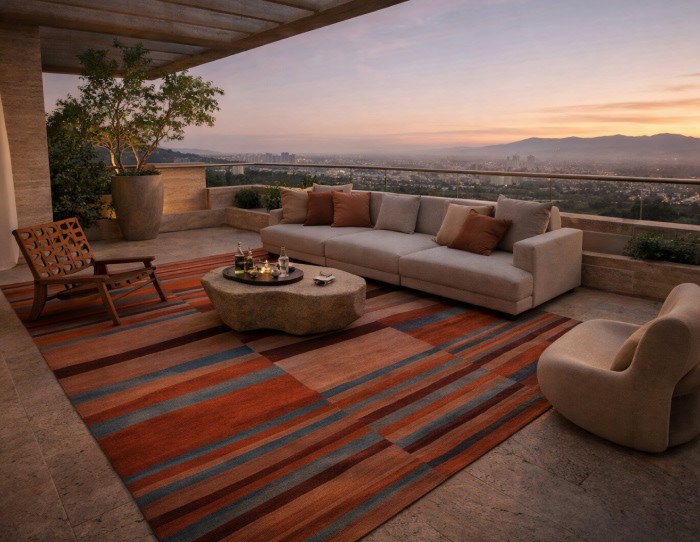
Dhurries Style Small Rentals Without Visual Clutter
Are dhurries good for living rooms? Yes, especially when space is tight.
A dhurrie sits close to the floor, which prevents visual heaviness. Thick rugs create bulk. A flatweave rug like a dhurrie keeps rooms feeling airy and intentional. The geometric rug patterns common in dhurries also create structure without overpowering furniture.
Renters who experiment with layouts prefer pieces that adjust easily. A dhurrie rug shifts without scraping floors or demanding large clearances.
Here’s why stylists rely on dhurries in compact homes:
-
A dhurrie defines seating zones without adding thickness, which makes rooms feel smaller.
-
Layering a flatweave dhurrie rug over a larger neutral rug creates depth without permanent commitment.
-
A patterned dhurrie rug distracts from rental flooring that cannot be changed.
-
A cotton natural fiber rug, like a dhurrie, folds away for seasonal redecorating.
-
Slim flatweave living room rugs fit under doors and furniture without bunching.
Small rooms hate visual noise. Dhurries keep things disciplined.
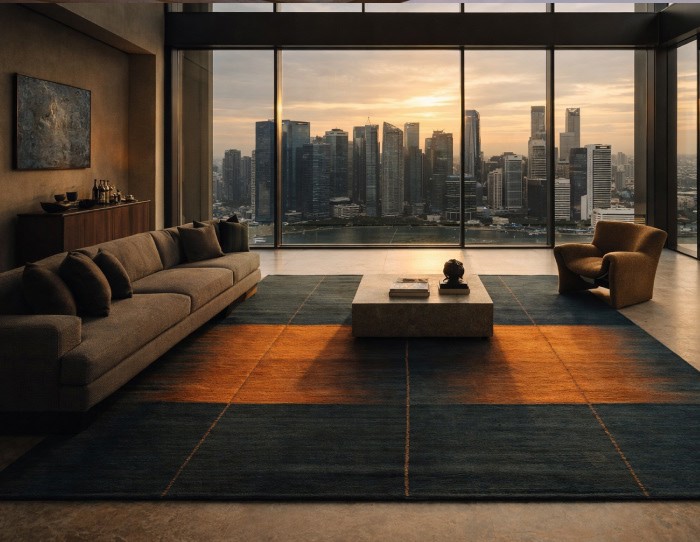
The Material Logic: Why Natural Fiber Dhurries Win?
Synthetic rugs trap heat and odors. A flatweave rug crafted from natural materials allows airflow, making it ideal for warm regions and humid apartments.
The material advantages renters actually notice:
-
Cotton rug dhurries remain lightweight and easy to wash, making them practical flatweave rug options.
-
Wool rug dhurries provide insulation while staying thinner than plush carpets.
-
A natural fiber rug like a dhurrie ages gracefully, developing texture instead of looking worn out.
-
Flat construction helps a flatweave dhurrie rug resist shedding compared to dense pile rugs.
-
Breathable dhurries reduce moisture retention, helpful during monsoon seasons and coastal climates.
When Dhurries Are Not the Right Choice
No area rug works for every lifestyle.
A dhurrie rug prioritizes practicality over cushion. People expecting sink-in softness may find a flatweave rug too firm underfoot. Similarly, extremely cold regions may require thicker insulation beneath a dhurrie.
Understanding limits builds trust.
Situations where dhurries may disappoint:
-
A dhurrie may feel too thin for those who prefer plush, padded surfaces.
-
In freezing climates, a single flatweave rug may not insulate floors sufficiently without layering.
-
High-end formal spaces seeking heavy drape aesthetics may prefer dense carpets over dhurries.
-
A lightweight natural fiber rug can shift on slippery floors without rug pads.
-
People wanting deep pile comfort for lounging may find a dhurrie rug too structured.
Comfort is subjective. Function is measurable.
Summing Up...
Homes today shift with careers, leases, and lifestyle upgrades. Heavy decor slows that rhythm. A dhurrie moves with you. It folds, adapts, survives rearrangements, and never demands permanent commitment. This flatweave dhurrie rug fits evolving spaces, compact rooms, and practical living, while breathable natural fiber rug materials keep maintenance simple. When life refuses to stay still, rigid décor makes no sense. Dhurries do.
We will be back with another blog soon.
Till then, stay tuned and explore Jaipur Rugs!


Pic Credits
Jaipur rugs / Abil Dase
Share
-
 Facebook
-
 Twitter
-
 Email
Email
Related Posts
-
15 July 2026
- ∙
-
8 Min Read
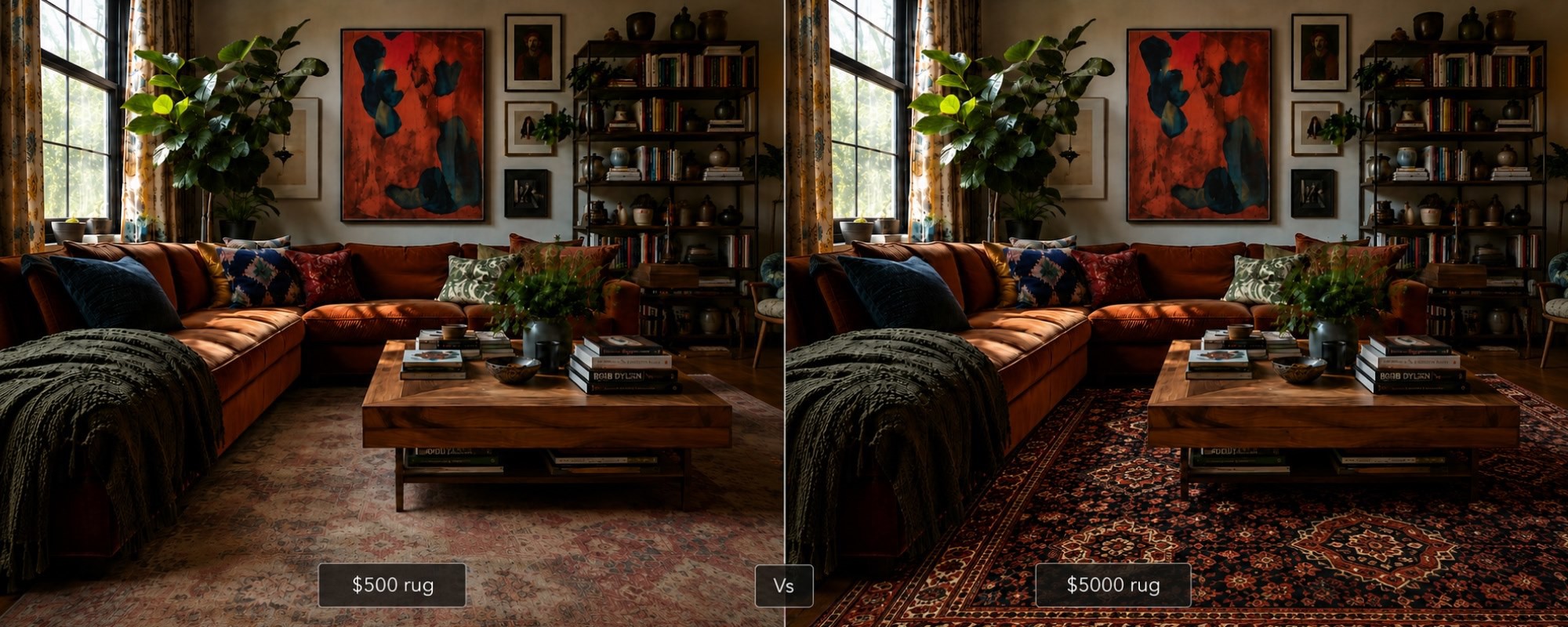
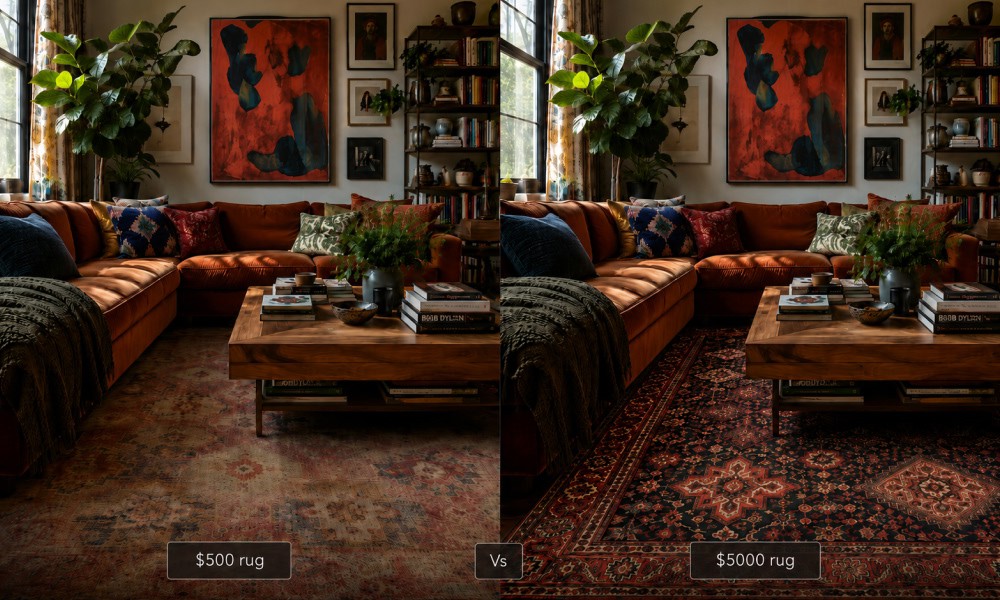
The $500 vs $5,000 Rug: An Honest Side-by-Side That No Brand Will Show You
Why do some rugs cost ten times more than others? This honest side-by-side looks at what actually separates a $500 rug from a $5,000 one: knot density, fiber quality, pile depth, and finishing. No brand bias, no marketing language. Just a clear breakdown to help you decide which one is worth it for your space and budget.
Read Article →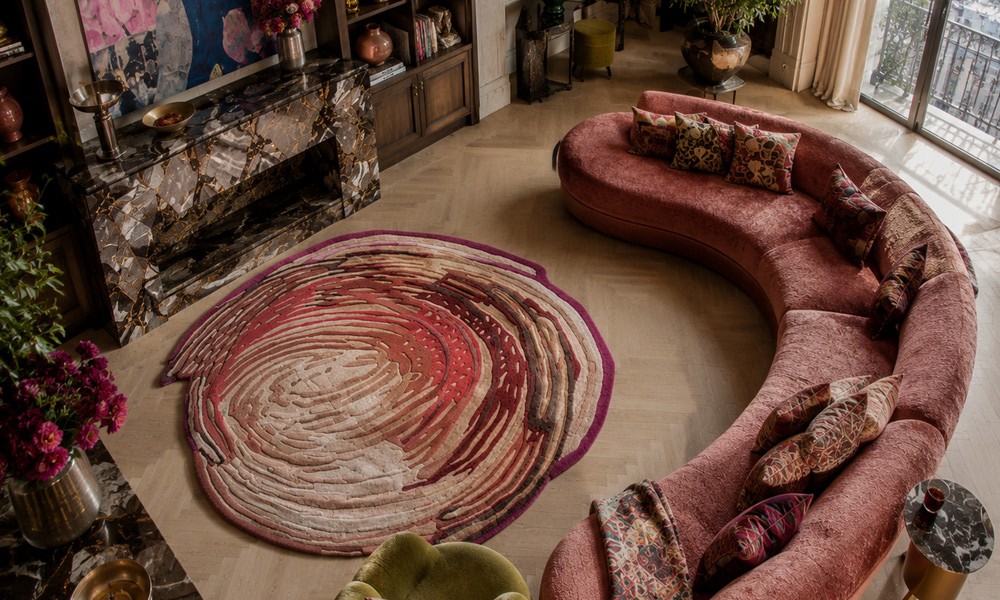
-
14 July 2026
- ∙
-
13 Min Read
3D Rugs and Sculpted Pile: The Tactile Design Trend Redefining Floors in 2026
The rug used to finish a room. Now it starts one. 3D rugs and sculpted piles are bringing real depth and tactile texture to interiors, from hand knotted relief patterns to optical illusion designs that stop you mid-step. This is what the trend is, why it matters, and how to buy it well.
Read Article →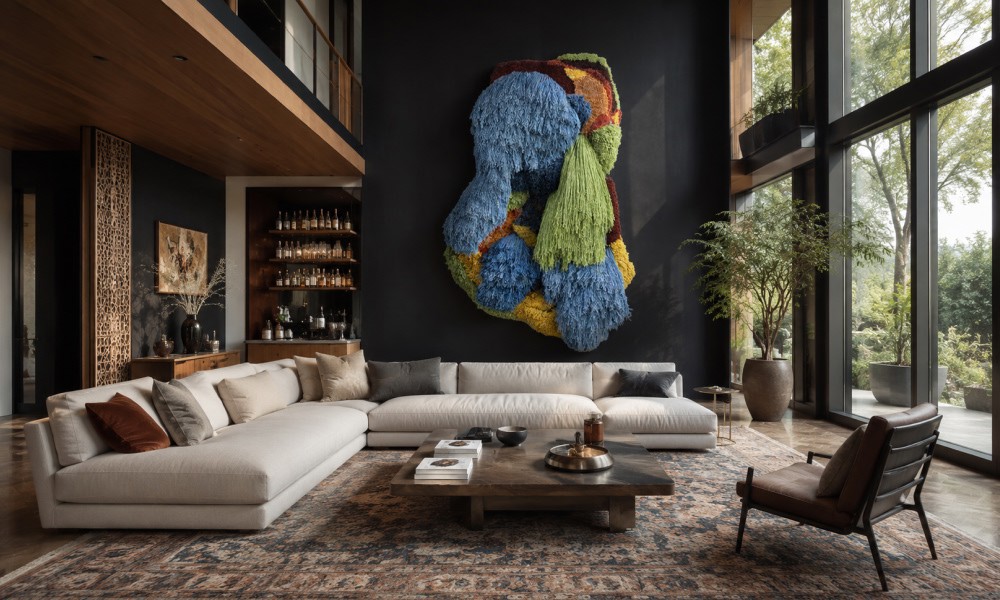
-
10 July 2026
- ∙
-
10 Min Read
How to Pair Indian Wall Art with the Right Rug Pattern: A Room-by-Room Guide
Choosing the right rug to go with your Indian wall art does not have to be guesswork. This guide breaks it down room by room, from the living room to the bathroom and outdoor spaces. Learn how to match colors, patterns, and scale so your wall art and rug always feel like they belong together.
Read Article →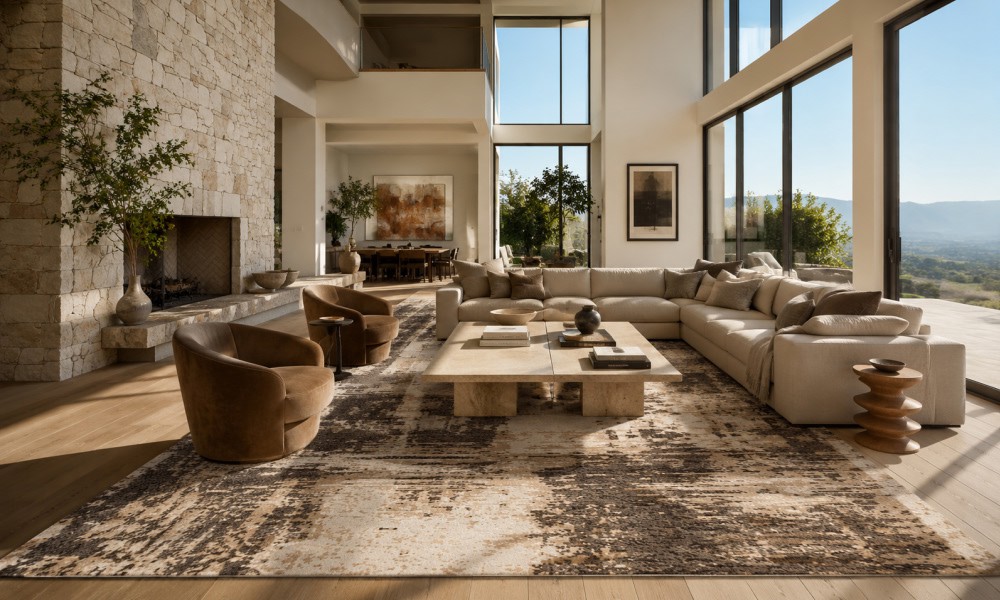
-
07 July 2026
- ∙
-
9 Min Read
How to Tell If a Rug Is Handmade: 7 Signs Experts Look For (Abrash Is One of Them)
Wondering how to know if a rug is handmade? Get an overview of 7 key characteristics that will help you identify if a rug is truly handmade and learn about its differences compared to machine-made rugs, and why they do not lose their value. Here is what to keep in mind when buying a handmade rug.
Read Article →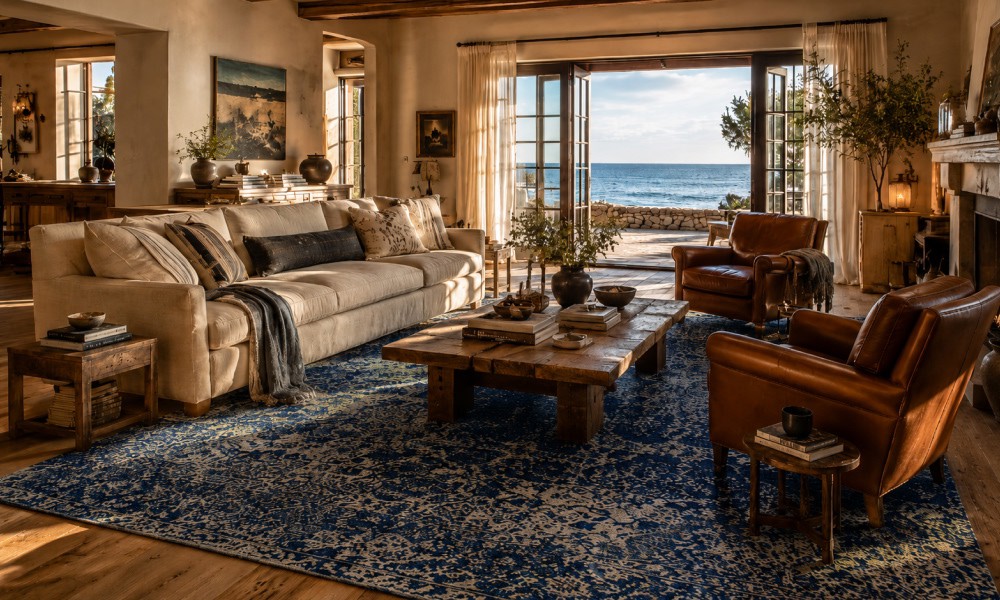
-
04 July 2026
- ∙
-
8 Min Read
Coastal Grandmother Is Evolving: The 2026 "Coastal Heritage" Aesthetic and the Rugs That Define It
The coastal grandmother design is progressing into something new and exciting by 2026. Coastal Heritage introduces texture, craftsmanship, and handmade elements to this popular design style. Here are the various rug types, colors, and decorating ideas to know about this classic coastal design trend.
Read Article →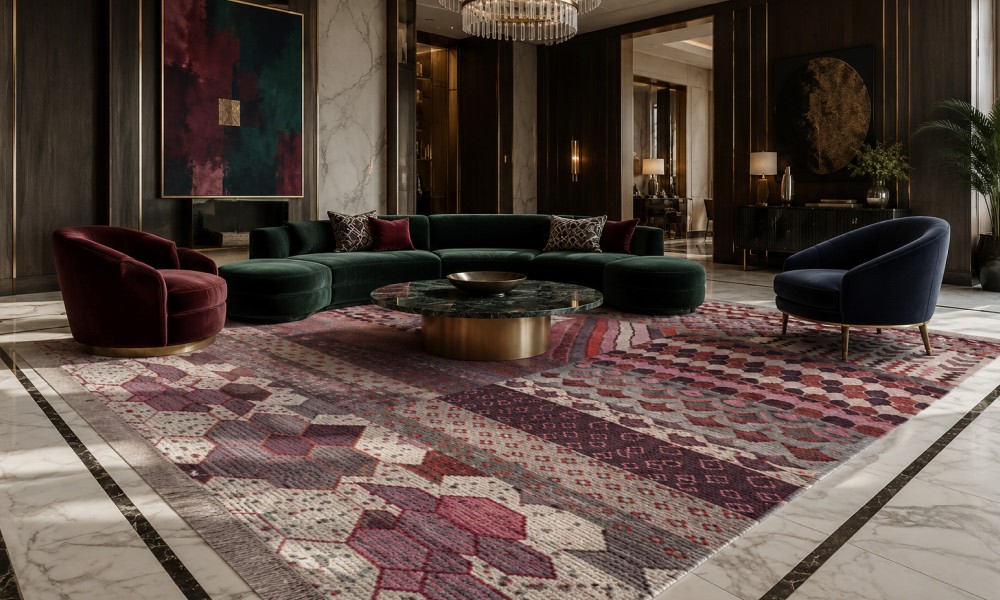
-
22 June 2026
- ∙
-
6 Min Read
Why Top Interior Designers are Switching to Indian Handmade Rugs
High-end interior designers have begun using handmade carpets from India in place of machine-made carpets to enhance their design portfolios and ensure product longevity. The following guide will help you understand why design professionals prefer Jaipur Rugs for creating customized, ethically produced wool-and-bamboo-silk carpet designs for luxurious homes.
Read Article →