You are on our International website. Please select your region to see content specific for your location





 Profile
 Orders
 Wishlist
 Change Password
 Logout


Latest Blogs
ideas and inspiration
What Are Art Installations? Meaning, Types, & Why They Matter in Modern Design
- 06 March 2026
- |
- 3 Min Read
- |
- By Jaipur Rugs
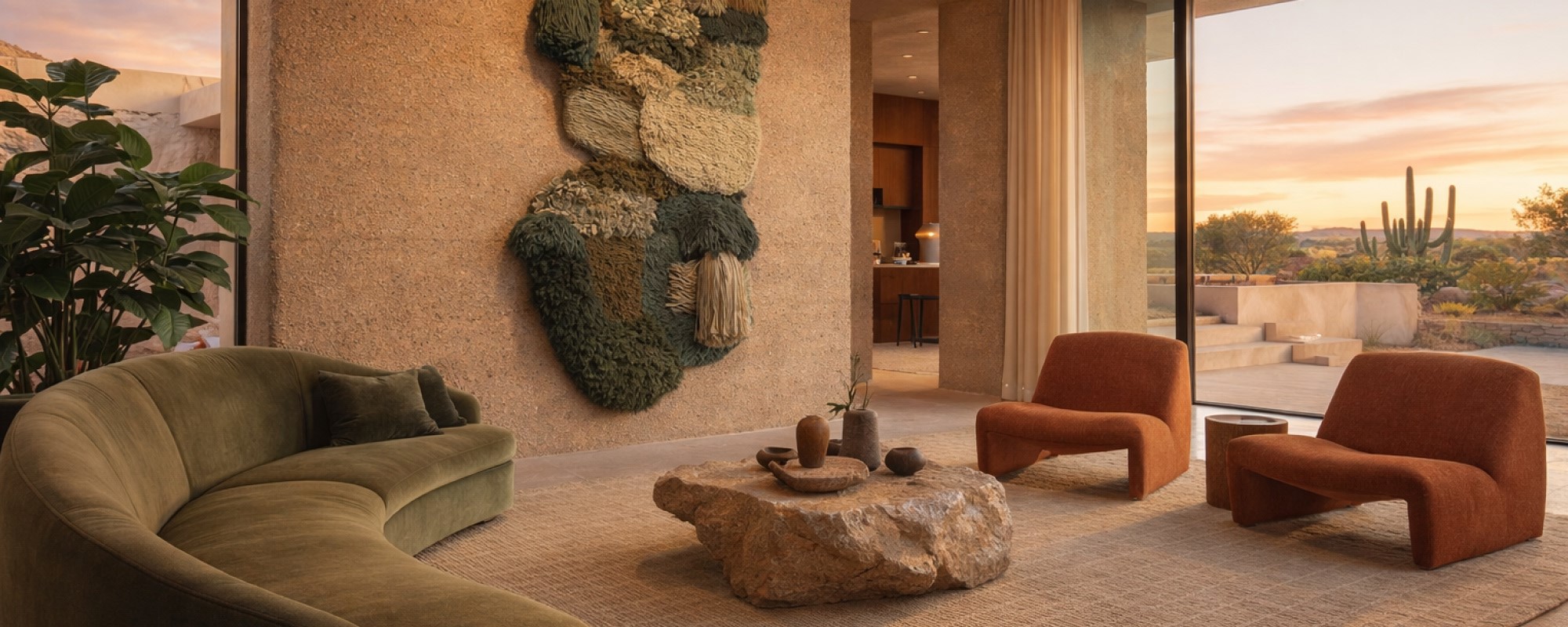
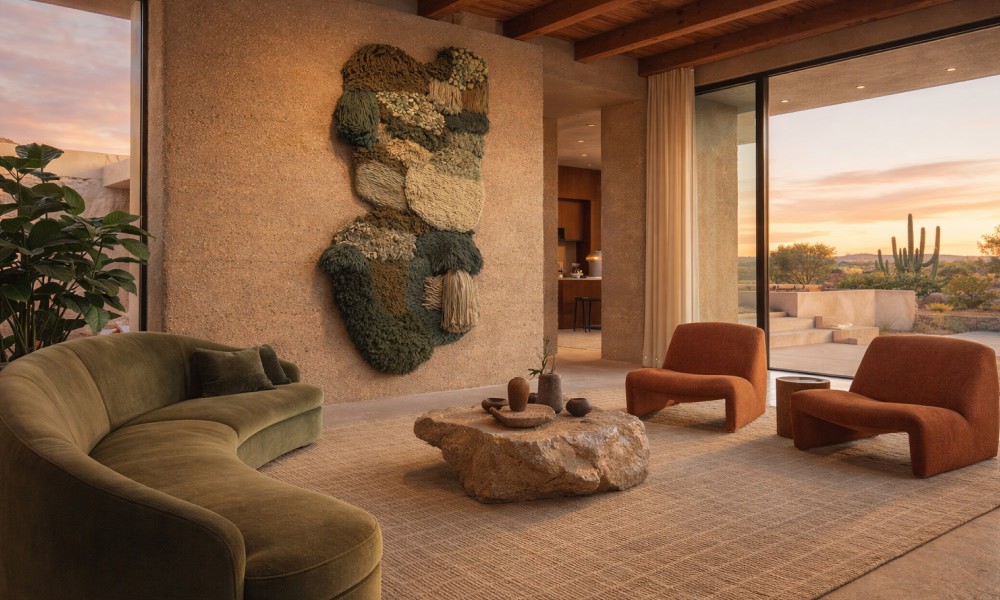
Installation art is no longer something you only see in museums. Today, dramatic hanging sculptures, glowing walls, and immersive installations are entering modern homes and design spaces. But what exactly is installation art, and why are designers suddenly obsessed with it? The answer is far more interesting than you’d expect. Read this full blog before you look at art the same way again.
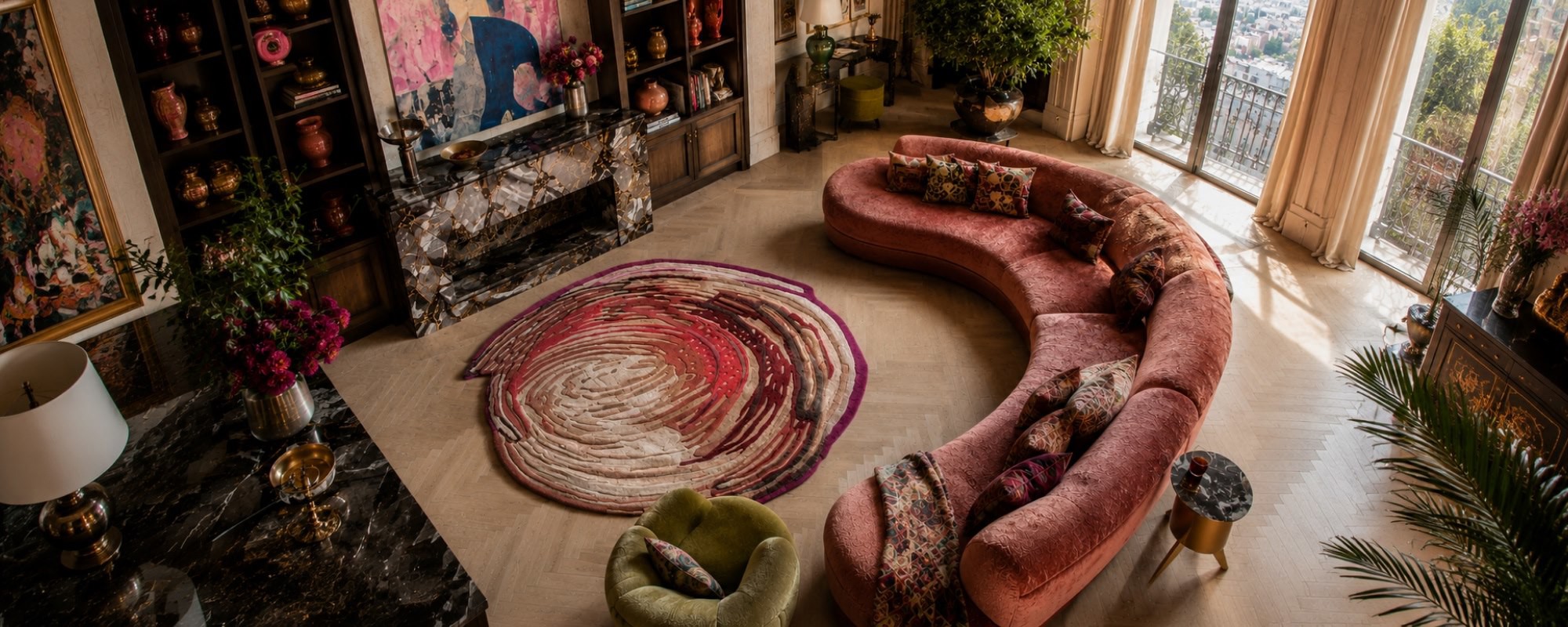
Walk into certain homes today, and you will notice something unusual. The art isn’t politely hanging on the wall anymore. It spills from the ceiling, wraps around corners, glows softly in a hallway, or drifts through a room like a stunning sculpture cloud.
That shift points directly to installation art. Instead of one framed piece hanging on a wall, an art installation uses the entire room as its canvas. Understanding what is installation art means understanding a simple idea: the space becomes the artwork.
Interior designers are now weaving installations into homes, restaurants, hotels, and offices, turning everyday spaces into places that spark curiosity.
What Is Installation Art? Meaning, Origins, and Core Principles
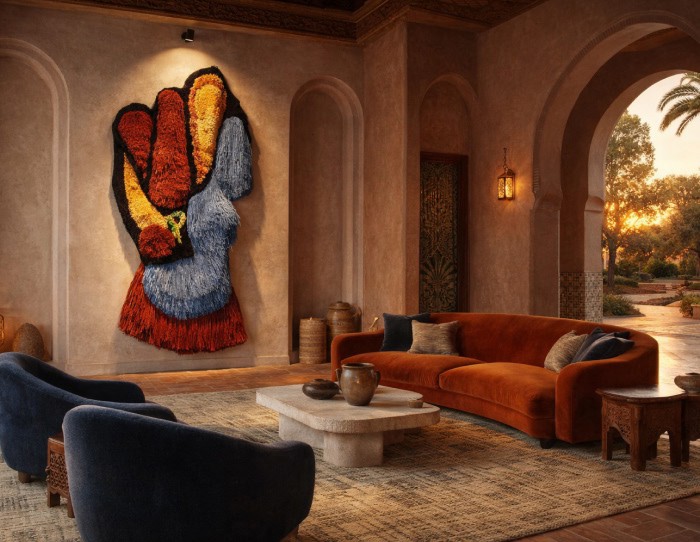
At its simplest, installation art is artwork created to exist within a specific space. Rather than displaying a painting or sculpture alone, an art installation arranges objects, light, materials, or structures so that the entire room becomes the artwork.
Here’s why this form of art reshaped how creative spaces work.
-
Installation art focuses on the environment rather than a single object. When people ask what is installation art, the answer usually lies in the room itself. The walls, floor with designer rugs, lighting, and surrounding architecture all become part of the artistic idea.
-
The meaning of installation art depends heavily on spatial context. A sculpture suspended in a living room ceiling or a woven structure stretching across a wall changes how the viewer moves through the space.
-
Installation art gained momentum in the late twentieth century. Artists began moving away from framed works toward spatial experiments that allowed audiences to physically enter the artwork.
-
The viewer’s presence completes the piece. When someone asks what is an installation art, the answer includes the visitor. Walking around or through the work becomes part of the artistic experience.
How Art Installations Turn Rooms Into Experiences?
An art installation doesn’t behave like traditional wall art. Instead of asking viewers to stand still and observe, it quietly encourages movement, curiosity, and exploration.
Here’s why designers and collectors are embracing installations more than ever.
-
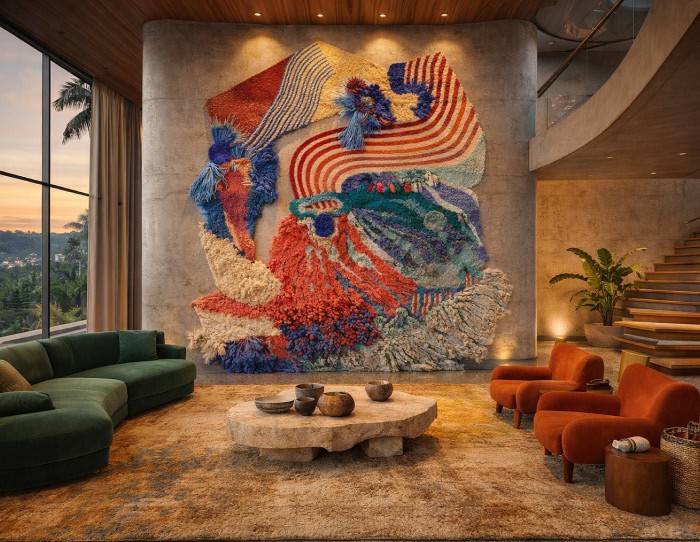
Immersive art installations surround the viewer. Light projections, suspended forms, mirrored surfaces, or layered handmade rugs create environments that feel closer to walking through a story than viewing a single artwork.
-
Interactive art installations invite participation. Sensors, responsive lighting, or moving elements allow people to influence how the artwork behaves as they approach or interact with it.
-
Installations change how a room is experienced. A hanging art installation floating above a dining table or staircase alters the rhythm of the entire space.
-
Artists often blend several creative disciplines. Sculpture, architecture, digital media, lighting design, and textile work frequently coexist inside one installation.
-
The emotional response becomes the artwork’s center. Instead of simply appreciating technique, viewers experience curiosity, surprise, or playfulness while moving through the space.
Why Installation Art Is Entering Modern Homes?
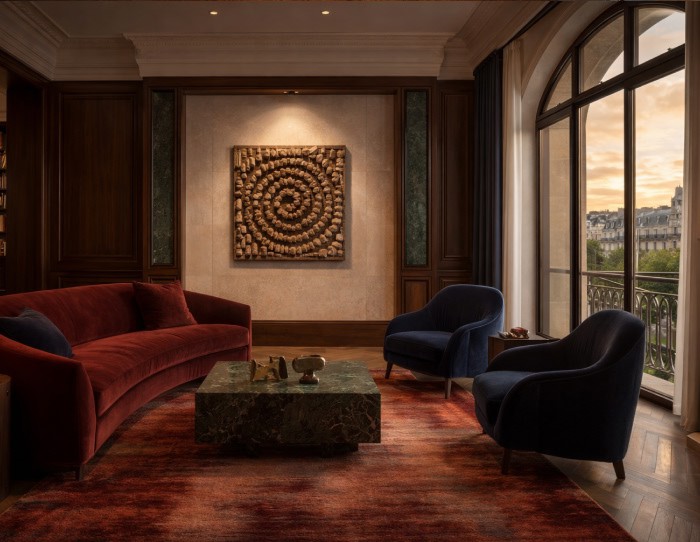
Installation art is no longer limited to museums or large public buildings. Increasingly, collectors and interior designers are introducing installations into residential spaces.
Here’s why the shift is happening.
-
Homes are becoming more expressive spaces. Instead of relying solely on wall paintings or soft modern rugs, people are experimenting with sculptural installations that reflect personality and creativity.
-
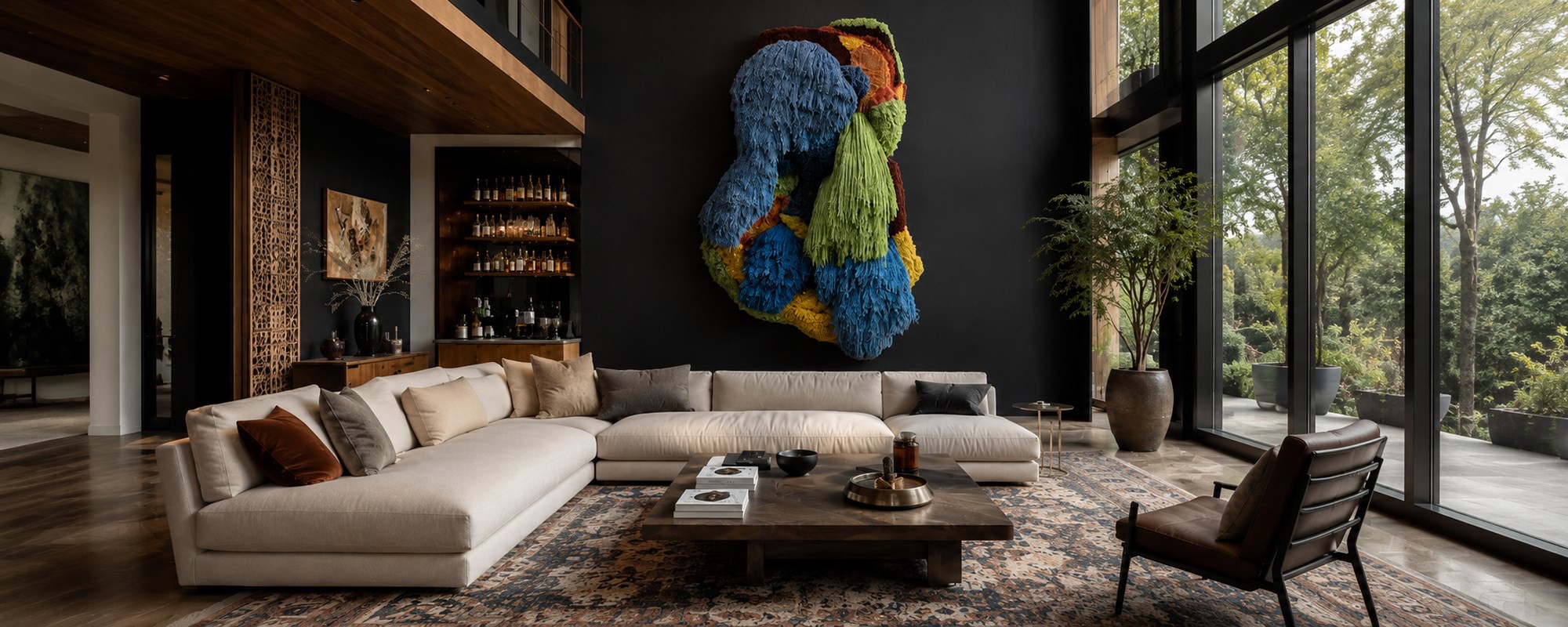
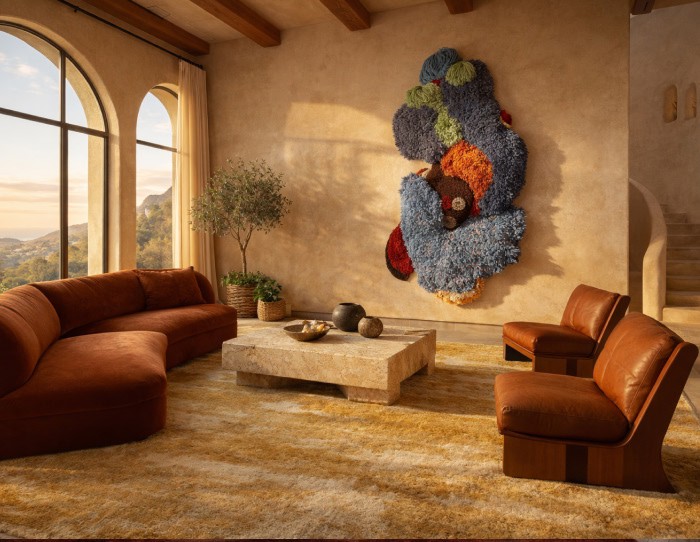
A hanging art installation can define a room instantly. Suspended glass forms, woven structures, or sculptural mobiles can anchor staircases, dining areas, or double-height living rooms.
-
Wall art installation designs add depth beyond traditional artwork. Sculptural wall compositions create visual interest without relying on large paintings.
-
Installation art invites curiosity during everyday life. A carefully placed installation becomes something residents and guests naturally notice and explore.
-
Modern architecture welcomes spatial artwork. Open layouts, high ceilings, and minimal interiors give installation art the room it needs to breathe.
Summing Up..
The most interesting homes today rarely rely on rows of polite framed artworks. Instead, they experiment with space itself.
That shift explains the rising interest in installation art. From dramatic hanging art installation pieces to playful interactive art installations, this art form invites people to move, look closer, and experience their surroundings differently.
Once you understand what is installation art, it stops feeling like something reserved for museums. It begins to feel like a natural extension of how modern spaces express creativity.
We will be back with another blog soon.
Till then, stay tuned and explore Jaipur Rugs!


Pic Credits
Jaipur rugs / Abil Dase
Share
-
 Facebook
-
 Twitter
-
 Email
Email
Related Posts
-
15 July 2026
- ∙
-
8 Min Read
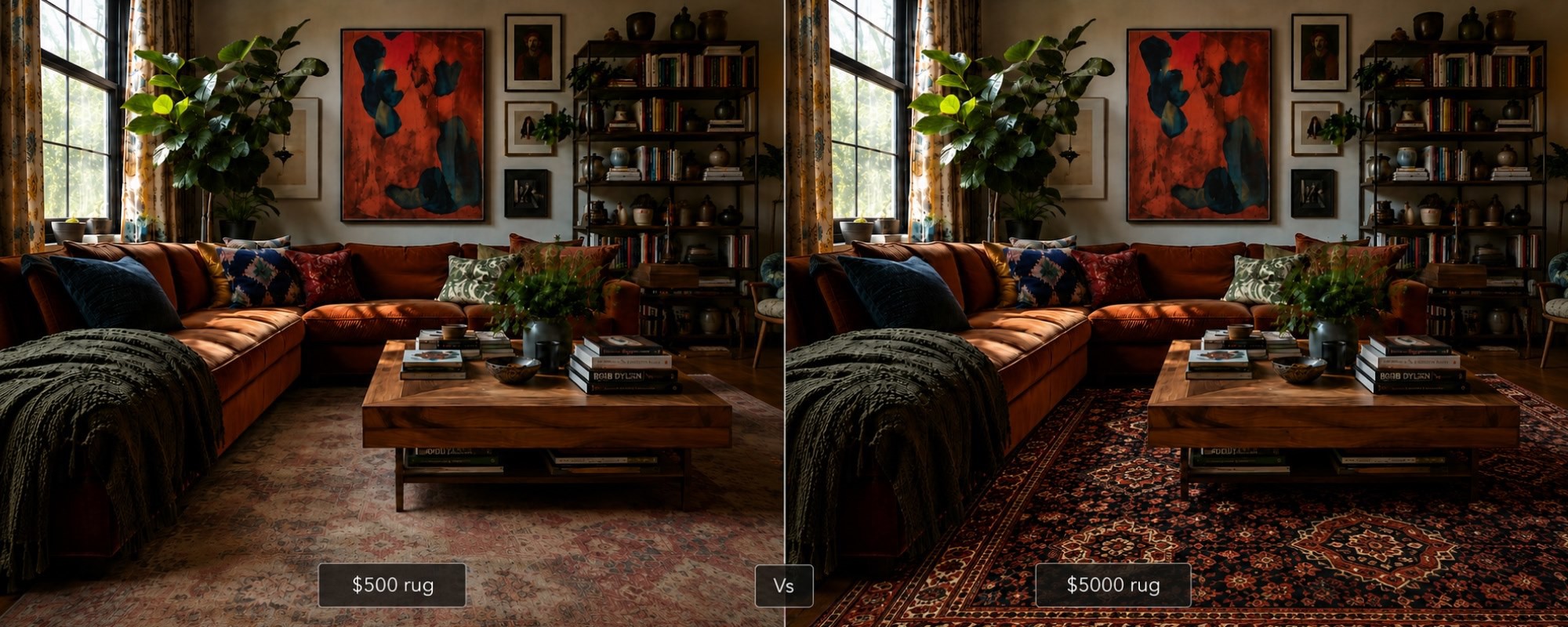
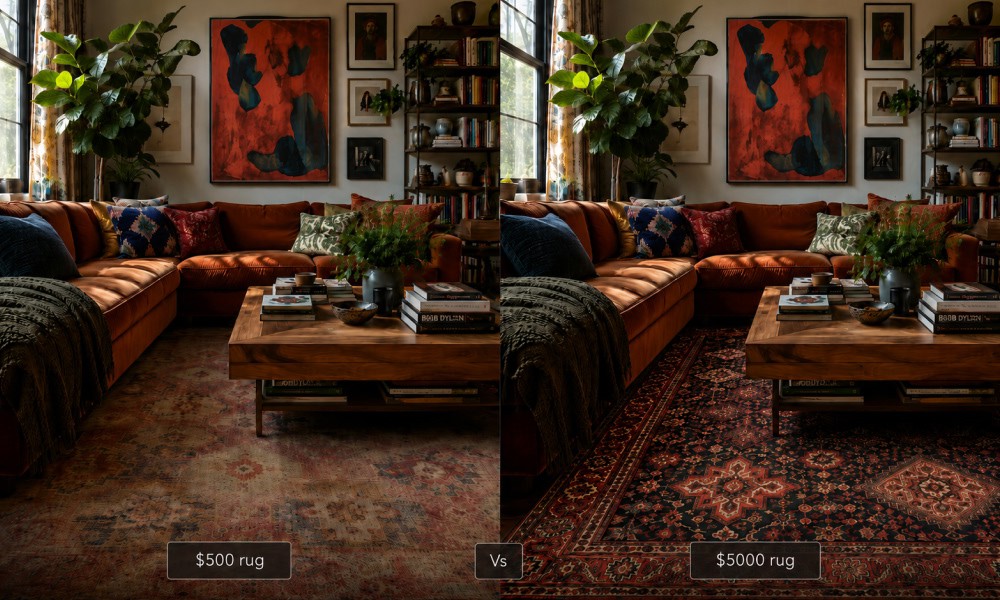
The $500 vs $5,000 Rug: An Honest Side-by-Side That No Brand Will Show You
Why do some rugs cost ten times more than others? This honest side-by-side looks at what actually separates a $500 rug from a $5,000 one: knot density, fiber quality, pile depth, and finishing. No brand bias, no marketing language. Just a clear breakdown to help you decide which one is worth it for your space and budget.
Read Article →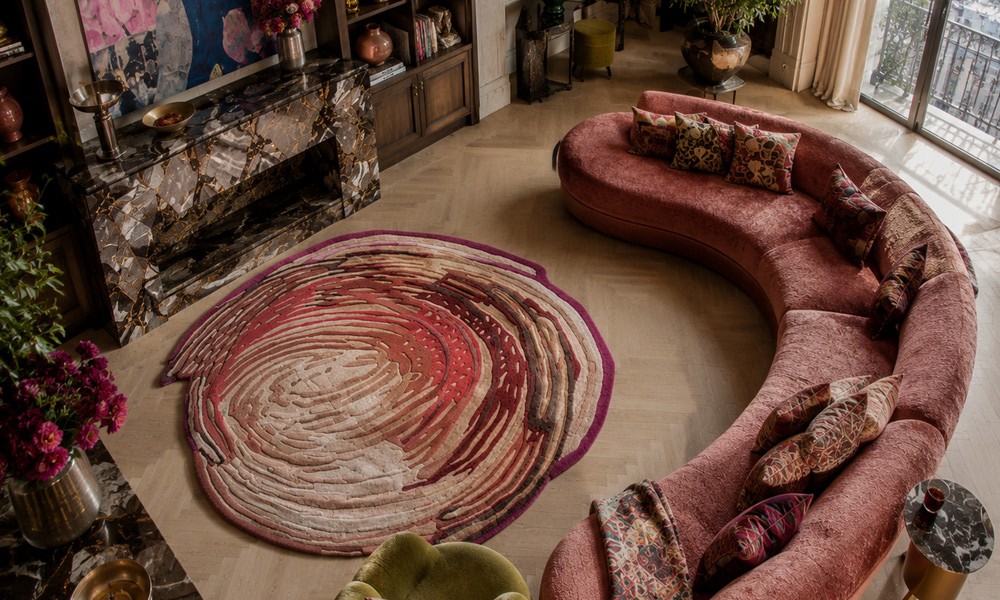
-
14 July 2026
- ∙
-
13 Min Read
3D Rugs and Sculpted Pile: The Tactile Design Trend Redefining Floors in 2026
The rug used to finish a room. Now it starts one. 3D rugs and sculpted piles are bringing real depth and tactile texture to interiors, from hand knotted relief patterns to optical illusion designs that stop you mid-step. This is what the trend is, why it matters, and how to buy it well.
Read Article →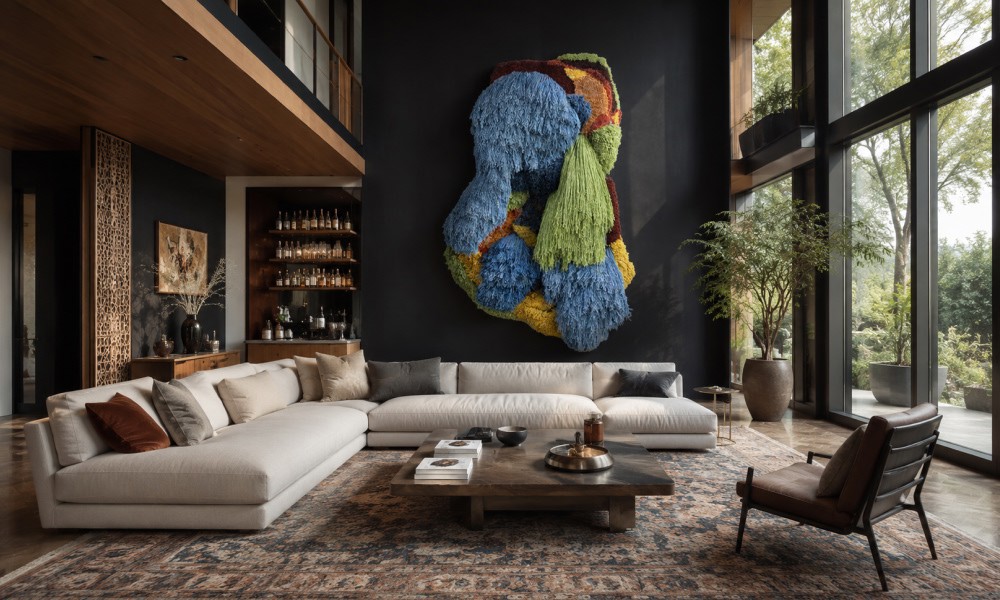
-
10 July 2026
- ∙
-
10 Min Read
How to Pair Indian Wall Art with the Right Rug Pattern: A Room-by-Room Guide
Choosing the right rug to go with your Indian wall art does not have to be guesswork. This guide breaks it down room by room, from the living room to the bathroom and outdoor spaces. Learn how to match colors, patterns, and scale so your wall art and rug always feel like they belong together.
Read Article →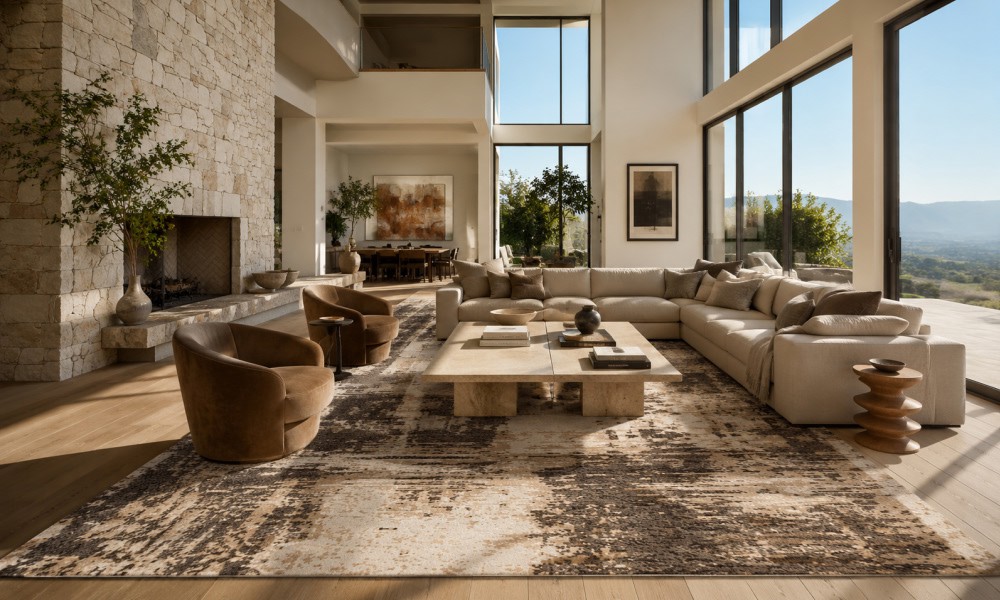
-
07 July 2026
- ∙
-
9 Min Read
How to Tell If a Rug Is Handmade: 7 Signs Experts Look For (Abrash Is One of Them)
Wondering how to know if a rug is handmade? Get an overview of 7 key characteristics that will help you identify if a rug is truly handmade and learn about its differences compared to machine-made rugs, and why they do not lose their value. Here is what to keep in mind when buying a handmade rug.
Read Article →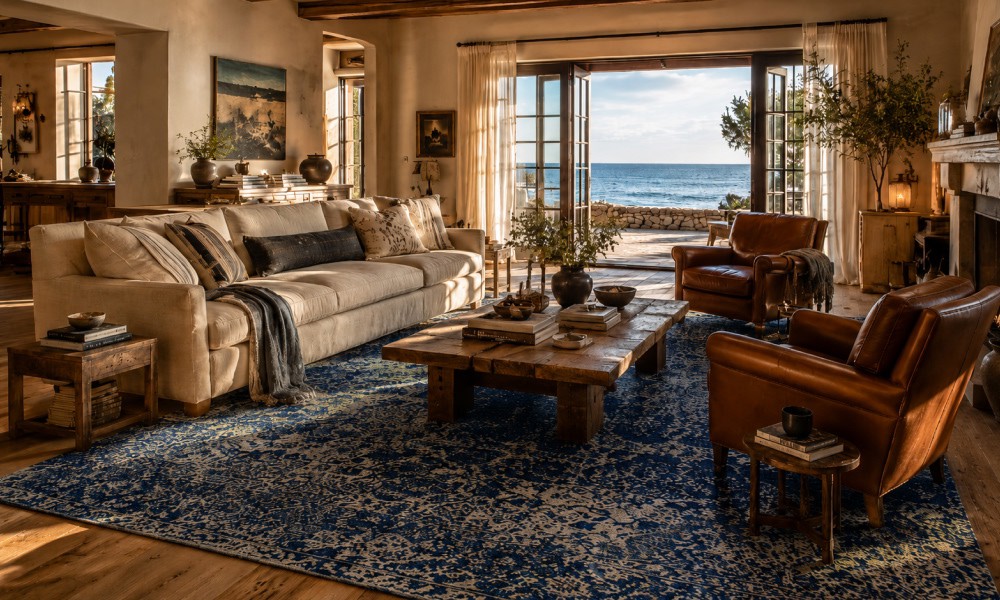
-
04 July 2026
- ∙
-
8 Min Read
Coastal Grandmother Is Evolving: The 2026 "Coastal Heritage" Aesthetic and the Rugs That Define It
The coastal grandmother design is progressing into something new and exciting by 2026. Coastal Heritage introduces texture, craftsmanship, and handmade elements to this popular design style. Here are the various rug types, colors, and decorating ideas to know about this classic coastal design trend.
Read Article →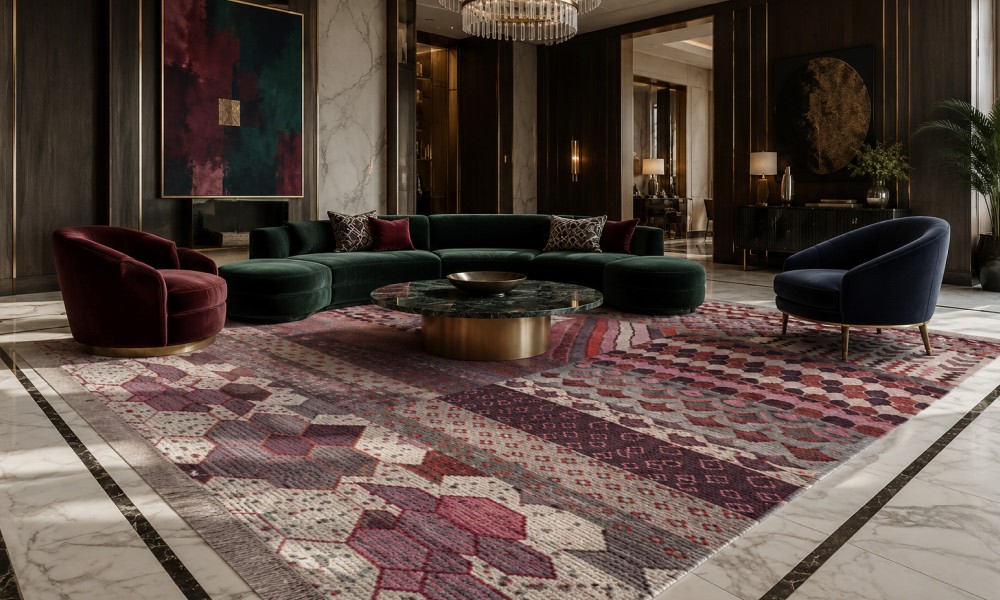
-
22 June 2026
- ∙
-
6 Min Read
Why Top Interior Designers are Switching to Indian Handmade Rugs
High-end interior designers have begun using handmade carpets from India in place of machine-made carpets to enhance their design portfolios and ensure product longevity. The following guide will help you understand why design professionals prefer Jaipur Rugs for creating customized, ethically produced wool-and-bamboo-silk carpet designs for luxurious homes.
Read Article →