You are on our International website. Please select your region to see content specific for your location





 Profile
 Orders
 Wishlist
 Change Password
 Logout


Latest Blogs
rug 101
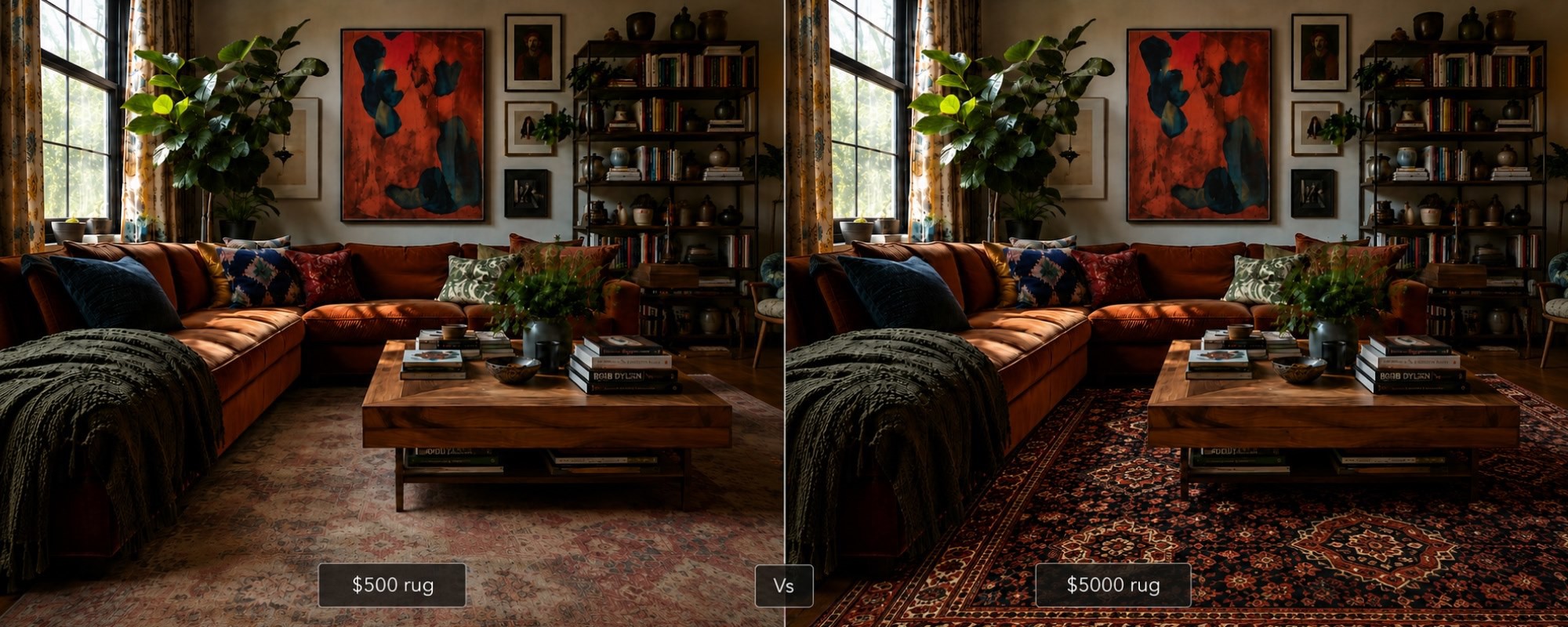
Why Are Rugs So Expensive?
- 18 December 2020
- |
- 6 Min Read
- |
- By Jaipur Rugs


Discover why some rugs are more expensive than others. Several factors contribute to their high cost, from the luxurious feel of wool and silk to the intricate craftsmanship of hand-knotted and hand-tufted designs. The unique patterns of Persian, Moroccan, and kilim rugs reflect cultural heritage, while the labor-intensive process adds value. This guide explains the key elements that make expensive rugs a worthy investment and helps you understand their true worth.
Ever wondered, "Why are rugs so expensive?" You're not alone. If you're on the hunt for a new rug, you've probably noticed the wide price range—and it can be a little overwhelming.
You might look at a Persian or Moroccan rug and ask, "Is this really worth the price?" Well, there's actually a lot that goes into the cost of these beautiful floor coverings.
Let's dive into what makes expensive rugs so special so you can feel confident in your next purchase.
The Material: The Heart of the Rug's Value
Let's start with the basics—the material. The type of material used to create a rug directly impacts its price, durability, and overall feel. Think of it like buying a designer handbag rather than a knockoff. The material is a big part of why wool rugs are so expensive compared to jute rugs.
-
Wool: One of the most sought-after materials in rug-making is wool. Why? Well, wool is renewable, incredibly durable, and naturally strong. It's perfect for rugs that are meant to last for decades without their quality fading or wear and tear showing up too soon. This is why wool rugs often come with a hefty price tag. Plus, they're super soft and comfy underfoot, which makes them a top pick for luxury rugs.

Luxury wool rug in modern interiors
-
Silk: If you're looking for something that oozes luxury, silk rugs are the way to go. These rugs have a soft, glossy feel that's hard to beat. They're often found in high-end Persian or Oriental rugs. Silk requires careful handling and special cleaning methods, which is part of why they're more expensive.
If you've wondered, "Why are oriental rugs so expensive?" The answer is all about the high-quality silk used and the craftsmanship of making them.

Authentic Silk rug in white-modern home decor
-
Jute and Hemp: On the flip side, jute and hemp rugs are more affordable options that still offer durability and natural beauty. These materials are often used in kilim rugs or flat woven styles, making them great for high-traffic areas. While not as luxurious as wool or silk, jute rugs are still highly functional and bring any space a cozy, earthy vibe.
So, if you're wondering, "Why are kilim rugs so expensive?"—it usually comes down to the blend of natural fibers and the weaving technique used.

Jute rug in beige color for perfect lunch setting
Craftsmanship: The Art of Rug Making
Now, let's talk about the craftsmanship behind the rug. Handwoven rugs, like hand-knotted rugs, can take weeks—or even years—to make. This level of detail and time invested definitely adds to the price. Imagine trying to hand-tie each knot in a rug for months. It's labor-intensive, but the results are stunning.
-
Hand-Knotted Rugs: Hand-knotted rugs are usually the most expensive. The process involves tying each knot by hand, which requires serious skill and patience. The more knots per square inch, the more intricate the design—and the higher the price tag.
For example, Persian rugs and carpets often feature thousands of tiny knots, making them feel dense and plush underfoot. So when you ask, "Why are oriental rugs so expensive?" It's because of this unique, time-consuming craftsmanship.

Hand knotted rug with sleek designs and neutral color
-
Hand-Tufted Rugs: While not as costly as hand-knotted rugs, hand-tufted rugs still offer great value for the price. The process is quicker but still requires skilled artisans. They're made using a tufting gun, which speeds up the production but doesn't sacrifice too much of the quality.
If you're searching for something beautiful but more affordable than a hand-knotted rug, hand-tufted rugs are your sweet spot.

Hand Tufted rug in white and gold color
Knot Density: The More Knots, the More Value
Let's discuss something you might not consider when buying a rug—knot density. This simply means how many knots are woven into a rug per square inch. The higher the knot count, the more time it takes to make and the more intricate the design.
The next big question is: Why are area rugs so expensive? Area rugs with high knot densities—like Persian or Traditional rugs—tend to be more expensive. Each knot adds to the texture and quality, making the rug softer and longer-lasting.
The more detailed the design, the more it will cost. If you're eyeing a rug with a detailed pattern that looks like a work of art, you're probably looking at a high-density rug.

9*12 ft traditional rug for living rooms
Design and Patterns: The Unique Touch
We can't talk about expensive rugs without mentioning design. A rug's beauty comes from its material, craftsmanship, and the patterns and colors woven into it. Kilim rugs and Moroccan rugs are prime examples of how intricate patterns can elevate a rug's value.
-
Exclusive Designs: Have you ever wondered, "Why are Moroccan rugs so expensive?" It's because of their unique, geometric designs and vibrant colors, often created using natural dyes. These designs aren't easy to replicate, and that rarity is what makes these rugs so valuable. The more intricate the design, the more time it takes to make, which means higher costs.

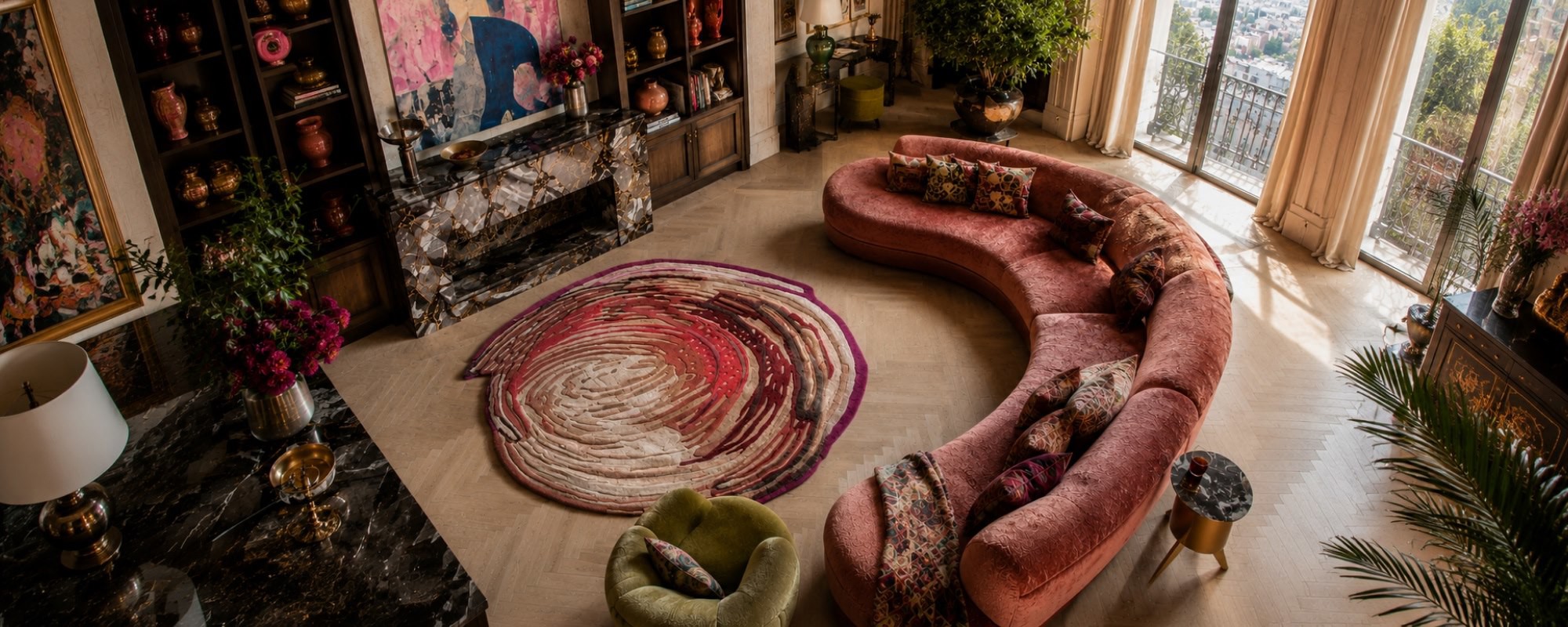
Jaipur Rugs Wunderkammer Collection for modern home interiors
-
Cultural Significance: Rugs from different regions carry a lot of cultural significance. For example, Oriental rugs often have historical meanings behind their designs. When you invest in a rug from a specific cultural tradition, you're not just buying a piece of decor but a part of history.
Ethical Production: The Fair Labor Factor
One last thing to keep in mind is production ethics. Rugs made in factories with ethical labor practices tend to be more expensive. This is because artisans are paid fairly, and safe working conditions are provided, which ultimately contributes to a better-quality product.

Handcrafted carpet detailing work
Buying rugs with certifications that ensure fair labor is a great way to support the industry and get an ethically made piece.
Why Are Rugs So Expensive? The Bottom Line
So, why are rugs so expensive? It all comes down to a few things: the materials used, the craftsmanship, the knot density, the unique designs, and the ethical production practices. Whether you're eyeing a wool rug, a luxurious antique rug, or a handwoven Moroccan rug, the investment is worth considering how much time and skill goes into each piece.
If you're on a budget, don't worry—plenty of options, like jute and kilim rugs, offer great value without breaking the bank.

Antique rug for perfect living room settings
FAQs
What Are High-Quality Rugs?
High-quality rugs are typically hand-knotted or hand-tufted and made from premium wool, silk, or viscose. They offer durability, softness, and unique patterns that elevate the look of any space.
Why Are Hand-Knotted Rugs So Expensive?
Hand-knotted rugs are expensive because each knot is tied by hand, a labor-intensive process that takes time and skill. High-quality materials like wool or silk further contribute to the cost, making them valuable investments.
Which Rugs Are the Most Expensive?
Hand-knotted and hand-tufted rugs made from wool or silk are generally the most expensive. Their craftsmanship, use of natural materials, and intricate designs make them highly sought after.
Why Are Kilim Rugs So Expensive?
Kilim rugs are highly valued for their intricate handwoven designs, often made with wool and natural dyes. The labor-intensive weaving techniques and unique patterns contribute to their higher price.
Are Moroccan Rugs Worth the Investment?
Absolutely! Moroccan rugs are known for their unique designs, durability, and vibrant colors. They're handmade using traditional techniques, making them beautiful and a smart investment for your home.
How Can I Maintain Expensive Rugs?
Maintaining expensive rugs requires regular care. Vacuum them with a low-power setting to prevent dirt buildup. For delicate rugs like silk or Persian rugs, consider professional cleaning. Rotate your rugs regularly to avoid uneven wear, and keep them out of direct sunlight to prevent fading.


Pic Credits
Jaipur rugs / Abil Dase
Share
-
 Facebook
-
 Twitter
-
 Email
Email
Related Posts
-
30 June 2026
- ∙
-
7 Min Read
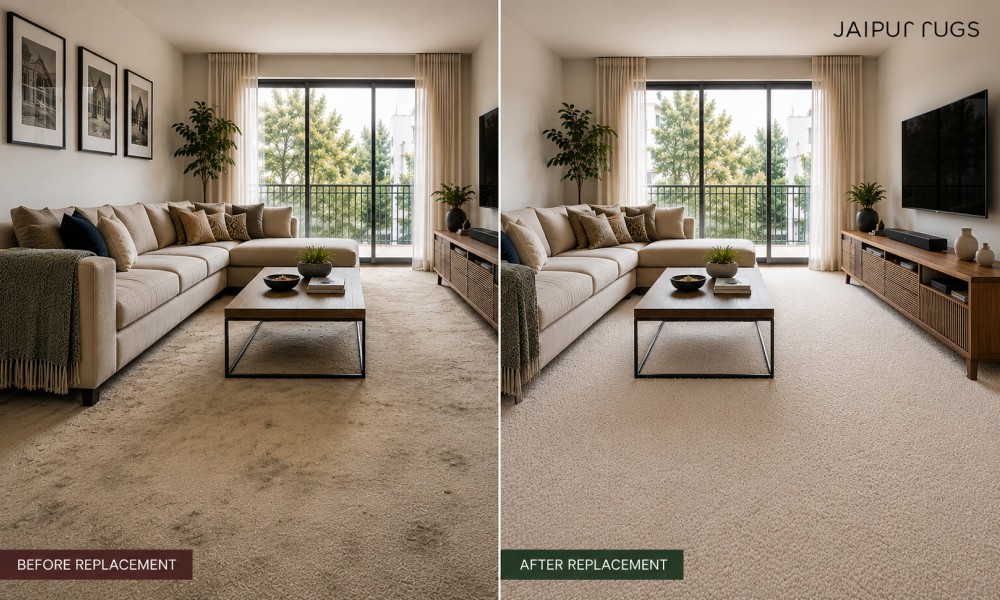
Carpet Replacement: Everything You Need to Know Before You Buy
Wondering if it's time to replace your carpet? This guide breaks down how long carpet really lasts, what affects replacement cost, and the warning signs like mold, smell, and wear you shouldn't ignore. It also compares carpet, hardwood, and area rugs, helping you pick the right flooring for your home, your budget, and your family's health.
Read Article →
-
23 December 2024
- ∙
-
7 Min Read
Why Are Jaipur Rugs' Best-Selling Carpets A Must-Have For Every Home?
Jaipur Rugs' best-selling carpets offer a perfect blend of timeless beauty and luxurious craftsmanship. Hand-knotted with precision, each rug showcases unique designs that elevate any space. From traditional to modern styles, these rugs are crafted to enhance your home’s decor with lasting elegance. Discover the perfect rug to add warmth and style to your living room, bedroom, or hallway.
Read Article →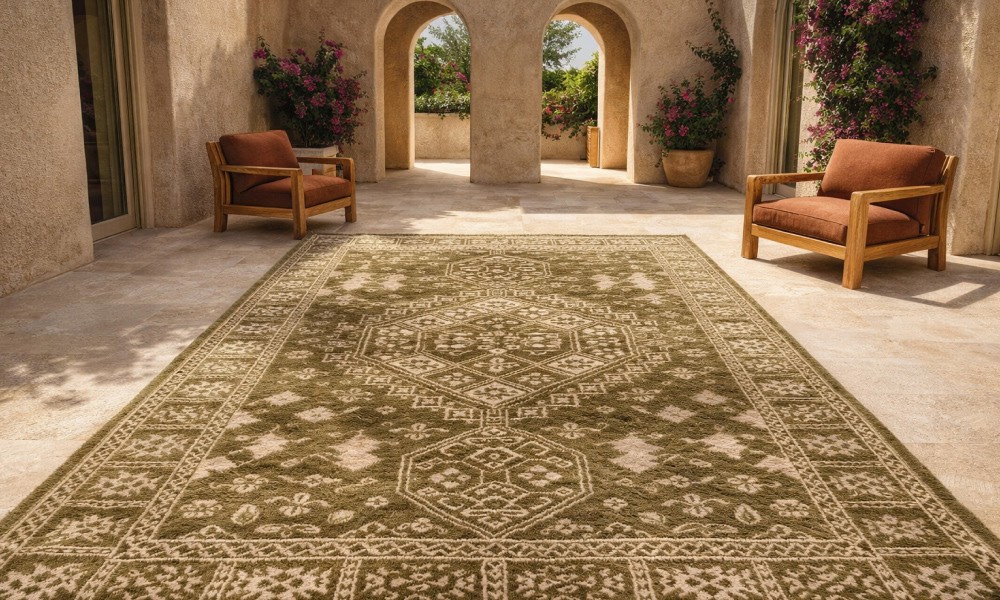
-
28 February 2026
- ∙
-
6 Min Read
Carpet Pile Height Guide: Measurements, Charts & Best Choices
Choosing carpet without understanding pile height is like buying shoes without checking size. One wrong inch can ruin comfort, cleaning, and durability for years. Low, medium, high, they are not just labels. They change how your room feels and functions. Before you spend a single dollar, read this entire guide. It will change how you choose a designer rug or handmade carpet.
Read Article →
-
27 February 2026
- ∙
-
6 Min Read
The Ultimate Rug Pad Guide: How to Choose the Best Rug Pad?
Most people spend thousands on designer handmade rugs and ignore what sits underneath. The best rug pad controls comfort, grip, noise, insulation, and even floor safety. Thickness, material, and placement all matter more than you think. If you choose wrong, you shorten your rug’s life. Read this complete guide before you buy anything.
Read Article →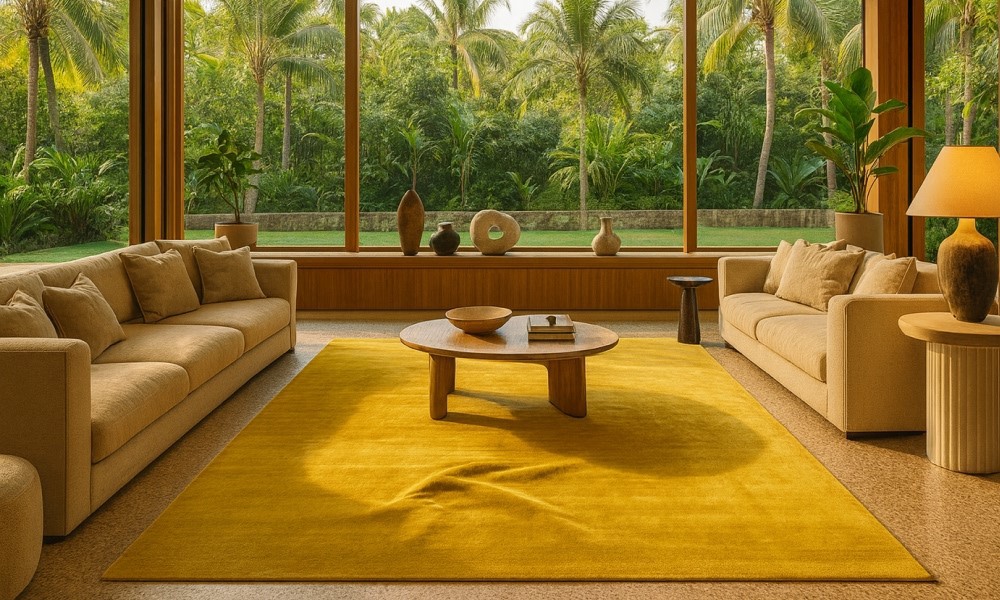
-
08 December 2025
- ∙
-
8 Min Read
Understanding and Fixing Carpet Buckling: A Complete Guide That Actually Helps
Carpet buckling appears as waves, ripples, or bumps and is usually caused by moisture, humidity, dragging furniture, or poor installation. The guide explains why carpets wrinkle, how to flatten carpets, and when restretching is needed. It also covers common mistakes, prevention tips, and how different rugs and rug pads affect carpet stability. Perfect for homeowners looking for clear solutions.
Read Article →
-
06 December 2025
- ∙
-
6 Min Read
6 Easy Tips To Clean Carpet at Home Without Professional Help
Tired of seeing your carpet look tired? We have got 6 cleaning tips that actually work, no professionals required. Whether it’s day-to-day messes or deep stains, these simple hacks will have your rug looking fresh again. Want to know the easiest way to keep it spotless? Let’s get into it.
Read Article →