You are on our International website. Please select your region to see content specific for your location





 Profile
 Orders
 Wishlist
 Change Password
 Logout


Latest Blogs
ideas and inspiration
Why Rugs are Art
- 17 February 2023
- |
- 5 Min Read
- |
- By Jaipur Rugs

The idea that a beautiful handmade rug is also a limited edition artwork fits well in with the trend for signature interior spaces. Find out why.
From the middle ages to current times, if there’s one item in home décor that’s stood the test of time, it’s the carpet – or, the rug (the two words are now often used interchangeably). Starting off as a utilitarian item (it was used to warm the hearth or as prayer mats or as a trading currency), the carpet came into its own, particularly as a decorative and precious object in the 16th century during the Safavid dynasty, especially under the reign of Shah Abbas. (In Iran, they are still called ‘Shah Abbas’ carpets after the monarch).
Today, some handmade carpets can cost an arm and a leg. They probably did, back in the day too – after all, they were exchanged as gifts and symbols of allegiance between kings; and when Marco Polo travelled back to the Occident with tales of dazzling rugs found in the Orient, woven in silk and encrusted with gems, Europe discovered the famous Persian rugs.
To this day, this most favoured home decor element is an object that can evoke emotions, tell a story and light up a home – everything that a beautiful piece of art does. But why exactly are handmade rugs such treasured items?
1. Handcrafted rugs are unique
Keeping design, colour, weave and all other variables the same, no two handmade rugs will be the same. Handmade invariably results in unavoidable irregularities of pattern that give the carpet a unique charm. They are symbols of the creator's artistic personality, as opposed to machine-made that churn out uniform pieces erasing indications of particular craftsmanship. Traditionally, a certain Oriental or Persian rug is not made in different sizes but exists only once. This is exactly where the charm and character of a handmade rug lie. The uniqueness of each piece means you will be owning a singular piece of art.
Trivia: Rug-making was first introduced to India by Babar in the sixteenth century but really flourished under Akbar, who was a known patron of the arts.

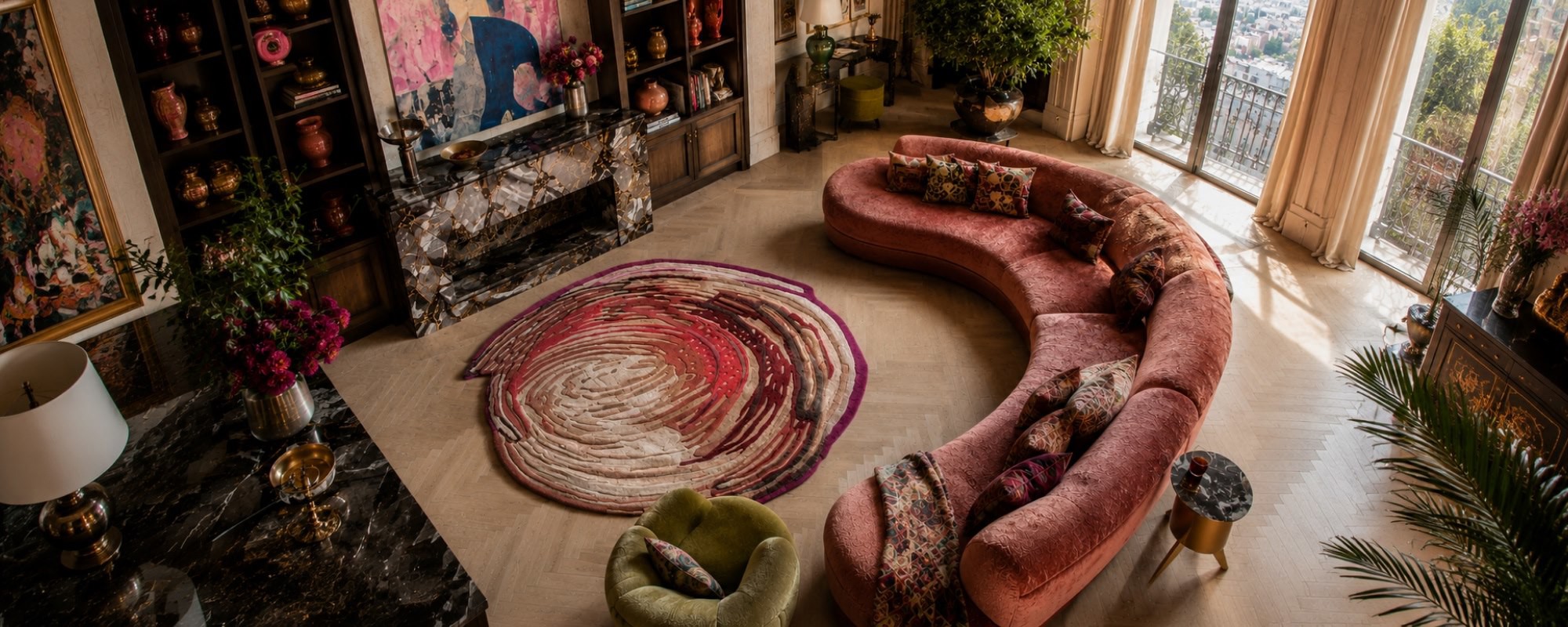
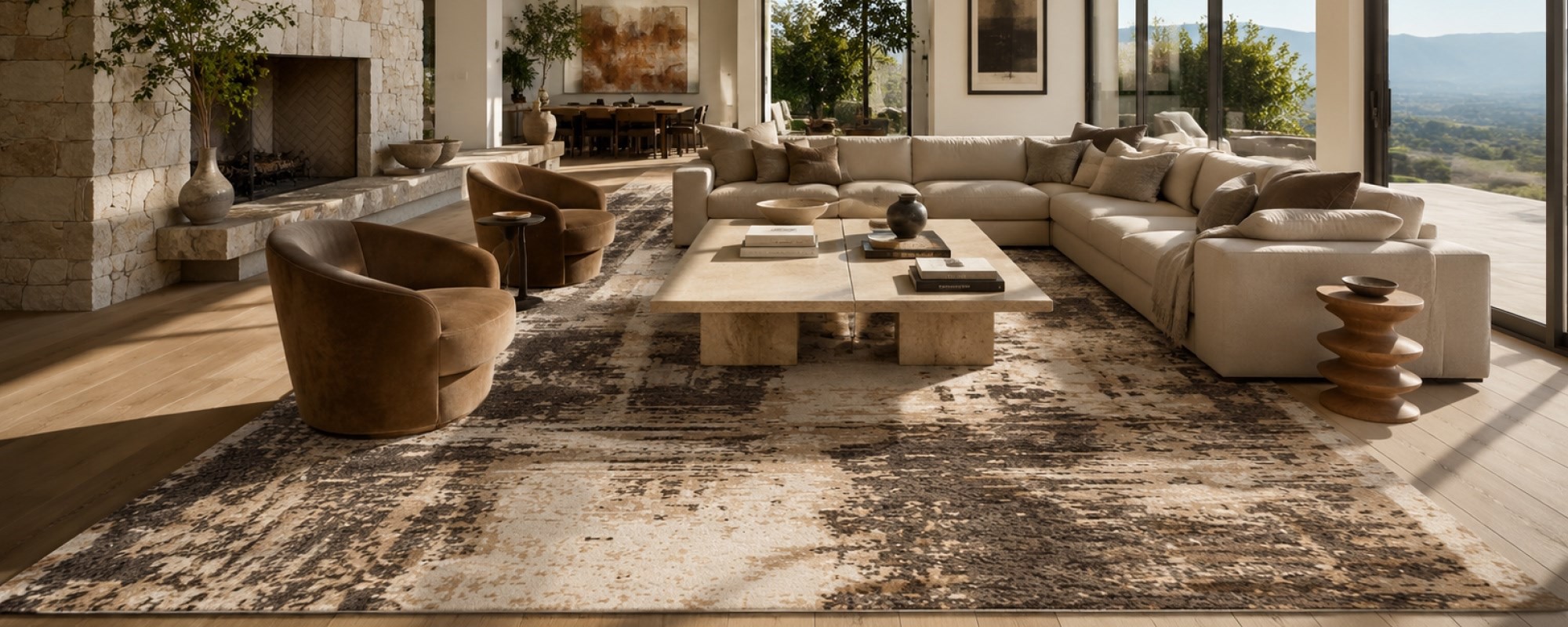
This handmade and bold Jaipur Wunderkammer rug is viscose and wool,
ideal for spaces where you want to make a statement
2. Handmade rugs epitomise sterling design work
Artists frequently communicate their unique mix of cultures, storytelling skills, and inspiration through their handmade creations. The same applies to carpet weaving by hand, where the maker’s skill and understanding of the design is particular to them alone. The attention to detail in making designs come to life over long periods of time is what makes a carpet a piece of art. What infinite joy it brings to handle a beautifully woven carpet and wonder what inspired its making and its maker.
Fun fact: The oldest known carpet known as the Pazhyryk rug, dating around the 4th century BC was excavated at Pazhyryk, Kazakhstan in 1949, from the grave of a Scythian nobleman. Made from sheep’s wool, it was miraculously well preserved, frozen as it was in the ice.
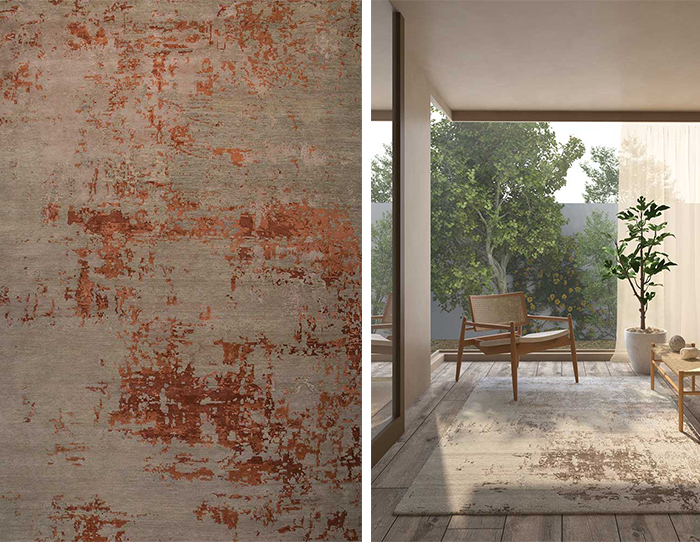
Tattvam rug in ashwood honey is a modern, hand knotted rug that’s
part wool part bamboo silk
Shop This Rug
3. Skilled techniques are the differentiating factor
Mostly, carpets made by hand are either knotted, tufted, loomed or flat-woven (kilims). Of them all, hand-knotted rugs are the crème de la crème of the carpet world. The knot density can determine the carpet's quality. By counting the knots in each square inch on the rug's reverse, one can determine the quality of these carpets. The more knots, the better the rug's quality, durability and distinctiveness in design.
Generally speaking, rugs with over 330 knots per square inch are considered high quality carpets. The finest quality carpets have over 1,000 KPS. So, it is perfectly normal that a carpet can take months, and sometimes even years to produce, and therein lies its worth.
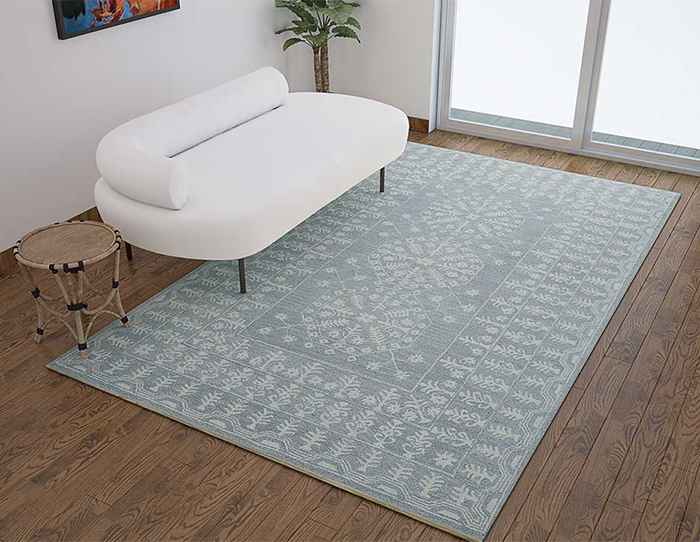
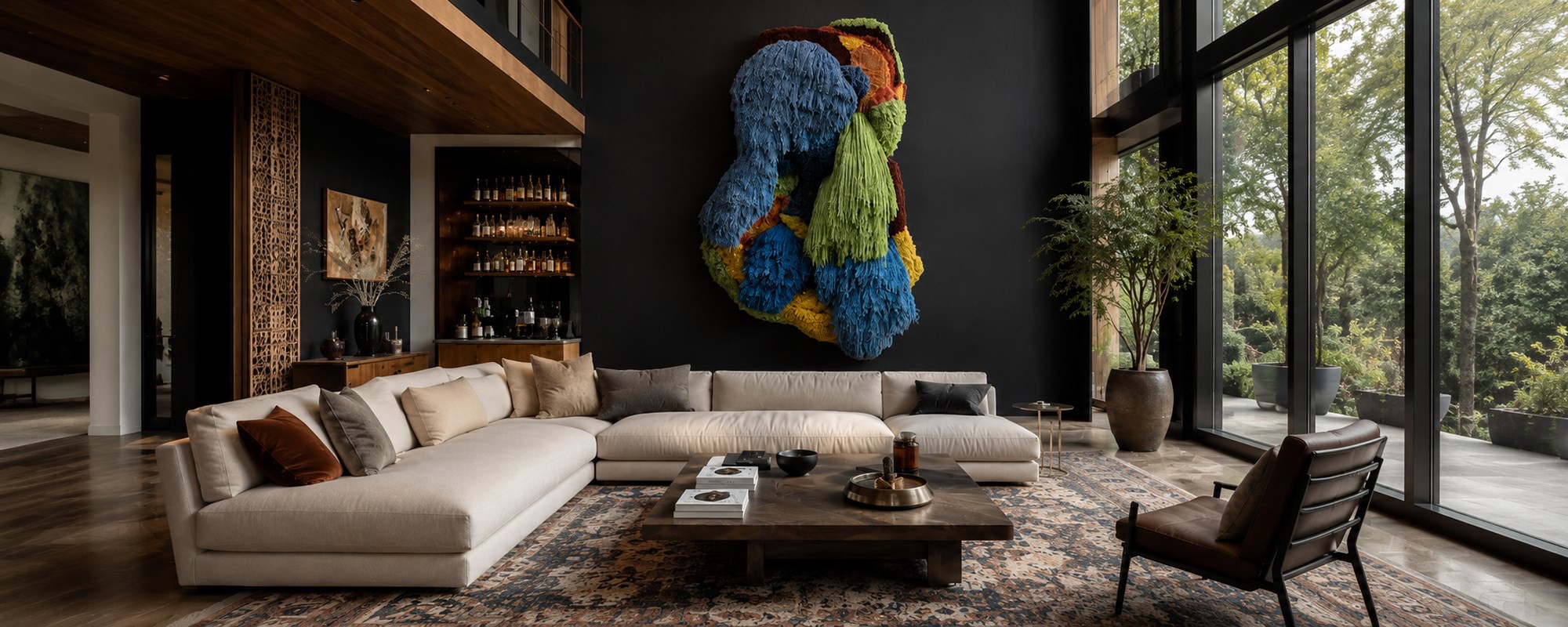
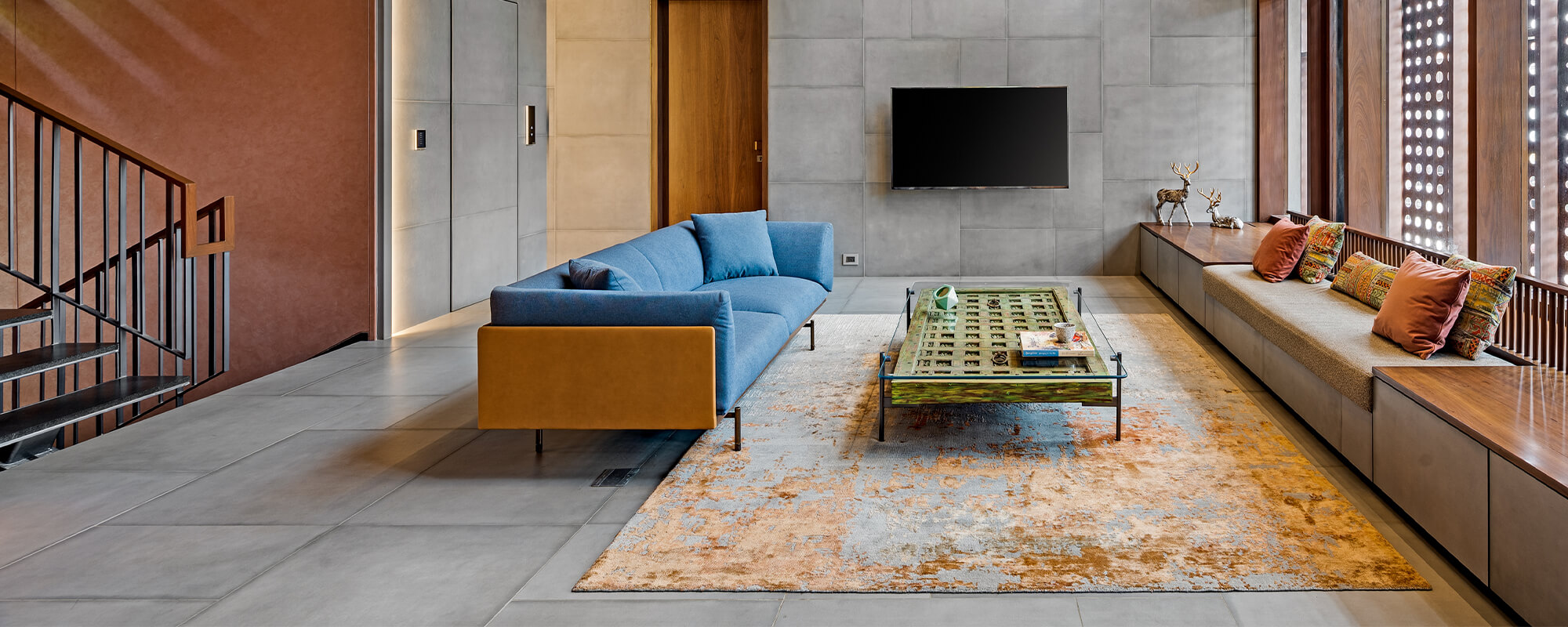
The bright burst of colour from the rug offsets the neutral tones of this living room.
Shop This Rug
4. Their value increases with time
A well-made rug can last several decades without showing major signs of wear and tear – a quality that allows it to be passed down through generations as heirlooms, thereby increasing its value. Carpets made out of natural fibres like wool, cotton or silk, using vegetable dyes and featuring a healthy knot density, have the necessary foundation for long-term sustainability. In the case of naturally dyed rugs, when the prints begin to fade somewhat after years of use, they can be over-dyed to renew the colours – or, leave them as is to increase their distinctive vintage appeal.
Trivia: Rugs dating before the 1930s are considered antique, while those manufactured during the 1950s are considered vintage.
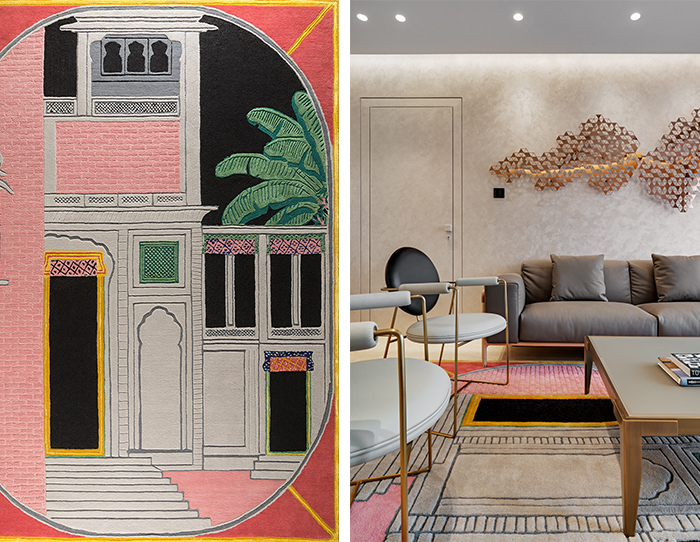
This Jaipur Wunderkrammer is a hand tufted, handmade rug made by a weaver from rural India.
Its graphic lines and bold colour lift the living room area.
Shop This Rug
5. Rugs are versatile
You don’t often see rugs adorning the walls in every home. But when you do, it leaves an impression. While tapestries are a different art form on textiles, carpets and rugs too can be used to embellish walls. They provide a measure of the distinct character of the home.
Underfoot or hung on walls, they serve to absorb sound, add texture, colour, warmth – and make quite a statement while doing it all.
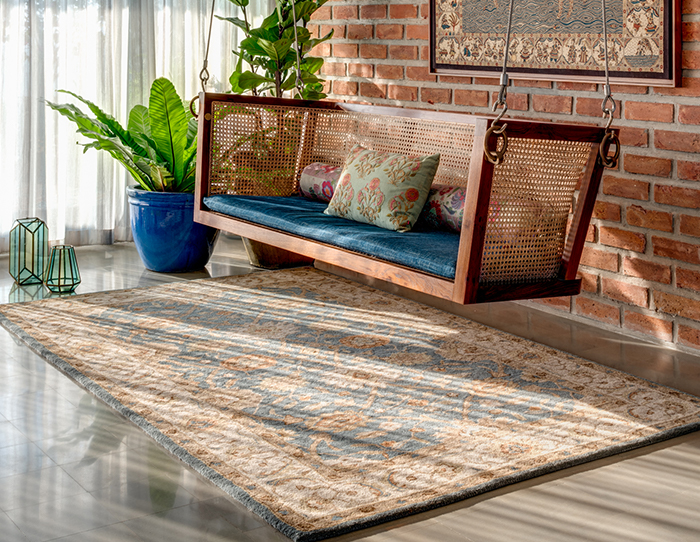
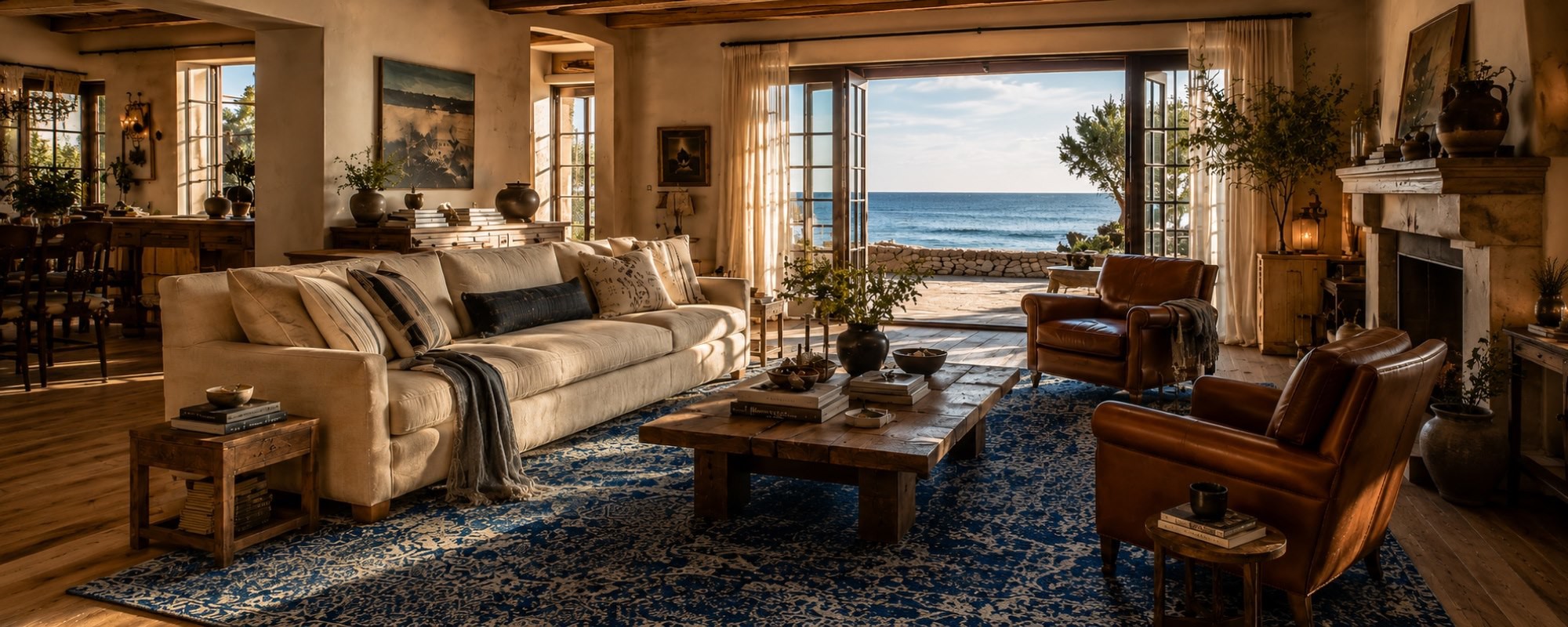
This gorgeous traditional 100% woollen Mythos rug adds a good
dose of grandeur to this lounge space
Shop This Rug
Rugs as a notion of artwork is one filled with excitement and endless possibilities. They add the same vitality and exude similar artistic sensibilities as does a beautiful painting or an intricately carved sculpture. It wouldn’t be an exaggeration to say that there aren’t many rooms that wouldn’t be improved by a rug, either on the floor or on the wall.
More on rugs:


Pic Credits
Jaipur rugs / Abil Dase
Share
-
 Facebook
-
 Twitter
-
 Email
Email
Related Posts
-
15 July 2026
- ∙
-
8 Min Read
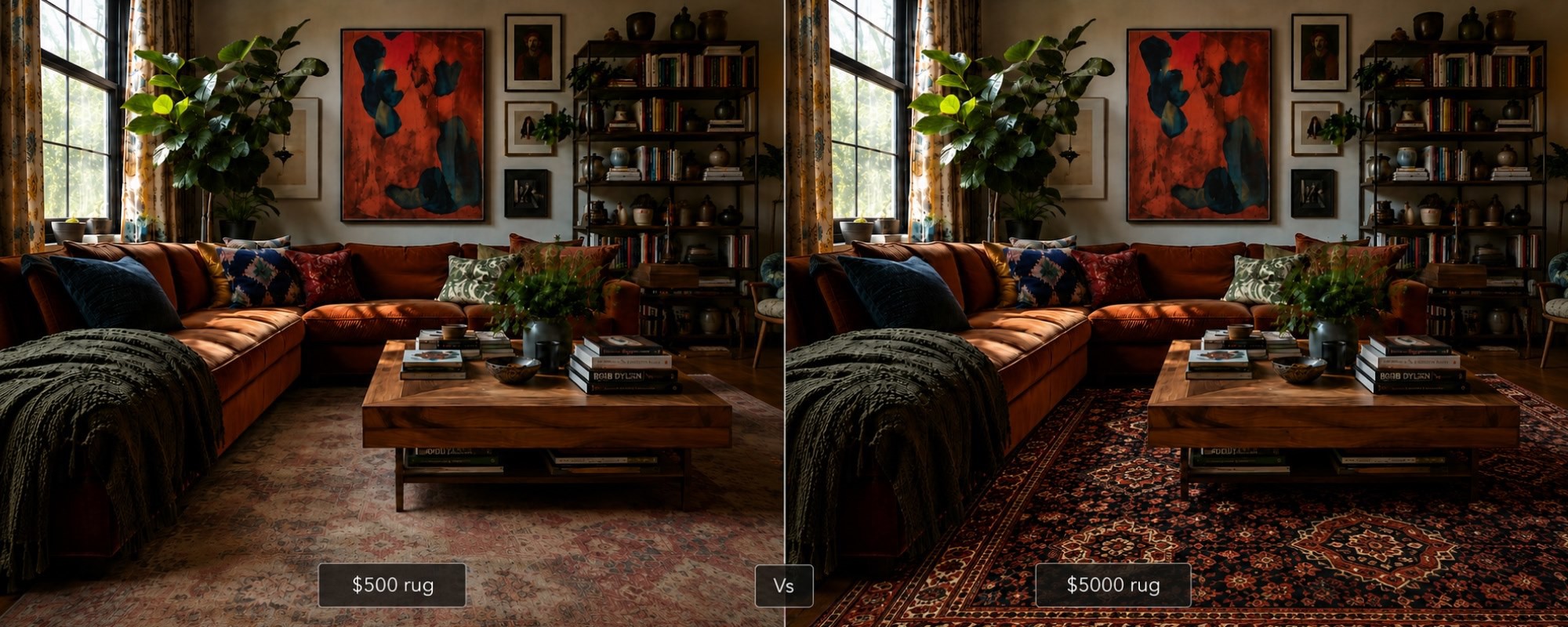
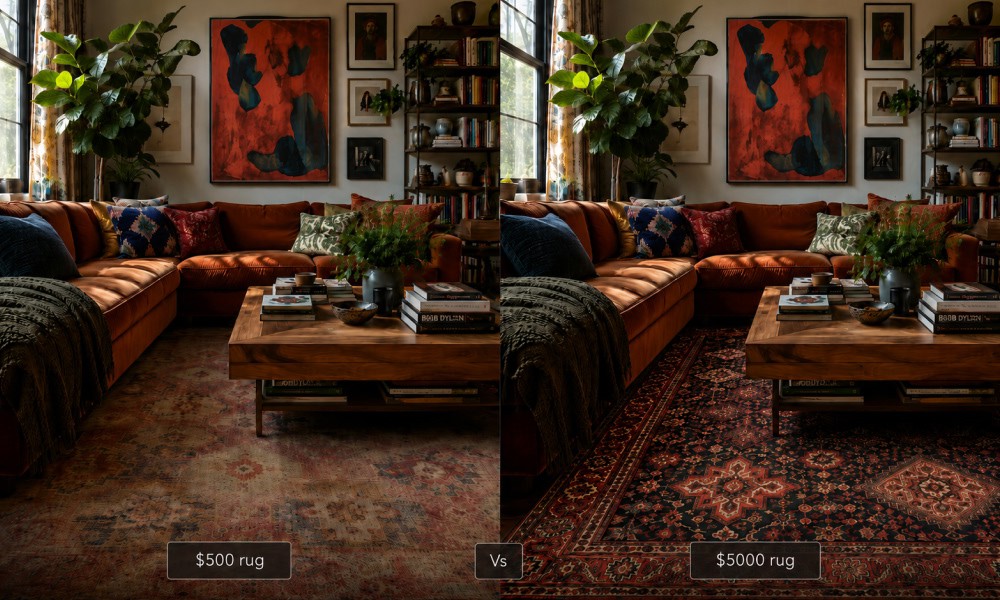
The $500 vs $5,000 Rug: An Honest Side-by-Side That No Brand Will Show You
Why do some rugs cost ten times more than others? This honest side-by-side looks at what actually separates a $500 rug from a $5,000 one: knot density, fiber quality, pile depth, and finishing. No brand bias, no marketing language. Just a clear breakdown to help you decide which one is worth it for your space and budget.
Read Article →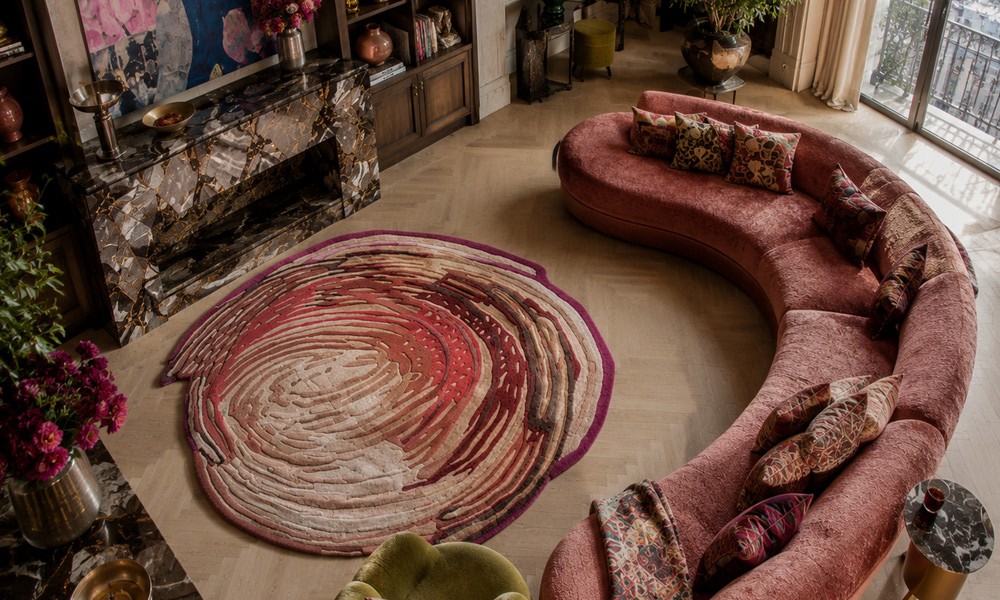
-
14 July 2026
- ∙
-
13 Min Read
3D Rugs and Sculpted Pile: The Tactile Design Trend Redefining Floors in 2026
The rug used to finish a room. Now it starts one. 3D rugs and sculpted piles are bringing real depth and tactile texture to interiors, from hand knotted relief patterns to optical illusion designs that stop you mid-step. This is what the trend is, why it matters, and how to buy it well.
Read Article →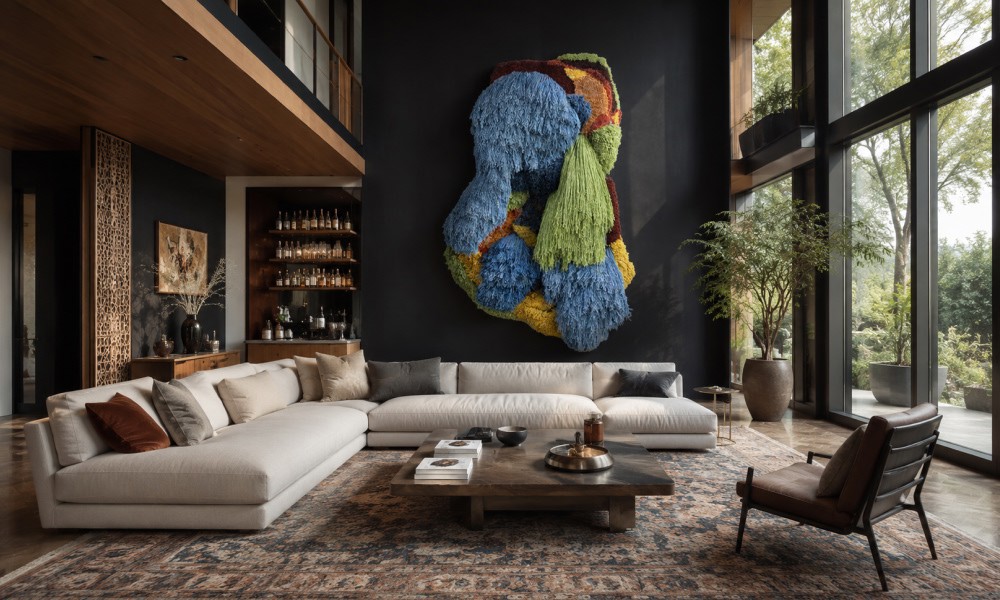
-
10 July 2026
- ∙
-
10 Min Read
How to Pair Indian Wall Art with the Right Rug Pattern: A Room-by-Room Guide
Choosing the right rug to go with your Indian wall art does not have to be guesswork. This guide breaks it down room by room, from the living room to the bathroom and outdoor spaces. Learn how to match colors, patterns, and scale so your wall art and rug always feel like they belong together.
Read Article →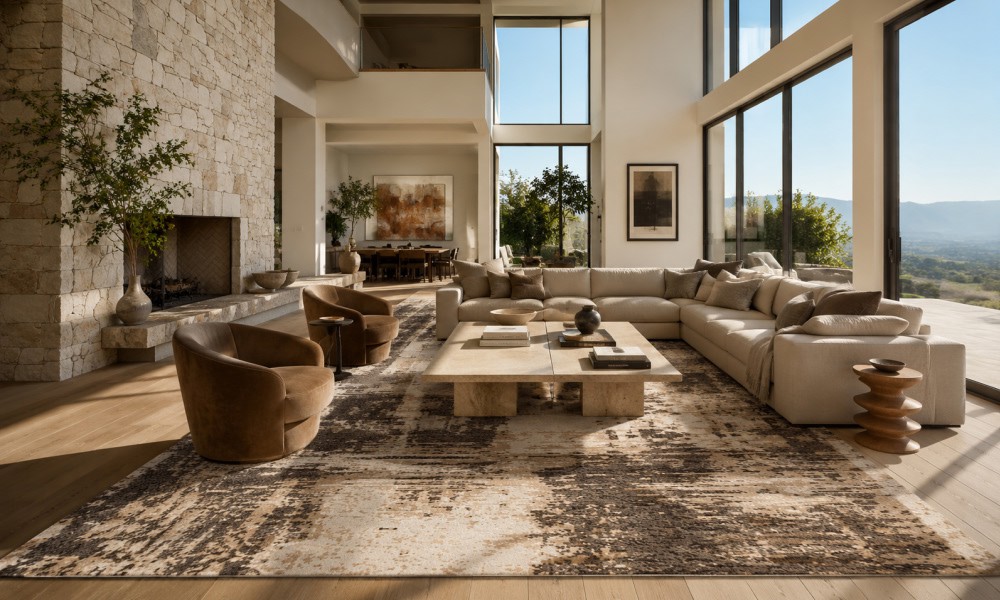
-
07 July 2026
- ∙
-
9 Min Read
How to Tell If a Rug Is Handmade: 7 Signs Experts Look For (Abrash Is One of Them)
Wondering how to know if a rug is handmade? Get an overview of 7 key characteristics that will help you identify if a rug is truly handmade and learn about its differences compared to machine-made rugs, and why they do not lose their value. Here is what to keep in mind when buying a handmade rug.
Read Article →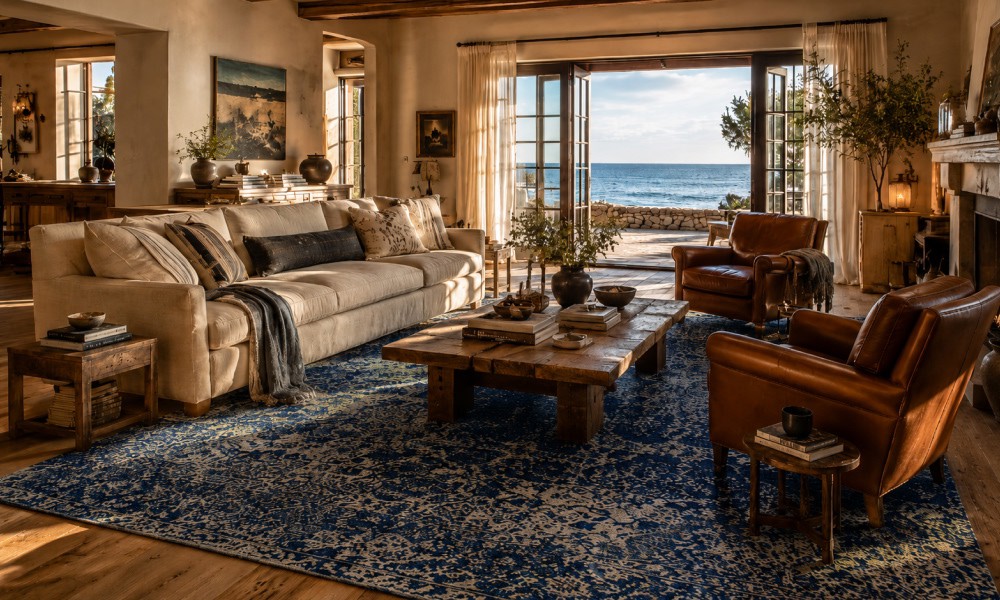
-
04 July 2026
- ∙
-
8 Min Read
Coastal Grandmother Is Evolving: The 2026 "Coastal Heritage" Aesthetic and the Rugs That Define It
The coastal grandmother design is progressing into something new and exciting by 2026. Coastal Heritage introduces texture, craftsmanship, and handmade elements to this popular design style. Here are the various rug types, colors, and decorating ideas to know about this classic coastal design trend.
Read Article →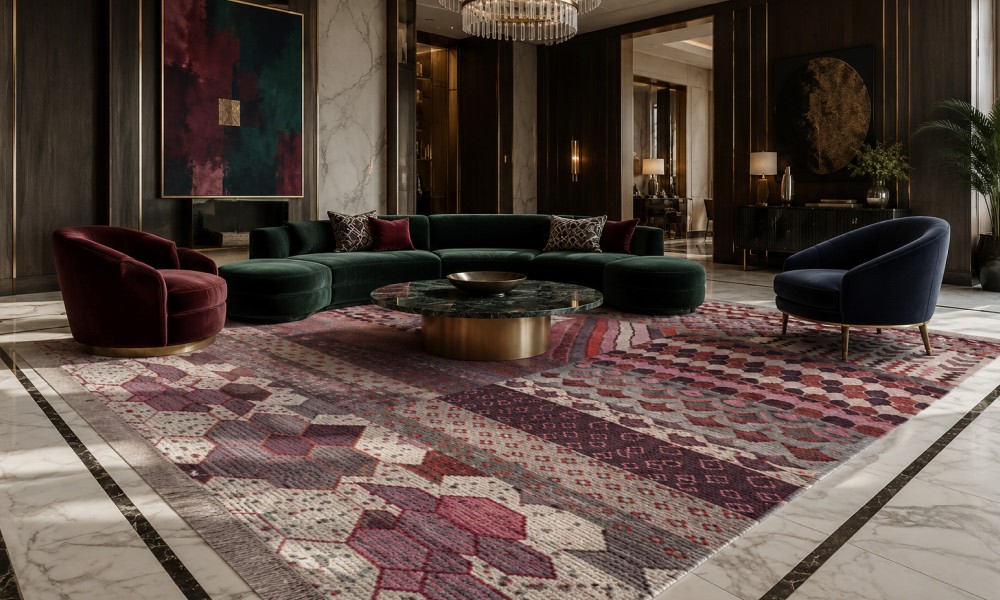
-
22 June 2026
- ∙
-
6 Min Read
Why Top Interior Designers are Switching to Indian Handmade Rugs
High-end interior designers have begun using handmade carpets from India in place of machine-made carpets to enhance their design portfolios and ensure product longevity. The following guide will help you understand why design professionals prefer Jaipur Rugs for creating customized, ethically produced wool-and-bamboo-silk carpet designs for luxurious homes.
Read Article →